Being a midwife in Angola

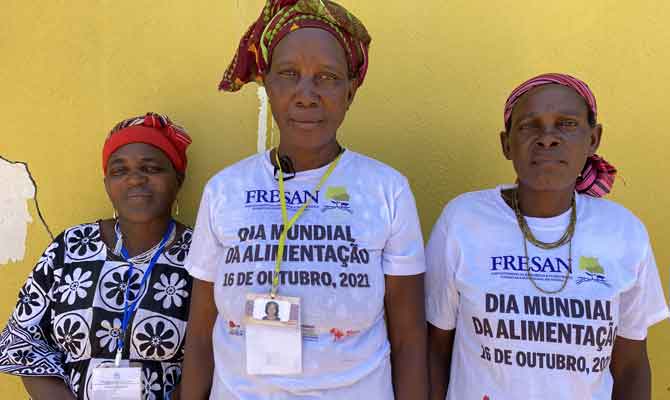
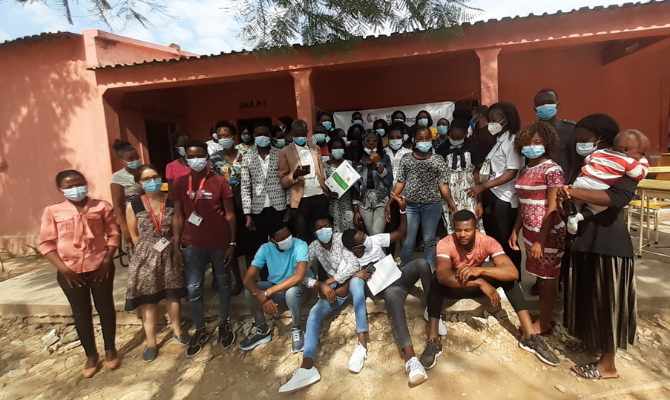
Florentina Maria and Fernanda Felicia are two traditional parteiras, two midwives aged 66 and 62. They live in the rural area of Humbe, in the province of Cunene, and every month they walk among the various small communities to hold awareness-raising meetings on safe childbirth, but also on various public health issues such as hygiene and malaria prevention. We met them during a day of meeting and training for the parteiras: a tale of dedication and care, truly every day.

During awareness-raising activities Florentina generally meets 30-40 people, sometimes even 50-60 people. Among these, many are pregnant women and often men are also present. Talking to men is fundamental because in many communities they decide whether women can go to the hospital to give birth, or for medical examinations, or to the casa de espera, the maternity waiting homes of hospitals. In larger communities, midwives can make arrangements with the market leader and do training in the square, where more people meet, as well as in church on weekends.

According to Florentina, the greatest difficulties occur when pregnant women do not want to go to medical examinations so as not to stray far from home, many do not have the money to go to the examinations or vaccination meetings. Fernanda says: “When we go to these areas the women ask us for money, mosquito nets and medicines, but these are things that we do not have and that only the public health nurses have. It’s not easy because they expect something from us while we are there to raise awareness about safe childbirth. Sometimes they come to call us in the community because women have not gone to the hospital or health centres to give birth and complications occur. These cases are bad because we say that we cannot help and we know that only in hospitals can they receive the necessary care. We talk about the possibility of also going to the casas de espera, if they don’t have money for the ride, we advise them to approach little by little. We say that in the maternity waiting houses there is support, there is food. Now, with the problem of drought and the lack of food, it is very important to have such support. Another great difficulty is the distance, we also walk kilometres and kilometres. In the past, there was a calendar, we moved around with the town hall car, and there were many more women at our meetings”.

Both Florentina and Fernanda participate in the training sessions that CUAMM organises for these professionals, as Florentina tells us: “They are important moments because they are the only support we receive and allow us to continue with our work. It’s also good because in these meetings we learn new things, for example about malnutrition and hygiene, which are essential to prevent various diseases”.

Florentina and Fernanda approached the profession in different ways: Florentina became a traditional midwife during the war, more or less in 1981. She began by learning the basics as a nurse when she worked in health posts, in years when there were few nurses and doctors, so she learned how to assist in a birth or how to turn a breech baby in the belly.

Fernanda, on the other hand, says: “I learned to be a midwife during my military service when I worked in the health department. Then, during the peace-making phase, the government recognised this figure of the traditional midwife and gave us a role.

The testimonies of Florentina and Fernanda help us to understand the importance of midwives in Africa, where their presence in the hospital or on the ground can really save many lives.


Sharing to feel less alone

“It was a Friday of last year, and like every Friday, the staff met to discuss and evaluate the data collected during the week: HIV tests carried out, number of people who tested positive, the number of patients undergoing treatment, and the dropout rate. A moment for sharing the story of the home visits carried out,” says Luciano Nigro, Cuamm infectiologist.

We are in Angola, in Luanda, within the framework of PIPSA project (Integral protection of HIV-positive people), focused on HIV prevention and on providing continuous and integrated assistance to people living with HIV infection. “When community activists share the stories of the people they meet during the home visits, it often emerges the great loneliness, discrimination and marginalization that people living with HIV have to face”, continues Luciano.

The lack of information and awareness regarding HIV and AIDS, and especially the stigma attached to the infection, are still very widespread and often they are cause of exclusion from the community. “We started to ask ourselves how it was possible to make these people feel less alone in their condition – adds Luciano-. So we thought, ‘What if the stories we hear every day became a book of multiple voices, each one telling their own story?’ It could be a way to make people understand how HIV-positive patients feel, what their daily difficulties are and how together we can face stigma and marginalization in a different way”.

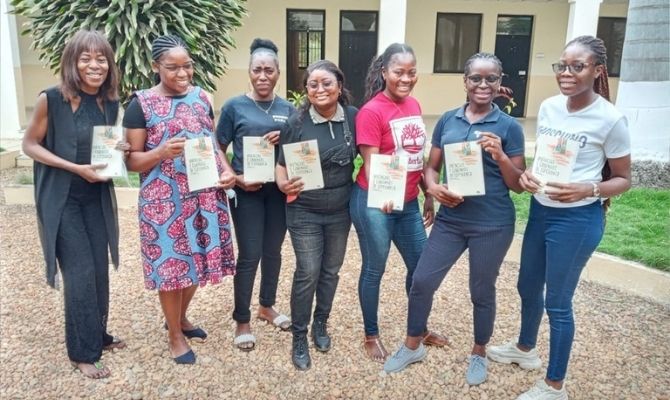
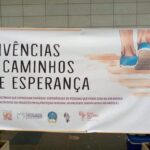
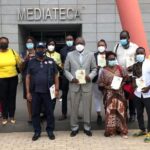
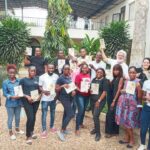
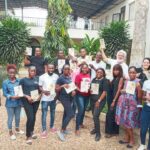
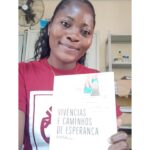
This is how “Experiences and ways to hope” was born, a book which tells how a HIV-positive woman feels and faces the disease, with two children to raise and without the support of a husband,  or how a girl lives the stigma within her own family and how it is possible to overcome it through raising awareness within the entire family, or the discouragement and desolation that can be felt at the time of diagnosis, but also the hope for a better and normal life if the treatment is properly followed. And again, the story highlights the essential role of community activists.

“I don’t think we can truly know what the other person is feeling or experiencing, each of us has its own way, but I am convinced that really listening carefully to the stories of others helps us to imagine what they are experiencing and this is the first step in trying to understand each other and be more supportive”, emphasizes Giulia Natali, general coordinator of the PIPSA project.

The projects that Cuamm carries out in 8 countries in Sub-Saharan Africa are made up of data, but above all of the life stories of the people we meet everyday. A collection of voices can be a very powerful tool, creating deep connections, and bringing together those whom we may think are distant.


Training to fight malnutrition in Angola

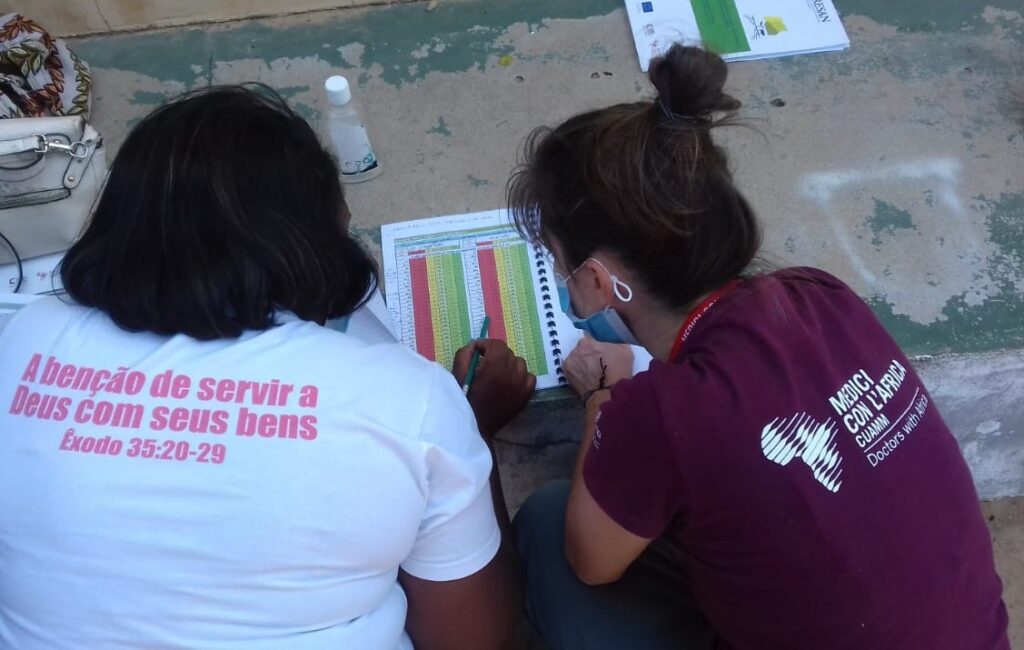
“Gratitude is one of the most important feelings that a human being can share”, claims António Lutenda, a nurse at Posto de Saúde da Chica, at the end of the training that CUAMM carried out for 41 health workers from all health facilities with CMAM services in Ombadja, and for nutrition supervisors at municipal and provincial level. This training, in partnership with Cunene Provincial Health Directorate and Ombadja Municipal Health Services, was a key activity of the project since less than 25% of health workers working on CMAM services had specific training on nutrition, and so important gaps were found on nutrition case management.

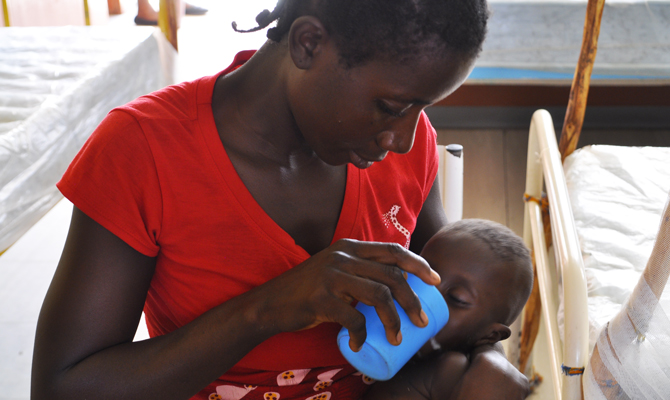
Cunene is one of the angolan provinces more affected by extreme drought that has worsened over the last few years. Despite the efforts of the local government and civil society organizations, the food insecurity and consequent increase of acute and chronic malnutrition are a reality that affect especially young children and women. CUAMM is supporting Ombadja Health Services on the prevention and management of acute malnutrition, implementing a project integrated in FRESAN program “Strengthening Resilience and Food and Nutrition Security in Angola”, managed by Camões, I. P. and financed by European Union.


https://ec.europa.eu/

This news was produced with the financial support of the European Union. The contents are the sole responsibility of Doctors with Africa CUAMM and do not necessarily reflect the vision of the European Union.
A new-born cry to greet 2021

On December 31st at 11 pm in Chiulo, Angola, Giorgio Pellis’s phone rings: there is an obstetric emergency and Alice, the Angolan doctor who works in the hospital, asks for support in managing the birth because the child struggles to be born.

“When I arrive, I immediately notice that the mom is tired after hours of labor and is laying in a very uncomfortable position. There is no time and it is immediately clear to me what needs to be done. I calmly explain to the lady, the doctor and the nurses what we will do, while my hands are already preparing the local anesthesia and the instruments for the surgery. The soon-to-be mother gives me a look of hope. She doesn’t know, but that look digs me inside. She is giving me a huge responsibility. While I am performing a very small operation, I put the dr. Alice’s hands on the scalpel and I make her feel what cannot be seen but is clearly perceptible. The pelvis is widening little by little and this will make a difference for her baby. ”

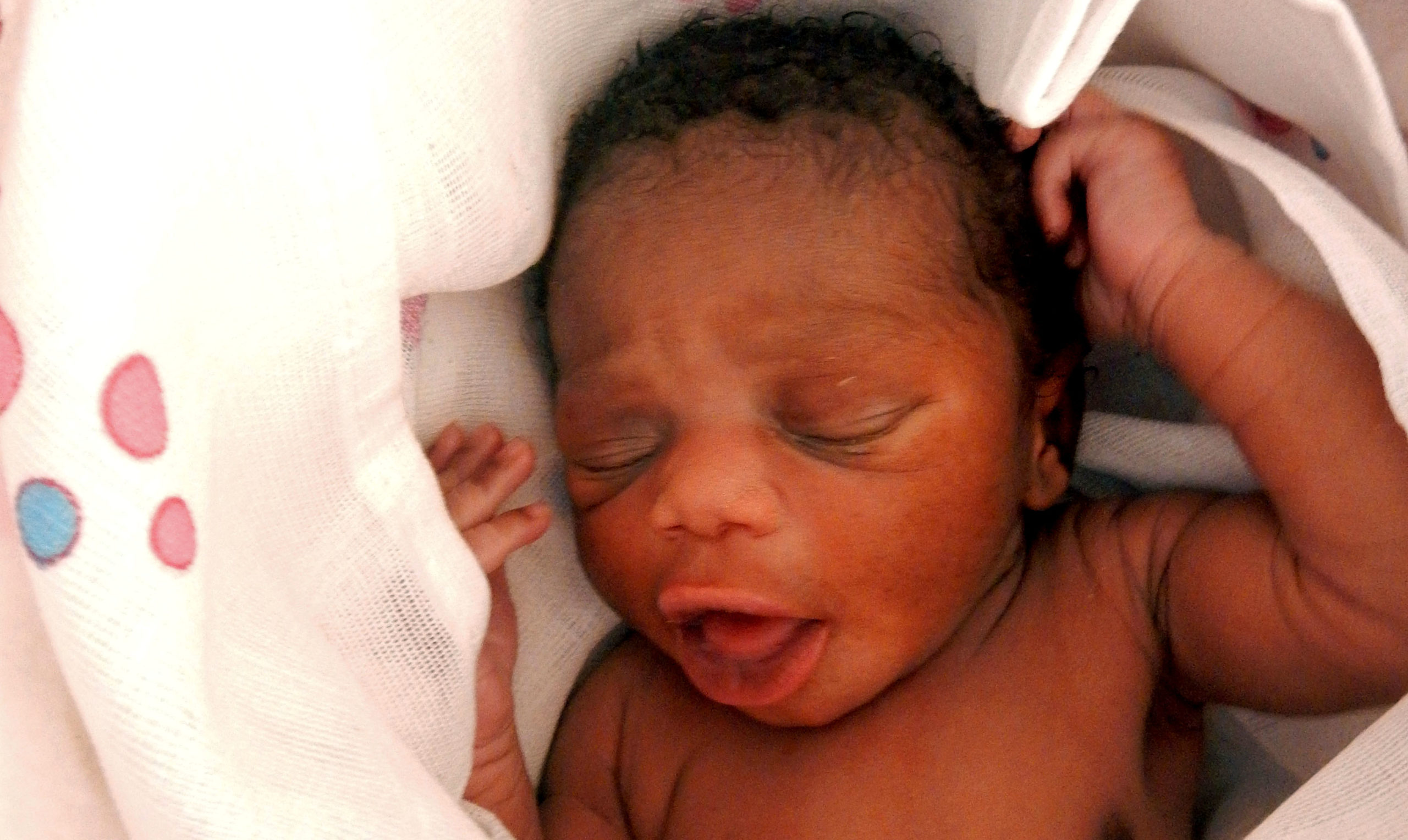
After a while the baby is born and with a loud cry he greets the new year. He is the first child born in Chilulo in 2021. “Here the emotions are very strong, every day,” says Giorgio. “Being able to transform a potential caesarean into a delivery without trauma is beautiful. But the greatest thing is the gratitude of the mothers and their families who, sometimes, as a sign of gratefulness bring to the hospital a bag of flour as a gift. Needless to say what a great emotion this is. ”

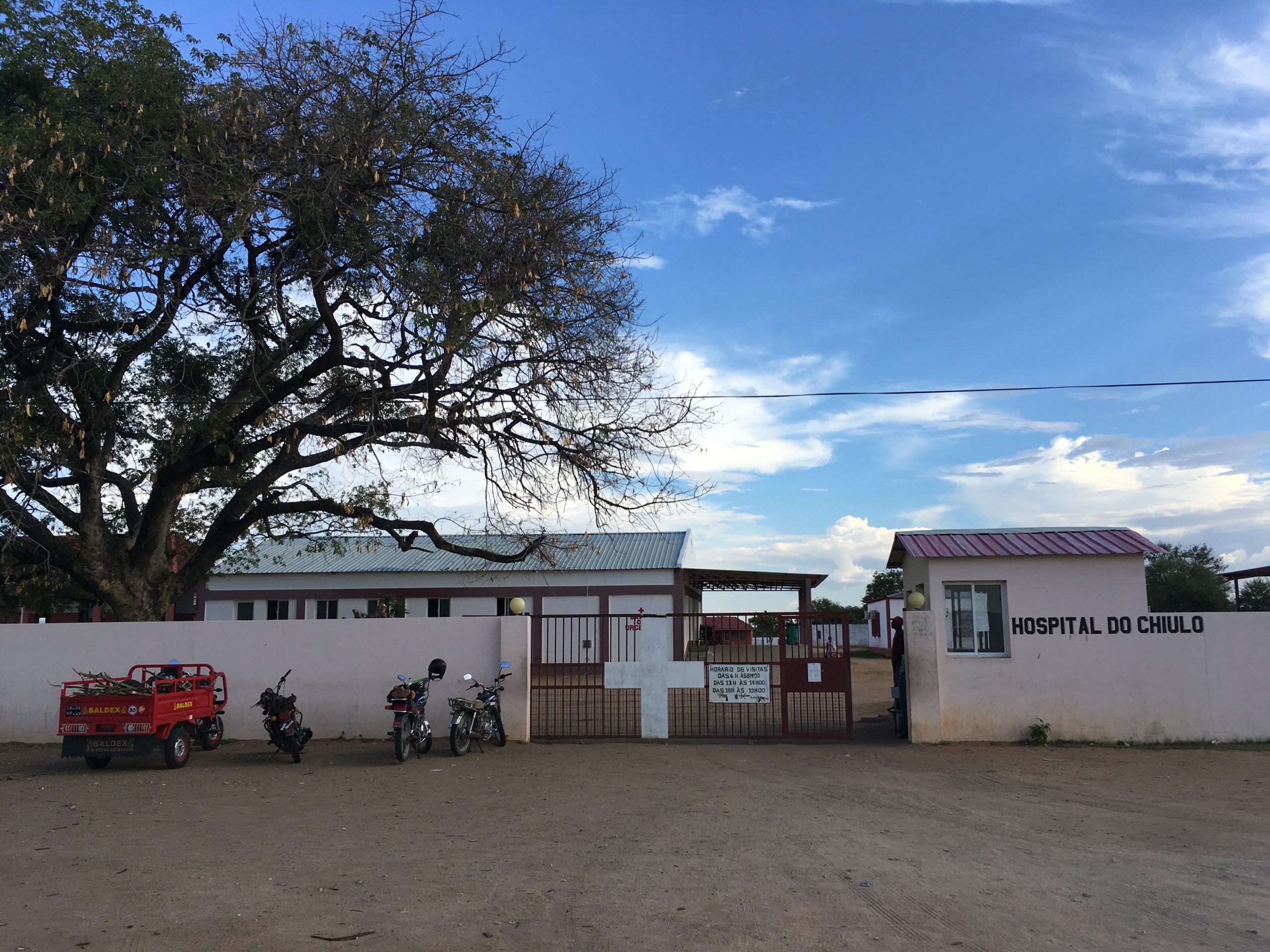
Doctors with Africa CUAMM has been working in Chiulo, Angola, since 2000 where it supports the hospital thanks to a team that is at the forefront every day , trying to do their best at the service of “the last mile”.

A RESOURCE OF INESTIMABLE VALUE

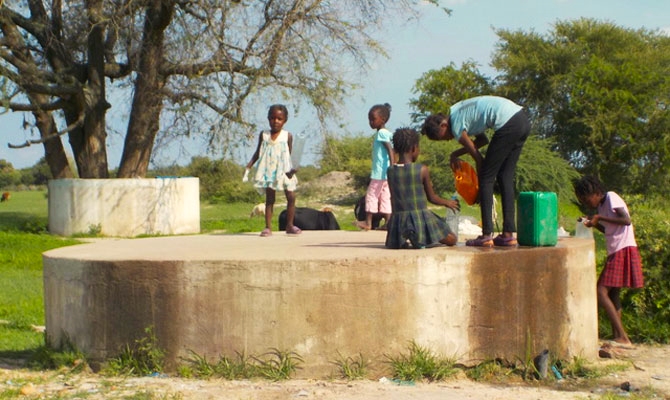
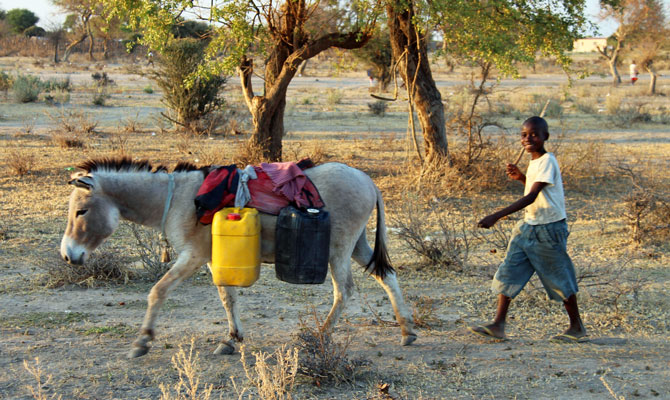
Never before this year of pandemic, have we realized the importance of water for the health system. We want to remember it today, on the World Water Day: we may take such resource for granted in our hospitals in Italy, where there is no problem of supply, but water becomes crucial in Africa where its scarcity is a daily challenge in addition to many other difficulties, as the threat of Covid-19.

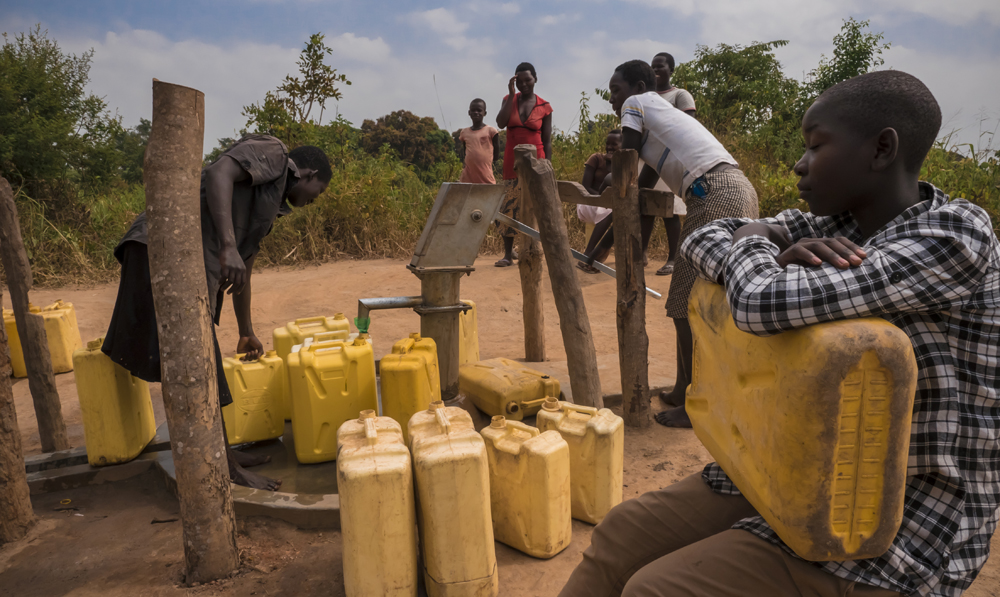
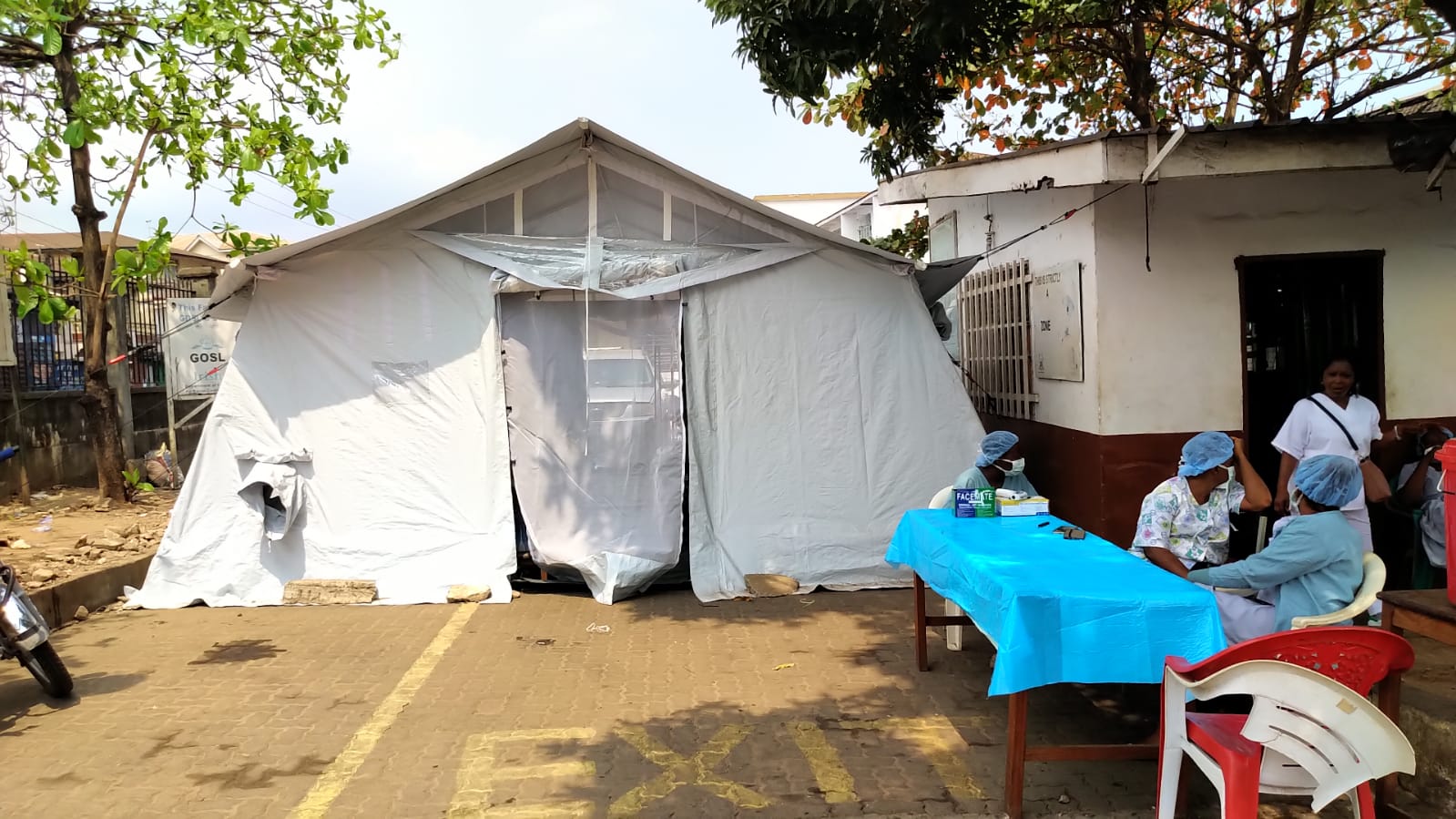
“The health staff of the Princess Christian Maternity Hospital in Freetown, Sierra Leone, has to cope with water shortages everyday. Water is essential for preventing and controlling infections but also for the hospital’s routine activities, such as cleaning, childbirth assistance, surgical interventions and activities in hospital wards and clinics – says Claudia Caracciolo from Doctors with Africa CUAMM – ”. “CUAMM guarantees a constant supply of water to the hospital two or more times a week – continues Claudia – but the demand is so significant that the supply is not always sufficient and often the relatives of hospitalized patients have to bring a bucket of water for personal use”.

Even in Angola, where droughts are increasingly frequent and last long, water shortage affects health services but also the food security of the whole country.

“During the rainy season (November-April), it has rained a maximum of 4 times – says Marta Piccolo, area coordinator in Chiulo -. It was incredible to see the streets invaded by herds and shepherds, forced to move for hundreds km due to drought, in search of water. They’re coming back now because it started raining 2 weeks ago. “

In Chiulo, Doctors with Africa CUAMM signed several contracts with water suppliers to cover the needs of the hospital and the maternity waiting homes: 3 tanker trucks, which carry 22,000 litres of water a week. Now the goal is to try to ensure water supply to other health centers as well.

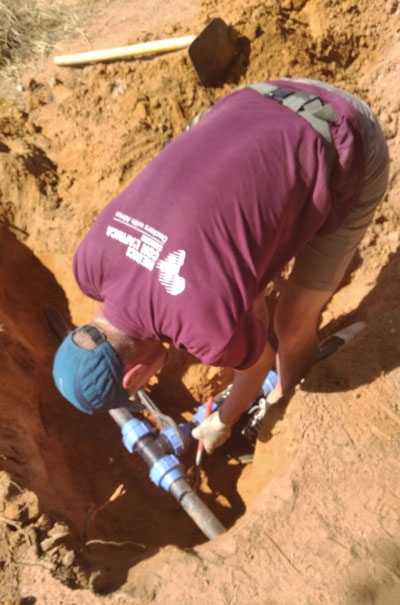
“In the Mucope area, out of 8 health centers, only 3 have access to safe water resources via a solar panel pump. Some are close to the river and the water is collected from there. Another one is located near a company that produces rice and that provides it with water when necessary. The municipal tanker truck that should supply the HC often does not arrive because it has no petrol or it is broken – says Marta -. CUAMM, supported by Manos Unidas and in collaboration with the municipal administration, will install tanks in the health centers where they are lacking to guarantee the supply of water ”.

World Water Day reminds us that water should not be taken for granted and encourages us to take action in order to make water increasingly available to those who need it most, so as not to endanger the lives of millions of people.


CUAMM and Caritas Pro Vitae Gradu Charitable Trust

Nowadays, maternal mortality is still unacceptably high. About 295 000 women died during and following pregnancy and childbirth in 2017. The vast majority of these deaths (94%) occurred in low-resource settings, and most could have been prevented. Access to quality health services for mothers and children in Sub-Saharan Africa is still a major challenge.
Doctors with Africa CUAMM, thanks to the support of Caritas Pro Vitae Gradu Charitable Trust, is working every day to ensure mothers and children in Angola and Ethiopia are not left behind.
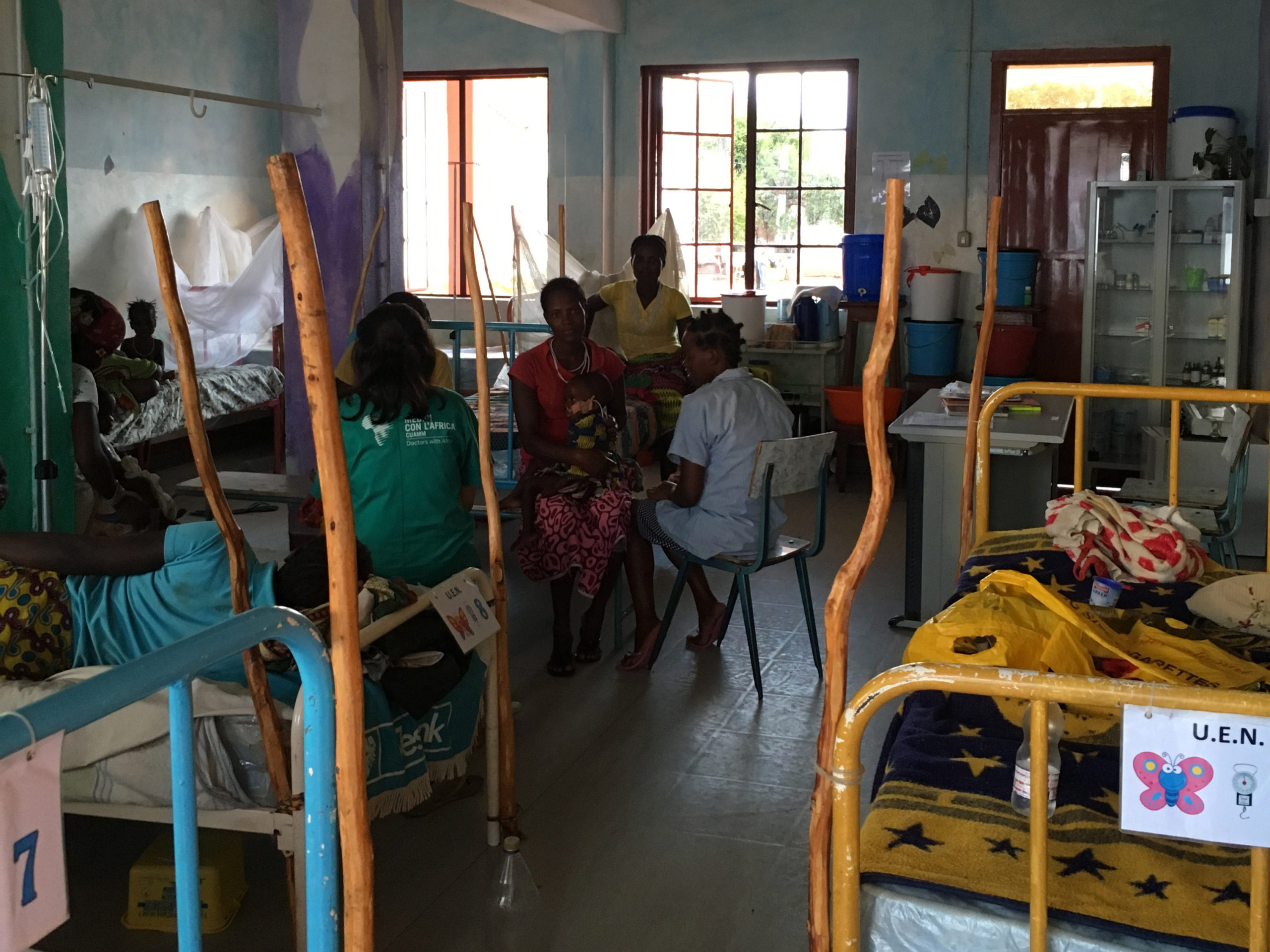
In Angola, Caritas Pro Vitae Gradu Charitable Trust is working with CUAMM to support to Chiulo Catholic Hospital, in Cunene Province. With its 234 beds, the Hospital of Chiulo, located in the comuna of Mucope, is a private not for profit (PNFP) health facilities owned by the Dioceses of Ombadja and is the referral health facility for the entire Municipality (about 306.550 people, 61.300 children <5, 15.300 expected pregnant women, about 2.300 expected major direct obstetric complications).

CUAMM’s program focuses on increasing access to quality maternal, newborn child and nutritional services in its catchment areas, with a specific focus on emergency obstetric care.

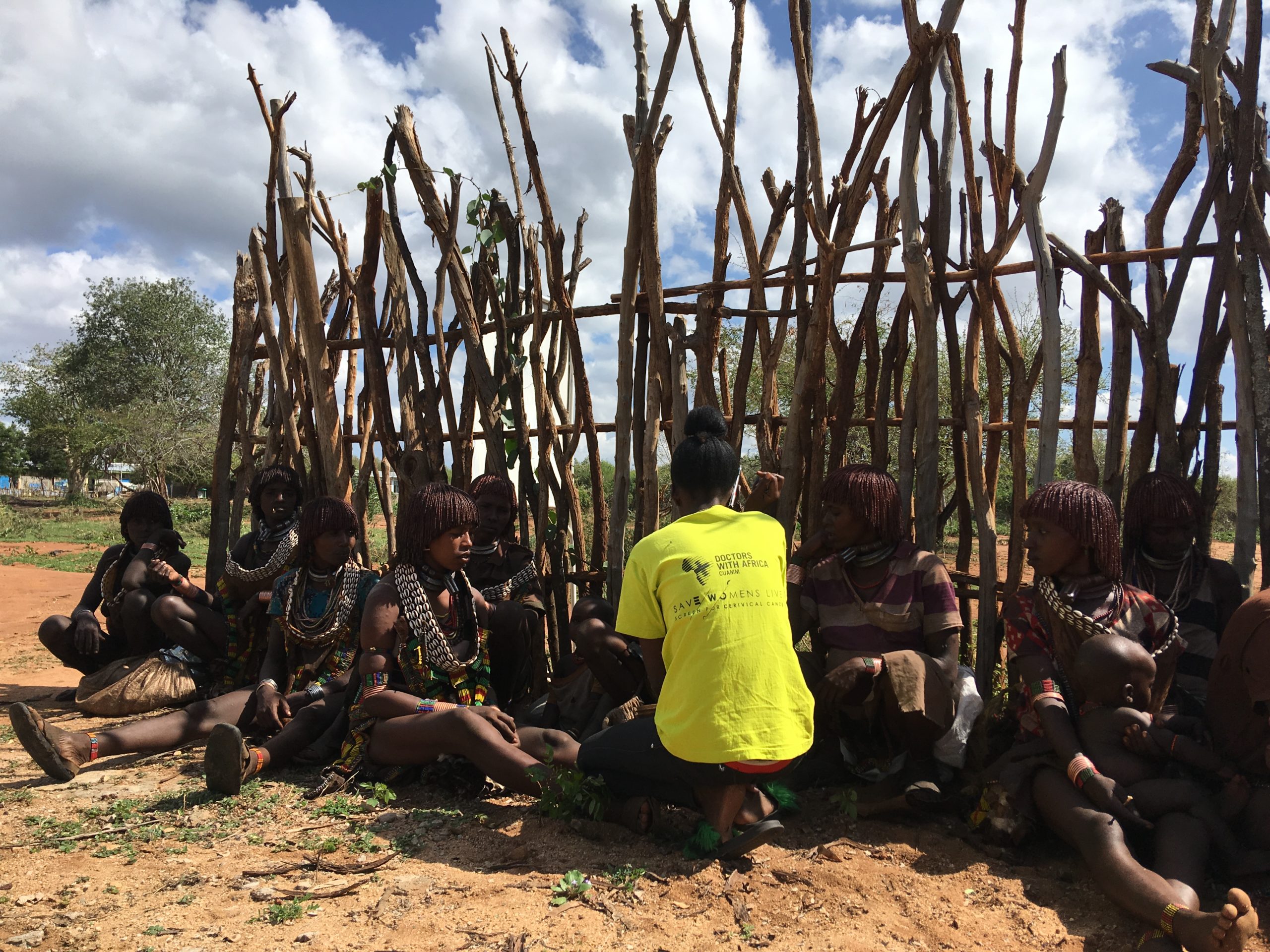
In Ethiopia, CUAMM and Caritas Pro Vitae Gradu Charitable Trust are working together to empower women in rural communities to improve access to basic healthcare services South Omo zone, an area where the population is semi-nomadic and neonatal, infant, and under-5 mortality rates are above national average. The specific project objective is to increase demand and access to quality maternal, neonatal and child health services empowering and raising awareness of women living in rural areas.

Finally, in light of the current COVID19 emergency, Caritas Pro Vitae Gradu Charitable Trust is also supporting CUAMM to manage preparedness and response plans in Cuamm’s countries in Sub Saharan Africa in order to stop further transmission of the virus and specifically mitigate the impact of the outbreak. More specifically, through the foundation support, CUAMM secured international stocks of PPE materials and healthcare equipment to protect health personnel enabling them to provide the best care possible to patients.