Ukraine war three years on

Three years ago, on February 24, 2022, the outbreak of the war between Ukraine and Russia shook Europe. Numerous other atrocities have compounded this conflict ever since. Today, too many armed conflicts are ongoing worldwide, many unfolding in the African continent. All of them show death and devastation, painting the picture of a lost humanity. It is heartbreaking, and yet, despite the pain, it urges us not to remain indifferent.

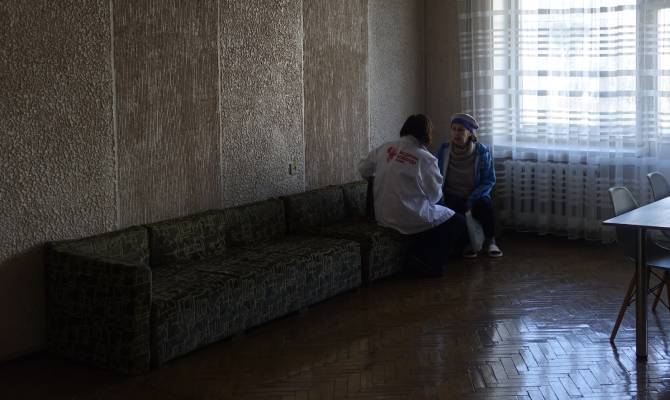
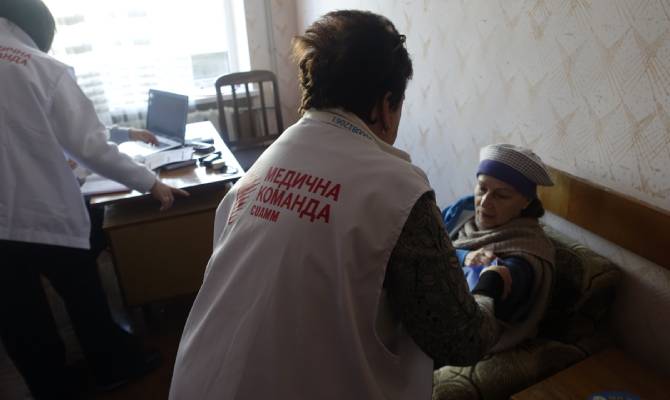
For this reason, three years ago, though the majority of our work is done in Africa, we launched our intervention in Eastern Europe to provide assistance to those affected by the conflict and to support healthcare systems struggling to ensure medical care amidst the war, even in the most critical areas.

The latest data indicate that around 12.7 million people in Ukraine are in need of humanitarian assistance —one-third of the entire population, including 2 million children. The war has forced many to leave their homes: currently, the country has 4 million internally displaced persons, while 6.8 million people live as refugees outside Ukraine (UNHCR, February 2025).

These numbers represent people, stories, lives that we are committed to serving. For this reason, our work in Ukraine never stopped. With the support of local communities, the VRB association, and individuals on the front lines, we have been working to alleviate the suffering of those who bear the greatest burden of this war: civilians.

Today, our intervention covers 6 Oblasts (regions), which we support by purchasing and supplying medicines, consumables, and biomedical equipment, distributing food and essential goods such as hygiene kits, and providing psychosocial support to displaced persons. Additionally, we focus on training healthcare personnel, with particular attention to risk mitigation, first aid for war injuries, gender-based violence, and mental health.

Some figures can easily showcase our commitment: since February 2024, through the activities of the R.I.S.E. project, funded by the Italian Agency for Development Cooperation (AICS), CUAMM has provided healthcare assistance to the most vulnerable groups, including internally displaced persons, refugees, and host communities.

Primary Healthcare (PHC) activities, launched in April 2024, have enabled 6.624 outpatient visits at the Drohobych center and through a mobile unit operating in the Lviv area. To relieve suffering and mitigate the psychological distress of IDPs and host communities, 10 sessions of MHPSS were organized, benefiting 1.270 people through support from psychologists and social workers. Additionally, 1.691 people, mostly children with their parents, participated in a month-long summer camp in Vasylkiv.

Based on the WHO Health Cluster’s Rapid Response Mechanism, Cuamm has provided medical equipment kits to struggling healthcare facilities. Over the past year, 11 emergency medical deliveries have been coordinated by CUAMM in the areas of Dnipro, Zaporizhzhia, Vasylkiv, and Sumy, severely affected by the escalating conflict.

The intervention also includes the distribution of essential items, food, and nutritional kits for women and children. Through collaboration with local partners Vidchuij, VRB, and Caritas SDD, CUAMM has reached approximately 5.566 people, including internally displaced persons, single-parent households, large families, the elderly, and people with disabilities.

Thanks to additional fundings by AICS, CUAMM has also provided 11 health facilities across both Donetsk Oblast and Dnipropetrovsk Oblast medical equipment and consumables, reaching an overall number of 26.500 people. SAFE project is being implemented in collaboration with VIS – International Voluntary Service for Development.

In Moldova

Since the conflict began on February 2022, more than one million refugees have crossed the border into Moldova, one of Europe’s most vulnerable countries. CUAMM began working in Moldova in April 2022 with a focus on the capital city of Chişinau. Since then, working closely with the Ministry of Health and the WHO, our activities have been guided by the dual goal of providing basic healthcare in the refugee accomodation centre of Testemitanu and in 7 regional hospitals.

Over the past year alone, thanks to the support of the Italian Cooperation and in collaboration with the First level hospital in Chisinau (IMAC), 1.060 outpatient visits with free medication have been provided to the refugee population and host communities. Additionally, 11 psychosocial support events supporting 603 people were organized, and in collaboration with Caritas Moldova, approximately 3.000 essential goods kits were distributed to vulnerable individuals.

The intervention in Moldova has also included a strong training component in neonatal care, with the ultimate goal of strengthening local medical personnel throughout the country. This initiative, carried out in collaboration with the National Pediatric Society of Moldova, has involved a total of 100 healthcare professionals.

Our projects are part of a 46.5 million euro initiative funded by the Italian Agency for Development Cooperation, reaching 900,000+ people affected by the Ukraine crisis.

In Italy

Our work continues in Italy too, through the collaboration with the Police Headquarters to support the Immigration Office in Padua. Due to the crisis in Ukraine, the number of people received by the desk doubled, reaching peaks of 350-400 in the first weeks of the conflict.

Since March 2022, Cuamm volunteers at the Immigration Office have provided 20.000 hours of service, offering their time and availability to safely manage the reception phase of foreigners, facilitate the processing of applications, and streamline office procedures, ensuring assistance to people in distress. Since this cooperation began, the helpdesk has received some 100.000 foreign nationals and has seen Cuamm volunteers actively engaged in reception five days per week. Thanks to the partnership between Cuamm and the Police Headquarters, available services have been enhanced, and processing times for applications have been significantly reduced, decreasing from an average of about 10 months to 4.

This is also part of a broader commitment that extends from Padua to Kyiv, to Chișinău, and daily across Africa—to provide relief to those who are experiencing or have experienced war and displacement and to make every foreigner feel welcomed.


New medical equipment in Moldova

Accurate hospital equipment in critical areas is essential to ensure the safety, accuracy and reliability of medical care. Medical devices play a crucial role in the continuous monitoring of patients, the accurate administration of medications, the performance of surgical interventions and the efficient response to emergency situations.

For this reason, CUAMM UK has recently donated medical equipment and devices to the Institutul Mamei și Copilului (IMAC) in Chișinău. IMAC is the only Level III center in Moldova and serves as the main referral point for complex neonatal cases. Thanks to the donation, the facility is now equipped for the first time with a therapeutic hypothermia system, a life-saving technology for treating critically ill newborns. This modern technology will support the facility and its staff in the management of neonatal emergency cases making a real difference in the lives of the most vulnerable newborns. Every year, the hospital handles emergency cases from across the country, with a high rate of post-birth transfers from lower-level hospitals that lack adequate intensive care units.

The donated equipment will provide significant support to the IMAC Neonatology Department, ensuring an invaluable impact on the quality of care.

The handover of medical equipment took place last week in a official ceremony in Chișinău. Various partners and stakeholders participated in the meeting, including representatives from the Ministry of Health, Lorenzo Tomassoni – Ambassador of Italy to the Republic of Moldova, Sergiu Gladun – Director of the IMSP Institutul Mamei și Copilului, Olga Vidaico – Head of Department Neonatal Intensive Care, Institutul Mamei și Copilului, AICS Kyiv representative and the project partners from Caritas Moldova.

The project goes beyond just providing equipment as it entails a training component. As part of the CUAMM project, seven neonatologists from IMAC have completed specialized training on how to use this technology, ensuring a lasting impact. Training healthcare personnel is essential to strengthening the local healthcare system and making sure this intervention has a tangible effect on the quality of care.

The CUAMM project is part of the R.I.S.E. Ukraine project, led by Doctors with Africa CUAMM UK and funded by The Italian Agency for Cooperation and Development (AICS)aiming at providing an inclusive, integrated, and multisectoral humanitarian response to victims of the conflict in Ukraine and Moldova, ensuring safe and equitable access to essential, life-saving basic services.


Everyone has the right to grow up healthy

Moms and dads, everyone in the family should eat the right portion of food to grow up healthy.

For a few weeks now, on the outer wall of Cainde health center, there has been a large, colorful mural with a bright blue inscription that says, “Moms and dads, everyone in the family should eat the right portion of food to grow up healthy.” We are in a small municipality in the Namibe province, southern Angola.

Painted by local artists, the mural depicts a woman holding a newborn baby, surrounded by her family: two men and two children. Each one has their own portion of food: funje (traditional food made of cassava flour), chicken, and vegetables. However, in reality, this rarely happens in the rural communities of Namibe, where cultural traditions are compounded by food scarcity caused by drought, which renders the land dry and hinder the chance to cultivate.

Here, more than anywhere else, raising awareness about nutritional education is crucial, and a vibrant mural can help convey the message. Yet, it is equally essential to reach the most isolated groups, identify cases of malnutrition, refer them and support health centers with food kits necessary for children in treatment.

This is what CUAMM does every day, together with our local partners, to ensure food security for communities and, above all, healthy growth and development for children.

CUAMM’s intervention

Promoting food security in Namibe province is one of the goals that CUAMM, together with FEC and Caritas Angola, has been pursuing over the past two years. This effort includes community-level screening and awareness activities, as well as support for healthcare facilities in the Virei municipality.

Since the project began in December 2022, 140 mobile health clinics have reached nomadic and semi-nomadic communities in nine different villages, offering nutritional screenings and facilitating the referral of patients with severe and moderate acute malnutrition to health units for therapeutic programs.

As part of the initiative, 10 health units have received monthly supplies of food kits for children with malnutrition and for pregnant or breastfeeding women in vulnerable conditions. Educational campaigns have also been organized at various times in schools and health centers to raise awareness about nutrition, breastfeeding, malnutrition, vaccination, and hygiene. These sessions have also included cooking demonstrations in the municipalities of Virei and Cainde.

To amplify these messages and reach an even wider audience, local artist Sanduaya has spread awareness through a song, performed in schools, health centers, and other gathering places.

In a region highly vulnerable to prolonged droughts, recognizing the link between environmental crises and health is key to providing a sustainable and effective response over time. With this perspective, bringing healthcare services closer to local populations through outreach strategies—such as mobile clinics—becomes essential.


Moldova managing neonatal complications in rural areas

Gabriela is 43 years old and works as a medical assistant in the neonatology department at Edinet hospital, in northern Moldova. The facility serves one of the most urbanized areas of the country. With an average of 1,300 deliveries per year, of which 200 involve complications, the hospital is one of the most efficient in the region. Yet, a team of only 17 people including doctors, specialists, and nurses work there under consistent straint.

In 2024, there was a significant number of premature births. Despite the difficulties, the staff is now undoubtedly responsive and prepared to act in different scenarios, as Gabriela says:

“We are prepared for cases where, for example, the baby inhales amniotic fluid: the team acts to suction the fluid, insert a venous catheter for antibiotic treatment, and in severe cases, perform a gastric lavage. We are used to handling these situations, and the team works harmoniously and efficiently. However, if the baby is born prematurely, the situation becomes more complicated”.

The management of critical newborns is a challenge for the health team at Edinet since the hospital is not equipped with a intensive care unit. To transfer patients to Chisinau, where the only intensive care unit is, an ambulance from Balti must be mobilise. The vehicle drives 80km north to reach Edinet, then it covers 200km to get to IMAC Hospital where the baby can finally receive adequate care.

This is how the system works in many areas where rural hospitals have little means to properly assist their patients and the distance from Chisinau hinder the provision of timely care.

“Recently, I dealt with a premature birth of a newborn weighing 0.7 kg. It was morning, and I was on duty with a neonatologist, an obstetrician-gynecologist, and a midwife. I worked with the team to manage the initial emergency until the mobile intensive care unit arrived. Fortunately, the baby responded well to stabilization! But for us, it’s always a stressful moment because we know that logistical difficulties can have a huge impact on care. However, I remember it was a beautiful day, it hadn’t rained, and the roads were in good condition, so we knew there wouldn’t be any delays”.

The lack of specialized doctors and health workforce puts an additional strain on the healthcare system in Moldova. At the neonatal ward in Edinet Hospital there is only one neonatologist.

That morning, as Gabriela recalls, the doctor arrived just in time yet, had he not been available, Gabriela and her colleagues would have been able to perform all the steps of the emergency algorithm. The training offered through the project has indeed given the staff the competencies to respond more effectively to challenges, reduce stress levels, and organize better teamwork.

As part of the Emergency Call to Support Ukraine, funded by AICS with €46.5 million, CUAMM is supporting 7 second-level hospitals in the neonatal emergency stabilization and resuscitation.

Gabriela fondly remembers the two-day training, during which local trainers and the Italian doctor shared the new findings from the Neonatal Stabilization Guidelines and organized both theoretical lessons and practical sessions to simulate various emergency situations in the delivery room. In addition, by participating in the training course Gabriela and her team gained essential competencies like taking blood samples from the baby to determine oxygen saturation levels. This is particularly important in difficult deliveries, where the mother’s contraction forces are weak, and the baby experiences a traumatic birth.

“By measuring oxygen saturation, we can detect potential hypoxia or other trauma, but in my opinion, it also gives us an idea of how much the baby suffered during delivery. This is incredibly important to me because, in addition to guiding us on how to manage the situation, it reminds us that newborns, from the very first seconds, have an intense emotional experience of the world”.

Over the last year, Doctors with Africa UK has supported medical and health staff across Moldova with 8 training sessions on neonatal emergencies and stabilization aimed at facilities of different levels. Starting with a Training of trainers in Chisinau, the activity was later expanded to seven additional facilities. As a result, an overall number of 100 health workers have been trained.

This activity is a part of the RISE project: Integrated Response to Support the Emergency in Ukraine. Our project is part of a 46.5 million euro initiative funded by the Italian Agency for Development Cooperation, reaching 900,000+ people affected by the Ukraine crisis.


Tender for Supply of Medical Drugs Consumables and Equipment

Doctors with Africa CUAMM, under the project “Protect the Life and Livelihood of Affected People in Dollo Ado and Dollobay Woredas of Liben and Afder Zones, Somali Region,” is launching a flexible, simplified procedure to select a supplier for medical drugs consumables, and equipment.


01 Invitation form

02 Contract Notice 

3 Instructions to Bidders 

Annex I – Tender Form

Annex II & III Technical Specifications for 8HCand 1Hosp Drugs

Annex IV – Financial offer 

Annex V – Administrative Compliance Grid

Annex VI – Evaluation Grid

Annex VII – Contract Form

Annex VIII – Special Conditions

Annex IX – General Conditions

Annex X – Check List   

Where obstetric emergencies are a race against time

Faith arrived at Matany Hospital, Karamoja region, northern Uganda, on the verge of giving birth. It was her second pregnancy.

When she arrived at the hospital, she was admitted for gastroenteritis and a urinary tract infection. CUAMM team began treatment, and after four days, Faith’s condition improved. But just as everyone breathed a sigh of relief, her membranes ruptured.

Labor was expected to begin soon after, but the contractions didn’t start—not even 48 hours later.

An ultrasound revealed that the baby was healthy, estimated to weigh over 2.2 lb. However, the amniotic fluid was scarce, and the risk of infection was real. In this situation, the possibility of intrauterine fetal death couldn’t be ruled out.

“We had to help Faith give birth – said Claudia Ciglioni, a gynecology resident -. Unfortunately, we couldn’t give her medication to induce contractions because the uterine scar from her first delivery might have caused a dangerous rupture”.

The only option for this young mother was a second cesarean section, she had already undergone one to give birth to her first child. Unfortunately, that same afternoon, two obtetric emergencies, far more critical, arrived at the hospital and the medical team decided to intervene immediately. In a low-resource setting, where resources are limited, and qualified staff scarce, difficult choices must be made. With adeguate care and observation, Faith might have waited.

“I was worried about the complications caused by her ruptured membranes, which had already been broken for two days – Claudia explained -. I had dealt with similar cases before, and sadly, if you don’t act promptly, saving the baby becomes very difficult. So, I decided not to wait and took Faith to the operating room at the end of the day”.

Adhesions from Faith’s first pregnancy made the cesarean more complicated than expected. Shortly after hearing her baby’s cry, Faith starting bleeding severley.

Postpartum hemorrhage is a serious and dangerous complication that requires immediate treatment. If not managed promptely by qualified personnel in a hospital’s theatre room, it can be life-threatening.

Faith was fortunate. Thanks to essential medications and the expertise of the medical team, the bleeding was quickly controlled. Faith’s story has a happy ending, thanks to the commitment of doctors and nurses who assisted her.

To date, too many women still die during pregnancy or from childbirth-related complications: approximately 280,000 globally, the majority in sub-Saharan Africa. In Uganda, the maternal mortality rate stands at around 284 per 100,000 live births—a number we aim to reduce to zero. Day after day, year after year, we work tirelessly to promote the health and well-being of mothers and children.


NICU International Workshop in Addis Ababa

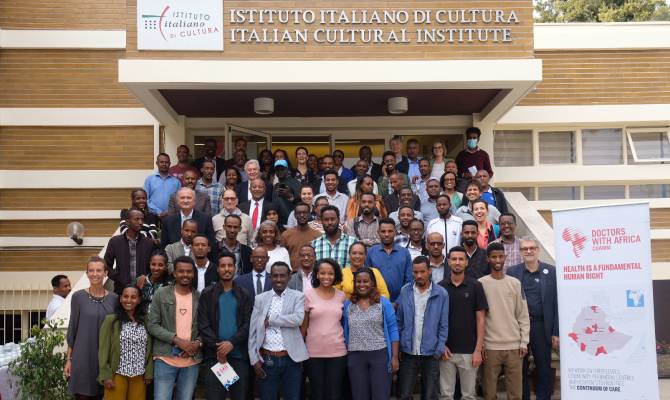
International health experts, specifically pediatricians and neonatologists have recently gathered in Addis Ababa on occasion of the NICU International Workshop held by Doctors with Africa CUAMM in collaboration with Union of European Neonatal and Perinatal Societies – UENPS, The Ethiopian Pediatric Association – EPA and the Ethiopian Ministry of Health at the Italian Cultural Institute. During the international workshop, the Minister of University, Research and Higher Education in Arts and Dance, Senator Anna Maria Bernini – who was on a diplomatic visit to Ethiopia, payed a visit to the ongoing meeting accompanied by the Italian Ambassador to Ethiopia, Mr. Agostino Palese.

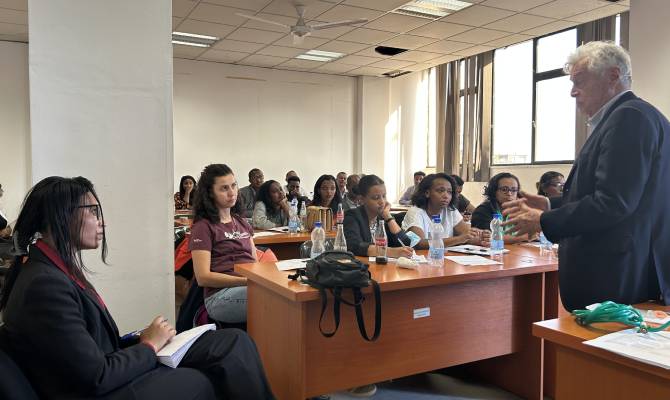
The two-day scientific workshop brought together international experts and healthcare staff from 42 Neonatal Intensive Care Units (NICUs), as well as representatives from regional health offices, the Ethiopian Ministry of Health, and the WHO. The goal was to strengthen clinical and methodological skills to improve neonatal survival in Ethiopia.

“This workshop is a great opportunity for exchange and training – explains Fabio Manenti, Cuamm Program Manager –. The discussion space we have managed to create, involving the world’s leading neonatology experts, along with the dynamic participation that has emerged, demonstrates not only the strong interest in the subject but also the willingness of Ethiopian colleagues and professionals to engage.”

The workshop is part of a project implemented by CUAMM and designed based on a Survey on Delivery Room Resuscitation and Neonatal Respiratory Care in NICUs in Ethiopia conducted by UENPS. The results from the survey have been presented by Prof. Moretti – UENPS Director General and examinated with the health professionals attending the event in a plenary discussion. Needs analysis and expected results have been identified by representatives from health facilities of different level during the focus group.
“As Cuamm, our commitment is now to support the implementation of these plans. The challenge remains finding alternative and adaptable strategies for a country like Ethiopia, where most newborns are either born at home or in centers with poor levels of care” concludes Fabio Manenti.

In this regard, training health professionals is crucial and it is precisely within this perspective that a 2-day course for trainers (Training of Traineers – ToT) was held at the Black Lion Hospital on January 30 and 31st, following the workshop. 20 Ethiopian neonatologists got involved in Neonatal Resuscitation Course for Trainers, the activity merged pedagogical components and group exercises on clinical practice. The newly instructed trainers will in turn engage a wider number of health professionals in additional training activities unlocking a trickle-down effect that enables staff in charge of maternal and child health and neonatology departments to provide essential and advanced care adequately. The final goal of the ToT is to build a pool of experts qualified on neonatal care at national level.

Moreover, by engaging the Ministry of Health (EFMoH) and fostering collaboration with the Ethiopian Society of Pediatrics (EPS) and international experts of the Union of European Neonatal and Perinatal Societies (UENPS), the project aims to establish sustainable partnerships and facilitate national and international exchanges that will bolster the entire neonatal care system in Ethiopia.

The event is part of the “Strengthening Neonatology in Ethiopia” project, funded by the Italian Agency for Development Cooperation which supports neonatal intensive care services at Shire Suhul and Black Lion hospitals through advanced training for healthcare professionals and the development of intervention protocols based on the latest scientific evidence. The project is expected to directly benefit at least 160,573 newborns and 160,573 pregnant women.
 

Contratto quadro di servizi per agenzia viaggi

Opera San Francesco – Medici con l’Africa Cuamm apre bando di gara “Contratto quadro di servizi per agenzia viaggi” REF. 01/2025/CUAMM/HQ


0. Notifica apertura bando di gara

1. Informazioni bando di gara

2 Indicazioni ai candidati

Allegato I – Dichiarazione d’onore

Allegato II_ Modulo Identificazione Finanziaria

Allegato III – Modulo Entità giuridica (Ente)

Allegato IV – Modulo presentazione offerte

Allegato V_Offerta tecnica e finanziaria  

Validated plans for the management of medical emergencies

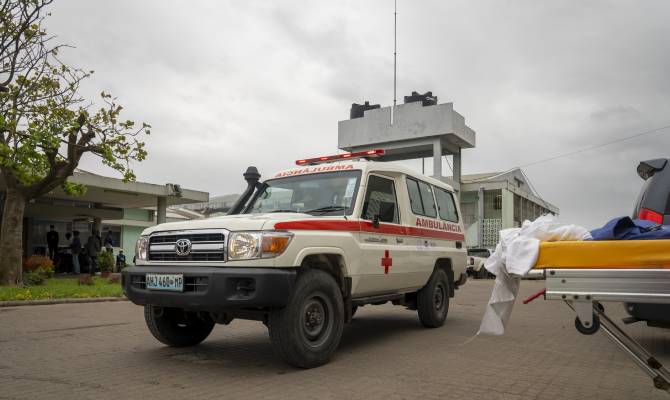
Effectively and promptly managing emergencies is crucial, especially when it comes to obstetric and neonatal emergencies. For this reason, Doctors with Africa CUAMM in collaboration with Mr. Paolo Rosi, SUEM Coordinator at Regione Veneto, has developed two emergency plans and an operational plan as part of the UR-Beira project. A workshop held on on Wednesday, January 28 gave the occasion to present and discuss the plans with local authorities from both Beira district and Sofala province. The meeting was also attended by project partners, namely the District Health, Women, and Social Action Service (SDSMAS), the Beira Central Hospital (HCB), and the Mozambique Medical Emergency Service (SEMMO).

The Internal Emergency Plan for the management of a Mass Casualty Incident, the Hospital Emergency Plan, and the Medical Emergency Operational Plan for the Beira district were drafted by a group of experts from Veneto Region. These plans were then reviewed by the staff of Beira Central Hospital, who adapted them to the real needs, ensuring the sustainability of the service. Already shared with relevant authorities, health centers, and healthcare and paramedical personnel involved, these plans will help improve emergency service planning, management, and coordination in the Beira district. They will also enhance the quality of clinical and organizational emergency services and facilitate access to emergency care through the adoption of a validated emergency management model at the district, provincial, and national levels.

“In terms of both sustainability and collaboration, the emergency management plans that we present today with a focus on sustainability and strong collaboration,” said Donata Dalla Riva, Area Manager in the province of Sofala. “The validation and adoption of these tools by health authorities demonstrate the importance of local ownership, which is essential to ensuring the future of the service.”

The meeting also served as an opportunity to present some key results. Launched in February 2022 with the deployment of two vehicles, the service now operates with four ambulances, a emergency operations center, and three management plans. In terms of human resources, the medical emergency service counts on 8 operators managing call flows at the control center set up within the 24 de Julho Hospital, as well as 18 nurses and 18 drivers.

“It was in 2019 when Cyclone Idai hit Beira that it became clear that the city of Beira needed an emergency management system,” said Dr. Neusa Rosalina Joel, Director of the Sofala Provincial Health Directorate (DPS). “Today, we are pleased to witness how this project has increasingly served and benefited our community, to the point where we now have four ambulances, which significantly reduce transfer times and, consequently, the mortality rate, particularly for obstetric and neonatal emergencies.”

In nearly three years of activity, the ambulances have completed over 26,000 transfers, averaging 752 per month. Obstetric emergencies top the list, accounting for 38% of cases referred to HCB, followed by medical emergencies (28%) and pediatric and neonatal emergencies (24%).

“Today, we conclude three years of commitment to strengthening medical emergency services in the city of Beira,” said Marcello Mazzotta, CUAMM Project Manager. “This meeting has demonstrated not only the effectiveness of the service but also the strong engagement of local partners, who are determined to create the right conditions to gradually take over the medical emergency management system, which is now a model for the Country.”

UR-BEIRA: Strengthening Medical Emergency Services in the City of Beira is a project funded by the Italian Agency for Development Cooperation and implemented by Medici con l’Africa Cuamm in partnership with the Veneto Region, the Beira District Health Service, the Medical Emergency Service of the Ministry of Health of Mozambique, Ca’ Foscari University of Venice, Beira Central Hospital, and P.O. Croce Verde of Padua.

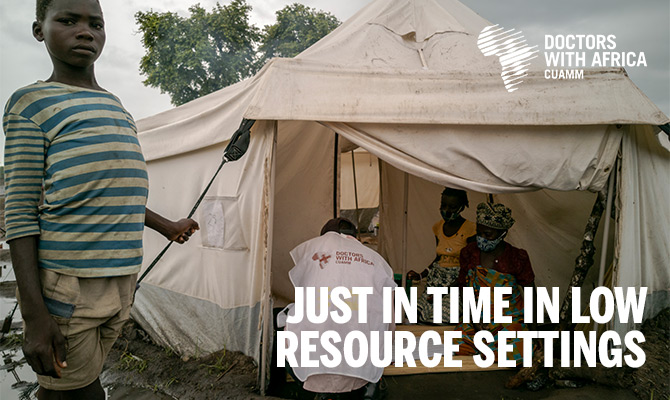
JUST IN TIME In Low Resource Settings

During disasters, health care workers must be ready to adapt quickly and safely, wherever they are needed. Training programs play a crucial role in building this readiness: equipping professionals with practical skills, strengthening their confidence, and improving their ability to respond effectively in both high and low resource settings. Investing in preparedness means empowering health care providers to act decisively when it matters most.

The “Just in Time” CUAMM training consists of a 6 module training package delivered through a distance learning interface (total training duration: approximately 7 hours).


Bridging Experience: From COVID-19 to Global Emergency Response

Just in Time is a free online training programme developed by Doctors with Africa CUAMM in collaboration with CRIMEDIM, the Research Center in Emergency and Disaster Medicine at the University of Eastern Piedmont. The course was initially created during the COVID-19 pandemic to support the Italian healthcare system in managing the crisis and strengthening preparedness capacities. Building on lessons learned from that experience, the training was redesigned and adapted to respond to diverse emergency contexts, particularly across the African continent.

The Impact: From Knowledge to Professional Competency
Preparedness is not merely a state of readiness; it is a measurable professional competency. Systematic training programs are essential for transforming theoretical emergency protocols into effective field operations. By engaging with this course, healthcare providers (HCPs) achieve three critical professional outcomes:

  • Operational Confidence: Training reduces the cognitive load during a crisis, allowing professionals to act decisively based on established evidence-based procedures.
  • Facility Resilience: Understanding how to maintain the integrity of a healthcare facility during a surge in demand ensures that life-saving services remain accessible.
  • Risk Mitigation: Proficiency in disaster-specific protocols significantly improves the safety of the working environment, protecting both the staff and the patient population.

Course Overview
The “Just in Time” training is a specialized learning programme developed by Doctors with Africa CUAMM to strengthen disaster preparedness. Designed specifically for healthcare professionals in low-resource settings, the course features:

  • Format: 6-module curriculum delivered via a distance-learning platform.
  • Duration: Approximately 7 hours of total learning time.
  • Accessibility: Available in English, French, and Portuguese to support diverse global contexts.
  • Certification: Participants can complete a learning assessment to obtain a formal digital certificate of attendance upon completion.

Learning Objectives
By engaging with this practical and accessible training, participants will gain the skills to:

  • Provide healthcare workers with a common background of knowledge and information about disaster-specific information;
  • Provide healthcare workers with the adequate competencies to proficiently and safely work inside any healthcare facility during any disasters;
  • Understand the working principles and the standard operating procedures in place at their working place in preparation for, during and in the aftermath of a disaster;
  • Understanding basic principles of disaster medicine and public health emergencies.


Consult the Program of the course 

Enroll now

Read the feedback from previous editions