Clean Cooking, fostering the commitment to improved cooking solutions

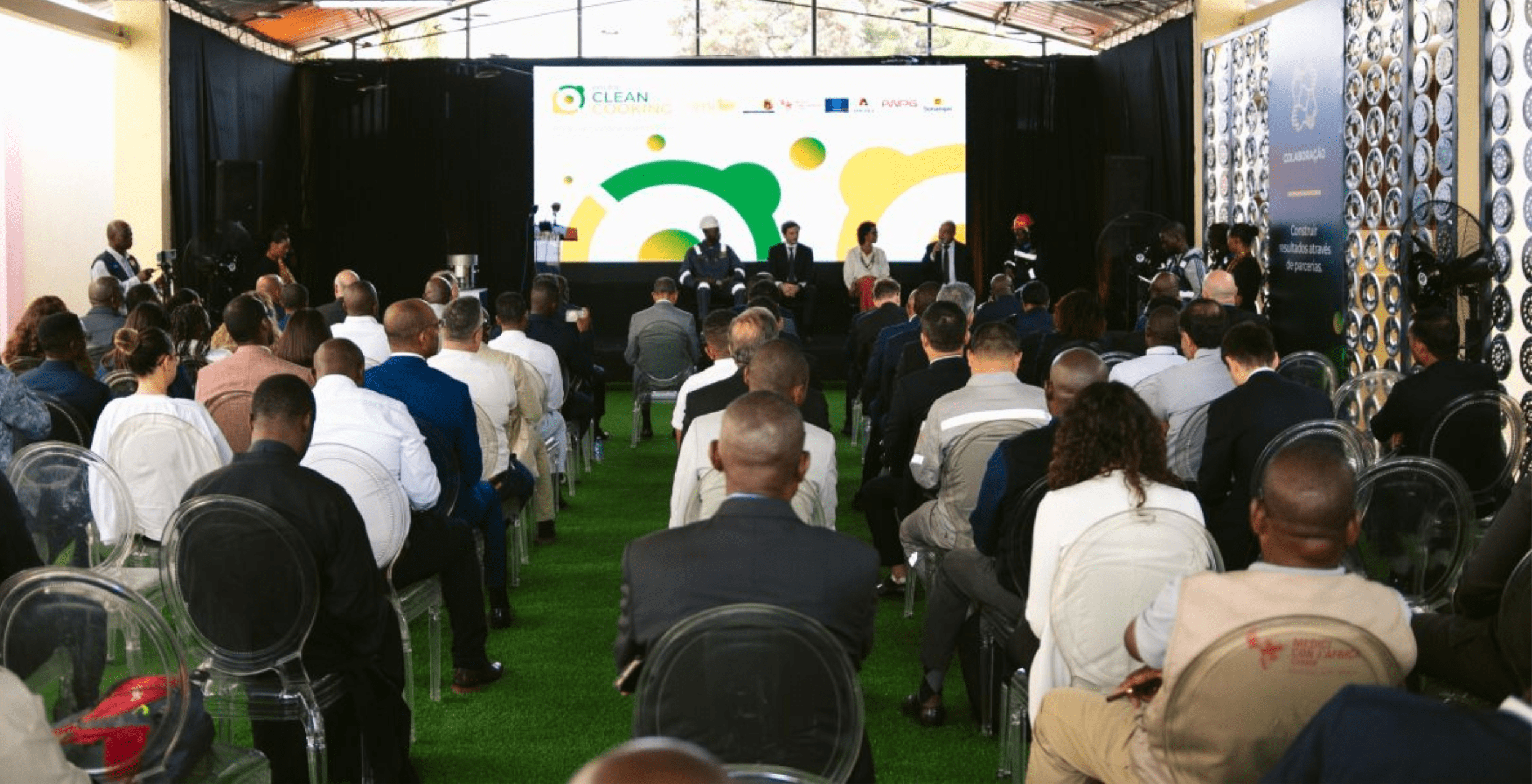
Yesterday in Luanda, we attended the inauguration of a new improved cookstove production center, which will enable the large-scale manufacturing of innovative, efficient, and improved cookstoves. This new facility complements the existing center in Benguela and will support the large-scale production of modern and innovative models as part of the Clean Cooking programme.

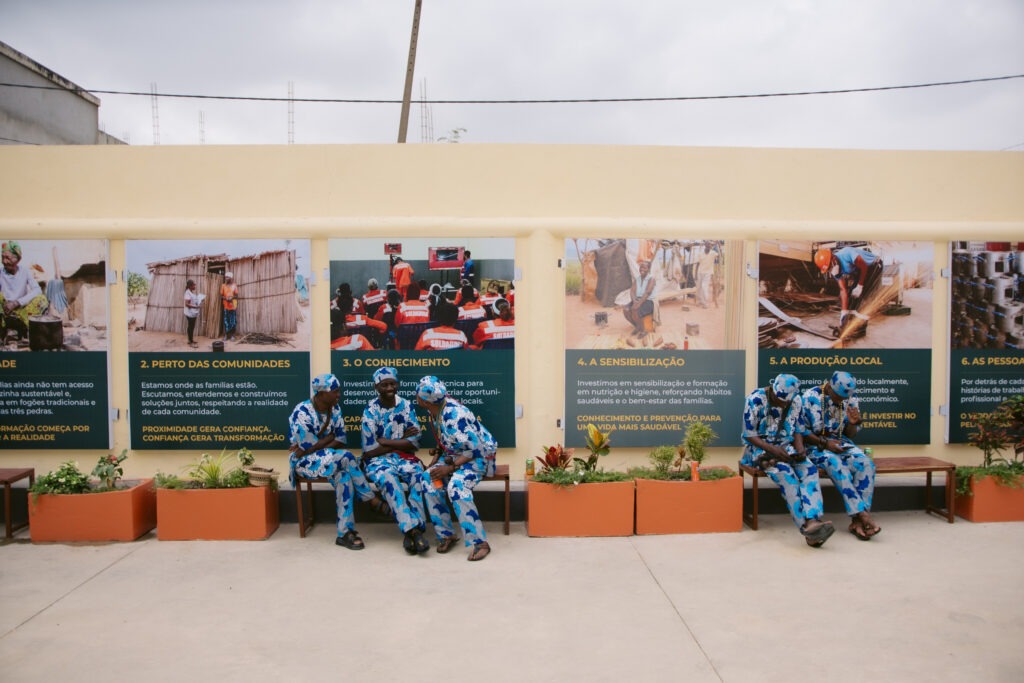
Promoted by Eni and implemented in partnership with the Salesianos de Dom Bosco, the programme aims to improve access to modern cooking solutions in Sub-Saharan Africa while also integrating interventions to support community health.

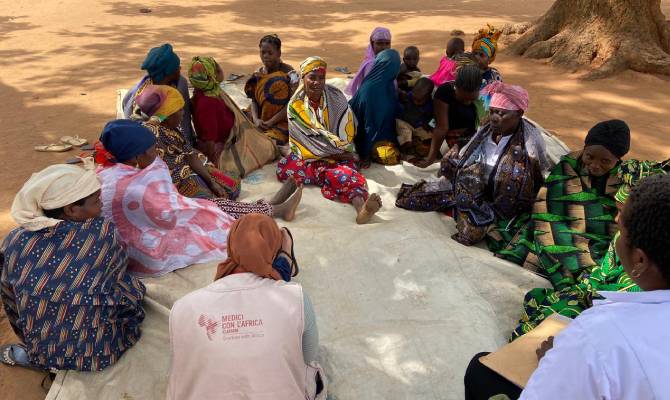
In Uíge, northern Angola, we are engaged in promoting hygiene, health, and nutrition activities, strengthening nutrition services, and training healthcare personnel across 15 health facilities in five municipalities. To date, four health centres have been renovated and upgraded to provide enhanced nutrition services; our awareness-raising activities have reached more than 37,000 people, while training programmes have involved 247 community health workers and 89 healthcare professionals.

This work starts within communities and extends to hospitals, while also strengthening peripheral health centres to ensure the effective management of acute malnutrition cases and continuity of care.

As part of the intervention, we adopt an innovative Social and Behaviour Change (SBC) approach, which seeks to encourage the adoption of healthier practices and ensure the long-term impact of the programme.

This is a tangible example of how access to energy, health, and community development can advance together, generating meaningful benefits for both people and the local area.

Building inclusion for children most in need

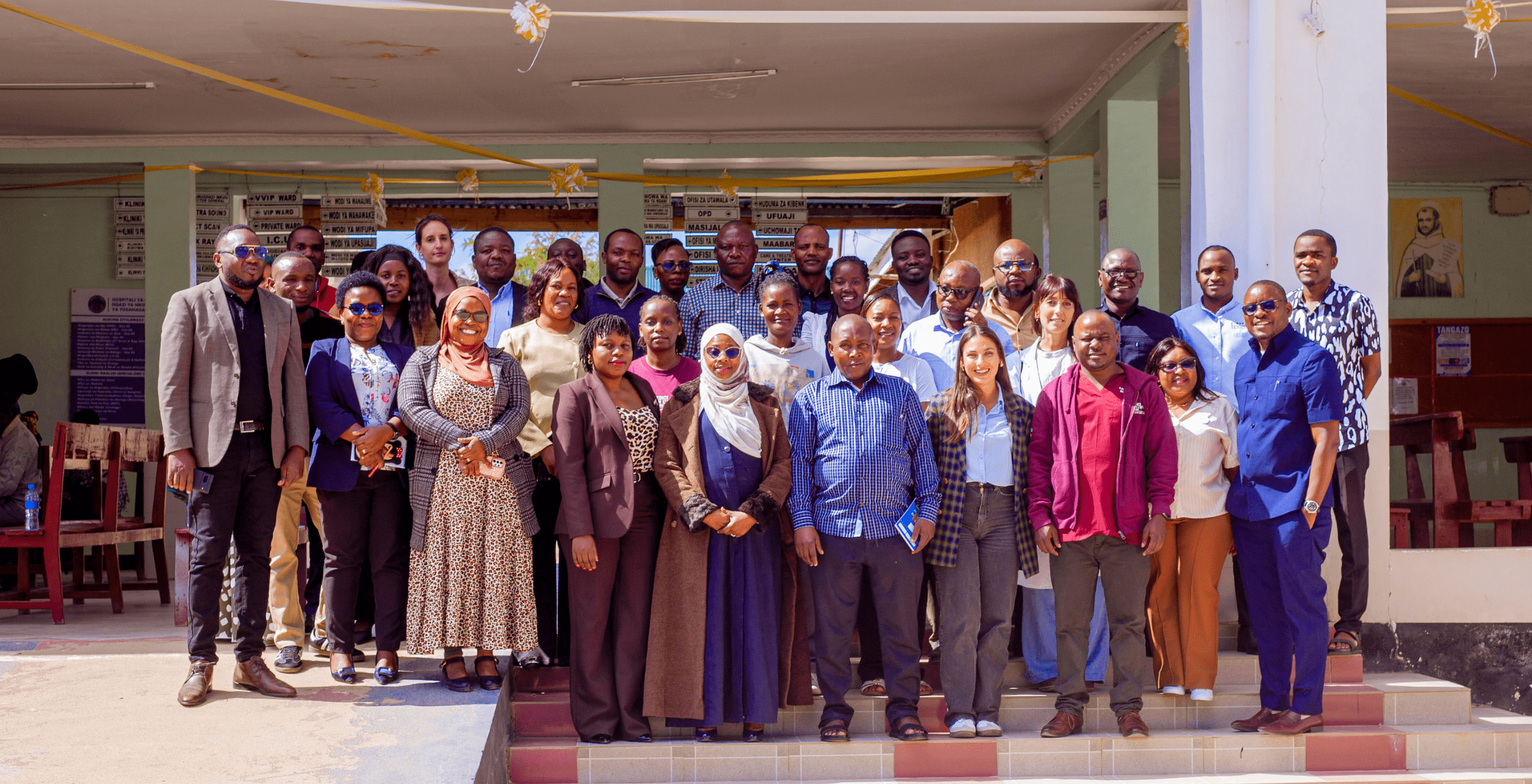
Yesterday, Tosamaganga Regional Referral Hospital hosted the final event of the INCLUSIVA Project – “Addressing Childhood Neurodevelopmental Disorders in Iringa DC”, launched in July 2024 and funded by the Centre for Global Health of the Tuscany Region.

The project was implemented in Iringa DC in collaboration with CALL Africa NGO, Fondazione Amici di Stella Maris, and Tosamaganga Regional Referral Hospital, with the aim of promoting and strengthening knowledge and awareness of childhood neurodevelopmental disorders and developmental delays.

Over the past two years, the project carried out a Knowledge, Attitudes and Practices (KAP) survey to assess community awareness, beliefs, and behaviours related to neurodevelopmental disorders. In addition, two training programmes were delivered for healthcare workers from health facilities across Iringa DC, alongside technical assessments designed to evaluate their level of knowledge and awareness on the topic. These activities generated valuable data and provided a clearer understanding of local needs, offering an initial picture of the current situation and the challenges that remain.

INCLUSIVA represents an important starting point for the development of future interventions, helping to strengthen existing services and promote greater inclusion for children with neurodevelopmental disorders and their families.

The event provided an important opportunity for dialogue and knowledge sharing, during which participants reviewed the project’s achievements, assessed the current situation, and discussed future opportunities and priorities.

Attendees included local and regional authorities, representatives from the Ministry of Health and the Ministry of Community Development, as well as stakeholders actively engaged in the area. Participants had the opportunity to visit Tosamaganga Hospital and several key services dedicated to child health and development, including the Early Childhood Development (ECD) Corner, the Neurology Clinic, the Malnutrition Unit, and the demonstration kitchen, which is used for educational and practical sessions with mothers of children admitted for malnutrition treatment.

The visit also provided an opportunity to learn more about the work carried out by CALL Africa NGO in support of children with physical and cognitive disabilities. Participants toured the facilities dedicated to rehabilitation and support activities, gaining insight into the services provided and the organization’s ongoing commitment to promoting inclusion and improving the quality of life of children and their families.

The strong participation and engagement of all stakeholders confirmed both the relevance of the topic and the growing interest in addressing neurodevelopmental disorders within the region. The event also opened the door to new opportunities for collaboration and partnership.

The work carried out through INCLUSIVA marks the beginning of a broader journey aimed at improving care pathways, clinical management, awareness, and services for children with neurodevelopmental disorders across Iringa District Council.

Faith-Based Health Systems: Building Trust and Expanding Access to Care in Sub-Saharan Africa

In many countries across Sub-Saharan Africa, faith-based health facilities provide a significant share of essential healthcare services, particularly in rural and underserved communities. Despite their vital contribution, these institutions often remain underrecognized and insufficiently integrated into formal health systems.

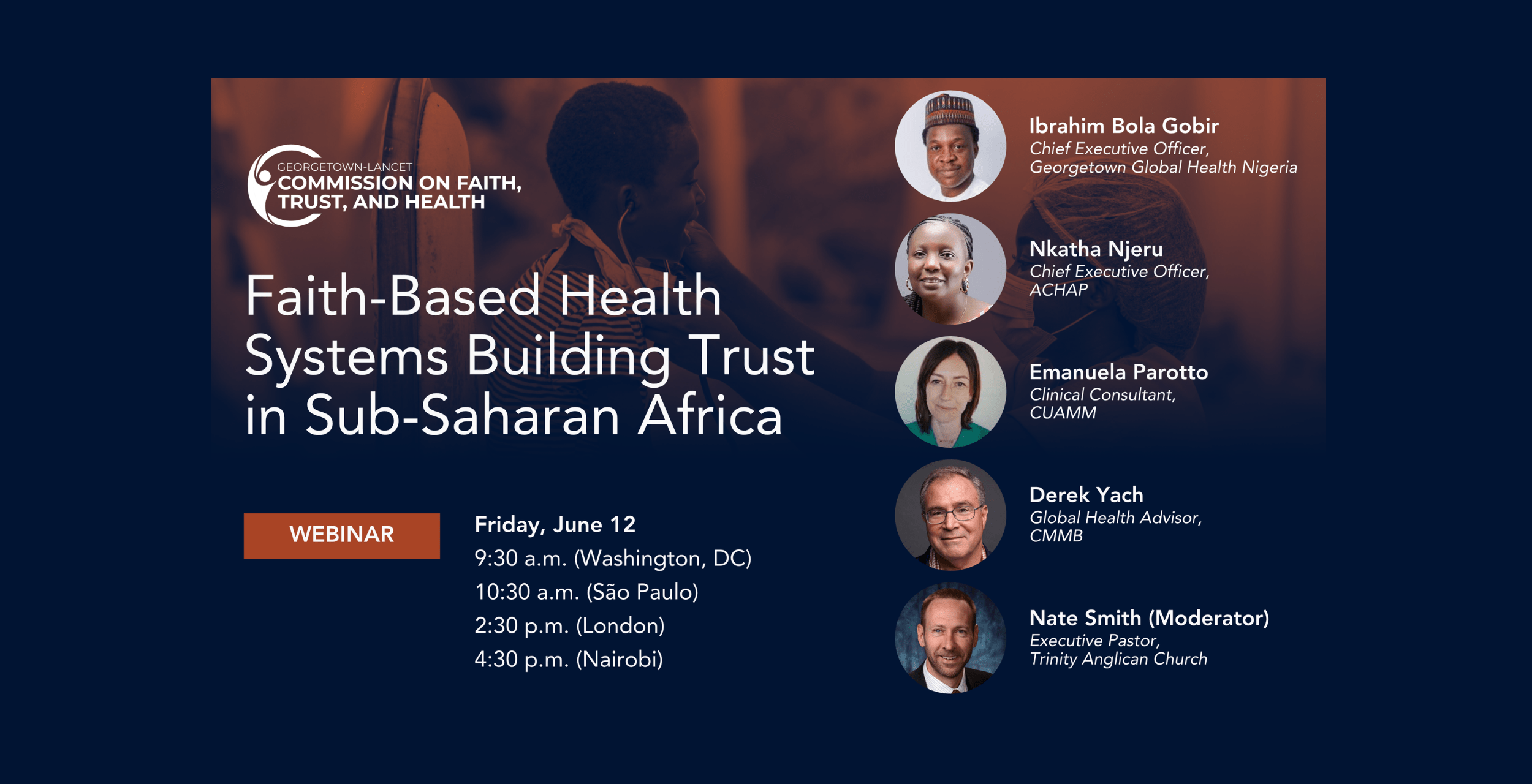
These issues were at the center of Faith-Based Health Systems: Building Trust in Sub-Saharan Africa, a webinar hosted by the Georgetown-Lancet Commission on Faith, Trust, and Health. Bringing together experts from academia, healthcare, faith communities, and international organizations, the event explored the role of faith-based health systems through both Christian and Islamic perspectives, while highlighting frontline experiences from across the continent.

We contributed to the discussion by sharing insights and expertise gained through our long-standing commitment to supporting faith-based organizations (FBOs) across the region. Dr. Emanuela Parotto, Clinical Consultant at CUAMM, presented key results, findings, and lessons learned from this work. Other distinguished speakers included Ibrahim Bola Gobir, Assistant Professor at Georgetown University; Nkatha Njeru, CEO of ACHAP; Nate Smith, Executive Pastor at Trinity Anglican Church; and Derek Yach, Global Noncommunicable Disease Advisor at CMMB.

The strong interest generated by the webinar was reflected in a record level of engagement, making it the most attended session of the series to date. The event attracted 146 unique viewers from 26 countries, spanning four continents. Participants joined from countries as diverse as Bangladesh, Denmark, Zambia, and Brazil, underscoring the global resonance of the topics discussed and the growing interest in faith-based approaches to health systems strengthening.

The discussion underscored the critical role that Faith-Based Organizations (FBOs) play in healthcare delivery across Sub-Saharan Africa, while drawing attention to a persistent gap: national health frameworks often fail to fully leverage the reach, trust, and expertise of these institutions.

CUAMM’s Commitment to Strengthening Faith-Based Healthcare

Recognizing the strategic importance of FBOs, CUAMM launched a major initiative in 2019 to support faith-based organizations delivering healthcare services across Africa. The webinar provided an opportunity to showcase the results of this ongoing commitment.

Dr. Emanuela Parotto presented findings from extensive field assessments conducted between November 2021 and February 2024. The study evaluated 63 health facilities belonging to 48 faith-based organizations across 11 countries: Angola, Cameroon, Ethiopia, Ghana, Ivory Coast, Kenya, Madagascar, Malawi, the Central African Republic, Tanzania, and Togo.

Using both quantitative and qualitative methodologies—including Health Facility Assessment Questionnaires (HFAQ) and Disaster Preparedness Assessment Questionnaires (DPAQ)—the research provided a comprehensive overview of the strengths, challenges, and potential of faith-based healthcare providers in the region.

A Cornerstone of Healthcare Delivery

Evidence presented during the webinar showed that faith-based providers deliver between 30% and 70% of healthcare services in many Sub-Saharan African countries.

For decades, these organizations have played a central role in national health systems, often maintaining a continuous presence in communities where public services are limited or absent. Their commitment to serving vulnerable populations, combined with deep local roots, has enabled them to become highly trusted actors within the communities they serve.

This trust is one of their greatest assets. Built through long-standing relationships, shared values, and moral leadership, it encourages positive health-seeking behaviors, improves adherence to treatment, and supports sustained utilization of healthcare services. As highlighted during the webinar, growing evidence shows that trust is not merely a social asset but a critical determinant of health system performance and legitimacy.

Three Pillars of Support

CUAMM’s initiative is built around three complementary pillars designed to strengthen the capacity and sustainability of faith-based healthcare providers:

  • Training: Development and delivery of tailored training programmes for both medical and administrative staff.
  • Technical Assistance: Field missions conducted by CUAMM experts to assess facility performance, identify operational gaps, and support quality improvement processes.
  • Advocacy: Promotion of evidence-based policies and dissemination of research findings to foster greater recognition and integration of faith-based facilities within national healthcare systems.

Strong Foundations, Persistent Challenges

While faith-based organizations demonstrate remarkable commitment, resilience, and community engagement, they continue to face significant structural barriers.

Key challenges identified through the assessments include:

  • Shortages of qualified health personnel;
  • Inadequate infrastructure and equipment;
  • Limited preparedness for emergencies and disasters;
  • Weak health information and data management systems;
  • Financial instability and resource constraints;
  • Insufficient integration and coordination within national health systems.

These obstacles affect the ability of FBOs to fully realize their potential, despite their proven capacity to reach remote and marginalized populations.

The Path Forward: Integration, Recognition, and Partnership

A clear message emerged from the webinar: faith-based organizations should not be viewed as peripheral actors, but as essential components of national healthcare systems.

Their limitations are not primarily the result of organizational weaknesses; rather, they stem from insufficient structural integration, recognition, and support. Strengthening partnerships between governments, faith-based providers, donors, and development organizations would enable countries to better harness one of their most valuable healthcare assets: community trust.

The webinar concluded with a strong call to action for policymakers, donors, and health leaders. Investing in the integration of faith-based health providers is not simply a matter of filling service gaps. It is an opportunity to strengthen healthcare access, improve quality of care, and build more resilient and inclusive health systems for the future.

In case you missed the webinar and are curious to learn more:
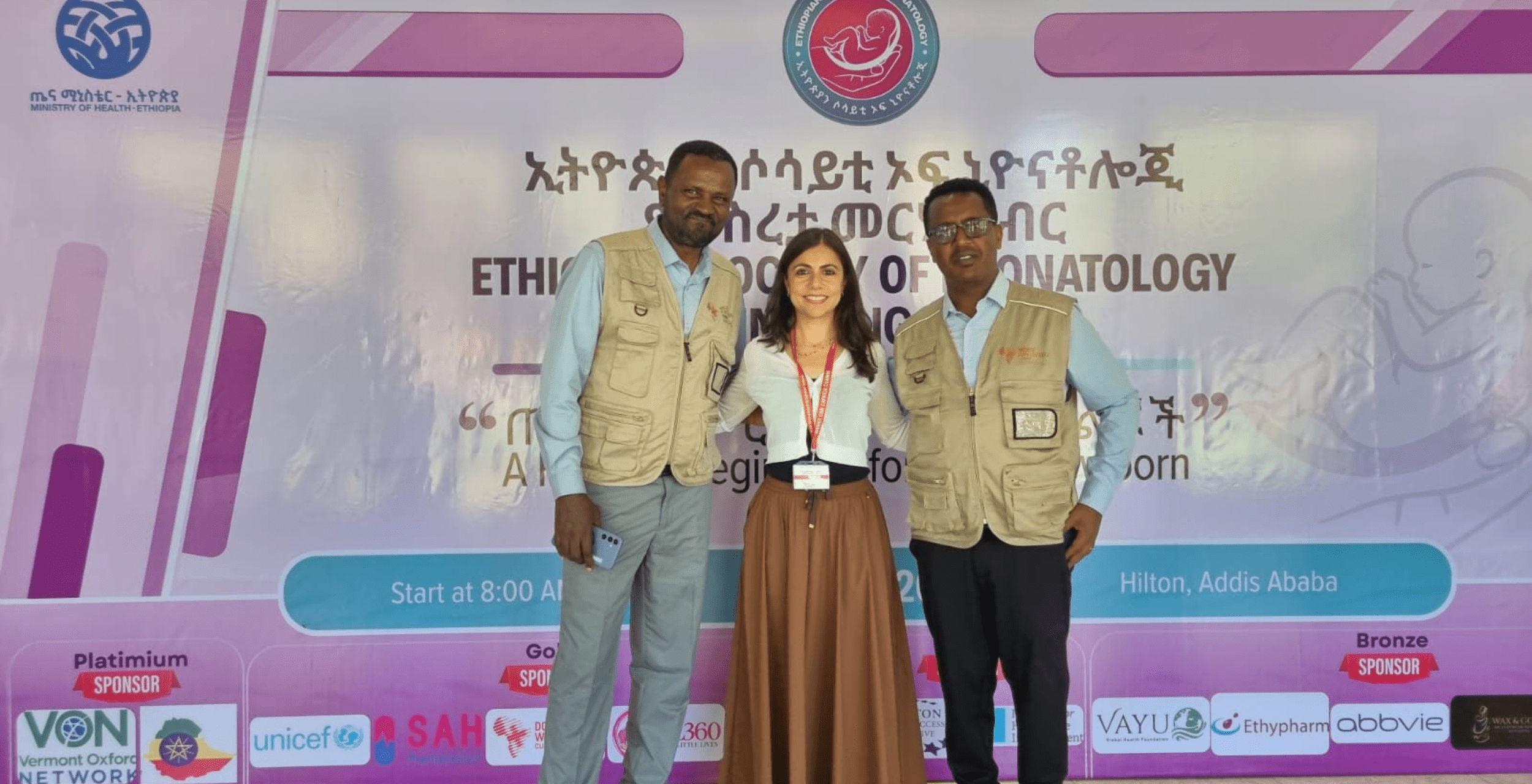
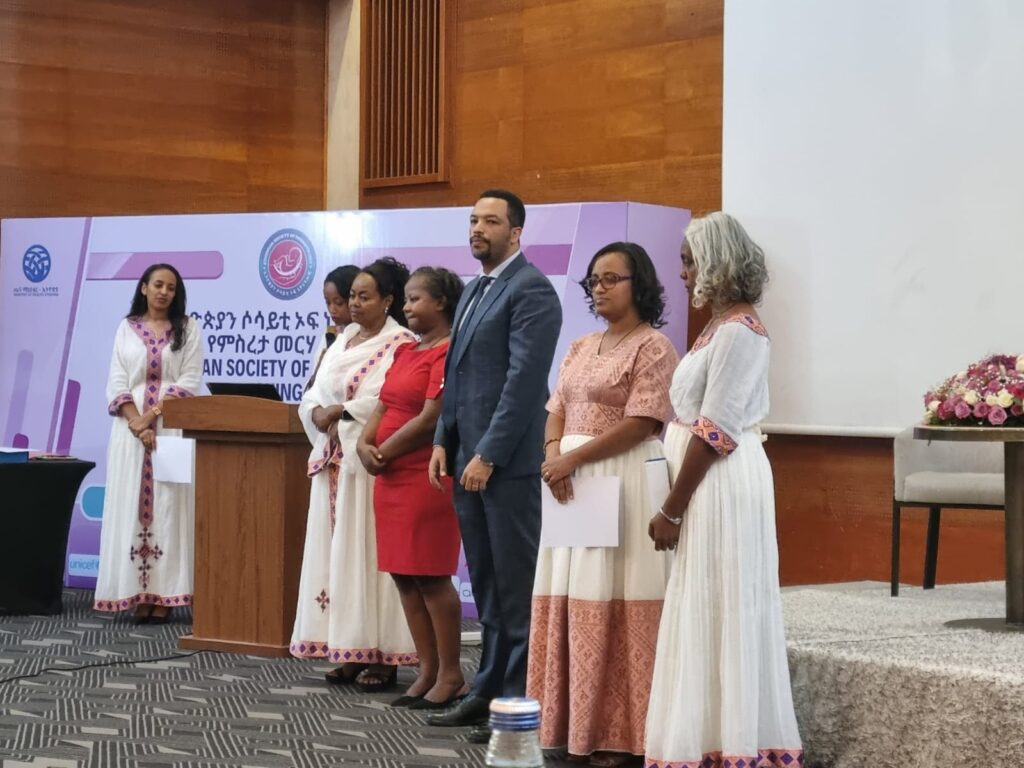
The Ethiopian Society of Neonatology is born: inaugural ceremony held in Addis Ababa

The official launch event of the Ethiopian Society of Neonatology (ESN) was held last week in Addis Ababa, marking a historic milestone and a fundamental step forward in newborn care in Ethiopia. We also took part in this major inaugural ceremony alongside numerous national and international partners who, like us, have been on the front lines in the country for years to guarantee the right to health for mothers and their babies.

For us at CUAMM, the creation of the Ethiopian Society of Neonatology represents the achievement of our daily efforts in supporting hospitals, equipping neonatal intensive care units (NICUs), and providing continuous training for local professionals. As Maria Perrella, CUAMM Country Representative, commented:

«Being present in Addis Ababa for this launch reaffirms our organization’s commitment to walking “with” Africa, supporting local institutions in building strong, resilient, and autonomous healthcare systems, so that no child is denied a future».

The event, organized in close collaboration with the Ethiopian Ministry of Health (MoH), was attended by the Minister of Health, Dr. Dereje Duguma, as well as representatives from UNICEF, WHO, the Gates Foundation, and prestigious academic institutions dedicated to public health.

The Ethiopian Society of Neonatology aims to bring together neonatologists, pediatricians, neonatal nurses, midwives, and researchers under a single vision: to ensure that every newborn in Ethiopia has access to timely, safe, equitable, evidence-based, and high-quality neonatal care, enabling all children not only to survive but to thrive.

As highlighted in the opening speech by the President of ESN, pediatrician and neonatologist Dr. Asrat Dimtse, the establishment of the society addresses the urgent need to build networks.

«Today marks a historic milestone in ensuring that every newborn receives the care they deserve. I wish to express my deepest gratitude to the Ministry of Health, all partners, and supporters who made this vision a reality. Newborn mortality remains a dramatic challenge: every year, too many children face preventable complications. ESN was founded precisely to reduce this mortality rate through solid partnerships, research, and international standards. Our vision is simple yet ambitious: to ensure every newborn has access to timely, dignified, and high-quality care. Every newborn life matters: this is our motto, our mission, and our goal,» stated Dr. Asrat, President of the Ethiopian Society of Neonatology.

Challenges at the heart of the debate

The launch of ESN was not only a celebratory moment but also a platform for crucial technical discussion. During the panel discussion titled “Advancing Newborn Care in Ethiopia: Experiences, Challenges, and Strategic Priorities”, leading experts exchanged views on international standards of care and strategies to reduce preventable newborn deaths through specialized staff training.

«Improving neonatal care requires a concrete investment in advocacy, research, and infrastructure. Today, the challenges are many—from limited supplies to the need for staff training—but we are determined to find solutions. We must join forces: the key to success lies in consolidating partnerships and conducting strong advocacy to mobilize the necessary resources. No one can do it alone; it requires multisectoral collaboration,» affirmed the Minister of Health, Dr. Dereje Duguma.

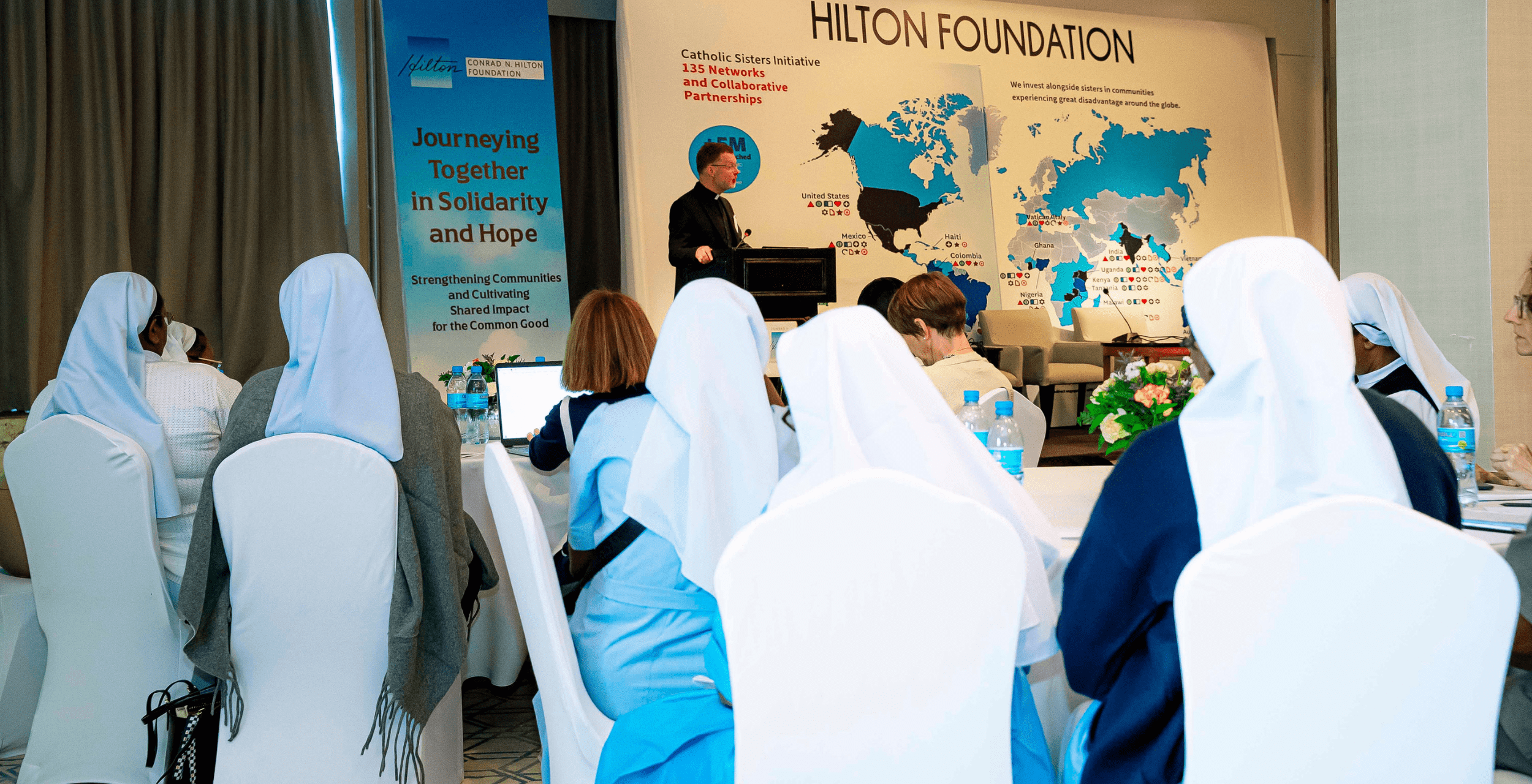
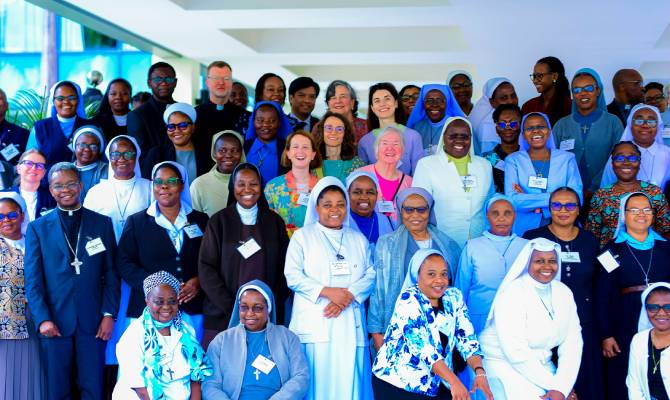
In Tanzania with the Conrad N. Hilton Foundation: Together for the Health of the most vulnerable

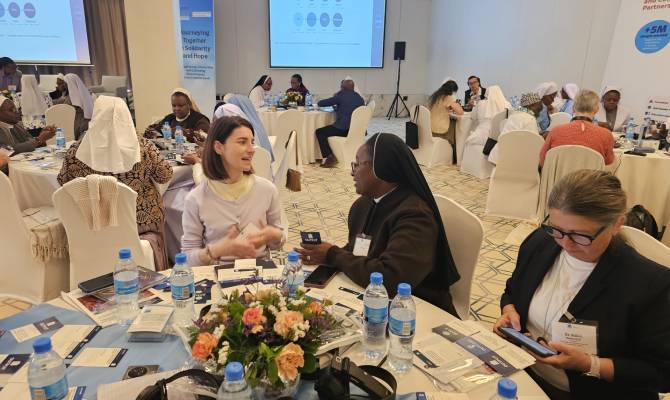
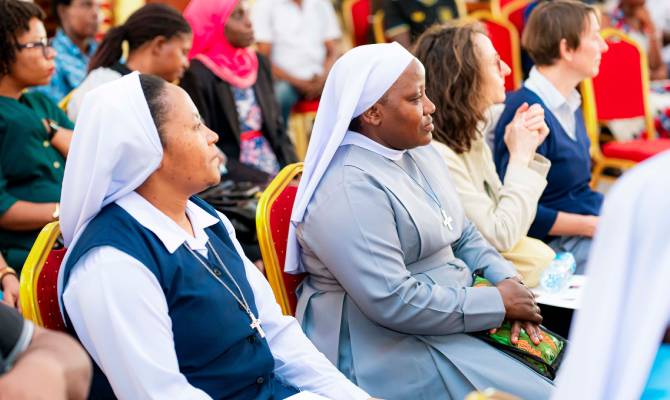
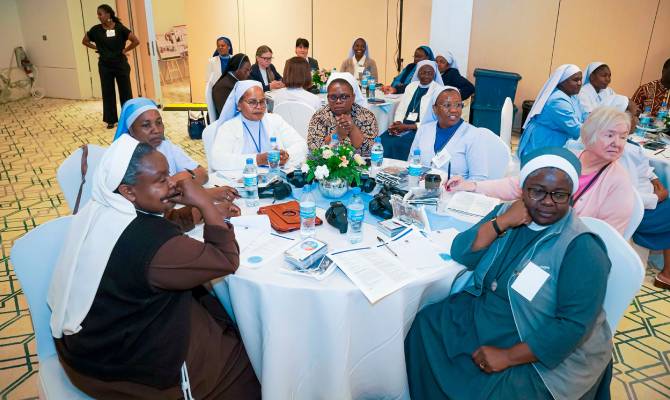
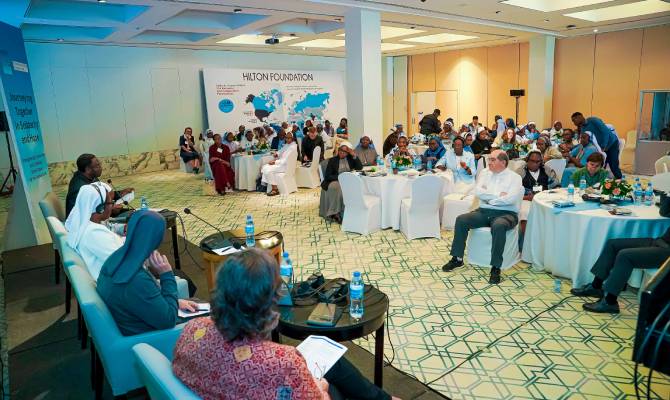
Sharing best practices, joining forces, and charting new paths to guarantee the right to health and a future—even in the most isolated areas of the African continent. With this shared goal, we took part in the annual conference organized by the Conrad N. Hilton Foundation in Tanzania. The event brought together international partners, local institutions, experts, and civil society organizations, all united by a common commitment to sustainable development.

At the heart of the working groups and panel discussions were core themes of our daily field operations: maternal and child health, nutrition, and the strategic importance of resilient community health systems.

Participating in this global network represents an extraordinary opportunity to showcase the work carried out on the ground, particularly in Tanzania, where CUAMM has been working alongside local authorities for years to improve access to maternal and child healthcare.

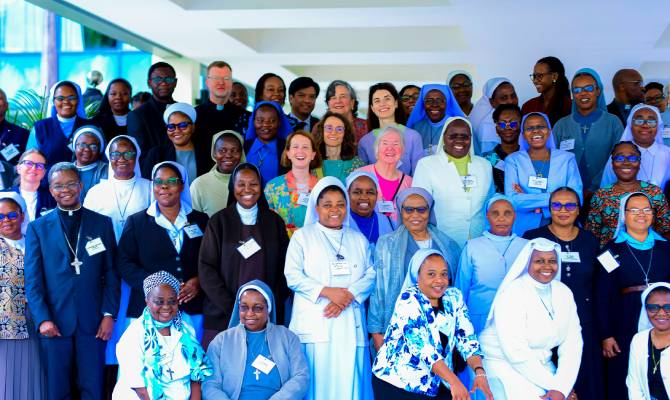
A central focus of the discussions in Tanzania was dedicated to safeguarding, a dimension that CUAMM considers absolutely essential when operating in fragile settings. True health delivery goes beyond clinical efficacy; safeguarding ensures that programs are safe, transparent, accountable, and deeply respectful of the dignity of the individuals and communities being served. By embedding strict safeguarding principles into the training of Catholic Sisters and health workers, the partnership guarantees a protective environment for the most vulnerable, particularly women and children.

The convening also provided a vital opportunity to explore the Conrad N. Hilton Foundation’s Strategy 2030. Participants engaged in deep-dive sessions examining its methodology, implementation approaches, and core objectives, aligning CUAMM’s field experience with the Foundation’s overarching Theory of Change and Theory of Action. This strategic alignment ensures that current and future interventions are not only optimized for immediate relief but are structurally designed to generate sustainable, multi-generational impact.

“The convening was an important opportunity to highlight the value of investing in Catholic sisters’ leadership and supporting community-based responses that can generate sustainable impact.  It was not only a space for learning and networking, but also a powerful reminder of the importance of partnerships, shared responsibility, and collective action.” Said Laura Braga – CUAMM International Relations Officer

Empowering the Frontline: The Impactful Journey of CUAMM and the Conrad N. Hilton Foundation

In the fragile ecosystems of sub-Saharan Africa’s healthcare networks, Catholic Sisters and faith-based organizations (FBOs) are often the quiet backbone of survival. Operating in some of the most remote, under-resourced, and crisis-prone regions, these dedicated women and local institutions provide a lifeline to marginalized communities. However, the complex challenges of modern healthcare—ranging from climate-induced emergencies to financial management—require more than just devotion; they require specialized skills, resilient systems, and strategic leadership.

Recognizing this critical need, Doctors with Africa CUAMM and the Conrad N. Hilton Foundation joined forces in 2023. This strategic partnership was born out of a shared vision: to empower local Catholic organizations delivering health services, transforming them into sustainable, highly effective, and climate-resilient pillars of care.

Three years into this journey, the fruits of this collaboration are visibly reshaping healthcare delivery across three focus countries: Ethiopia, the Central African Republic, and Sierra Leone. To date, the project has successfully engaged 66 Sisters and trained 94 Sisters across the target countries.

Continuing to Walk Together

The insights and frameworks gained during these intensive days will serve as vital blueprints for CUAMM to optimize ongoing projects and shape innovative intervention strategies.

As the conference ends, our commitment does not: the goal remains to translate the global strategies discussed at these international assemblies into concrete actions, medicines, care, and hope for mothers and children in Africa.

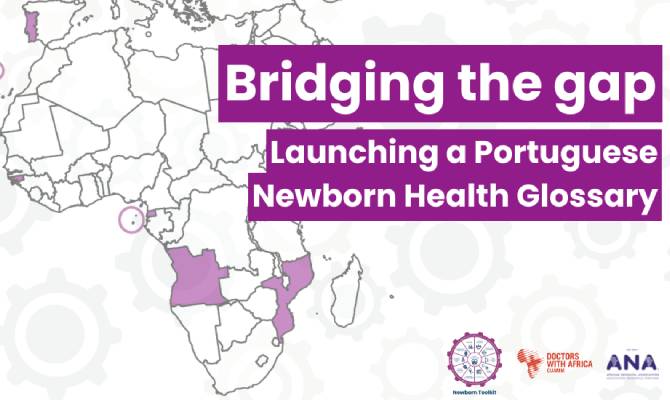
Bridging the Gap a Portuguese Newborn Health Glossary

Access to clear, accurate medical information can make the difference between life and death—especially in newborn care. We are proud to have collaborated with the Newborn Toolkit  (NEST 360 e London school Of Hygiene And Tropical Medicine) in the launch of a Portuguese-translated Newborn Technical Terms Glossary, developed in collaboration with the African Neonatal Association, – represented by Dr. Sonia Bandeira, to support healthcare workers, educators, and policymakers across Lusophone Africa.

In many Portuguese-speaking African countries, healthcare professionals face a critical challenge: limited access to standardised, localised clinical terminology. Much of the most up-to-date newborn health guidance is published in English, creating barriers for practitioners working in Portuguese-dominant settings.

“African newborns face similar threats in different contexts: reducing the language barrier for Portuguese-speaking healthcare workers and implementers will help not only to ‘speak the same language’ across the continent, but also to learn each day how to achieve the essential care for mothers and newborns, both in hub centers and in “the last mile”, as it is intrinsic in CUAMM’s mission.” said Dr Marco Frison CUAMM Paediatrician and project manager in Beira, Mozambique.

Developing tools that facilitate access to current and high-quality information can improve training pathways, the development of guidelines, international exchange, and ultimately the quality of care.

The glossary is intended as a first step in addressing this gap. It consists of approximately 600 key neonatal care terms translated from English into Portuguese, plus contextual definitions aligned with global health standards and improved clarity for training, communication, and clinical decision-making.

DOWNLOAD THE GLOSSARY

WASH in Healthcare Facilities: A Global Call to Action

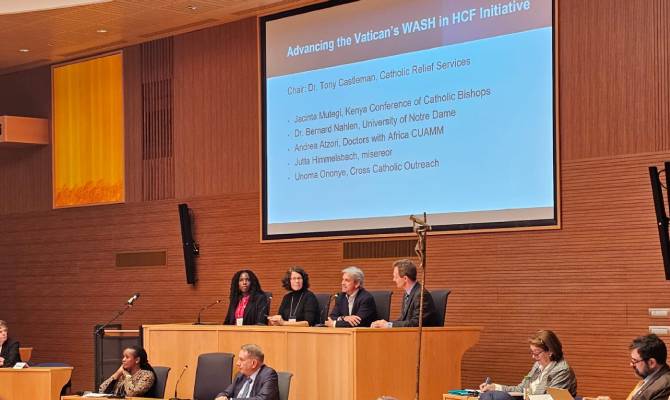
On April 22–23, we took part in the event “Committed to WASH in Healthcare Facilities: A Gathering of Faith-based Organizations and Allies to Accelerate Progress”, held in Rome at the Jesuit Curia. The global meeting brought together faith-based organizations and partners committed to improving access to essential services—water, sanitation, and hygiene (WASH)—in healthcare facilities, a need also highlighted by the United Nations.

The event aimed to secure concrete financial and operational commitments to strengthen WASH services in faith-based healthcare facilities. It also sought to accelerate new initiatives, foster collaboration with secular partners, and share lessons learned and future priorities.

Throughout the discussions, a stark reality was repeatedly emphasized: across 60 low-resource countries, 37% of healthcare facilities lack basic water services and 81% lack basic sanitation. These gaps directly contribute to higher maternal and infant mortality, increased disease transmission, and deepening poverty.

“We all recognize how challenging it is not only to ensure, but also to sustain, WASH services in many health facilities,” said Andrea Atzori, Head of International Relations at CUAMM. “While the term ‘WASH’ may be relatively recent, the challenge of water access has persisted for decades—spanning infrastructure, maintenance, and long-term affordability.” He also highlighted how WASH is closely linked to CUAMM’s commitment to maternal and neonatal health through prevention.

This connection was echoed by Sean Callahan, President and CEO of Catholic Relief Services, who stressed that access to WASH “not only prevents infections and protects health—it also upholds the dignity of vulnerable patients. Every mother deserves clean water, private sanitation, and hygienic conditions when giving birth.”

The meeting also highlighted the critical role of women’s religious congregations and faith-based health networks in delivering healthcare and promoting human dignity worldwide.

Faith-based organizations (FBOs) are essential providers in underserved and hard-to-reach areas, delivering 30–50% of healthcare services in some low-resource countries. Despite their impact, their contributions are often overlooked.

Recognizing this, since 2019 we have partnered with FBOs across Africa to strengthen their capacity, resilience, and participation in decision-making processes. Today, we support 93 Catholic congregations in 26 countries through training, technical assistance, and advocacy.

“While WASH is not our core area of expertise, we are committed to identifying sustainable solutions and integrating these services into broader health interventions by working closely with institutions, communities, and partners—including FBOs,” added Atzori. “This collaboration enables us to better understand challenges, co-develop practical solutions, and advocate more effectively for lasting progress.”

The two-day meeting provided a platform to exchange experiences and align on next steps. Participants—from religious leaders to field experts—called for scaling progress and “turning commitments into funded plans with clear targets and deadlines,” as noted by Alistair Dutton, Secretary General of Caritas Internationalis.

Cardinal Michael F. Czerny emphasized the urgency of action:

“Without WASH, healthcare cannot be safe. No treatment, surgery, or delivery can be properly performed. Ensuring these basic conditions is a fundamental step toward human dignity and integral development.”

Adding her voice, Sarah Mullally, Archbishop of Canterbury, stated:

“As a former nurse, I know that clean water and sanitation are essential to safe and effective healthcare. I am encouraged by the progress already underway and urge continued support for this vital work.”

Moving forward, the challenge is clear: transform commitments into concrete, funded actions that reach the most vulnerable. In this effort, the leadership of faith-based actors will remain critical. As Sister Irene O’Neill, Founder of Sisters Rising Worldwide, emphasized, “sisters see what others often miss, they remain where others do not and are already leading solutions that need to be heard, shared and scaled sustainably.” Scaling these solutions is no longer optional—it is urgent.

The event was promoted by a consortium of partners committed to advancing WASH in healthcare facilities, including CUAMM, Caritas Internationalis, Catholic Relief Services, the Daughters of Charity of Saint Vincent de Paul, Global Ministries/UMCOR, the U.S. Catholic Health Association, the Anglican Communion Health and Community Network, ACHAP, and Accord Network. It was held under the patronage of the Dicastery for Promoting Integral Human Development.


Contrasting GBV to shape a brighter future

Here is the English version, revised for clarity, flow, and a more institutional news style:


Today in Maputo, the PAZ project was launched, a new commitment in support of girls and adolescents in Cabo Delgado province, Mozambique.

In a context marked by years of conflict, forced displacement, and extreme climate events, women and girls remain among the most vulnerable groups. Funded by AFD – Agence Française de Développement and led by the Aga Khan Foundation, the project we are starting implementing in collaboration with the local NGO GirlMove aims to strengthen protection, education, and psychosocial support pathways, with the goal of preventing and responding to gender-based violence and promoting concrete opportunities for the future.

“We are working to connect different actors who can contribute to the autonomy of Mozambican women. It is essential to support concrete interventions that respond to community needs and address practices that still affect women today. The joint work of AKF, CUAMM, and GirlMove, together with communities and authorities, will be key to achieving real impact,” said Marie-Hélène Loison, Regional Director of AFD.

The French Ambassador Yann Pradeau also highlighted the value of the initiative, stressing its contribution to addressing the needs of rural areas, promoting women’s rights, and strengthening peace in conflict-affected settings.

In collaboration with GirlMove, we will work to strengthen the prevention and response to gender-based violence through protection, education, and psychosocial support activities. The intervention aims to improve the quality, capacity, and coordination of health, social, and legal services for survivors, across the entire continuum of care—from prevention to integrated response—through a survivor-centred approach that prioritises individual needs and dignity.

The project also focuses on strengthening the capacity of health, social, and justice professionals through training and supervision to improve case management, psychological support, and the identification and treatment of trauma in children and adolescents. At the same time, referral mechanisms between schools and services will be reinforced, alongside training for teachers, community actors, and mentors to support early identification of cases and activation of protection pathways.

Activities also include awareness-raising in schools and communities, legal and paralegal support for families, and access to specialised mental health services for survivors. Where needed, material and logistical support will also be provided to ensure access to care.

Taken together, these actions contribute to building a more coordinated, accessible, and responsive system for girls and adolescents who have experienced violence, strengthening the capacity of communities and institutions to prevent and effectively respond to gender-based violence.

A meaningful step towards a safer, more equitable, and more just future.


Neonatal care services improve in Addis Ababa

In Addis Ababa, within the wards of the Black Lion Hospital, locally known as Tikur Anbessa Specialized Hospital, healthcare workers strive every day to provide adequate care to the most vulnerable newborns. The challenges are many: limited resources and the condition of the facility make it difficult to respond to the growing number of patients. For this reason we chose to intervene to sustainably improve the quality of maternal, newborn, and child healthcare—an effort that also extends to Suhul Hospital in Shire, in the Tigray region.

The project “Strengthening neonatology in Ethiopia”, funded by the Italian Agency for Development Cooperation and developed in close collaboration with hospital staff and the Ethiopian Paediatric Society, is fully aligned with the country’s main national strategic frameworks. This strong alignment enables the initiative not only to concretely improve the quality of healthcare services, but also to contribute to achieving national and international standards and care protocols.

A rapidly growing demand for neonatal services, combined with outdated infrastructure and persistent technical constraints in the availability of essential resources such as water, electricity, and oxygen, makes the context particularly challenging and limits the delivery of high-quality healthcare services.

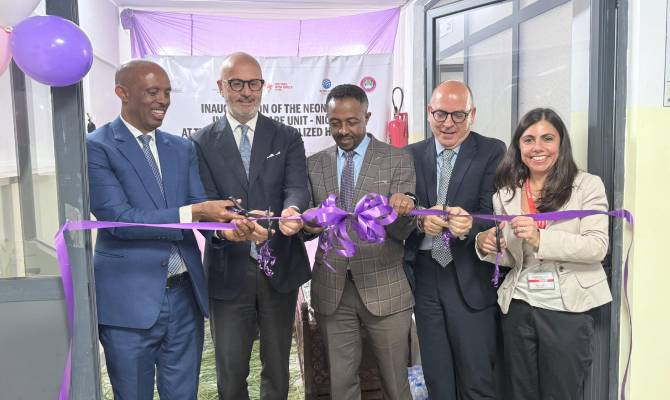
“The expected results of this project are both ambitious and achievable. Today we celebrate the inauguration of this fully renovated and equipped neonatal intensive care unit, but our commitment does not end here. In the coming months, we will continue working to implement further improvements, including training activities,” said Maria Perrella – CUAMM Country Manager who also expressed gratitude to all partners, including the Ministry of Health Ethiopia, the hospital management, the Ethiopian Paediatric Society, the Italian Agency for Development Cooperation, and the Embassy of Italy in Ethiopia.

The Italian Ambassador to Ethiopia, Sem Fabrizi, expressed his appreciation to all those present, emphasizing that this achievement is the result of a long-standing and strong collaboration between the two countries. “Thanks to this intervention,” he noted, “Ethiopia is today taking an important step forward towards achieving international standards of care.” Encouraging remarks were also delivered by Michele Morana, AICS Representative in Ethiopia, who acknowledged the value of this commitment and highlighted the effectiveness of the collaboration between CUAMM, the Italian Agency for Development Cooperation, and the Ethiopian Ministry of Health.

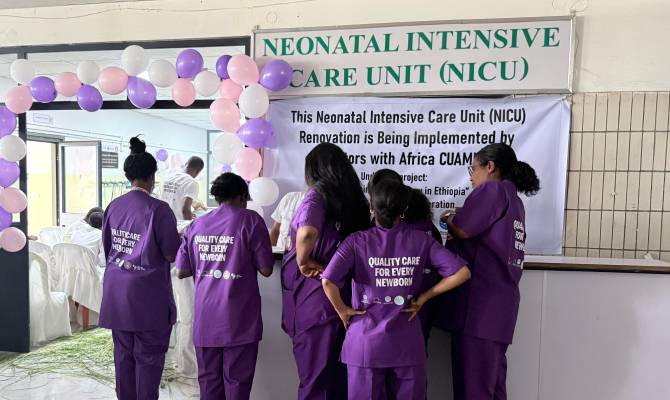
At the heart of the intervention is the neonatal intensive care unit (NICU) of Black Lion Hospital, one of the country’s main referral hospitals. Thanks to a series of infrastructure works launched in 2025, care conditions have significantly improved: the refurbishment of the electrical system, renovation of flooring, and upgrading of the water system—with a dedicated tank for the NICU—are making the environment safer and more functional. In the coming months, the expansion of the medical gas distribution system is also planned, a crucial step to ensure life-saving treatments.

Alongside infrastructure, technology plays a key role. The ward has been equipped with essential devices for the survival of premature and critically ill newborns, including incubators, ventilation devices such as CPAP machines, fetal monitors, infusion pumps, and resuscitation equipment. Tools that, when combined with adequate skills, can make the difference between life and death.

For this reason, significant investment has also been made in training. In December 2024, biomedical engineers from the hospital and other centers took part in an intensive course on installation, calibration, and maintenance of medical equipment. The results were tangible: a roughly 17% improvement in technical skills and the development of internal operational plans to ensure continuity.

The initiative continued with a national workshop on biomedical equipment, bringing together key actors from Ethiopia’s healthcare system. This exchange highlighted ongoing challenges—from shortages of spare parts to inventory management issues—but also a shared commitment to strengthening maintenance systems and ensuring service sustainability.

Particular attention was also given to the Black Lion biomedical laboratory, which, although already well equipped, still requires support in training junior staff and in the consistent application of preventive maintenance.

In February 2025, also within the framework of the intervention and in collaboration with the Union of European Neonatal & Perinatal Societies (UENPS), we brought together international experts and Ethiopian healthcare professionals for a neonatal resuscitation training aimed at establishing a pool of trainers with specific national-level expertise, and subsequently launching a cascade of training activities. The initiative was carried out alongside a two-day international workshop that gathered global experts, Ethiopian healthcare staff, representatives of regional health bureaus, the Ethiopian Ministry of Health, and the WHO, with the aim of strengthening clinical and methodological skills to improve neonatal survival in Ethiopia.

Overall, the intervention is contributing to a tangible transformation: improved infrastructure, more qualified personnel, and strengthened local capacity to manage and maintain healthcare technologies. An integrated approach that aims not only to respond to immediate needs, but also to build a more resilient healthcare system over time.

OdonAssist From Research to Practice

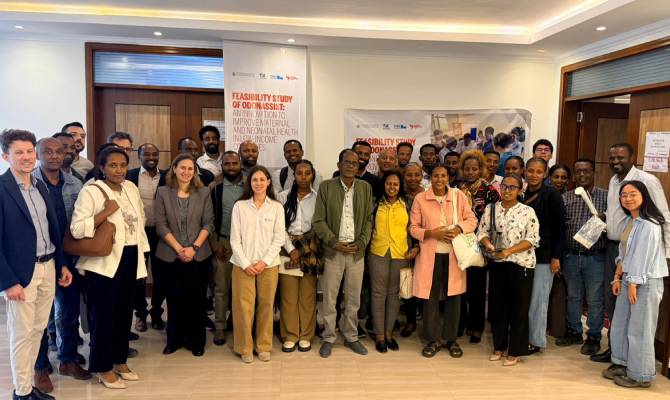
We recently hosted a dissemination workshop for the OdonAssist™ study in Addis Ababa, Ethiopia—an important opportunity for dialogue and reflection on how its findings can help improve maternal and newborn healthcare practices.

The meeting brought together a wide range of stakeholders in maternal and newborn health, including representatives from national and regional institutions, clinicians, scientific societies, international agencies, donors, and policymakers. Participants included members of the Ethiopian Ministry of Health, Oromia Health Bureau, National scientific societies (EPS and ESOG), alongside key partners such as UNFPA, UNICEF, and the World Bank.

The workshop served as a platform to present findings from the feasibility study launched early last year in collaboration with the University of Besançon and St. Luke’s Hospital in Wolisso, as part of an initiative funded by the FID – Fonds d’Innovation pour le Développement.

“When we were presented with CUAMM’s project on OdonAssist™, we saw an opportunity to generate robust local evidence to improve maternal and neonatal healthcare in Ethiopia. For FID, this is just the beginning. The real question is: where next? Can the Odon device be integrated into Ethiopia’s health system? Can it be scaled up to reduce preventable deaths?” said Estelle Plat, FID Investment Officer.

These and other questions were addressed through the workshop as findings showed positive results in the use and application of OdonAssist in low-resource settings.

During the workshop, Dr. Betrán Lazaga presented the WHO Global Landscape on Assisted Vaginal Birth (AVB), providing an overview of global trends. She highlighted the steady rise in cesarean section rates alongside a decline in assisted vaginal births and outlined the recurrent complications associated with cesarean sections—particularly in low-resource settings, where they remain a leading cause of maternal mortality.

Key gaps identified by WHO and discussed during the event include:

  • Strengthening training for assisted vaginal birth
  • Improving communication between providers and patients
  • Expanding access to pain management options
  • Evaluating new technologies and service delivery models
  • Supporting healthcare providers through targeted behavioral interventions

Against this backdrop, testing the device in low-resource settings is essential to understand its potential, practical application, and scalability—particularly where the need for safer, simpler solutions in case of complications during labor and delivery is most urgent.

According to the United Nations, there are approximately 130 million births worldwide each year, of which around 5-10% are expected to benefit from AVB. However, these figures drop dramatically in low-resource settings. Data from over 40 countries across Latin America and sub-Saharan Africa show that only a fraction of health facilities provide access to these services, largely due to shortages of equipment and trained personnel.

Making AVB both accessible and safe in low- and middle-income countries is critical for reducing maternal and neonatal mortality.

“It is not merely a clinical issue, but a structural one,” said Michele Orsi, gynecologist at the Policlinico of Milan and CUAMM Project Manager. “Ensuring equitable access to assisted vaginal birth also means reducing delays in the delivery of obstetric care. Achieving this requires interventions that go beyond training—addressing resource availability, workforce distribution, and adaptation to local contexts.”

In Ethiopia, where we conducted the feasibility study, most assisted births are performed by general practitioners – midwives, and health officers, while gynaecologists are largely limited to hospitals. In peripheral health facilities, assisted births are almost exclusively managed by non-specialist staff who are on the frontline of obstetric service delivery, as Dr. Teshome from St. Luke Hospital noted during the workshop. Strengthening skills and expertise among healthcare workers is therefore a priority.

Results from St. Luke Hospital

As part of the feasibility study, last year OdonAssist™ was introduced in the delivery room at St. Luke Hospital, Wolisso, allowing midwives, gynecologists and surgical officers previously trained to use the device for AVB.

Throughout the study, 80% of assisted vaginal births were performed by midwives and surgical officers, achieving a 75% success rate. Typically, in this setting, epidural anesthesia is scarcely available in hospitals and completely unavailable in health centers. These results demonstrate that a simple, easy-to-use device like OdonAssist™ has the potential to significantly improve maternal and neonatal health outcomes.

 “These results are not an endpoint— on the contrary they should guide further action,” emphasized Dr. Cetin, Head of the Obstetric Department at Mangiagalli, Milan.

The study had previously been conducted in the UK and France, where the tool was used by gynecologists, achieving success rates of 67% and 88% respectively. The findings from Ethiopia – where the device was used by midwives and surgical technicians are consistent with these earlier results, showing comparable success rates as well as similar benefits in terms of reduced neonatal trauma and pain experienced by women.

The study conducted in Wolisso made Ethiopia the first low-resource country in Africa to participate in this type of research. Today, Ethiopia is the first and only country in which healthcare personnel have used OdonAssist™ operationally in a delivery room.

“OdonAssist™ is not just a technological innovation—it is practical innovation in the field,” noted Dr. Getache Secretary General of ESOG.

Building on global trends of rising cesarean section rates and declining assisted vaginal births, discussions also addressed key research gaps. Particular attention was given to findings on the safety, accessibility, and acceptability of OdonAssist™ among both healthcare providers and women, highlighting its potential to expand access to quality obstetric care.

Dr. Merialdi, Chief Medical Officer at the Maternal and Newborn Health Institute, emphasized the patient-centered approach behind the device:
“All studies have been conducted with a focus on women’s needs. OdonAssist™ is one of the first obstetric devices evaluated directly from the patients’ perspective.”

Acceptability was in fact assessed immediately postpartum, considering both maternal and neonatal well-being. The data show that resulted in overall rates of episiotomies and spontaneous lacerations similar to those observed with the vacuum, while achieving lower average pain scores and a reduced need for analgesia. Evaluations of perceived safety, respect, and communication during labor confirmed high maternal satisfaction, with most women reporting a positive experience.

Comparisons between the two devices indicate that OdonAssist™ achieved similar levels of acceptability and satisfaction, suggesting that perceived benefits are influenced not only by the technique itself but also by healthcare providers’ approach and adherence to protocols. Furthermore, the use of the device did not increase maternal risks and appears to confirm a reduction in neonatal risks, consistent with previous studies.

In conclusion, the project demonstrates high acceptability among both women and healthcare providers, a favorable safety profile, and ease of use. The authors recommend further studies with larger samples to confirm and consolidate these preliminary findings.

“The feasibility study conducted in Wolisso represents, on a small scale, a wide range of low-resource settings. For this reason, we can conclude that the device is accessible and applicable and it can indeed be scaled-up – affirmed Michele Orsi. Now it is time to move forward and undertake a second study to evaluate its real impact”.