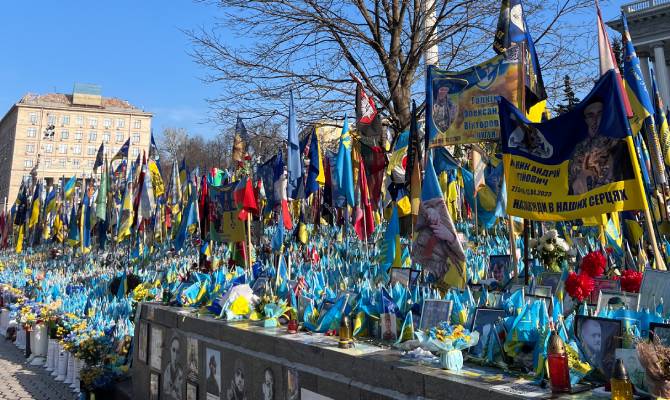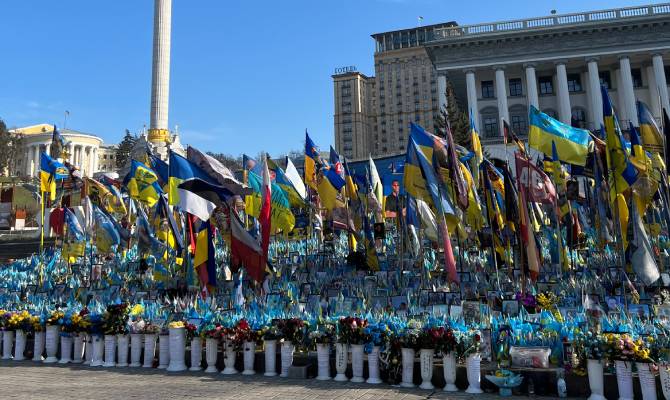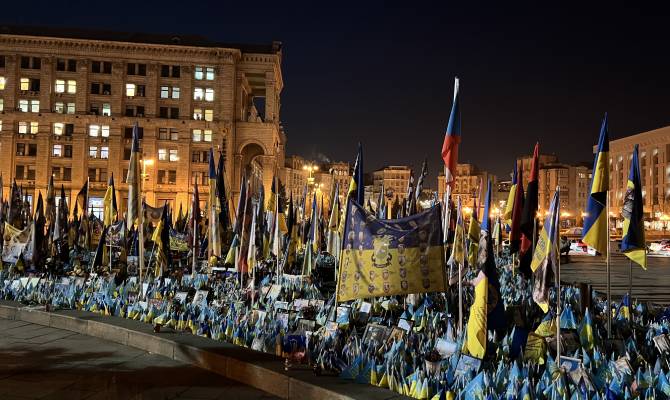
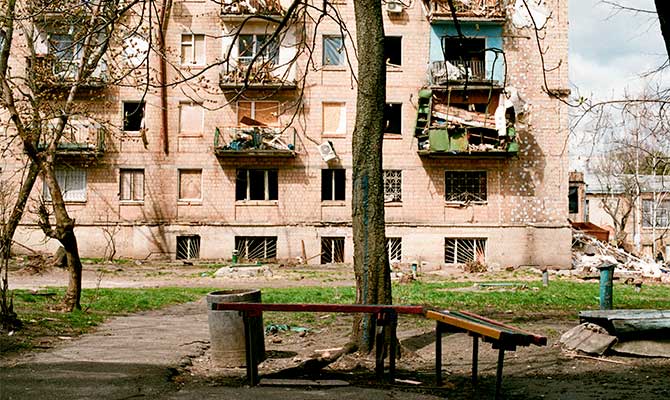
“Yesterday the temperature was -14°C during the day, and at night it dropped to -20°C. We are without lighting, without power, without heating, and those living in taller buildings—from the second floor upwards—are also without water. The cold penetrates you and gives no respite. The bombardments continue, increasingly intense; since 6–7 January, military actions on Kyiv have escalated targeting mainly energy facilities. The intention is to strike people—the entire civilian population—without distinction. The outskirts are in worse conditions than the city centre, because that is where the taller, newly built apartment blocks are. At present, there are areas of the city that have been without electricity, heating and water for as many as three days.”
CUAMM field workers in Ukraine are working tirelessly to maintain emergency response operations. They describe the harsh realities faced by the population and the immense challenges of delivering humanitarian assistance in a war-torn country.

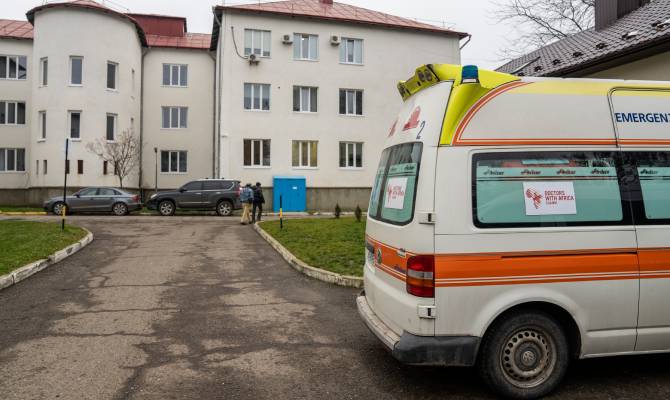
“Work resumed after the Orthodox holiday break but unfortunately CUAMM Office is unusable due to the lack of heating and electricity. However, the staff continue working from home, often gathering in the warmest house. At present, CUAMM is engaged in purely emergency assistance, distributing medicines and supplies to the four hospitals located along the front line. In the coming days we should also be provided with the CUAMM vehicle for travel. In addition, we are working with a local NGO to provide psychological support to the communities of Kharkiv and Sumy.”
“In Kyiv the situation is very strange. People try, as best they can, to carry on with their lives and their daily routines. They work, move around, go to the gym or do their grocery shopping (also because having more powerful generators shops offer a bit of warmth). But everything feels suspended. It can happen that, because of a bombardment, for example, the water is cut off while you are in the shower, suddenly”
“In my life, I also witnessed the war in Sarajevo, where there was a clear sense of a city under siege. In Ukraine, instead, you never know what might happen, or when.” said CUAMM Public Health expert in Ukraine then he adds: “For us, who came to Kyiv by choice to help these people, operating is becoming increasingly difficult with each passing day. But I think of the sick, the elderly, and people with disabilities who find themselves without heating or electricity. Until around 4:30 p.m. there is some daylight, and then darkness until the following morning. For them it is even harder. If you are lucky, around 10 p.m. a bit of electricity may return, but only for a very short time. The Mayor of Kyiv has advised families who have the possibility to move towards the west of the country, where there are still difficulties, but to a lesser extent.”
In about a month, on 24 February, it will be four years since the outbreak of the war in Ukraine. For the fourth consecutive winter, the Ukrainian people are facing an exhausting conflict that shows no sign of ending.
“People are tired. There is discouragement and bitterness. They have become accustomed to the constant clashes and to the many words and promises of those who hold the fate of this war in their hands, but they fear that if they give up or give in, the situation will be even worse for them.”
CUAMM has been operating in Ukraine since the outbreak of the war, implementing a wide range of interventions to support primary, secondary, and tertiary health facilities in the areas most affected by the conflict. These activities include the procurement and distribution of medicines, specialised traumatology and orthopaedic kits, obstetric supplies, and other essential medical materials.
In parallel, CUAMM provides multisectoral assistance to people affected by the emergency, with particular focus on the most vulnerable groups, including people with disabilities, women, and children. The current activities are being carried out in collaboration with CESVI under the SHIELD: Strengthening Health and Protection for Vulnerable Communities in Conflict-Affected Sumska and Kharkivska project, funded by the Italian Cooperation.