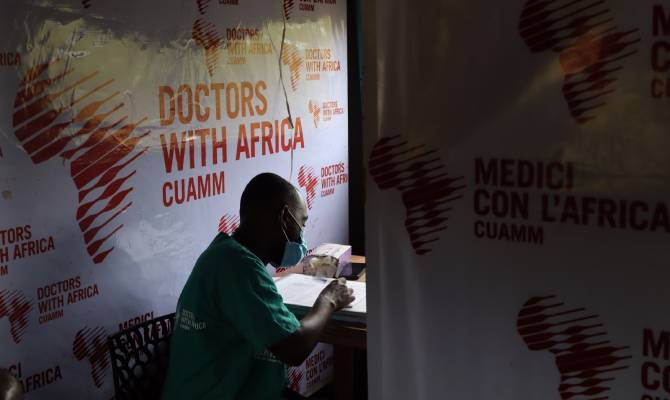
“Providing quality maternal care in this context is extremely challenging,” explains Habtamu, CUAMM Midwife in Tomorok. “Beside clinical care, we educate women and families about hygiene, danger signs, and the importance of skilled birth attendance. Raising awareness in the community is crucial, especially where resources and services are limited.”
Refugee women in Gambella’s Nuer Zone face multiple maternal health needs, including access to quality antenatal, delivery, emergency obstetric, and postnatal care, as well as adequate nutrition and mental health support. These needs are often compounded by unsafe living conditions, food insecurity, psychological trauma, and limited access to essential services such as nighttime care, clean water, sanitation, and adequate infrastructure.
In the past three months alone, our mobile health teams have assisted dozens of deliveries at CUAMM’s Mobile Health Post in Tomorok, ensuring women could give birth safely despite shortages of equipment, infrastructure, and trained personnel. Yet, challenges remain: long distances to the closest hospital, limited transportation, and overstretched referral facilities make strengthening community-level care essential.
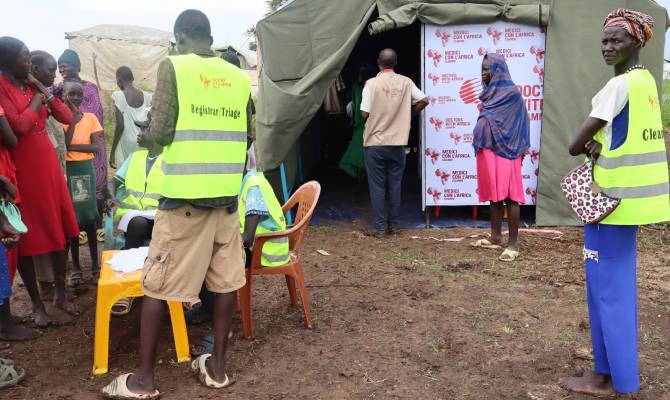
To respond to these growing needs, CUAMM rehabilitated a long-abandoned health post in Tomorok, now the closest facility to the Loakdong settlement, home to more than 21,000 South Sudanese refugees. Located 25 km from Nyinenyang General Hospital, the lack of nearby services had previously forced many women to give birth without any assistance. Today, thanks to CUAMM’s support, Tomorok Health Post offers lifesaving outpatient care, maternal and neonatal services, nutrition support, and stabilization of severe cases, with referrals available for complications. However, the facility is not equipped for childbirth care, and resources remain insufficient, meaning every birth remains a challenge for both women and health workers.
“Childbirth requires resources that are simply not available here,” says Riccardo Lazzaro, CUAMM Medical Coordinator in Gambella. “Yet we are committed to adapting our response and ensuring that no woman is left without care during one of the most critical moments of her life.”
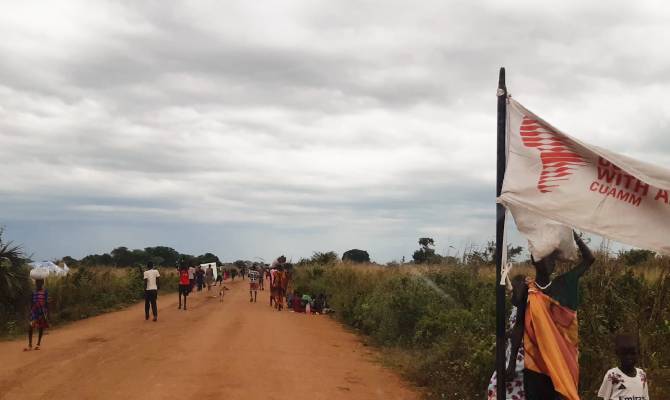
The urgency is driven by the broader refugee crisis: Tor Gatluak, a 41-year-old father from South Sudan, recounts, “We fled our village when the bombs started falling. We walked for days with almost nothing before reaching safety.” He and his family arrived in Ethiopia this summer, joining thousands of others fleeing escalating violence in Upper Nile State.
Precise figures are difficult to determine, as the influx has continued since the resumption of hostilities in neighbouring South Sudan. Estimates indicate, however, that since February 2025, more than 80,000 refugees have arrived in Ethiopia’s Gambella Region, which already hosts over 400,000 refugees. The majority of new arrivals are women and children, placing enormous pressure on an already fragile health system—particularly for maternal and newborn care.
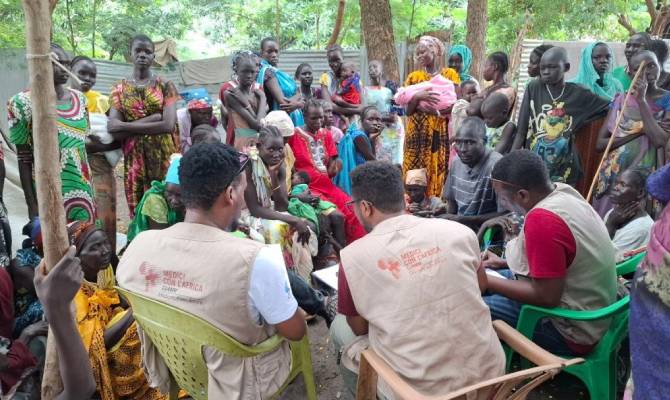
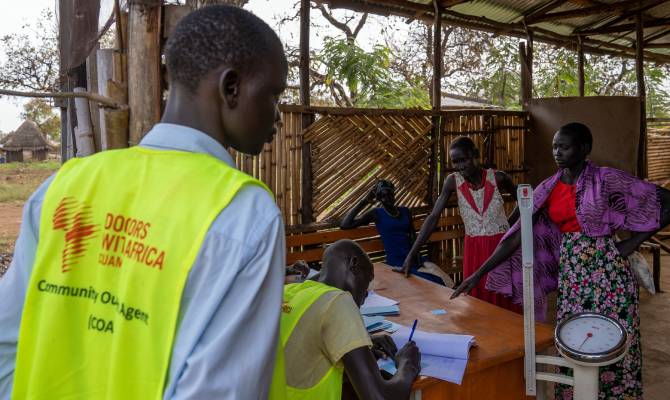
At registration points and temporary settlements such as Tomorok and Gade, Doctors with Africa CUAMM provides essential primary healthcare through mobile health clinics. Services include antenatal consultations, safe delivery support, vaccinations, and nutrition screening—often the only care available to pregnant women who have fled conflict, trauma, and food insecurity. Since October 2025, CUAMM has deployed two Mobile Health and Nutrition Teams in areas with no other healthcare actors. Despite insecurity and constant population movement, the teams have delivered continuous maternal and child health services, carried out over 16,000 outpatient consultations, screened more than 4,800 children and pregnant or lactating women for malnutrition, and supported referrals for life-saving care.
Present in Gambella since 2017, CUAMM combines emergency response with long-term health system strengthening, working to ensure that even in crisis settings, women can exercise their fundamental right to safe motherhood and dignified childbirth.
With the rapid escalating violence in South Sudan, humanitarian needs in the area are only expected to worsen in the months ahead. While we remain committed to adapting our response to the most urgent health needs, a collective action is critical to ensure that people fleeing violence—especially the most vulnerable—can access lifesaving basic services.