Here is the English version, revised for clarity, flow, and a more institutional news style:
Today in Maputo, the PAZ project was launched, a new commitment in support of girls and adolescents in Cabo Delgado province, Mozambique.
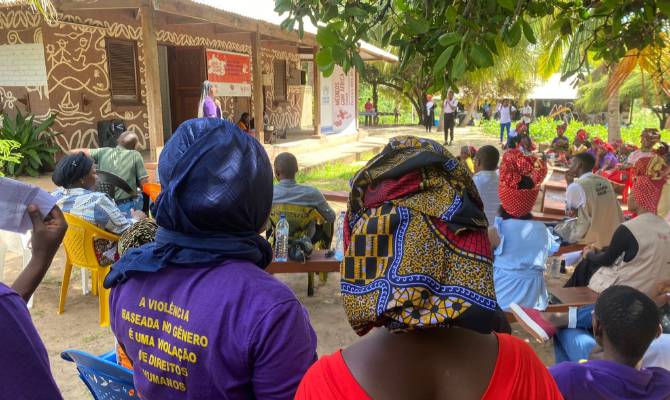
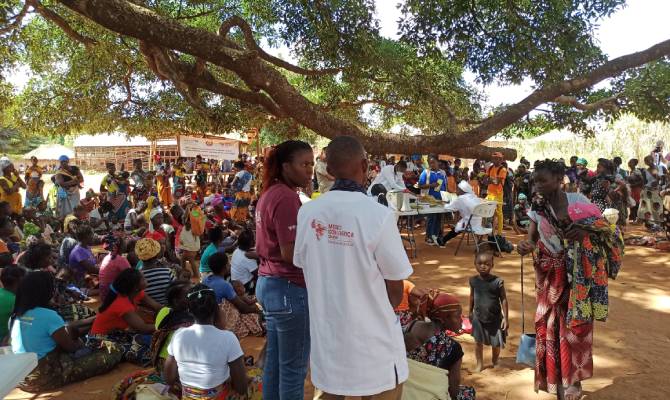
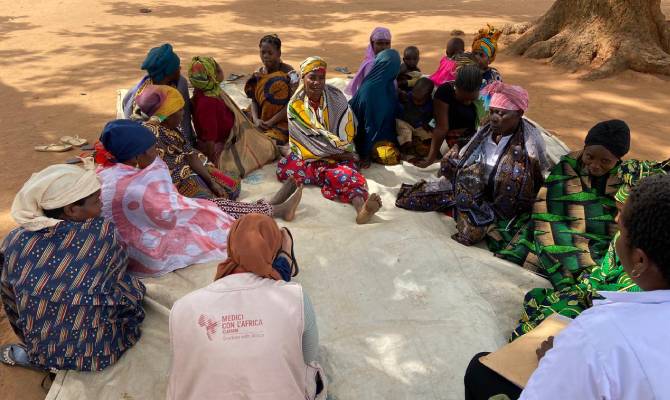
In a context marked by years of conflict, forced displacement, and extreme climate events, women and girls remain among the most vulnerable groups. Funded by AFD – Agence Française de Développement and led by the Aga Khan Foundation, the project we are starting implementing in collaboration with the local NGO GirlMove aims to strengthen protection, education, and psychosocial support pathways, with the goal of preventing and responding to gender-based violence and promoting concrete opportunities for the future.
“We are working to connect different actors who can contribute to the autonomy of Mozambican women. It is essential to support concrete interventions that respond to community needs and address practices that still affect women today. The joint work of AKF, CUAMM, and GirlMove, together with communities and authorities, will be key to achieving real impact,” said Marie-Hélène Loison, Regional Director of AFD.
The French Ambassador Yann Pradeau also highlighted the value of the initiative, stressing its contribution to addressing the needs of rural areas, promoting women’s rights, and strengthening peace in conflict-affected settings.
In collaboration with GirlMove, we will work to strengthen the prevention and response to gender-based violence through protection, education, and psychosocial support activities. The intervention aims to improve the quality, capacity, and coordination of health, social, and legal services for survivors, across the entire continuum of care—from prevention to integrated response—through a survivor-centred approach that prioritises individual needs and dignity.
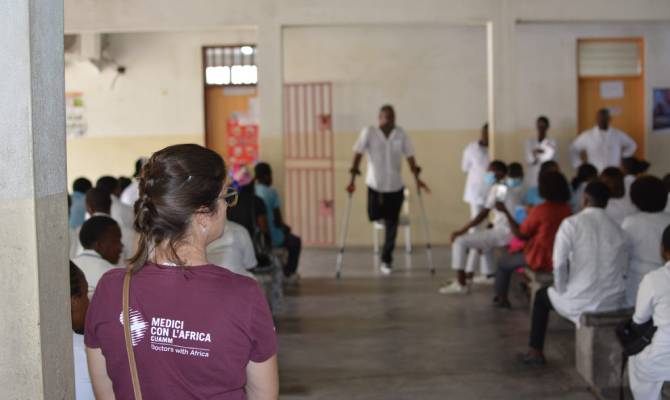
The project also focuses on strengthening the capacity of health, social, and justice professionals through training and supervision to improve case management, psychological support, and the identification and treatment of trauma in children and adolescents. At the same time, referral mechanisms between schools and services will be reinforced, alongside training for teachers, community actors, and mentors to support early identification of cases and activation of protection pathways.
Activities also include awareness-raising in schools and communities, legal and paralegal support for families, and access to specialised mental health services for survivors. Where needed, material and logistical support will also be provided to ensure access to care.
Taken together, these actions contribute to building a more coordinated, accessible, and responsive system for girls and adolescents who have experienced violence, strengthening the capacity of communities and institutions to prevent and effectively respond to gender-based violence.
A meaningful step towards a safer, more equitable, and more just future.