Present in the Gambella region since 2017, Doctors with Africa CUAMM combines health system strengthening and resilience-building interventions with emergency response. Our goal is to improve accessibility, equity, and quality of healthcare services for all—ensuring no one is left behind.
We work on two complementary fronts: within host communities and inside refugee camps.
Support to Host Communities
In host communities, we are implementing a disability-sensitive health system strengthening program as part of a three-year project carried out in collaboration with the Gambella Regional Health Bureau. Many disabilities prevalent in the region can be prevented or treated when timely access to care is available.
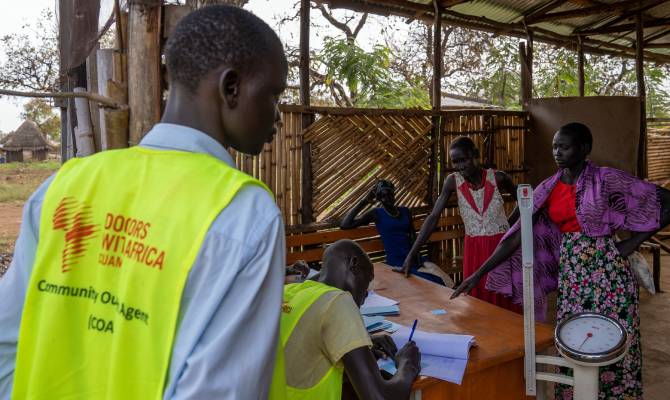
To date, we support nine health facilities (2 hospitals and 7 health centers) focusing on the primary, secondary, and tertiary prevention of physical/motor, cognitive and sensory disabilities.
Key components of this strategy include: strengthening reproductive, maternal, newborn and child health (RMNCH) services; promoting demand and uptake of health services among people with disabilities; expanding eye care and rehabilitation services; refurbishing and upgrading hospital infrastructures; ensuring the availability of essential consumables and medicines; training health staff to deliver high-quality, inclusive healthcare; mobilizing communities to identify, refer, and support individuals with disabilities.
Support to Refugees in Camps
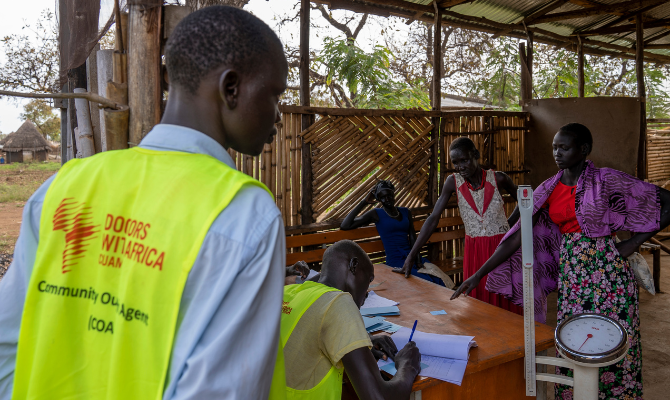
In 2018, as the South Sudanese crisis escalated, CUAMM began supporting the provision of quality, comprehensive, and gender-responsive healthcare in refugee camps, in collaboration with government authorities.
Currently, we work in Nguenyyiel Refugee Camp, managing 1 Health Center and 2 Health Posts. Over the past year, we also supported the rehabilitation of the Tierkidi Health Center.
The Refugee Crisis and CUAMM’s Emergency Response
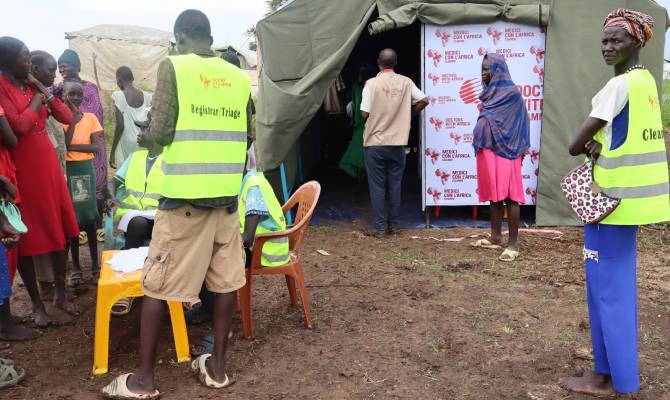
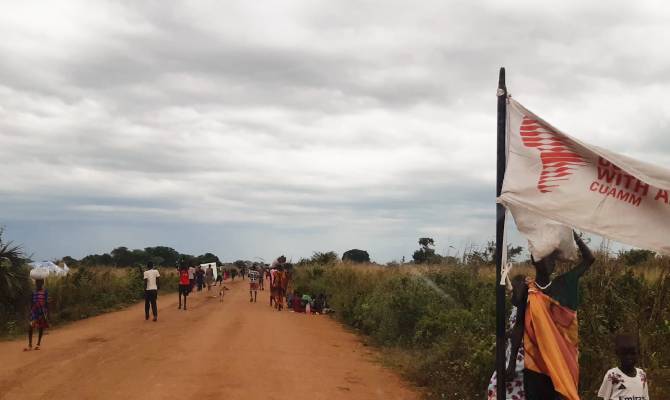
Following renewed conflict in South Sudan’s Upper Nile State, a significant influx of refugees entered the Gambella region, placing enormous pressure on an already fragile health system. Thousands were left without access to protection, medical care, adequate shelter, or safe water.
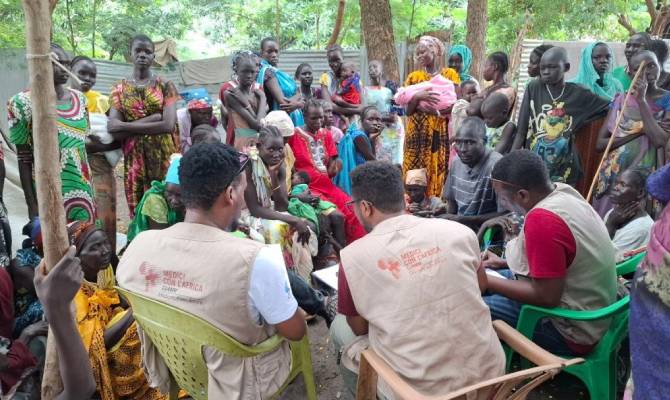
In July 2025, CUAMM conducted a rapid needs assessment among new arrivals and affected host communities. The assessment revealed severe service gaps, including: lack of primary healthcare services in Moun, Matar, and Luakdong/Tormorok; weak referral mechanisms; limited nutrition coverage; disrupted immunization services; poor WASH conditions, increasing disease outbreaks; overcrowded shelters, food insecurity, and heightened risks of gender-based violence.
To respond to this emergency, we mobilized internal emergency funds to launch an immediate lifesaving intervention addressing the most critical gaps through Mobile Health and Nutrition Team (MHNT) aiming at delivering lifesaving services in the most affected areas.
Ethiopia currently hosts over 1.1 million refugees, one of the largest refugee populations globally. Many families live in makeshift shelters with inadequate sanitation, insufficient nutrition, and limited access to healthcare—conditions that dramatically increase the risk of disease and mortality. The south sudanese refugee crisis is compounding the fragile system in the border region of Gambella. Doctors with Africa CUAMM remains committed to ensuring adeguate care where it is needed most and to building sustainable long-term solutions thanks to the collaboration with the Ethiopian Humanitarian Fund.