In a significant step toward strengthening healthcare for the most vulnerable, Doctors with Africa CUAMM in partnership with African Network for Change, and in collaboration with the “la Caixa” Foundation, has officially launched a transformative two-year initiative in the Lango sub-region in Uganda, particularly in Oyam and Otuke Districts.
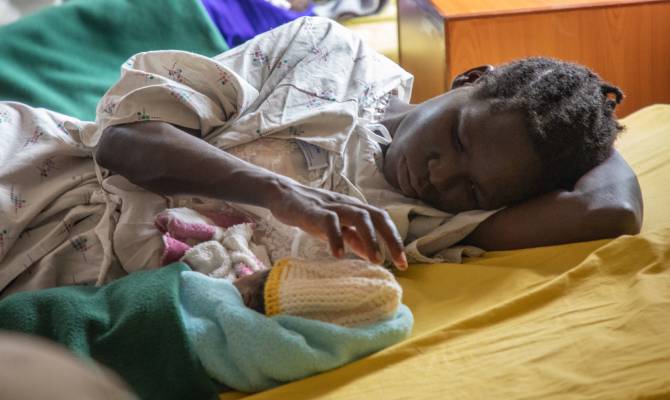
The project sets an ambitious but vital primary goal: to reduce neonatal, perinatal, and under-5 mortality by 15% across the two districts by December 2027. By integrating clinical excellence with community-based interventions, the collaboration seeks to ensure that no mother or child is left behind due to distance from the health facilities or lack of resources.
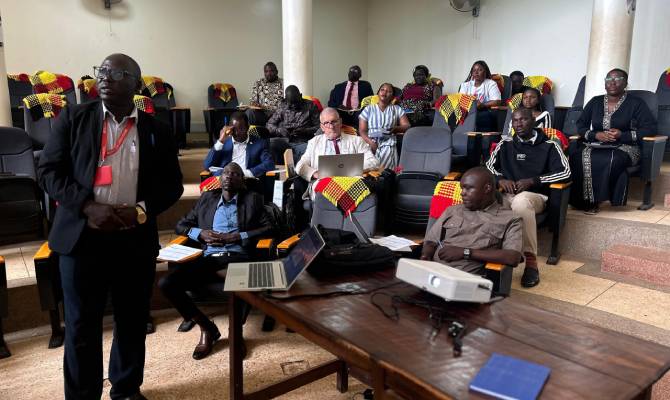
The inception meeting, held to formally introduce the project to stakeholders, was defined by a spirit of shared responsibility. Obizu Moses, CUAMM’s Monitoring and Evaluation Manager in Uganda, set the tone by emphasizing that success depends on a unified front. “Our purpose today is to ensure a shared understanding of our goals. We are here to strengthen coordination between district leadership and health teams. Only through true collaboration can we improve child survival, nutrition, and HIV services within these communities,” Moses stated.
The project’s strategy is built on four pillars designed to enhance both the quality of care and the leadership required to sustain it:
- Antenatal and Postnatal Care: Increasing service utilization by 10% through the support of Peer Mothers and Village Health Teams (VHTs).
- Newborn Excellence: Boosting the quality of care for newborns by 20% by upgrading Emergency Obstetric and Newborn Care with essential equipment, medicines, and “newborn transporters.”
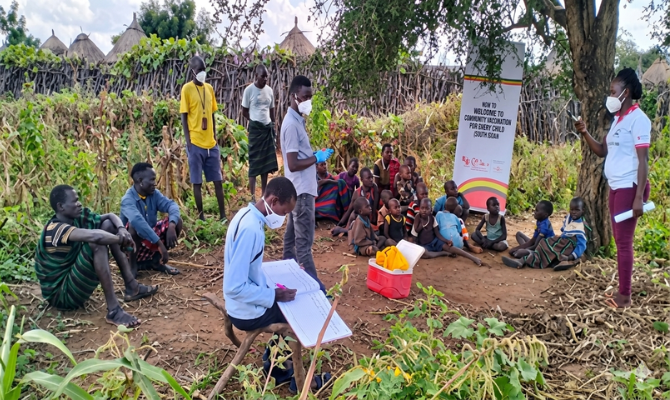
- Child Survival: Tracing “zero-dose” children and following up on immunization defaulters using the “Reach Every Child” (REC) approach.
- Accountability and Leadership: Improving data quality (HMIS/DHIS2) and strengthening emergency referral systems, including ambulance functionality.
For districts like Otuke, which are classified as hard-to-reach, the project represents a lifeline.
“Otuke faces many hurdles as a hard-to-reach area, which makes delivering health services difficult,” Opio Patrick, the District Health Officer (DHO) of Otuke, explained highlighting the unique challenges his teams face daily. “We feel fortunate to have CUAMM’s ongoing support, particularly in improving facility-based deliveries and maintaining the ambulances donated by the Ministry of Health. It is a great privilege to be selected for this project.”
Dr. Peter Lochoro, CUAMM Country Representative, introduced the “la Caixa” Foundation to the stakeholders, underlining the international solidarity behind the funding:
“We are operating across several districts in Uganda to strengthen health systems at the roots,” Dr. Lochoro remarked. “I encourage every leader and health worker here to work diligently. We have a two-year window to achieve meaningful, measurable results for these families.”
A recurring theme of the launch was ensuring sustainability: the progress made during the project survives long after the funding concludes.
“Project funding doesn’t just solve immediate challenges; it highlights practices we must hold onto forever,” noted Mr. Ebong Chris, representative of the Ministry of Health, challenging district leaders to look at the project as a catalyst for long-term development. “Effective data management and the systems introduced now must become part of our routine health system.”
He also addressed the critical issue of human resources, urging the districts to remain vigilant in filling staffing gaps. “When health workers leave, they create gaps in service delivery. We must ensure these roles are replaced promptly so that the impact of CUAMM’s monitoring and support leads to a lasting legacy.”
Through school outreaches, community mobilization, and the provision of specialized equipment for sick newborns, this intervention isn’t aimed just at delivering assistance but rather at building a resilient health network. As activities move from planning to implementation, the focus remains clear: saving lives, one birth and one village at a time.