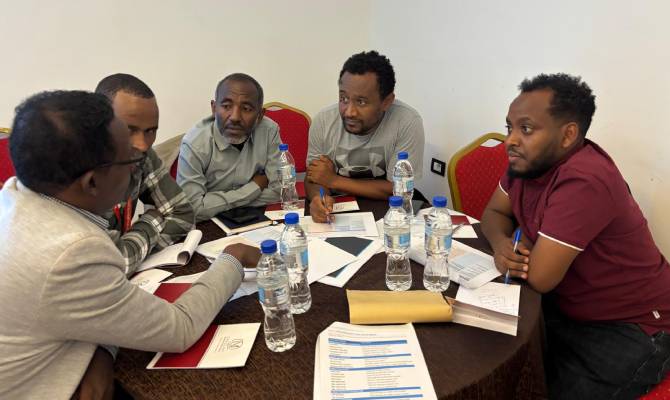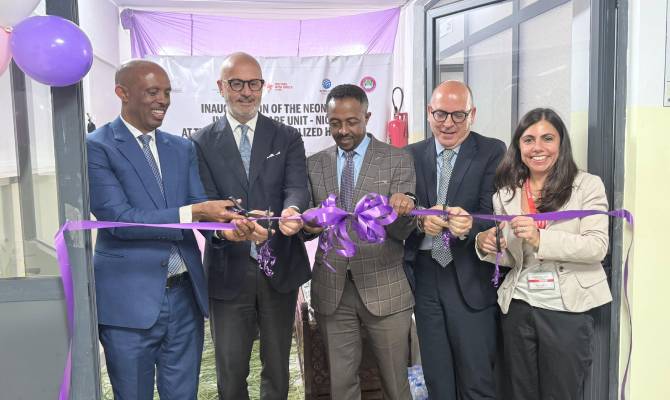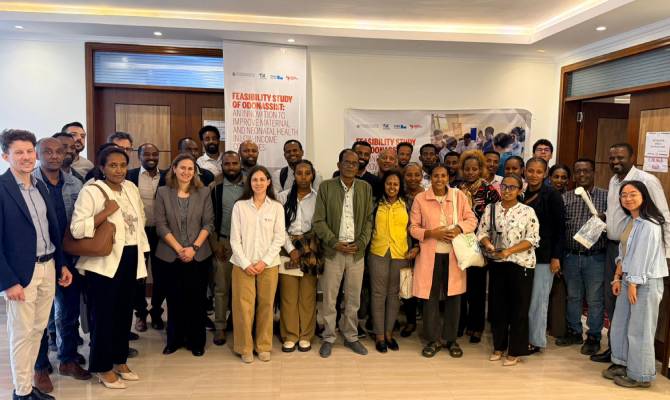
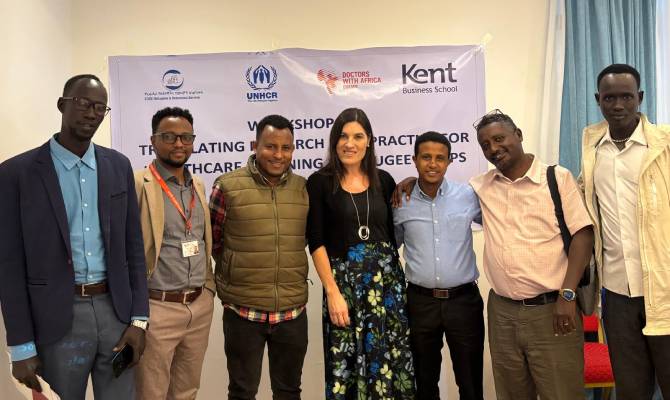
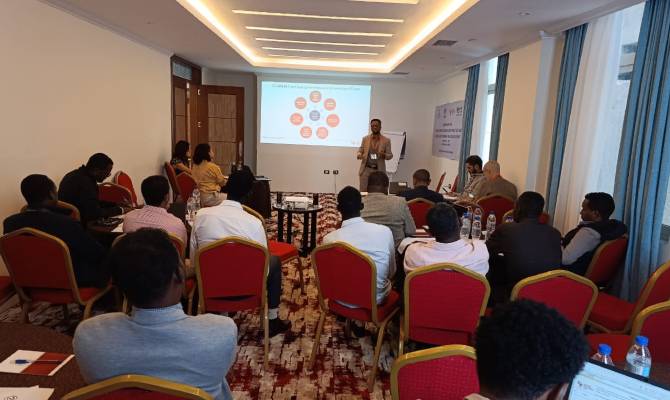
Over the past two days in Addis Ababa, we had the pleasure of hosting the “Translating Research into Practice for Healthcare in Refugee Camps” workshop. The event convened 40–50 participants, bringing together representatives from the Gambella Regional Health Bureau, the Refugees and Returnees Service, the United Nations High Commissioner for Refugees, CUAMM field staff, hospital and health-centre managers, local government authorities, donor and health-cluster partners, as well as refugee community representatives.
Participants engaged in in-depth discussions on operational research, decision-support tools, and participatory optimisation frameworks. Sessions were led by experts from Kent Business School, the University of Westminster, and CUAMM field specialists, and included the review of practical scenarios aimed at improving healthcare delivery in complex humanitarian settings.
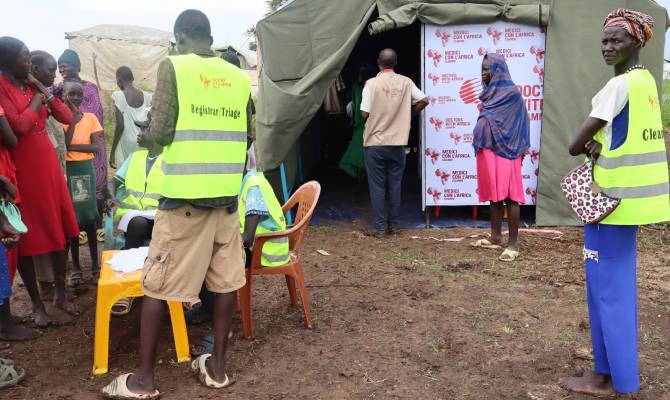
The workshop forms part of a long-standing collaboration between Kent Business School and Doctors with Africa CUAMM, which has led to the development of an optimisation-based decision-support model to redesign primary healthcare provision across seven refugee camps hosting more than 380,000 refugees.
|
As a key outcome of the workshop, the research team analysed and discussed such model to support evidence-based decision-making on:
|
The model itself identifies optimal locations for health posts and health centres and allocates health personnel to maximise population coverage and equity under severe resource constraints. In doing so, it directly addresses critical gaps in access to care in a fragile humanitarian context characterised by insecurity, funding shortfalls, and overstretched services.
Through joint validation of assumptions, open discussion of implementation constraints, and exploration of investment scenarios—such as workforce deployment, ambulance availability, and referral capacity—the workshop equipped decision-makers with actionable evidence to guide future resource allocation. This type of engagement is essential to achieving real-world impact, ensuring uptake by those responsible for planning and service delivery.
The workshop also reflects CUAMM’s ongoing commitment to integrating research into field operations, ensuring that robust evidence directly informs programme design and implementation on the ground. It was organised in collaboration with Kent Business School, with support from the International Science Partnership Fund Institutional Support Grant.