In the Central African Republic (CAR), women and girls face deep-rooted discrimination, inequality, and violations of their rights from an early age. Gender-based violence (GBV) has reached alarming levels, fueled by sociocultural norms that disadvantage women despite national laws and policies.
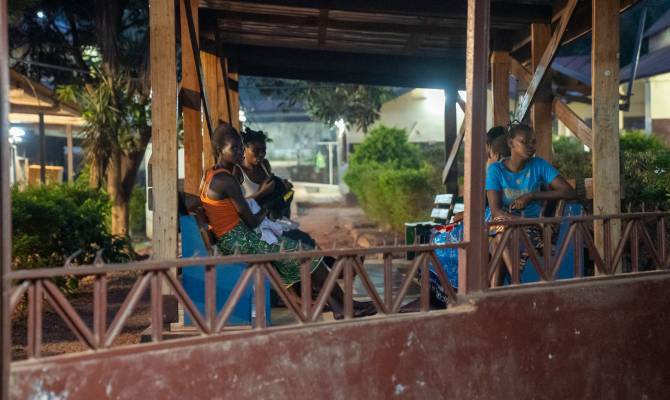
Years of ongoing crisis and insecurity—especially in rural areas—have further increased vulnerability. Armed conflict and persistent violence have worsened livelihoods and limited access to food, healthcare, and clean water. Women and girls are among the most affected: by October 2025, an estimated 2.4 million people (37% of the population) required humanitarian assistance, with women and girls making up 60% of those in need.
Working with Communities to Prevent Violence
Despite these challenges, there is hope. With support from the European Commission and in partnership with the local NGO OFAHRD, we are working in the sub-prefecture of Koui to assist survivors of GBV and engage community and religious leaders in preventing violence and promoting lasting change at the community level.
Since the start of the intervention in April 2024, we have organized 45 awareness-raising sessions across multiple locations to discuss and analyze different topics related to GBV. These sessions have taken various forms:
- Workshops with community leaders, students, and women’s associations
- Mass awareness campaigns
- Theatrical performances, to facilitate understanding of sensitive topics
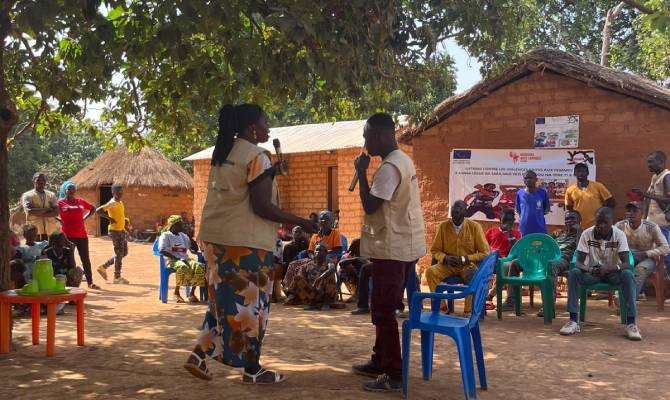
A theatrical performance against GBV
In the most recent session, participants explored the devastating effects of domestic violence on families, particularly children.
A theatrical performance portrayed a husband who spends the earnings from his wife’s small business on drinking at local bars. At the slightest refusal, the wife is beaten, and the husband, often returning home late and intoxicated, spreads fear and aggression throughout the household.
The children, left largely in the care of their mother, abandon school to engage in small income-generating activities—something the father approves of. In one particularly alarming scenario, the 15-year-old daughter, already sexually active due to these circumstances, is proposed in marriage by her father to the village butcher. The mother’s opposition sparks violent conflicts within the family.
While the scenario was presented as fiction, it reflects the reality for many women and girls in CAR. At the end of the session, several community leaders shared that similar situations occur in their own communities. Recognizing the severe consequences of domestic violence, they pledged to become active advocates against GBV in their areas.
The Power of Education and Community Engagement
This session highlights the power of education and community engagement: transforming communities into spaces of equality and respect, where women and girls don’t just survive, but truly thrive, supported by a network of committed allies.
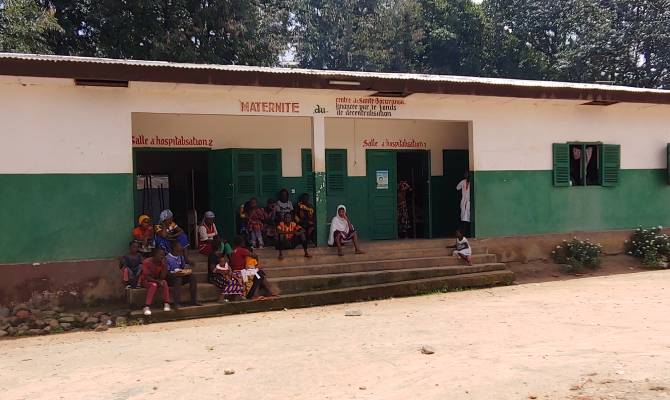
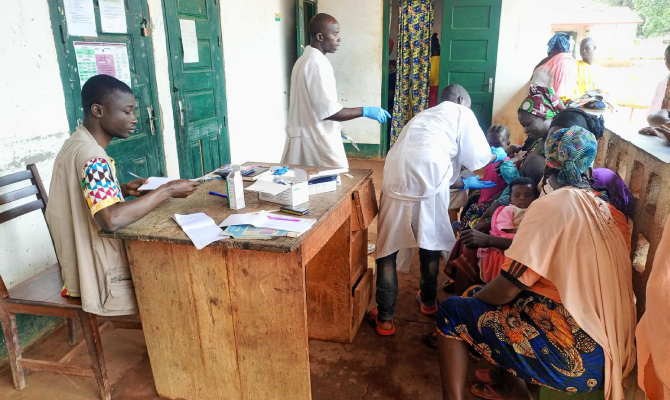
This activity is part of a wider intervention in Koui, aiming not only to prevent GBV but also to ensure access to essential healthcare services. As Doctors with Africa CUAMM we support the secondary hospital of Koui and 4 surrounding health centers to provide emergency surgical, obstetric, and pediatric care. At the community level, alongside GBV prevention activities, we also screen and treat malnutrition among children under five and provide support for pregnant and breastfeeding women.
Through these efforts, our goal is not only to deliver lifesaving care, but also to strengthen protection, dignity, and resilience for communities affected by over a decade of conflict.
This publication co-funded by the European Union. Its contents are the sole responsibility of Doctors with Africa CUAMM and do not necessarily reflect the views of the EU.