The community: the protagonist of change

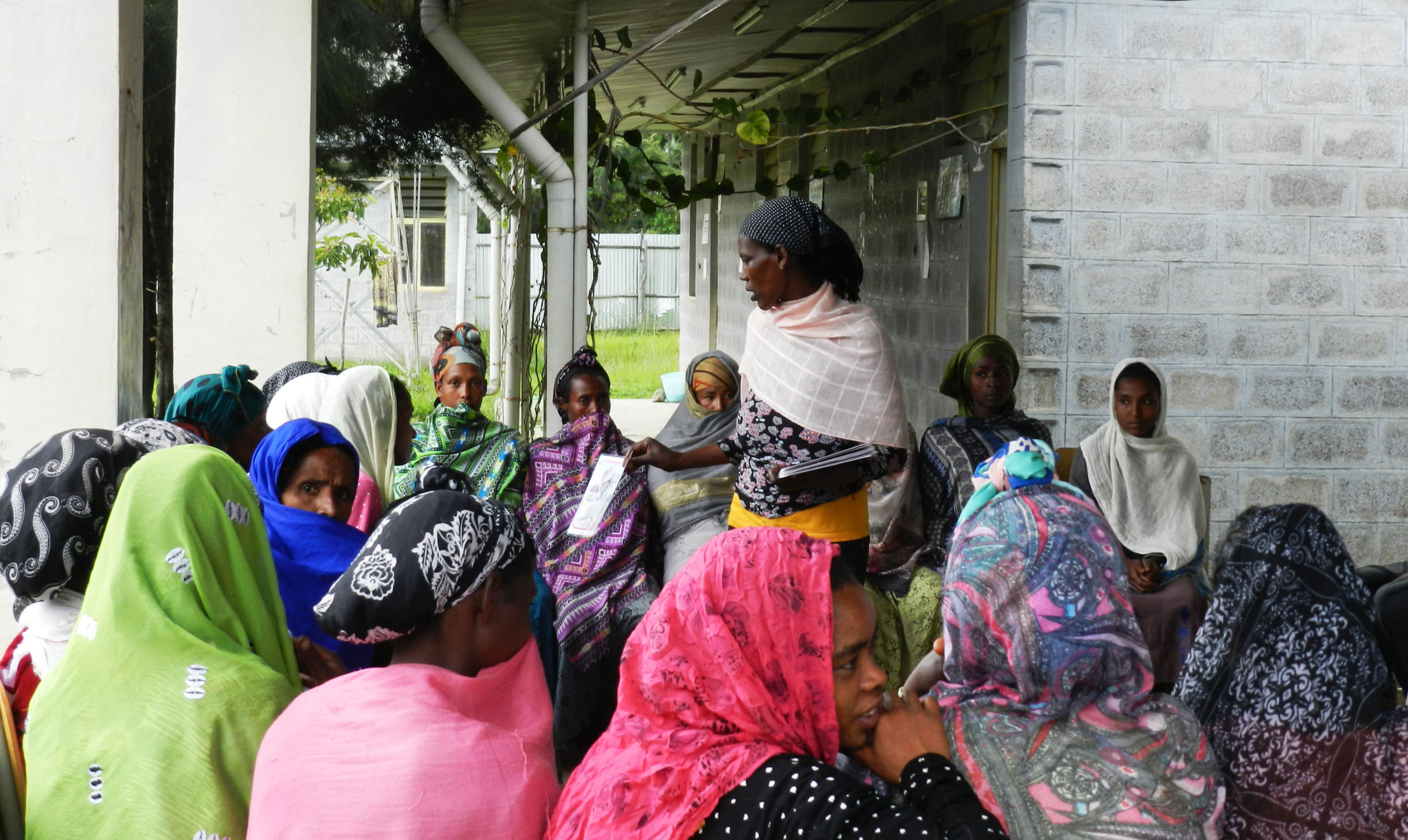
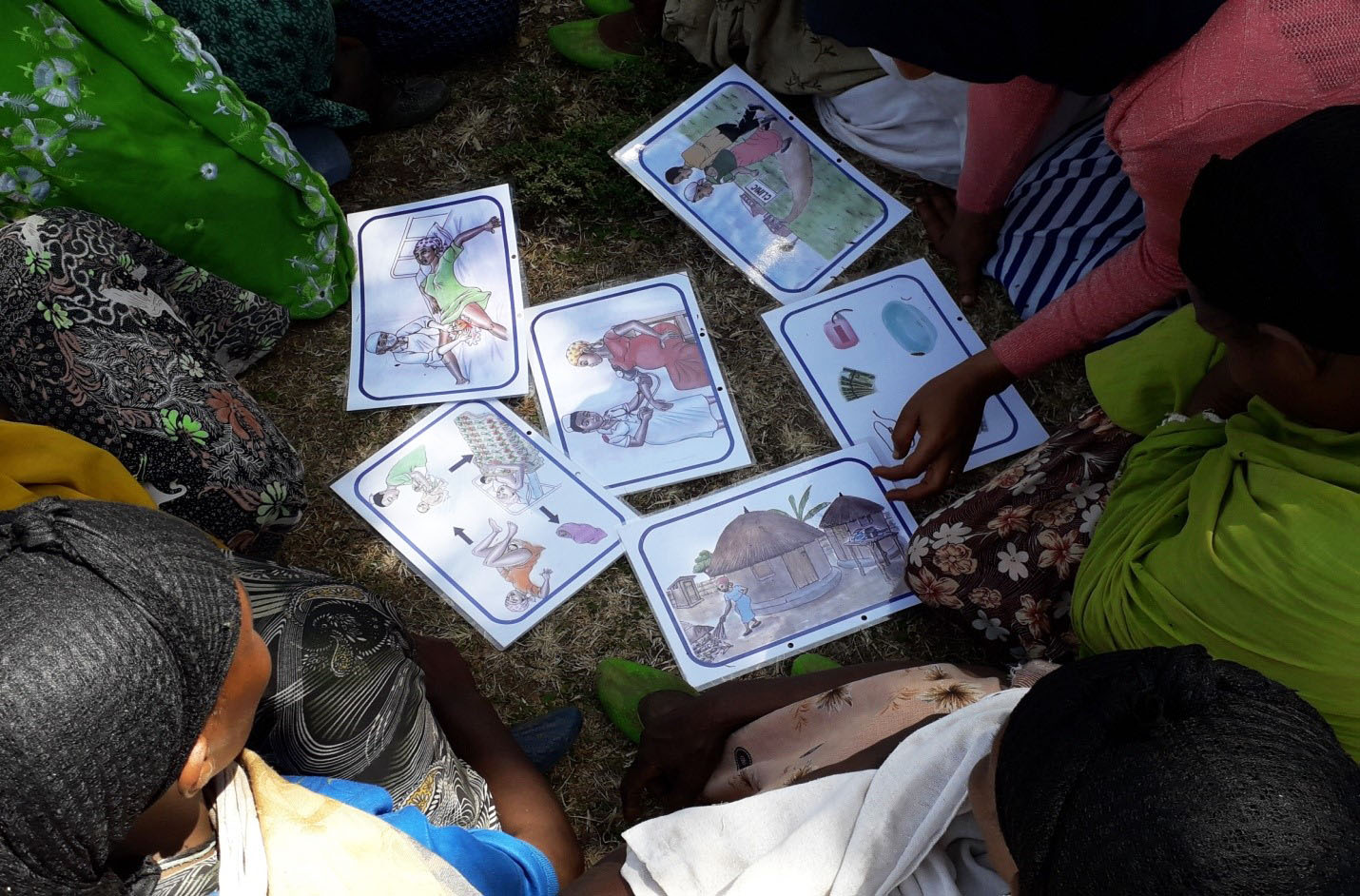
Since April 2017, CUAMM, in partnership with Women and Children First UK, has implemented the project “Improving maternal, perinatal and newborn health and reducing mortality in Goro Woreda” within the Southwest Shewa Zone of the Oromia region, Ethiopia. This project, financed by Comic Relief, strongly promotes a Participatory Learning and Action (PLA) approach that facilitates communities’ engagement in making their own decisions on issues that affect their lives. In particular, PLA supports awareness-raising activities and encourages rural communities, especially women and pregnant women, to come up with local solutions to improve maternal and newborn survival and health.

«Saving women’s lives in childbirth is not just the responsibility of the individual but is important for our whole community» – one of the Goro Kebele group members claims.

During the project, local trained female facilitators have set up and led group meetings to: identify problems affecting women and children during pregnancy, childbirth and the newborn period; identify local solutions to these problems; plan, implement and evaluate such solutions. More specifically, the problems prioritized were malaria, diarrhea and complications during labor and delivery. In order to tackle them, the communities suggested different strategies which have led to encouraging positive changes such as: using bed nets correctly, implementing proper hygiene and sanitation practices; increasing ante-natal care visits and skilled deliveries.

«So far, thanks to awareness-raising activities in the communities, correct use of bed nets has increased, and we are starting to see a reduction in cases of malaria» – Goro Woreda Health Office Director affirms -. «Before, in case of children’s illness, diarrhea for example, the community used traditional methods to treat it. Now children are taken to the health center and given medicines» –  adds a PLA Group Member in Gurura Kebele.

Despite the considerable progress that has been achieved by the PLA groups in Goro Woreda, a few challenges remain, requiring great effort and action also from local authorities and all communities’ members. Among others, there is the need to improve access to health care facilities centers and ensure maternity waiting homes (MWHs) establishment. Both solutions will help to reduce pregnancy-related risks.

A clear lesson emerges from this intervention: long lasting sustainable changes is possible starting from the communities and their active participation in developing their own rights.
South Sudan and Ethiopia 900,000 fleeing from floods

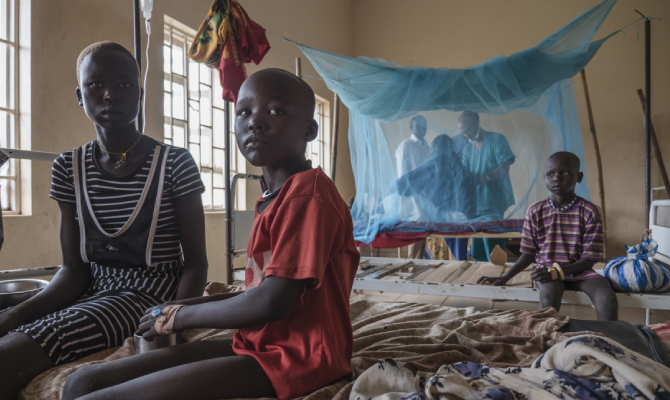
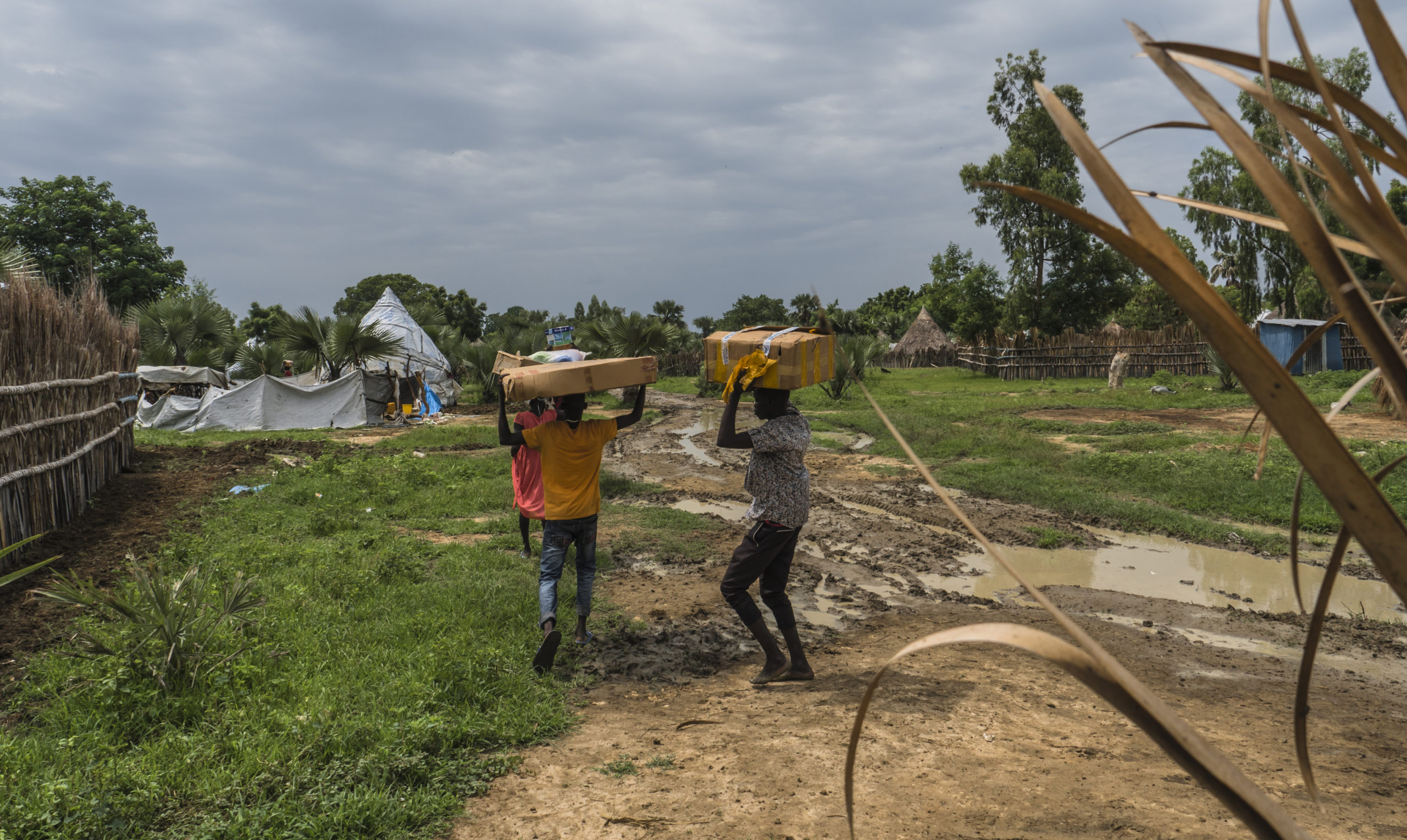
Thousands have had to leave their homes due to violent flooding and need shelter and food. The risks of malnutrition, cholera and malaria are increasing, aggravating the situation of the ongoing Covid-19 pandemic. Doctors with Africa Cuamm is working to reach displaced people directly with mobile clinics.

The rainy season has led to unusual flooding in South Sudan and Ethiopia, forcing nearly 900,000 people to abandon their homes and seek refuge in new areas. Some areas where Doctors with Africa Cuamm are working are also affected by these floods and their impact on the health of displaced people. The priority is to provide displaced families with shelter, food and clean water, so that they can face the coming weeks in safety and reduce the risk of epidemics.

South Sudan: fleeing the White Nile

In South Sudan, 600,000 people have had to leave their homes in recent weeks and 33,000 have made their way to Awerial County, where Doctors with Africa Cuamm is present as a partner of the South Sudanese Ministry of Health and is helping to coordinate the health response.

The thousands of displaced people risk putting pressure on an already fragile health system. Some more isolated health centres with few resources at their disposal have reported overcrowding, not least because of the increase in the population requiring treatment and the consequent lack of medicines and health personnel.

Giorgia Gelfi, country representative of Doctors with Africa Cuamm in South Sudan, explains:

«Most of the new settlements of the displaced people are spread over nine sites, some of which are up to an hour’s walk from the nearest health centre. The real risk is that many sick people will not even make it to the health centre to seek treatment. We are therefore recruiting new staff for the health centres and organising mobile clinics to reach the new settlements and identify and treat cases of malaria, diarrhoea, malnutrition and respiratory diseases on site. The teams will also take care of antenatal visits and childhood vaccinations».

Ethiopia: risk of malaria and malnutrition in South Omo

Nationwide, almost 300,000 people in Ethiopia have been forced to flee, more than 60,000 of them due to flooding of the Omo River in the South Omo region, where Doctors with Africa Cuamm has been working for several years. In Ethiopia, as in South Sudan, the floods and the resulting displacement not only expose people to new health risks such as malaria, cholera and malnutrition, but also challenge the communities and health systems that have to accommodate the displaced people.

This emergency could have a major impact on the health of displaced people: there are fears of a possible outbreak of a cholera epidemic, but also increased child malnutrition among people who have had to abandon all their belongings. With the wet weather of the rainy season, mosquitoes, and therefore malaria, which is more difficult to treat in an emergency, are on the increase.

Both Ethiopia and South Sudan are facing these new health threats in a context of uncertainty linked to the pandemic: the coronavirus has also arrived in these countries and, while it is impossible to test and track all the positives, the large movement of people and the crowded, already under-equipped, health centres create real health risks for millions of people.

The importance of coffee for safe childbirth

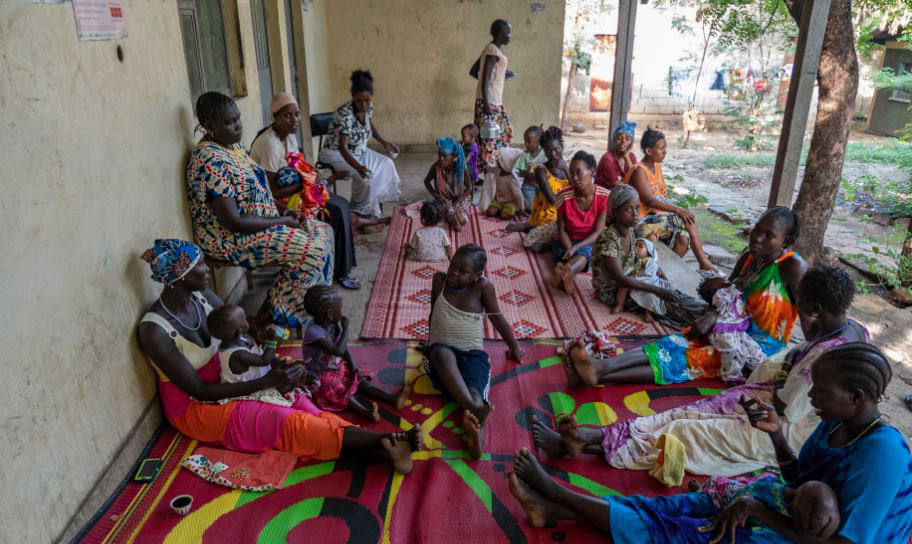
The first mums who arrive immediately begin to carefully roll out the mats under the porch, someone lights the brazier and boils the water for coffee, someone else prepares the cups. The mums spontaneously start chatting with each other and with the community worker. This is how the “coffee ceremonies” start in the Gambella district in Ethiopia, where mothers meet after lunch to discuss small matters of maternal and child health with a community worker, as well as sharing their own personal experiences about accessing hospital care. It is through these sharing moments that it is possible to transmit awareness messages on the importance of prenatal and post-natal visits, assisted birth, vaccinations, HIV/AIDS prevention and to spread good nutritional and care practices. Even more so in this phase of the Covid-19 emergency.

«In these meetings I lecture women who are pregnant and those who are breastfeeding and each month a different topic is addressed. Coffee ceremonies are the best time to convey new notions and information to mothers about their health and that of their family. This project is helping a lot» says Ajulu Ogula, midwife with Doctors with Africa Cuamm within the framework of the project “Increased quality and equity of health services in Gambella Region – Ethiopia”, supported by the Italian Agency for Development Cooperation.

This seemingly simple ceremony is actually the culmination of intense work on the ground in the communities, which begins with visits by community health workers to the homes of mums to invite them to participate in these meetings.

«Two community health workers came by my house and invited me to the coffee ceremony, a meeting for mums who are pregnant or breastfeeding. I decided to attend and there they taught us many useful things about pregnancy, the benefits of assisted childbirth and invited us to have check-ups and vaccinations. So far I have done three check-ups at the hospital and I have to go back twice more before the birth. This is my fourth pregnancy; I also gave birth in hospital the other times. And I continue to participate in the coffee ceremonies. I am happy to give birth in hospital, it makes me feel safer and if there are any complications, there they can manage it and save my life and that of my baby» says Heruth, one of the mothers who now regularly participates in these very important sharing moments.

Even more so today, during the Covid-19 emergency, it is essential to raise awareness in communities to promote access to health services and to convey the importance of care for mothers and children.

World Malaria Day BRINGING CARE AND PREVENTION TO VILLAGES DESPITE COVID-19

April 25 is World Malaria Day. With a story from South Sudan, Doctors with Africa CUAMM is drawing attention to a disease now unknown in the West that continues to claim thousands of victims each year in poor countries.

According to data from the World Health Organization (WHO), 229 million cases were diagnosed in 2019 worldwide, with 94% in Africa, resulting in 409,000 deaths. In 2020, over 2,166,000 cases of malaria were diagnosed in the 23 hospitals supported by Doctors with Africa CUAMM, to which 1,261 deaths were linked. Thirty-nine percent of cases were children under 5, which sadly made up 57% of the victims. Meanwhile, in an already fragile context, the Global Fund to Fight HIV, Tuberculosis and Malaria reported that in 2020, due to COVID-19, malaria diagnoses fell by 31%, suggesting that there will be many more victims who do not receive adequate treatment.

From South Sudan — where Doctors with Africa CUAMM runs a project to improve the prevention and diagnosis of malaria starting from the villages of the former Amadi State — comes the account of Peninah Nabulega, a midwife who works at Lui Hospital and recently cared for Linda, a young mother who has already lost two children to malaria.

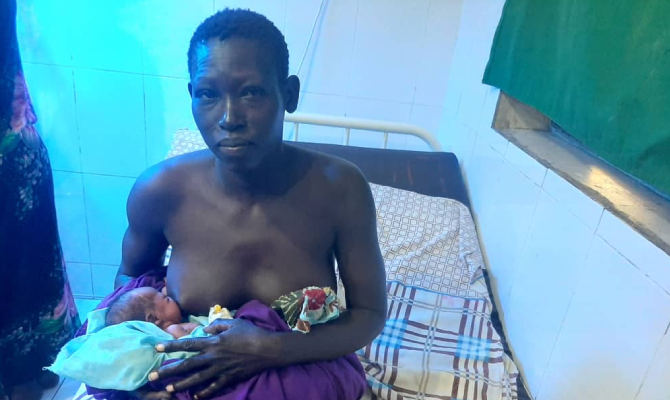
“Linda Joseph is a 26-year-old woman from Mvolo County,” says the midwife, “, which is over 80 km away from Lui Hospital where I work. In the dry season, the health center she came from is four hours away by car, and when it rains, it is not reachable at all. This is her sixth pregnancy, but she has only two living children. Three of her other pregnancies did not come to term, in two cases due to a malaria infection. She was brought here to the hospital after three days of waiting in the health center. She felt weak and had headaches and swollen legs. After two different tests, we confirmed that she had malaria again and put her under treatment. She was very scared, because she remembered how her other two pregnancies had ended due to malaria, and unfortunately after a day of treatment her labor began early. Her baby was born weighing 1.6 kilograms. He is small but stable and is nursing and gaining weight. Linda has finished her cycle of treatment and we are about to discharge her with her baby. Together they will join his four- and seven-year-old brothers in the village where the rest of the family awaits them.”

The project “Strengthening the Response to Malaria in South Sudan,” funded by the Italian Agency for Development Cooperation (AICS), involves Lui Hospital and 42 outlying health centers. It aims to bolster the fight against malaria throughout the country by not only providing medicine and equipment to prevent and diagnose the disease, but also training local staff and creating a team of community health professionals who can treat malaria cases in their own villages. An operational field-research project is also being developed with the University of Pisa to evaluate the efficiency of the laboratories performing the tests and find ways to improve them by enhancing diagnostics.

In South Sudan alone, in 2020, Doctors with Africa CUAMM recorded 331,000 cases of malaria and 243 deaths; 128,000 were children under five, 114 of whom died. Mosquito nets remain the most effective prevention tool but are still too expensive to distribute in large numbers to families.


INDIRECT EFFECTS OF COVID-19: LESS ACCESS TO CARE FOR THE POOR

Data from a Global Fund report published a few days ago are very concerning: HIV, tuberculosis, malaria, long-time major endemics, are recording an alarming decline in diagnosis and treatment in poor countries.

Among the most significant numbers reported: there are 41% fewer HIV tests; referrals of tuberculosis patients — i.e., those with suspected TB referred for more in-depth diagnostics — have decreased by 59%; malaria diagnoses have decreased by 31%and pre-natal visits of pregnant women have dropped by 43%. These are some of the indirect effects that the Covid-19 pandemic has had in limited-resource settings (The impact of Covid-19 on HIV, TB and Malaria services and systems for health: a snapshot from 502 health facilities across Africa and Asia). The study compared the period from April to September 2019 with the same period in 2020; it considered 502 health facilities in 32 countries, 24 of which were in Africa (including also Ethiopia, Central African Republic, Mozambique, Sierra Leone and Uganda) and 7 in Asia. The situation it shows is very dire.

It is as if the last 10 years of progress was erased in the fight against HIV, TB, and Malaria. Based on the data coming out of this Global Fund study, the situation is truly grim and, once again, involves diseases linked to poverty,” explains Rossana Urso, Project Coordinator at Doctors with Africa CUAMM. This is a major drain on resources and work done. One example? In Angola, in 2020, half of the funds for the health sector (50%) were diverted to fighting the spread of Covid-19, which had the effect of diverting significant resources from the fight against other diseases such as tuberculosis and HIV.” She continues: “If you do not do tests on the population, you cannot identify people who are ill and give them treatment. The long-term consequences will be very serious, especially for the fight against HIV for which so much has been done.

The report’s introduction immediately paints a gloomy picture: “In 2020, the COVID-19 pandemic impacted the world beyond imagination. To date, it has infected more than 135 million people, killed over 2.9 million people, and is projected to plunge up to 115 million people into extreme poverty. As countries have gone into lockdown, gender-based violence has increased, unemployment has soared, and access to health care for the poorest and most vulnerable has been cut. Covid-19 has made people less likely to seek health care because they are afraid of getting infected with the virus.”

This situation has been confirmed by those working in the field for Doctors with Africa CUAMM who have recorded reduced access to care by about 30% in the hospitals where we operate. For example, at PCMH in Freetown, Sierra Leone, 2,000 fewer babies were delivered in 2020 than in 2019. Women gave birth at home, putting themselves and their babies at greater risk. Covid-19 has underscored the total fragility of the health systems of poor countries and aggravated the situation. For instance, as the Global Fund report shows, only 45% of the health units analyzed had adequate protection materials to defend against contagion and only 11% of centers in Africa were equipped to carry out rapid tests to detect Covid-19.

Rossana Urso says:

Facing this situation as CUAMM, we can commit even further to distributing protective material and equipment, to training health personnel so they can quickly identify suspected cases of Covid-19 and TB, which have similar symptoms, and we can support health authorities to find new approaches to restore people’s confidence, so they are not afraid to go to the hospital for treatment or to give birth. For example, in Angola, we will start a monitoring system for patients being treated for TB in Luanda so they can take the necessary medications, in order to reach everyone and lose as few patients as possible. And then most important of all: facilitating the vaccination of health workers and fragile people, because if a person is sick with HIV or TB and also contracts Covid-19, their hopes of survival are really very slim.


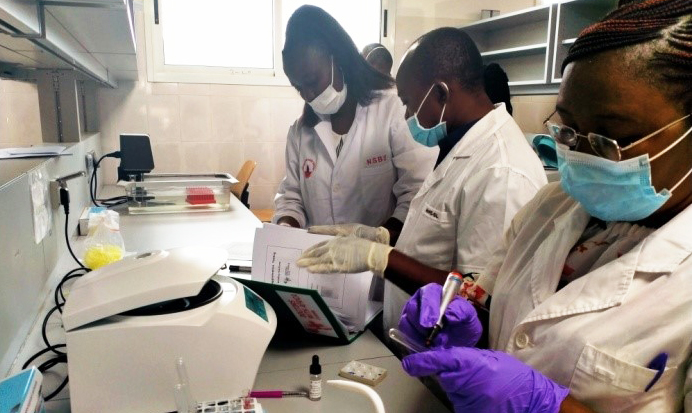
Laboratory analysis: a delicate part of care

Mauro Fattorini, lab technician, returned from Sierra Leone more than one month ago, after having carried out 4 missions in the country of about a month each. Here is the story of his experience.

“The lab technician profile is getting more and more important in Cuamm’s projects in Africa. Diagnostics is performed at various levels, even in systems with limited resources, but it becomes increasingly complex leaving urban areas and approaching peripheral and remote areas. The clinical-medical aspect is always linked to the diagnostic aspect, which consists in particular in the laboratory.

The laboratory is an environment that requires a delicate management and several machines to operate; in addition, to these machines must be guaranteed an adequate maintenance. And again, reagents are needed and in a context of limited resources becomes complex to have them without running into problems of speculation. The characteristics of the context and the skills of the staff must always be carefully evaluated: it is essential to understand if there are the conditions and the resources to really ensure the functionality of the laboratory. From success to failure, the step is really short.

My latest experience in Sierra Leone has been focused on the management of blood banks, blood transfusion and blood storage centres, and the management of their personnel. The project includes 14 centres in all districts and works in collaboration with local authorities in line with the national programme. The goal is double: actively communicate with the local counterpart and “act as a glue” between the periphery and the centre.

Previously my role was more within the hospital, and now, as the surgery has been extended, we have been working “at the country level”, with a broader and more comprehensive management. The project is very dynamic and therefore even more challenging. Initially, we have organized an assessment of the context and based on the survey’s results we organized the training activities of the local staff. One of the trainings was held in Freetown where the technicians from the peripheral areas came to attend to a theoretical-practical course and it was an opportunity to connect all colleagues. A second part of the training, more challenging, was on site, working closely with the technicians: five consecutive days in each blood bank.

The main objective of the mission was to understand if the blood banks were able to store adequately the blood bags that must be kept at a constant temperature of 4-6 degrees. But how to do it in a context where electricity comes and goes? We brought in all the districts the solar blood bank refrigerators districts and taught the local staff how to use them. Training must be accompanied by a process of informing and raising public awareness of the importance of donating blood. A path that will certainly take time because it involves a change of mentality and behaviour.”


Medicine and the senses

“Tanzania amazed me so much: it is very welcoming; people are willing to help you with anything. Before leaving I was afraid to live in a context that I imagined unsafe. But this was not the case at all: being a country with a stable political situation for years, there has always been the chance to go out safely both in the village and in town” – says Stefania, JPO of gynaecology and obstetrics at the University of Milan Bicocca, who returned to Italy in early March after 6 months of service in Tosamaganga, in Tanzania.

During her university years, Stefania had already spent two months in Cameroon, gaining experience particularly in the delivery room. Then to India, where she worked as a nurse at a leper colony.

“This year, being at the 5th year of the specialty, I have had a more critical eye, a greater awareness and attention to the professional aspects- continues Stefania-. It was an incredible experience: a continuous stimulus, 14 hours a day. You face extreme situations, you have few resources and rediscover a more “human” medicine, more based on contact than the one we practice in Italy”.

Often here we lose ourselves behind bureaucracy and we immediately resort to instrumental examinations while in Africa the relationship with the patient, the medicine of the senses returns central. “Semeiotics is a great added value, especially for gynaecology and obstetrics – adds Stefania -. I have learned a lot in recent months: to know how to listen, how to interpret facial expressions of women, and to understand just from the clinical condition at what point the labor is, etc. I believe we should rediscover here too this dimension of the senses, which for obstetrics is fundamental“.

Among the many lessons learned in these months spent on the field, Stefania recalls the strength, dignity and courage with which people, in particular the mothers she took care of in hospital, face life. A life in which great joys and immense sorrows are intertwined every day and that is why it must be taken with “lightness”. And then the solidarity that you breathe, between mothers, but also among the staff. “There is great collaboration, we work side by side with the sole aim of working in the best way”.

That’s the same solidarity and cooperation that allowed to save the life of a young mother who had been referred rom the dispensary to the hospital of Tosamaganga for an eclamptic attack, a serious complication of pregnancy that could be lethal. “When she arrived at the hospital, the woman showed no signs of eclampsia – Stefania says – but after a few days she had a crisis and we had to do an emergency C-section. The clinical situation didn’t stabilize after the surgery and many other crises followed. It was decided to intubate her, despite the fact that there was only one oxygen fan for the operating room throughout the hospital, and then we took turns checking her condition over the next few weeks. We felt an incredible satisfaction and emotion when she was extubated and recovered completely” – concluded Stefania. A tough but really brave decision that allowed to save the life of the mother and her child who are fine now.

Today Stefania is back to major in gynaecology and obstetrics here in Italy, although with the desire to stay in Tosamaganga longer: a wish that, maybe someday, will bring her back on the field.

Vaccinate to cure

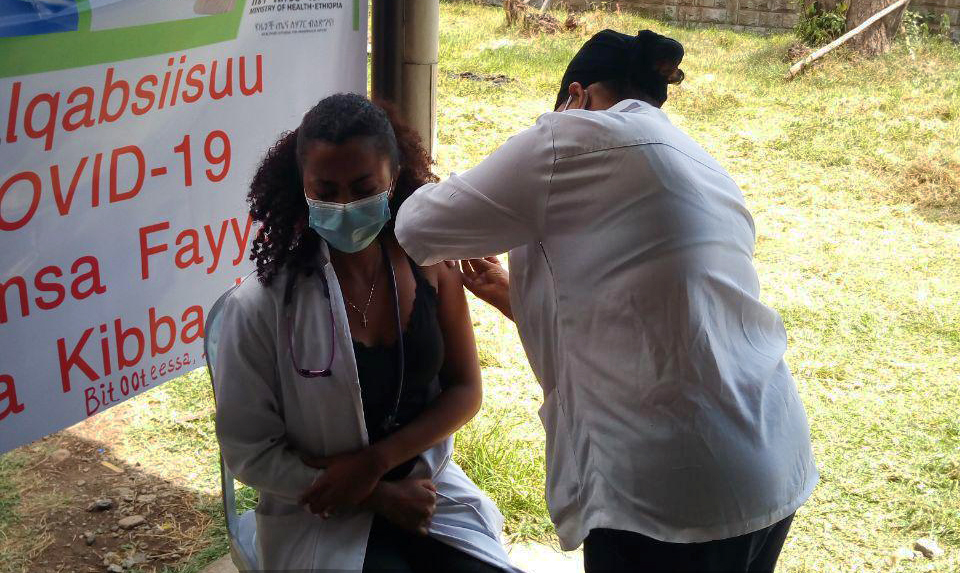
Just in these days has begun the vaccination campaign against Covid at the hospital of Saint Luke of Wolisso, Ethiopia. After the start of vaccinations in Addis Ababa, the first doses arrived at the hospital in Wolisso, 120 kilometres from the capital: the goal is to vaccinate healthcare personnel in the forefront of addressing the different health emergencies for a reference population of over one million people. This is crucial given that, in the last month, there has unfortunately been a significant increase in positive cases, including some very serious, throughout the country.

“About 500 doses have arrived and they will be necessary to vaccinate all hospital staff, from doctors to cleaning staff – says Alberto Puccini, JPO in Internal Medicine in Wolisso –. The increase in cases over the last month has given a very strong boost to vaccinations of health workers here in Ethiopia. In fact, doctors and operators, witnessing the increase in cases even among colleagues, have better understood the importance of vaccination. The head nurse and the other nurses decided to get their shot at our first suggestion and they were very happy to have the chance to do it. I explained to them the possible side effects, so they didn’t get scared if they get a fever. To date 240 people have been vaccinated and we continue to visit the wards in order to remember the staff the opportunity of getting their vaccination”.

There is still much to do in Ethiopia, as well as throughout Africa: we need a concrete vaccination plan and we need more doses. The intervention of Doctors with Africa CUAMM aims to support local health services that were already fragile before the pandemic, and that are now even more at risk because of the virus. Health care workers are the heart of our intervention: they must be protected and trained, so that they continue to ensure all the communities safe deliveries, visits and all the essential health services.

Ethiopia Supporting the call of HINGOs

As Doctors with Africa CUAMM, we strongly support the call by HINGOs for the protection of aid workers and civilians in Ethiopia, to ensure assistance to the people in need in the country. Publishing the statement by HINGOs, we condemn any action against humanitarian aid workers.

In light of two recent attacks on humanitarians in Ethiopia, the Humanitarian INGOs (HINGOs) call for the protection of all humanitarian aid workers and civilians to enable assistance to reach all people in need.

On 24 March in West Wellega, a GOAL vehicle was attacked, and the driver killed by unknown armed actors. On 23 March in Tigray, a driver with the independent medical agency Doctors Without Borders was beaten and their team witnessed extrajudicial killings of civilians by armed forces.

In both cases, the vehicles were clearly marked as belonging to humanitarian, non-governmental agencies. Both agencies provide life-saving nutrition and health care to crisis-affected men, women, and children across Ethiopia.

In the last year, seven humanitarian aid workers in Ethiopia have been killed by armed actors.

The HINGOs are principled humanitarian actors and work with the consent of the Ethiopian government and abide by the laws of the country. Our 54 members serve people in need regardless of ethnicity, politics, or religion.

In 2019, the HINGOs reached over 28 million people in need with life-saving assistance and essential services across the country. The HINGOs employ over 13,000 Ethiopian staff and fewer than 1% of HINGO staff are internationals.

The HINGOs strongly condemn the attacks and killings of humanitarian staff and civilians. We call on all armed actors to uphold Ethiopian and international humanitarian law. These attacks and killings must be fully investigated and those responsible should be held accountable in accordance with Ethiopian law.

Time to respond to COVID19 epidemic in Bangui

According to WHO, the COVID-19 outbreak continues to evolve in Africa, since it was first detected in Algeria on 25 February 2020 and it is accelerating. As of August 29th 2020, there were 1,033,631 cases and 21,402 deaths within the WHO African Region.

In light of this situation, and of its ongoing mission, CUAMM is working every day close to the most vulnerable to respond to the pandemic in Africa, its collateral effects, and to continue to provide ongoing medical care.

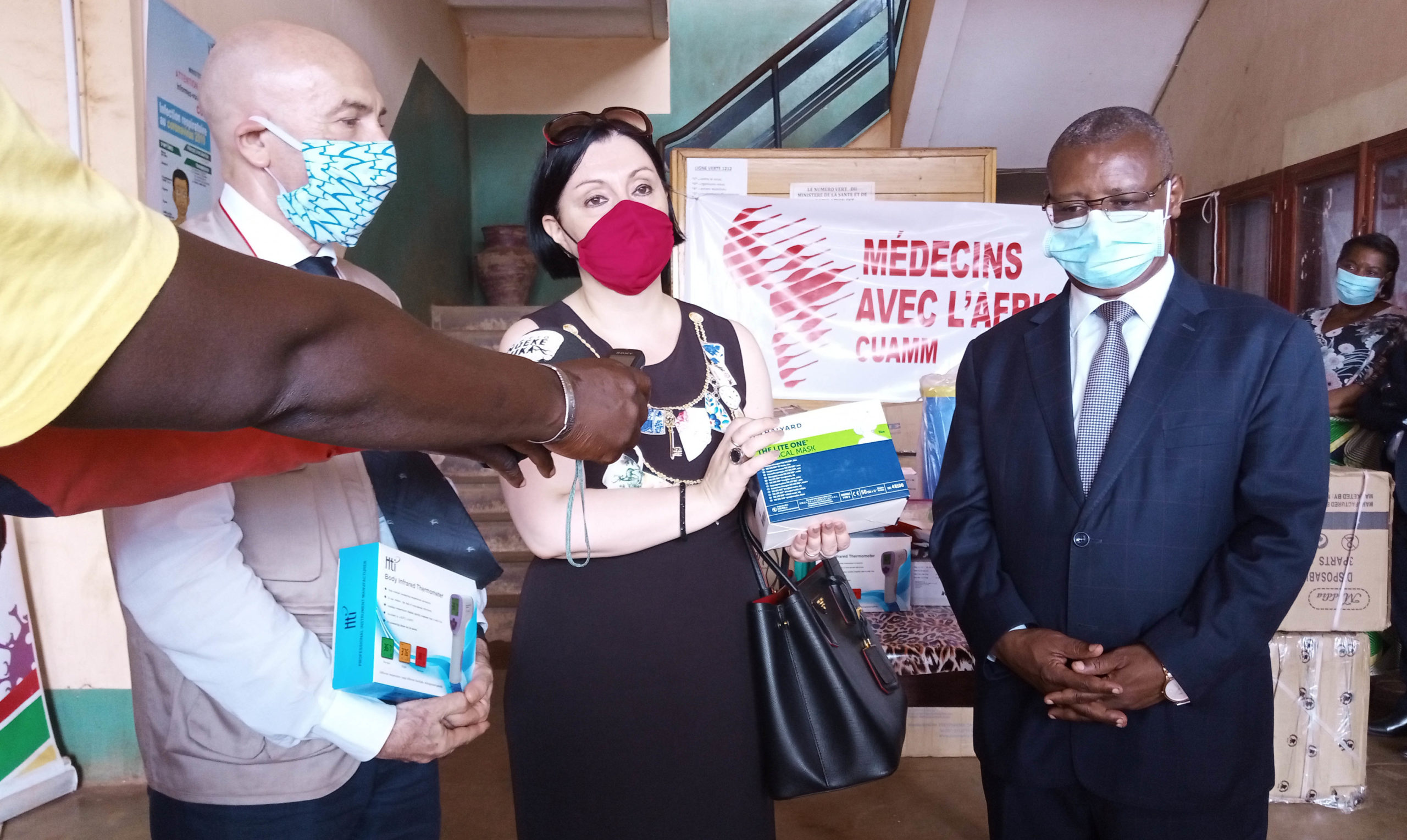
On the 27th of august, in Bangui, in Central African Republic, CUAMM celebrated the delivery of medicines and medical supplies donated by the American global health and emergency response organization, Americares. This donation is part of the important efforts of CUAMM to support the pediatric complex of Bangui where it has operated since 2018, to improve clinical care for children and the hospital management quality.

The donation included almost 400 KGs of antibiotics, emergency medications, vitamins, chronic disease medicine, psychotherapeutics, painkillers, malaria test kits, and first aid supplies. Additional donations of aid from Americares are in progress, as part of a new partnership between CUAMM and Americares in Central African Republic.

Andrea Atzori, Head of International Relations for CUAMM says:

“This the result of a great work to promote partnership and engage organizations all over the world to support the work of CUAMM for women and children. Americares has again demonstrated the generosity of people with precious donations of drugs and supplies that are able to integrate CUAMM programs and provide lifesaving treatment for children.”

Haroun Habib, Director of Africa and Middle East Programs for Americares says:

“We are glad to work with CUAMM as a critical partner while focusing on health as a priority in times of crisis throughout Africa. Previously, our emergency programs team provided gift-in-kind donations to CUAMM in Mozambique after tropical cyclone Idai and we plan to ship at least one container and another air shipment of medicines and medical supplies to CUAMM in CAR in 2020-2021. Our ongoing and continuing work with CUAMM will help ensure that essential medical products are provided to patients and frontline health care workers to prevent and save lives through effective treatment of infectious diseases such as COVID-19.”