Working with and within Communities

Bridging the gap between healthcare providers and communities ain’t easy, particularly in underserved or remote areas. That’s why working with trusted members is paramount and can lead to more effective and sustainable outcomes.

Community health workers – CHWs act as trusted members of their communities, facilitating access to healthcare services, providing health education, and addressing social determinants of health. They receive a lower level of formal education and training than professional health workers such as doctors and nurses, yet they are equally important in ensuring that the most vulnerable and marginalized populations have access to basic health services.

Recognized by the World Health Organization (WHO) in 1989, CHWs have a key role in health promotion, and their integration into multidisciplinary teams dedicated to health is currently being highly encouraged by WHO itself.

Community Health Workers can be men or women, young or old, from any class and social status, literate or not. What truly matters—and what makes them so important in carrying out many health-related activities—is their integration into and acceptance by the community they serve. Cultural ties, language understanding, and proximity to the people they work with allow CHWs to gain vital trust—an essential element for building that bridge between the community and the health system, which is often neglected to people living in rural and underserved areas.

The importance of CHWs’ work is even greater in light of the shortage of qualified health professionals in sub-Saharan Africa. CHWs are often the first point of contact with the most isolated communities in the most difficult-to-reach regions, where the vast majority of the population currently lives.

CHWs in CUAMM’s Interventions

CHWs have always played a crucial role in Cuamm’s interventions, and their work is complementary to that of professional health workers such as doctors, nurses, and midwives. CHWs provide a recognized and integrated service in a wide range of activities, including vaccination campaigns and screenings, as well as preventive interventions—particularly in maternal and child health, infectious diseases, and chronic illnesses.

CUAMM’s strategy has always included CHWs who play a key role in health activities such as pediatric vaccination campaigns and follow-ups for antiretroviral therapies, epidemic prevention and control, and nutritional screenings.

We use the term CHWs to refer to a broad range of figures including village health workers, traditional midwives, village chiefs, health agents, and community health promoters.

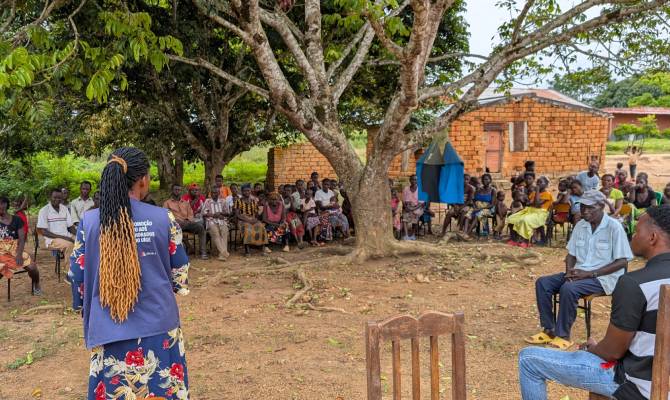
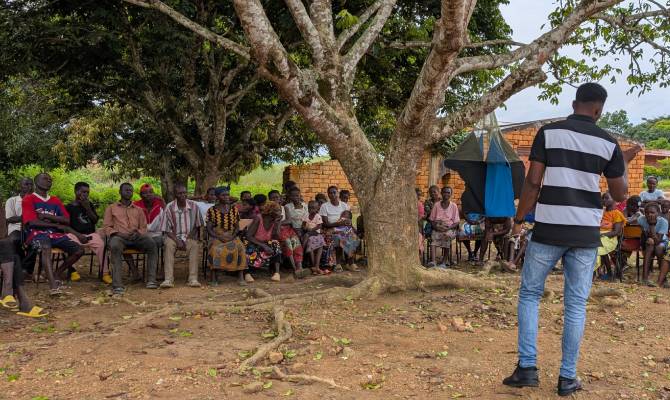
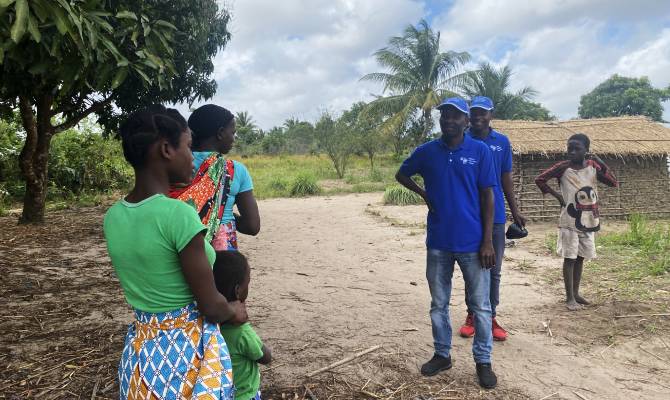
“The communities we serve lack many essential services. Our job is to check on people living in the hardest-to-reach and underserved areas. We carry out awareness-raising activities, promote good health practices, and it’s also our responsibility to inform them about upcoming mobile health clinics so they can get their children vaccinated.” Josè e Favores, Mozambique

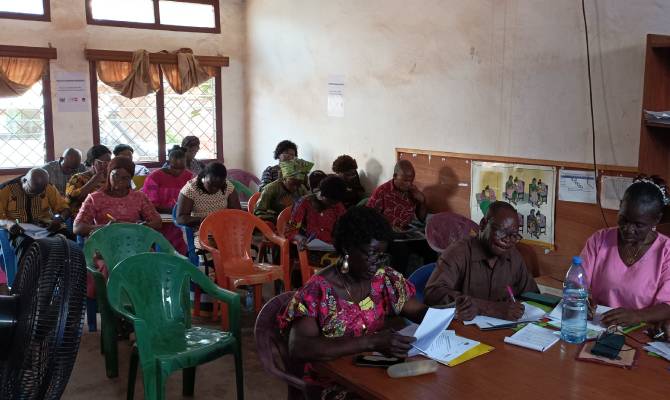
In most cases, these workers are selected in collaboration with the community itself and with local health system representatives, to ensure the acceptance that is key for the intervention’s success. They then receive basic training in our areas of focus, which include maternal and child health, infectious and chronic diseases, and nutrition. With the competencies provided, they can effectively work within the communities, identify risk factors, and make early diagnoses. In some cases, they can intervene directly; in others, they refer people to the nearest health facility and make sure that they receive the care needed.

“Working as a CHW I constantly learn more about my own community. I learn how to talk to them, how to build and nurture trust and by doing so I receive much satisfaction because I know we are growing together” Graça Faustino, Angola. 

To effectively contribute to the success of the programs they are part of, CHWs require continuous training and adequate support both in terms of knowledge and equipment which is why CUAMM provides CHWs with tailored informative and educational materials and technological support: with mobile phones, CHWs can connect with village chiefs, district health authorities, and health professionals in health centers, thus creating a network that fosters collaboration at multiple levels.

Tender for Invitation to provision of vehicle rental service

Doctors with Africa CUAMM, under the project titled “Integrated health nutrition and protection intervention to support refugee population and host communities in Gambella AID 12629” is pleased to inform you that your company is invited to take part in this flexible simplified tender for the Provision of Vehicle Rental Services in the Gambella Region.


01 Invitation form

02 Contract Notice

03 Instructions to Bidders 

Annex I – Tender Form

ANNEX II and III – Specifications and Technical Offer

Annex IV – Financial offer 01 Invitation form

Annex V – Administrative Compliance Grid

Annex VI – Evaluation Grid

Annex VII – Special Conditions

Annex IX – General Conditions for Service Contracts 

Annex X – Contract Form

Annex XI – Checklist  

Tender for Provision of office rent service

Doctors with Africa CUAMM, under the project titled Restoration of Essential Health and Nutrition Services in Shire, Tigray AID 05/12882/ETH” is launching the present simplified procedure to select suppliers of Provision of office rent service in Shire, Tigray Region, Ethiopia.

Strengthening Services in Ivory Coast

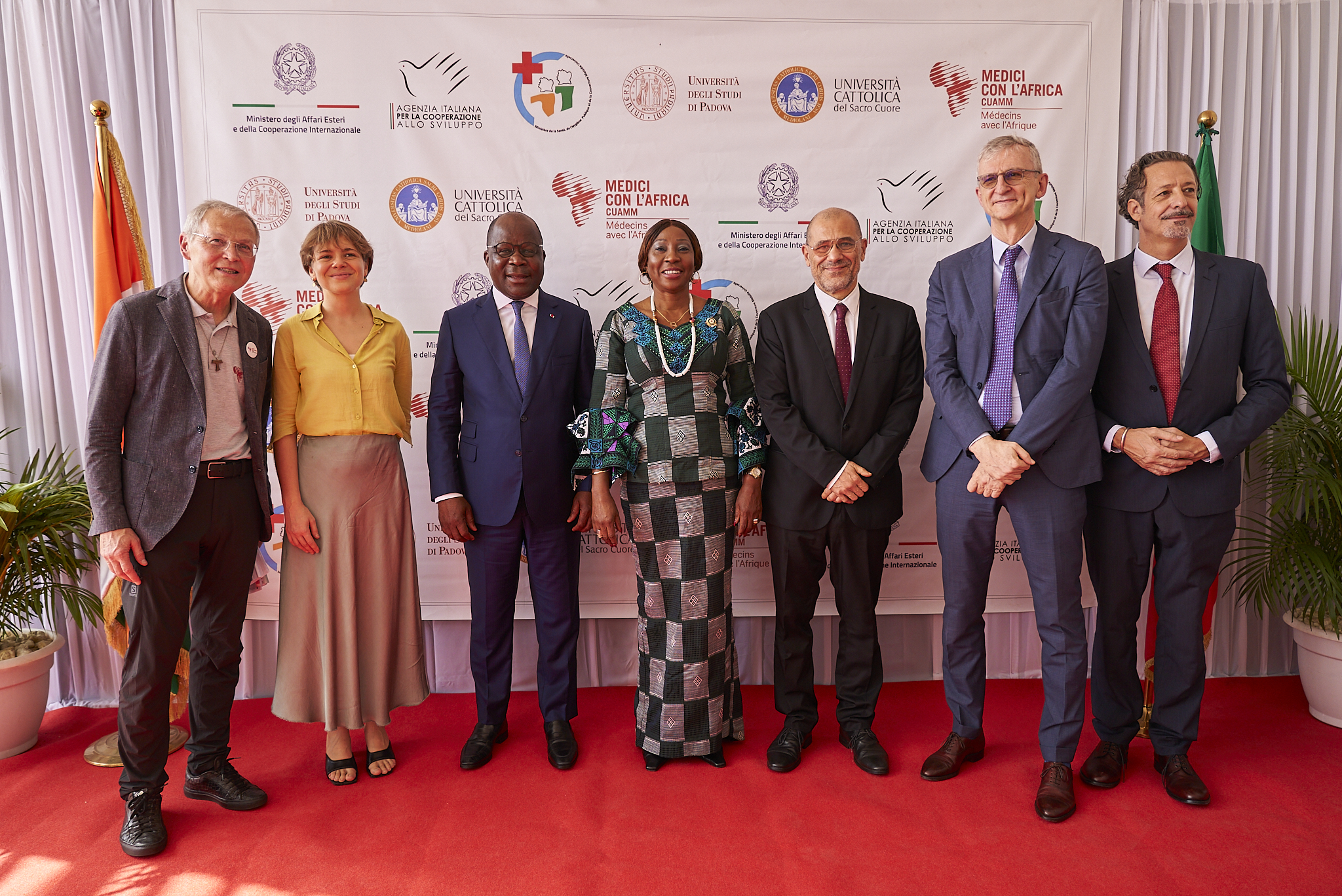
A major new commitment to maternal and child health has been officially presented Friday, May 9, at the Abobo Town Hall, Abidjan, Côte d’Ivoire. Two main projects will in fact be implemented by the University of Padua and the Università Cattolica del Sacro Cuore, in partnership with Doctors with Africa CUAMM, with the support of the Italian Cooperation, as part of the Mattei Plan.

The launch ceremony was attended by Stefano Gatti, Director General for Development Cooperation, who was visiting Abidjan at the head of a delegation from the Italian development cooperation system together with Ivorian authorities, including the Minister of Health of Côte d’Ivoire, Pierre N’gou Dimba, and Madame Kandia Camara, Mayor of Abobo and President of the Senate, as well as project partners Dr. Annamaria Merola and Dr. Francesca Priolo representing the Università Cattolica del Sacro Cuore, and Don Dante Carraro, Director of Doctors with Africa CUAMM.
The projects, developed in close collaboration with the Ivorian health authorities, focus on two main areas.

The first initiative focus on the rehabilitation and reconstruction works at the Félix Houphouët-Boigny Regional Hospital Center in Abobo and the strengthening of Community-Based Urban Health Facilities (FSUCom) in Abobo Avocatier and Abobo Baoulé. With an estimated population of about 750,000, Abobo East is a rapidly growing urban area. The Félix Houphouët-Boigny Regional Hospital Center, which alone recorded 8,000 births in 2024, faces increasing demand in an already overcrowded setting. Hence, the need for a major infrastructure upgrade to expand its capacity, enhance the maternity and neonatal units, and introduce support services such as a blood bank and an oxygen center.

In parallel, the second initiative aims to reinforce technical and functional support for 30 faith-based health facilities affiliated with the Union of Religious for Health and Social Affairs in Côte d’Ivoire (URSSCI), with the goal of improving their integration into the national health system. Planned activities include strengthening managerial and clinical skills, promoting coordination and integration mechanisms with the national system, providing medical equipment, improving infrastructure, and developing referral systems.

Complementing these efforts, cross-cutting community health, training, and research activities will be carried out through the involvement of the Università Cattolica del Sacro Cuore and the University of Padua.

“This project is for you, for the community, but it is also for us, because it stems from a genuine partnership—built on people, organizations, and mutual commitment. This is the essence of this model of cooperation. The initiatives presented today are an extraordinary example of this approach in a country that, since 2024, has become a priority for the Mattei Plan, demonstrating the strategic importance of Côte d’Ivoire for the development of the entire region,” said Stefano Gatti, Director General for Development Cooperation.
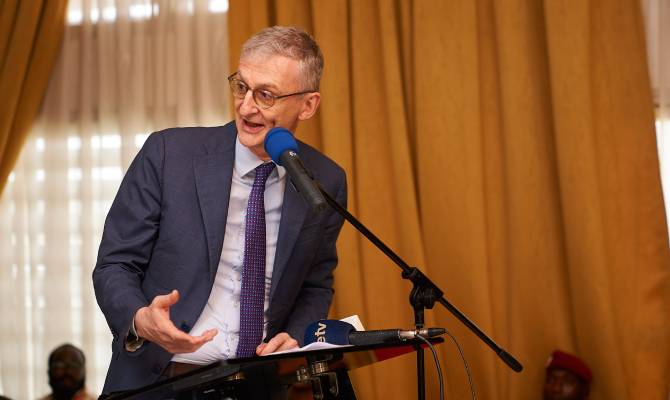
Later, Father Dante Carraro, Director of Doctors with Africa CUAMM, took the floor. After thanking Minister Dimba, Ambassador Luzzi, delegation head Gatti, and the entire Abobo community, he addressed the audience:

“Today we are here not for ceremony, but to renew our commitment. We have one single, steadfast goal: we want no mother to die in childbirth, no newborn to die in their first month of life. We know we cannot save the world, but we are determined to do our part. This is our commitment, and we reaffirm it today.”
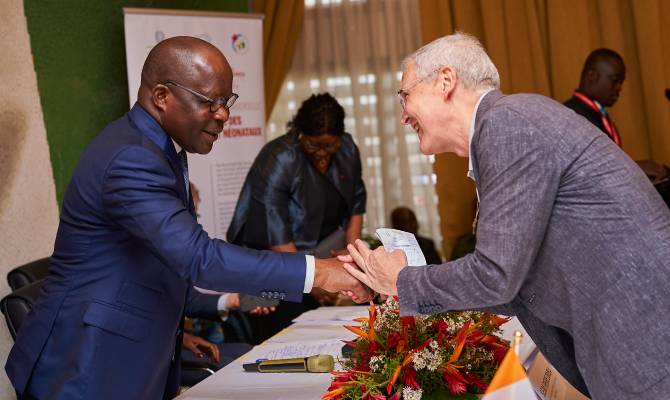
“This initiative addresses an urgent and priority need: ensuring that pregnant women and children have access to quality health services in one of the most populated and vulnerable districts of Abidjan. By investing in the health of Abobo, we invest in the living heart of Abidjan, and through Abidjan we foster the development of all of Côte d’Ivoire. Today, together, we are laying the foundation for a more just, fair, and united society,” said H.E. Arturo Luzzi, Italian Ambassador to Côte d’Ivoire.

Then representatives from the two universities addressed the participants.

“Since its founding, the Catholic University has placed particular emphasis on training doctors in the values of solidarity, listening, and care, which are at the heart of healing, especially for the weakest and most suffering. It is a fascinating mission that engages the whole person. It is with this spirit that we are preparing to begin the project,” said Professor Annamaria Merola of the Catholic University of the Sacred Heart.

“We firmly believe that the quality of obstetric and neonatal care depends on genuine partnerships, rooted in a deep understanding of the local context, listening to needs, and the co-design of innovative, sustainable, and measurable interventions. The integration of data care, training, and clinical innovation is the distinctive contribution our Department is proud to offer to the project,” stated Professor Eugenio Baraldi, Director of the Department of Women’s and Children’s Health at the University of Padua, in a message delivered in his absence.

To conclude the meeting, Côte d’Ivoire’s Minister of Health Pierre N’gou Dimba remarked:

“The urban area of Abobo embodies all the healthcare challenges our system faces today. With this project, we aim to structurally and sustainably improve the health conditions of our population. But it’s not just about infrastructure—it’s about investing in health, dignity, and the future of our communities. This is a strategic project because it meets the real needs of those who seek care and services every day under difficult conditions. I want to express my heartfelt gratitude for this spirit of collaboration. The professionalism, enthusiasm, and dedication I’ve seen from all the partners involved fills me with pride.”

“We are convinced that the quality of obstetric and neonatal care depends on authentic partnerships based on deep knowledge of the local context, listening to needs, and co-designing innovative, sustainable, and measurable interventions. The integration of data management, training, and clinical innovation is the distinctive contribution that our Department is proud to offer to this project,” said Prof. Eugenio Baraldi, Director of the Department of Women’s and Children’s Health at the University of Padua, in a message read during the ceremony.
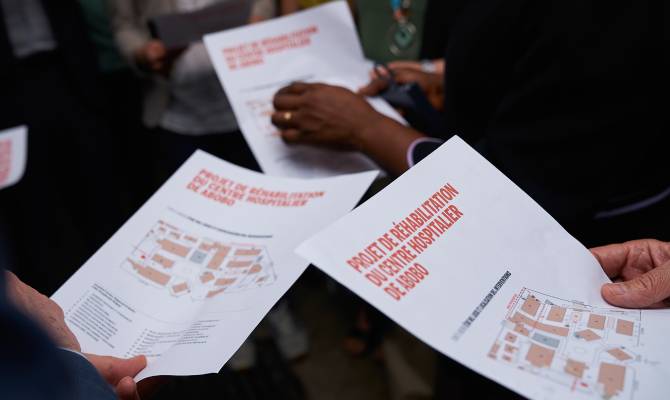
Complementary activities in community health, training, and research will also be implemented through the involvement of the Università Cattolica del Sacro Cuore and the University of Padua.

The initiatives, aimed at strengthening healthcare services in the country and improving access to care for the population, are part of the Mattei Plan, launched by the President of the Council during the Italy-Africa Summit in January 2024.
 

Tender for Supply of Medical Drugs Consumables, and Equipment

Doctors with Africa CUAMM, under the projects title Multisectorial Response to projected Extreme Climate Events in Southern Ethiopia – South Omo; Woredas of Dasenech and Bena Tsemay is launching the present flexible simplified procedure to select a supplier for medical Drugs, consumables and Equipment.


01 Invitation form

02 Contract Notice

03 Instructions to Bidders

Annex I – Tender Form

Annex II & III – Technical Specifications SO EHF -ABAW

Annex IV – Financial offer

Annex V – Administrative Compliance Grid

Annex VI – Evaluation Grid

Annex VII – Contract Form

Annex VIII – Special Conditions

Annex IX – General Conditions

Annex X – Check List


Tender for Supply of Medical Drugs, Consumables, and Equipment

Doctors with Africa CUAMM, under the project titled “Strengthening Neonatology in Ethiopia AID 012958,” is launching the present local open tender procedure to select a supplier for medical drugs, consumables, and equipment.
00 LOCAL OPEN TENDER NOTICE MEDICAL
01 Invitation form
02 Contract Notice
03 Instructions to Bidders
Annex I – Tender Form
Annex Ia – Declaration of Honour
Annex II & III – Technical Specifications afidato_290425_u
Annex IV – Financial offer
ANNEX V – Legal Identity form
Annex VI – Financial-Identitfication-form
Annex VII – Administrative Compliance Grid
Annex VIII – Evaluation Grid
Annex IX – Contract Form
Annex X – General Conditions
Annex XI- Special Conditions
Annex XII – Check List

Tender for renovation works at the Black Lion Hospital

Doctors with Africa CUAMM, under the project titled “Strengthening Neonatology in Ethiopia AID 012958,” is launching a Local Open Tender to select a construction company to carry out construction works for the renovation of Black Lion Hospital NICU in Addis Ababa, Ethiopia.
00 Local Open Tender Notice Black lion Hospital
01 Contract Notice
02 Instructions to Bidders
03 Tender Form
ANNEX I – Declaration of Honour
ANNEX II – Legal Identity form
ANNEX III – Financial Capacity
ANNEX IV Technical and professiona capacity
ANNEX V – Financial Identification
ANNEX VI Administrative Compliance Grid
ANNEX VII Evaluation Grid
ANNEX VIII – Contract Form
ANNEX IX – Special Conditions for Work Contract
ANNEX X – General Conditions
ANNEX XI – Financial Offer
ANNEX XII Check List
BOQ- Black Lion NICU Renovation Unpriced
Techincial specfication

A new commitment in Burkina Faso

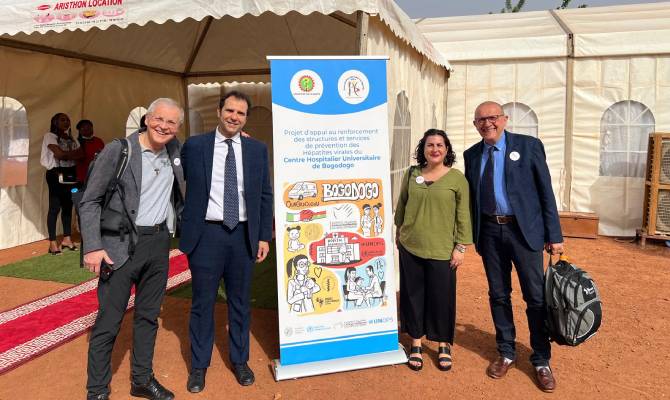
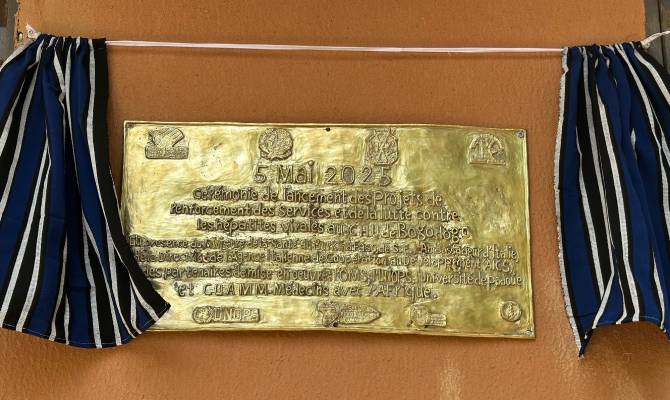
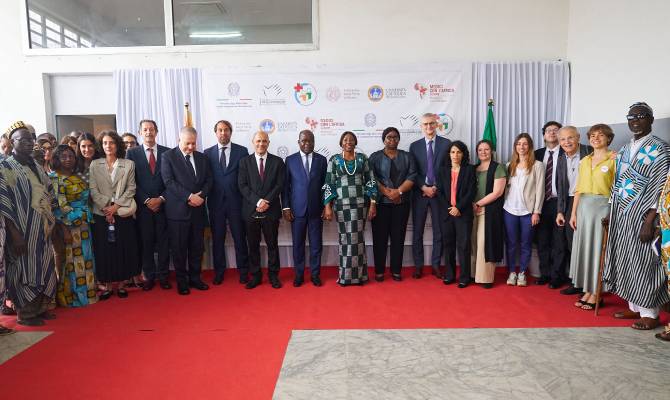
A new commitment in a country we have known and worked in in the past. A three-year project was launched yesterday in Ouagadougou, Burkina Faso, at the Bogodogo University Hospital Center focused on the prevention and treatment of hepatitis B and C. This initiative led by the University of Padua (UNIPD) and implemented in partnership with CUAMM and the Italian National Institute of Health (ISS) fully aligns with the objectives of Universal Health Coverage promoted by the World Health Organization (WHO).

Present at the launch event were the Italian ambassador Gabriele di Muzio, Burkina Faso’s Minister of Health Dr. Robert Kargougou, our director Don Dante Carraro, Dr. Giovanni Putoto – Head of Planning and Operational Research), Claudia Mocci – Project Manager, and Professor Francesco Paolo Russo from the Department of Surgical, Oncological, and Gastroenterological Sciences at the University of Padua.

“This is a sort of a return for us,” said Giovanni Putoto, Head of Planning and Operational Research. “CUAMM worked in Burkina Faso for about ten years, between the 1980s and 1990s. Today, as the country faces a period of great internal instability, we return with a specific intervention. The hepatitis project, which we embraced in collaboration with the University of Padua and the Istituto Superiore di Sanità, once again brings us close to the most vulnerable—especially mothers and children, who have always been at the center of our work.”

In Burkina Faso, viral hepatitis is one of the leading causes of illness and death, with hepatitis B (HBV) affecting an estimated 10% of the general population. The risk is significantly higher among vulnerable groups, who have always been the focus of our work. Pregnant women are particularly at risk: due to the high likelihood of vertical (mother-to-child) transmission, the consequences can also be serious for newborns.

In low-resource settings, poor diagnosis services and barriers in accessing treatment hinder the control of such diseases putting at risk the life of many. If not detected in time and without appropriate clinical care, the consequences can be fatal.

The initiative is a multidisciplinary one: the research component will be led by the University of Padua’s Department of Surgical, Oncological, and Gastroenterological Sciences (DiSCOG), directed by Professor Umberto Cillo, with the specialized contributions of hepatologists and gastroenterologists Professor Patrizia Burra and Professor Francesco Paolo Russo. The Italian National Institute of Health will play a key role in epidemiological surveillance, the provision of tools, data sharing, and the implementation of an electronic health records management system while Doctors with Africa CUAMM will oversee the managerial and technical aspects of the project.

The intervention will be centered at the Bogodogo University Hospital Center in Ouagadougou and aims to diagnose and treat around 3,000 pregnant women and children affected by viral hepatitis B and C. The project also includes the specialized training of local healthcare personnel, strengthening their skills to ensure a sustainable healthcare response.

“This project is part of the University of Padua’s long-standing tradition in health cooperation and training, reaffirming the university’s commitment to promoting global health improvement,” stated Professor Francesco Paolo Russo from UNIPD.

The planned activities follow an integrated approach and include:

  • Training of local healthcare staff, both in-person and remotely
  • Development of scientific research activities
  • Clinical management of complex cases
  • Provision of diagnostic equipment, tests, medicines, and IT systems for managing medical records
  • Contribution to revising protocols for the management of patients with viral hepatitis B and C
  • Introduction of software for the management of chronic patients

The project is being implemented in partnership with the Istituto Superiore di Sanità (ISS) and in close collaboration with the local Ministry of Health and the World Health Organization (WHO). The initiative is funded by the Ministry of Foreign Affairs through the Italian Agency for Development Cooperation (AICS).


Tender for Rehabilitation Works of Four Health Centers in Shire, Tigray

“The international NGO, Doctors with Africa CUAMM, under the project titled “Restoration of Essential Health and Nutrition Services in Shire, Tigray AID 05/12882/ETH “, is launching a local open tender to select a construction company to carry out construction works for the rehabilitation of the Umer Health Center & St.Agostina Health Center, Endabaguna Hospital, Alganesh Health Center & Five Angles Health Center, and Shire Suhul Hospital in Shire, Tigray Region, Ethiopia.

00 Local Open Tender Notice Rehabilitation Shire Final 

01 Contract Notice 

02 Instructions to Bidders

03 Tender Form

ANNEX I – Declaration of Honour 

ANNEX II – Legal Identity form

ANNEX III – Financial Capacity

ANNEX IV – Technical and professiona capacity

ANNEX V – Financial Identification

ANNEX VI – Administrative Compliance Grid

ANNEX VII – Evaluation Grid  

ANNEX VIII – Contract Form A

NNEX IX – Special Conditions for Work Contract

ANNEX X – General Conditions  

ANNEX XI- Technical Specification

ANNEX XII – Financial Offer

ANNEX XIII – Checklist

BOQ_ Lot 1 – Umer HC and St Agostina HC _ Blank(Revised)

BOQ_ Lot 2- Alganesh Health Center and Five Angles Health Center_Blank

BOQ_ Lot 3- Endabaguna Hospital_Blank

BOQ_ Lot 4- Suhul Shire Accessibility Rehabilitation

LOT 1_St. Agostina HC _ Locations for the civil works

LOT 1_Umer HC _ Locations for the civil works

LOT 2 _ Alganesh HC _ Locations for the civil works

LOT 3_Endabaguna Hospital _ Locations for the civil works

LOT 4 _ Shire Suhul Hospital _ Locations for the civil works

LOT 4A_BOQ 20250310- Suhul Shire Solid Waste and Water Supply

LOT 4B_BOQ- Suhul Shire Accessibility Rehabilitation

Training to care building competencies in South Sudan

South Sudan, the world’s youngest country and one of the poorest in Sub-Saharan Africa, currently has a population of 12 million, the majority of whom are in need of humanitarian aid. According to the World Bank, the country ranks 192nd out of 193 in terms of human development.
The health situation in South Sudan is dire: 1,223 women die in childbirth for every 100,000 live births—shocking figures that are direct consequence of an extremely fragile national health system where the number of qualified healthcare professionals is highly insufficient.

Doctors with Africa CUAMM’s decision to invest in the training of local health personnel in such a fragile country is therefore a crucial step toward initiating real and sustainable progress in the healthcare system.
Today, we support two nursing and midwifery schools in two different states: Lakes State, home to the Rumbek Health Institute and Western Equatoria, where the Lui Midwifery School is located.

Rumbek Health Institute

Active at the State Hospital of Rumbek since 2017, Doctors with Africa CUAMM extended its support to the attached Institute of Health Sciences in the 2020/2021 academic year, particularly in the midwifery and nursing programs.

Each year, CUAMM’s support includes:

  • Food and accommodation for students in need
  • Purchase of teaching and stationery materials for nursing and midwifery courses
  • Financial support for the annual salary of tutors and the academic director
  • Provision of fuel to ensure electricity for the school
  • Supply of medical materials for practical lessons and simulations

Since this initiative began, about fifty students graduate each year from the Rumbek Institute of Health Sciences. These young men and women, equipped with a diploma and vocational training, will be able to work on the front lines to improve the health services and systems of their country, becoming agents of change themselves.

“Mine is not just a profession: being a midwife means welcoming life into your hands and always being at the service of women, to promote their well-being. In our culture, there are taboos to overcome — giving birth in a hospital is one of them. Today, I support women in the delicate moment of childbirth, but ensuring their health every day, in every stage of life, remains my mission.” Martha Mochmetin, midwife graduated from the Institute of Health Sciences in Rumbek.

The institute is located in Rumbek Centre County, in the town of Rumbek, the capital of Lakes State. The adjacent hospital, where students carry out their practical training, is a key referral center in the area. In 2023 alone, over 14,300 patients were admitted to the Pediatrics and Maternity wards (8,918 in Pediatrics, 5,399 in Maternity), 3,414 births were attended (including 120 cesarean sections), and 17,690 outpatient visits were provided at the OPD.

Lui Midwifery School

The Lui Midwifery School is located in Mundri East County, Western Equatoria.
Supported by CUAMM since 2014, the school is attached to the Lui Hospital, a facility serving a population of around 170,000 people.

Students attend theoretical classes, study in the library, and carry out practical activities in the hospital wards under the constant guidance of two tutors and the headmistress—personnel specifically recruited by CUAMM to ensure the proper implementation of the ministry’s curriculum.

“Having the opportunity to do clinical practice in a hospital is a real privilege for students. Everything we see in class and read in textbooks can be applied in real situations—whether by observing clinical procedures or by taking part directly.” Judith Abwol, midwife and tutor at the Lui Midwifery School.

The fact that the Lui School is linked to a functioning hospital offers students an ideal environment for continuous learning—something far from common in South Sudan. In addition to practicing in this hospital, students can also gain field experience in peripheral health units and within local communities.

The school includes several buildings: a classroom facility, a dining hall with kitchens, two dormitories, two staff houses, a services area, and a recreational space. The ability for students to live on campus allows many of them to attend classes and continue their studies without major logistical difficulties. CUAMM’s support covers essential living expenses, as well as hygiene kits, school supplies, and all the materials needed for lessons: from mannequins to consumables, from textbooks to whiteboards.