For children and young people living with chronic conditions in Sierra Leone, the challenges often extend far beyond medical care.
Access to treatment, continuity of care and reliable supplies of essential medicines can be difficult to guarantee. As in many parts of sub-Saharan Africa, care for non-communicable diseases remains concentrated in referral hospitals in major cities, leaving many children and families in rural communities facing long journeys and significant barriers to affordable, consistent care.
For young people, these challenges can affect much more than their health. They can shape their education, relationships, confidence and ability to participate fully in their communities.
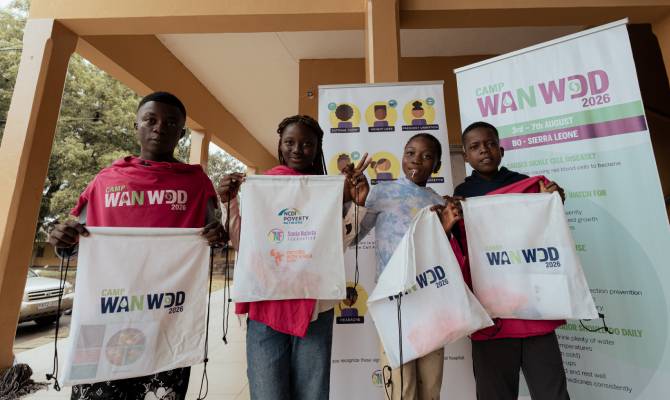
Camp Wan WƆD was created to change that.
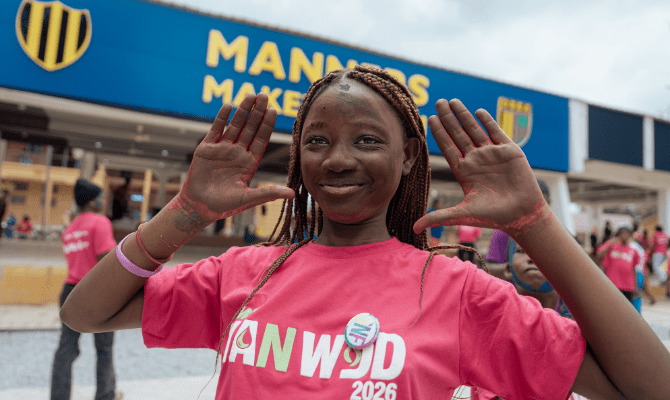
Wan WƆD means “One World” in Krio. The name reflects the spirit of the camp: different conditions, different experiences and different challenges, but a shared determination to speak up for their rights, access to healthcare and a healthier future.
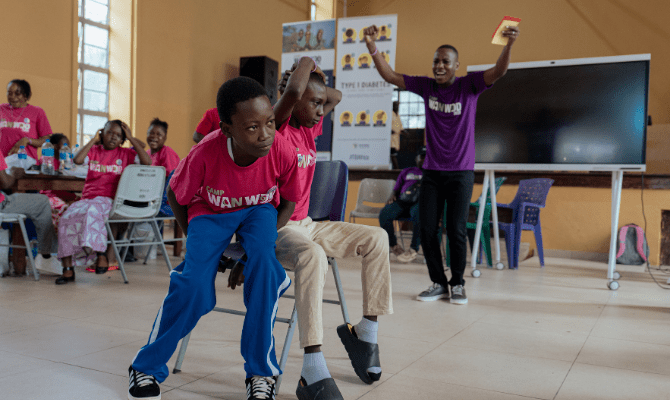
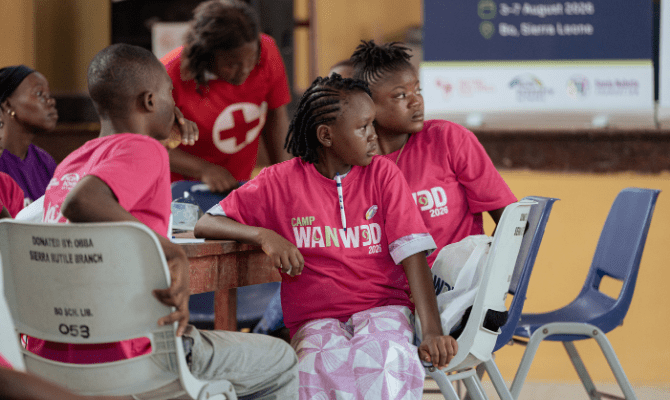
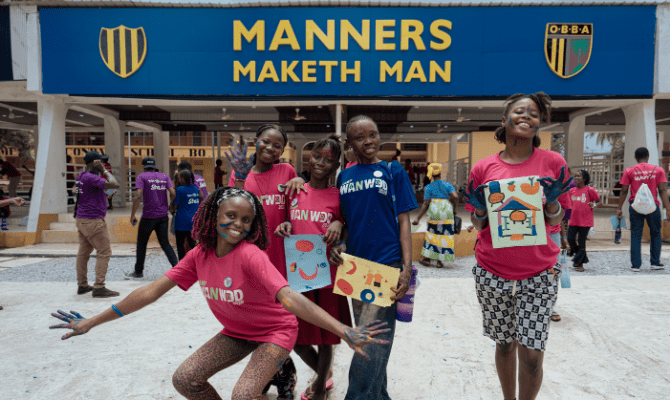
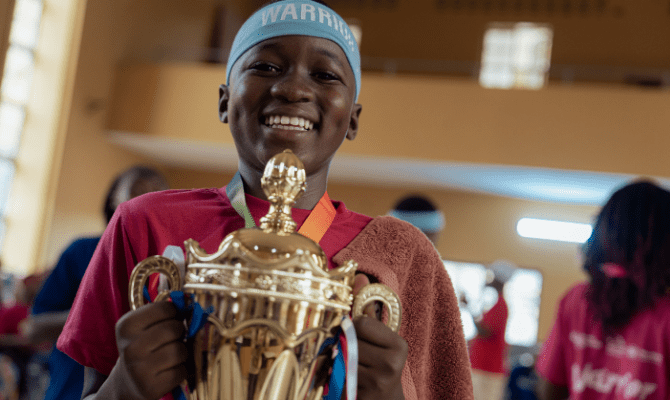
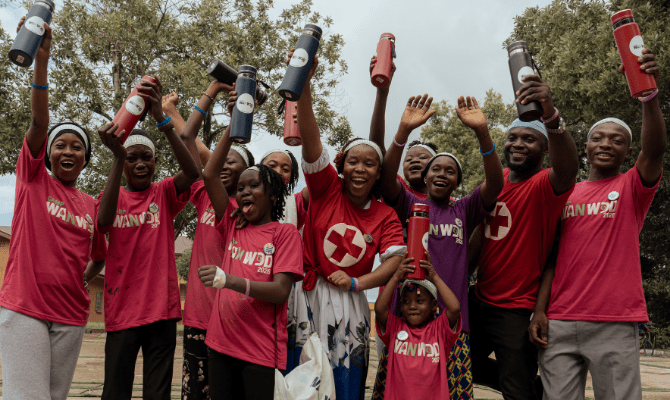
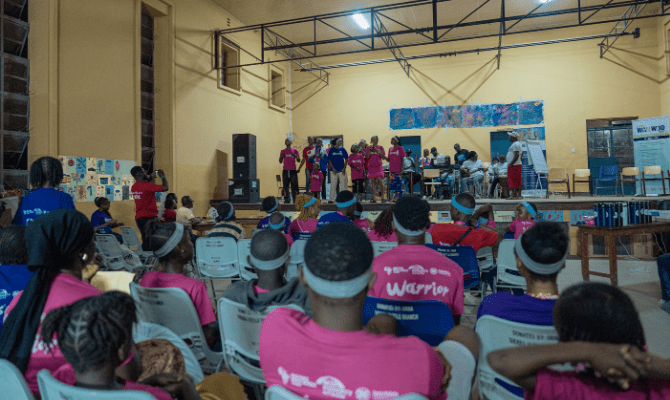
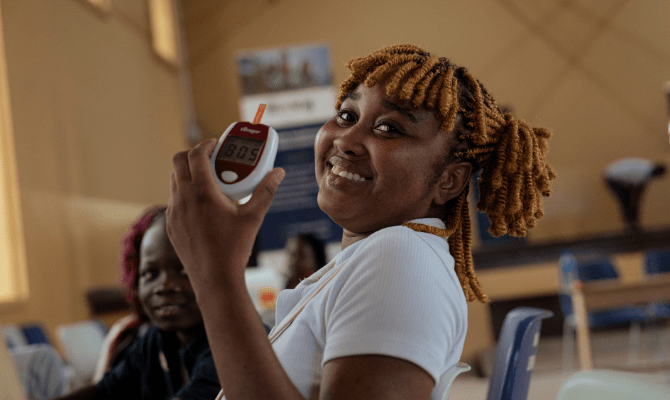
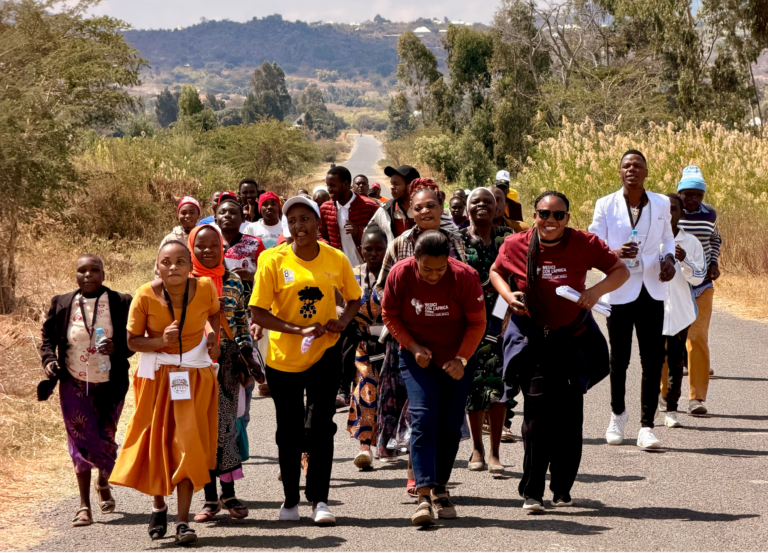
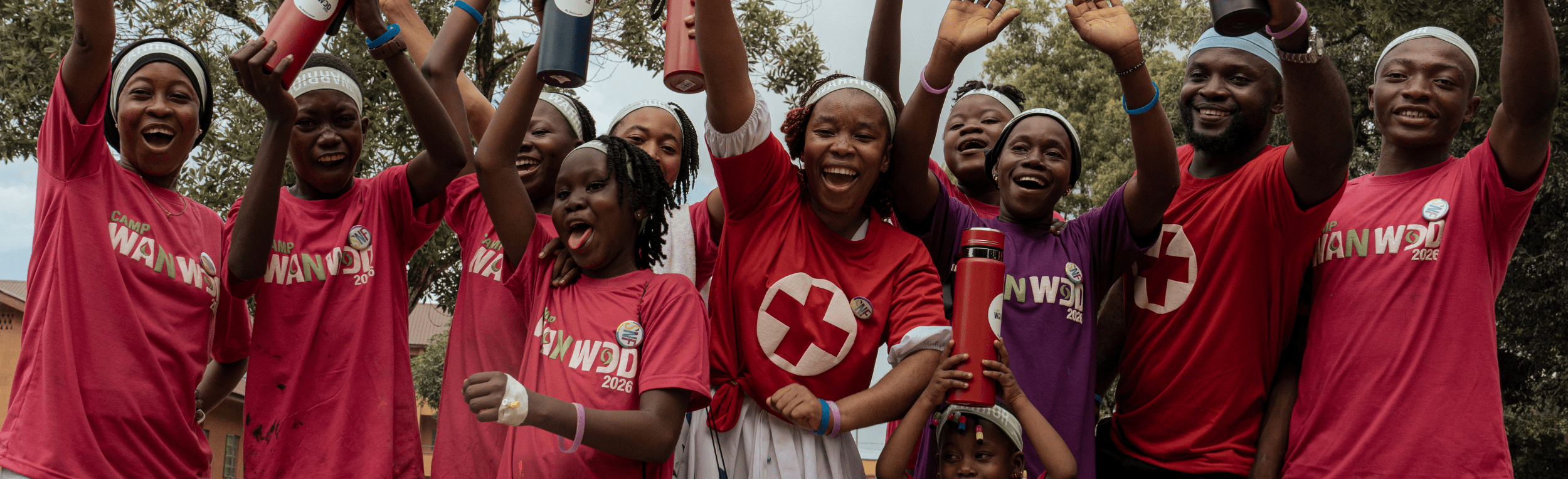
Held in Bo in early August, the camp brought together 60 young people aged 11 to 20 living with type 1 diabetes (T1D) and sickle cell disease (SCD) for a week focused on learning, empowerment, friendship and peer support.
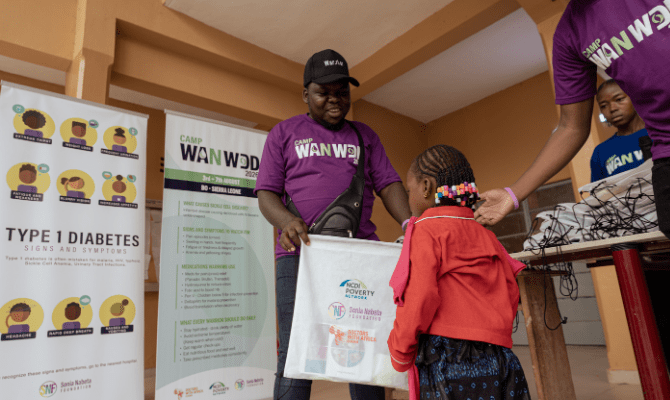
Organized by the NCDI Poverty Network in partnership with our team, the Sonia Nabeta Foundation and Partners In Health–Sierra Leone, the camp provided a space where young people could learn from one another, build confidence and recognize that they are not alone in navigating life with a chronic condition.
At the heart of the camp was a simple but powerful idea: young people are stronger when they have a voice—and stronger still when they use it together.
For one week in Bo, 60 young people found not only knowledge and support, but a community that understands.
From sharing experiences to taking action
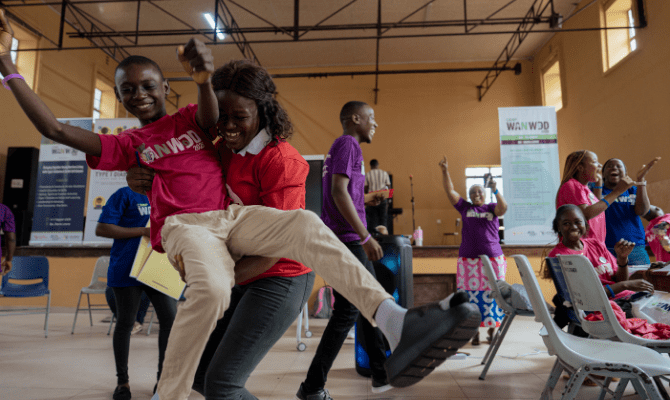
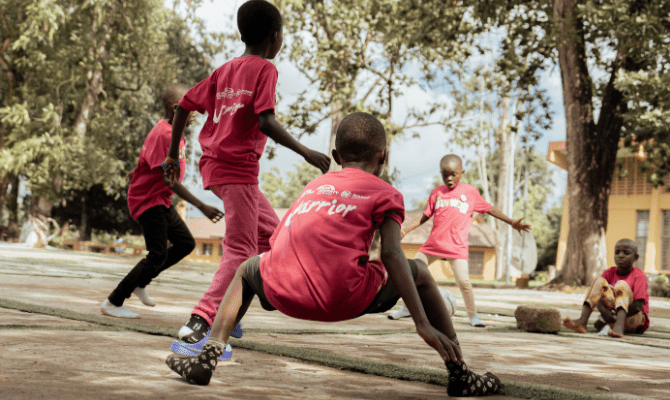
For the participants, Camp Wan WƆD was first and foremost a safe space: a place to meet other young people living with similar challenges, share experiences and coping strategies, learn more about their conditions and, perhaps most importantly, realise that they are not alone.
“What is particularly valuable is the fact that we take our patients outside the clinical setting, to a place that is safe, where they can learn easily, feel confident and have fun. And this is important because when someone has fun and feels confident, they can fully express themselves and learn,” explains Emmanuel Fofanah, Community Health Officer at Camp Wan WƆD.
But Camp Wan WƆD went beyond sharing experiences. It was also an opportunity for young people to discover the power of their own voices.
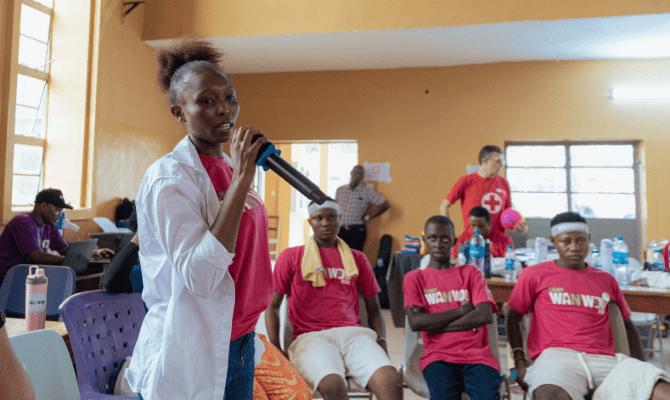
A key part of the programme was dedicated to advocacy, helping participants develop the confidence and skills to speak up about the challenges they face and imagine ways to create change in their schools, health facilities, communities and beyond.
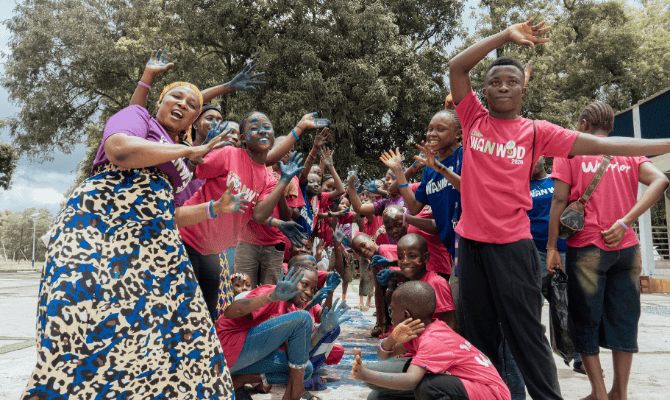
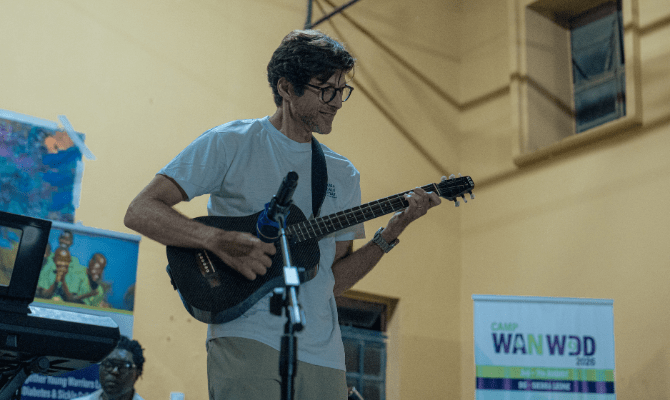
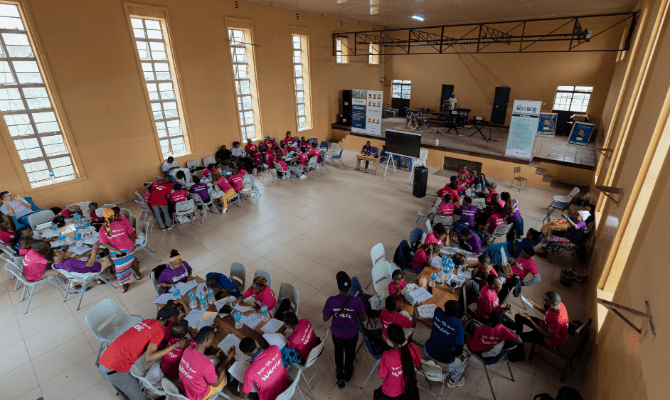
Through interactive activities, storytelling, peer-to-peer exchange, art and group work, participants explored what advocacy means and how their own experiences can become a starting point for change.
The message was simple but powerful: young people living with chronic conditions are not only recipients of care. They can also be active voices in shaping the systems and decisions that affect their health.
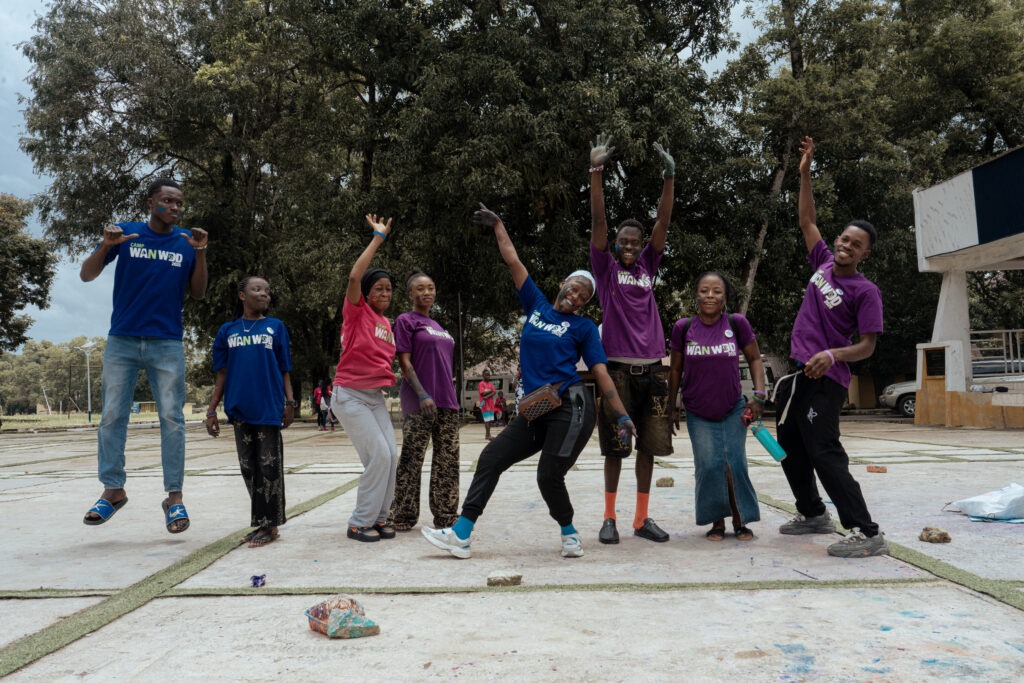
Two conditions, one community
Bringing together young people living with type 1 diabetes and sickle cell disease also means looking beyond individual conditions and recognising the experiences they share.
The need for lifelong care, the financial and social burden of chronic illness, stigma, challenges at school and the need for health systems capable of providing continuous, person-centred care are realities that affect many young people living with chronic conditions.
For Becky Praise Omakor a 18 years old girl who lives with sickle cell disease, discovering that she was not alone was one of the most meaningful experiences of the camp.
“I was thinking that I was the only one with sickle cell. I found out I am not the only one.” she says. “People were discouraging me. I was not having friends because I was sick.”
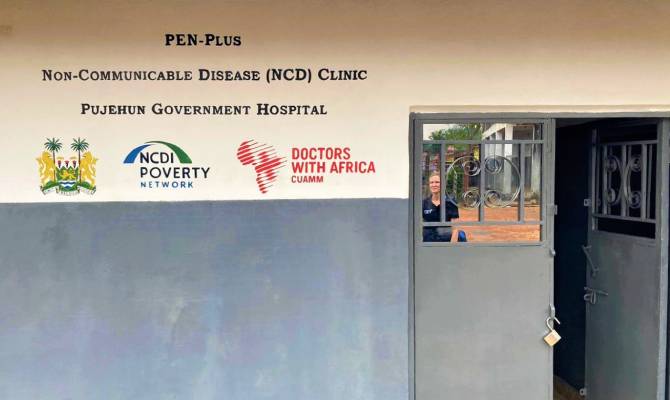
Becky was diagnosed at the age of eight. For years, accessing the care and medicines she needed to manage her condition was a challenge. The medicines she needed were not available at the government hospital in Freetown, and she was only able to access more appropriate and continuous care when the PEN-Plus clinic opened at Pujehun District Hospital.
Her experience reflects a wider reality: for young people living with chronic conditions, access to treatment is only one part of the challenge. Stigma, isolation and the lack of understanding around their conditions can be just as difficult to navigate.
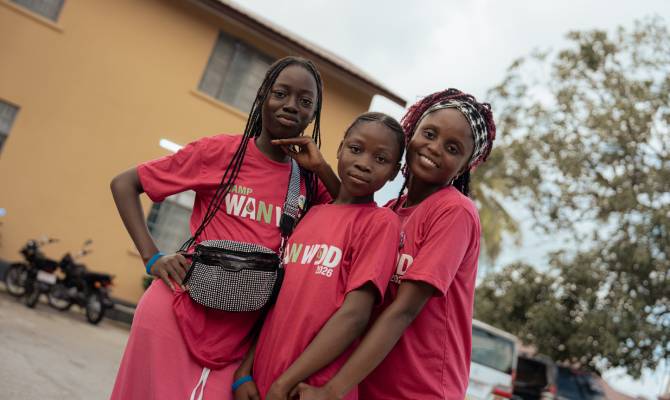
This is why Camp Wan WƆD was built around an integrated approach: to create a community where young people can support one another, find a collective voice and recognise the strength behind their determination.
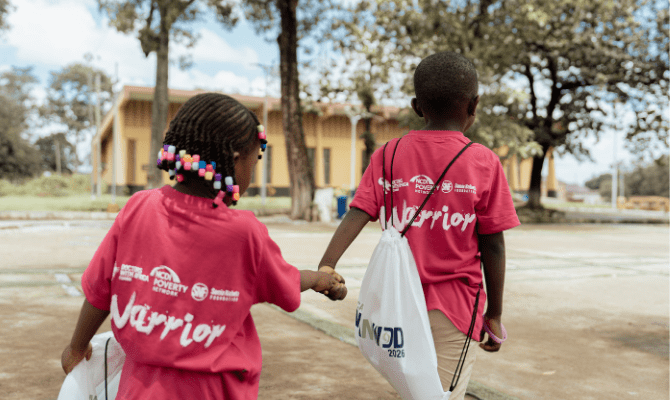
“Being a warrior is not that easy. You go through many crises. You overthink about how you are going to live, if you are going to make it, all those things,” says Mohamed Tejan, a law student living with sickle cell disease.
Yet the camp also gave him a different perspective.
“I learned that no matter what, you just have to believe and have hope, take your medication and listen to the advice that they’re telling you, and be positive.”
Investing in young people to shape the future
In Sierra Leone, at Pujehun District Hospital, we work to strengthen access to diagnosis, treatment, and long-term care for people living with chronic conditions, contributing to the development of integrated models of care that bring essential services closer to communities.
In 2023, as part of the PEN-Plus project, and with the support of the NCDI Poverty Network, we opened the first NCD clinic at Pujehun District Hospital. The facility is one of only two in the country providing specialized healthcare services for people living with severe chronic conditions. Integrating care for severe, chronic noncommunicable diseases (NCDs) – providing diagnosis and treatment services for different conditions under one roof – is the foundation of the PEN-Plus model of care.
Today, the clinic has more than 3,000 patients on their rolls, including more than 2,000 in active care. People with hypertension form the clinic’s largest patient group, followed by about 400 people on treatment for sickle cell disease, about 300 with epilepsy, and about 50 active patients with type 1 diabetes.
But care does not happen only within the clinic. Community outreach is a key component of the PEN-Plus model, helping patients stay connected to care and bringing awareness and support closer to where people live. Community health officers organize awareness activities in schools and local markets, as well as through radio, sharing information on the causes and symptoms of NCDs, addressing misconceptions and stigma, and encouraging people to seek care, take their medication, and remain in treatment.
The Pujehun team also provides social and practical support to patients, including assistance with transportation costs to help them reach the clinic. Community health officers and social workers follow patients beyond the hospital, supporting them with their treatment and helping them remain engaged in long-term care.
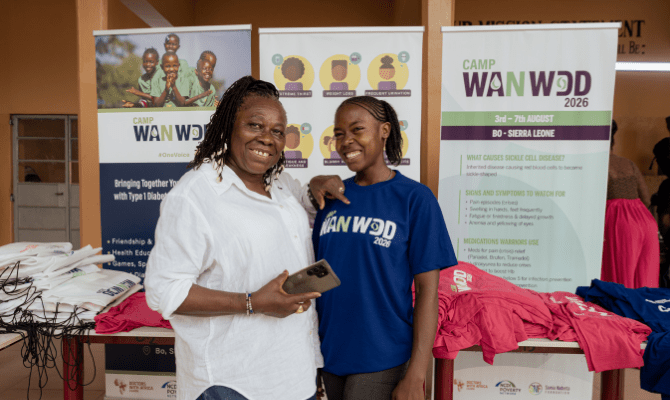
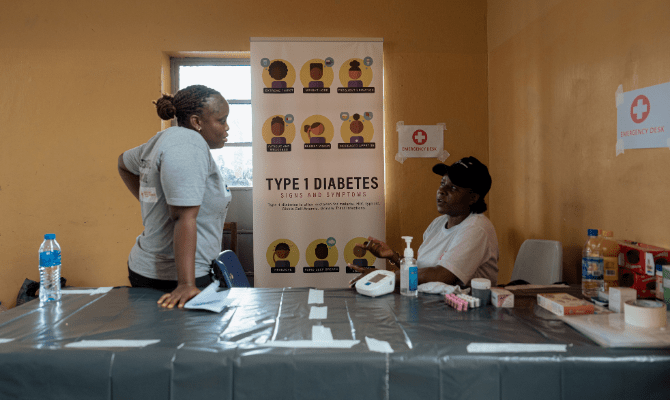
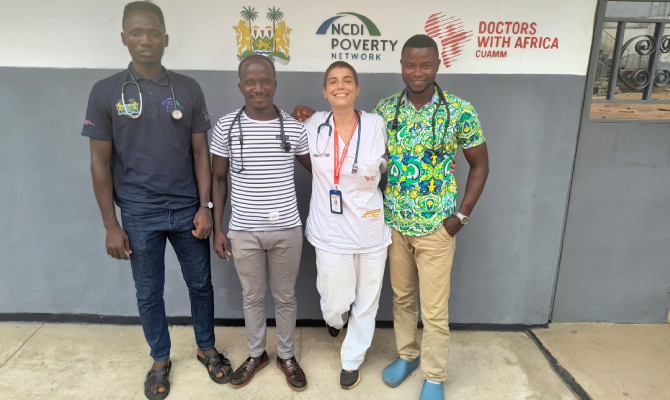
This approach was also reflected at Camp Wanwɔd, where members of the Pujehun team—including community health officers, nurses, and social workers—joined the camp to mentor and support young people living with chronic conditions, strengthening the connection between clinical care and the community. For those working with young patients, seeing them outside the clinical environment offered a different perspective on their journeys.
“I’ve worked with PEN-Plus for over three years in Pujehun, so I’ve personally managed some of these kids. Seeing them again at the camp makes me very happy. You know, these conditions are really difficult to manage. So seeing them alive and happy, seeing the improvement, makes me really happy,” says Helen Finda Ganda, Lead Coordinator of Camp Wan WƆD and CUAMM Assistant Project Manager.
Improving the quality of care also means listening to the people who receive it. It means creating spaces where young people can build knowledge, confidence and the skills they need to become advocates for themselves and for others.
For five days, young warriors came together to share stories, learn from one another, build friendships and discover the strength of speaking with one voice.
A voice that, as the name of the camp reminds us, belongs to One World.