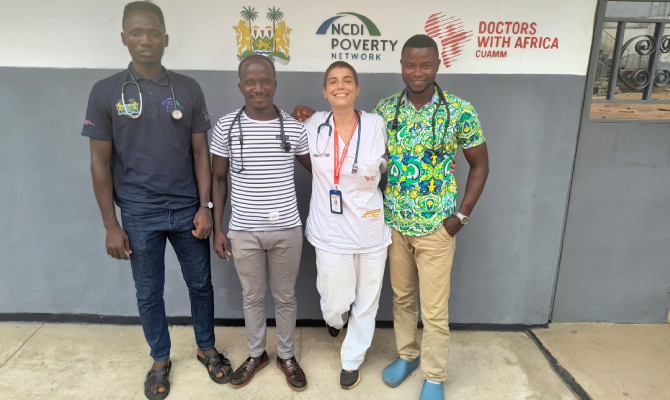
Walking in the green surroundings of the school, dancing, singing, and embracing one another; sharing breakfast and simulating a healthy grocery shopping experience; coming together for specialized training sessions. The awareness day on diabetes in Tosamaganga was all this and much more. Guided by the inspiring message “Living well with diabetes!”, a wide range of practical activities animated the initiative, which was promoted by the Non-Communicable Diseases (NCDs) Clinic of the Tosamaganga Regional Referral Hospital in the Iringa District, Tanzania, and funded by the Tanzanian Diabetes Association.
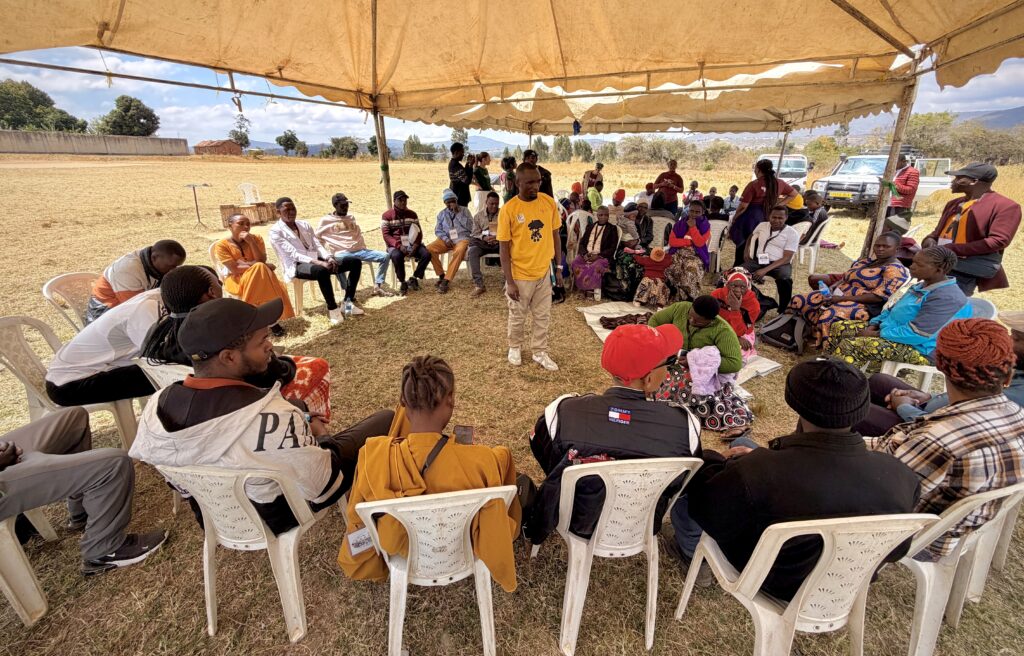
58 people, including patients and caregivers, gathered on the football pitch of St. Dominic School in Ipamba village for a day dedicated to health and well-being for those living with diabetes. Among the main goals were raising awareness about the disease and healthy lifestyles, fostering greater acceptance of their condition among patients, and strengthening their autonomy, particularly in managing insulin therapy.
“One of the aspects that struck me right from the beginning was the surprise of the participants, many of whom have been followed by the NCD clinic for a long time. This was the first event designed to bring together diabetes patients and caregivers outside a hospital setting,” says Mishel Wanasinghe, NCD Project Assistant in Iringa and CUAMM Junior Project Officer. “For the first time, diabetes management was addressed outside the healthcare facility walls, through a day dedicated not only to education, but also to dialogue, sharing experiences, and socializing among people living with the same condition.”
Addressing diabetes care means taking into account all the physical, psychosocial, and educational aspects that this disease entails. For this reason, an integrated and multidisciplinary approach is promoted, bringing together doctors, nurses, nutritionists, and mental health specialists.
Educational moments and opportunities to connect
The day began with a provided breakfast consisting of foods tailored to the needs of people living with insulin-dependent diabetes mellitus.
“This moment had an educational purpose: to demonstrate in a practical way how a diabetes-friendly diet can be built using locally available foods in Tanzania, favoring, for instance, meals made with less refined flours and foods with a lower glycemic impact,” explains Rehema Itambu, nutritionist on the CUAMM team.
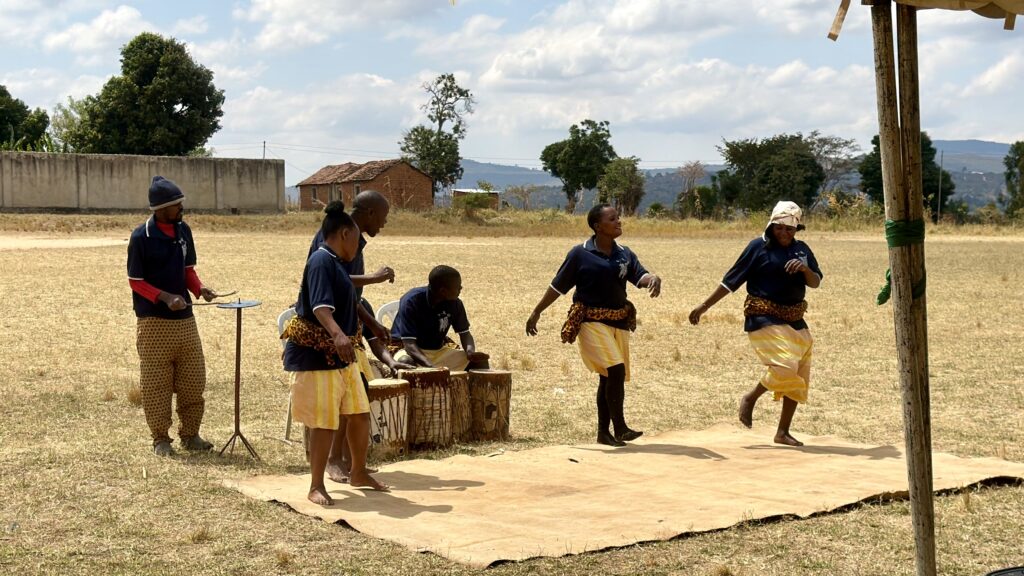
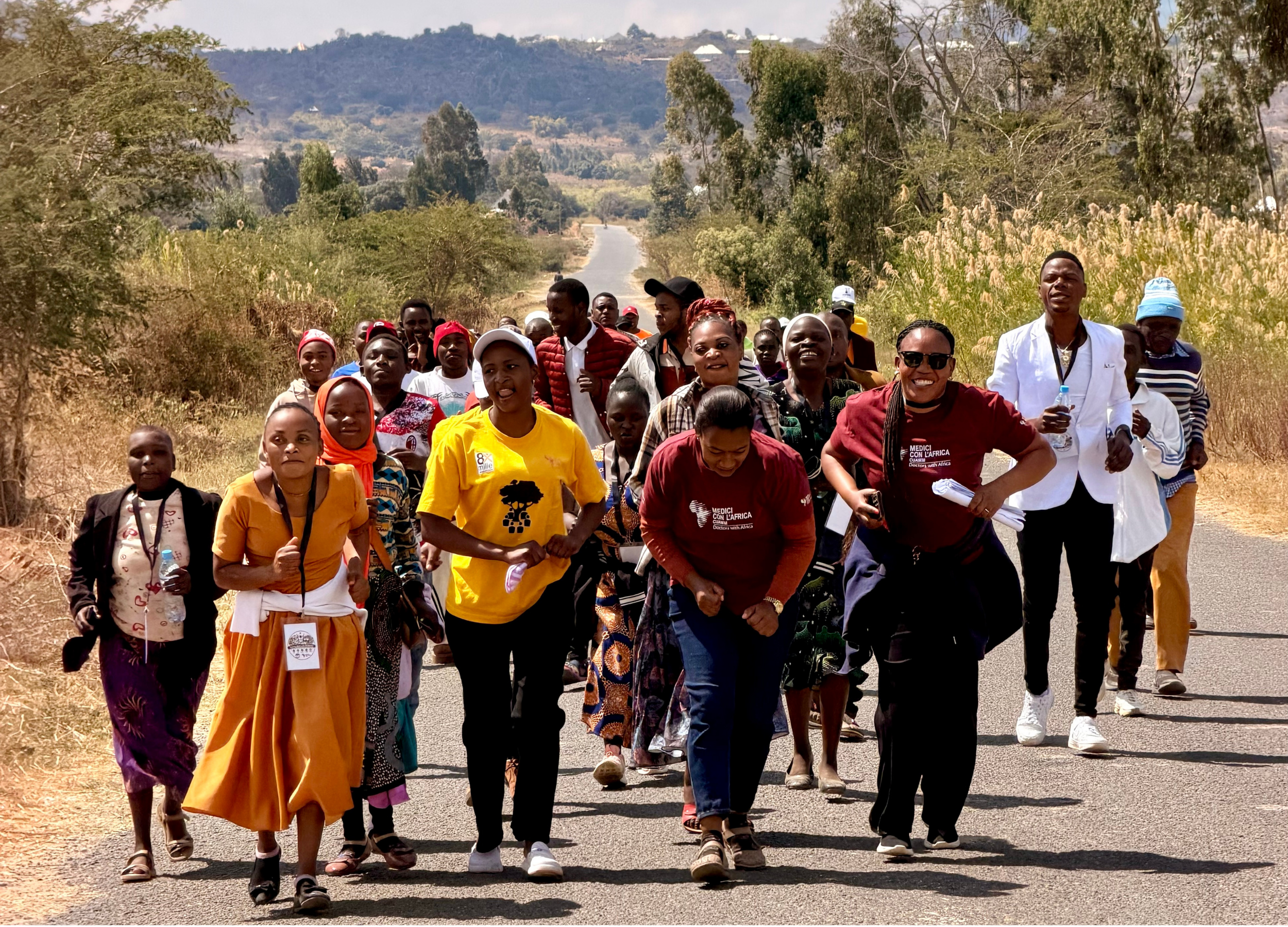
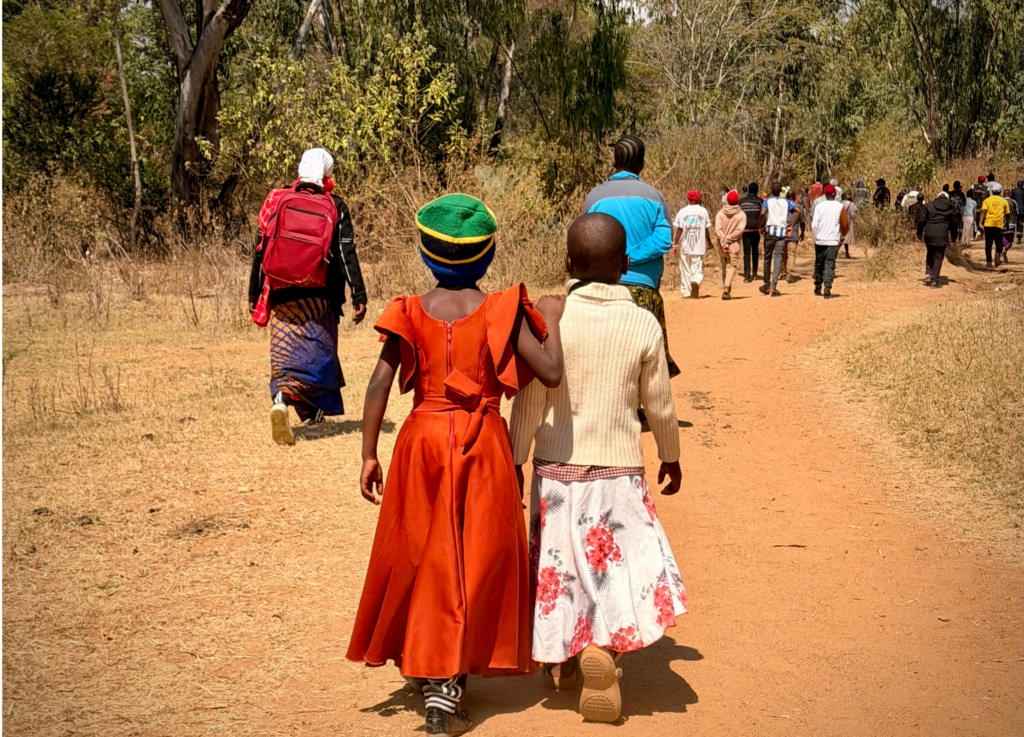
After breakfast, participants took a walk through the lush green area surrounding the school, followed by a break featuring a traditional dance performance.
“I remember two simple images that really touched me: three teenage boys walking side by side during the walk, and the warm embrace between the two youngest patients of the clinic. These spontaneous moments showcase the incredible value—especially for children and adolescents—of meeting peers who are living with diabetes,” added Mishel.
The event continued with practical sessions where the patients themselves took center stage, divided into two age groups: under 18 and over 18. Given a symbolic budget, participants simulated a grocery shopping trip to purchase various foods for a balanced meal, encouraging them to consider not only nutritional balance but also the economic sustainability of their choices. At the end of the activity, the groups reassembled for a plenary discussion led by the nutritionist.
Sharing is caring
The mental health session provided participants with a safe space to share the daily challenges they face, helping them realize that many of these struggles are shared by others, thereby strengthening their sense of community and mutual support.
“Among the main issues that emerged were the fear of stigma and rejection by family members; difficulty accepting their condition; and, particularly among children and adolescents, the daily management of insulin and associated symptoms, along with their impact on school and daily life, as well as the fear of not being able to maintain an adequate diet within their family context,” explains Taslo Mnenuka, a team physician experienced in mental health counseling.
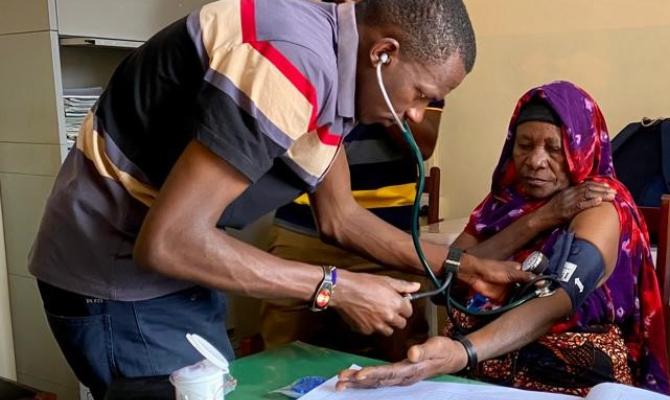
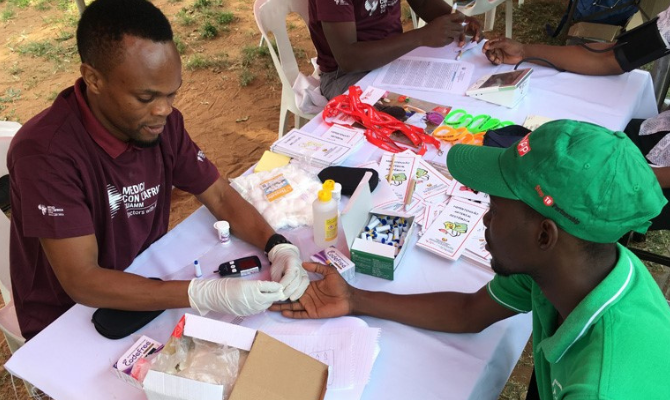
At the end of the session, disease management strategies were suggested, emphasizing the vital importance of peer support. In addition to these activities, a session was dedicated to clinical aspects, where healthcare professionals provided practical guidance on blood glucose monitoring, insulin therapy, and the proper use of related medical devices.
“Numerous questions, doubts, and concerns arose, which were gradually discussed and clarified together with the medical staff. This was surprising, considering that many participants have been using insulin for a long time, and it served as an important reminder for the healthcare staff as well. Being on treatment for a long time does not necessarily mean fully understanding every aspect of it, and therapeutic education must be viewed as a continuous process,” emphasized Chamba Malima, the doctor who led the educational session, and Evelyn Mwumbe, CUAMM Monitoring and Evaluation Officer.
A group lunch followed, along with a yoga session—a practice that, being unfamiliar to many, sparked great curiosity and active participation, especially among the younger attendees, while introducing new ways of movement and self-care.
“It was so important to have this space to meet and share with others who are living with diabetes,” expressed a young patient at the end of the day.
The daily management of diabetes, especially in rural and fragile contexts, requires awareness, community support, and strong management skills. Because it is in knowing that one is not alone, and in feeling understood, that the complexity of the journey to health transforms into a path possible to walk together.