Infectious diseases
Prevention, diagnosis and treatment for major infectious diseases
In Sub-Saharan Africa, infectious diseases remain one of the leading threats to public health. Malaria, tuberculosis, and HIV/AIDS disproportionately affect people living in poverty, deepening inequalities and limiting access to prevention and care services.
While important progress has been made in recent years, the COVID-19 pandemic disrupted many essential health services, exposing underlying structural weaknesses in health systems.
STRENGTHENING DIAGNOSIS SERVICES AND ENSURING CONTINUITY OF CARE
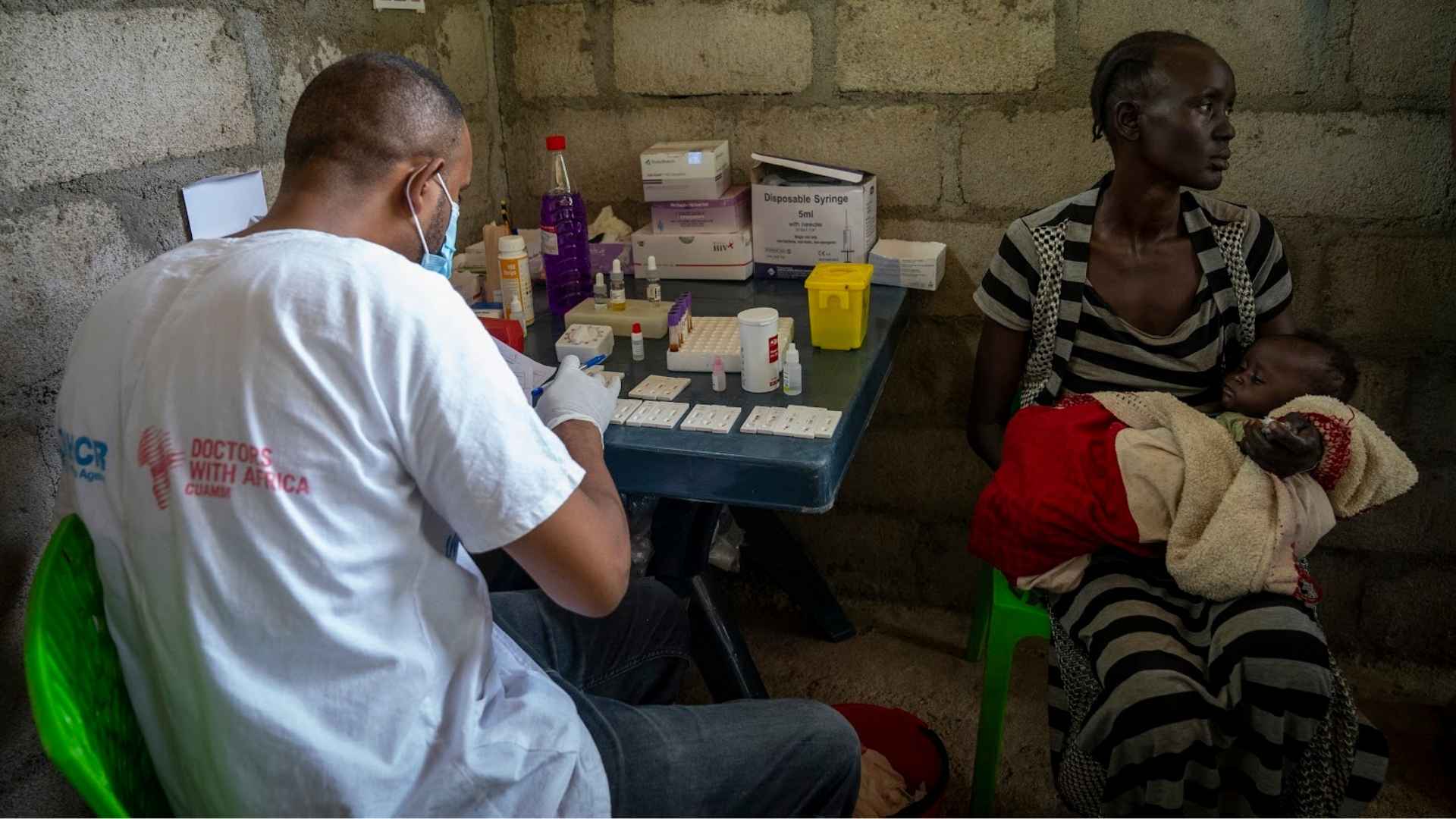
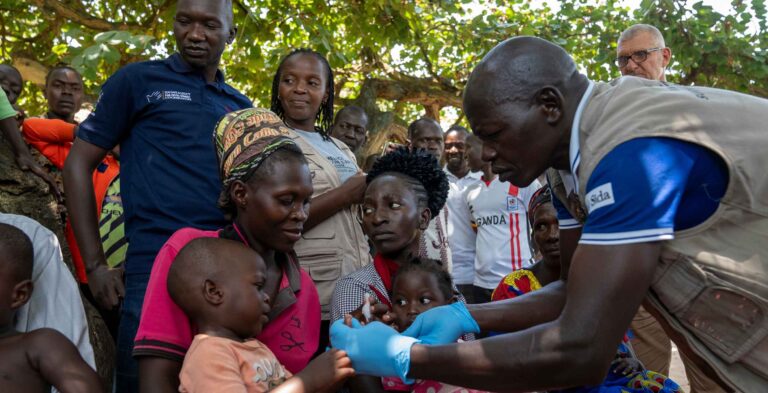
Doctors with Africa CUAMM works every day to strengthen local health responses and ensure continuity of care. We operate in hospitals and health centres, supporting programmes for early diagnosis, treatment, and prevention, in close collaboration with health workers and communities.

Main interventions to tackle infectious diseases
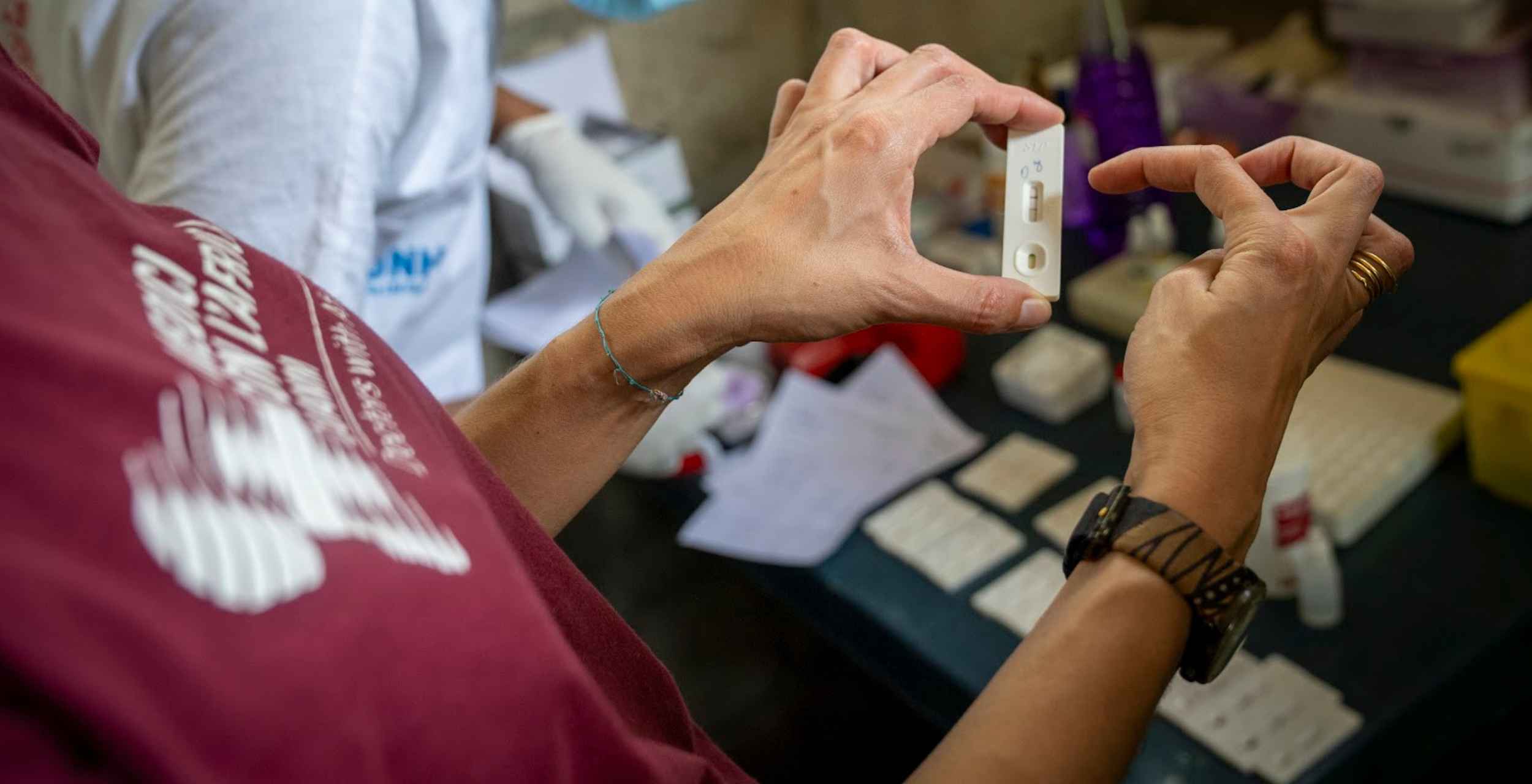
We work to combat infectious diseases such as malaria, tuberculosis, and HIV/AIDS, supporting health services in the most fragile settings. We focus on identifying cases early, supporting patients throughout their treatment journey, and reducing the spread of infections.
Infectious diseases in figures
1.873.033
malaria cases diagnosed
1.960
tuberculosis cases diagnosed
231.187
people tested for HIV
343
people initiated on HIV treatment
398.541
cases of pneumonia diagnosed
182.928
cases of diarrhoea