IN THE FIELD
Adolescents and young people at the center: preventing and treating HIV in a stigma-free society
Africa, Tanzania
Training in Africa
Infectious diseases
In the Shinyanga Region, the HIV response remains an ongoing challenge: the prevalence among adults (5.9%) is higher than the national average, with a concerning gender disparity that affects women more significantly (7.2%). Despite ongoing efforts, about 34% of women in the region have never been tested, and only one in four young women has accurate knowledge of the disease. In this context, adolescents and young adults (who make up 35% of the local population) are the most vulnerable: they often do not know they are HIV-positive or, if they do, they fear social stigma and discrimination at school and within their families, sometimes leading them to abandon treatment.
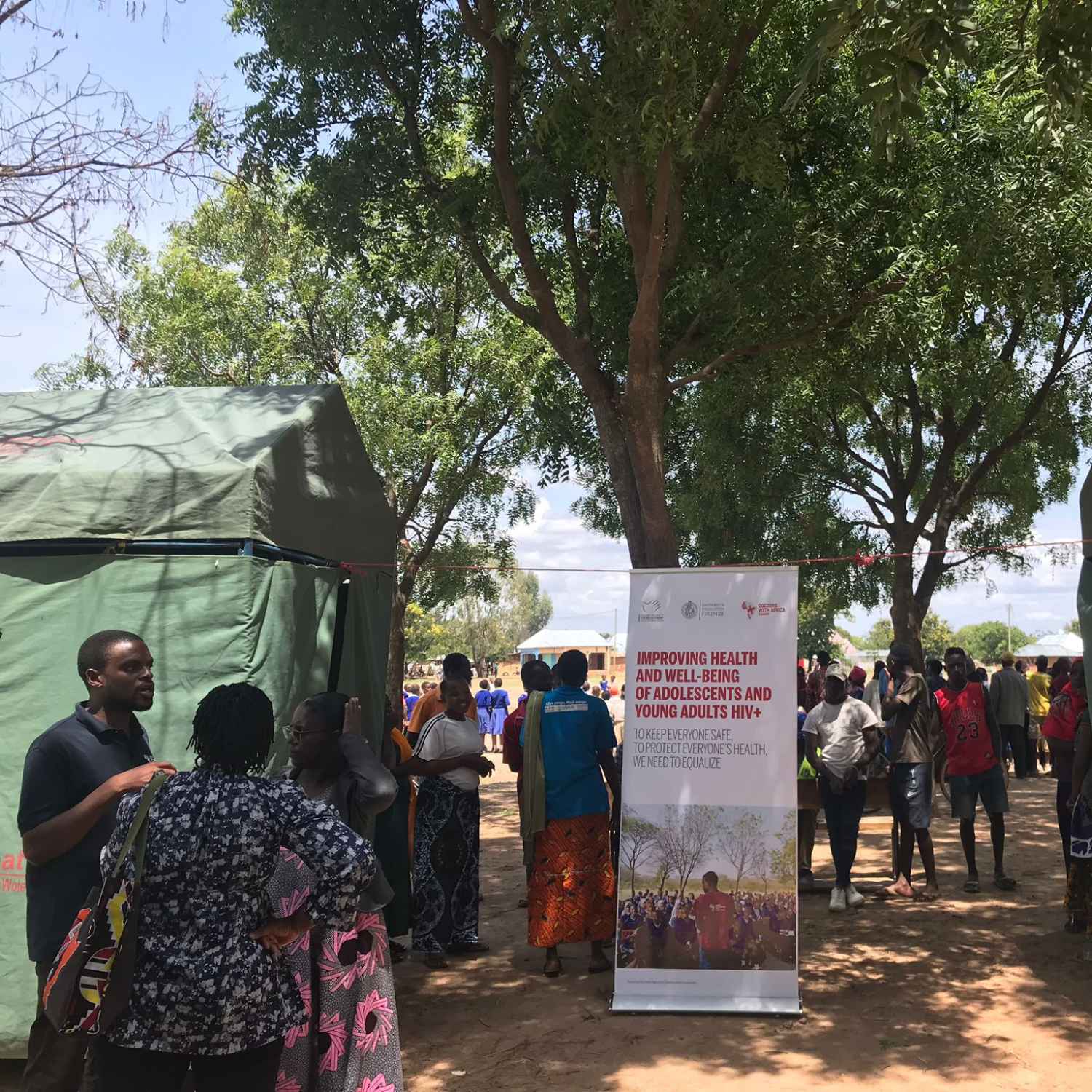
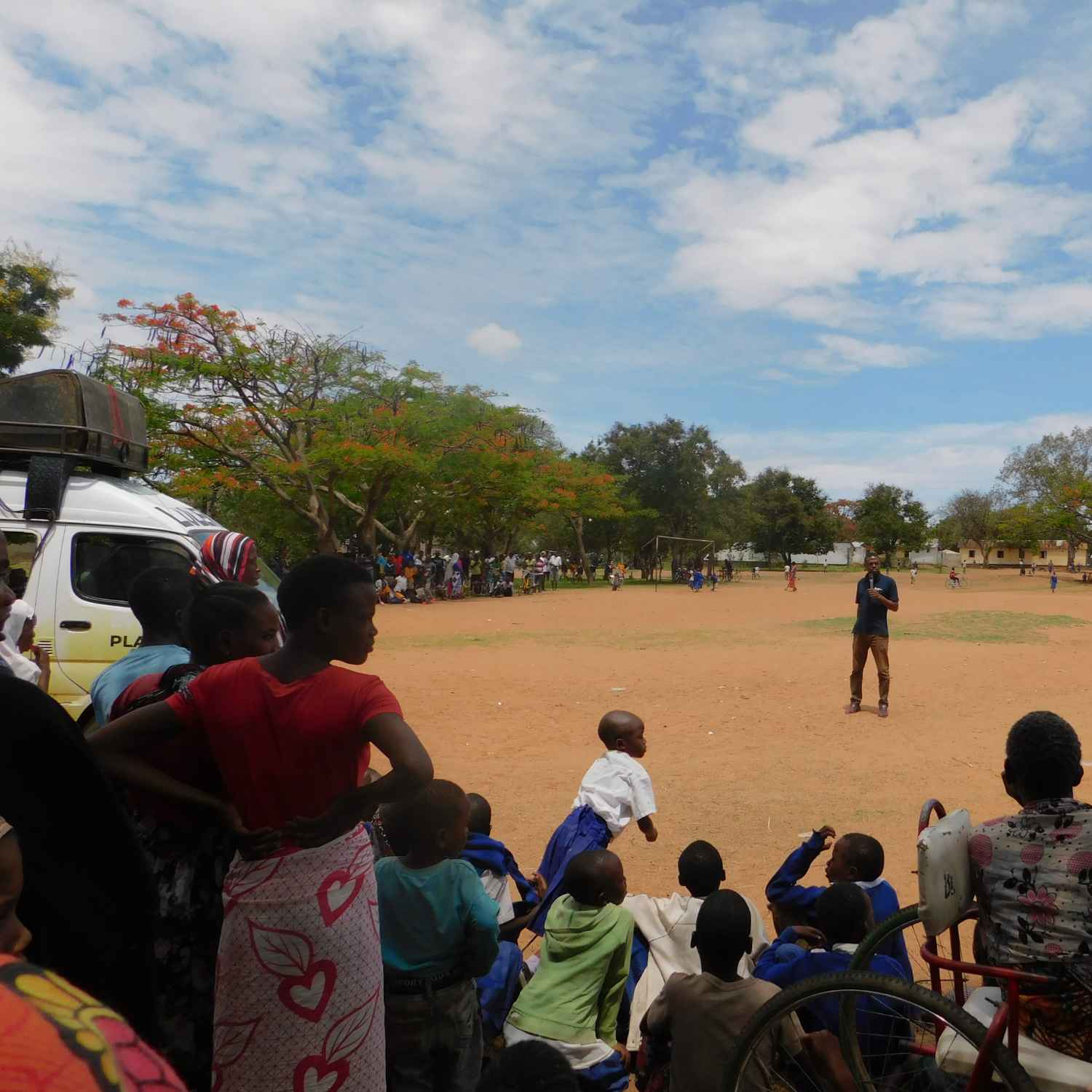
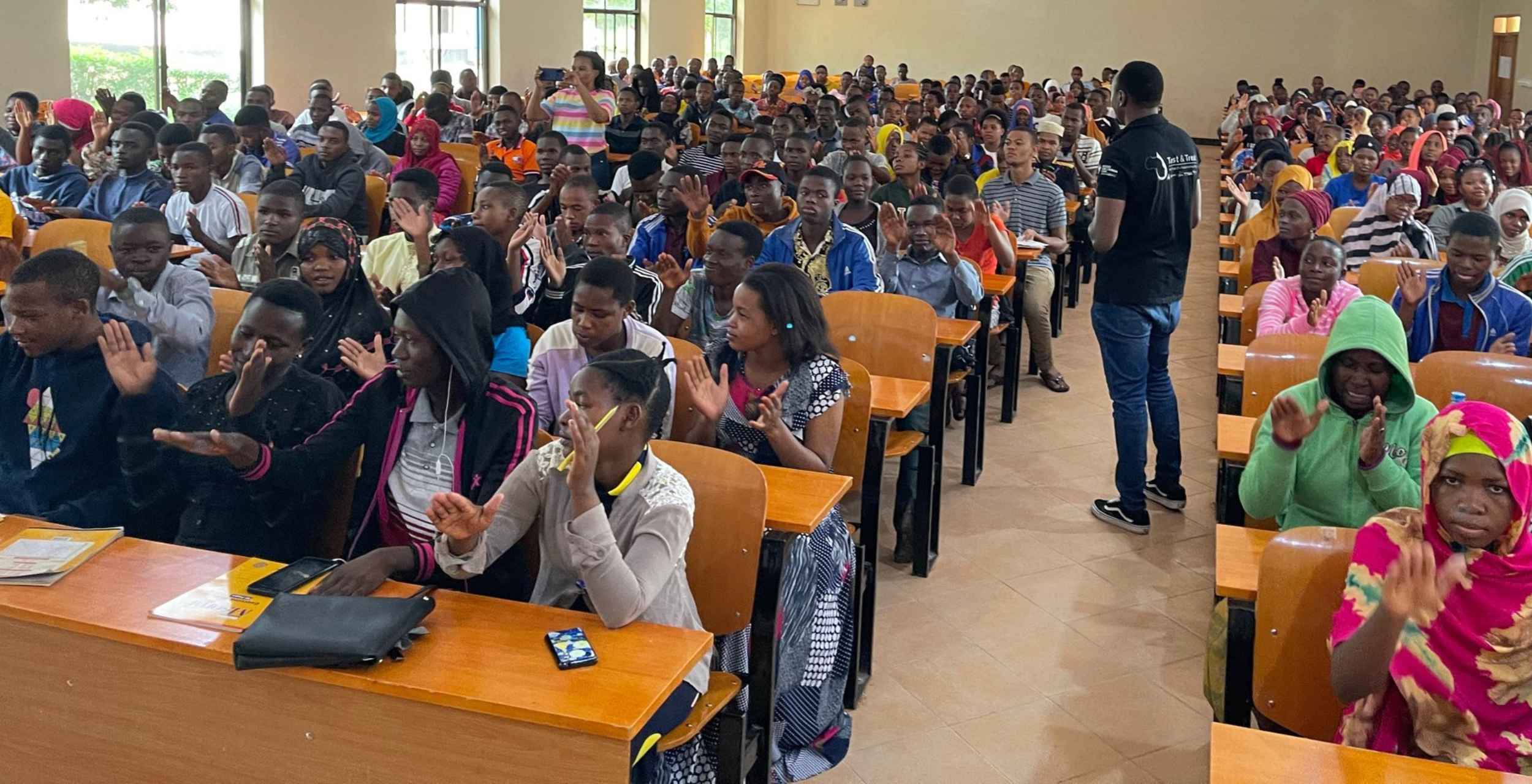
We work in Shinyanga to place young people at the center of the HIV response, acting both in hospitals and directly within communities and schools. Our goal is to ensure early diagnosis and provide care that is respectful and tailored to young people’s needs.
At Tosamaganga, we are committed to the care of chronic diseases.
-
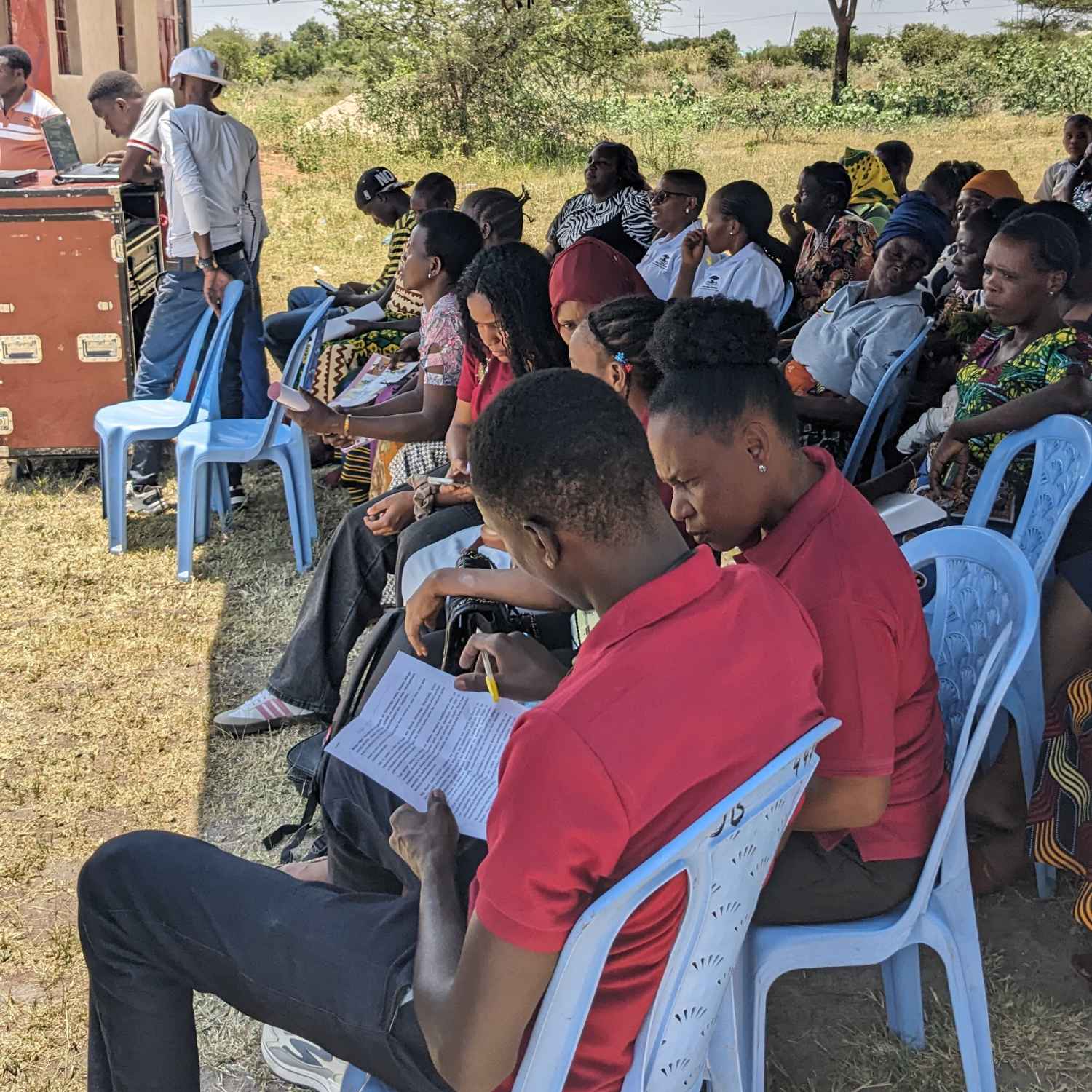
 We actively engage young people and civil society in awareness campaigns to dismantle prejudice and promote an inclusive environment that does not marginalize people living with HIV.
 -
 We promote treatment adherence through peer support and the training of healthcare staff, so that services are ‘youth-friendly’ and person-centered.
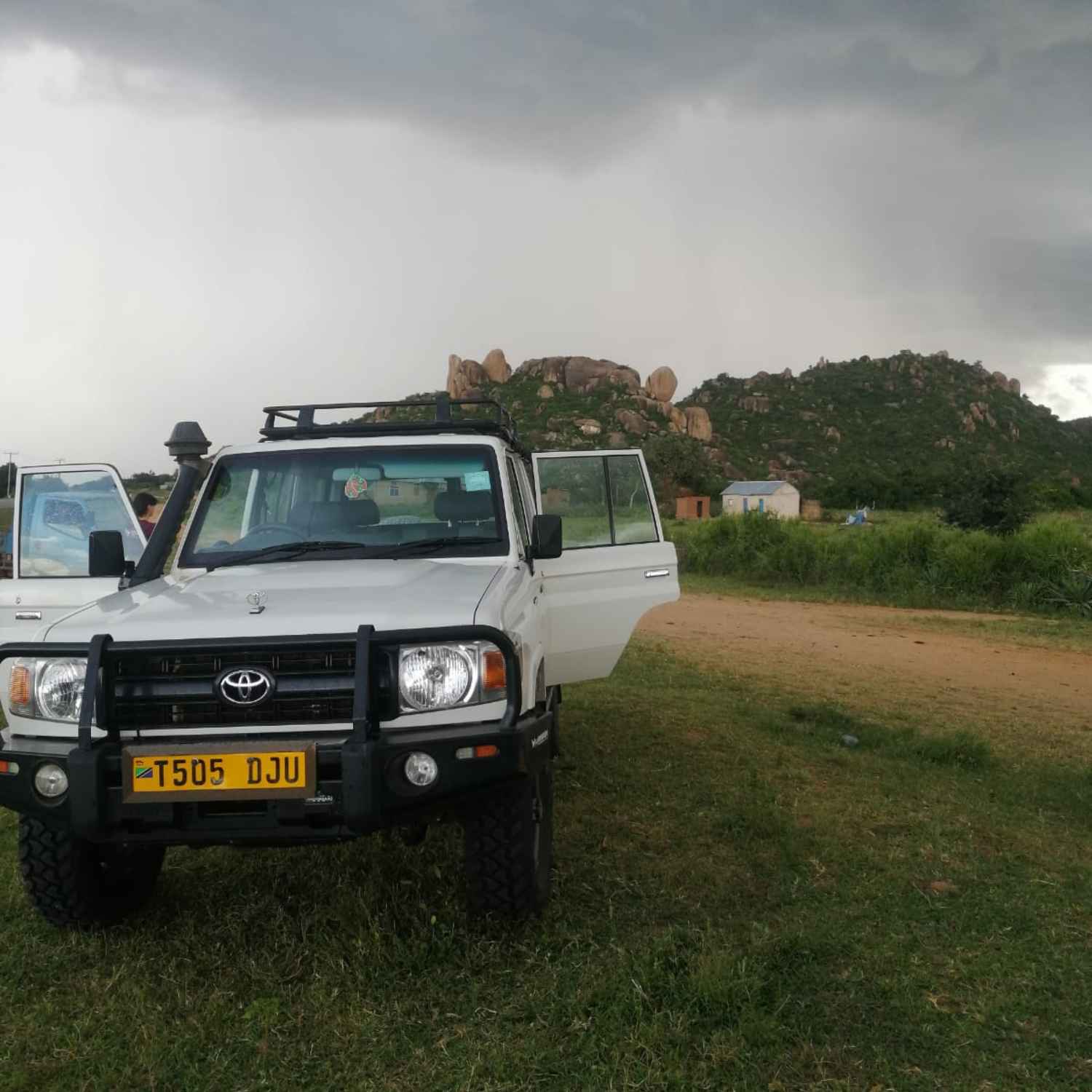
To ensure an HIV-free future, continued investment in community-based healthcare and operational research is essential. Supporting this intervention means ensuring the availability of testing kits, funding mobile outreach activities in schools, and guaranteeing continuous training for healthcare workers in managing complex cases.