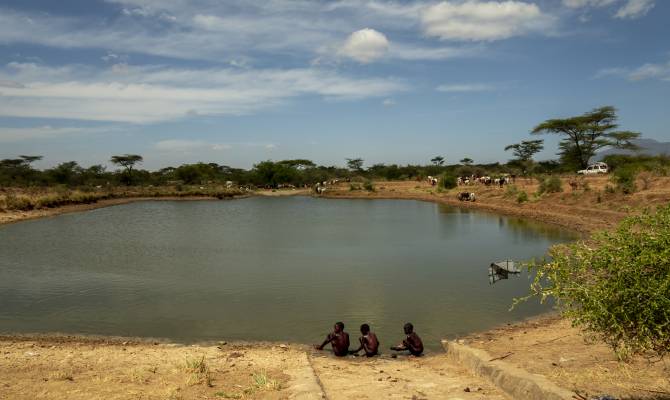
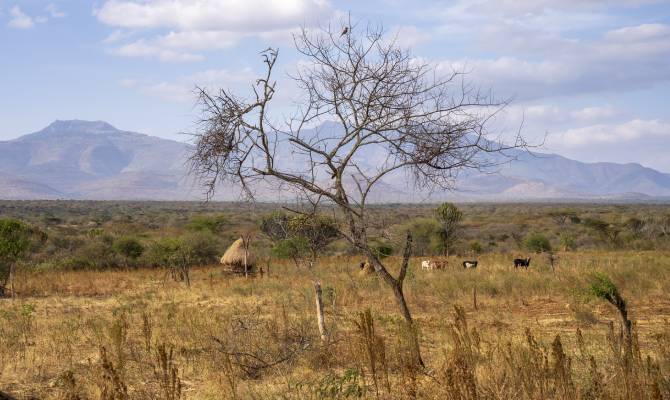
In Karamoja region, northern Uganda, CUAMM is working to reduce the incidence of human and animal communicable diseases through All in One project funded by Agenzia Italiana per la Cooperazione allo Sviluppo and implemented with Africa Mission.
All in One is part of the fight against the Coronavirus pandemic, which has made even more evident the relationship that exists between human, animal, and environmental health. The objective of the project is to intervene in a context such as Karamoja, at high endemic risk of communicable diseases both human and animal, to reduce the incidence of such diseases, adopting a health model based on the integration of different disciplines that is inspired by the concept of One Health. The initiative at a global level is aligned with SDG 3, and in particular with target 3.3, and contributes to the implementation at the district level of the One Health National Strategic Plan of the Ugandan government.
The intervention is being implemented in particular in the districts of Napak and Moroto, in a context with a high endemic risk of both human and animal communicable diseases, with the aim of reducing the incidence of these diseases and building more resilient social and health systems, strengthening their preparedness and capacity to respond to diseases.
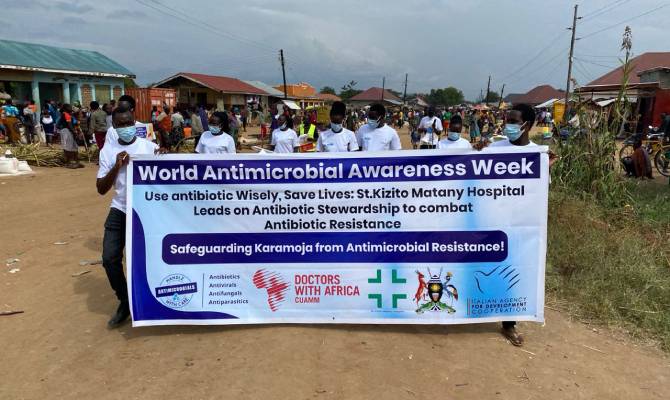
The sensitization activity is being supported by awareness raising activities and radio spot reaching a wide range of population. “Safeguarding Karamoja from Antimicrobial Resistance! Use antibiotic Wisely, Save Lives: St.Kizito Matany Hospital Leads on Antibiotic Stewardship to combat Antibiotic Resistance” is the slogan chose by CUAMM on occasion of the Global Antimicrobial Resistance Awareness Week
All in One acts on three levels namely community, health and livestock to create an integrated system of prevention, monitoring, and control of diseases with epidemic potential, through:
1) the prevention of infections through the improvement of hygiene conditions and practices at the community level. The intervention aims to rehabilitate 70 wells and building 210 pit latrines, promoting the conscious use of safe water sources and improved latrines, and combating the widespread practice of open defecation, which is the main cause of infectious diseases among the community.
2) the improvement of infection and control practices and epidemiological surveillance at the health care level intervening in 16 peripheral health centers and strengthening two hospitals’ laboratories also by supporting the animal infectious disease surveillance system and animal welfare through trainings to veterinary and para-veterinary staff in addition to livestock vaccination.
A Global “One Health” Approach
Antimicrobial resistance (AMR) is a challenge that transcends medicine, connecting human, environmental, and animal health within the One Health framework. Addressing this crisis requires integrated actions, including research, training, prevention, and policy development, to mitigate the impact of a growing threat to public health worldwide.
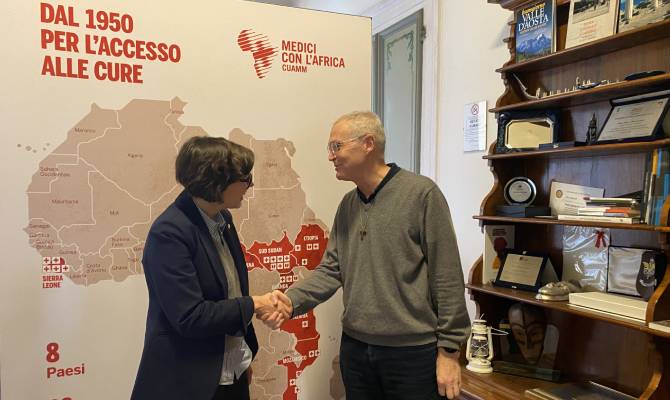
On Tuesday, Novemebr 19 the U.S. Embassy to the Holy See delegation, represented by Laura Hochla – Chargé d’Affaires together with Alyce Ahn – Political-Economic Officer and Chiara Di Mizio – Public Engagement Specialist has been welcomed to CUAMM headquarter in Padua.
«It is a privilege to visit the headquarters of CUAMM, our long-time partners. We are honored to support the substantive and impactful work of your team. CUAMM’s efforts to improve the health of vulnerable communities in Africa and in many other countries facing challenges is an inspiration. Thank you for all you do” said Laura Hochla during the meeting.
The visit was an occasion for the delegation to meet CUAMM Country Representatives and better know our commitment in 9 countries in sub-Saharan Africa as well as our interventions in Italy and Eastern Europe.
«Since several years, CUAMM relationship with the US Embassy to the Holy See has played a key role for our activities both in Africa and in Italy. We are grateful for the funds received which allows us to keep working for the most vulnerable groups, not only in Africa but also here in Italy» said Don Dante Carraro – CUAMM Director General mentioning the collaboration between CUAMM and the Immigration Office at Padua Police Headquarters.
Laura Hochla – Chargé d’Affaires at US Embassy to the Holy See and Don Dante Carraro – CUAMM Director General
CUAMM has been working in collaboration with the Padua Police Headquarters since March 2022 to support the Office in managing and running hundreds of requests resulting from the Ukrainian crisis. Today, thanks to the fund received from the US Embassy to the Holy See, the collaboration continues. Speaking of CUAMM’s commitment in Italy, another health intervention mentioned during the meeting was the one in Apulia region where CUAMM works to provide health services to refugee and migrant communities in the province of Foggia. An intervention that has also benefited from the support of the US Bureau of Population, Refugees, and Migration (PRM) through the Julia Taft grant.
Being CUAMM’s main mission, the meeting gave ample room to various topics related to the work in Africa. The discussion ranged from CUAMM long-term commitment in favor of maternal and newborn health, to the latest efforts in supporting faith-based organizations across 25 Africa countries, to the main challenges in the poorest countries namely South Sudan and Central African Republic, to the lessons learned from the over 66-years-long presence in Uganda, the discourse also delved into localization as a new paradigm in humanitarian aid and international cooperation.
«As CUAMM we strengthen local capacities to deliver high-quality healthcare services. We work in partnership with MoHs, healthcare providers, and civil society partners and provide technical assistance and capacity building, as well as other resources they may need to institutionalize and sustain evidence-based approaches and best practices with proven life-saving impact. We regularly work with facilitators from MoHs when delivering trainings so as to ensure adherence to national guidelines and standards» stated Andrea Atzori – Head of International Relations at CUAMM concluding the meeting.
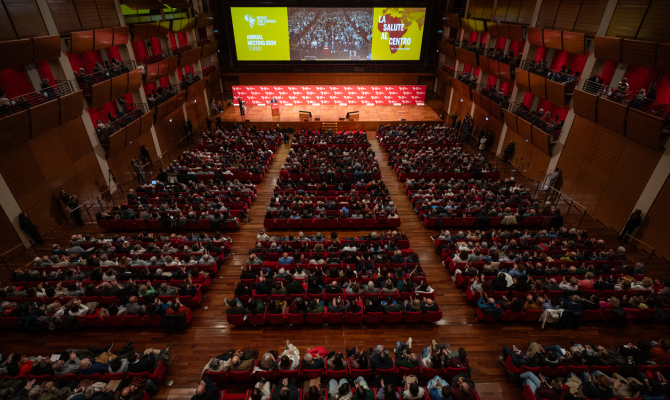
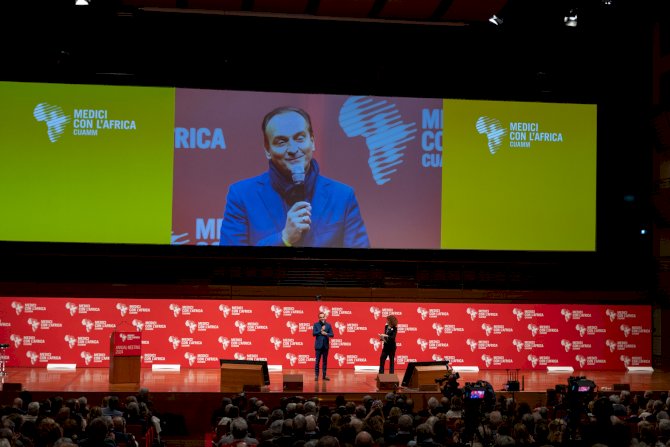
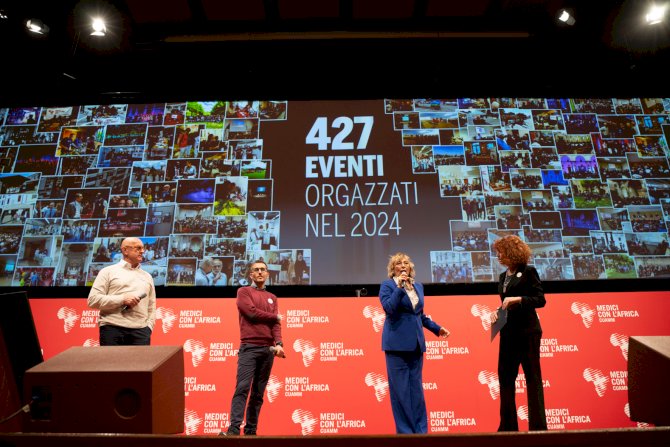
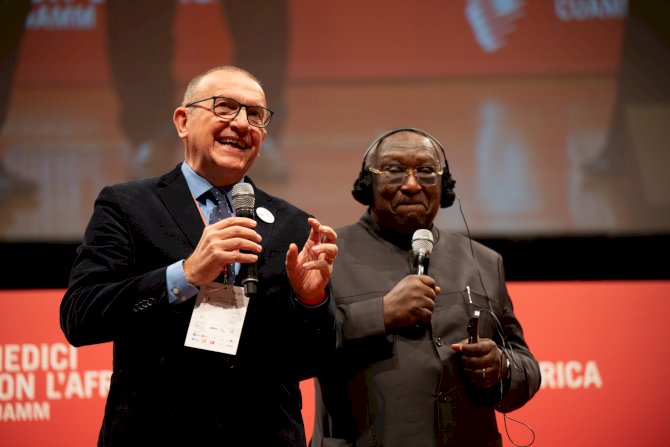
Over 1,800 people from across Italy gathered in the Giovanni Agnelli Auditorium at Lingotto in Turin for the Annual Meeting of Doctors with Africa CUAMM. “Health First. For Everyone’s Future” was the theme of this event, now in its 14th edition.
Neri Marcorè, Author and actor
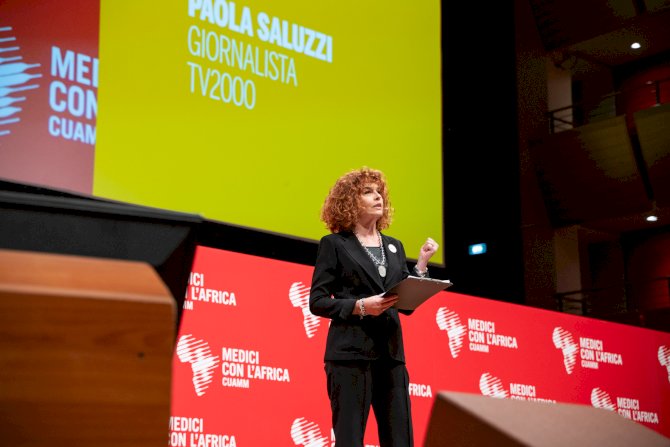
After an intense monologue by Neri Marcorè, who performed Giorgio Gaber’s “La Paura” (Fear), the audience was guided by the graceful hosting of Paola Saluzzi on a captivating journey. This journey featured video testimonies from Africa and live voices on stage, creating an emotional crescendo of stories from the field.
Paola Saluzzi, Annual Meeting Host and Journalist at TV2000
Alberto Cirio, President of the Piedmont Region
Alberto Cirio, President of the Piedmont Region: «The first word I want to say is ‘Thank you.’ To Don Dante Carraro and everyone, for choosing Turin and Piedmont, a land of culture and values rooted in solidarity. Your presence here is meaningful».
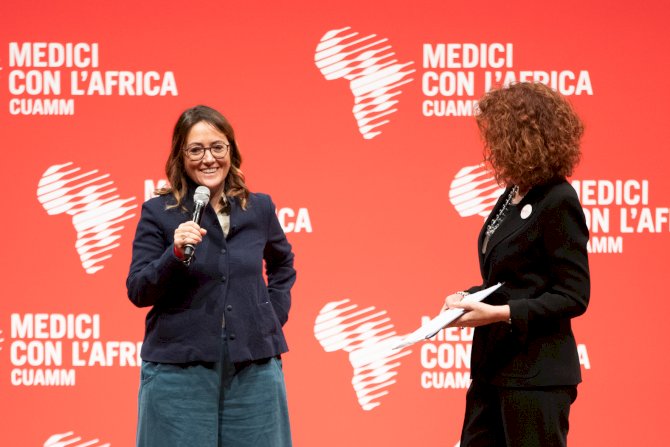
Michela Favaro, Deputy Mayor of Turin
Michela Favaro, Deputy Mayor of Turin: «I am glad to greet you all, on behalf of the city and the mayor. Turin has a long tradition of solidarity and continues with a strong international vocation. We are happy that so many doctors and health workers dedicate themselves to this bridge of hope for the world».
Alberto Mantovani, Scientific Director of Humanitas (on the right) and Guido Forni, Immunologist, Accademia dei Lincei
Alberto Mantovani, Scientific Director of Humanitas referring to the award presented to CUAMM by the Accademia dei Lincei in late June, said: «Serving this cause means working ‘with.’ The participation and enthusiasm for this award highlight CUAMM’s virtuous triangle of medicine: assistance, particularly for children and at-risk mothers, training young professionals, and operational research. This triangle brings extraordinary hope. We give something and return home with even more hope».
Guido Forni, Immunologist, Accademia dei Lincei: «Spurred by Alberto Mantovani, a group of immunologists wrote a book to demonstrate the importance of vaccines. The proceeds will go to CUAMM, and I am proud to be part of this beautiful initiative».
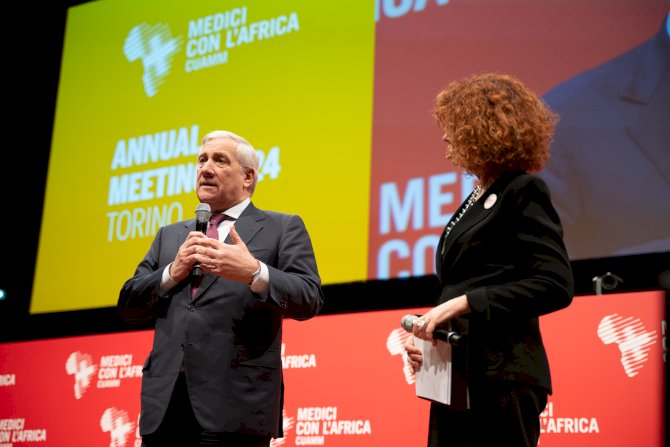
Antonio Tajani, Deputy Prime Minister and Minister of Foreign Affairs and International Cooperation
Antonio Tajani, Deputy Prime Minister and Minister of Foreign Affairs and International Cooperation: «We must look at Africa through African lenses, valuing its richness without neocolonizing, providing meaningful responses. Thank you for being an operational reference point for Italian Cooperation. We must do more to prevent children from dying before age two or mothers losing their lives during childbirth. This is the foundation of the Mattei Plan, a ‘win-win’ strategy to foster friendship and investment in the continent».
Alberto Anfossi, Secretary General of the Compagnia di San Paolo Foundation (on the right) and Don Gabriele Pipinato, CEI
Alberto Anfossi, Secretary General of the Compagnia di San Paolo Foundation: «Italian banking foundations work locally, but we all feel the need to act on a national level as well. Cooperation leads us to select projects and partners that can truly make a difference».
Don Gabriele Pipinato, CEI: «Last Saturday, I celebrated a 25-year project started with CUAMM, which continues to this day. I recently visited Wolisso, where CUAMM is doing exceptional work as a driving force generating new energy».
Fabio Manenti, Head of Project Department and Chiara Maretti, midwife and Country Representative in South Sudan
The Meeting, as every year, was an opportunity to present data from the extensive program “Mothers and Children First”, explained by Fabio Manenti, Head of Project Department at CUAMM. In its third year, the program supported 101,132 assisted births across eight sub-Saharan African countries where CUAMM operates; 817,916 prenatal visits were conducted; 3,804 malnourished children were treated, and 340 local health managers were trained.
Chiara Maretti, midwife and Country Representative in South Sudan
Chiara Maretti, midwife and Country Representative in South Sudan, shared her field experience: «South Sudan is one of the poorest countries, yet it demonstrates incredible resilience. It’s an overused term, but if any population deserves it, it’s South Sudan. Since gaining independence in 2011, the country has faced unrelenting challenges, with extraordinarily high maternal mortality rates. At CUAMM, we support midwifery schools, and witnessing these young, future colleagues attending classes and preparing to help their country gives me joy amid the daily struggles».
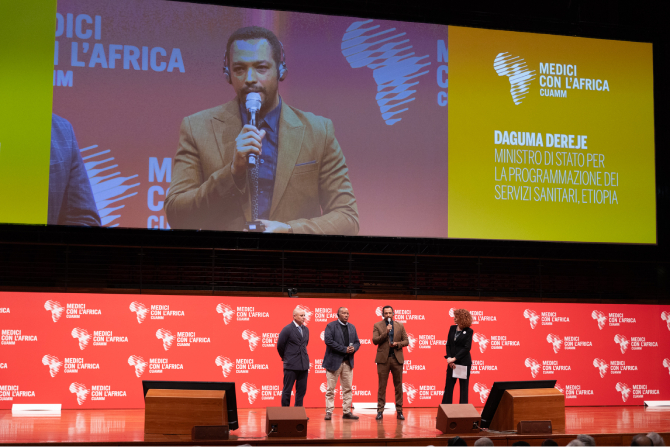
Daguma Dereje, Ethiopia’s Deputy Minister of Health, highlighted: «The Ethiopian government has been collaborating with CUAMM for many years in a true partnership. Our healthcare system faces three main challenges: maternal and child mortality exacerbated by poverty, lack of equipment and medicine, communicable and other diseases such as cancer, and a third set of challenges posed by malaria, cholera, and similar disases».
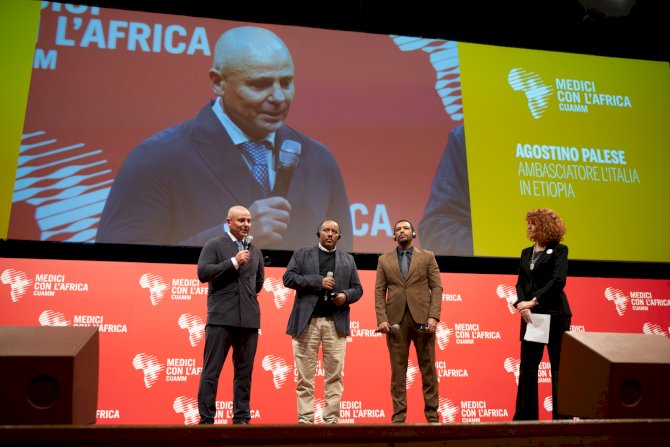
Daguma Dereje, Ethiopia’s Deputy Minister of Health (on the right); Getachew Reda, President of the Tigray region in Ethiopia (in the middle) and Agostino Palese, Italian Ambassador in Ethiopia (on the left)
Getachew Reda, President of the Tigray region in Ethiopia, remarked: «The past three years of war have devastated infrastructure and more. We don’t just need to rehabilitate hospitals, on the contrary we need to rebuild the entire system. Guns have gone silent, but thousands live in extreme vulnerability without any services. CUAMM supports us in this. Above all, what matters now is peace».
Agostino Palese, Italian Ambassador to Ethiopia
Agostino Palese, Italian Ambassador to Ethiopia, emphasized: «In the past year, we have invested in what seemed impossible. Our priorities are threefold: healthcare, education, and employment. It’s not about optimism or pessimism, but about working with commitment every day and believing in what we do. We are fostering a paradigm shift, moving from aid to development as a right».
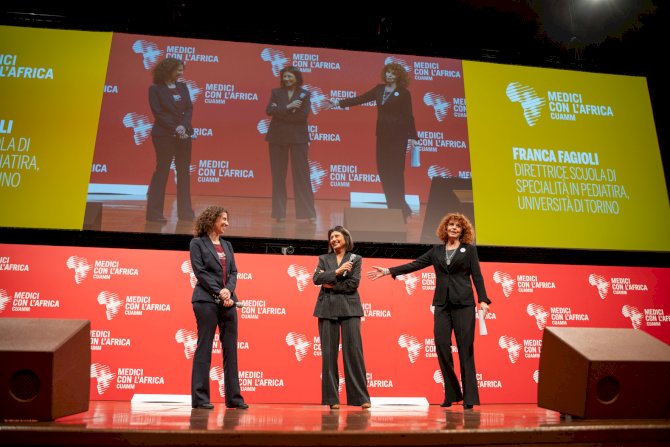
Franca Fagioli, Director of the Pediatrics Specialty School, University of Turin, said: «I believe the JPO program for residents is strategic even for our national territory. It is crucial for developing doctors capable of operating in global, multidisciplinary contexts. These doctors treat patients without or with minimal technology, adapt to diverse cultural settings, and become assets for both host country, themselves, and our national healthcare system».
Franca Fagioli, Director of the Pediatrics Specialty School, University of Turin (in the middle) and Elena Altieri, CUAMM Doctor (on the left)
Elena Altieri, CUAMM pediatrician shared: «Every day in my work in Italy, I draw from my experience as a resident in Tanzania and as a specialist in Mozambique. In Africa, I learned clinical practice by talking to patients, using my heart and hands. There, we learn to use our hands, minds, and a frugal approach to medicine effectively».
Journalist Diamante D’Alessio commented: «Thanks to Massimo Carraro of Morellato, I stumbled upon CUAMM, and from there, my commitment grew to give voice to the remarkable work of doctors on the ground».
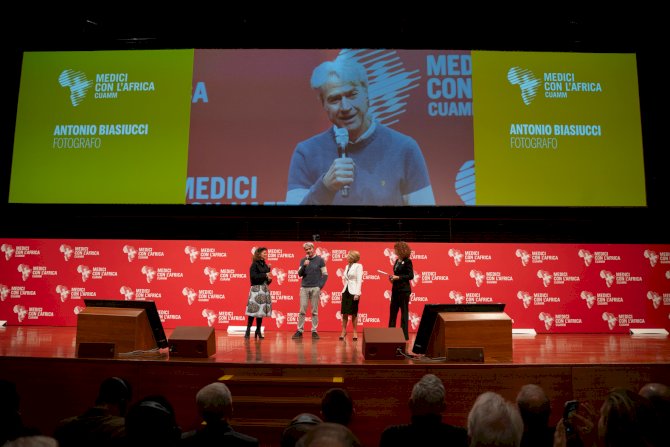
Antonio Biasiucci, photographer; Diamante D’Alessio, journalist (on the left) and Patrizia Sandretto Re Rebaudengo, President of the Sandretto Re Rebaudengo Foundation
Photographer Antonio Biasiucci reflected: «CUAMM’s mission is truly contagious. I often work with metaphors; I could have done this project without going to Uganda, but I felt involved and chose to visit a delivery room in Matany with CUAMM. It was incredibly challenging. Pointing a camera at a woman in labor, possibly delivering a stillborn child, is not easy. It’s an experience I’ll always remember».
Patrizia Sandretto Re Rebaudengo, President of the Sandretto Re Rebaudengo Foundation, shared: «Art and culture play a role in raising awareness and attention on critical causes like CUAMM’s. Art serves aesthetic, political, and social functions. It can align with significant causes to support and help raise funds. We’re launching a new project with CUAMM to send artists to Africa, who will sell their work to support CUAMM».
Giuseppe Ferro, President of CUAMM volunteering groups; Nicola Penzo, CUAMM Fundraising Department; Simona Sala, Director of Radio Rai 2
Simona Sala, Director of Radio Rai 2, proposed: «Good deeds rarely make the news. Talking about the positive is challenging. Today’s conflicts risk further overshadowing Africa. That’s why I’d like to propose an idea for us all to work on next year: 2025 marks the 40th anniversary of Bob Geldof’s Live Aid. Organizing a major concert to raise awareness on Africa would be magnificent».
Serge Boni, Professor of Gynecology and Obstetrics and Advisor to the Minister of Health, Ivory Coast, noted: «Ivory Coast is fortunate to have a good neonatal and maternal health system, but significant challenges remain in many regions. The maternal mortality rate is far from Europe’s. Our country aspires to reduce this rate because the greatest injustice is a woman dying while giving life. We are grateful for CUAMM’s support».
Ehouman Serge Boni, Professor of Gynecology and Obstetrics and Advisor to the Minister of Health, Ivory Coast (on the right) and Giovanni Putoto, CUAMM Head of program and operational research
Giovanni Putoto, CUAMM Head of program and operational research revealed: «CUAMM is launching a new project at the Abobo hospital in Abidjan. Together with the University of Padua, we will double maternity support, establish a neonatal unit, and ensure essential services like a blood bank. This critical endeavor will focus on research and study».
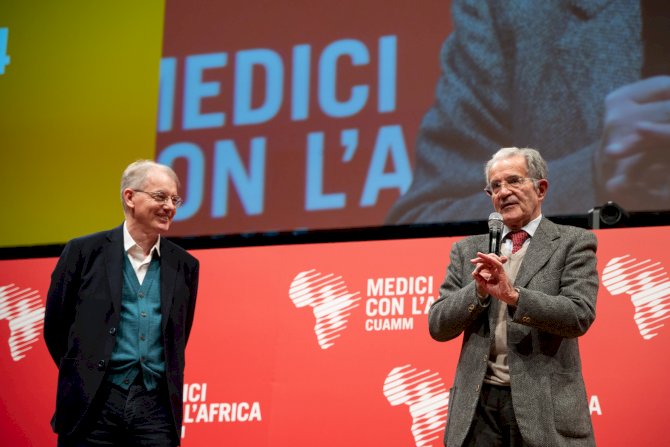
Andrea Malaguti, Editor-in-Chief of La Stampa, interviewed Romano Prodi about Africa and the Mattei Plan, asking if this intervention is enough and where Europe falls short. Romano Prodi, President of the Foundation for Worldwide Cooperation, responded: «The Mattei Plan won’t be sufficient. Africa is immeasurably larger than Italy and Europe. While Europe is the continent’s largest donor, it wields no influence, which is a major issue. In contrast, China has diplomatic ties with 54 of Africa’s 55 countries and operates systemically. Europe provides fragmented, short-term aid. CUAMM’s distinguishing strength is its decades-long, continuous presence».
Andrea Malaguti, Editor-in-Chief of La Stampa and Romano Prodi, President of the Foundation for Worldwide Cooperation
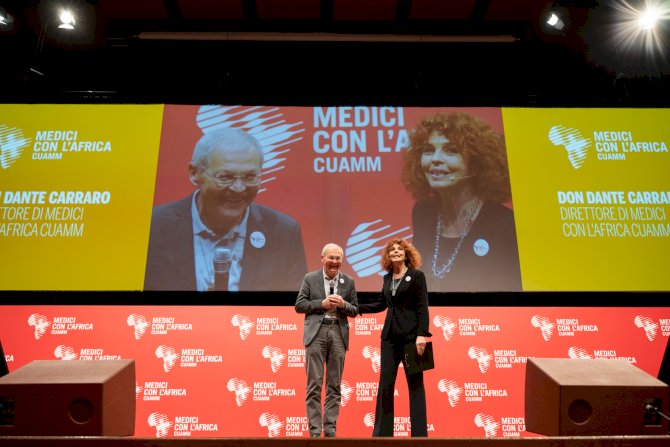
Don Dante Carraro, CUAMM Director, closed the event with a call to support a new training center in Bossangoa, Central African Republic: «At the request of the local Ministry of Health, we aim to establish this center in one of the poorest areas, building on our successful maternity project there. The cost is 1 million, but we are confident we can achieve this with everyone’s help».
Don Dante Carraro, CUAMM Director General
The Annual Meeting will be aired on TV2000, Channel 28, on Saturday, November 23, at 4:00 PM.
The ANNUAL MEETING is under the patronage of: Regione Piemonte, Municipality of Turin, University of Turin, the National Federation of the Orders of Physicians and Dentists, and the National Federation of Midwifery Orders.
In collaboration with: Intesa Sanpaolo, Gilead.
Technical sponsors: Lavazza, Fondazione Sandretto Re Rebaudengo, Coldiretti Piemonte. Cuamm is a member of Link 2007.
Media partners: Rai Radio 1, Rai Radio 2, Gruppo 24 Ore, Tv2000, Radio InBlu, Avvenire, La Stampa, Radio Vaticana, Vatican News, L’Osservatore Romano, Africa Rivista.
PRIMA LE MAMME E I BAMBINI is a program in collaboration with Fondazione Cariparo, Fondazione Cariverona, Fondazione Cariplo, Compagnia di San Paolo, Fondazione Cassa di Risparmio di Lucca.
Thanks to: Fondazione Cassa di Risparmio di Bologna, Fondazione del Monte di Bologna e Ravenna, Fondazione CR Firenze, Fondazione Cassa dei Risparmi di Forlì, Fondazione Friuli, Fondazione di Sardegna, Fondazione con il Sud, Fondazione CRT.
About 422 million people worldwide have diabetes, the majority living in low-and middle-income countries, and 1.5 million deaths are directly attributed to diabetes each year. The Africa region, is expected to experience the highest increase in diabetes globally with the number of people suffering from the disease predicted to rise to 55 million by 2045.
Diagnosis, together with cost and access to treatment remain the main challenges for people living with diabetes in sub-Saharan Africa.
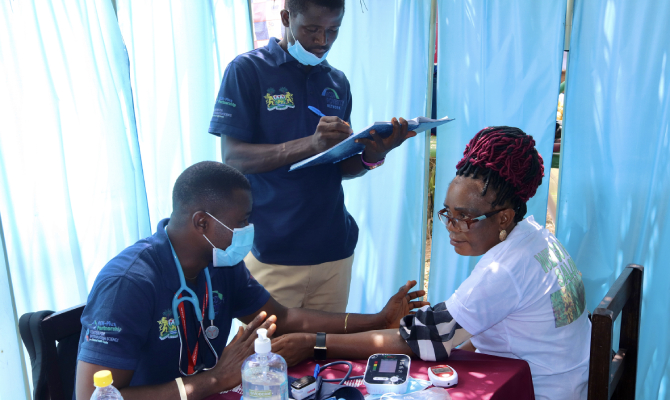
«People living with diabetes often ignore their status until serious complications arise. That’s because diabetes, as other non communicable diseases, can be silent therefore go unnoticed. – said Katunzi Muazema CUAMM specialized nurse in Tanzania. In recent years, however, an increasing number of people with chronic diseases have sought healthcare services because they know what NCDs are and can recognize their signs and symptoms. This is the result of our work that integrates activities at community level and provision of health services».
While noncommunicable diseases such as diabetes remain largely underfunded, in Tanzania, Sierra Leone and Mozambique CUAMM continues to be committed to ensuring that all people who are diagnosed with diabetes have access to equitable, comprehensive, affordable and quality treatment and care.
TANZANIA
In Tanzania NCDs including diabetes are responsible for 34% of all annual deaths, as reported by the World Health Organization (WHO). The increasing burden of NCDs in the Country is compounded by limited access to healthcare, inadequate health education, and insufficient prevention strategies, especially in rural and underserved communities. Understanding the knowledge, attitudes, and practices (KAP) of the population regarding NCDs is essential for developing targeted interventions and policies to combat this public health crisis. In this context, Doctors with Africa CUAMM is advancing its project “KNOW TO CURE: Fighting NCDs through Continuous Training of Personnel in Tanzania”. One of the main aims is to strengthen peripheral health facilities in the rural areas of the Iringa District Council.
The activities encompass: monthly clinical activities and on the job training in 9 health centres (HCs) in Iringa district; data collection and monitoring outcomes and follow-up at HCs level; annual training for health-care personnel of Iringa district; building training and supervision a network of peer supporters; drugs availability record to know the needs ofthe HCs and to correctly plan orders; kap survey to understand the needs and knowledge of rural population outside the HCs.
In Iringa District and at the Tosamaganga Hospital CUAMM’s work on NCDs proceeded in 2023, with the hospital acting as the district’s referral facility for the diagnosis and care of chronic patients and peripheral facilities supporting treatment and follow-up. In 2023 alone, we have performed 1.873 visits for diabetes and 79 hospitalization, plus 4.298 visits for hypertension.
SIERRA LEONE
The burden of non-communicable diseases (NCDs) in Sierra Leone has grown significantly in recent years. The MoHS recently adopted an “NCDs Strategic Plan 2020-2024”, which also reports NCDs contributing to 41% of mortality in the Country, corresponding to an estimated 29,700 related deaths every year. There are many reasons why the rate of NCDs is so high in the Country. Among others, a widespread lack of awareness among patients, regarding diseases and risk factors – particularly diabetes; a severe shortage of medicines, along with only 11% of public health facilities providing diabetes services and health inequities, with services available more in urban (34%) than in rural facilities (7%). Additionally, the country suffers from high rates of chronic childhood malnutrition (as well as pockets of severe malnutrition), which has been found to contribute to the development of NCDs in adulthood (Lancet Maternal and Child Nutrition Series, 2013).
In Pujehun district, we opened the PEN-Plus clinic for chronic non-communicable diseases a year ago. The opening, funded by the Brigham and Women’s Hospital and the NCDI Poverty Network, was the result of the collaboration with the Ministry of Health and Sanitation of Sierra Leone. The clinic provides diagnosis and treatment of patients mainly suffering from common chronic diseases, such as hypertension and type 2 diabetes, but also type 1 diabetes mellitus, sickle cell anaemia, asthma, chronic liver disease and epilepsy. Over the past year alone, we have performed 513 visits for diabetes and 1.143 for hypertension.
PEN-Plus is an integrated care delivery strategy focused on increasing accessibility and quality of services for type 1 diabetes (T1D), rheumatic heart disease (RHD), sickle cell disease (DCD) and other severe NCDs affecting poor rural and peri-urban communities in LMICs. PEN-Plus entails decentralizing lifesaving care services for severe NCDs (that are usually available only in referral hospitals) to first level rural hospitals, and equipping available mid-level providers – such as nurses, clinical officers and health officers – with the skills needed to provide integrated chronic care services including diagnosis, symptom management, and referral for surgical and other speciality care when needed. The PEN Plus strategy builds on the cost-effective WHO’s package of essential NCD interventions (PEN) for primary health care in low resource settings.
In addition, a intervention funded by World Diabetes Foundation (WDF) is being implemented by CUAMM in the districts of Pujehun and western area. Over the last 6 months, several activities have been conducted to strengthen early screening, referral and community education on diabetes and hypertension namely outreach screening with the active participation of the community members, including women’s leaders and education and sensitization through both dissemination of IEC materials and radio talks. As of the end of July 2024, such activity reached over 6.000 people during outreach screening, health facility visits and training of healthcare workers.
MOZAMBIQUE
In Mozambique, CUAMM continues to bolster its efforts to combat diabetes and non-communicable chronic diseases. In 2023, through the intervention funded by World Diabetes Foundation, we worked on diagnosing and treating type 1 diabetes in 5 hospitals located in the provinces of Sofala and Zambezia. As a result, an overall number of 344 visits for diabetes and 110 hospitalizations were performed.
This year CUAMM’s commitment to responding to NCDs including type 1 and type 2 diabetes, has expanded to the provinces of Maputo, Tete and Cabo Delgado therefore ensuring provision of care in 58 health facilities in 5 provinces thanks to the support of multiple partners, namely World Diabetes Foundation, AICS, PEN-Plus and Mass General Brigham and Women’s Hospital. According to the WHO Country Profile 2018, Mozambique reported 69,100 deaths due to non-communicable diseases (NCDs), an estimated 27% of all deaths in a population of 28,829,000 inhabitants. Mozambique has the highest proportion of undiagnosed diabetes (86.7%), followed by the United Republic of Tanzania (79.8%) and Tunisia (75.0%). Nationally, Mozambique’s prevalence is 2.4% among adults aged 20-79, and diabetes is responsible for the death of 9,485 individuals aged 20-59 and 635 children every year.
Every year more than 15 million people die prematurely from NCDs, with 85% of deaths occurring in low and middle- income countries (LMICs) (WHO, 2021). It has been estimated that chronic diseases will cause more deaths than communicable diseases by 2030, including in Africa. Additionally, chronic (especially co-morbid) patients are costlier to manage for health systems and suffer significant financial losses themselves due to inability to work for periods of time and costs they may incur to access and receive care. Accordingly, prevention and treatment of NCDs, including in LMICs, is comprised in the health-related targets of the Sustainable Development Goals (SDGs) Agenda.
Doctors with Africa CUAMM, under the project: “Multisectoral Internevtion to Improve Access to Health of Vulnrable Gruops in Hamer Woreda AID 12669” is launching the present simplified procedure to select an eligible supplier of Baby Kit
Doctors with Africa CUAMM, under the project: “Multisectoral Internevtion to Improve Access to Health of Vulnrable Gruops in Hamer Woreda AID 12669” is launching the present simplified procedure to select an eligible supplier of Hygiene materials.
Doctors with Africa CUAMM, under the project: “Promoting protection and access to health and nutrition services for internally displaced people and vulnerable communities in emergency situations – AID 07/12282/ETH” is launching the present simplified procedure to select an eligible supplier of Dignity Kit.
Doctors with Africa CUAMM, under the project: “Provision of basic health care services to South Sudanese Refugees in Ngunyyiel, Tierkidi, and Jewi refugee camps” PFA-ETH-12062-01194-3-00 is launching the present Flixable Simplified Procedure to select a supplier for the supply of Medical Equipment and Laboratory Reagents.
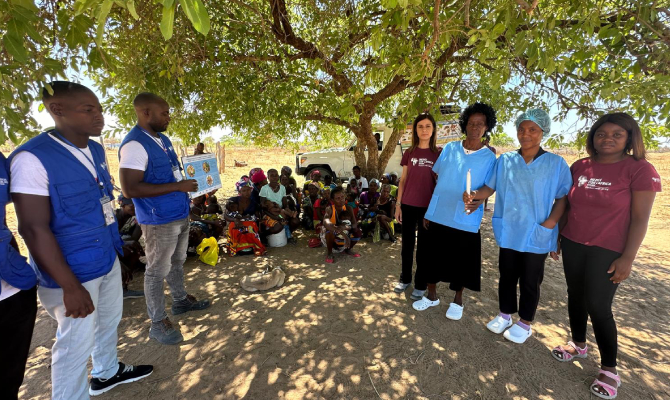
CUAMM “Enciende la llama” in Angola, Mozambique and Sierra Leone and participates in the global campaign Enciende tu compromiso launched by Manos Unidas.
Lighting a candle as a symbol of the promise of a better world, is the call of the Spanish NGO “an act to which society can actively join in and thus demonstrate its support for the countries of the South and the action that Manos Unidas supports in them”. Today, Doctors with Africa CUAMM is glad to shed a light on its commitment in Angola, Mozambique and Sierra Leone thus advocate with Manos Unidas for the commitment to building a more equal world.
Through the partnership with Manos Unidas, Doctors with Africa CUAMM has and still is promoting health development interventions in multiple countries in sub-Saharan Africa, namely Angola, Mozambique and Sierra Leone with field of interventions ranging from maternal and neonatal health to HIV response among youth and adolescents.
In Angola CUAMM and Manos Unidas join efforts in favor of women and newborns by providing integrated health and nutritional services in Chiulo Catholic Hospital. An intervention that will directly benefit 1.976 recipients while reaching an overall number of about 300.000 people in the drought affected province of Cunene.
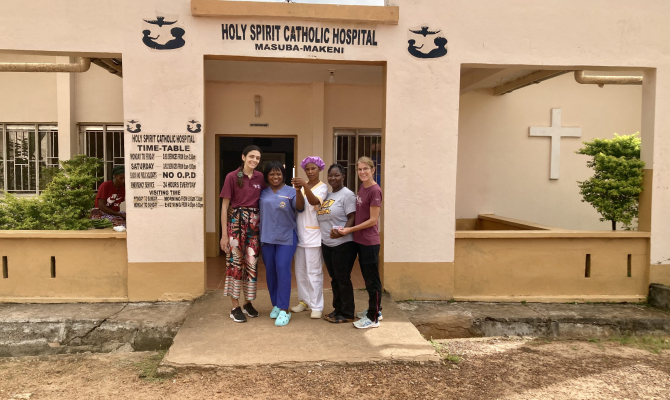
In Sierra Leone through “Improving quality care and diagnostic services for critical-ill mothers” CUAMM and Manos Unidas are working to reduce maternal mortality and morbidity in Bombali District where the Holy Spirit Hospital is located. By providing specialised training on HDU and supporting the hospital (HSH) with the provision of equipment for the establishment of an HDU as well as laboratory reagents to enhance diagnostic services, the intervention aims at reaching 6.010 recipients, mainly pregnant women.
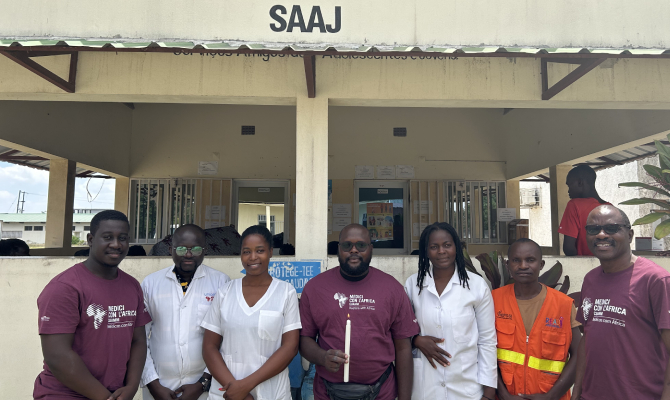
In Mozambique, youth and adolescents were the direct recipients of an intervention planned to improve access to HIV services in 9 SAAJs (Serviço Amigo do Adolescente e Jovem) in Beira city and Nhamatanda district. The intervention aimed to educate young people/adolescents (ages 10-24) about safe sexual behaviors, encourage (voluntary) HIV testing, improve access to and quality of HIV healthcare services for adolescents/youth, and ensure adherence to ART, particularly for pregnant and breastfeeding HIV-positive women.
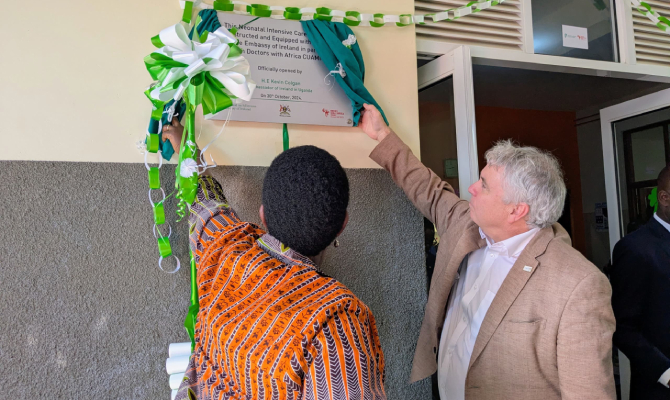
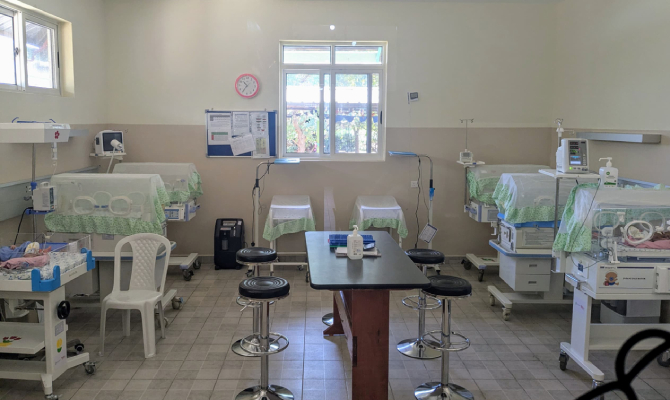
Yesterday, Doctors with Africa CUAMM, together with the Embassy of Ireland and the Ugandan Ministry of Health, inaugurated the new Neonatal Intensive Care Unit (NICU) at the St. KizitoHospitalin Matany in Karamoja, north-eastern Uganda.
Another important step for this region, which continues to be the poorest in the country and has the lowest socio-health indicators, and where access to health services remains a major challenge. Access to neonatal care is too: «in Karamoja there is an average of 550 perinatal deaths per year, of which 160 are neonatal deaths, many of them preventable. One of the main causes is the absence or poor functionality of neonatal units, often lacking in infrastructure or adequate equipment and qualified health personnel» reports Lilly Achayo, Cuamm project leader.
«There are still many newborn babies who lose their lives in Karamoja due to different causes and NICU is instrumental in saving them. I would first like to thank the health workers who work with commitment and dedication in such a complex context. I thank Doctors with Africa CUAMM and the Embassy of Ireland because this intervention will allow neonatal and paediatric cases to be managed differently, generating a positive impact on the entire region» added Diana Atwine, Permanent Secretary of the Ugandan Ministry of Health.
The construction of the NICU in Matany is in addition to the support that CUAMM provides, thanks to Irish Aid, to ensure the functionality of Neonatal Intensive Care Units in three other hospitals in the region – Moroto, Kaabong and Abim. It does this through the development of adequate infrastructure, capacity building of staff and the provision of necessary equipment.
«The new NICU represents a milestone in the 20 years of service of the Embassy of Ireland in Karamoja. We are proud and grateful for the valuable partnerships with CUAMM and the Ugandan Ministry of Health» said Irish Ambassador Kevin Colgan.
The action is part of a broader intervention to strengthen the region’s health system at all levels, to help improve access to and quality of maternal, newborn, child and adolescent reproductive health services (RMNCAH).
Activities focus on strengthening the capacity of district health management teams, in particular data analysis, planning and monitoring of services. Investment is then made in improving the clinical competence and skills of health workers in the management of RMNCAH services, with a focus on sexual and gender-based violence. Among the main objectives is the improvement of interventions aimed at adolescents, including the adoption of contraceptives and the prevention of teenage pregnancy. Finally, one component of the intervention concerns improving capacities for the collection, storage, distribution and use of safe blood and blood components.
This is a very wide-ranging intervention, which reiterates CUAMM’s commitment to the different levels of the health system and with a special focus on the care of newborn babies. Because taking care of the health of the youngest, is taking care of the health of the country.