IN THE FIELD
New Midwives in Lui, South Sudan
Africa, South Sudan
Training in Africa
South Sudan is the youngest country in Africa and also the poorest in the world, ranking 193rd on the Human Development Index. Its healthcare system relies almost entirely on external aid, which is currently declining sharply due to the global instability of recent years. Ongoing internal conflict, driven by tensions among different ethnic groups, makes the situation highly unstable, with extremely precarious and difficult living conditions—especially for mothers and children.
Doctors with Africa CUAMM began working in South Sudan in 2007 at Yirol Hospital. Since then, its presence has expanded to include 3 hospitals, 63 peripheral health facilities across 8 counties, and 2 training schools. One of these is located in Lui, in Mundri East County.
Linked to a 102-bed hospital serving a population of around 108,000 people and handling approximately 6,000 admissions and 700 deliveries per year, the Lui Health Sciences Institute has been operating since 2014 thanks to CUAMM’s commitment. It provides an essential service in a country where the shortage of healthcare professionals is a critical issue.
Doctors with Africa CUAMM began working in South Sudan in 2007 at Yirol Hospital. Since then, its presence has expanded to include 3 hospitals, 63 peripheral health facilities across 8 counties, and 2 training schools. One of these is located in Lui, in Mundri East County. Linked to a 102-bed hospital serving a population of around 108,000 people and handling approximately 6,000 admissions and 700 deliveries per year, the Lui Health Sciences Institute has been operating since 2014 thanks to CUAMM’s commitment. It provides an essential service in a country where the shortage of healthcare professionals is a critical issue.
-
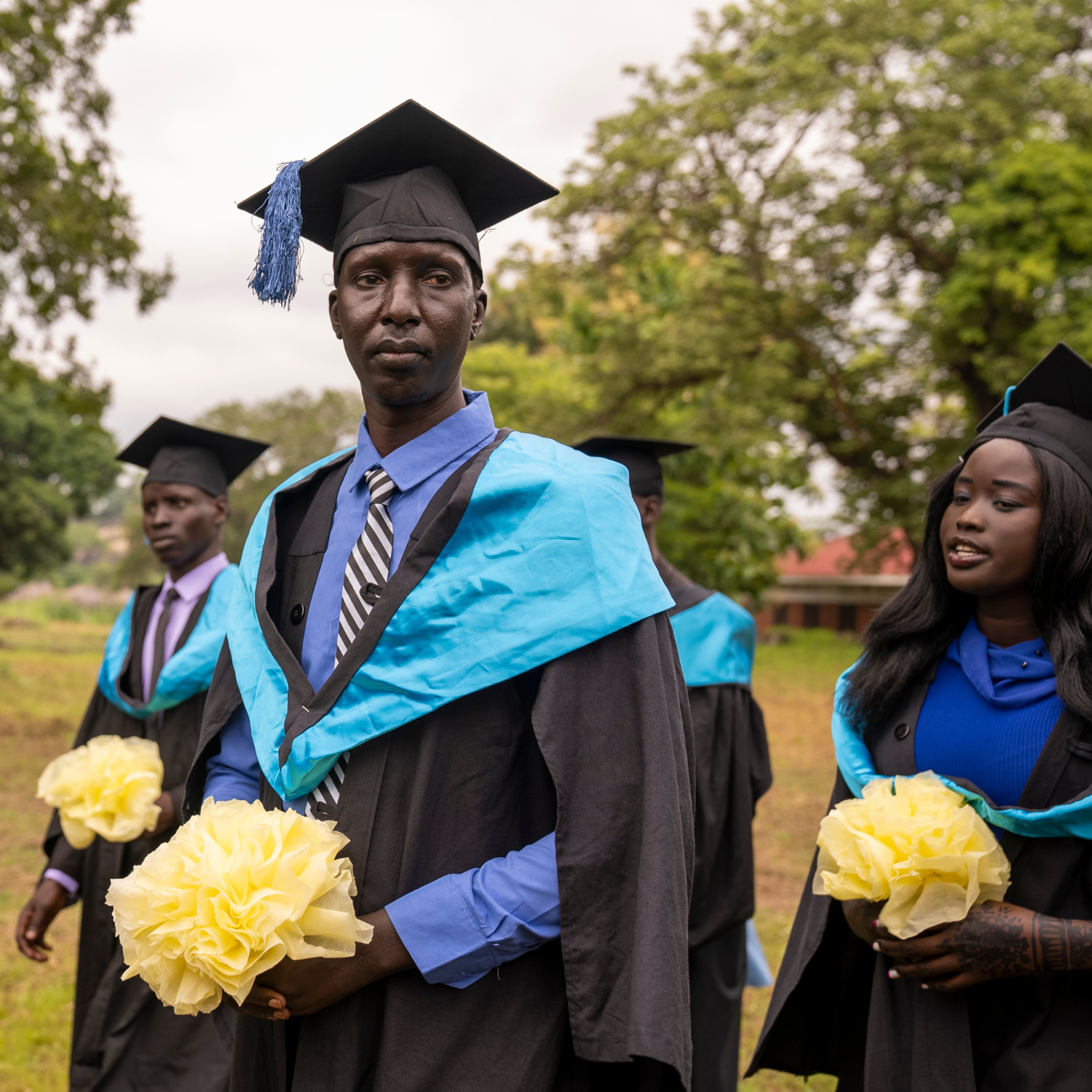
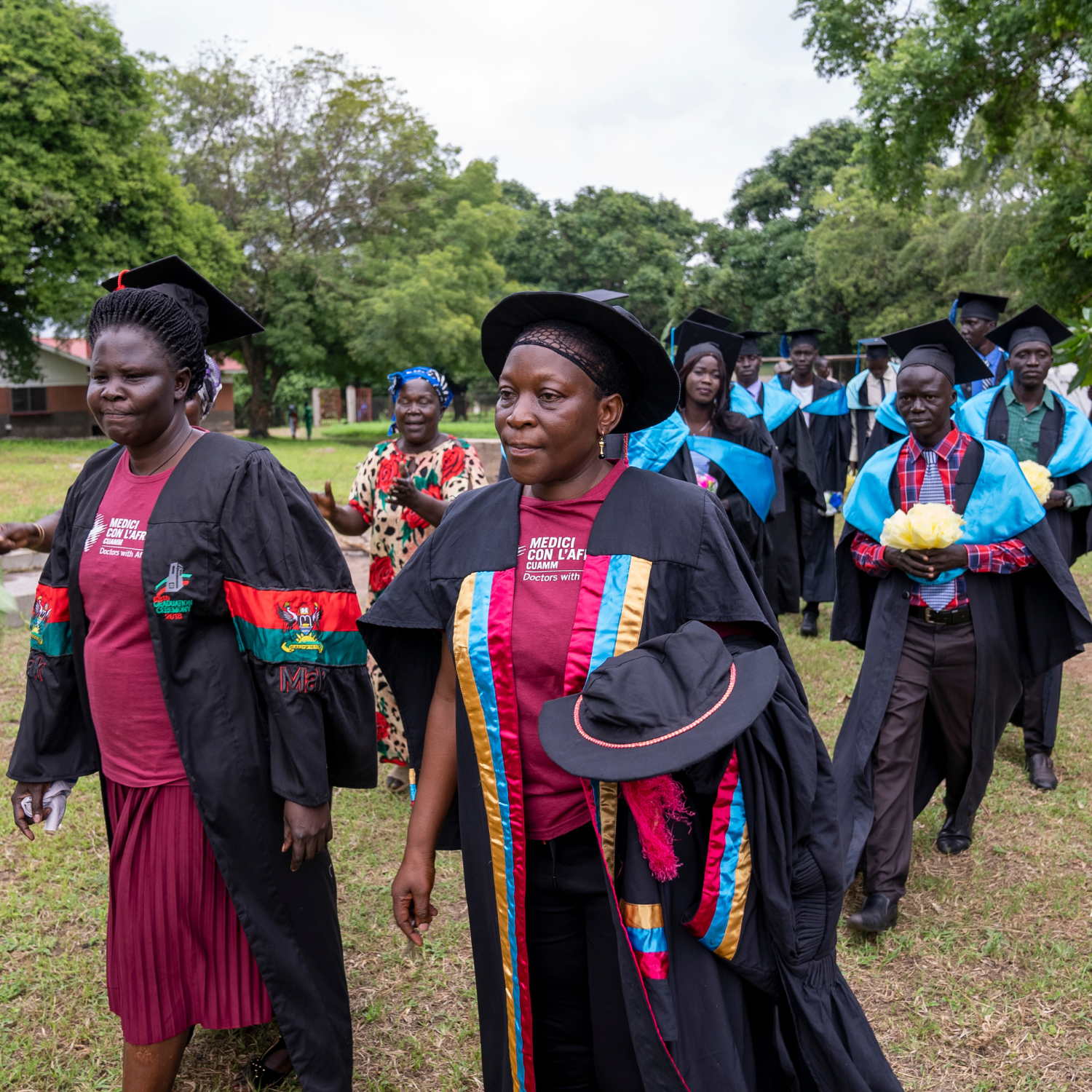
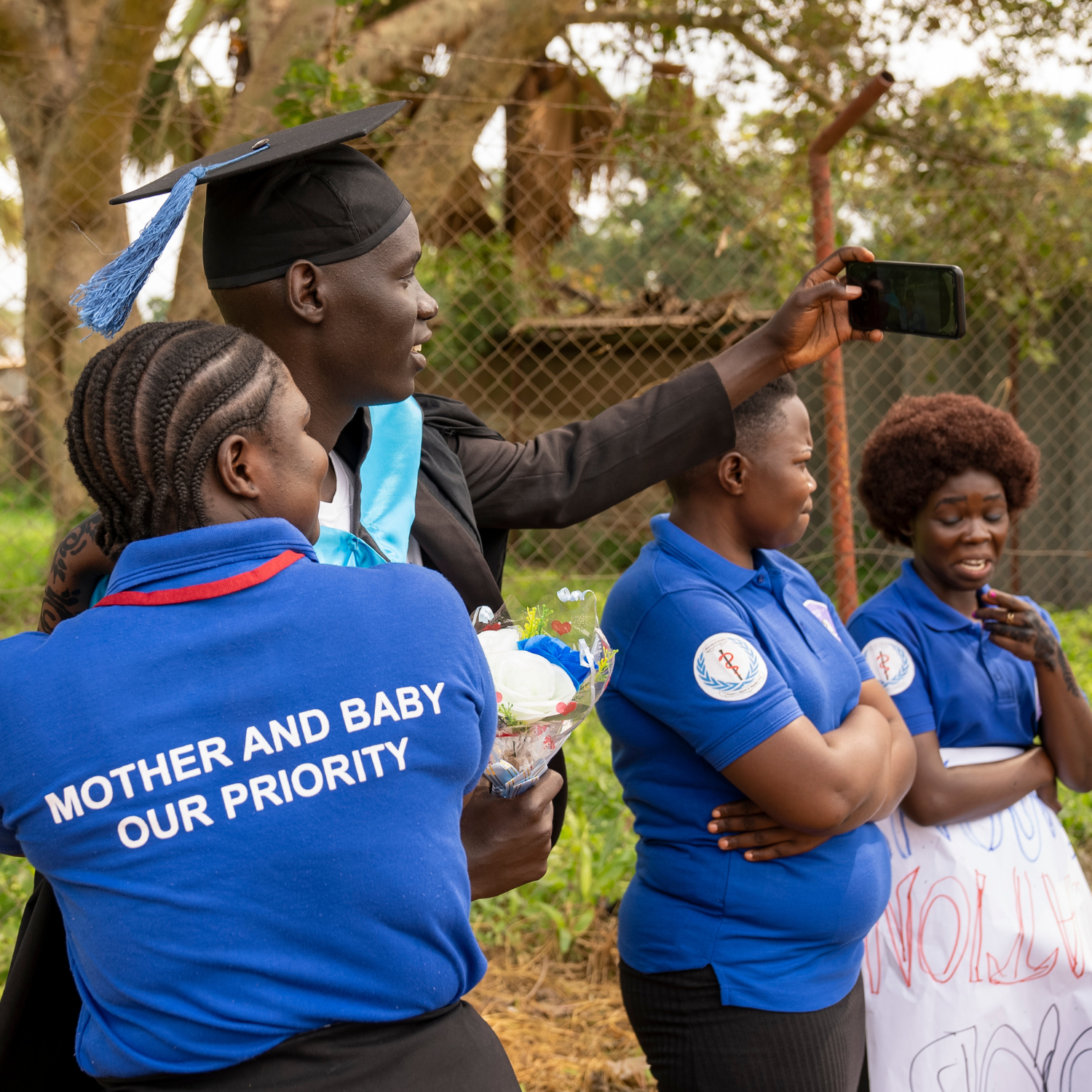
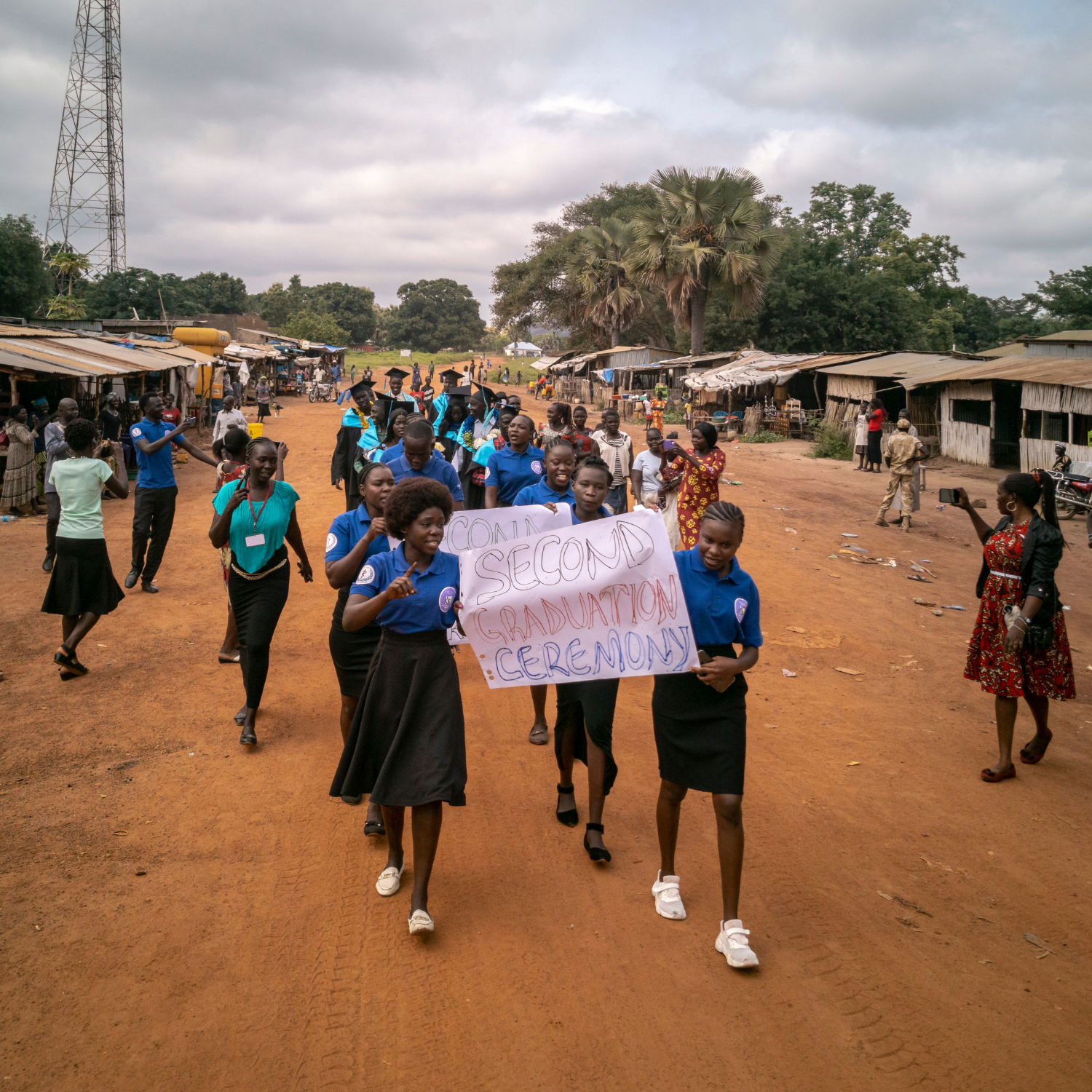
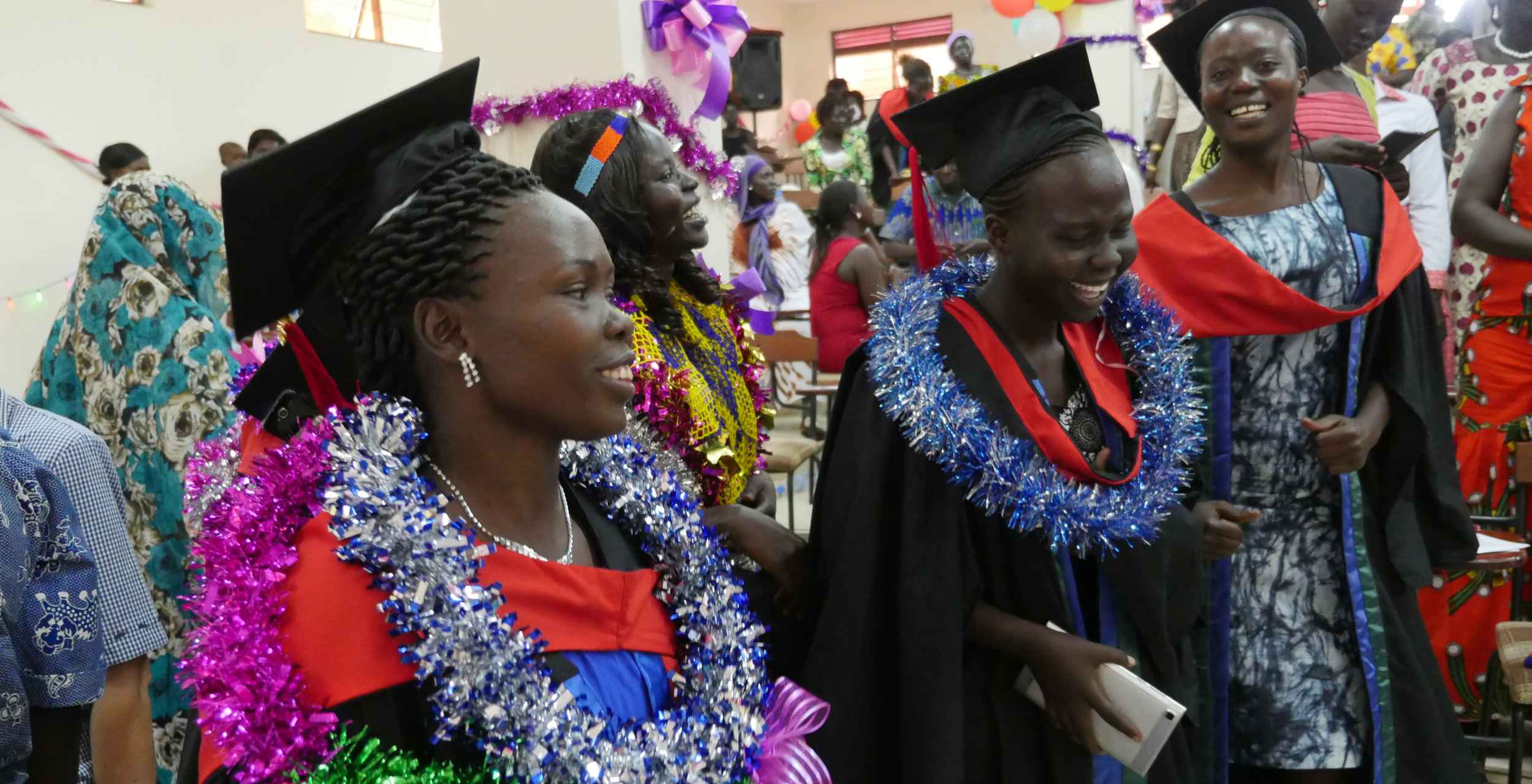
 The Lui school welcomes young South Sudanese from different ethnic groups. They learn to collaborate and train side by side, becoming healthcare professionals who can one day provide assistance to their own communities. Since 2014, 40 new midwives have been trained in Lui. In 2026, another 22 students will complete their studies.
The Lui Health Sciences Institute includes a lecture hall, a dining hall with kitchens, two dormitories, two staff houses, a sanitation area (latrines, showers, washing facilities), and a recreational area—providing a safe and supportive environment for studying far from conflict and instability. The training program lasts three years. Through CUAMM scholarships supported by many donors, we are able to cover tuition, accommodation, meals, learning materials, and all essential costs needed to train future midwives.