
IN THE FIELD
The intervention in Pujehun
Africa, Sierra Leone
For mothers and children
Nutrition
Sierra Leone’s healthcare system has been fragile and under pressure for decades. The sector remains severely underfunded: in 2025, only 8% of the national budget was allocated to health. The lack of public funding forces families to bear significant out-of-pocket healthcare expenses, especially for medicines, increasing the risk of impoverishment.
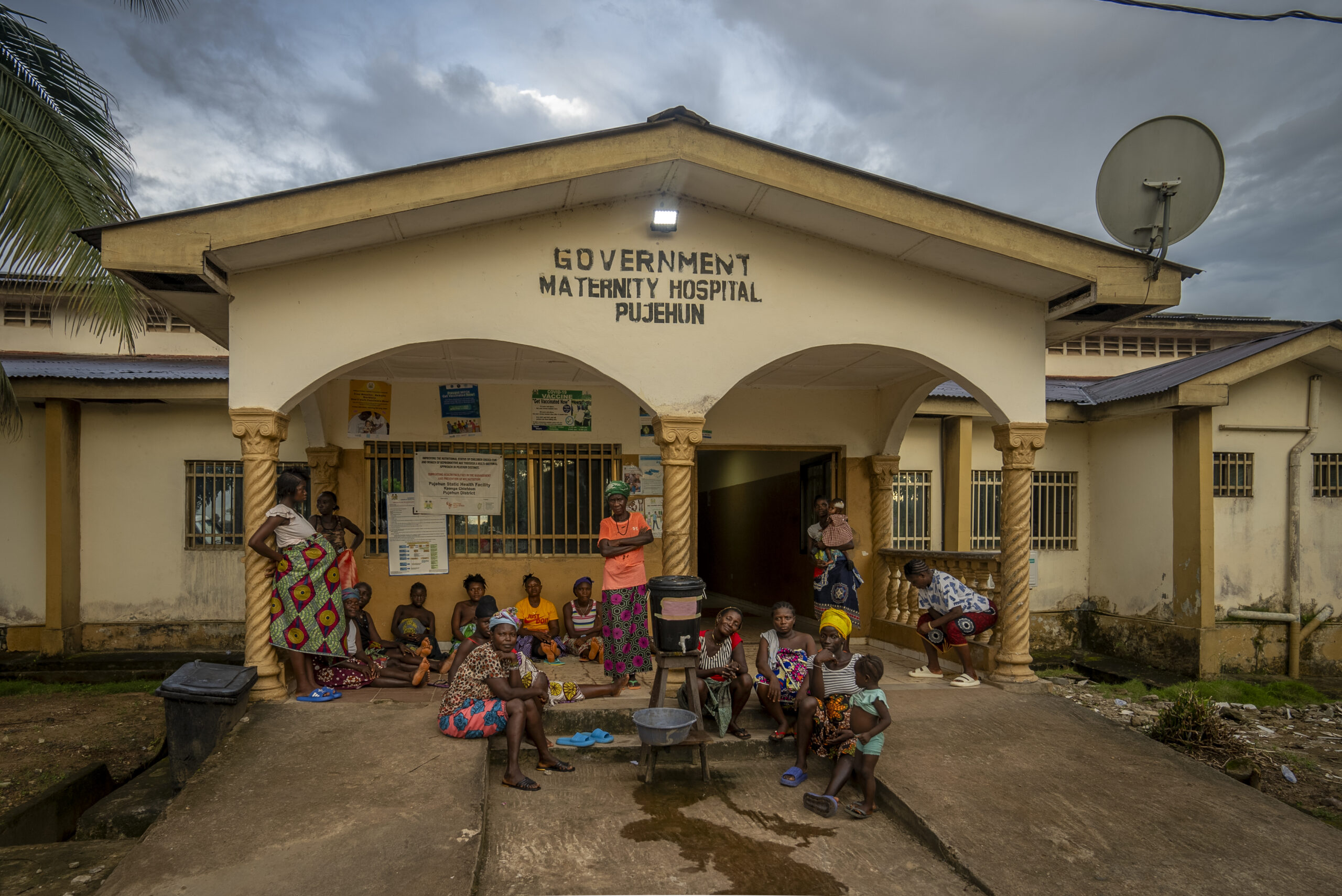
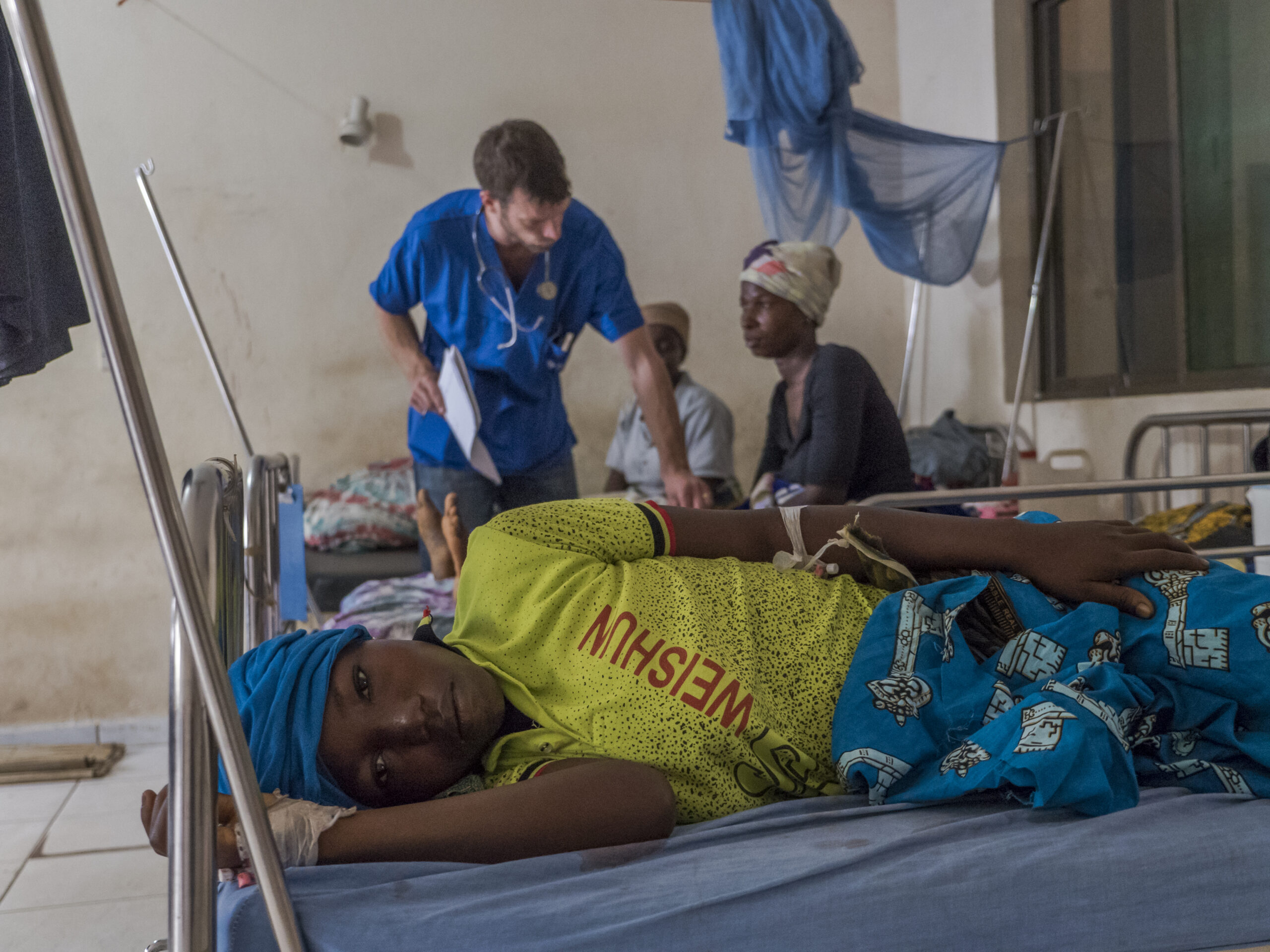
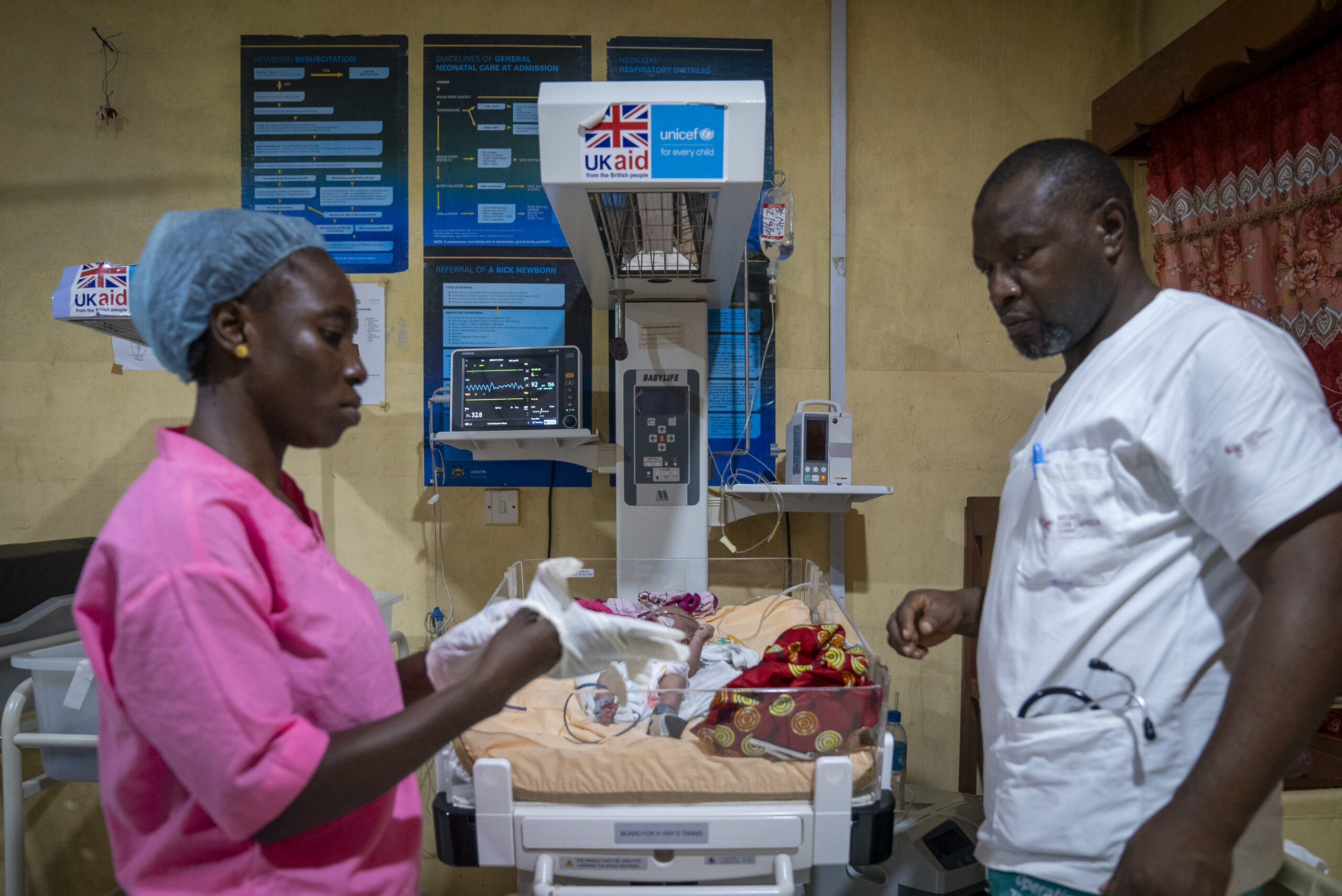
The district of Pujehun, with around 427,000 inhabitants, is one of the most remote and isolated areas of Sierra Leone and has some of the country’s poorest health and social indicators. In this context, the Pujehun Maternal and Child Hospital is the main referral point for secondary-level care, serving a catchment area that includes over 100 peripheral health facilities. As CUAMM, we have been present since 2012 and operate on multiple levels: we ensure the presence of skilled and qualified medical staff; we support referrals from peripheral facilities to the hospital through ambulances and motorbikes; we provide medicines, consumables, therapeutic food, and much more. Over the years, we have also carried out several renovations to ensure the hospital functions effectively.
In Pujehun, we work to make healthcare more accessible by strengthening the local health system.
-
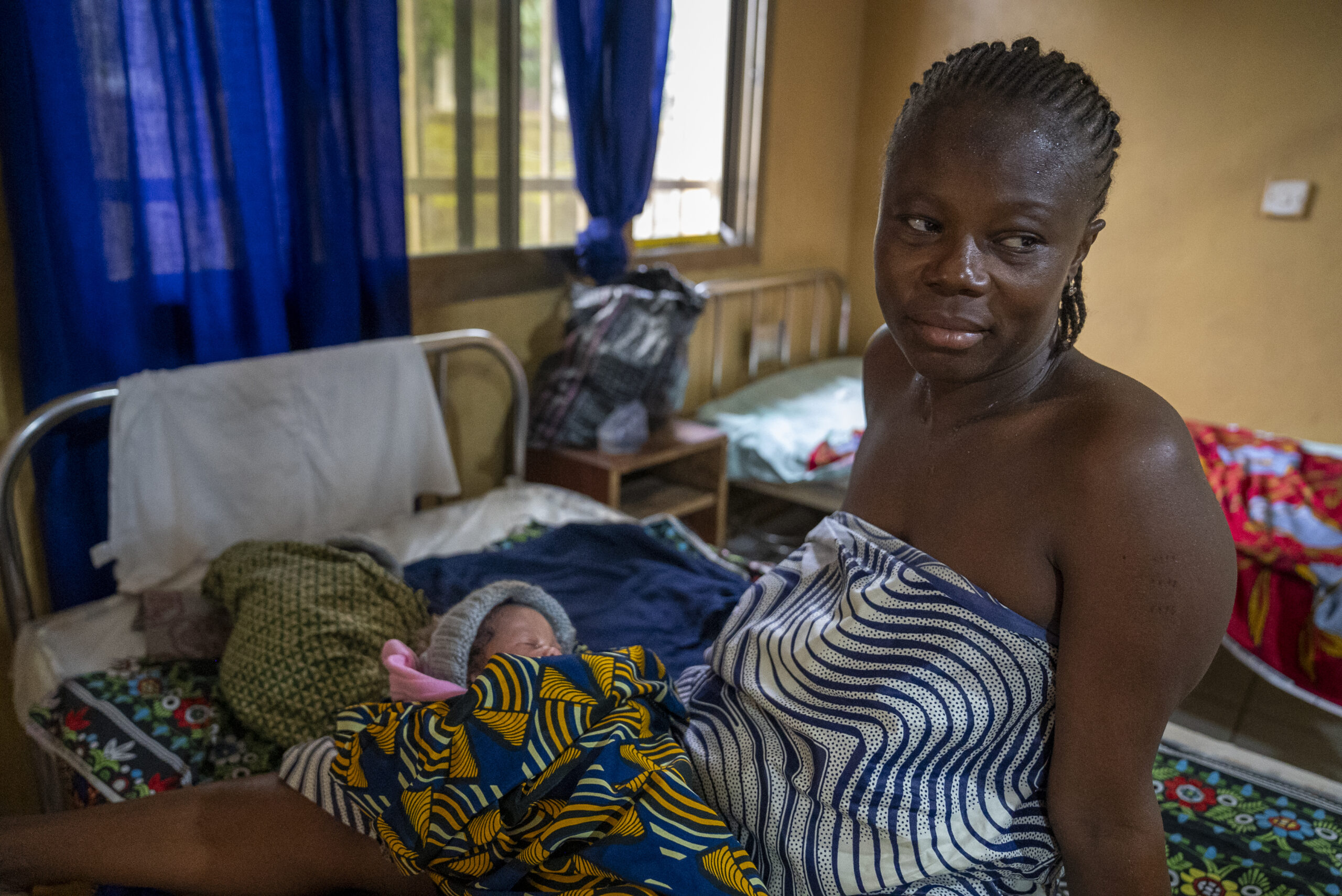
 With 98 beds, the hospital provides over 5,000 outpatient visits, 4,800 admissions, and 1,300 deliveries each year, about 40% of which are cesarean sections.
 -
 Given the limited government resources, CUAMM contributes to supporting the salaries of local staff.
Ensuring care for mothers and children in Pujehun requires constant, daily commitment. It requires the presence of skilled and motivated doctors and nurses. To improve services, maintenance work and reorganization of spaces are needed, along with all the essential supplies for the facility to function properly.
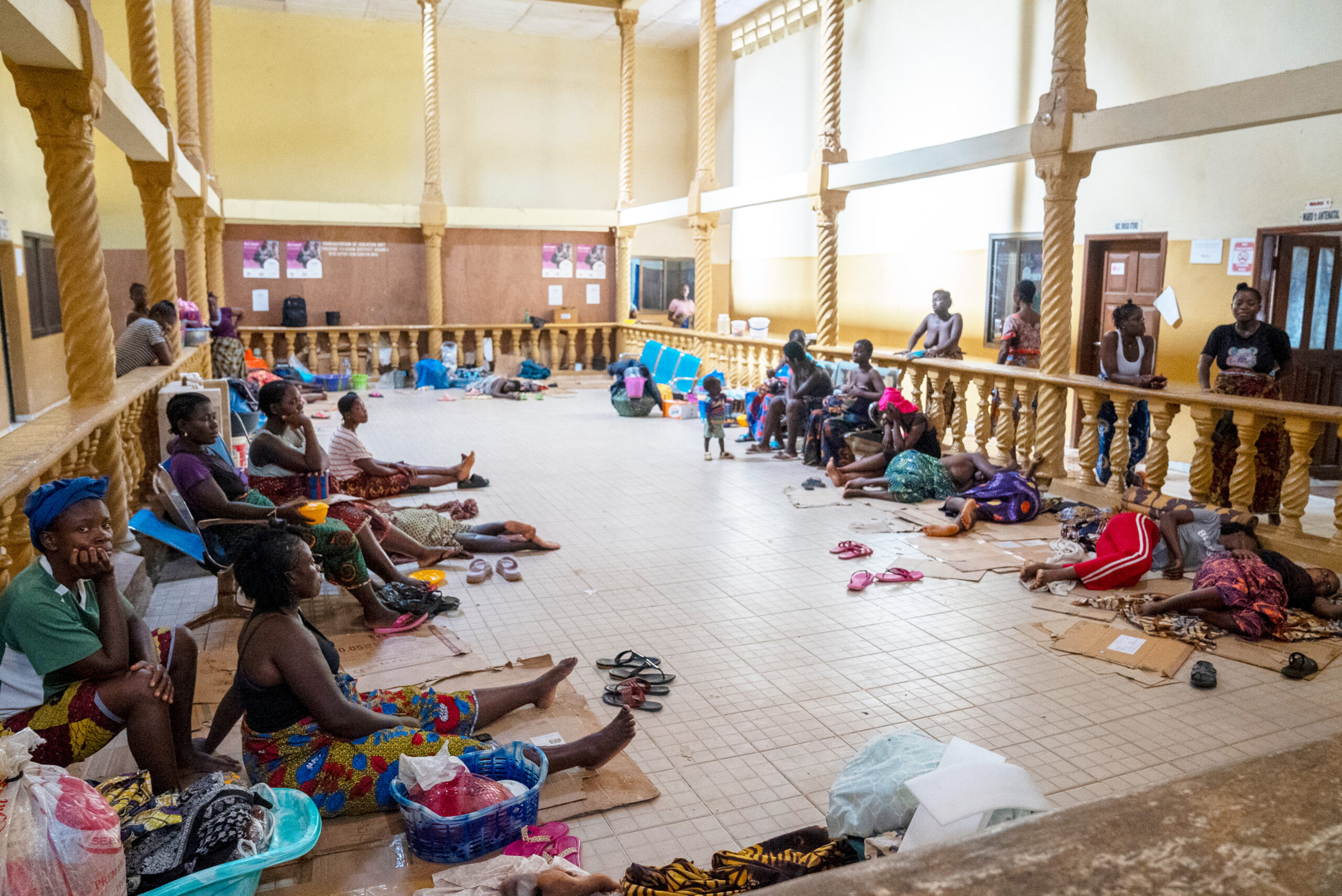
There is also a need to build a Maternal Waiting Area—a dedicated space to host pregnant women—facilitating timely access to obstetric care and improving the management of perinatal emergencies.