
IN THE FIELD
Climate change and forced migration in South Omo
Africa, Ethiopia
In emergencies
Climate change
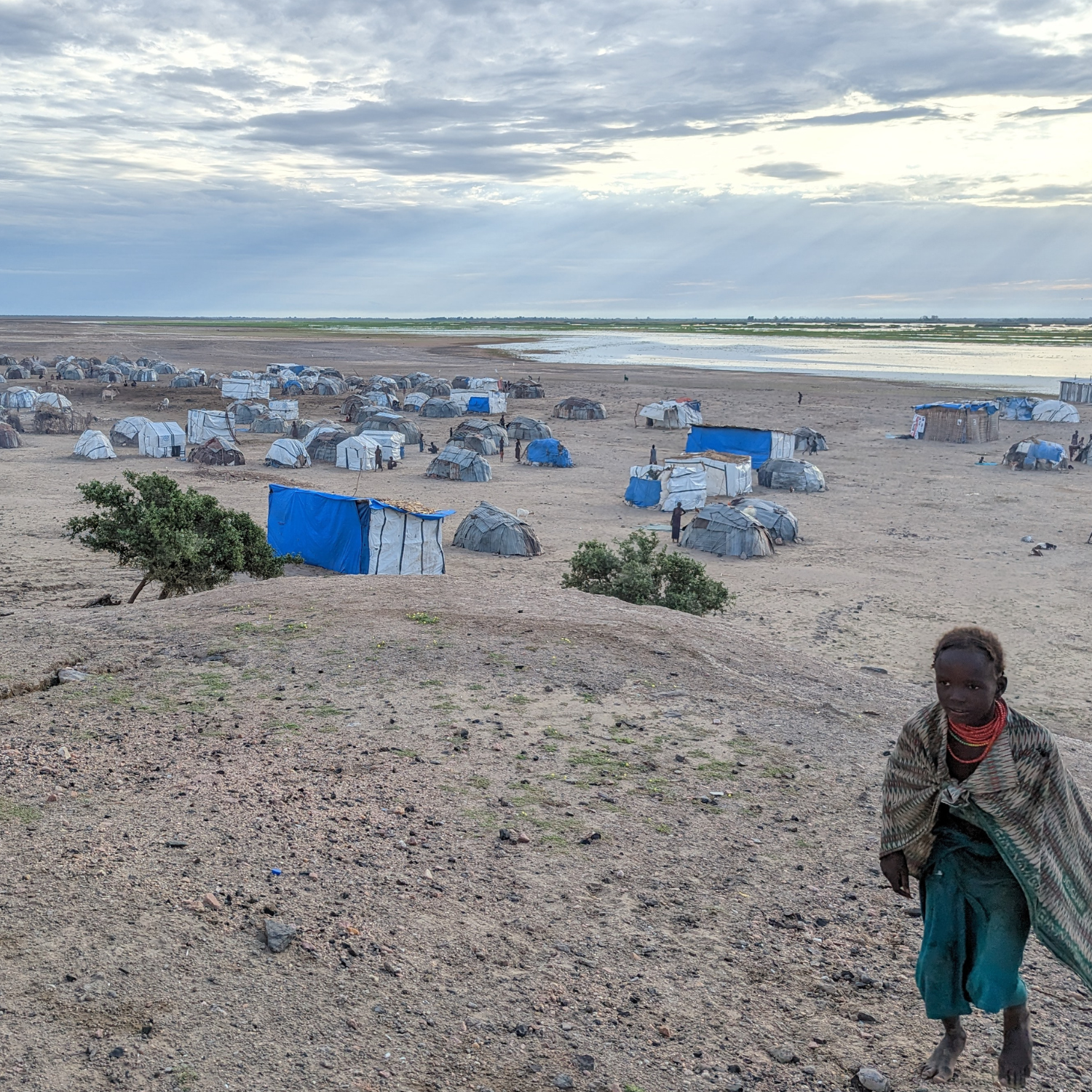
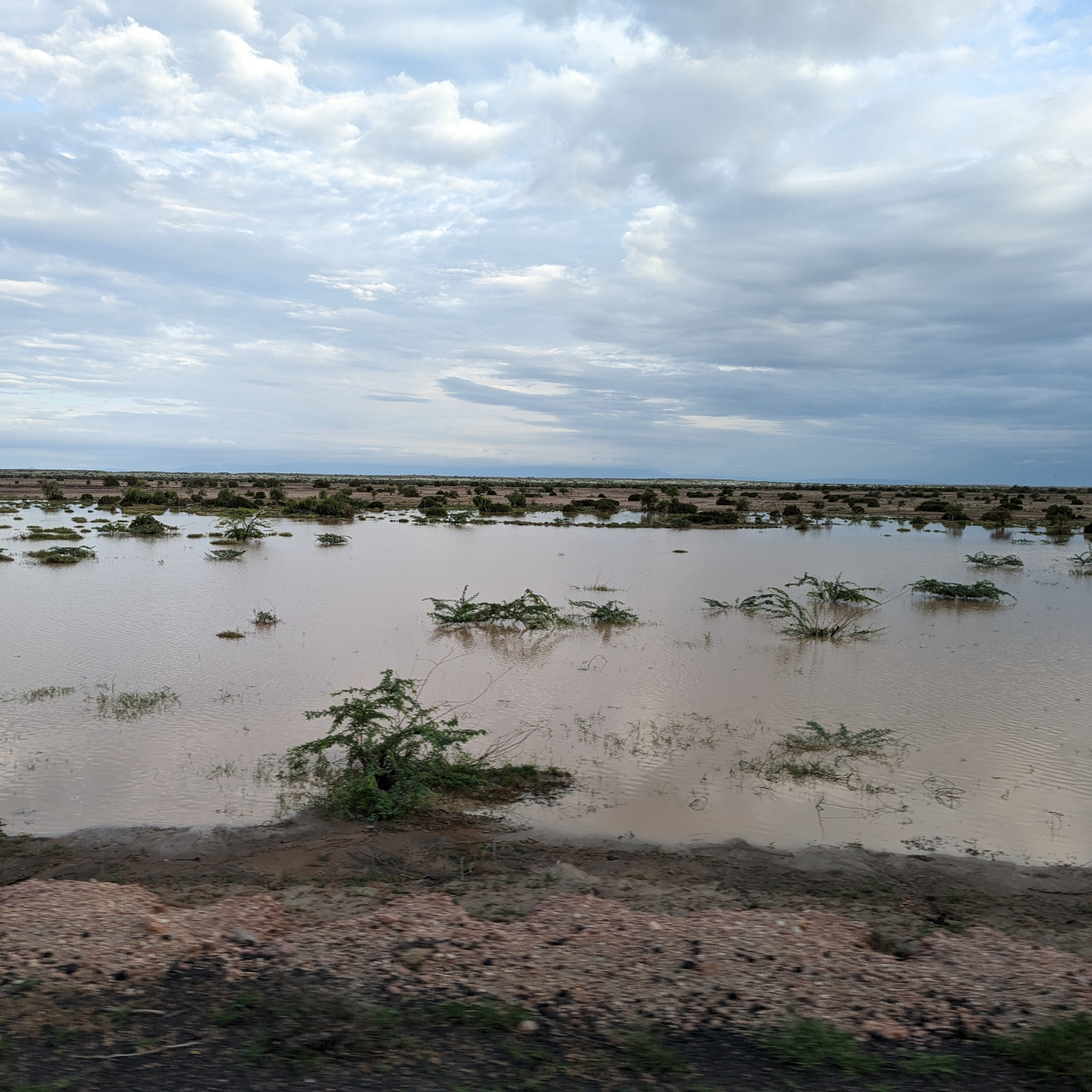
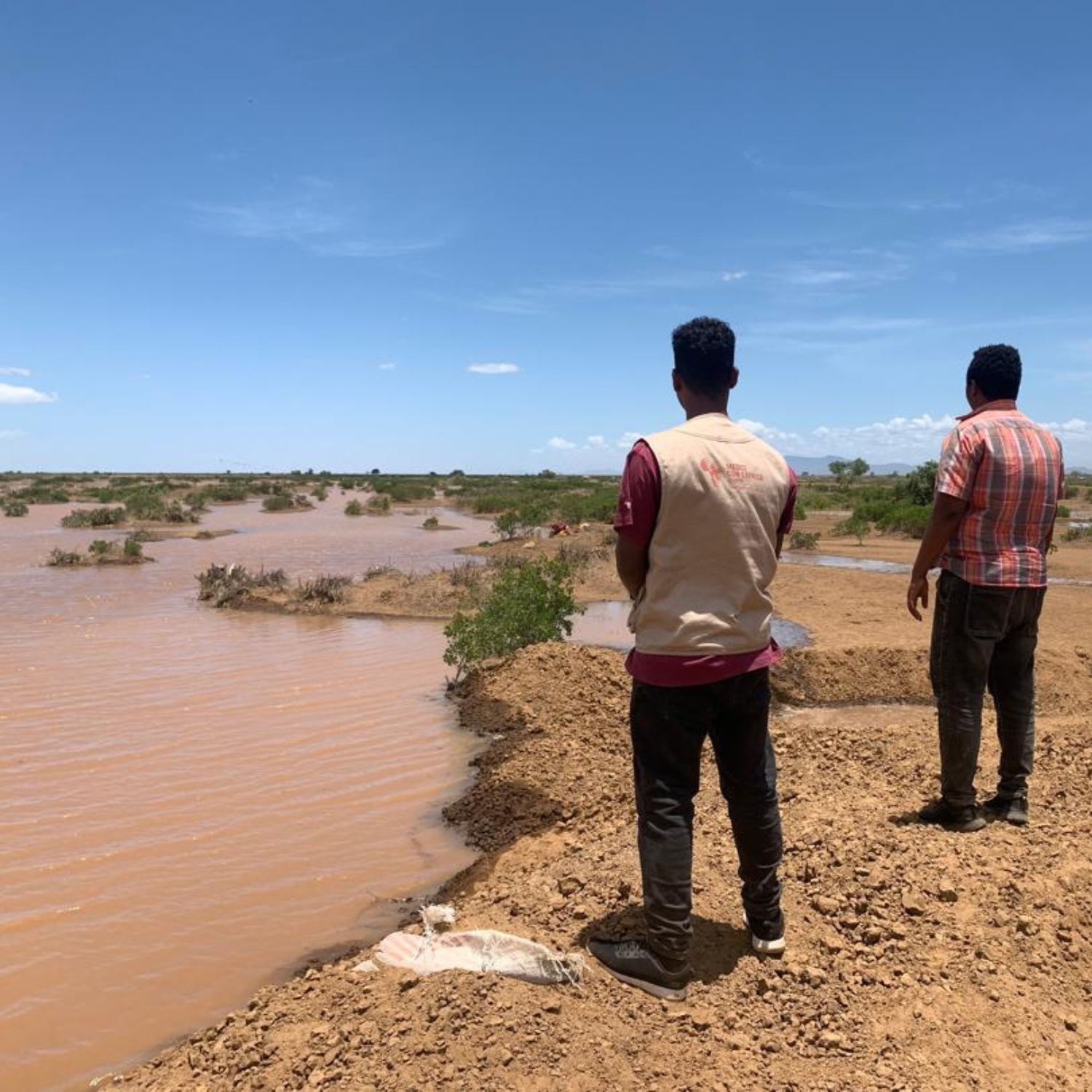
Nearly 80,000 people were displaced by the most recent severe flooding of the Omo River in 2024. We are in Ethiopia, in the South Omo region. In recent years, climate change has made extreme weather events increasingly frequent, severely affecting both resident and pastoral communities.
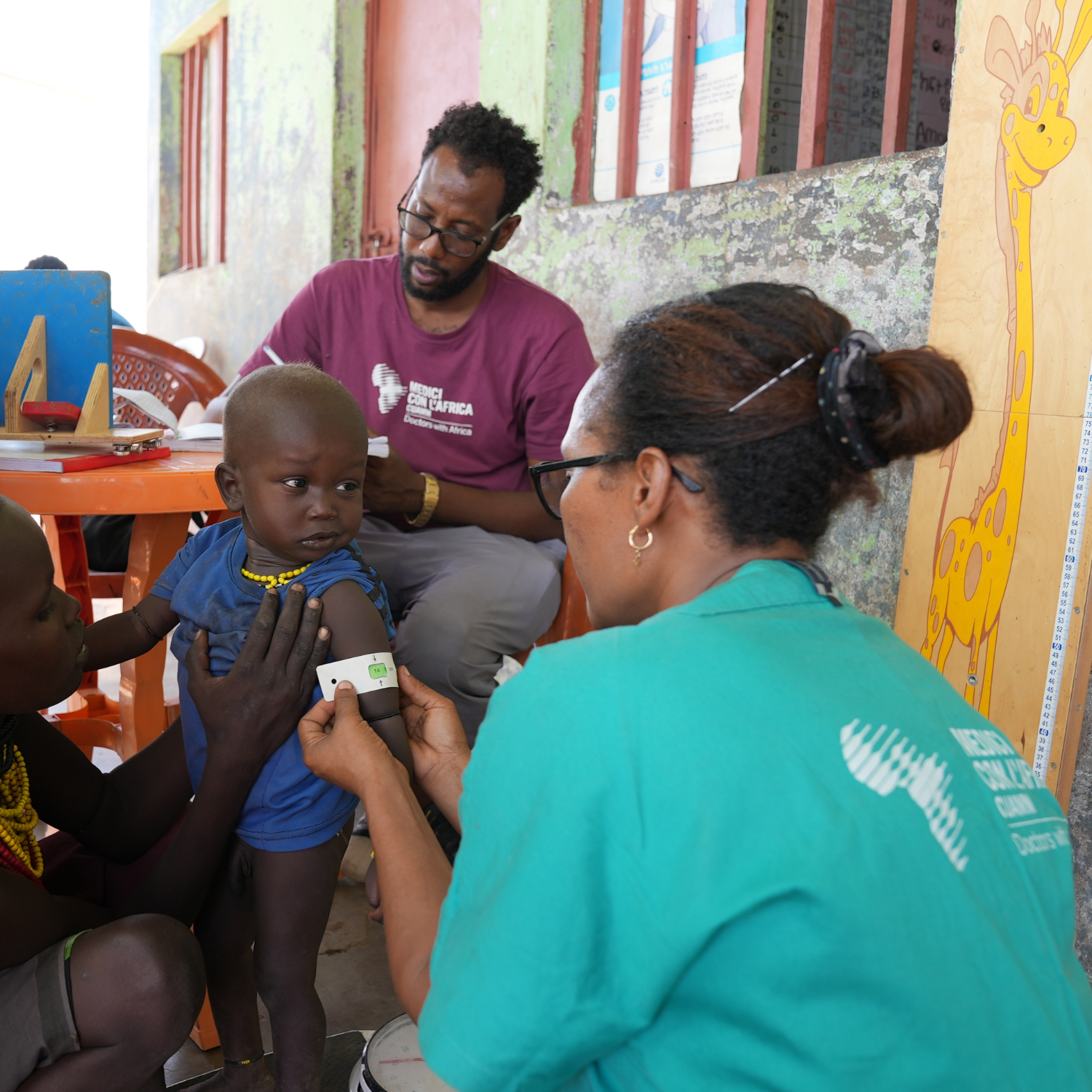
As torrential rains damage and isolate healthcare infrastructure, the risk of epidemics such as cholera and malaria is rising. Meanwhile, crop losses and difficulties in distributing food supplies are further worsening already alarming rates of malnutrition.
In a context already marked by poverty and high vulnerability, the climate emergency has further worsened the population’s health conditions. Flooding isolates or damages healthcare facilities, increases the risk of epidemics such as cholera and malaria, and undermines food security, disproportionately affecting the most vulnerable groups, particularly pregnant women and children.
To respond to this crisis, CUAMM works in collaboration with local health authorities in the Dassenech woreda, one of the poorest areas in the country, mainly inhabited by semi-nomadic communities. The intervention focuses on strengthening health services in flood-affected areas, implementing disease prevention activities, and distributing essential health and hygiene supplies.
Our goal is to rebuild the hospital step by step, starting with the most urgent priorities, while keeping it fully operational. “Open for renovation” means exactly this: rehabilitating and reconstructing the hospital without ever interrupting its essential service, because it is the only healthcare facility serving the population.
-
 In collaboration with the Dassenech Health Office, we have begun providing medical assistance to the most isolated communities through mobile clinics. We have also ensured fuel supplies and facilitated the rental of boats to reach areas inaccessible by land.
 -
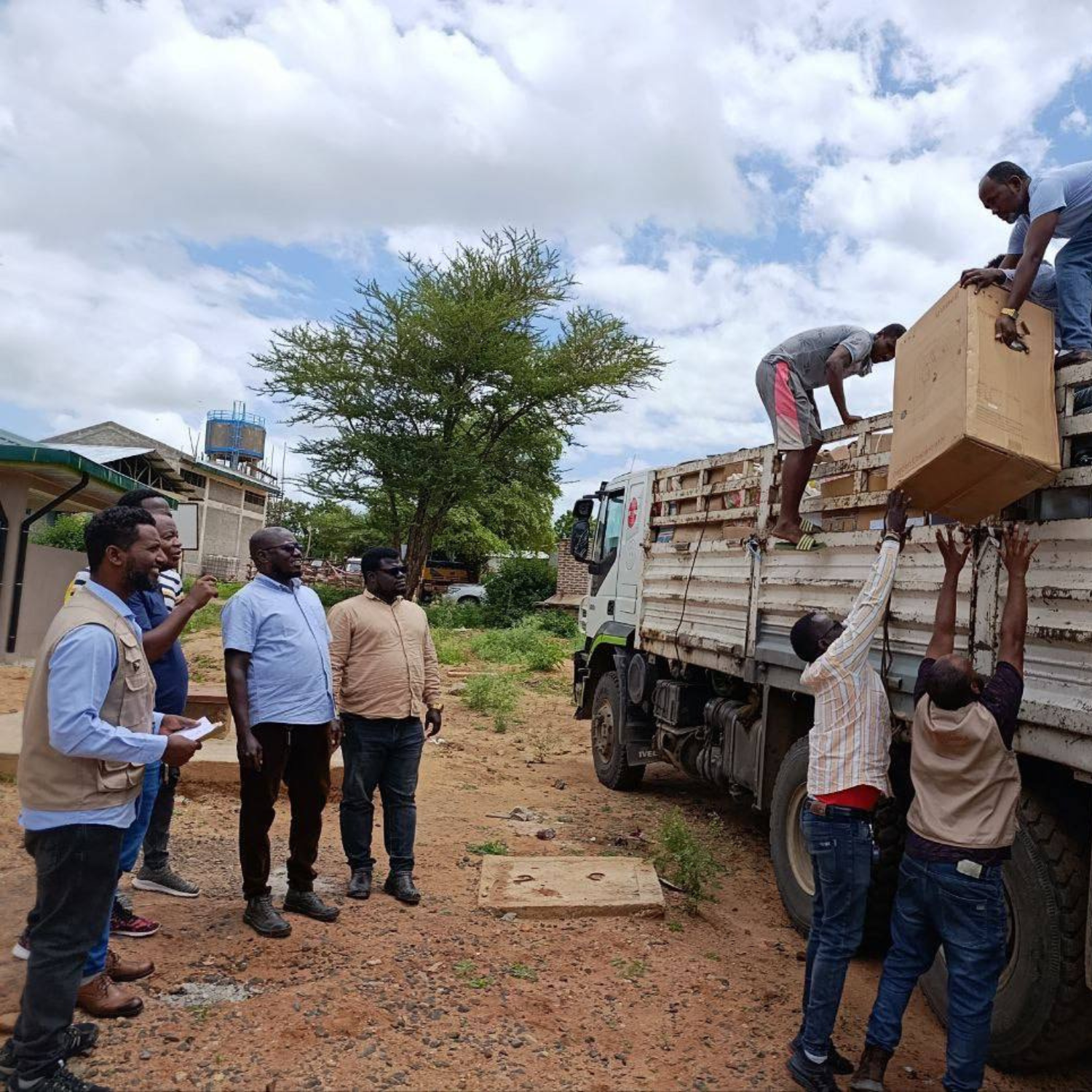
 We have activated an emergency response plan that includes the establishment of temporary health posts and water, sanitation, and hygiene (WASH) facilities in the most affected areas, epidemiological surveillance activities, and the distribution of water purification tablets and insecticide-treated mosquito nets. The plan also includes strengthening the supply of essential medicines and transferring pregnant women to safer health facilities.