
IN THE FIELD
Open for Renovation: Rebuilding Nekemte Hospital
Africa, Ethiopia
For mothers and children
Training in Africa
In emergencies
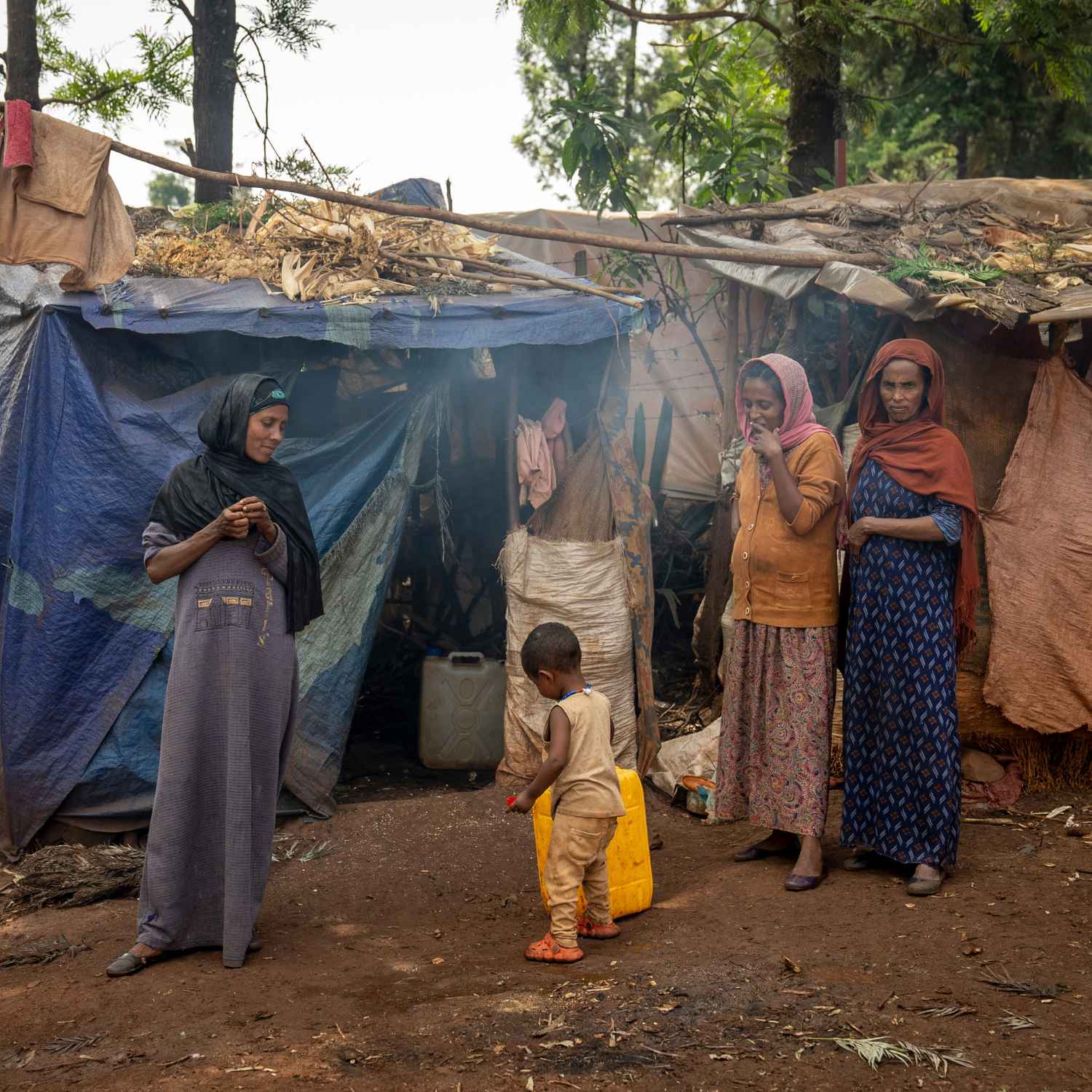
Ethiopia—more than three and a half times the size of Italy and home to over 130 million people—is a country of great potential but also significant needs. Despite sustained economic growth, recent years have seen rising poverty, severe inflation, intense internal conflict, and continuous migration flows from neighboring countries, making it one of the most fragile nations in sub-Saharan Africa. The Nekemte area alone is home to over 400,000 people and an additional 150,000 displaced people who have fled from Tigray, placing an enormous strain on the local health system and pushing the hospital to its limits.
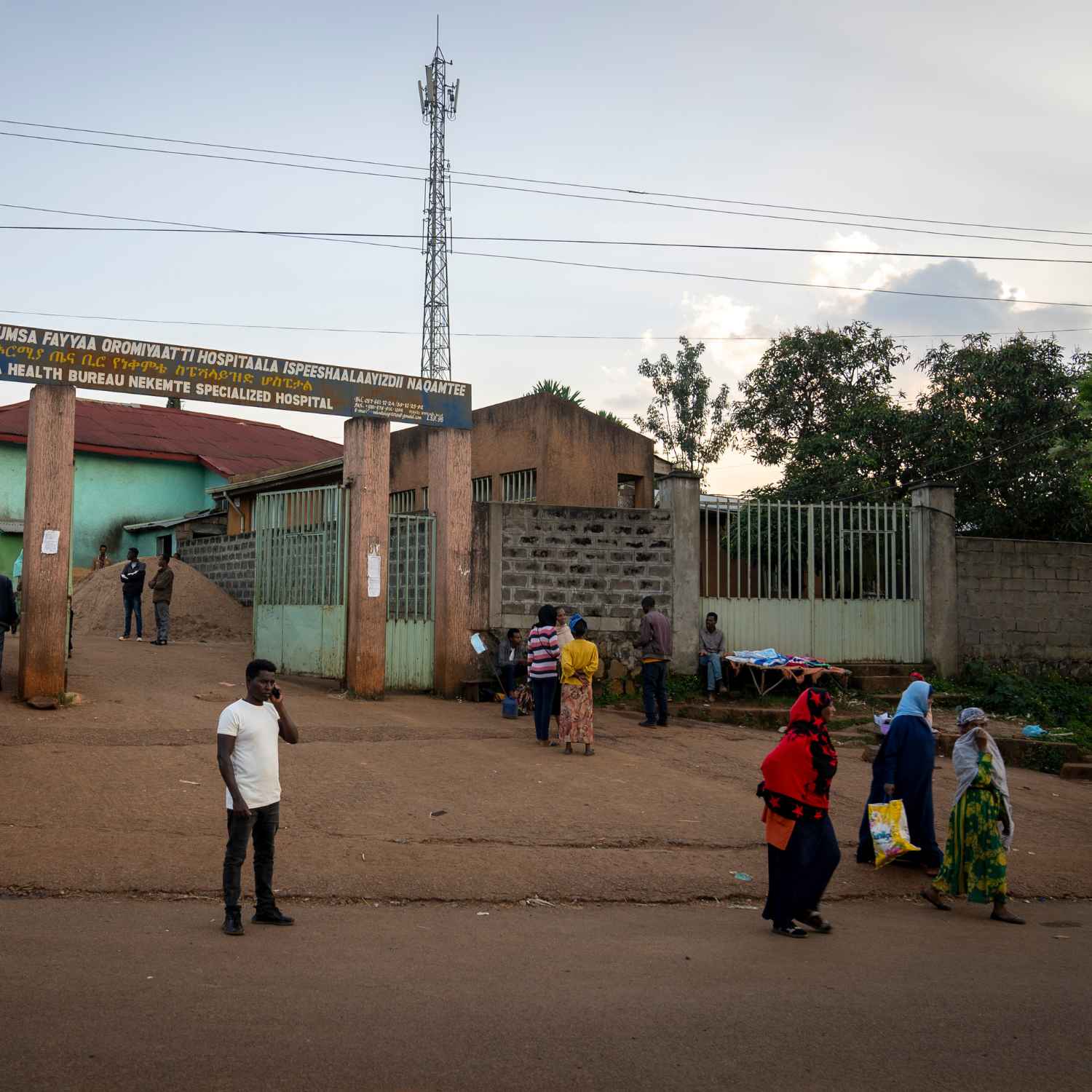
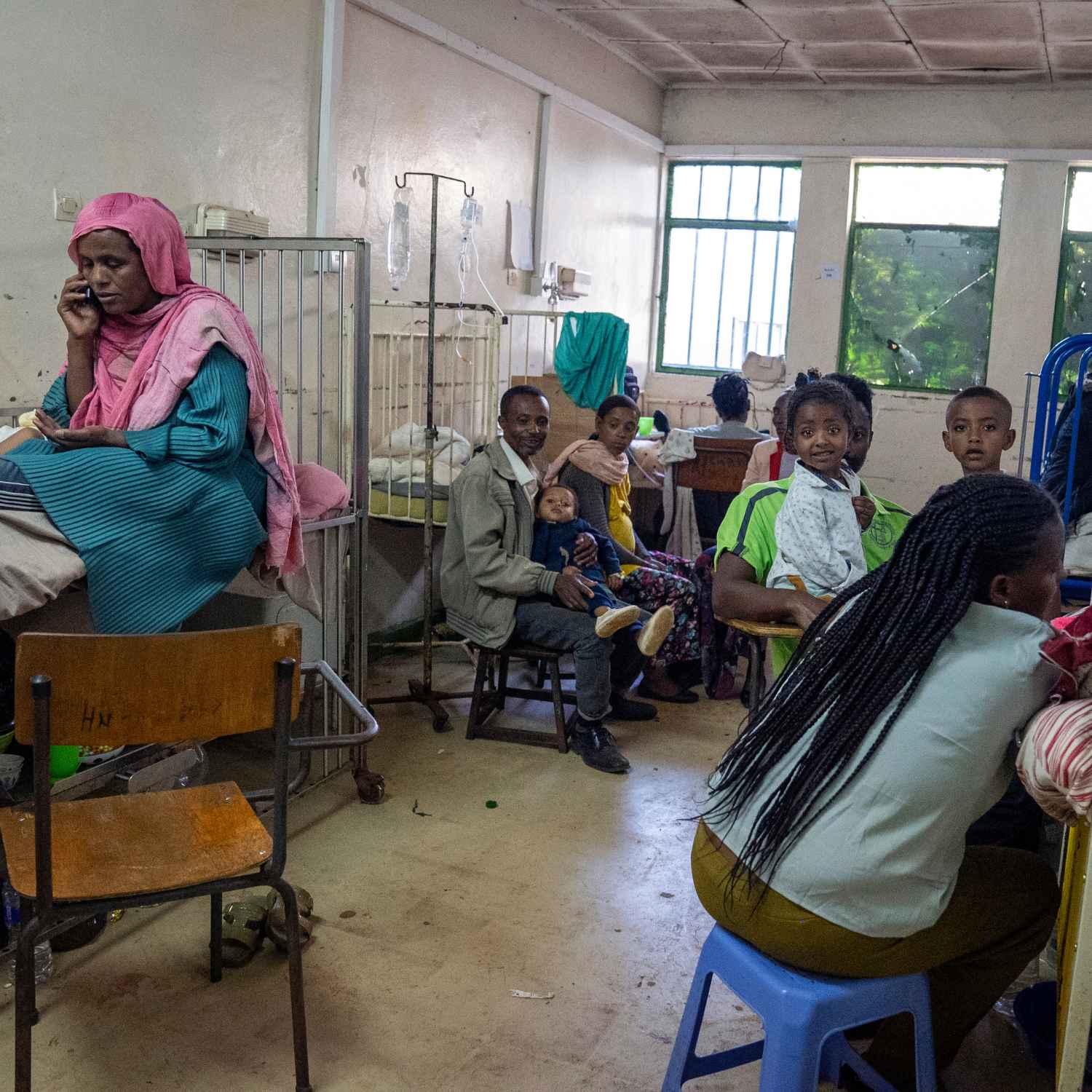
Rebuilding Nekemte Hospital—now on the brink of collapse—is the major challenge launched at the 2025 Annual Meeting and a priority commitment for Doctors with Africa CUAMM throughout 2026. The hospital has 250 beds and handles around 4,000 deliveries per year, yet it is a severely deteriorated facility, overwhelmed by mothers and children.
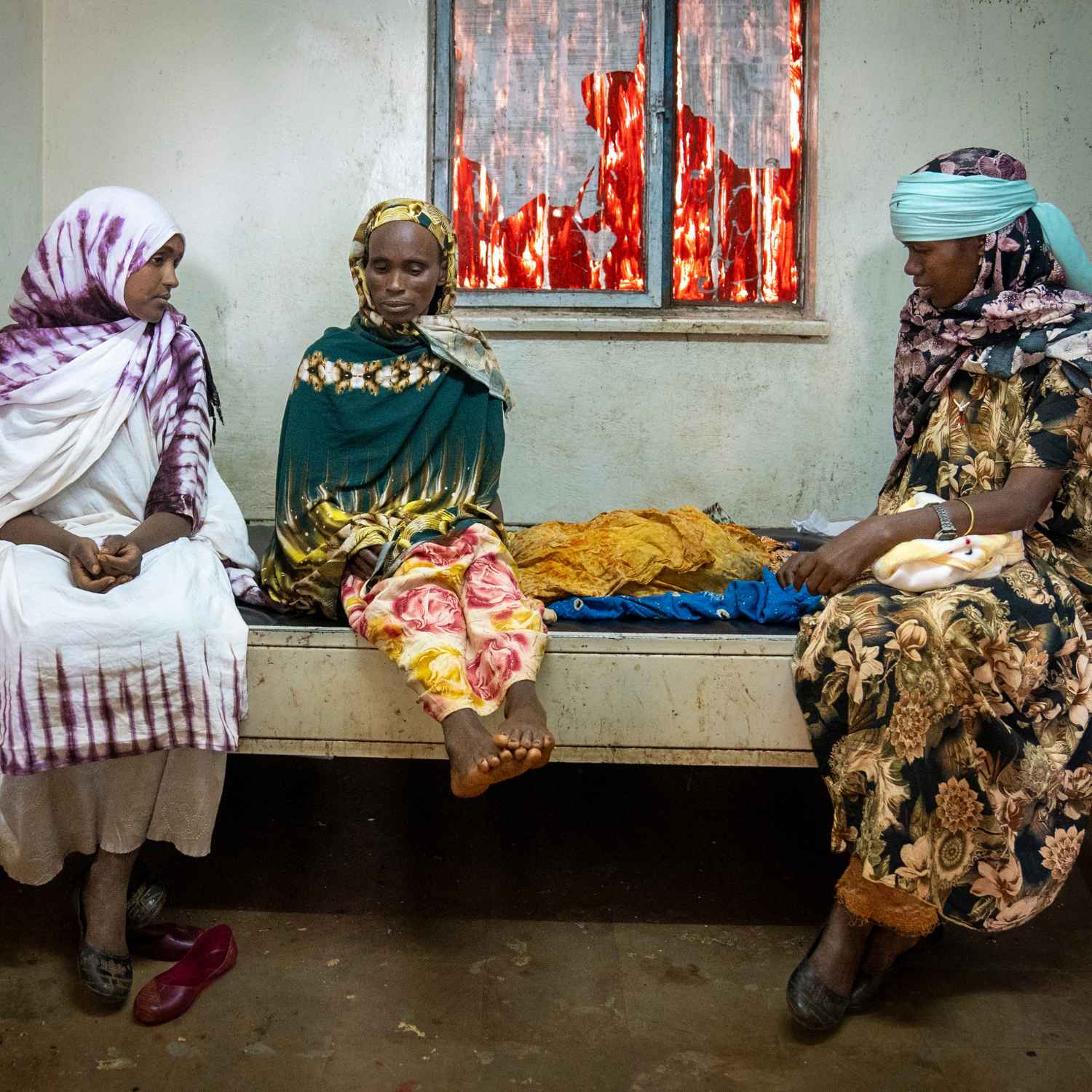
Patients are often forced to lie on the floor on cardboard along the corridors, where rain leaks through the building. Latrines are in poor sanitary condition, beds and stretchers are inadequate, and medical equipment is either missing or out of order. Water and electricity are unreliable, and health workers are exhausted and demoralized.
Our goal is to rebuild the hospital step by step, starting with the most urgent priorities, while keeping it fully operational. “Open for renovation” means exactly this: rehabilitating and reconstructing the hospital without ever interrupting its essential service, because it is the only healthcare facility serving the population.
-
 The challenge is to rehabilitate and rebuild the hospital while keeping it operational, as it is the only one providing care to the population.
 -
 Nekemte is a university hospital where young Ethiopian medical students carry out their internships. Training is a key driver for the development of a population.
 -
 An area with a population of 400,000, that of Nekemte, which is hosting 150,000 displaced people. An emergency within an emergency.
We estimate that this major effort requires €1 million. The first priority is the reconstruction of the Emergency Department, including triage and about ten adult outpatient rooms and four pediatric consultation rooms. In a second phase, the intervention will extend to other departments such as internal medicine, surgery, and the central pharmacy.