CUAMM Awarded in China the Study on Health, Behavior, and Climate Change

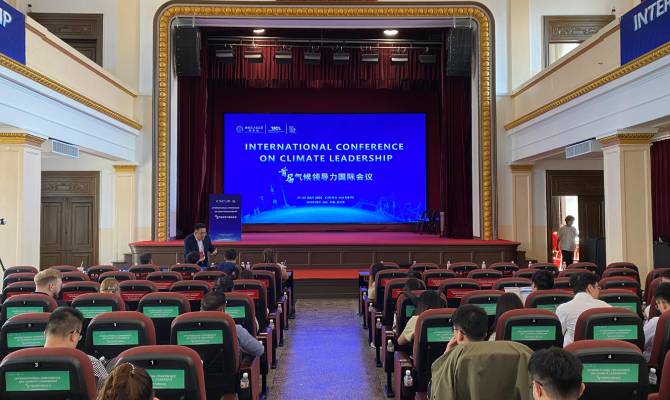
The International Conference on Climate Leadership concluded yesterday in Harbin, China, where Doctors with Africa CUAMM received the Best Paper Award for presenting a study protocol investigating the effectiveness of interventions aimed at preventing infectious diseases linked to climate change—such as malaria and cholera—in the most vulnerable provinces of Mozambique. The study, carried out in collaboration with UNICEF, was recognized among the best presentations of the conference for its scientific rigor, methodological innovation, and global relevance.

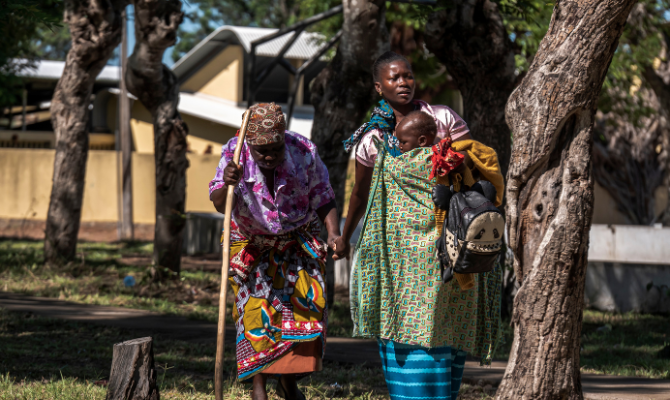
Climate change is a real emergency: in Mozambique alone, starting in 2019, cyclones Idai, Kenneth, Guambe, Freddy, and Chido have impacted the lives of more than three million people, destroyed 360,000 homes, displaced over 60,000 families, and caused 42,000 cases of malaria and 20,000 cases of cholera. This, despite the fact that the country contributes less than 0.01% of the world’s cumulative CO₂ emissions from the burning of oil, coal, and natural gas.

In this context, from 2022 to 2024, Doctors with Africa CUAMM, in collaboration with UNICEF, implemented the Social and Behaviour Change (SBC) intervention “Familia Modelo”, aimed at promoting low-cost preventive practices in response to the growing risk of waterborne and vector-borne infectious diseases among communities most exposed and vulnerable to the consequences of extreme climate events.

“Our previous experience provided us with valuable baseline data, highlighting the need for a multidisciplinary approach to understand such complex phenomena and to implement concrete, effective interventions—especially in a context that is increasingly vulnerable to health crises caused by climate change,” explains Edoardo Occa, author of the study and CUAMM community health expert.

In fact, the first published study showed that the intervention led to a significant improvement in prevention behaviors: a 58% increase in proper hand hygiene and a 50% increase in the collection and safe storage of water. From the fruitful collaboration with UNICEF Global and UNICEF Mozambique, a study protocol was developed and presented at the International Conference on Climate Leadership (July 21–22, 2025, Harbin, China), organized by University College London. The conference brought together scholars from over 30 countries to address climate change through an interdisciplinary lens, including topics from health, urban planning, and policymaking.

“The study is a randomized controlled trial involving 3 provinces (Cabo Delgado, Nampula, and Zambezia), 76 villages, and over 3,000 families. The main goal is to evaluate the effectiveness of the SBC intervention in reducing the incidence of acute watery diarrhea (AWD), while also considering modifying factors related to extreme weather events. Comparing the intervention group with a control group not exposed to the intervention will provide a robust study design that will also reflect the impact of climate change on communities,” explains Francesco Segala, study author and CUAMM project manager in Mozambique, who presented the protocol to the conference audience.

The intervention includes community radio broadcasts, theatrical performances, the involvement of religious and traditional leaders, and public recognition of “model families,” to foster a supportive social environment for the collective adoption of preventive behaviors.

The evaluation will rely on surveys, direct observation, and local clinical surveillance data, also integrating climate-related variables. This will allow researchers—through statistical modeling and behavioral science—to assess whether the intervention’s effectiveness varies in villages affected by extreme weather events such as cyclones and tropical storms. This is a crucial element for adapting prevention strategies to the new risks imposed by climate change.

“Having this work recognized in such a prestigious international setting is a major achievement for CUAMM, which has long been committed to research—building scientific evidence in the most challenging contexts and generating value through direct fieldwork with communities. We brought the voices of the most vulnerable communities—those who pay the price of a climate crisis driven by fossil fuel overuse—to the attention of experts and academia,” comments Giovanni Putoto, CUAMM Head of Programming and Operational Research.

CUAMM has contributed a vital perspective on the Global South and vulnerable populations, and the award represents an important acknowledgment of the role the organization can and must play in terms of climate leadership.


Leave No One Behind CUAMM in Apulia

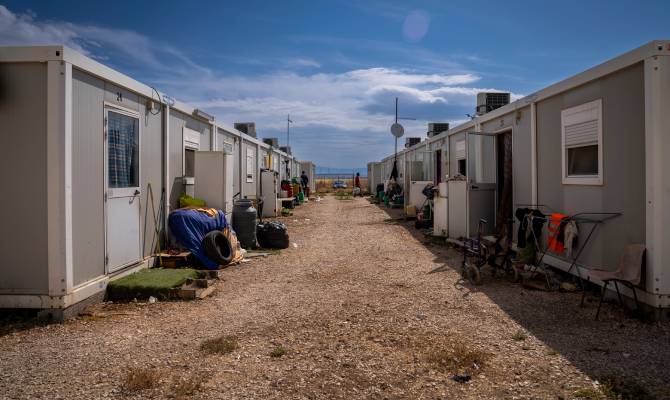
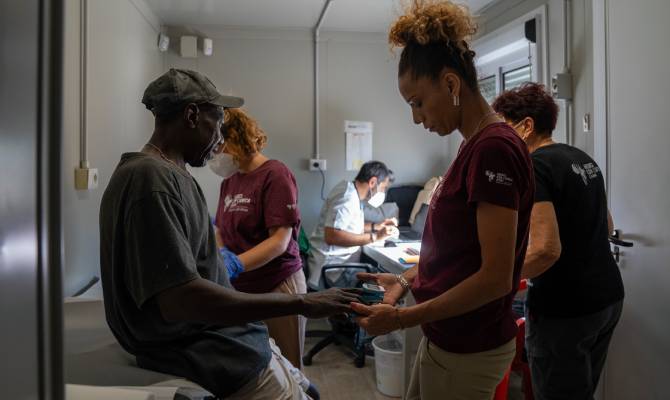
It is in the Capitanata area, a district in the province of Foggia, that Doctors with Africa CUAMM is renewing its commitment in Apulia. Quietly launched in 2015 by the local group Doctors with Africa CUAMM Bari, the proximity-based healthcare intervention, carried out as part of the Su.Pr.Eme 2 project, focuses on providing healthcare to marginalized groups—mainly seasonal and migrant agricultural workers — living in informal settlements such as Casa Sankara and Arena. The initiative has since expanded to the municipalities of Nardò (LE), Turi (BA), and Terlizzi (BAT), with seasonal activities.

The Apulia region hosts approximately 138,000 foreign nationals, most of whom reside in the provinces of Bari and Foggia, where agriculture is the predominant economic activity. The local agri-food industry relies heavily on the contributions of seasonal and migrant workers to meet the demands of planting, harvesting, and processing crops. They work long hours in the fields and live on the fringes of society in informal settlements located outside urban centers. These settlements vary in size depending on geography and season, with peaks in population during the summer months when over 6,000 people are estimated to arrive for the harvest. Some agricultural workers remain there year-round due to the lack of alternative housing, living in extremely precarious conditions in what are commonly referred to as “ghettos.”

Although we dislike the term, the image of isolation and marginalization it conveys is unfortunately very true. These are often squatted buildings, farmhouses, or shantytowns where migrant workers live in a state of constant social, economic, and health exclusion. While some more organized environments exist—like the Boncuri guesthouse near Nardò—the condition of marginalization remains a constant.

“The living conditions of these people have a significant impact on their health,” said Lucia Raho, CUAMM Medical Coordinator. “Even in the more dignified settings, like the Boncuri guesthouse, living conditions are far from ideal for many reasons, and this ultimately affects their health.”

CUAMM’s work

CUAMM’s ongoing commitment in the province of Foggia, and its seasonal work in the municipalities of Nardò (LE), Turi (BA), and Terlizzi (BAT), is a proximity-based healthcare initiative aimed at ensuring access to primary services for migrant populations. In collaboration with AReSS, the Apulia Region, and local health authorities (ASLs), these efforts seek to improve access to local services for vulnerable groups, with a focus on social inclusion.

“I remember the first time I visited these areas,” said Lucia Raho. “I had been working in a hospital for years, and with other volunteer doctors from CUAMM Bari, we decided to bring some basic equipment and see for ourselves what the situation was and what the most urgent needs might be. What I saw didn’t seem real—I couldn’t believe that just around the corner, in my own city, people were living in such conditions.”

The Cuamm medical teams encounter a wide range of issues, often worsened by the lack of timely medical intervention. Among those treated, cases of diabetes, hypertension, muscle pain, and gastrointestinal or dermatological conditions related to poor hygiene are common.

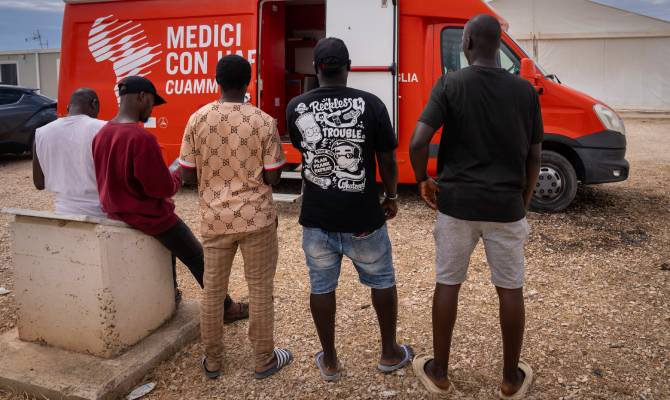
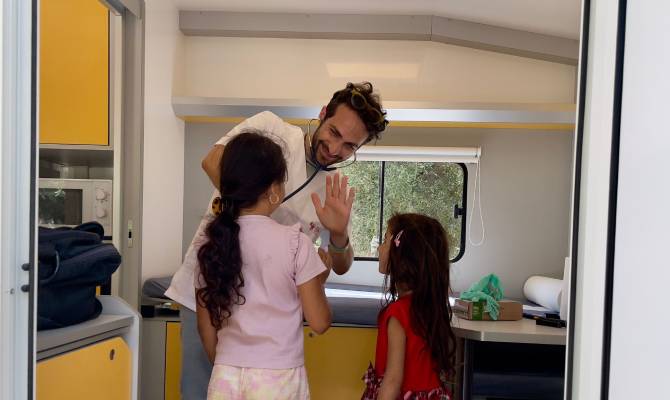
To provide basic medical services, CUAMM’s multidisciplinary teams travel in a mobile clinic to reach informal settlements in the province of Foggia, as well as those in Turi, Terlizzi, and the Boncuri guesthouse in Nardò.

“Providing proximity-based care means having doctors, nurses, healthcare workers, and volunteers assisting patients and referring them to the national healthcare system when necessary,” said Andrea Atzori, Head of International Relations. “Through our work in Apulia, CUAMM aims to support migrants, especially seasonal workers who are vulnerable to exploitation and at high risk of being subjected to illegal labor practices.”


Barriers to Healthcare Access

In the informal settlements of Apulia where CUAMM operates, only 8% of people have a general practitioner. For most, proximity-based care is their only access point to healthcare.

“What we do—thanks also to close collaboration with social workers—is build a bridge between the healthcare system and marginalized communities who face language barriers, prejudice, and stereotypes,” said Cesare De Vergilio, community doctor and CUAMM volunteer.

Social, economic, and health-related isolation affects not only seasonal migrant workers but also people experiencing homelessness and members of the Roma and Sinti communities. With financial support from the Department of Welfare of the Municipality of Bari, Doctors with Africa CUAMM, in collaboration with the Caps social cooperative and Psychologists for the People, is also working in the Roma and Sinti settlement of Japigia. There, a Proximity Socio-Health Center is active, offering prevention, counseling, and care services to members of the community and other marginalized groups, including homeless individuals in the municipality of Bari.

“Healthcare access is a challenge for the Roma and Sinti people living in this settlement. Most of them lack regular documents, and only a few have a health card, so they don’t seek medical care. The outreach unit gives them access to basic services they would otherwise be excluded from, and this is highly appreciated by the entire community,” said Daniel Tomescu, who has been a community liaison for Japigia for 25 years.

While our work continues steadily in nine sub-Saharan African countries, our mission in Apulia is a reminder that no one should be left behind and that the right to health, access to care, and human dignity are principles worth defending—principles on which more inclusive and compassionate communities can be built.

CUAMM’s interventions in Apulia—specifically in the provinces of Foggia, Bari, and Barletta-Andria-Trani—are carried out as part of the Su.Pr.Eme. project, a five-year multi-fund program financed by the Ministry of Labour and Social Policies through the Asylum, Migration and Integration Fund (FAMI) 2021–2027, in synergy with the National Inclusion Plan 2021–2027.

The fight against malnutrition starts with the community

In Angola, in the heart of the municipalities of Ombadja and Cahama, health and nutrition are not just goals to be achieved, but represent a commitment that grows from the grassroots.
Doctors with Africa Cuamm knows this well, as since November 2023, it has been carrying out the “START” project, an initiative funded by the European Union and implemented in collaboration with Codespa and Adespov.

The goal is ambitious but concrete: to strengthen the nutritional status of vulnerable women and children through the empowerment of civil society and the promotion of gender equality. To date, there are already 20 Civil Society Organizations involved in a process of training and growth to become protagonists of change in their own territory.

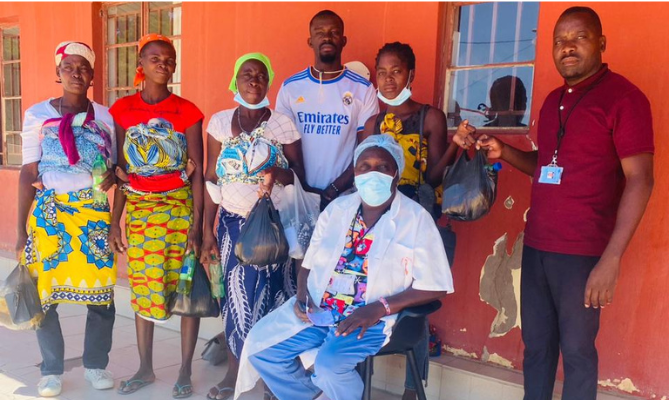
But what does it mean, in practice, to “build community”? Telling us are the members of the youth association Amigos do bem Aja bem, who have seen firsthand the daily challenges of local healthcare. “On October 18, we were received at the Ombadjia Municipal Hospital by the municipal nutrition manager, Indira Kativa, and a team of nurses. We saw the reality of our brothers and sisters hospitalized for malnutrition. 22 children hospitalized: 14 in the Emergency Unit and 8 in Pediatrics.”

From listening, action was born. It is not just about large structural interventions, but about human closeness and daily support. The young people of the association decided not to stand by, transforming their sensitivity into tangible help for local health facilities. “After the visit, we offered our support, becoming godparents of the municipal hospital and the Okaimo maternal-infant center, to carry forward together the fight against malnutrition. We offered to take charge of basic necessities such as disposable diapers, detergent, and soap. Every seven days, we distribute soup to the patients and their families. We were well received and they motivated us to continue working for the children and their recovery.”

The fight against malnutrition is more effective thanks to the support and closeness of the community. “We will continue our commitment with faith, love, and a lot of hope. Together we are stronger. Helping others is not a burden! It is an honor,” concluded the young people of Amigos do bem.

A inner dedication to health and human resources

He has been working with CUAMM for 7 years — all of them spent in South Sudan, one of the most challenging countries with increasingly complex issues. Dr. Olumide Salawu is the new South Sudan Country Manager and coordinates CUAMM’s operations from Juba. A 43-year-old surgeon with extensive experience in various contexts and fields, today he feels he is in the right place. He sees a clear path ahead and, above all, has the desire to face it, putting himself out there both as a man and as a doctor.

Born in Nigeria, he first served in Sierra Leone to later move to South Sudan where he got to know CUAMM and the activities we carry out in the country, including support to 4 hospitals, 66 primary healthcare facilities, and 2 training schools for midwives and nurses. In addition, the latest commitment to serving mothers and children with a emergency referral system in Lakes State.

“I first heard about CUAMM in 2014, when I was working with the African Union on the Ebola outbreak in West Africa. Later, I worked at the Princess Christian Maternity Hospital as a medical consultant for the World Bank, and that’s where I met CUAMM doctors in person. What struck me the most was their dedication and commitment, especially in patient care. It was a holistic approach to healthcare. And I thought to myself: if people who are not originally from Africa show such enthusiasm in caring for us Africans, then I should do my part too. So, when the opportunity came, I accepted immediately. Between Sierra Leone and South Sudan, I chose the latter because I felt I had already given a lot in Sierra Leone and wanted to discover another part of Africa. I was enthusiastic and determined to succeed. And I believe it was exactly this motivation, along with my passion for health and people, that helped me through the initial difficulties of adjusting to a new country.” Said Dr. Olumide Salawu – CUAMM Country Manager in South Sudan.

He arrived in South Sudan in July 2019 and first worked at Cueibet Hospital as a surgeon and project manager. At the time, he was the only doctor in the county.

“I worked with excellent staff — midwives, pediatricians, and other surgeons. I also collaborated with a surgeon, Dr. Enzo, who was in Rumbek at the time,” he recalled.

Later, he was transferred to Rumbek as hospital coordinator, taking on the management of a larger hospital with more responsibilities. After his hospital work, he was tasked with coordinating public health activities in Rumbek’s five counties. For the past few months, he has held the role of Country Manager.

“I believe one of CUAMM’s strengths is its investment in the growth of human resources, which helps ensure continuity of intervention and strengthen the health system,” said Dr. Olumide Salawu. “Too many and constant changes make it difficult to build and maintain a consistent approach. But with people who truly understand the system, you can make it grow. For me, moving from clinical work to public health and management has been a huge achievement — one I’m grateful to CUAMM for. Today, healthcare requires a holistic approach. If we’re talking about clinical care, I can contribute. If it’s about management, I can too. The same goes for public health, leadership, and governance. This journey has helped me grow, become more professional and skilled, and contribute to the overall development.”

Reflecting on present challenges and future perspectives in the country he now calls home, Dr. Olumide Salawu seems to be confident yet realistic:

“South Sudan is a very young country — the youngest in Africa — but at the moment, the situation is calm. People are going about their daily lives, especially in Juba. Of course, you can’t ignore the clashes, often due to cattle raids, which here are a cultural issue. There are some tensions in areas like Unity State, in Nasir, where there are still clashes between opposition forces and the government. But everything is under control. Over time, I’ve come to understand the dynamics, the politics, the entire health system of the country, and how to navigate it.”

URC2025 Ukraine Recovery Conference in Rome

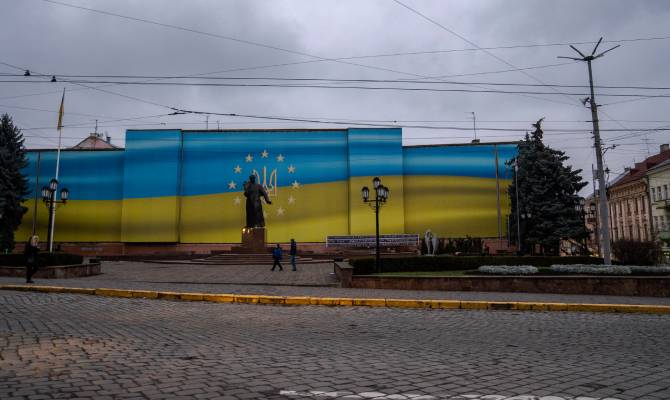
The fourth Ukraine Recovery Conference (URC2025) has just come to an end and we are glad to have taken part in it. The conference, held at the La Nuvola Convention Centre in Rome on 10 and 11 July 2025 sought to maintain international focus on Ukraine’s recovery and mobilize investment and support as the conflict continues.

In collaboration with AVSI, Comunità di Sant’Egidio, FOCSIV, VIS, WeWorld we participated in and collaborated to the side event Empowered Ukraine: restarting from human capital. For a renewed partnership between civil society, private sector and institutions promoted by Caritas Italiana and hosted on July 9th. The event aimed to highlight one of the key pillars of Ukraine’s reconstruction: human capital. While rebuilding infrastructure—such as schools, hospitals, and roads—and reviving the economy were essential, equal importance was placed on protecting people and supporting communities, both vulnerable and resilient.

The event emphasized the need to listen to and respond to the concrete needs of individuals, recognizing that sustainable recovery depends on their well-being. This could only be achieved through strong partnerships among civil society, the private sector, and institutions.

By bringing together diverse stakeholders—the event fostered dialogue and drew attention to the central role of human capital, showcasing scalable projects and good practices for lasting impact.

URC2025 is a global gathering committed to Ukraine’s reconstruction. This year, it brought together nearly 5,000 participants including over 100 national delegations, representatives from international organizations and financial institutions, private sector actors, local authorities, and civil society groups. Hosts and speakers included Ukrainian President Volodymyr Zelenskyy, Italian Prime Minister Giorgia Meloni, and European Commission President Ursula von der Leyen, with other high-level leaders from Germany, Poland, Greece, and beyond.

URC2025 focused on four thematic dimensions: Business Dimension, Human Dimension, Local & Regional Dimension, and EU Dimension. The conference emphasized private sector partnerships, human capital, local governance, municipal recovery, and alignment with EU standards. Crosscutting themes included macroeconomic stability, healthcare, green recovery, and governance reform, all central to Ukraine’s path to long-term resilience and EU accession.

CUAMM first launched its intervention in Ukraine in 2022. Since then, we have been committed to ensuring access to care for all by building a model that combines local partnerships, humanitarian principles, and sustainable development frameworks. We are achieving this by working with local actors to implement health sector recovery plans rooted in equity, inclusivity, and long-term resilience.

Find out more on what we are doing in Ukraine


Breaking barriers for inclusion a step forward

Disability is still, far too often, a taboo subject. Yet it is not a disease but a condition and so it must be considered by the most. Sometimes, all it takes is awareness. Awareness to break myths, to fight stigma, to unlock doors.

In recent years, the global conversation on disability has grown louder. In 2018, the United Nations adopted the “Disability Inclusion Strategy” aimed at ensuring the rights of persons with disabilities and eliminating the inequalities and discrimination they face—especially in accessing healthcare.

While these challenges are widely known in Europe, their scale in LICs contexts remains too often unnoticed.

As a med resident in Mozambique, I am beyond thrilled to be part of a team working on a project that perfectly fits in my personal and professional life. Inclu.de 2 – Inclusion for Development: Breaking Barriers in Healthcare is an initiative funded by the Italian Agency for Development Cooperation (AICS) that exemplifies CUAMM’s commitment to improving the lives of the most vulnerable groups.

This project, grounded in a human rights approach, focuses on providing inclusive, quality rehabilitation services for people with disabilities. Across Africa, persons who live with disabilities face daily barriers: inaccessible roads and buildings, lack of transportation, limited access to education and healthcare, and deeply rooted cultural stigma.

A significant milestone was reached in June 2024, when Mozambique approved a law known as Lei 10/2024, aligned with the UN Convention on the Rights of Persons with Disabilities and the African Union Disability Protocol. Despite the adoption of this new law, implementing the legislation is to date the main challenge.

Article 22 of the law guarantees the right to healthcare for persons with disabilities, prioritizing access to medical services and rehabilitation. Yet, many health centers lack proper equipment and trained staff to offer these services. Inclu.de 2 is working to change that.

Since August 2024, CUAMM and local partners have been conducting field assessments across Maputo province to identify gaps and begin targeted interventions.

“In the past months, I had the privilege of joining a donor field visit to two healthcare centers—Moamba and Sabie—where some of these barriers were painfully evident. – said Marise Sabato. –

The road to Moamba was barely passable, riddled with potholes, completely unsuitable for wheelchair users. Not to mention the impossibility for people with mobility impairments to access public transport”.

Every month, some 400 patients seek rehabilitation services in this facilities, but equipment is outdated, and structural barriers—like narrow doorways—limit access. Sabie, on the other hand, lacks a rehabilitation space entirely, forcing patients to travel to Moamba.

“Despite the challenges, I was encouraged by the strong collaboration with local stakeholders who recognize the urgency of inclusion and the opportunity this new law presents” said Marise Sabato.

Difficulties in accessing care jeopardize the impact of rehabilitation services, as counted by Salita who has been attending physiotherapy in Moamba healthcentre for more than a year.

“When it rains, there is no transport which means that in no way can a person living with disability like me reach the healthcentre for the therapy session. In addition, equipment is scarse. I keep going despite the difficulties but I need a bike for my rehab, and there isn’t one.”

Still, she praised the dedication of the health staff, noting how they reach out when she misses a session.

“They do their best. I’ve seen people come here unable to walk and now they can. They even call to check on me if I don’t show up.”

These are the stories that drive our work.

CUAMM has been present in Mozambique since 1978, serving “the last mile,” where health services are hardest to reach. Through Inclu.de 2, CUAMM is not just delivering services—but building capacity. Training health workers and community activists in how to communicate and care for people with disabilities is a key part of our strategy.

Whether it’s teaching health workers how to interact respectfully with patients who are deaf—using sign language apps—or equipping community leaders to combat stigma and raise awareness, our aim is to dismantle not just physical but social and cultural barriers.

And this is where inclusion begins: with understanding.

“For me, this is a personal mission. I live with a disability myself, which makes me even more attuned to the daily challenges faced by people here. This project has allowed me to grow not only as a public health professional, but as a person.

Working on Inclu.de 2 from its early stages, I’ve gained invaluable experience in project planning, leadership, advocacy, and local partnership building. I’ve learned that effective collaboration is key to sustainability—and that while implementing a project is never easy, especially in resource-limited settings, every small win counts.
With good planning and a committed team, deadlines become milestones, and challenges turn into achievements.

Mozambique is teaching me so much—about resilience, about equity, and about how change happens. Slowly, and together”.
Graduation ceremony in Wolisso

“Every time you care for someone without prejudice, every time you treat a patient with dignity—regardless of their origin, religion, or story—you are building peace.

You are resisting the forces that divide and destroy.

Your every action — a dressing, a comfort, a presence — is a small work of peace, which opposes disinterest, indifference, the invisible violence of loneliness.”

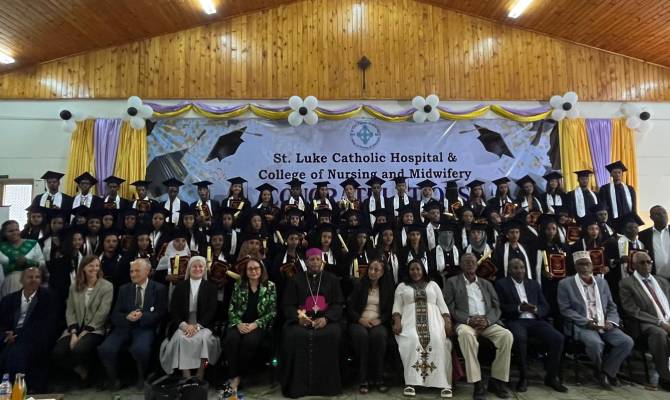
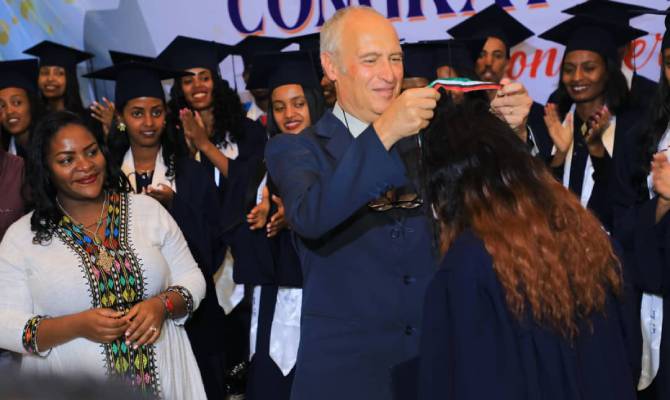
The hall of the School of Nursing and Midwifery at St. Luke’s Hospital in Wolisso was full on Saturday, June 28 on the occasion of the 22nd graduation ceremony. Flavio Bobbio— CUAMM doctor and director of the hospital—addressed the gathered students, who were celebrating together with their proud families and behind his Excellency Bishop Lukas Fikre. reminding them that “healing often begins where compassion lives.”

Because yes, providing care requires skill, professionalism, and precision, but choosing this profession also means embracing a calling—and today in Wolisso, 59 students are celebrating that choice. There are 24 midwifery students and 35 nursing students who, after two years of study, receive their diplomas and become qualified and competent healthcare professionals.

“For the first time since the opening of the college, all the students enrolled passed the exam and got their Certificate of Competence – COC. This is not only a success for the students but also a great achievement for the school itself” said Flavio Bobbio.

For many of them who left home to move here and study with commitment and dedication under the guidance of Selamawit Tamirat Tefera – school director, this school felt like home. In the classrooms and hospital corridors, they have grown both professionally and personally. They have focused on theoretical knowledge, challenged themselves in labs, and gained clinical experience by working alongside the hospital staff and CUAMM doctors. It has been a full immersion into the profession and the work of caregiving, which is “a radical and powerful act,” when carried out with humanity, as Flavio underlined in his speech.

The Nursing and Midwifery School in Wolisso opened its doors to students from various regions of the country in 2000, the same year the hospital itself was inaugurated. Since then, Doctors with Africa CUAMM has provided continuous support. Over the past ten years, our commitment has been strengthened by a valuable collaboration with Women Hope International NGO—an organization with which we share the mission of training health professionals. Together, we continue to train future healthcare workers, thereby increasing the number of qualified professionals in the country.

Indeed, the shortage of professionals is one of the major challenges affecting the Ethiopian healthcare system at all levels. The number of medical specialists in the country is vastly insufficient, and in this context, qualified healthcare professionals are essential to ensure the delivery of services. Year after year, the school helps to slowly fill a gap: as of 2022, Ethiopia was far from reaching the WHO target of 2.3 healthcare workers per 1,000 inhabitants by 2025, with an average of only 0.7 midwives and nurses per 1,000 people.

To date, 920 healthcare workers including midwives and nurses have graduated at St. Luke College in Wolisso.

Each year, around 60 students enroll at this institution—recognized by the Ethiopian Ministry of Health and part of the professional school network of the Oromia Region. These are students ready to assist, to listen, and to build peace through the work of care.

Chiulo renovated spaces reinvigorate care

Laboratory, delivery room, theatre room and radiology have been renovated and equipped to continue providing quality services to mothers and children.

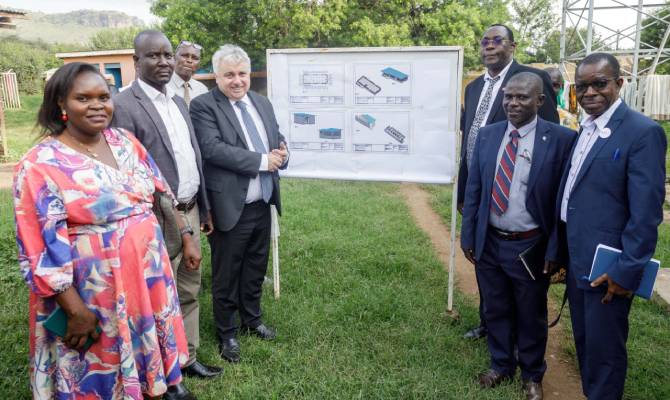
A official ceremony was held in Chiulo yesterday to cut the ribbon and mark a new beginning for the Hospital, which now counts on renewed and more functional spaces thanks to the intervention carried out by CUAMM with the support of ANPG, Azule Energy and partners from Bloco 15/06 namely Sonangol and Sinopec, as part of the project “Supporting Chiulo Hospital and evaluating nutrition interventions in the south of Angola.”

Yesterday, June 25, we gathered at Chiulo Hospital for an official inauguration ceremony attended by His Excellency the Bishop of Ondjiva – Father Dom Pio Hipunyati, Father Alexandre – local head of the Chiulo mission, the Board of Chiulo Hospital, Matteo Villa – engineer at Solar Barrel together with local authorities including: the Municipal Administrator – Elizeth Kondjasili Mwamelungi, the Municipal Health Director of Ombadja – Epifânia Ndesiuda, the Municipal Administrator of Humbe – António dos Santos Luepo and the Provincial Director of the Health Department – Dr. Georgina Graciete Nunes,.

“This partnership comes at a good time, at a moment when our hospital is in need of a profound and complete rehabilitation of its physical infrastructure, in order to meet universal standards and offer quality services to its users. I am deeply grateful for the strength and the positive energy of this great gesture of solidarity and humanity. I wish to express a word of recognition to all the hospital’s staff and beneficiaries. In particular, the government of Cunene province is committed to continuing to fulfill its evangelizing and social mission with determination,” said His Most Reverend Excellency Dom Pio Hipunyati, the Bishop of Ondjiva.

The hospital’s laboratory, operating theatre, theatre room, and radiology unit have been renovated and newly equipped with instruments and materials essential for clinical activity. The intervention aimed at improving healthcare services and ensuring quality care for patients – primarily women and children.

“It has been 25 years since CUAMM began its activities at the Chiulo hospital. Today, I would like to express my gratitude to Azule Energy, ANPG, and all those who were involved in the completion of the works including the health authorities and the hospital staff. As CUAMM, we will continue with our commitment to work at the hospital as well as in the communities to care for the most vulnerable: mothers and children,” stated Joaquim Tomas – CUAMM Country Representative.

The renovated and fully equipped laboratory at Chiulo Hospital

Chiulo is a rural hospital located in the heart of the Angolan mato, in Cunene province. The facility has 234 beds but, due to the scarcity of healthcare infrastructure in the province, its actual catchment area extends well beyond the limits of Humbe municipality. In this hospital, even access to running water and electricity is a challenge. Today, thanks to support from Solar Barrel, we inaugurated a new photovoltaic system that will allow the hospital to reduce energy costs and ensure a more sustainable power supply.

“Chiulo Hospital must continue to be a reference unit within our national health system. We are always grateful for the support received in ensuring quality services, although our desire is to keep improving so that this hospital becomes a true center of excellence,” declared Belarmino Felix – Head of the Public Health Department.

CUAMM’s commitment to supporting Chiulo Hospital has remained constant since 2000, the year we signed a memorandum of understandingt with the Diocese of Ondjiva. Since then, we have focused primarily on maternal and child health, first working within the hospital and later enforcing our efforts with community-based activities including mobile clinics and awareness-raising activities. Over the years, we’ve also invested in on-the-job training for local staff and in the upkeep of the maternity waiting home – a safe place for women nearing childbirth, established by CUAMM in 2012 and still operating today. Thanks to the collaboration with ANPG, Azule Energy and partners like Sonangol and Sinopec we are currently deliverying community-based activities focused on nutrition and hygiene and sanitation both in the provinces of Cunene and Namibe.

Twenty-five years since the beginning of our work in this small hospital located in the Angolan mato, we renew our commitment with enthusiasm to improving the health of mothers and children.


Protecting life at birth the importance of nurses

In Beira, practical training has begun for the 20 nurses participating in the annual professional neonatal nursing course, which started last February, in the province of Sofala in Mozambique. “Formador”, as the tutors are called by the students, “can we discuss a case together? Can you tell me if I’m doing it right?”. Opportunities for discussion and growth are not to be taken for granted for those who have often been accustomed to working without adequate training, alone, in a context where challenges are many.

This is the first course of its kind in Sofala, following an initial year in Maputo. The theoretical training has been completed and the participants have now begun their practical training, which will take place at the Central Hospital in Beira and the Central Hospital in Maputo, particularly in the delivery room and the neonatal unit. This is definitely something innovative because it is the first time that there are nurses in the delivery room dedicated exclusively to newborns.

“You know, Dotora, I did a lot of things before, but I didn’t really know why I was doing them or when it was best to do them. Now I’m prepared, I know what to do and when to do it, so I make informed choices,” said Gracinda, a nurse who has been working in the Berçário at Beira Central Hospital for seven years. Irene Avagnina, a CUAMM paediatrician at Beira Hospital, reports this with satisfaction, recounting the initial feedback received from course participants: “A strong, collaborative team has been created, where people help each other and exchange knowledge and experience. It was essential to make them understand how important they are in the first moments of a newborn’s life, that their service can have a crucial impact! When they successfully resuscitated children or managed to resolve a complex situation, you could clearly see their amazement and gratification at the opportunity to really make a difference.”

A shared commitment to investing in the growth of local human resources, professional training that is part of the project “Strengthening the system of healthcare personnel training institutes and supporting the development of telemedicine”, funded by the Italian Agency for Development Cooperation and implemented with Aispo, the Community of Sant’Egidio and the University of Sassari.


“It was important that the Ministry decided to involve staff already in service. This is definitely the key to having a real impact on the healthcare system, giving operators the opportunity to grow. Despite the challenges of implementation, there has been a clear willingness on the part of the Public Institute of Science and Health to take on this commitment and to think of it from the outset as an ongoing and long-term course because it is seen as a concrete opportunity for improvement,” adds Irene. The Institute is still feeling the effects of Cyclone Idai and the economic crisis, but despite this, it remains a national reference point for professional training in nursing.

“On Mozambican Women’s Day, we got together with our colleagues. We stood in a circle, each of us wearing a capulana – a traditional Mozambican fabric worn by women, which has a strong symbolic value. We had to share a wish, the hope that each of us had for this course,‘ concludes Irene. ’At the end, the group sang a song that says: Those who were afraid to be born, now appreciate life”.

Refugees in Africa: those who stay, those who heal

While borders and barriers become stronger and stronger across Europe, in 2024, 73% of the world’s refugees found shelter in low- and middle-income countries.

Data are reported in the latest UNHCR report, published ahead of World Refugee Day to shed a light on the lives of people forced to flee.

Uganda is currently among the top hosting countries in Africa. With 1.8 million refugees, it ranks fifth globally and first in Africa. In Uganda’s West Nile region, most refugees come from South Sudan, Sudan, and the Democratic Republic of Congo.

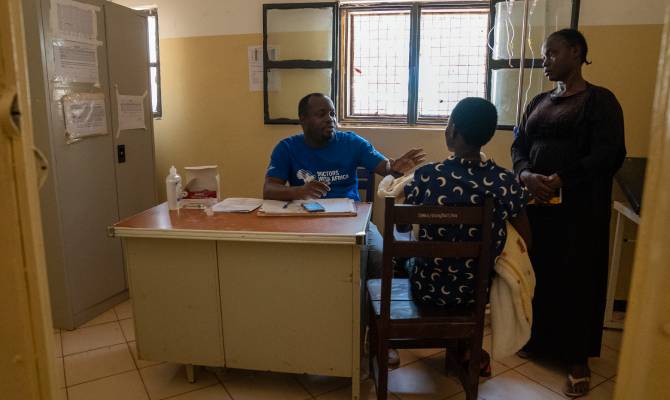
“Conflicts are increasing, and people keep arriving in desperate, emergency conditions,” says Joseph Katetemera, CUAMM Project Manager in West Nile. “Uganda keeps its doors open, even though funding is rapidly declining. To date, overcrowding in camps is a serious issue, and USAID cuts have led to severe underfunding. People must rely solely on their own resilience to survive.”

CUAMM has been working to support refugees in the region since 2022, with the most recent project running through March 2025. The focus has been on providing primary health services, emergency obstetric care, and psychosocial support.

Over the last year alone: 2,777 women gave birth safely, over 14,500 people received care during 100 outreach sessions in villages, 1,042 patients accessed life-saving medications. Special attention was given to people with disabilities, with the construction of accessible latrines, provision of hygiene kits, and inclusive training sessions.

“One of the key achievements, I believe, is that we were able to perform more than 2,000 surgeries on refugees, including over 600 people blinded by cataracts,” says Katetemera. “The story that stays with me most is that of Atizuyo Gladys, a woman who had been blind for eighteen years. Because of her condition, she had lost everything—even the small shop she once ran to support herself. She was ostracized by the community, who believed she had been cursed. Only her family and husband stayed with her. I’ll never forget the day she regained her sight after the surgery: it was the day she saw her children’s faces for the very first time. She even reopened her small business, thanks to a fundraising effort organized in her support.”

Stories like that of Atizuyo give hope in a country where the situation remains critical and the strain is starting to show. And the pressure isn’t limited to Uganda— it also threatens countries like Ethiopia. In Gambella region, near the border with South Sudan, the crisis is deepening. The region currently hosts five refugee camps with over 375,000 South Sudanese, with an additional 50,000 arrivals due to the escalating conflict.

“The situation is truly dire: we’re trying to expand the camps because there’s simply no more space,” explains Daniel Frehun, CUAMM Area Manager in Gambella.

The camps are located in remote areas, often far from water sources and services. Yet CUAMM remains committed. Active in Gambella since 2018, CUAMM currently provides full healthcare services at two health posts in the Ngunyyiel camp and collaborates with community structures in three additional camps.

Activities include: health promotion, preventive care (vaccinations, nutritional screening), treatment, with special attention to women and children. A key initiative is the “tea talks”—informal gatherings led by community health workers, many of whom are refugees themselves, to raise awareness among women of reproductive age.

“These are moments when concerns surface, challenges are shared, and trust is built,” says Daniel.

In a context plagued by recurrent health emergencies—from cholera to the recent Mpox outbreak—the presence of trained personnel and consistent commitment becomes vital.

“Many partners are leaving, but we are staying. Even with fewer resources, we continue working side by side with the community.”

He closes with a message that goes beyond statistics:

“What has struck me most in these four years alongside refugees is their resilience and sense of humanity. I’ve witnessed profound suffering, caused by poverty and repeated health emergencies. Yet they’ve never stopped showing strength, gratitude, and hope. One mother in the Ngunyyiel camp even named her son after ‘CUAMM’, in gratitude for the care she received during her pregnancy.”


“Refugees are not just victims. They are mothers, fathers, and children who once lived in peace and still dream. Today, they continue to support their communities with dignity. We see them, we listen to them, and we walk alongside them.”