CUAMM meets CAR President in Bangui

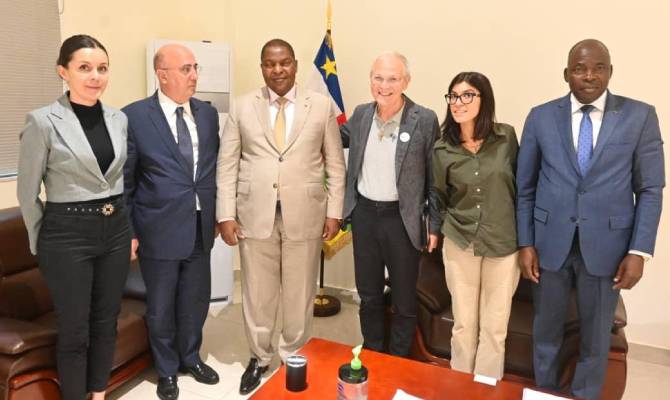
A visit to the Central African Republic to closely follow the constant, daily, and dedicated work of CUAMM teams on the ground. This was the goal of the visit paid by Director General Father Dante Carraro to Bangui, where efforts continue in support of the Pediatric Complex—the only pediatric hospital in the country—and the project to build a midwifery school in Bossangoa.

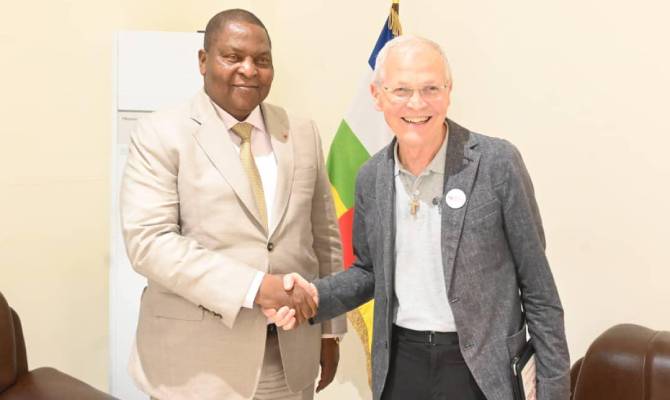
The mission also became an opportunity for a special meeting:  Father Dante Carraro together with Ambassador Filippo Scamacca del Murgo and CUAMM Country Representative – Marina Panarese were received for the first time yesterday at La Renaissance, the presidential palace by the President of the Central African Republic, Faustin-Archange Touadéra. An institutional visit aimed at strengthening cooperation efforts in the country, and at highlighting and appreciating CUAMM’s commitment to maternal and child health and education.

Among the topics discussed were: the strong involvement of Italian Cooperation in the country’s development; the collaboration between CUAMM and the Ministry of Health; and the results that this synergy is producing.

“Italian Cooperation’s support in the health sector is essential, and the work of organizations like CUAMM proves it,” said Ambassador Filippo Scamacca del Murgo. “The results are already visible in terms of improved health infrastructure, reduced child mortality, and the provision of free, quality care for children and their families.”

The President also mentioned the new, major challenge launched by the Minister of Health, Pierre Somsé, and taken on by CUAMM last year: the construction of a midwifery school in Bossangoa—the first in the country to offer training opportunities outside the capital.

“The school is the result of a long-standing collaboration with the Ministry of Health and reflects our way of working with Africa. We started by supporting the Pediatric Complex in Bangui, then moved to the smaller hospital in Bossangoa, and now—thanks to the results achieved—we are ready for this new challenge, strongly supported by Minister Pierre Somsé, who also participated in our Annual Meeting last year in Turin,” said Father Dante Carraro.

Through the midwifery school construction project, CUAMM’s commitment in the country takes a step forward—making education a tool to accelerate development, improve health indicators, and offer growth opportunities to the many young people who can and want to be part of this change.

“We are grateful to Italy and CUAMM for their support to our country. Investing in education is a priority for the development of the Central African Republic, and we are confident this school will be a crucial starting point,” said President Faustin-Archange Touadéra, who expressed his full agreement in renewing the cooperation efforts between the countries.


Sickle Cell Disease a forgotten NCD

Every year on June 19, the global community observes World Sickle Cell Disease Day—a vital opportunity to raise awareness of one of the most widespread yet often overlooked genetic blood disorders. Established by the United Nations in 2008, this day calls attention to the daily challenges faced by people living with sickle cell disease (SCD) and other haemoglobin disorders, emphasizes the importance of early diagnosis and quality care, and advocates for the implementation of effective prevention strategies.

Sickle Cell Diseases (SCD) is considered a non-communicable disease (NCD) along with the so called “Big Five”: cardiovascular diseases (including high blood pressure), cancer, lung diseases, diabetes, and mental health conditions. Such diseases are chronic conditions that are not spread from person to person and represent a growing public health concern in the African region.

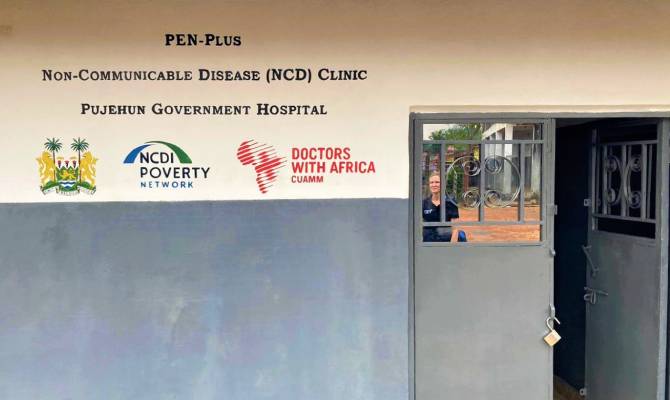
In Sierra Leone NCDs contribute significantly to morbidity and mortality. Limited diagnostic and treatment facilities make early detection and effective management difficult. Many cases remain undiagnosed or mismanaged due to lack of awareness and healthcare resources. For that reason, CUAMM is actively engaged in Pujehun district through the PEN-Plus project. PEN-Plus is an integrated care delivery strategy focused on increasing the accessibility and quality of chronic care services for severe NCDs. Since 2023, CUAMM is supporting the General Hospital—the district’s main hospital—in providing free consultations and care for chronic patients in one of the 2 NCDs Clinics of Sierra Leone.

In this framework, CUAMM is committed to providing multidimensional support, which include, in addition to patient treatment, continuous training of hospital staff and supporting the government in integrating NCDs procedures into national policies. As well as that, the organization is active at the community level throughout the District to raise awareness and spread knowledge on NCDs.

Two years after the start of activities, the clinic registers over 1,000 enrolled patients who receive regular, specialized care and periodic follow-ups, ensuring them a better quality of life. More than half of these patients are being treated for hypertension and Sickle Cell Disease.

Sickle Cell Disease, a genetic blood disorder that causes chronic pain, organ damage, and frequent hospitalizations, is particularly widespread due to the high carrier rate in the population.

Blood disorders, also known as haemoglobin disorders are inherited blood diseases that affect how oxygen is carried throughout the body. These disorders fall mainly into two categories: sickle-cell disease and thalassaemia. Globally, approximately 5% of the population carries trait genes for haemoglobin disorders. Each year, over 300,000 babies are born with severe forms of these diseases. Although inherited from two generally healthy parents, these conditions can have serious health consequences.

Managing and Preventing the Burden

While the burden of haemoglobin disorders is significant, it can be effectively reduced through integrated management and prevention programmes. Disease management includes early diagnosis, regular monitoring, and comprehensive care. However, the most cost-effective approach combines treatment with prevention strategies, such as: carrier screening, genetic counselling and prenatal screening.

CUAMM’s Commitment in Pujehun

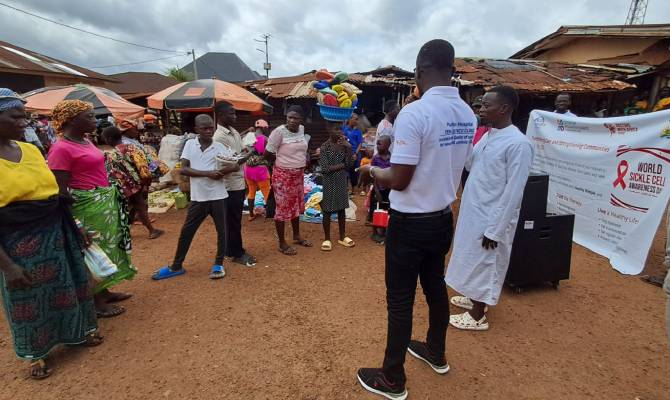
To mark this year’s World Sickle Cell Disease Day, CUAMM led a series of public awareness initiatives in Sierra Leone’s Pujehun district, where access to reliable health information is often limited. These included:

  • Two radio talk shows, broadcast via community radio—an essential communication channel in rural areas—focusing on early detection, care options, and social support.
  • An educational session at Pujehun Secondary School, empowering students with basic knowledge about symptoms, prevention, and the importance of seeking care.
  • A street theatre performance in the central market, using local storytelling and drama to spread messages of awareness, empathy, and inclusion.

These activities highlight CUAMM’s ongoing commitment to supporting communities affected by sickle cell disease and promoting informed choices for healthier futures.

Blood bank as a lifeline in Karamoja

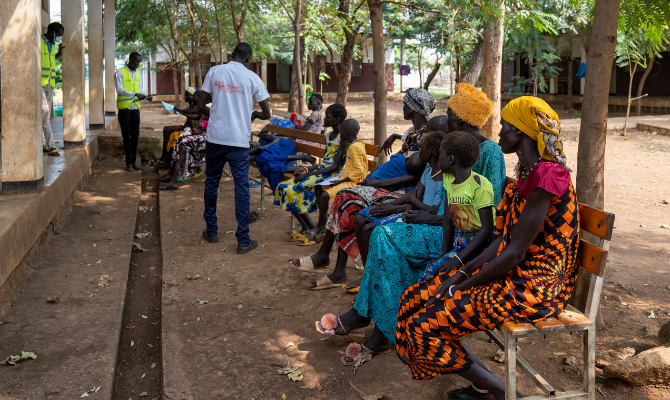
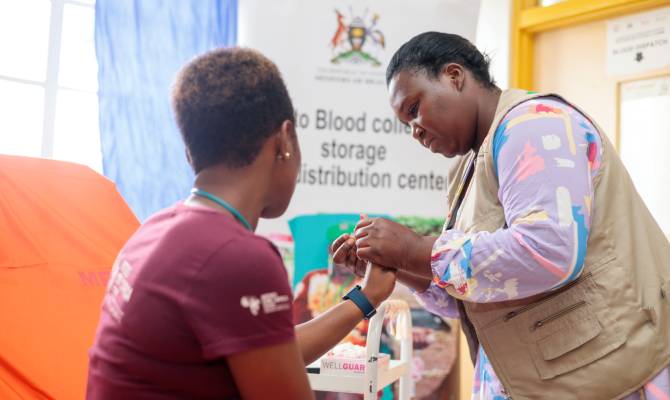
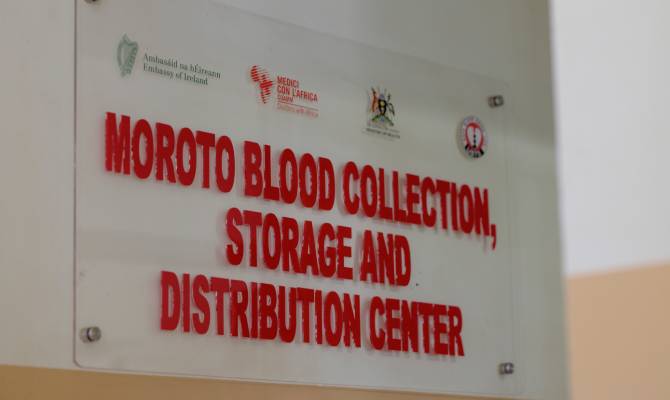
In a region historically plagued by severe blood shortages and high maternal and child mortality, a remarkable transformation is underway. Since the establishment of the Moroto Blood Bank in September 2022 the Karamoja subregion is witnessing tangible improvements in healthcare delivery—especially in emergency care and maternal health. The service was established by Doctors with Africa CUAMM with support from the Embassy of Ireland in Uganda (IrishAid) and serves as collection, storage, and sistribution centre in the region.

This facility, the first of its kind in Karamoja, has revolutionized blood transfusion services by dramatically reducing the distance and time required to obtain life-saving blood.

“Before the opening of the blood bank in Moroto, the hospitals in Karamoja relied on blood from Mbale (300 km away) and Nakasero (500 km), with delivery delays of up to five days. These delays often resulted in preventable deaths, particularly among mothers and children” said Dr. Lilly Achayo Boxtell – CUAMM Project Manager.

Thanks to the Moroto centre, which now serves nine transfusion sites across nine districts, blood is more accessible for Karamoja’s 1.4 million residents. Blood collection numbers have risen significantly—from 8,063 units in the first project phase (Nov 2021–Oct 2023) to 11,439 units in the ongoing second phase (Nov 2024–May 2025), with efforts still ongoing.

Results are being collected in terms of improved health outcomes. Maternal deaths in the region have dropped from 28 at baseline to 12 by October 2023. Nationally, Uganda’s Maternal Mortality Ratio has declined from 336 to 189 per 100,000 live births between 2016 and 2022, according to the Uganda Demographic and Health Survey. The under-five mortality rate in Karamoja has also decreased from 102 to 56 per 1,000 live births, in part due to the availability of safe blood for children suffering from severe malaria and anemia.

To ensure blood continues reaching those in need, Doctors with Africa CUAMM, together with the Ministry of Health Uganda, Uganda Blood Transfusion Services (UBTS), Moroto Regional Referral Hospital, district local governments, and local communities, have implemented a comprehensive strategy:

  • Community engagement through radio shows, community dialogues, educational dramas, donor testimonials, and information campaigns.
  • Mobile blood drives in public places like markets, schools, barracks, offices, and on occasion of cultural events like the Karamoja Cultural Gala.
  • Capacity building for healthcare workers through training, mentorship, and technical support.
  • Infrastructure development, including equipment procurement and installation at Moroto and the supported transfusion sites.

However, challenges remain: Karamoja’s cultural conservatism and sparse population contribute to low blood donation rates, especially among those unfamiliar with the practice. Addressing this requires ongoing community sensitization and storytelling, highlighting real-life success stories and the power of donation to save lives.

“Blood donation in Karamoja is more than a medical act—it’s an act of solidarity. Every unit collected is a life preserved,” said Dr. Lilly Achayo Boxtell.

As this vital work continues, CUAMM remains committed to ensuring no mother or child dies for lack of blood, standing with the people of Karamoja to strengthen the region’s health system, one drop at a time.

Accelerate 2050 sharing experiences to drive impact

Accelerate 2050 is a global conference that brings together institutional leaders, international organizations, UN agencies, companies, foundations, think tanks, universities, and civil society representatives from all over the world to create and nurture a dialogue on major global challenges, particularly in view of the 2030 Agenda and the Sustainable Development Goals (SDGs).

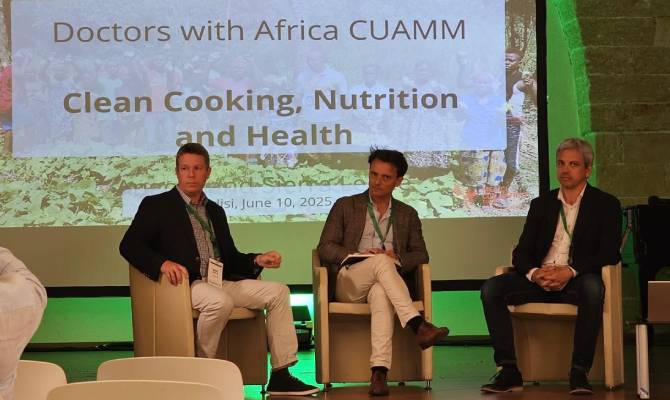
This year the event was held in Brindisi, Apulia and we had the opportunity to participate in it. As an international NGO committed to protecting and promoting access to healthcare in Sub-Saharan Africa, we have been invited to contribute to the panel dedicated to international cooperation under the theme “Early-stage climate & health ventures: war stories from founders & investors”. Together with fellow speakers Brian Fairhurst – Anthropogenic and Paul Sebastien – African Carbon Solutions, Andrea Atzori – Head of International Relations shared both our experience and expertise by underlining the intersection that exists between climate and health.

The WHO estimates that climate change will cause 250,000 additional deaths per year between 2030 and 2050, mostly from malnutrition, malaria, diarrhea, and heat stress.

As Doctors with Africa CUAMM we see firsthand the trend especially in the most vulnerable settings where children and pregnant women bear the highest burnt. To better respond to their health needs, we work in collaboration with health authorities, from first to third level ensuring the continuity of care. In addition, we also intervene at community level by promoting a bunch of activities including: training and sensitization on nutrition, WASH and IPC, community engagement, screening, data collection and monitoring.

«In the current global scenario, climate change is not only an environmental issue — it’s a social and economic disruptor that deepens poverty, forces migration, weakens food and water security, and undermines mental and physical health mainly affecting women and children – claimed Andrea Atzori. – These challenges are complex, interconnected, and cross-sectoral that’s why as CUAMM we are committed to adopting a integrated approach to address the issue».

The Clean Cooking program, discussed during the panel is indeed a model of such approach as it stands right at the intersection of health, climate, gender equity, and sustainable development. Designed to be scalable, sustainable, and adaptable to local contexts, the program is an effective tools to monitor communities’ habits and health status  therefore implement adequate strategies.

Ukraine No truce

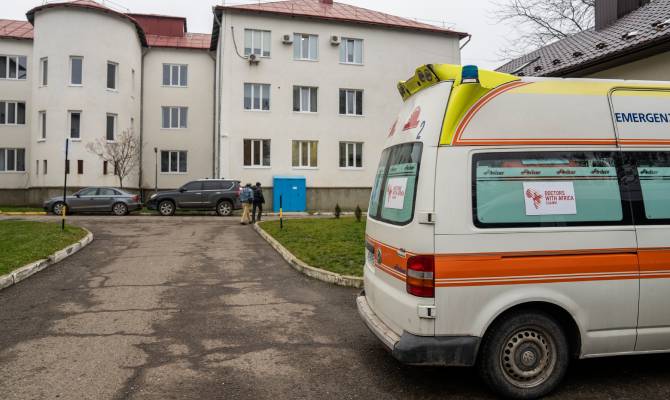
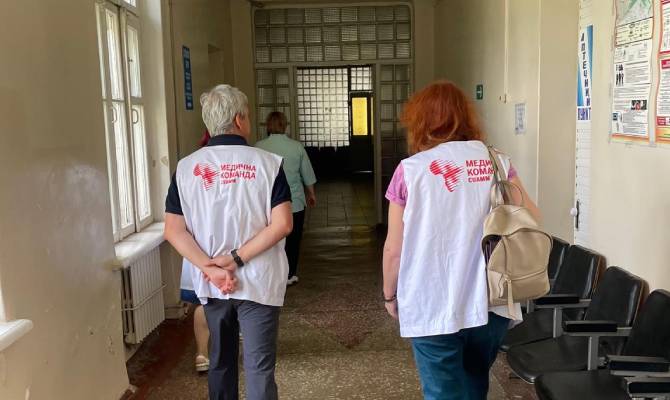
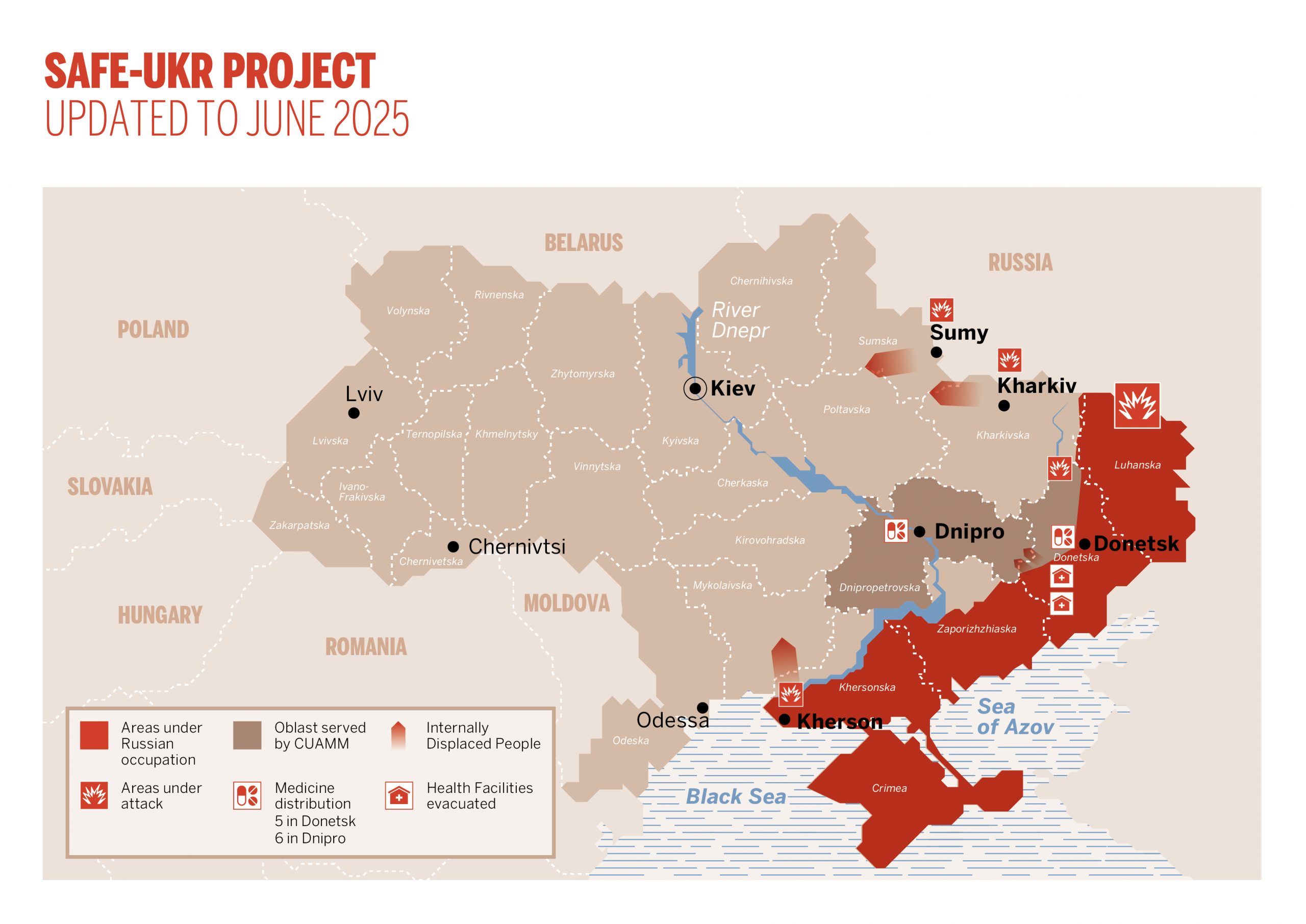
Three years ago, we launched an intervention in the country with the twofold objective of providing support to the civilian population affected by the conflict and equipping healthcare facilities in need with consumables, equipment and emergency kits needed to ensure care—particularly in areas closest to the front line.

It is precisely the medical logistics activity to have distinguished CUAMM’s intervention in the country from the beginning. Based on the Health Request Planning and Response Tool developed by the WHO, this activity, in line with Strategic Objective 113 of the 2023 Ukraine Humanitarian Response Plan (HRP) and Health Cluster Objective 114, also contributed to the cluster’s core activity: “Procure, prepare, and distribute essential medicines, medical equipment, and consumables to healthcare facilities.”

“The greatest needs have always been surgical instruments and emergency kits, especially for facilities located right on or near the front line. Sutures, needles, forceps, surgical scissors—as well as trauma management and care tools like neck collars, spinal boards, and evacuation stretchers—are the most requested supplies,” said Francesco Belotti, CUAMM Project Manager in Ukraine.

Among the most at-risk facilities are those in the Donetsk region, which a few months ago, as the front line advanced, were ordered to evacuate.

“These were two healthcare facilities that suddenly found themselves just a few kilometers from the fighting. The entire area was evacuated, and healthcare staff were relocated elsewhere. As a result, the nearest remaining healthcare posts became reference points without the real capacity to manage care. That’s exactly where we redirected our distribution” claimed Francesco Belotti.

The Donetsk region, together with the Kherson and Sumy regions, is among the hardest hit by the most recent attacks. Last week according to local authorities, 45 civilians were reportedly killed.
Meanwhile, 500 people were evacuated from areas near the front line in the Donetsk and Sumy regions, where homes, schools, hospitals, and infrastructure were also damaged or partially destroyed.

Today, as the conflict shows no signs of ending, on the contrary it becomes more intense in the Dnipropetrovsk region, the need to ensure access to care and assistance remains, as noted by Andrea Atzori, CUAMM Head of International Relations.
“Medical logistics has been at the heart of CUAMM’s work in Ukraine for three years now. Today, giving continuity to the intervention is important in order to ensure the functioning of health facilities in distress, provide health services to the population and facilitate the reconstruction phase,” said Andrea Atzori – Head of International Relations of CUAMM.

Since first medical logistics operations, started in July 2024 and recently completed, we have involved eleven healthcare facilities located in Dnipropetrovska and Donetska oblasts, reaching a target population of 30,400 people.
The medical logistics activity is part of the SAFE-UKR project: Support and Assistance for Families in Emergency in Ukraine, which is part of a €46.5 million initiative funded by the Italian Agency for Development Cooperation (AICS) that reaches over 900,000 people affected by the Ukrainian crisis.


Diagnosis, treatments, resources tools that save lives

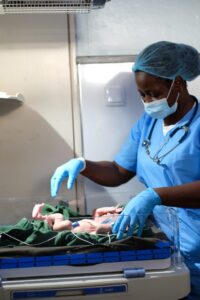
Bethel is a two-year-old boy whose story is told by Alessio Tabuso – an Italian resident in Bangui, Central African Republic. We hear from him on a Friday during a short break he manages to carve out. It’s a special day at the Paediatric Hospital – CHUPB as a neonatologist from Dakar has come to give training sessions. It’s an opportunity no one wants to miss — neither doctors nor nurses — and so the wards are temporarily empty.

“We have so many patients, both in pediatrics and in intensive care unit, and the health workers are only a few. This is a great opportunity for them, but someone still needs to stay on duty. So, we’re rushing around — we’re used to it!” Alessio tells us.

As he begins to recount this story of care, Alessio starts from the end — partly because the ending is pretty unusual and far from guaranteed, and partly because emotions are still running high.

“I was in the corridor during rounds this morning then I heard a woman screaming my name. When I turned around, I saw Bethel running toward me while his mother smiled from a distance. The first thing I thought? The boy can see!”

It’s a story that begins with a hug yet, it reveals the numerous challenges in providing care in Central African Republic, where every day healthcare providers struggle with diagnostic difficulties, a lack of medical equipment, shortages of medicines, and insufficient and underqualified human resources. These are elements that — in a country ranked among the lowest on the Human Development Index — make access to healthcare a ever ending struggle.

When Bethel arrived at the hospital, he had fever and was vomiting. He wouldn’t stop crying. After a few questions, the doctors realized he already went to a peripheral health center, in Picola Barbi, a few dozen kilometers from the capital. The local healthcare staff had tried treating him for several days with broad-spectrum antibiotics and antimalarial drugs, without any success.

“Vague symptoms common to many illnesses make diagnosis harder. Health personnel in health posts do what they can with what they have but time goes on and the risk of the patient’s condition worsening increases,” Alessio explained.

And that’s exactly what happened with little Bethel, who was transferred to CHUPB only after a week of ineffective treatment.

“When he arrived here, his body had already lost muscle tone and he was barely conscious. Holding him in my arms felt like holding puppet.”

The loss of muscle tone, combined with a state of unconsciousness and persistent fever, often points to tuberculous meningitis — a severe form of TB that unfortunately, due to diagnostic challenges and a lack of timely treatment, mainly affects children. If not promtly treated the diseases can have severe consequences to the health, including brain damage, hearing loss, vision loss, seizures, stroke, and eventually death. Upon admission to the hospital, the doctors were informed of two seizure episodes and immediately started antibiotic therapy while ordering a series of tests to rule out the worst-case scenario.

“Tuberculous meningitis is an infection of the meninges that primarily affects children and can, unfortunately, have devastating consequences. Identifying the bacterium in time and starting the correct treatment is crucial to prevent paralysis, coma, and ultimately death,” said Alessio.

To confirm or rule out their suspicion, the doctors performed the GeneXpert test. Needless to say, this type of test is only available in the capital. The results confirmed the presence of Mycobacterium tuberculosis in the gastric fluid, and the little patient’s condition worsened dramatically in the following hours.

Bethel experienced a prolonged seizure, the doctors observed signs of increased intracranial pressure, and the situation became even more critical when blood tests revealed dangerously low sodium levels (severe hyponatremia). Intervention was needed, but had it not been gradual it would have caused itself neurological damages. The team implemented a therapy that was carefully administered over several days.

These were long, tense days and Bethel’s life was hung by a thread.

“The little boy recovered after about ten days of intensive treatment. When we discharged him, he was in good general condition but was supposed to return in the following days for follow-up visits” Alessio explained. “Unfortunately, families here often lack the means to travel, and I hadn’t seen Bethel again — until this morning, when, to my surprise, he came running toward me. He was doing well, and he could see!”

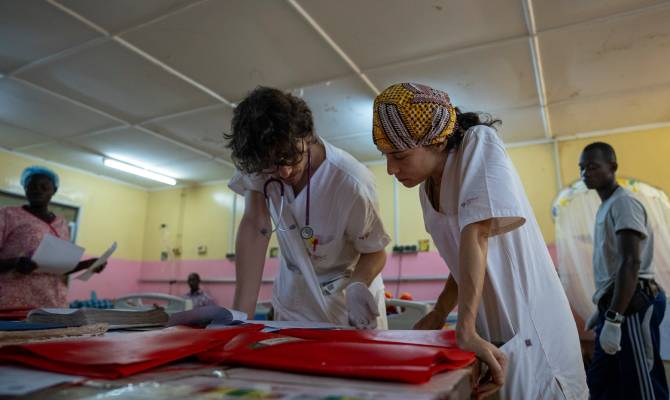
Bethel’s life was saved by a care system that allowed him to receive the attention and treatment he needed at the country’s one and only tertiary-level pediatric hospital. The follow-up visits he attended showed no signs of damages to the eyes, a consequence of the disease that can also result in permanent vision loss. CUAMM teams work tirelessly at the CHUPB to support both the paediatric ward and the intensive care unit to ensure children like Bethel adeguate and timely care. Our commitment at the hospital is financially supported by the European Union.


FRENCH VERSION


The contents are the sole responsibility of Doctors with Africa Cuamm and do not necessarily reflect the views of the European Union.

Cholera outbreak in Angola CUAMM emergency response

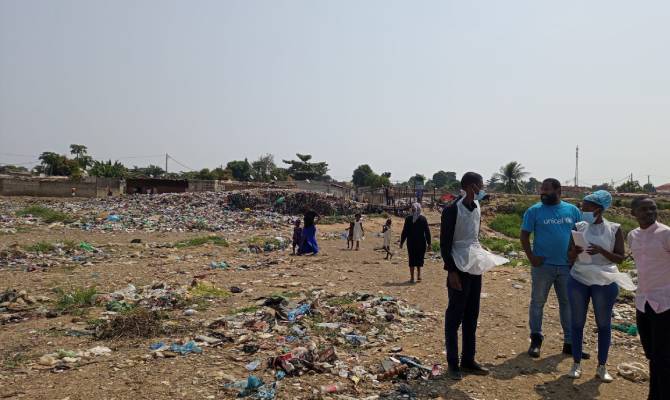
Following the first cholera cases recorded early this year, on January 7th the Angolan Ministry of Health officially declared a cholera outbreak. The Country is currently facing one of the most serious cholera outbreaks in decades. As of May 21, more than 21,000 cases and almost 700 deaths have been recorded in 18 of the country’s 21 provinces (WHO, May 2025) being Luanda and Bengo those most severely affected.

The situation is particularly serious in Luanda province, where the lack of clean water, hygiene, and basic sanitation has accelerated the spread of the disease. Entire families are at risk, with no access to adequate means to treat water—and many without even understanding the risks and origin of the disease. The most affected age group is children between 2 and 5 years old, followed by the 10 to 14 age group.

In response to this public health threat, Doctors with Africa CUAMM in collaboration with UNICEF is delivering a emergency response to contain the outbreak and reduce transmission within communities, especially among vulnerable populations. The intervention, financed by the European Union aims to support the Ministry of Health in ending cholera epidemic thus contributing to reduce the case fatality rate.

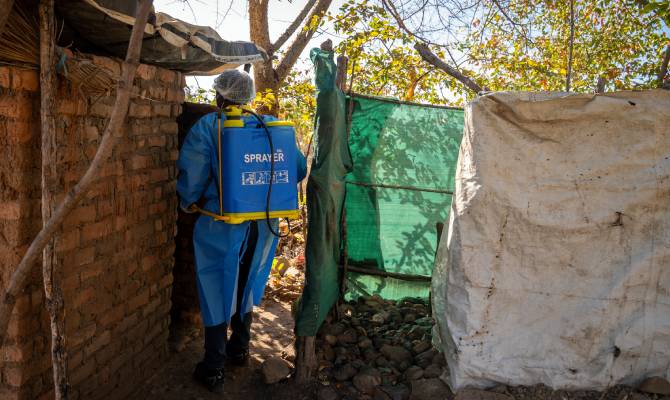
“For the first time in the country, we are implementing the rapid response methodology known as CATI (Case Area Targeted Intervention), which involves the deployment of a mobile team to carry out disinfection, water chlorination, residual chlorine testing in drinking water, and health education, while establishing a sanitary cordon around the household of the confirmed case. This is complemented by a large-scale outreach effort aimed at raising awareness and reducing risk factors in the city’s bairros, while trained teams conduct disinfection activities and disseminate chlorine in public water sources.” said Edoardo Occa, CUAMM anthropologist and community health expert

As part of the CATI strategy, CUAMM is committed to delivering WASH and Infection Prevention and Control (IPC) activities and Risk Communication and Community Engagement (RCCE) intervention in 12 municipalities in Luanda province over the next three-months. A grassroot intervention that by combining community-based and IPC activities enhances the effectiveness of the response. While IPC focuses on reducing transmission in healthcare settings and at the household level, community interventions extend this impact across the broader population through awareness, behavior change, and local engagement. This integrated approach ensures faster case detection, wider adoption of safe practices, and addresses the environmental and social factors that drive transmission. Crucially, it also fosters trust and community ownership, which are essential for both immediate outbreak control and longer-term resilience against future epidemics.

WASH and Infection Prevention and Control (IPC)

Improving access to safe water is crucial in cholera outbreak control. A bucket chlorination strategy is being rolled out to cover hundreds of community water points —including private water tanks, water transporters (tricycles), community wells, and public fountains. Owners and operators of these points, selected by the communities, are being trained by CUAMM in proper chlorination techniques and mobilized to sustain treatment practices during and beyond the outbreak.

In addition to this, CUAMM is ensuring a proper organisation and distribution plan of the chlorination kits and providing logistical and technical support to municipal surveillance teams by ensuring they have vehicles and proper equipment to conduct the targeted household interventions package within a maximum of 48 h—including active search of cases, household disinfection, and RCCE in cases households and immediate neighbors. Visits to family are moreover an additional opportunity for the teams to identify water sources used by the cases households and the water sources most used by the neighbors of the cases houses and train the owners or managers of these water points to do bucket chlorination.

As part of the emergency response, CUAMM in collaboration with UNICEF has also invested in prevention, community mobilization, and volunteer training to ensure that information and solutions reach those who need them most. In times of health emergency, information is one of the most powerful weapons. Through awareness campaigns, CUAMM and UNICEF are working closely with community leaders, teachers, and health agents to ensure that messages on prevention, control and treatment reach everyone.

Risk Communication and Community Engagement (RCCE)

Community mobilization is being done through trained mobilizers from targeted municipalities supported by a CUAMM team leader. They are in charge of leading interactive dialogues with affected populations at specific and selected central and public gathering sites. These mobilizers are trained to demonstrate water treatment methods and the preparation of standard rehydration solutions (SRO) at Oral Rehydration Points (ORPs), and within communities.

Community engagement is paramount not only to deliver effective response but also to promote ownership within communities. Through continuous education and awareness work, they have promoted changes in hygiene habits and water treatment practices. Moreover, by involving the residents themselves in the process, they have strengthened the sense of responsibility and encouraged the population to tackle this public health issue more effectively.


Addressing health challenges with FBOs

Today in Freetown, Sierra Leone we hosted a significant event under the theme “The Role of Catholic Health Institutions in Addressing Health Challenges: Free Care versus Cost Sharing in Different Service Delivery Models.” The gathering, supported by Conrad N. Hilton Foundation brought together representatives from Catholic health institutions, government stakeholders, and international partners to reflect on how faith-based organizations (FBOs) can continue to play a vital role in strengthening the national health system.

Catholic health institutions, many of which are rooted in remote and underserved communities, represent a cornerstone of Sierra Leone’s healthcare landscape. With a long-standing commitment to the dignity of every human life, these institutions often deliver care where services lack yet are most needed.

«As faith-based organizations committed to promoting access to health, our work is driven by the values of equity and solidarity and reaching the most vulnerable and marginalized communities is our mission» said Sister Josephine Amara.

The event offered participants the opportunity to navigate and discuss a pressing dilemma: how to balance the principle of free care—especially for the most vulnerable women and children—with sustainability, quality, and resource constraints. Discussions explored innovative models of cost-sharing that ensure access without compromising on standards, while also emphasizing the need for stronger public-private collaboration.

In this context, CUAMM reaffirmed its commitment to supporting Catholic health institutions as key partners in delivering people-centered care. To date, thanks to the support of international donors like Conrad N. Hilton Foundation, CUAMM is collaborating with 150 catholic institutions across 50 African countries reaching 173 health facilities with activities that spans from technical assistance to traning and advocacy.

By bridging gaps between communities and national health systems, FBOs do not only provide services—they build trust, promote preventive practices, and uphold the moral imperative of caring for all, especially the poorest.

DISCOVER WHAT WE ARE DOING WITH FBOs ACROSS AFRICA

Advanced training in Mozambique Diploma Ceremony

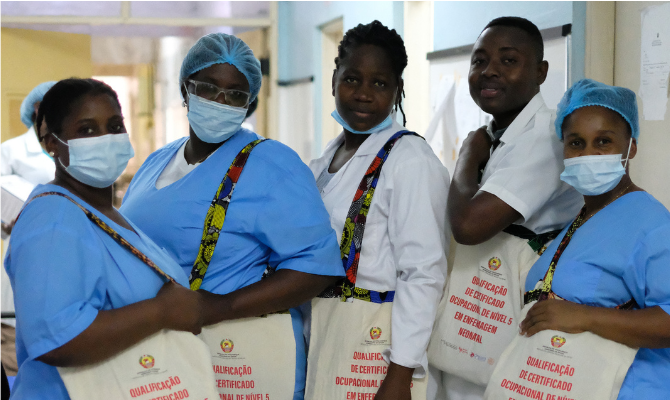
The first edition of the advanced training program on pediatric and neonatal care dedicated to Mozambican professionals has just concluded and 14 professionals now hold the degree.

The initiative, supported by the Italian Ministry of University and Research (MUR) was led by University of Padua in collaboration with CUAMM and the two main Mozambican universities: Eduardo Mondlane University and the Catholic University of Beira.

Some of the nursing students graduated together with partners and institutions involved in the initiative

The goals of the program were to internationalize higher education in Mozambique, promote exchanges between academic institutions, and strengthen professional training in pediatric and neonatal care.

“It’s been a long way to get here. First, we had to work hard to get to know better one another and then we eventually started collaborating in an effective way. This ceremony is a result that fills us with pride” said Prof. Daniele Trevisanuto

The advanced training program was launched in November 2022 at Eduardo Mondlane University in Maputo. Today, three years later, we gathered in the same location to celebrate the graduation of 14 students — 13 women and one man — from all provinces of the country. Among them: 6 doctors and 9 senior nurses. The event was attended by the Italian Ambassador to Mozambique, Gabriele Annis; Professor Jahit Sacarlal, Dean of the Faculty of Medicine at Eduardo Mondlane University; and a delegation from Padua including Prof. Liviana Da Dalt, former director of the Pediatric Emergency Department of the Department of Women’s and Children’s Health at the University of Padua; Prof. Daniele Trevisanuto, neonatologist at the University of Padua and coordinator of the program; and Giorgia Gelfi, CUAMM Country Manager.

“This master’s program is an opportunity for the doctors and nurses who took part, but above all for the health system, as they will be able to contribute to improving the health of the communities they serve, with particular attention to the most vulnerable, such as children,” said Ambassador Gabriele Annis, who concluded: “The Italian government, through the Ministry of University and Research, is committed to funding a second edition in order to continue strengthening the training of Mozambican healthcare professionals.”

The academic institutions involved collaborated in designing the joint program, drawing on the expertise of faculty members, researchers, and scholars from various disciplines. The training path included a set of general mandatory courses, followed by specific mandatory modules. Courses offered included: Ethics in Clinical Practice and Scientific Research; Communication and Expression Techniques; Fundamentals of Epidemiology; Basic Biostatistics; Advanced Research Methodology; Childhood Sociology; as well as Common Neonatal and Childhood Diseases in Mozambique; Pediatric Cardiopulmonary Diseases; Pediatric Hemato-oncological Diseases; Pediatric Neurological Diseases; Neonatal Emergencies; Pediatric Nephro-urological Diseases; and Pediatric Accidents and Poisonings.

Dr. Daniele Trevisanuto with five of the six doctors graduated and their tutor

“During the first year, we mainly focused on research and analysis and learned how to observe neonatal and pediatric care from a different perspective — one that is essential for improving the monitoring and treatment of the youngest patients. Then we delved into a more clinical part focusing on the most common diseases in Mozambique and through the studies we analyzed the main challenges and barriers to care. The visit to Italy, where we experienced a different system, made it clear to us that the most important thing is to develop effective strategies by seeking practical and achievable solutions within the local context. Only in this way can we truly make a difference” said Sara Razão Simão.

Thanks to the involvement of the University of Padua, four integrated courses were also offered:

PALS Course – Pediatric Advanced Life Support (coordinated by Dr. Andrea Pettenazzo);

Neonatal Resuscitation Course (coordinated by Prof. Daniele Trevisanuto);

Respiratory Diseases Course (coordinated by Dr. Serena Calgaro);

Pediatric Nutrition Course (coordinated by Dr. Giovanna Verlato).

To promote internationalization between universities, the training program also gave six doctors the opportunity to visit Italy and attend clinical activities at the University Hospital in Padua under the guidance of Dr. Daniele Trevisanuto, pediatric neonatologist and professor. A opportunity to explore a different care model and get to know better the Italian healthcare system.

The project, launched in Maputo in November 2022, involved Doctors with Africa CUAMM — which has long been committed to training doctors in Mozambique — and was led by the University of Padua, the initiative’s coordinator and a key actor in multiple areas: from planning the academic curriculum and training sessions, to proposing distance learning and e-learning formats; from identifying teaching staff to facilitating intercultural exchanges between faculties; from enabling access to learning for 14 students to sending materials and equipment essential for higher education.

For the six doctors who completed the advanced training course, this experience was “a unique opportunity that was no available in Mozambique,” as Yumna said, adding:

“Studying and working under the guidance of highly experienced professors allowed us to open our minds and envision new horizons of care that will help us approach our work as doctors with greater capability.”

A truly unique achievement that by combining clinical practice with academic research provided students with a methodology, an approach, and a vision that many of them consider the greatest competence gained.

“Beyond improving my clinical skills, this course has truly allowed me to adopt a broader perspective. I would say that, more than anything, now I feel capable of approaching pediatric emergencies with a new method—one that suggests me to focus on the preventive aspects necessary to define effective strategies to reduce child mortality,” said Joyce Ventura Monteiro.

“The diploma I hold today is not only a personal achievement but also a renewed commitment to the health of our children in Mozambique,” said Afsha Banu Tahibo. “The training I received has expanded my ability to intervene in critical contexts, strengthened my sense of responsibility, and provided me with concrete tools to improve neonatal and pediatric care in our country, where every intervention can make the difference between life and death.”


Rural medicine off Wolisso

The departure from St. Luke Hospital in Wolisso is scheduled for early morning. At one o’clock Ethiopian time.
The time of a people who give great importance to sunlight—for this reason, hours are counted from sunrise. So it’s 7 AM Western time when the Toyota Land Cruiser driven by Hagos leaves the hospital. In the vehicle: three CUAMM medical residents, one student, Sister Martha, and Sister Marie Rein with two nurses: Benjamin from St. Luke and Wase from Gambella.

The first stop is in Goro where we are about to visit Father Joseph’s community. He is an Indian missionary priest from Kerala, in Ethiopia for four years. He is working to improve the development of some villages in the region. He welcomes us warmly into the beautiful mission courtyard, enriched with plants from all over the world. He briefly explains the project to us. After tasting a few freshly picked grape berries from the garden’s pergola, we return to the off-road vehicle, now joined by Emanuel, another Indian priest and Joseph’s confrere, who will be our guides for the day.

We leave Goro heading west. On the bumpy road, the only motorized vehicles are our 4×4 and a motorcycle that take us to destination.

After about 20 km of jolts and shakes—and more than an hour of travel—we reach the final destination: Galiye Rogda, one of five villages inhabited by a population that, by language, traditions, and somatic traits, shares little with the other inhabitants of the region.

Perhaps it’s not exactly the “last mile”of CUAMM’s cooperation work, but it is still many miles away from the main road and basic services we might consider essential to ensuring the physical, mental, and social well-being of every human being lack. Services that will soon become even more inaccessible with the impending rainy season.

The village suddenly appears in the highland countryside—a cluster of circular huts made of wood, straw, and mud, surrounded by dark brown fields indicating the plowing season. The silence is absolute. In the foreground, everything seems frozen, captured in the short shadows of the equatorial sun. But life flows, and its rhythm is revealed in the background, with the slow and steady advance of oxen pulling wooden plows.

Waiting for us in front of the small tin school building used as a clinic is a group of curious, proud children, accompanied by a few women watching over them from a short distance. The men, all farmers, are in the fields. Soon, as word spreads about the doctors’ arrival, they will abandon their work and gather at our post.
This is not the first time doctors from the “city” have come to the village. In fact, in the past six months, Father Joseph and his congregation have already organized two similar events.
Still, our arrival is met with curiosity and suspicion. The children gaze at us from a safe distance and quickly look away when our eyes meet. Some hide. The youngest cry, protected by the older ones. A few are bold enough to touch us before darting back behind the women, who smile from the sidelines.

A few minutes after the initial meeting, people begin to gather. It’s time to begin the consultations.
Inside the little schoolhouse, three medical stations are set up: doctor and nurse side by side, with stethoscope, pen, pulse oximeter, blood pressure cuff, and a portable ultrasound device.

The line in front of each station grows.
The flow of people is well managed by the missionary priest and two nuns from a nearby health center who have silently joined our group. From Costanza’s desk, the pediatrician, a dense and orderly line of children extends—pressed one against another, each clutching a small slip of paper where their medication prescription will be written according to their symptoms.
Our few words of Oromiffa often help us understand the main issue. The nurses are always ready to step in and assist us in Amharic.

Headaches, nausea, coughs, stomachaches, vomiting, diarrhea, fatigue, shortness of breath. Some wounds to be treated. Many children are malnourished.

“My whole body has been hurting for two years.”
“I know—you work too much.”
Despite the early skepticism, there is room for some jokes.

An accurate diagnosis isn’t always possible. But everyone leaves with a prescription. Some with painkillers, some with vitamin or iron supplements, deworming medication, only a few with antibiotics or corticosteroid therapy.
Outside the school/clinic, the nuns dispense the prescribed medications to each patient.

Not everyone is completely satisfied—some perhaps wanted more time to be listened to, feel they weren’t understood. And perhaps they weren’t. Their health issue may need to be addressed in other ways. Rural medicine is this, too: complex problems, very few resources, interpretations—sometimes right, sometimes wrong. Sometimes only short-term solutions.

Most of the patients, however, seem content with this brief encounter.
We expected 300 people, and not many fewer came. When the crowd starts to thin and the last few latecomers approach the tin door, the sun is already past its zenith. After that, the clinic closes. The patients are gone. We all look each other in the eye. A laugh.
We’re not yet fully aware of what we’ve just experienced. But this isn’t the time to process emotions. We gather our tools and begin the return to Wolisso.

We’re aware not of having made a great medical contribution, but perhaps of having taken a small step to bridge the gap between the city and the countryside, to counter the trend of abandoning rural areas in a country where the main economic resources are used to build towers and beautify the tree-lined avenues of the capital.
Perhaps a small gesture from those with more privilege toward those with less—or none at all—can shift the focus and, for a moment, center individuals and communities for whom being forgotten is often the norm.

The return to Wolisso, which until a few weeks ago we thought of as a remote rural hub in the Ethiopian countryside, now feels like arriving in a chaotic metropolis—reminding us how much in life depends on one’s point of view.