SOUTH SUDAN: THE FIRST OBSTETRIC FISTULA REPAIR CAMPAIGN IN LAKES STATE

In Lakes State, South Sudan, we promoted and implemented the first campaign for the surgical repair of obstetric fistula. Carried out in collaboration with UNFPA and in close coordination with local authorities, the initiative enabled women and girls living with this condition to access free screening and surgical care.

Obstetric fistula is a severe injury caused by prolonged and obstructed labour and by a lack of timely access to obstetric care. In addition to causing physical pain, women living with this condition are often forced into isolation and experience significant psychological suffering as a result of its consequences and the associated social stigma.

For this reason, the campaign started at community level. Through awareness-raising and mobilisation activities, we worked to identify women living with obstetric fistula and accompany them to the healthcare service established to provide surgical repair, overcoming the challenges posed by distance, which often prevents the most vulnerable from accessing care.

“There are still many women who are forced to suffer in silence. They are all around us, in our villages, in our homes, throughout the country. We want everyone to do whatever they can to support these women and refer them to the services available so that they can receive the care they need.” Dr Salewu Olumide, CUAMM Country Representative in South Sudan.

In total, 73 women underwent specialist screening. Those whose conditions were considered suitable for surgery were then able to access free surgical repair.

51 women were admitted for surgery — 51 women who were able to receive a diagnosis, be taken into care and access free surgical treatment for a condition that too often brings pain, isolation and stigma.

“Now that I have been able to undergo surgery, I have regained the dignity I felt I had lost. I am finally at peace, and I know that I can lead a normal life, without fear or shame. I want all the women and mothers out there to know that they too can feel this way. They too can get better and live better. I will personally do my part to help them access the care that I myself have received.” Jane, one of the women who underwent surgery.

The campaign was carried out by two specialists engaged by CUAMM specifically for this purpose. They worked alongside local hospital staff, providing training and support throughout the pre- and post-operative phases, with the aim of laying the foundations for similar initiatives to be repeated in the future, drawing on the necessary skills already available locally.

Mobilising communities, identifying women, providing screening, offering free surgical care and training healthcare staff: it was through this integrated, multi-level approach that we made access to obstetric fistula care possible in Lakes State.

And while surgical repair can give women the opportunity to return to a life free from the consequences of fistula, the challenge is, first and foremost, to ensure that no woman has to live with this condition because she was unable to access skilled care.

Fistula can, in fact, be prevented before it needs to be surgically treated. Prevention requires access to skilled care during childbirth and timely emergency obstetric care. Making maternal health services accessible and improving their quality is therefore the first step towards ensuring that women receive the care they need and addressing not only maternal mortality but also maternal morbidity.

In Lakes State, we support three hospitals so that they can provide preventive and curative services to ensure safe pregnancies and childbirth, including the management of obstetric emergencies and newborn care. In 2025, these three facilities recorded 6,715 deliveries, of which 3,689 took place in Rumbek. These hospitals are supported by a network of 63 peripheral health facilities, connected through an ambulance service that transported 3,527 obstetric cases last year, accounting for 77% of all patients referred.

Alongside our support for the ongoing delivery of services, we are also investing in their availability and responsiveness to the needs of women in the medium and long term. This includes support for the Rumbek Institute of Health Sciences to train future midwives, an initiative also implemented in Lui, Western Equatoria State.

In a country such as South Sudan, where the maternal mortality ratio is 692 per 100,000 live births and the neonatal mortality rate is 40 per 1,000 live births, this is an intervention of critical importance.
Camp Wan WƆD: Finding Strength in One Voice

For children and young people living with chronic conditions in Sierra Leone, the challenges often extend far beyond medical care.

Access to treatment, continuity of care and reliable supplies of essential medicines can be difficult to guarantee. As in many parts of sub-Saharan Africa, care for non-communicable diseases remains concentrated in referral hospitals in major cities, leaving many children and families in rural communities facing long journeys and significant barriers to affordable, consistent care.

For young people, these challenges can affect much more than their health. They can shape their education, relationships, confidence and ability to participate fully in their communities.

Camp Wan WƆD was created to change that.

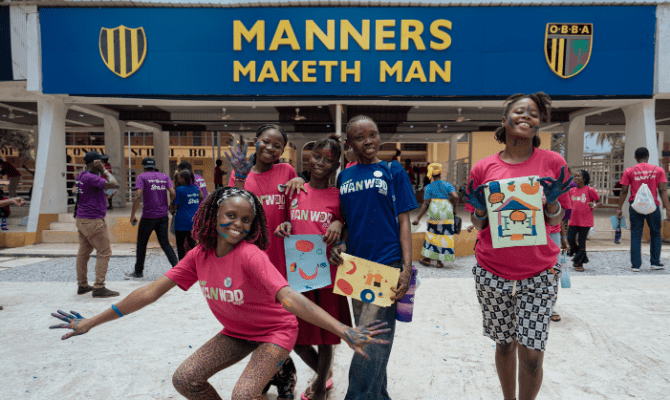
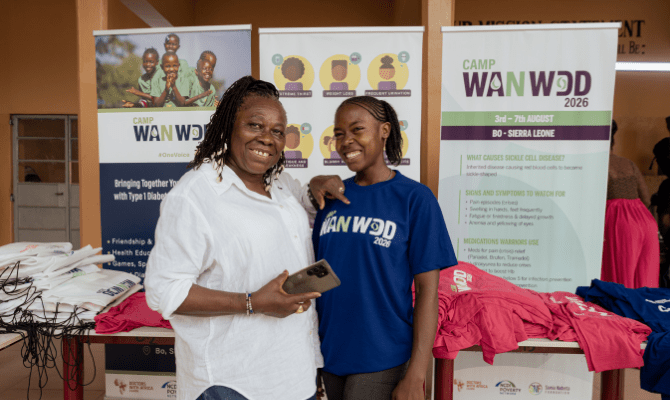
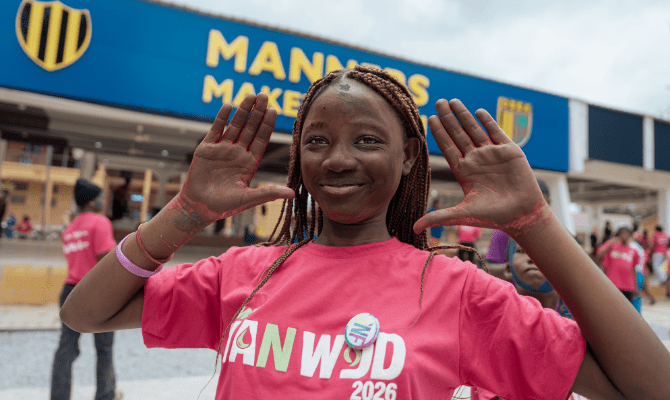
Wan WƆD means “One World” in Krio. The name reflects the spirit of the camp: different conditions, different experiences and different challenges, but a shared determination to speak up for their rights, access to healthcare and a healthier future.

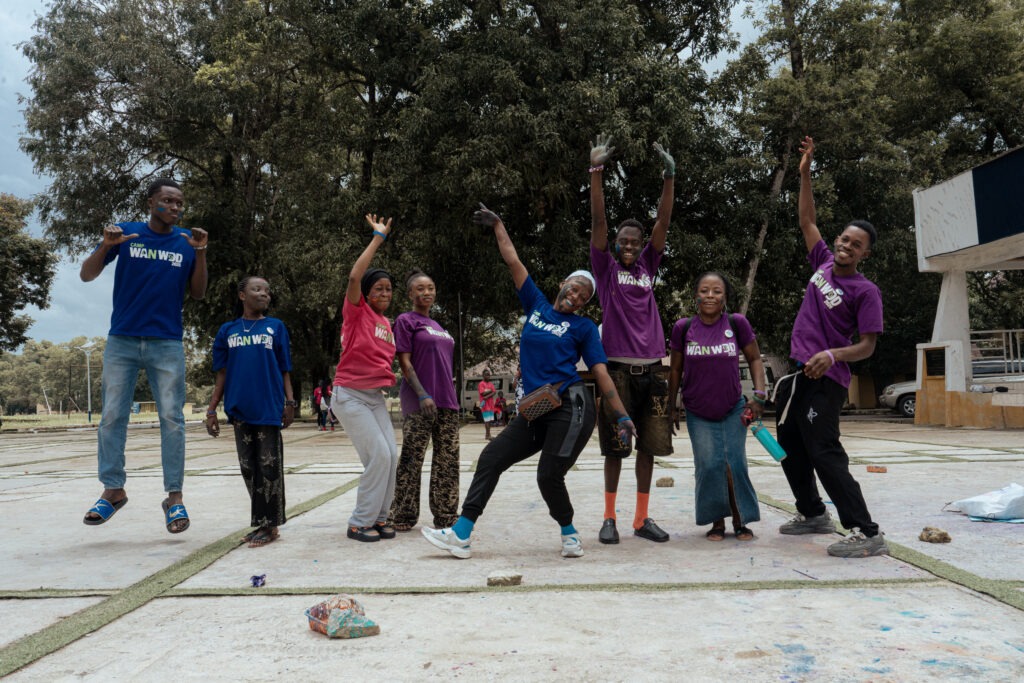
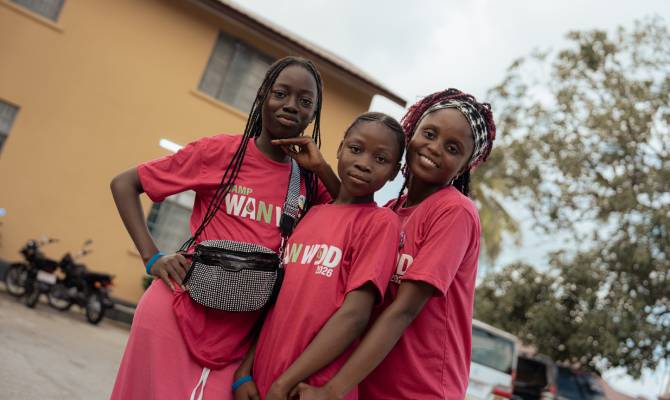
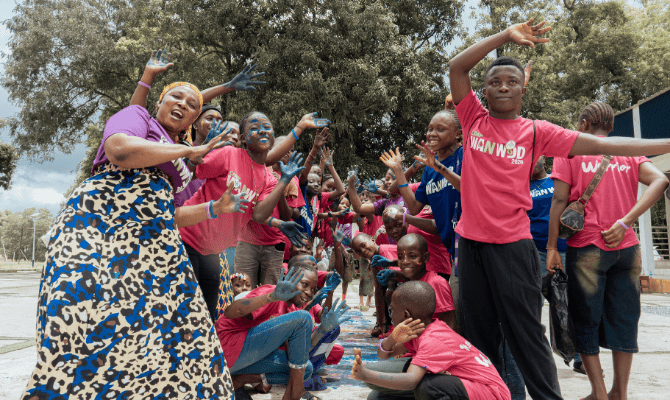
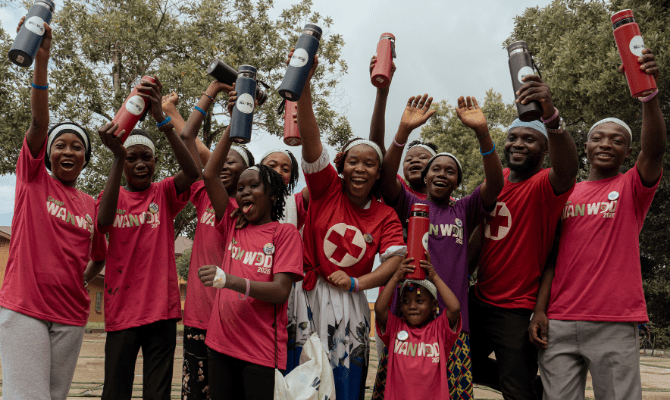
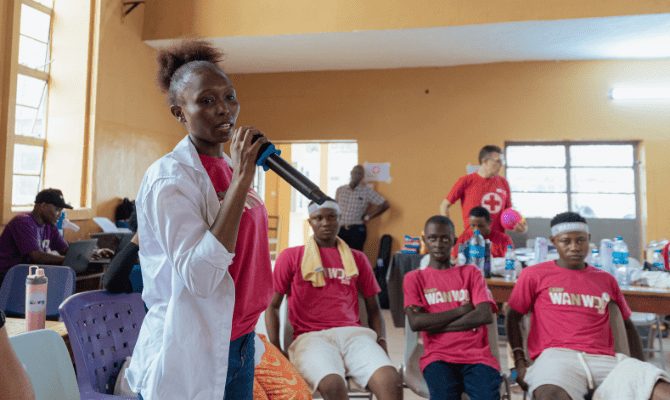
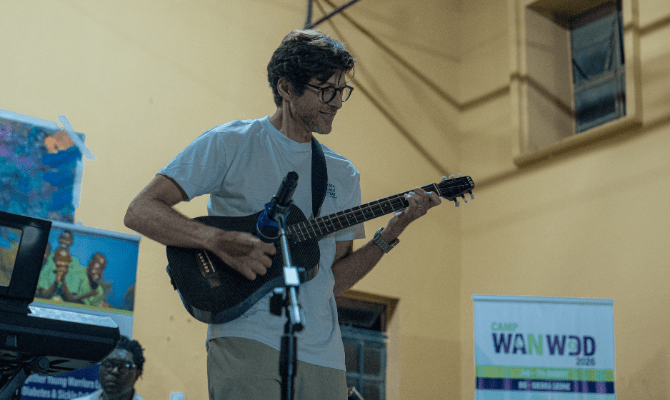
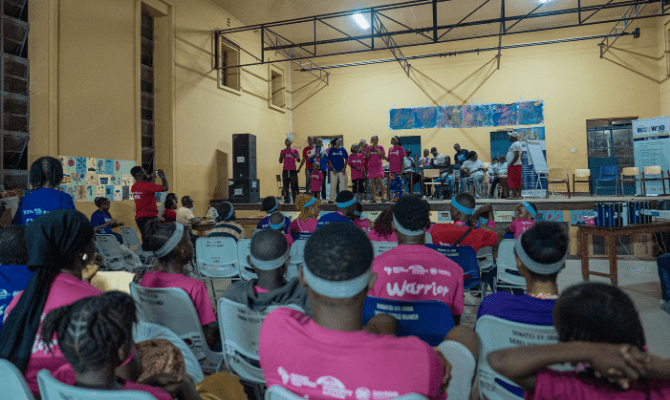
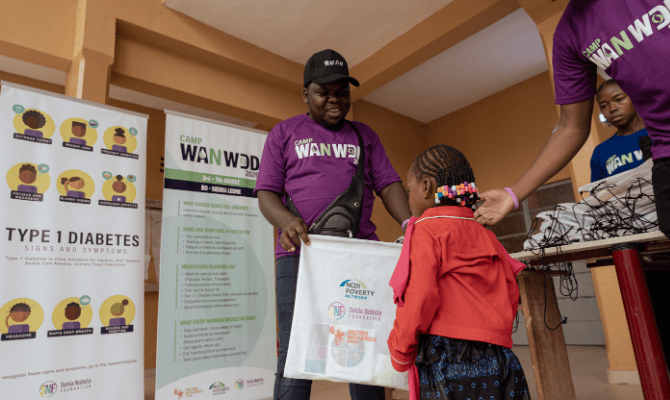
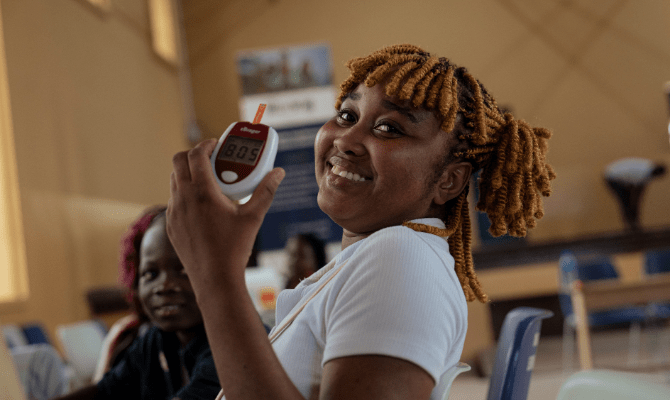
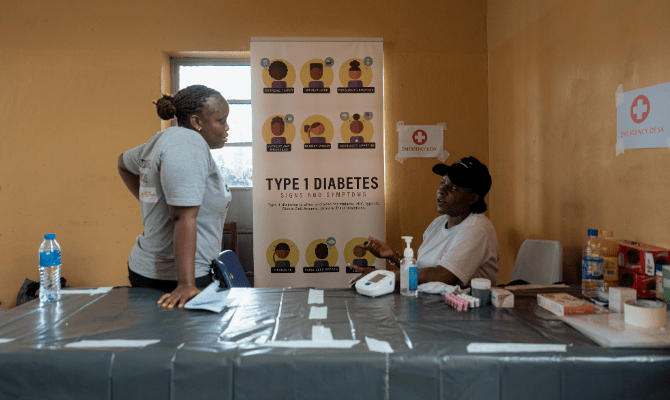
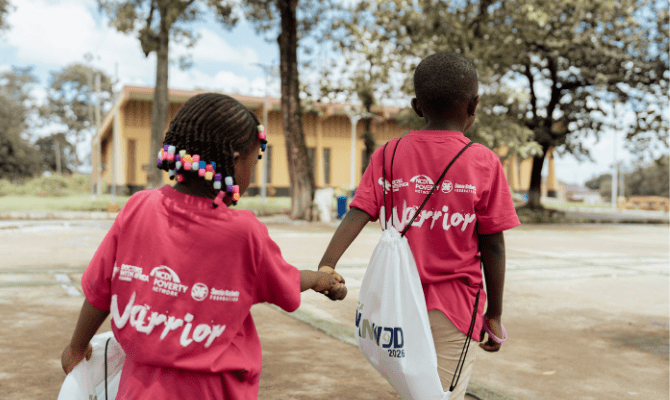
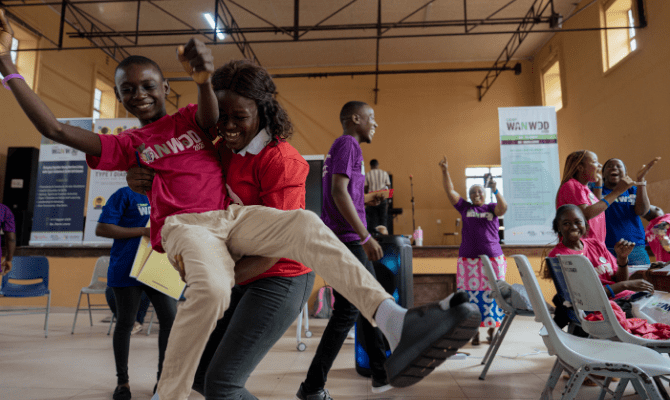
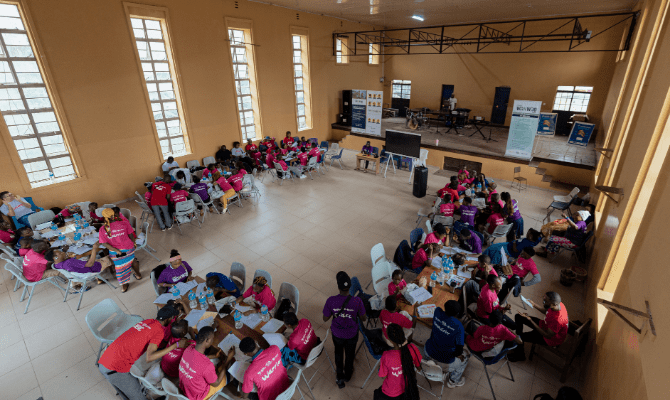
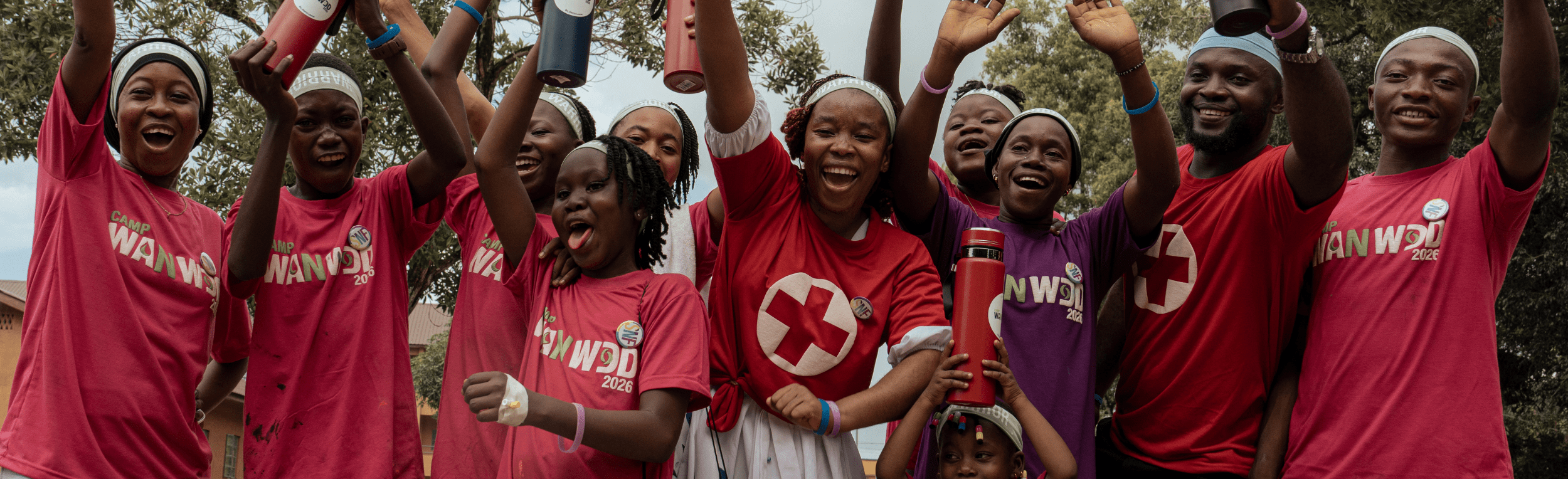
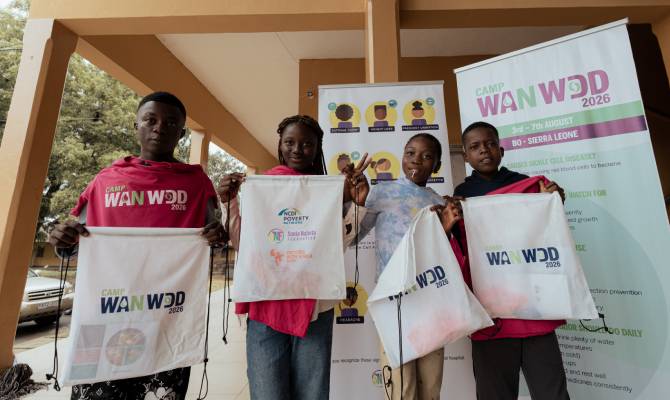
Held in Bo in early August, the camp brought together 60 young people aged 11 to 20 living with type 1 diabetes (T1D) and sickle cell disease (SCD) for a week focused on learning, empowerment, friendship and peer support.

Organized by the NCDI Poverty Network in partnership with our team, the Sonia Nabeta Foundation and Partners In Health–Sierra Leone, the camp provided a space where young people could learn from one another, build confidence and recognize that they are not alone in navigating life with a chronic condition.

At the heart of the camp was a simple but powerful idea: young people are stronger when they have a voice—and stronger still when they use it together.

For one week in Bo, 60 young people found not only knowledge and support, but a community that understands.

From sharing experiences to taking action

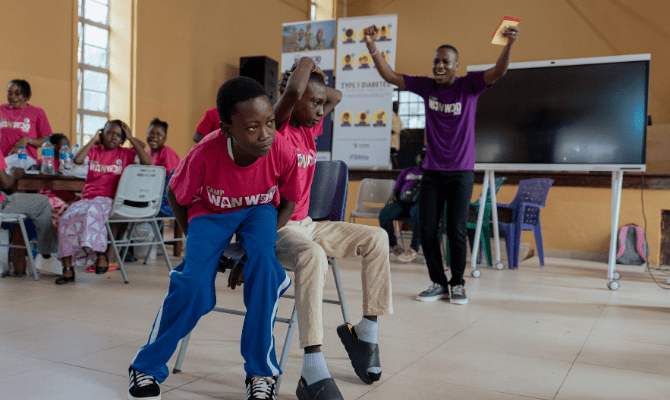
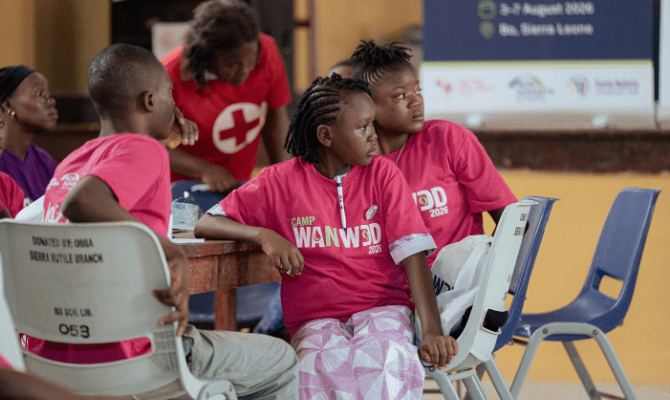
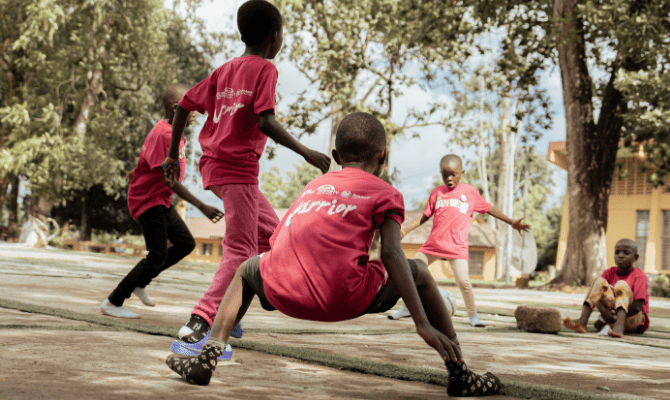
For the participants, Camp Wan WƆD was first and foremost a safe space: a place to meet other young people living with similar challenges, share experiences and coping strategies, learn more about their conditions and, perhaps most importantly, realise that they are not alone.

“What is particularly valuable is the fact that we take our patients outside the clinical setting, to a place that is safe, where they can learn easily, feel confident and have fun. And this is important because when someone has fun and feels confident, they can fully express themselves and learn,” explains Emmanuel Fofanah, Community Health Officer at Camp Wan WƆD.

But Camp Wan WƆD went beyond sharing experiences. It was also an opportunity for young people to discover the power of their own voices.

A key part of the programme was dedicated to advocacy, helping participants develop the confidence and skills to speak up about the challenges they face and imagine ways to create change in their schools, health facilities, communities and beyond.

Through interactive activities, storytelling, peer-to-peer exchange, art and group work, participants explored what advocacy means and how their own experiences can become a starting point for change.

The message was simple but powerful: young people living with chronic conditions are not only recipients of care. They can also be active voices in shaping the systems and decisions that affect their health.

Two conditions, one community

Bringing together young people living with type 1 diabetes and sickle cell disease also means looking beyond individual conditions and recognising the experiences they share.

The need for lifelong care, the financial and social burden of chronic illness, stigma, challenges at school and the need for health systems capable of providing continuous, person-centred care are realities that affect many young people living with chronic conditions.

For Becky Praise Omakor a 18 years old girl who lives with sickle cell disease, discovering that she was not alone was one of the most meaningful experiences of the camp.

“I was thinking that I was the only one with sickle cell. I found out I am not the only one.” she says. “People were discouraging me. I was not having friends because I was sick.”

Becky was diagnosed at the age of eight. For years, accessing the care and medicines she needed to manage her condition was a challenge. The medicines she needed were not available at the government hospital in Freetown, and she was only able to access more appropriate and continuous care when the PEN-Plus clinic opened at Pujehun District Hospital.

Her experience reflects a wider reality: for young people living with chronic conditions, access to treatment is only one part of the challenge. Stigma, isolation and the lack of understanding around their conditions can be just as difficult to navigate.

This is why Camp Wan WƆD was built around an integrated approach: to create a community where young people can support one another, find a collective voice and recognise the strength behind their determination.

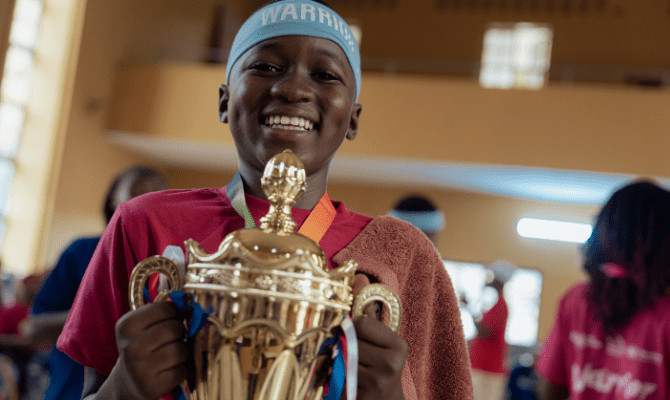
“Being a warrior is not that easy. You go through many crises. You overthink about how you are going to live, if you are going to make it, all those things,” says Mohamed Tejan, a law student living with sickle cell disease.

Yet the camp also gave him a different perspective.

“I learned that no matter what, you just have to believe and have hope, take your medication and listen to the advice that they’re telling you, and be positive.”

Investing in young people to shape the future

In Sierra Leone, at Pujehun District Hospital, we work to strengthen access to diagnosis, treatment, and long-term care for people living with chronic conditions, contributing to the development of integrated models of care that bring essential services closer to communities.

In 2023, as part of the PEN-Plus project, and with the support of the NCDI Poverty Network, we opened the first NCD clinic at Pujehun District Hospital. The facility is one of only two in the country providing specialized healthcare services for people living with severe chronic conditions. Integrating care for severe, chronic noncommunicable diseases (NCDs) – providing diagnosis and treatment services for different conditions under one roof – is the foundation of the PEN-Plus model of care.

Today, the clinic has more than 3,000 patients on their rolls, including more than 2,000 in active care. People with hypertension form the clinic’s largest patient group, followed by about 400 people on treatment for sickle cell disease, about 300 with epilepsy, and about 50 active patients with type 1 diabetes.

But care does not happen only within the clinic. Community outreach is a key component of the PEN-Plus model, helping patients stay connected to care and bringing awareness and support closer to where people live. Community health officers organize awareness activities in schools and local markets, as well as through radio, sharing information on the causes and symptoms of NCDs, addressing misconceptions and stigma, and encouraging people to seek care, take their medication, and remain in treatment.

The Pujehun team also provides social and practical support to patients, including assistance with transportation costs to help them reach the clinic. Community health officers and social workers follow patients beyond the hospital, supporting them with their treatment and helping them remain engaged in long-term care.

This approach was also reflected at Camp Wanwɔd, where members of the Pujehun team—including community health officers, nurses, and social workers—joined the camp to mentor and support young people living with chronic conditions, strengthening the connection between clinical care and the community. For those working with young patients, seeing them outside the clinical environment offered a different perspective on their journeys.

“I’ve worked with PEN-Plus for over three years in Pujehun, so I’ve personally managed some of these kids. Seeing them again at the camp makes me very happy. You know, these conditions are really difficult to manage. So seeing them alive and happy, seeing the improvement, makes me really happy,” says Helen Finda Ganda, Lead Coordinator of Camp Wan WƆD and CUAMM Assistant Project Manager.

Improving the quality of care also means listening to the people who receive it. It means creating spaces where young people can build knowledge, confidence and the skills they need to become advocates for themselves and for others.

For five days, young warriors came together to share stories, learn from one another, build friendships and discover the strength of speaking with one voice.

A voice that, as the name of the camp reminds us, belongs to One World.

A COMMUNITY OF CARE AND SUPPORT

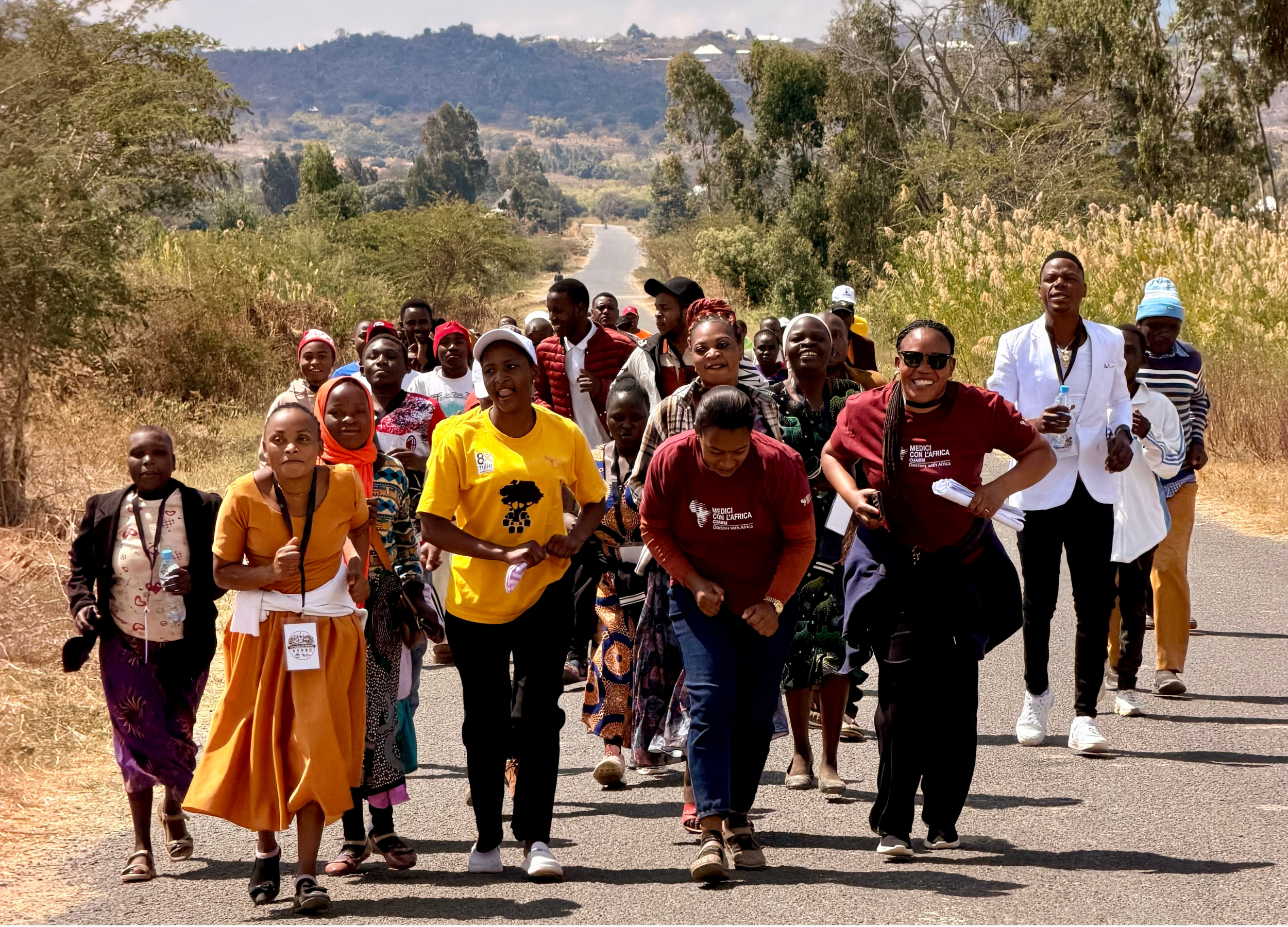
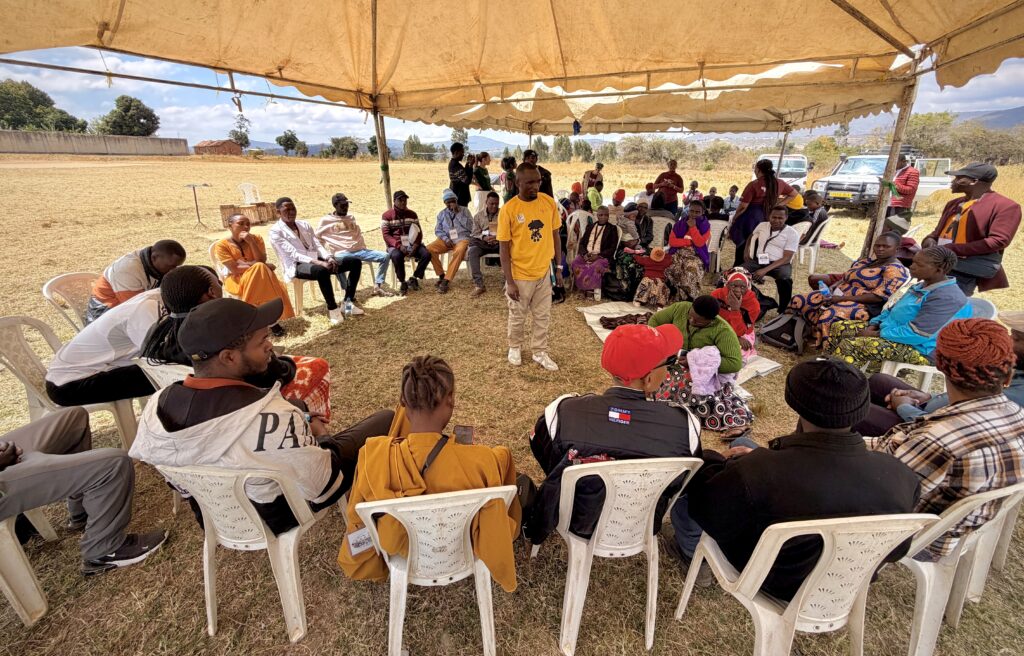
Walking in the green surroundings of the school, dancing, singing, and embracing one another; sharing breakfast and simulating a healthy grocery shopping experience; coming together for specialized training sessions. The awareness day on diabetes in Tosamaganga was all this and much more. Guided by the inspiring message “Living well with diabetes!”, a wide range of practical activities animated the initiative, which was promoted by the Non-Communicable Diseases (NCDs) Clinic of the Tosamaganga Regional Referral Hospital in the Iringa District, Tanzania, and funded by the Tanzanian Diabetes Association.

58 people, including patients and caregivers, gathered on the football pitch of St. Dominic School in Ipamba village for a day dedicated to health and well-being for those living with diabetes. Among the main goals were raising awareness about the disease and healthy lifestyles, fostering greater acceptance of their condition among patients, and strengthening their autonomy, particularly in managing insulin therapy.

 “One of the aspects that struck me right from the beginning was the surprise of the participants, many of whom have been followed by the NCD clinic for a long time. This was the first event designed to bring together diabetes patients and caregivers outside a hospital setting,” says Mishel Wanasinghe, NCD Project Assistant in Iringa and CUAMM Junior Project Officer. “For the first time, diabetes management was addressed outside the healthcare facility walls, through a day dedicated not only to education, but also to dialogue, sharing experiences, and socializing among people living with the same condition.”

Addressing diabetes care means taking into account all the physical, psychosocial, and educational aspects that this disease entails. For this reason, an integrated and multidisciplinary approach is promoted, bringing together doctors, nurses, nutritionists, and mental health specialists.

Educational moments and opportunities to connect

The day began with a provided breakfast consisting of foods tailored to the needs of people living with insulin-dependent diabetes mellitus.

“This moment had an educational purpose: to demonstrate in a practical way how a diabetes-friendly diet can be built using locally available foods in Tanzania, favoring, for instance, meals made with less refined flours and foods with a lower glycemic impact,” explains Rehema Itambu, nutritionist on the CUAMM team.

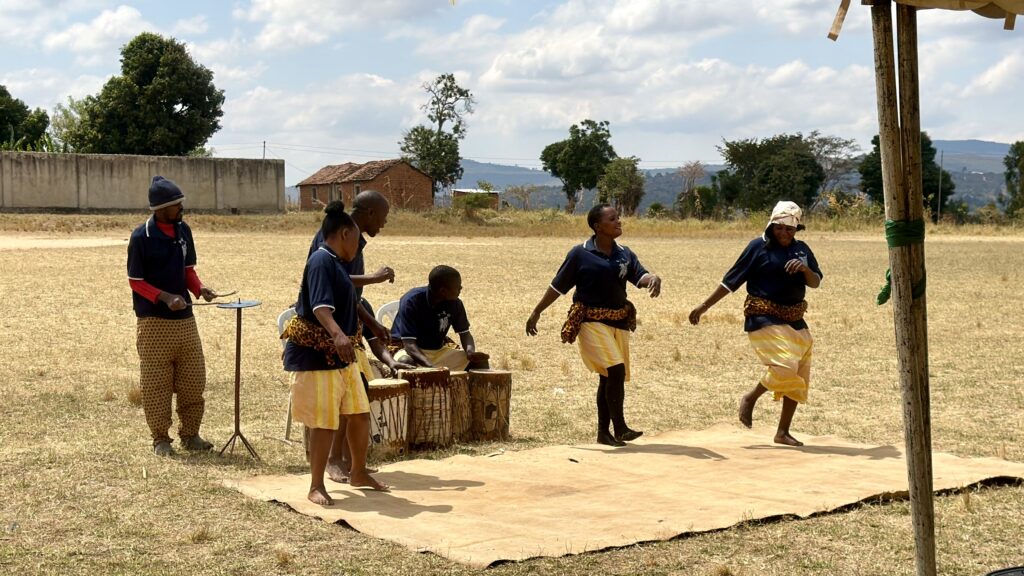
After breakfast, participants took a walk through the lush green area surrounding the school, followed by a break featuring a traditional dance performance.

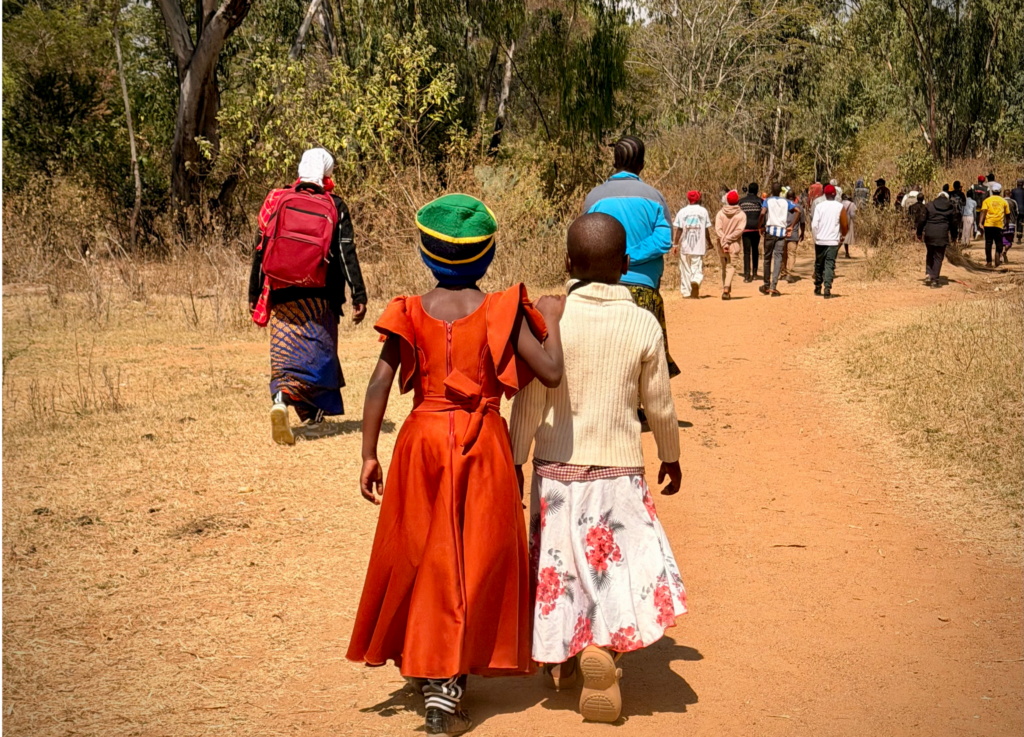
“I remember two simple images that really touched me: three teenage boys walking side by side during the walk, and the warm embrace between the two youngest patients of the clinic. These spontaneous moments showcase the incredible value—especially for children and adolescents—of meeting peers who are living with diabetes,” added Mishel.

The event continued with practical sessions where the patients themselves took center stage, divided into two age groups: under 18 and over 18. Given a symbolic budget, participants simulated a grocery shopping trip to purchase various foods for a balanced meal, encouraging them to consider not only nutritional balance but also the economic sustainability of their choices. At the end of the activity, the groups reassembled for a plenary discussion led by the nutritionist.

Sharing is caring

The mental health session provided participants with a safe space to share the daily challenges they face, helping them realize that many of these struggles are shared by others, thereby strengthening their sense of community and mutual support.

“Among the main issues that emerged were the fear of stigma and rejection by family members; difficulty accepting their condition; and, particularly among children and adolescents, the daily management of insulin and associated symptoms, along with their impact on school and daily life, as well as the fear of not being able to maintain an adequate diet within their family context,” explains Taslo Mnenuka, a team physician experienced in mental health counseling.

At the end of the session, disease management strategies were suggested, emphasizing the vital importance of peer support. In addition to these activities, a session was dedicated to clinical aspects, where healthcare professionals provided practical guidance on blood glucose monitoring, insulin therapy, and the proper use of related medical devices.

 “Numerous questions, doubts, and concerns arose, which were gradually discussed and clarified together with the medical staff. This was surprising, considering that many participants have been using insulin for a long time, and it served as an important reminder for the healthcare staff as well. Being on treatment for a long time does not necessarily mean fully understanding every aspect of it, and therapeutic education must be viewed as a continuous process,” emphasized Chamba Malima, the doctor who led the educational session, and Evelyn Mwumbe, CUAMM Monitoring and Evaluation Officer.

A group lunch followed, along with a yoga session—a practice that, being unfamiliar to many, sparked great curiosity and active participation, especially among the younger attendees, while introducing new ways of movement and self-care.

 “It was so important to have this space to meet and share with others who are living with diabetes,” expressed a young patient at the end of the day.

The daily management of diabetes, especially in rural and fragile contexts, requires awareness, community support, and strong management skills. Because it is in knowing that one is not alone, and in feeling understood, that the complexity of the journey to health transforms into a path possible to walk together.

Strengthening healthcare and emergency response in Central African Republic

In Ouham-Pendé, communities continue to face significant barriers to accessing essential healthcare. With support from the European Union through the ECHO grant, we are continuing our work to strengthen health services and improve access to care in the Sub-Prefectures of Koui and Bocaranga.

Following two years of activities in Koui, our integrated healthcare project is now entering its third year, bringing together health, nutrition and protection.

The project supports Bocaranga Hospital, Koui Secondary Hospital and five peripheral health facilities (FOSA). Particular attention is given to people who face the greatest barriers to healthcare, with targeted free services for children under five, women of reproductive age, pregnant and breastfeeding women, and patients requiring emergency surgical, paediatric or obstetric care.

The project also strengthens disease surveillance and the ability of local health services to detect and respond to outbreaks and other health threats.

Bringing vaccination closer to families

For many families living in remote areas, reaching a health facility can be a challenge. During the third year of the project, we are expanding our outreach vaccination strategy to all peripheral health facilities in Koui, helping bring essential vaccines closer to children and their families.

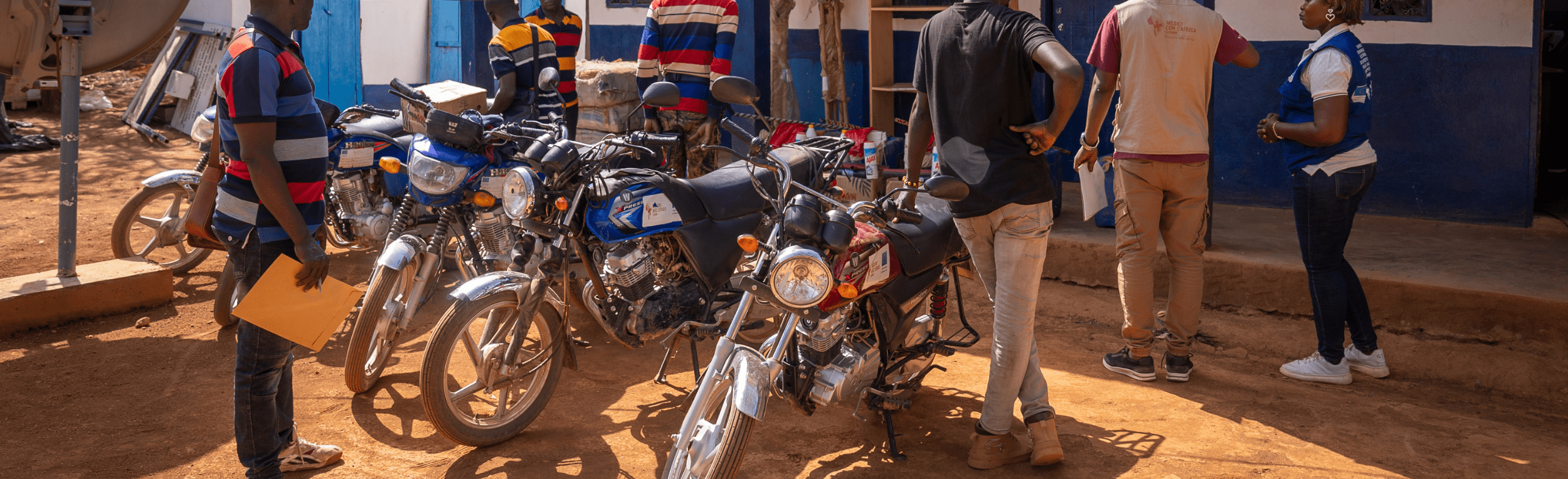
To make this possible, we have strengthen the project’s activities by funding the donations of six motorcycles that have been officially handed over to the peripheral health facilities in Koui, allowing health workers to travel more easily to remote communities and carry out vaccination activities beyond the health centre.

In addition, an electric generator has also been handed over to Bocaranga Hospital, strengthening its capacity to maintain essential services.

Building the skills to respond to emergencies

Access to healthcare is only part of the challenge. Health workers also need the right skills and confidence to respond when emergencies occur.

As part of the project, we are piloting a cascade training programme to strengthen emergency care in a humanitarian setting.

The programme draws on the expertise of the Paediatric University Hospital Complex of Bangui (CHUPB). Paediatricians from the hospital are sharing their knowledge with healthcare workers from regional and district hospitals, with a particular focus on paediatric and neonatal emergencies.

The first pilot training took place in Bocaranga from 29 July to 5 August 2026, bringing together 15 healthcare workers, including doctors, nurses and auxiliary health workers.

In a context where health workers often have to manage complex emergencies with limited resources, strengthening their skills can make a critical difference.

When a community comes together

Healthcare also depends on solidarity.

Ahead of World Humanitarian Day on 19 August, we joined OCHA and the wider humanitarian community in Bocaranga for a large clean-up activity at Bocaranga District Hospital.

The initiative brought people together around a shared goal: supporting a hospital that plays a vital role for the local community. It also provided an opportunity to support a blood donation campaign, bringing together humanitarian workers and community members who donated blood to help save lives.

At Bocaranga Hospital, blood supplies remain critically scarce, while transfusions can be urgently needed for patients requiring emergency care. Regular blood donation campaigns could therefore make a vital difference for patients and families.

Bringing care closer, strengthening local health services

From vaccination and emergency care to training and community engagement, our continued work in Koui and Bocaranga is about more than delivering services. It is about helping make essential healthcare more accessible, supporting health workers with the skills and resources they need, and strengthening the capacity of local health services to respond to communities affected by crisis.

With the support of ECHO, we are continuing to work alongside local health authorities, healthcare workers and communities to bring care closer to those who need it most.

World Breastfeeding Week: Giving Every Child the Best Possible Start in Life

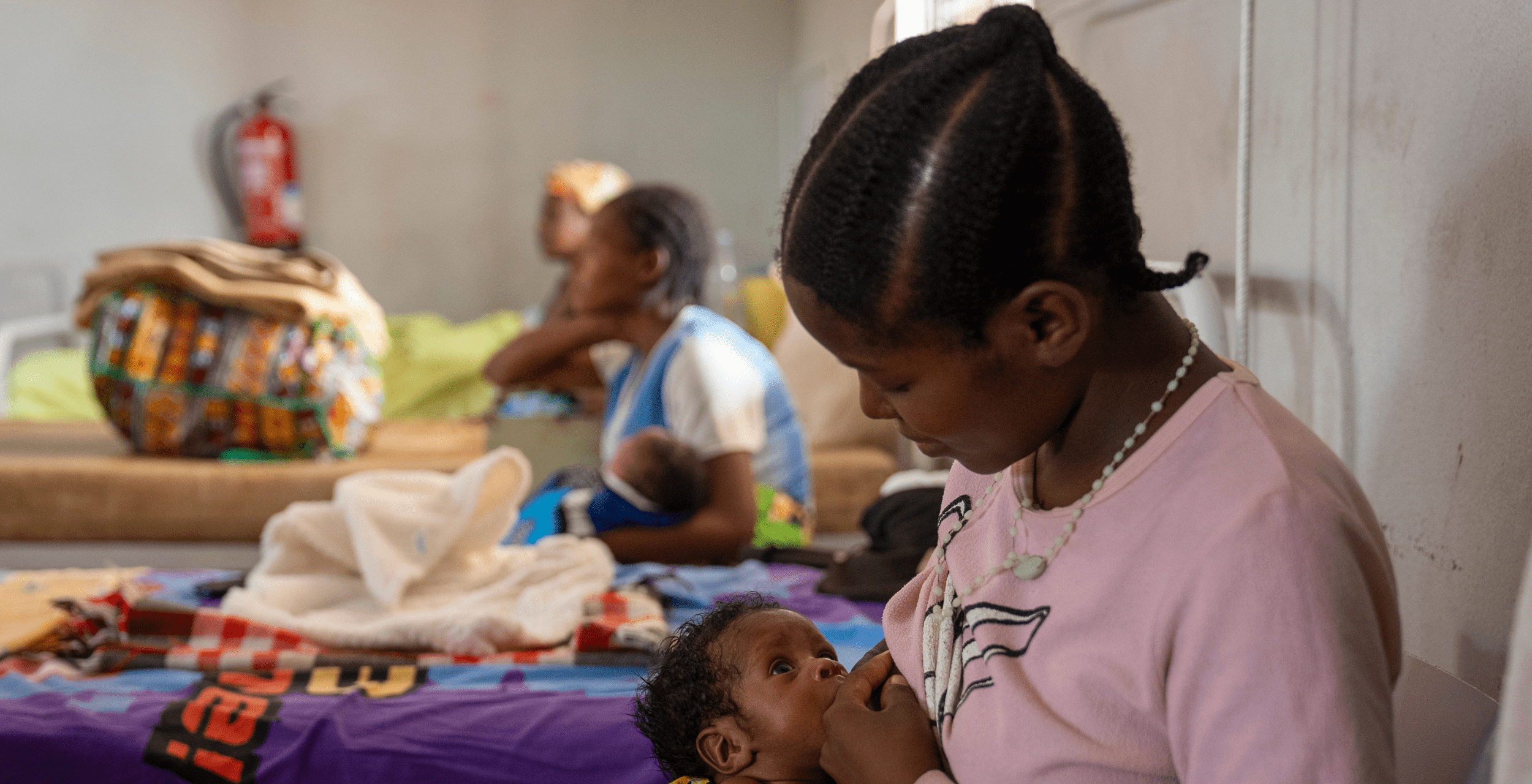
Breastfeeding is much more than an act of care: it is one of the first and most powerful ways to ensure health, growth, and a better future.

During the first six months of life, breast milk provides everything a baby needs and remains a vital source of nutrition beyond that, alongside appropriate complementary feeding. It protects against infections, supports healthy growth and cognitive development, and strengthens the bond between mother and child. At the same time, breastfeeding also contributes to mothers’ health and well-being.

But breastfeeding is not simply an individual choice. Every woman should be able to rely on trained health workers, accessible health services, and supportive communities throughout her breastfeeding journey. That is why protecting, promoting, and supporting breastfeeding is a public health priority—a shared responsibility that requires investment at every level.

This is the vision that guides us. In every country where we work, we stand alongside mothers and their children during one of the most important and delicate moments of their lives together, strengthening maternal and child health services, training health workers, and working with institutions and communities to create an environment where breastfeeding can thrive.

This is also the message behind World Breastfeeding Week 2026, celebrated under the theme “Breastfeeding for a Sustainable Start in Life: Strengthen What Works”, which calls for greater investment in the policies, services, and support systems that enable every child to have the best possible start in life.

Tanzania: A New Space to Support Mothers and Early Childhood Development

To mark the closing of World Breastfeeding Week, together with the Ministry of Health of Tanzania, we inaugurated the new Breastfeeding & Early Childhood Development (ECD) Room at the Ministry’s headquarters in Dodoma. Established by CUAMM with the support of Zanetti funds, the facility provides mothers with a safe, private and welcoming space to breastfeed or express milk while promoting nurturing care and early childhood development. It represents a concrete step towards creating more breastfeeding-friendly environments.

Angola: Strengthening Skills and Collaboration

In Angola, we supported the Provincial Department of Public Health in organising the World Breastfeeding Week celebrations, contributing to awareness activities and a technical round table where health professionals shared experiences and developed recommendations on exclusive breastfeeding, complementary feeding, maternal support, breastfeeding for mothers living with HIV or hepatitis B, Kangaroo Mother Care, and the future development of Baby-Friendly Hospitals and a human milk bank.

Mozambique: Supporting Mothers Every Day

In Beira, through the Protect Project, we highlighted the work of the Kuplumussana Association activists, who work every day in the Central Hospital and four health centres to support women through awareness and education activities on breastfeeding, Kangaroo Mother Care, and the care of premature newborns.

From national institutions to hospitals and the most remote communities, our commitment remains the same: strengthening what works so that every mother receives the support she needs and every child has the best possible start in life.

Life-saving Neonatal Care

Semhal Gebretnsae is a 22-year-old woman from Western Tigray. Due to the conflict, her family was displaced from their home and sought safety at the Five Angels IDP Camp in Shire. Although life in the camp was difficult, when Semhal discovered she was pregnant with her first child, she attended all her antenatal care (ANC) appointments because she wanted the best possible outcome for her pregnancy. 

“As my pregnancy progressed, I learned that I was carrying twins. The healthcare providers at the health center closely monitored my pregnancy because twin pregnancies carry a higher risk of premature delivery and other complications – she recalls -. The midwives explained that since I was carrying twins and was only 35 weeks, my babies could be born too earlier and with low birth weight. They might need specialized care, including incubators, oxygen, and other medical equipment, so they advised me to deliver at Suhul General Hospital where specialized newborn care was available.” 

Understanding the risks, Semhal accepted the referral. 

“It was my first time visiting Suhul General Hospital. From the moment I arrived, I was welcomed warmly by the healthcare providers. They treated me with kindness, respect, and compassion, which made me feel safe despite being worried about my babies.”

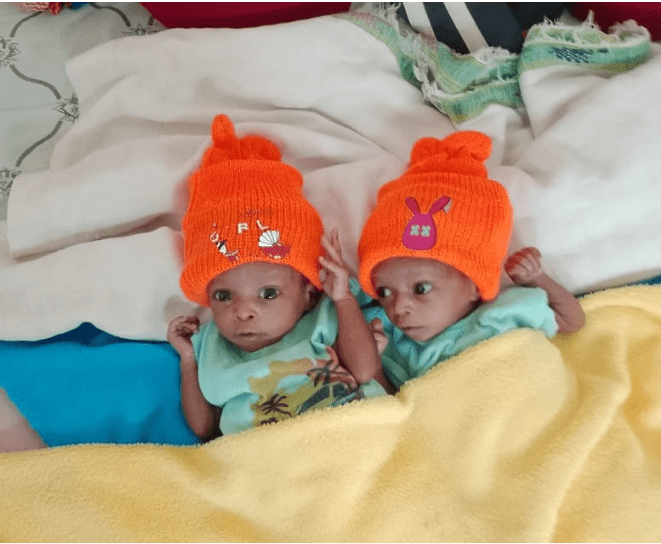
On June 10, 2026 she delivered twin girls. Mebrihit weighed about 1,400 grams and immediately received eEssential nNewborn cCare, including thermal protection, vitamin K, umbilical cord care, and oral polio vaccine (OPV-0). Twenty minutes later, Hiwet was born weighing only 800 grams, placing her in the extremely low birth weight category. She did not cry at birth and required immediate resuscitation. BGiven the situation, both babies were referred to the Neonatal Intensive Care Unit (NICU).

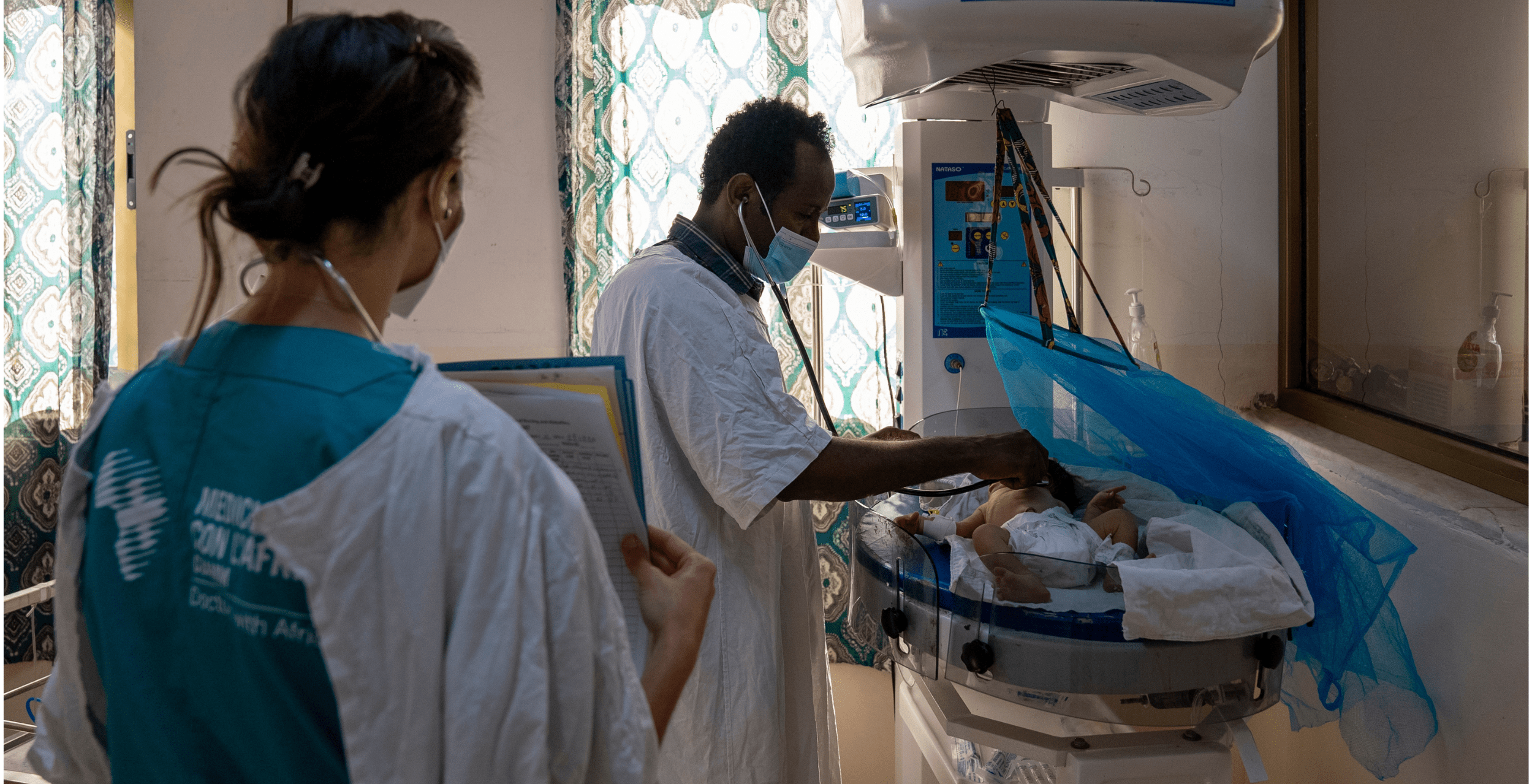
The duty nurse vividly recalled their arrival: “Hiwet was in a very critical condition. She was gasping for air, her oxygen saturation was very low, and she showed severe respiratory distress. We immediately began neonatal resuscitation and placed her in an incubator, closely monitoring her because every minute was critical. Although Mebrihit was more stable, she was also premature and required incubator care to maintain her body temperature and prevent complications associated with low birth weight.”

As the twins grew stronger, they were assessed for Kangaroo Mother Care (KMC). Mebrihit was stable enough to begin KMC after three days, while Hiwet joined her four days later.

“Once the babies became clinically stable, Kangaroo Mother Care became a key part of their recovery. We supported their mother with continuous skin-to-skin care, exclusive breastfeeding, infection prevention, and recognizing danger signs. She was very committed and followed every instruction we gave her” explained the duty nurse.

Both babies steadily gained weight and improved clinically in the KMC unit. Mebrihit was discharged after 20 days weighing 1,760 grams. Hiwet also responded remarkably well to treatment, increasing from 800 grams at birth to 1,500 grams by discharge. Both babies went home in stable condition with scheduled follow-up appointments for growth monitoring and breastfeeding support.

Reflecting on their recovery, the duty nurse emphasized the impact of strengthening neonatal services:

“Before the neonatal unit was strengthened, we frequently lost premature and critically ill newborns because we lacked essential equipment such as incubators, oxygen therapy devices, and CPAP machines. Even when our staff did everything possible, we simply did not have the resources needed to save many babies. Today, the neonatal unit has been renovated, healthcare providers have received NICU training, a pediatrician and pediatric nurse have been assigned, and essential equipment has been supplied. These investments have transformed the quality of the newborn care we provide.“

All this was made possible thanks to the project ‘Strengthening Neonatology in Ethiopia’, supported by Italian Cooperation and implemented by Doctors with Africa CUAMM in collaboration with the Ethiopian Paediatric Association, the Ethiopian Ministry of Health and the Union of European Neonatal and Perinatal Societies (UENPS).

The survival of these twins is more than a medical success as it demonstrates that investing in neonatal care, saves lives and provides a greater chance to thrive.

Karamoja: drought pushes thousands into hunger

In Karamoja, northeastern Uganda, months of drought have severely affected crops. The situation, already marked by poverty and malnutrition, has now become critical.

According to the latest analysis by the Integrated Food Security Phase Classification (IPC), 473,000 people, representing 32% of Karamoja’s population, are currently experiencing acute food insecurity (IPC Phase 3 or above). Of these, 41,000 people are facing Emergency levels of food insecurity (IPC Phase 4) and require immediate assistance. At the same time, an estimated 122,100 children under the age of five will suffer from acute malnutrition in 2026, including more than 30,000 who will experience severe acute malnutrition. In addition, approximately 8,000 pregnant and breastfeeding women are in urgent need of nutritional care.
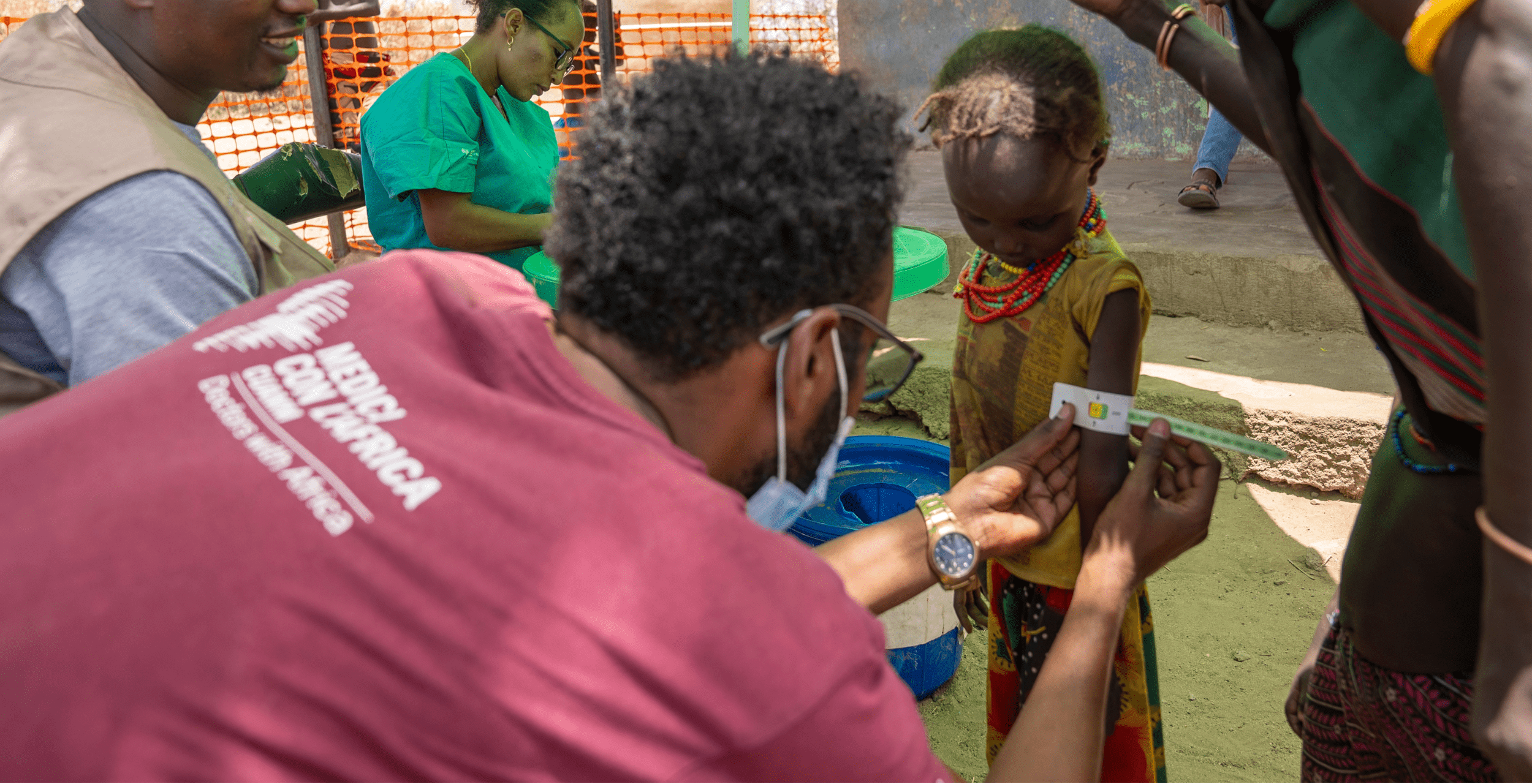
We have been working in Karamoja for more than twenty years. Today, in the face of this new emergency, we feel more strongly than ever our responsibility to stand alongside the most vulnerable communities. Our team are strengthening efforts to provide nutritional care for children suffering from severe acute malnutrition, support mothers through antenatal care services, help families identify and address the most serious cases as early as possible and link families to food assistance programmes supported by the Ugandan Government, the World Food Programme and the United Nations.

Once again, this crisis reminds us that hunger is not a fate, but the result of conditions that can be changed when we work together – from the effects of the climate crisis to poverty and the fragility of agricultural systems. We continue our work in close coordination with local authorities, the Ministry of Health, United Nations agencies and other partners on the ground, with the aim of saving lives today while strengthening the resilience of communities in the medium and long term. However, additional resources remain essential to ensure that no child or mother is left without the care and support they need during this critical time.

South Omo: a healthcare network to protect mothers and children

In Ethiopia, in the Districts of Jinka Town, Baka Dawula, and South Ari within the South Omo region, malnutrition represents a devastating challenge for the survival of the youngest: in these areas, chronic malnutrition and stunting rates historically affect nearly one in two children under the age of five (around 44%). A scourge fueled by deep food and economic insecurity, where recurring droughts and subsistence farming deprive families of the necessary variety and availability of food, exposing women and children to a constant risk of acute malnutrition.

It is precisely in this complex context that, starting from February 2024, the intervention of Medici con l’Africa Cuamm “Combating malnutrition and promoting good nutrition practices in the South Omo Zone (SNNPR) in Ethiopia” was launched. The project, which officially concluded last week, focused its efforts on multiple levels: strengthening the capacity of the local healthcare system (Jinka Hospital and peripheral health centers), increasing access to prevention and treatment services for malnutrition, particularly for children under 5 and pregnant and lactating women ; the promotion of good hygiene and nutritional practices through educational interventions that reached over 22,000 people. At the community level in fact, 3,700 children and 535 pregnant/lactating women underwent nutritional screening; 24 awareness sessions and 4 practical cooking demonstrations were conducted to teach mothers how to prepare nutritious meals using local ingredients.

Finally, special attention was dedicated to Early Childhood Development (ECD), the cognitive, motor, and social development of children, through 36 sessions of “Tea Talk” for 192 children and caregivers, combining play and guided discussions on health. The commitment also focused on upgrading infrastructure, completing the rehabilitation of the pediatric ward at Jinka General Hospital, building a kitchen for the preparation of therapeutic meals, and renovating the maternity waiting room. Furthermore, essential medicines and medical equipment were guaranteed to 4 healthcare facilities.

Quality healthcare cannot exist without well-trained healthcare workers. Therefore, 25 professionals were trained on the management of severe acute malnutrition, and supervision sessions were conducted for 45 Community Health Extension Workers (HEWs). The improvement of skills allowed for the identification and enrollment into treatment pathways of 370 children with severe acute malnutrition (SAM) or moderate acute malnutrition (MAM). Additionally, 10,600 women had access to pre- and post-natal services.

Unexpected events were not lacking, such as the outbreak of a Marburg epidemic which required a timely adaptation of the intervention. In particular, personal protective equipment, water, sanitation, and hygiene (WASH) supplies, and emergency medicines were provided, alongside the organization of intensive awareness campaigns to inform the population about the virus symptoms. Cuamm was officially recognized at the national level for the immediate support provided during the epidemic.

Cuamm’s intervention thus concludes, leaving a tangible legacy in a territory that remains marked by deep structural complexities. Despite the ongoing challenges — from critical shortages of therapeutic milk and foods to weaknesses in data monitoring, up to recent logistical delays caused by the Marburg virus disease outbreak and fuel scarcity — the project delivers fundamental pillars for the future to the communities. The path toward autonomy for the South Omo Zone can now rely on a local health authority strengthened by capacity building, stable infrastructure and equipment that reduce dependence on external aid, and a joint supervision model across regional, zonal, and district levels, which is indispensable to overcome resistance and guarantee the continuity of services over time.

From Mozambique and Angola to Panama: How Community Participation Can Shape Global Health Responses

As outbreaks become more frequent, complex and interconnected, one lesson has become increasingly clear: effective emergency response depends not only on medical expertise, supplies and technical capacity, but also on trust, dialogue and the active participation of communities in protecting their own health.

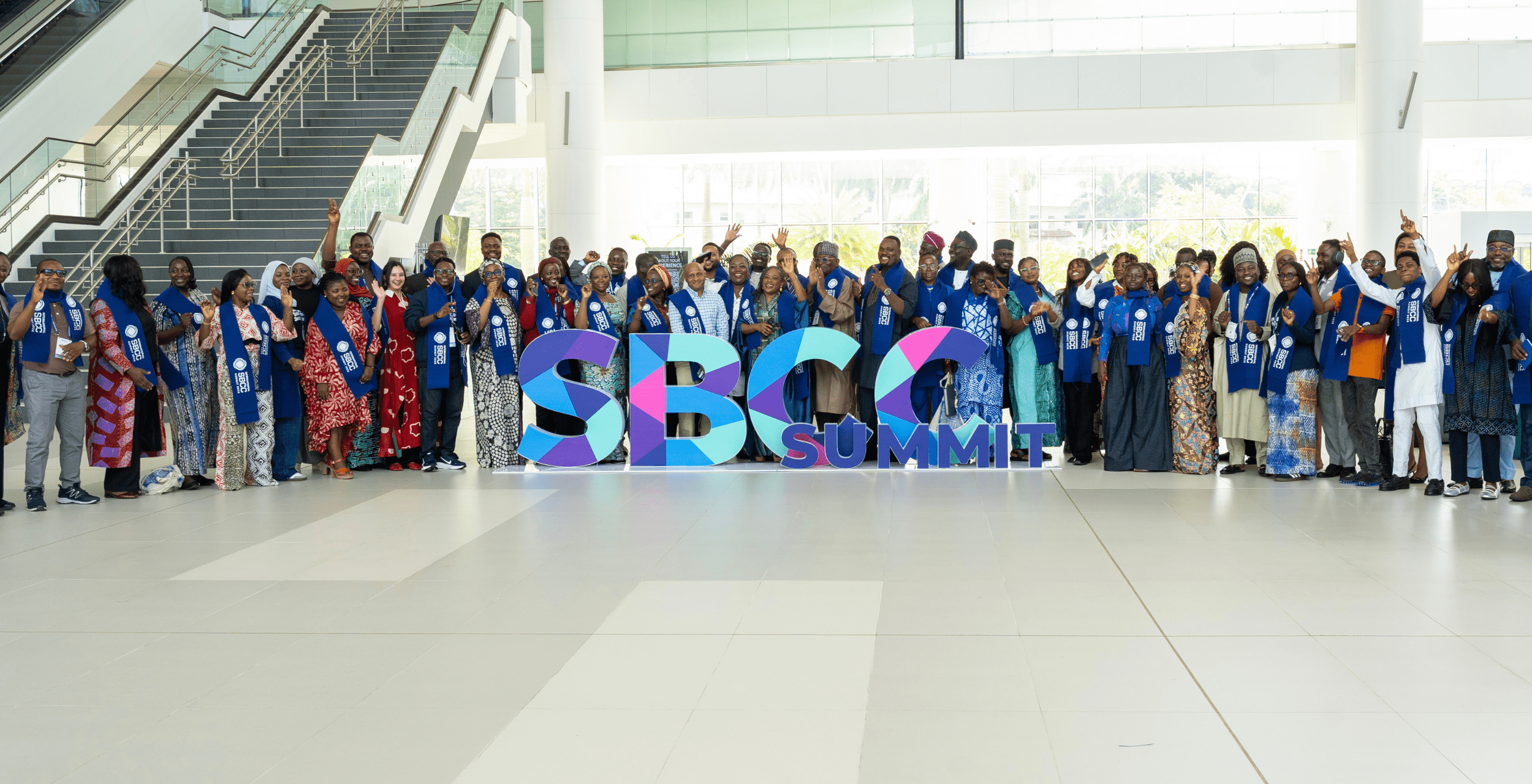
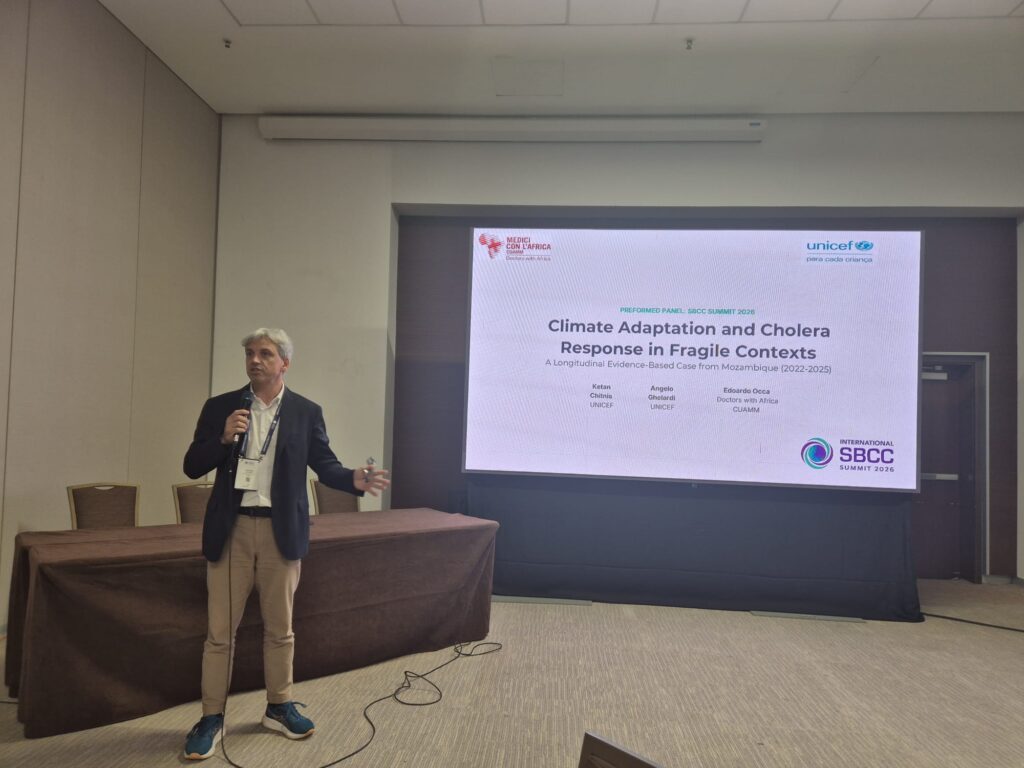
This was the perspective we brought to the Social and Behaviour Change Communication SBCC Summit 2026 in Panama, one of the world’s leading global gatherings on SBCC. Together with experts and practitioners from around the world, we contributed to the discussion on how social and behavioural approaches can strengthen preparedness for and response to health emergencies.

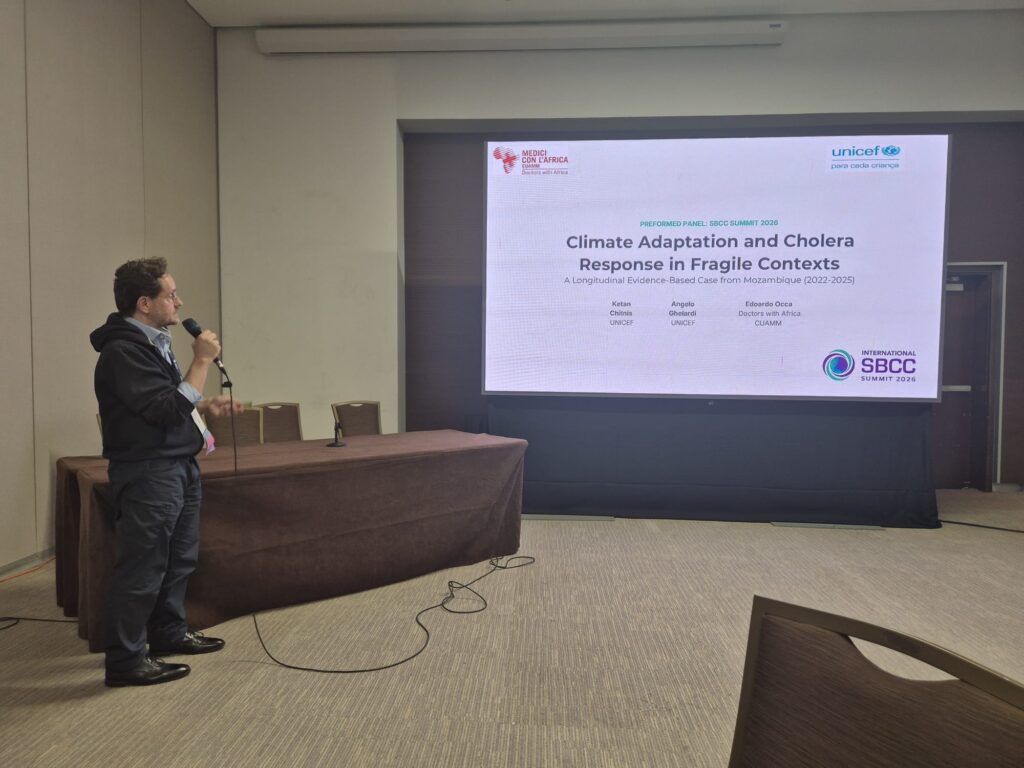
“It is not rhetoric, and it may sound obvious, but taking social and behavioural determinants into account is an essential prerequisite for designing effective and cost-efficient health interventions, particularly in emergencies and low-resource settings,” said Edoardo Occa, CUAMM Community Health Expert.

The Summit took place at a critical moment for global health. From cholera outbreaks intensified by climate-related shocks to emerging infectious diseases, emergency responses face a common challenge: ensuring that people understand, trust and adopt recommended prevention and control measures.

While investments in outbreak response often prioritize logistics, surveillance systems and clinical care, a growing body of evidence shows that interventions are more effective when communities are actively involved in their design and implementation. Social and Behaviour Change approaches help health actors understand local perceptions, identify barriers to protective behaviours and establish meaningful dialogue with the people most affected by crises.

“Community engagement is often treated as a secondary component of emergency response, but our research shows the opposite. This is how we build trust, foster dialogue and create participation and ownership. It is through this process that we improve adherence to public health measures and make interventions more effective,” added Occa.

The Summit opened with a call for a change in mindset from Panama’s Minister of Health, Dr. Fernando Boyd Galindo. As health emergencies become the “new normal”, he argued, preparedness can no longer rely solely on clinical and logistical capacities. Social and Behaviour Change must be recognized as a core pillar of resilient health systems, improving the acceptability, effectiveness and cost-efficiency of emergency interventions while informing programme design and resource allocation.

The Summit also represented an important advocacy opportunity for CUAMM, bringing field-based experience into a global conversation on health emergency preparedness and response.

“For CUAMM, participating in the SBCC Summit meant bringing to an international audience the lessons we have learned by working alongside communities every day,” said Andrea Atzori, CUAMM Head of International Relations. “Our experience consistently shows that investing in community-based interventions is essential not only to prevent the spread of infectious diseases, but also to strengthen people’s capacity—especially the most vulnerable—to access health services. International platforms like this are crucial for ensuring that these field experiences help shape national and global policies.”

This message strongly echoed the evidence we presented from operational research conducted with UNICEF in Angola and Mozambique. Recent studies carried out in Cabo Delgado, Mozambique, showed that social and behavioural approaches significantly improved community preparedness for climate-sensitive infectious diseases and increased the adoption of preventive behaviours in emergency settings. The research also identified the social and environmental factors associated with cholera and acute watery diarrhoea among climate-vulnerable populations, providing evidence to better target public health interventions. Complementary findings from Angola further highlighted the acceptability and effectiveness of community-based targeted interventions during the cholera outbreak in Luanda. Together, these studies reinforce a growing body of evidence demonstrating that community engagement is not an add-on to emergency response, but a fundamental component of effective, resilient and sustainable public health action.

While these conclusions resonated strongly throughout the Summit in Panama, for us at CUAMM they are not new. They reflect years of working alongside communities in Angola, Mozambique and other countries where we operate, where community engagement is an integral part of everyday public health practice rather than an abstract concept. The evidence presented at the Summit builds on this field experience, showing how operational research and community-based interventions can generate knowledge that informs global policy. By bringing lessons learned from local contexts to international discussions, community voices can help shape more effective, equitable and resilient responses to future health emergencies.

The future of TB care in Karamoja: the end of a project that marks a new beginning

“I had coughed for more than 5 months without stopping. I went to Napumpum health center and other peripheral private clinics in Kotido town; initially, they gave me Amoxicillin capsules and other medicines for pneumonia, but my cough was not responding to any of these medicines. I was getting worse day by day, and I thought the cause was an evil spirit”.

This is the story told by Adome Lochul, a 32-year-old peasant who lives with his wife and two children in a village in the Kotido district, within the Karamoja region of Uganda.

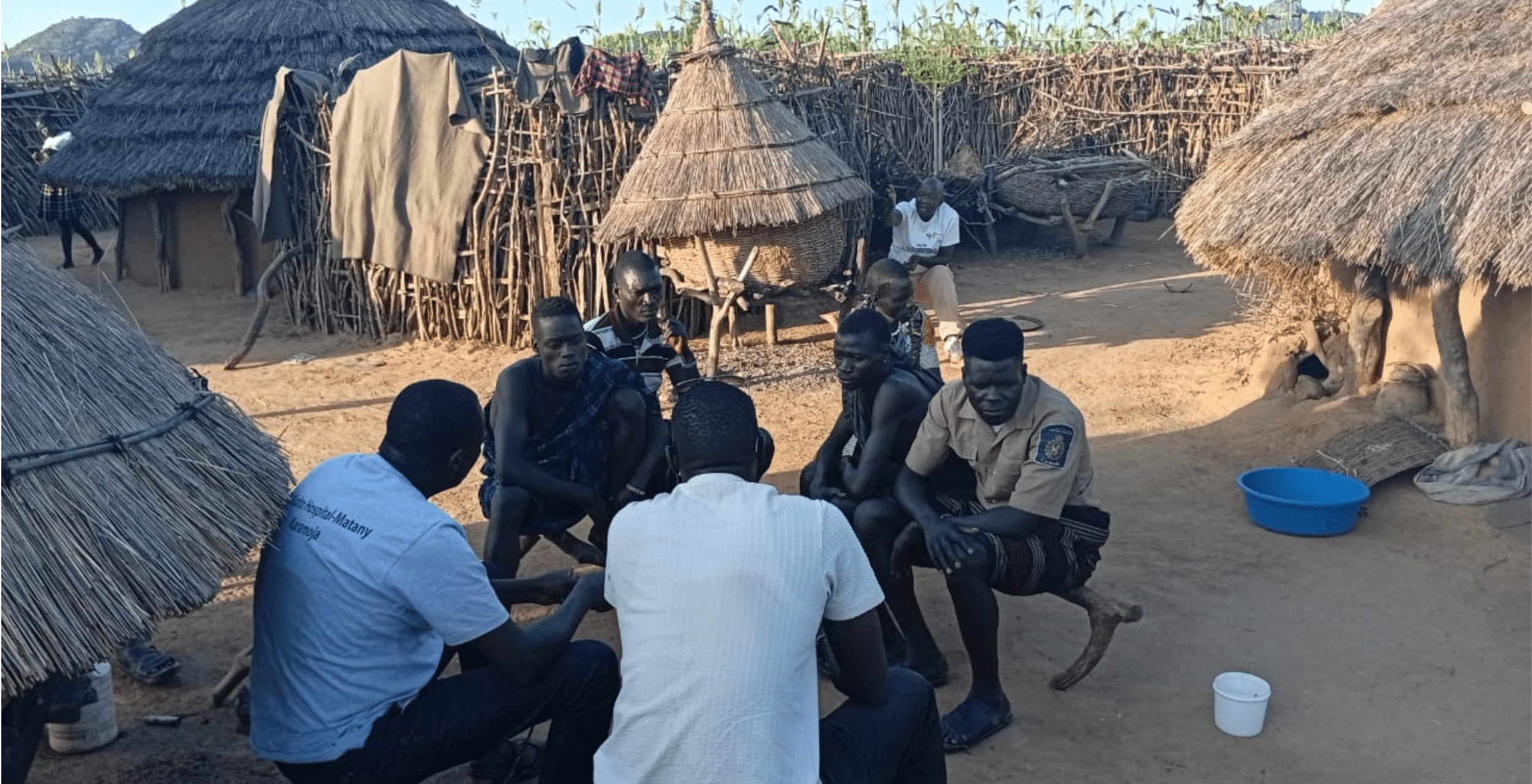
“I was referred to Kotido General Hospital where they took a sample of my sputum, and I was diagnosed with multi-drug resistant tuberculosis (MDR-TB). I didn’t understand what it meant; it was only explained to me that it needed to be treated at Matany Hospital, far away from my village. I was really scared and worried, but the health workers and Dr. Paul encouraged me, assuring me that I would recover and explaining that a team of doctors from the Hospital and CUAMM would come to pick me up for treatment. I accepted and, as promised, the team reached my village, where they sensitized the community on TB, screened people, and collected samples from those who were coughing; then they transported me to Matany Hospital for care. They performed various tests, a chest X-ray to check my lungs, and provided me with the necessary medications. The doctors and nurses checked the ward every day, and during my stay, I met other patients who came from Kotido and Kaabong districts, which are very far from Matany; we became friends and encouraged each other to adhere to the therapy and get cured,” Adome added. “When I was discharged, food items such as sugar, salt, cooking oil, and flour were delivered to my home to help support my therapy. I also receive financial support to cover travel expenses on clinic days and to refill medicines at Matany Hospital”.

Since April 2025, Doctors with Africa CUAMM has been implementing the project “PRO-TB: Strengthening the Organized Network for Tuberculosis in Karamoja,” supported by the Charitable Fund and social and cultural initiatives of Intesa Sanpaolo. In this north-eastern region of Uganda, tuberculosis continues to hit hard, much more so than in the rest of the country.

The intervention has had a clear objective: to strengthen the existing networks for tuberculosis screening, case notification, and treatment in Napak and Moroto, while expanding access to care for drug-resistant tuberculosis (DR-TB/MDR-TB) across all nine districts of the sub-region.

TB control in areas like Karamoja is challenging and complex. The communities are predominantly pastoralist, health facilities are scattered across a vast and often inaccessible territory, and healthcare-seeking behavior is heavily influenced by cultural practices and a certain mistrust towards formal healthcare systems.

“We, who are uneducated peasants, don’t have much of an idea of what TB is and sometimes mistake it for something else, just like what happened to me. It is thanks to programs like this from the Government and CUAMM that my people and I were informed, changing our beliefs and later supporting us throughout the treatment. For this reason, people need to be aware. The real challenge comes with home-based care, when taking medications every day becomes difficult and food is scarce. I, however, do my best with the support of my wife”.
Over the course of the project, 4,690 people were screened in the health facilities of the two districts; 1,558 presumptive cases of tuberculosis were identified, and 78 new cases were diagnosed using GeneXpert technology. Furthermore, 968 health workers were trained through on-the-job mentorship, and 145 multi-drug resistant tuberculosis patients were transported and initiated on treatment across the two DR-TB centers of the two districts; 413 patients with various forms of TB were managed at Matany Hospital. Additionally, 20,609 people were reached by awareness-raising activities on the disease during community outreach campaigns, thanks to the invaluable contribution of Village Health Teams (VHTs).

“Closing a project like PRO-TB means much more than presenting a final report; it means laying the foundations for the work to continue. We wanted this final meeting to recognize the extraordinary commitment of the healthcare teams and the DR-TB centers of Matany and Moroto, but above all to encourage the districts to learn from the collected data, results, and treated cases. Sustainability is not automatic: it requires clear agreements and defined responsibilities. By validating the milestones achieved and analyzing the experiences lived, the goal is to define a shared and concrete action plan. We want the health systems of Napak, Moroto, and the entire Karamoja sub-region to be ready to own and implement these activities, ensuring that this moment marks a new beginning for tuberculosis care in the territory, and not an end,” concluded Dr. Solomon Aleper, CUAMM Project Manager.
Cuamm’s philosophy is to accompany local authorities and communities so that the legacy of this intervention is embraced with responsibility, for a more sustainable healthcare system that is deeply rooted in the territory.