Traditional Midwives: A Bridge Between the Community and the Hospital

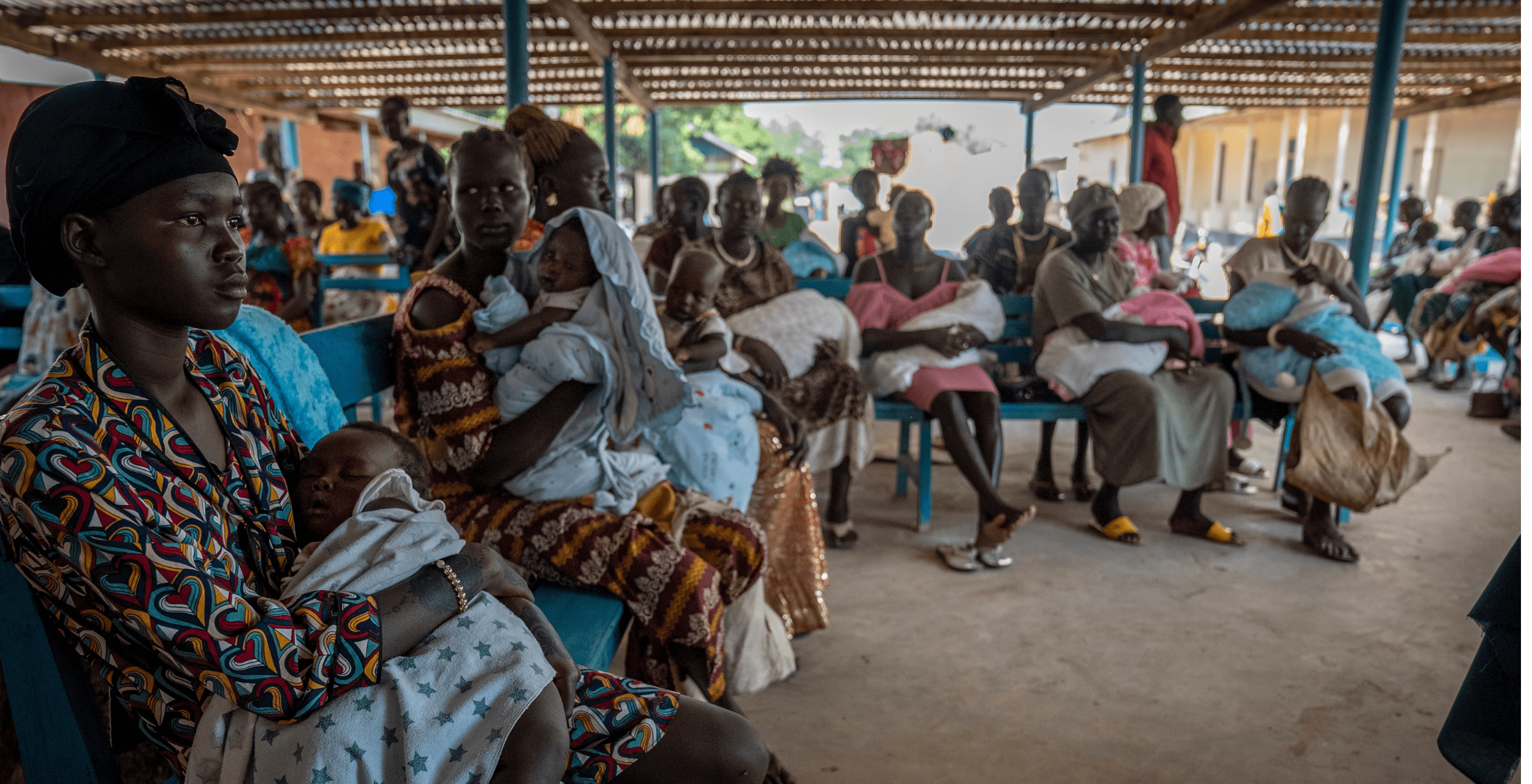
In the Bossangoa Health District, in the Ouham Prefecture – one of the areas hardest hit by the crisis that has gripped the Central African Republic for over a decade – nearly 186,000 people reside. In this context, accessing healthcare remains a daily struggle: only a quarter of health facilities are equipped to offer delivery assistance, and qualified healthcare personnel cover barely 26% of the actual need.

Since 2023, CUAMM has been present in the area alongside local health authorities and the Bossangoa Regional University Hospital. The objective is to reduce the “three delays” that still separate too many pregnant women, mothers, and children under five from the care they urgently need: the delay in deciding to seek care, the delay in reaching a health facility, and the delay in receiving adequate care upon arrival.

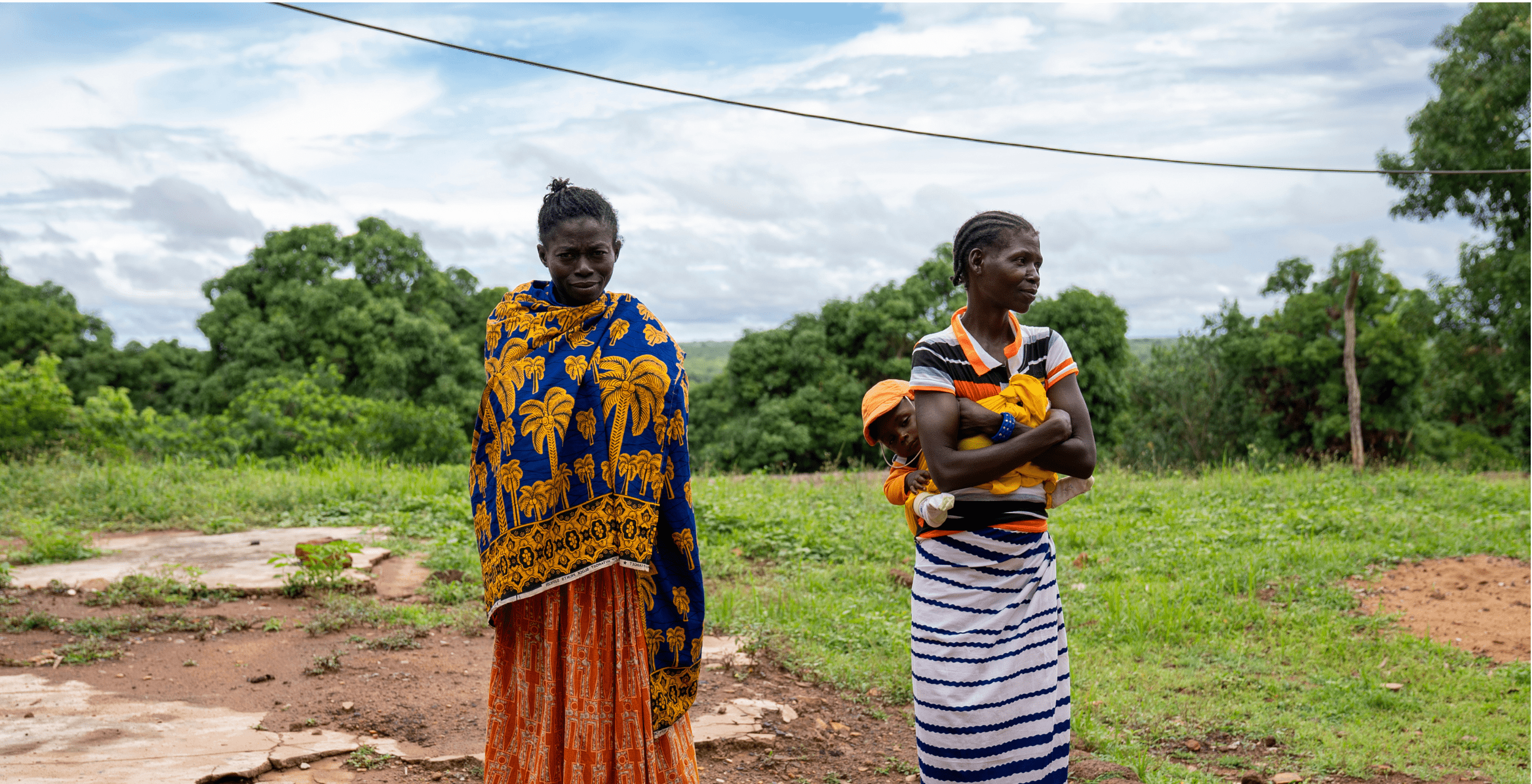
It is precisely on the first of these delays that one of the core activities of the project “Promoting Access to Health and Nutrition Services for Women and Children in the Bossangoa Health District”, supported by the Italian Cooperation, focuses: the training and supervision of matrones communautaires, the traditional midwives. These women are deeply rooted in rural communities, often serving as the first—and sometimes only—point of contact for a pregnant woman living far from a health center.

The goal is to turn them into a true bridge to the formal health system, rather than an alternative to it: they are trained to recognize danger signs during pregnancy and to refer women promptly to health facilities.

“After the training with CUAMM, we clearly understood that our role is to raise awareness and accompany pregnant women and new mothers. We guide them toward antenatal care (ANC), assisted delivery, postnatal care (PNC), and infant vaccinations (EPI). We also offer advice on birth spacing. Our work serves to create a constant bridge between families in the village and the health facility,” stated Marie Louise Namkona, a matron communautaire in the Gbangayanga area, 50 km from Bossangoa.

“The training we received has markedly improved the quality of our awareness-raising work. I feel that my contribution is meaningful because it encourages women to cast aside their hesitation and seek care at the hospital,” added Rachel Doutifio, another traditional midwife from the Ndjongobé area.

Their work is monitored over time through regular supervisory visits by staff from Health Centers and Health Posts, who were themselves previously trained by CUAMM, as took place on July 28 and 29. A group of 34 head nurses from across the region gathered in the training hall of the Yadé health region to acquire the tools and skills needed to effectively guide the matrones communautaires. Two days structured into ten modules covered topics ranging from identifying danger signs in pregnancy to managing obstetric emergencies, from maternal death surveillance to newborn health, alongside practical tools for field monitoring and supervision.

“The impact of this integrated approach is clear: the chain of care between the community and the health facility has been strengthened. Multi-level training creates a shared vision and a spirit of collaboration that was missing before,” continued Christian Gazaworo, supervisor in the Ndjongobé area.
“CUAMM’s initiative has allowed us to carry out our work much more effectively and safely. The impact is visible in our active support: women are no longer alone. We feel that our actions directly contribute to reducing maternal deaths in our area, and this drives us to keep moving forward on this path,” concluded Marie Louise Namkona.

It is a journey designed to build a close-knit, widespread support network that speaks the same language, helping women every day to bridge the distances, both physical and emotional, that still separate them from safe healthcare.

“For the future, the aspect to focus on most, including within community dynamics, is the involvement and training of Community Health Workers (CHWs) and community leaders,” concluded Christian Gazaworo.

Investing in the training of those closest to the community means working directly toward this goal: strengthening a health system that can truly respond to the real needs of the people in the Bossangoa Health District.
A COMMUNITY OF CARE AND SUPPORT

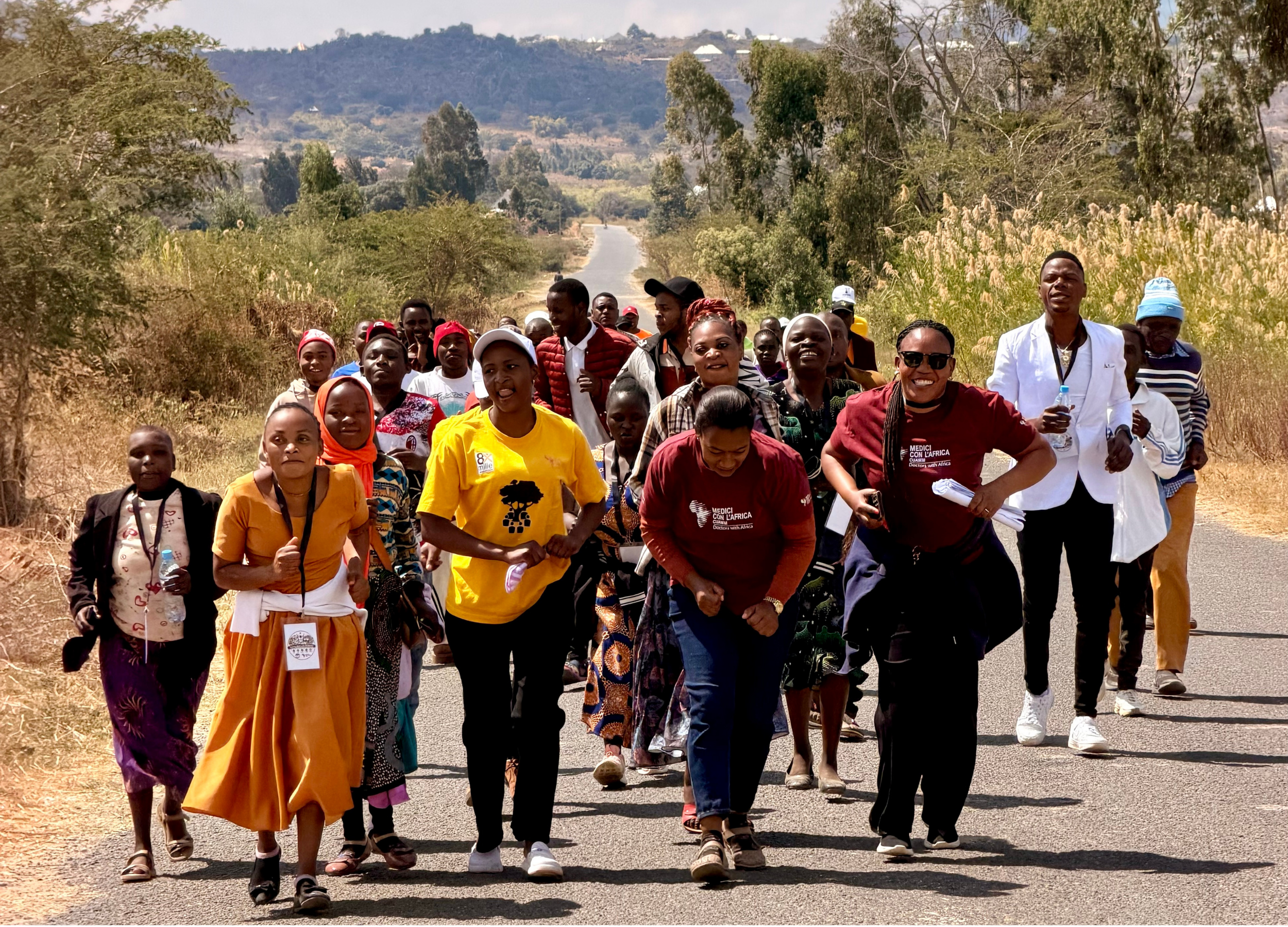
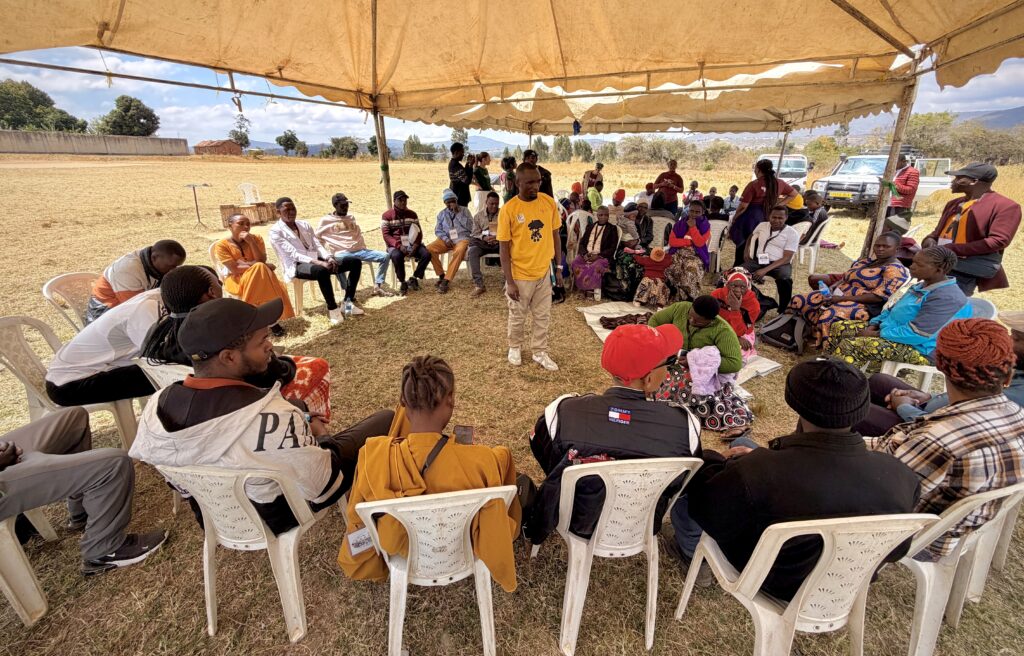
Walking in the green surroundings of the school, dancing, singing, and embracing one another; sharing breakfast and simulating a healthy grocery shopping experience; coming together for specialized training sessions. The awareness day on diabetes in Tosamaganga was all this and much more. Guided by the inspiring message “Living well with diabetes!”, a wide range of practical activities animated the initiative, which was promoted by the Non-Communicable Diseases (NCDs) Clinic of the Tosamaganga Regional Referral Hospital in the Iringa District, Tanzania, and funded by the Tanzanian Diabetes Association.

58 people, including patients and caregivers, gathered on the football pitch of St. Dominic School in Ipamba village for a day dedicated to health and well-being for those living with diabetes. Among the main goals were raising awareness about the disease and healthy lifestyles, fostering greater acceptance of their condition among patients, and strengthening their autonomy, particularly in managing insulin therapy.

 “One of the aspects that struck me right from the beginning was the surprise of the participants, many of whom have been followed by the NCD clinic for a long time. This was the first event designed to bring together diabetes patients and caregivers outside a hospital setting,” says Mishel Wanasinghe, NCD Project Assistant in Iringa and CUAMM Junior Project Officer. “For the first time, diabetes management was addressed outside the healthcare facility walls, through a day dedicated not only to education, but also to dialogue, sharing experiences, and socializing among people living with the same condition.”

Addressing diabetes care means taking into account all the physical, psychosocial, and educational aspects that this disease entails. For this reason, an integrated and multidisciplinary approach is promoted, bringing together doctors, nurses, nutritionists, and mental health specialists.

Educational moments and opportunities to connect

The day began with a provided breakfast consisting of foods tailored to the needs of people living with insulin-dependent diabetes mellitus.

“This moment had an educational purpose: to demonstrate in a practical way how a diabetes-friendly diet can be built using locally available foods in Tanzania, favoring, for instance, meals made with less refined flours and foods with a lower glycemic impact,” explains Rehema Itambu, nutritionist on the CUAMM team.

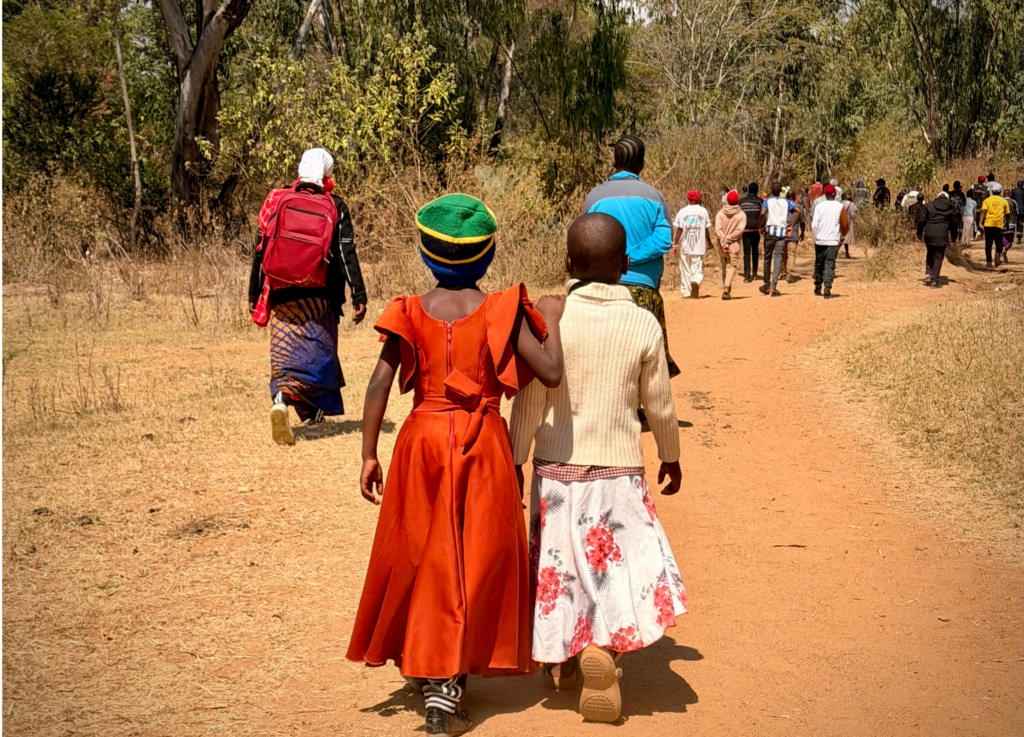
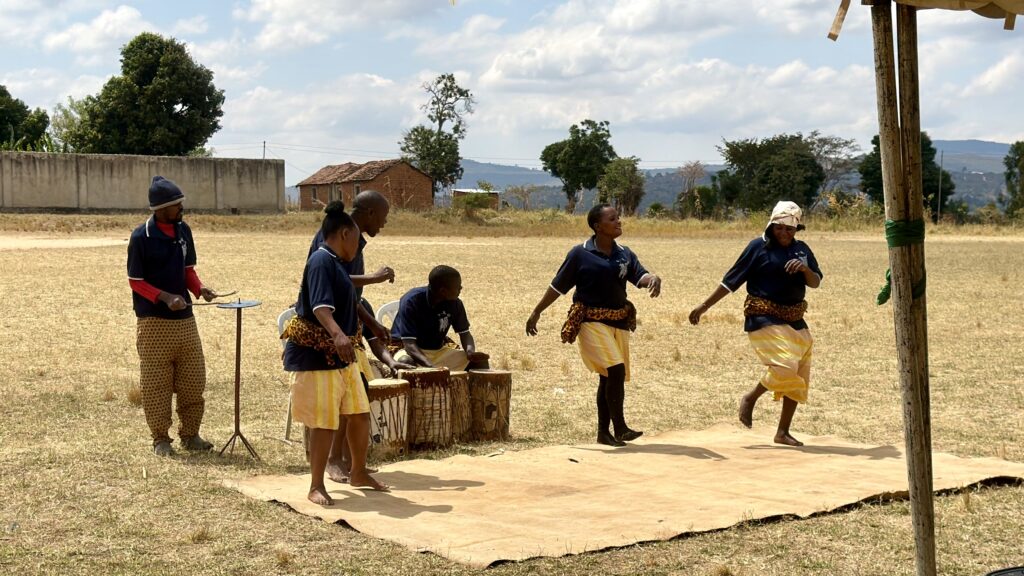
After breakfast, participants took a walk through the lush green area surrounding the school, followed by a break featuring a traditional dance performance.

“I remember two simple images that really touched me: three teenage boys walking side by side during the walk, and the warm embrace between the two youngest patients of the clinic. These spontaneous moments showcase the incredible value—especially for children and adolescents—of meeting peers who are living with diabetes,” added Mishel.

The event continued with practical sessions where the patients themselves took center stage, divided into two age groups: under 18 and over 18. Given a symbolic budget, participants simulated a grocery shopping trip to purchase various foods for a balanced meal, encouraging them to consider not only nutritional balance but also the economic sustainability of their choices. At the end of the activity, the groups reassembled for a plenary discussion led by the nutritionist.

Sharing is caring

The mental health session provided participants with a safe space to share the daily challenges they face, helping them realize that many of these struggles are shared by others, thereby strengthening their sense of community and mutual support.

“Among the main issues that emerged were the fear of stigma and rejection by family members; difficulty accepting their condition; and, particularly among children and adolescents, the daily management of insulin and associated symptoms, along with their impact on school and daily life, as well as the fear of not being able to maintain an adequate diet within their family context,” explains Taslo Mnenuka, a team physician experienced in mental health counseling.

At the end of the session, disease management strategies were suggested, emphasizing the vital importance of peer support. In addition to these activities, a session was dedicated to clinical aspects, where healthcare professionals provided practical guidance on blood glucose monitoring, insulin therapy, and the proper use of related medical devices.

 “Numerous questions, doubts, and concerns arose, which were gradually discussed and clarified together with the medical staff. This was surprising, considering that many participants have been using insulin for a long time, and it served as an important reminder for the healthcare staff as well. Being on treatment for a long time does not necessarily mean fully understanding every aspect of it, and therapeutic education must be viewed as a continuous process,” emphasized Chamba Malima, the doctor who led the educational session, and Evelyn Mwumbe, CUAMM Monitoring and Evaluation Officer.

A group lunch followed, along with a yoga session—a practice that, being unfamiliar to many, sparked great curiosity and active participation, especially among the younger attendees, while introducing new ways of movement and self-care.

 “It was so important to have this space to meet and share with others who are living with diabetes,” expressed a young patient at the end of the day.

The daily management of diabetes, especially in rural and fragile contexts, requires awareness, community support, and strong management skills. Because it is in knowing that one is not alone, and in feeling understood, that the complexity of the journey to health transforms into a path possible to walk together.

Life-saving Neonatal Care

Semhal Gebretnsae is a 22-year-old woman from Western Tigray. Due to the conflict, her family was displaced from their home and sought safety at the Five Angels IDP Camp in Shire. Although life in the camp was difficult, when Semhal discovered she was pregnant with her first child, she attended all her antenatal care (ANC) appointments because she wanted the best possible outcome for her pregnancy. 

As my pregnancy progressed, I learned that I was carrying twins. The healthcare providers at the health center closely monitored my pregnancy because twin pregnancies carry a higher risk of premature delivery and other complicationsshe recalls -. The midwives explained that since I was carrying twins and was only 35 weeks, my babies could be born too earlier and with low birth weight. They might need specialized care, including incubators, oxygen, and other medical equipment, so they advised me to deliver at Suhul General Hospital where specialized newborn care was available.” 

Understanding the risks, Semhal accepted the referral. 

“It was my first time visiting Suhul General Hospital. From the moment I arrived, I was welcomed warmly by the healthcare providers. They treated me with kindness, respect, and compassion, which made me feel safe despite being worried about my babies.”

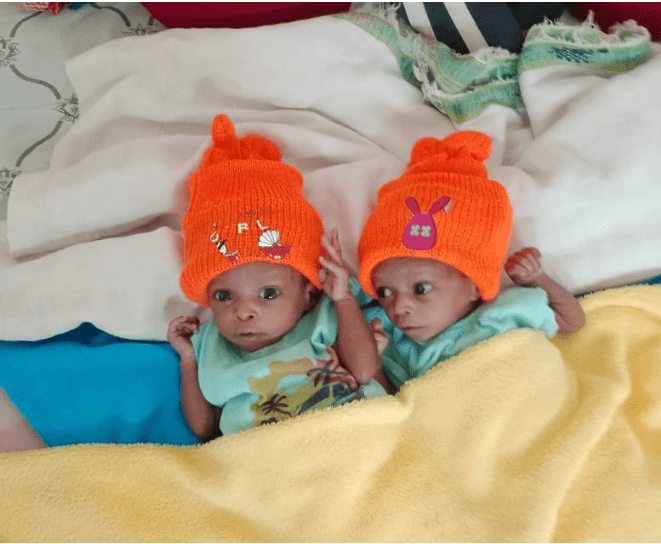
On June 10, 2026 she delivered twin girls. Mebrihit weighed about 1,400 grams and immediately received eEssential nNewborn cCare, including thermal protection, vitamin K, umbilical cord care, and oral polio vaccine (OPV-0). Twenty minutes later, Hiwet was born weighing only 800 grams, placing her in the extremely low birth weight category. She did not cry at birth and required immediate resuscitation. BGiven the situation, both babies were referred to the Neonatal Intensive Care Unit (NICU).

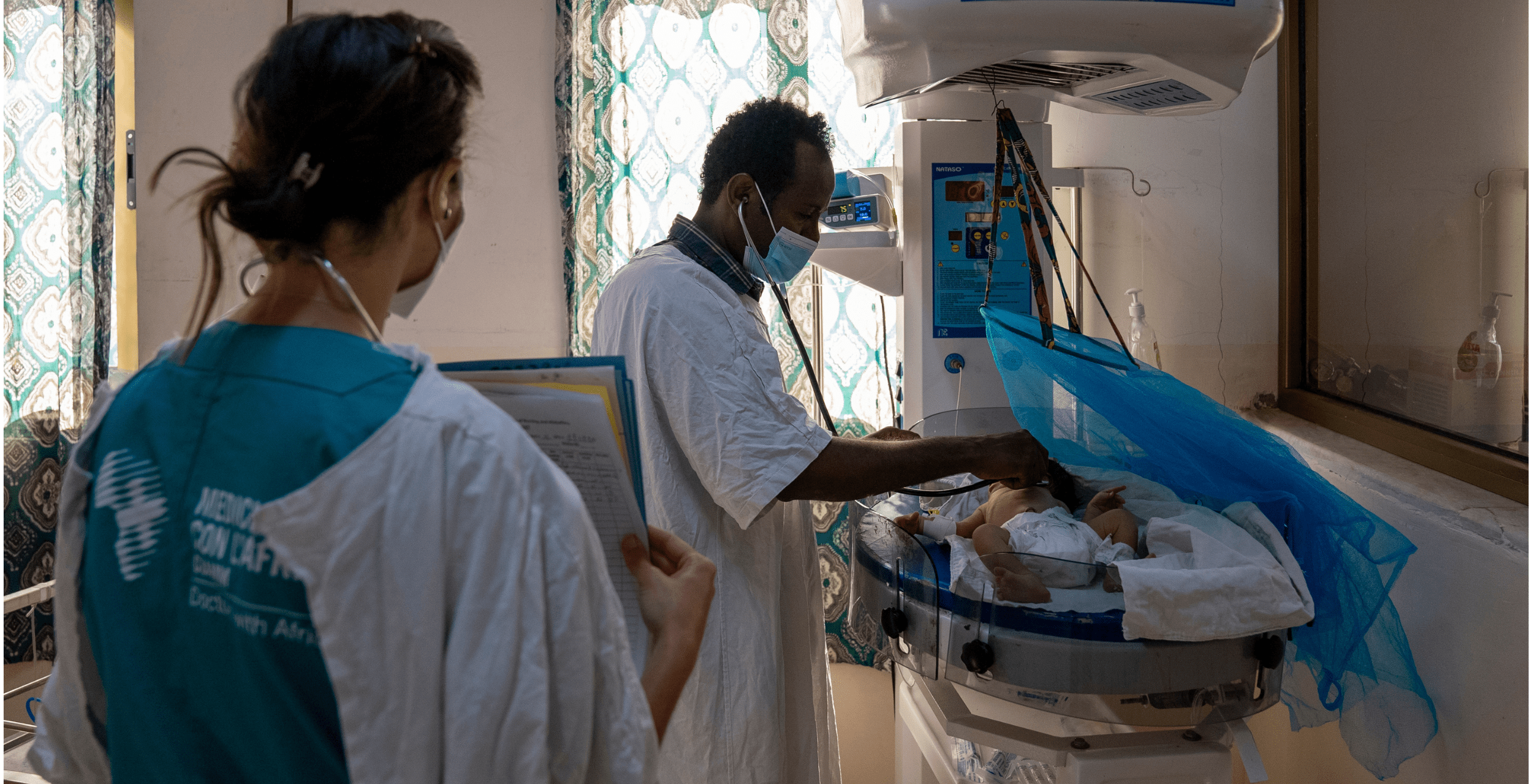
The duty nurse vividly recalled their arrival: Hiwet was in a very critical condition. She was gasping for air, her oxygen saturation was very low, and she showed severe respiratory distress. We immediately began neonatal resuscitation and placed her in an incubator, closely monitoring her because every minute was critical. Although Mebrihit was more stable, she was also premature and required incubator care to maintain her body temperature and prevent complications associated with low birth weight.”

As the twins grew stronger, they were assessed for Kangaroo Mother Care (KMC). Mebrihit was stable enough to begin KMC after three days, while Hiwet joined her four days later.

“Once the babies became clinically stable, Kangaroo Mother Care became a key part of their recovery. We supported their mother with continuous skin-to-skin care, exclusive breastfeeding, infection prevention, and recognizing danger signs. She was very committed and followed every instruction we gave her” explained the duty nurse.

Both babies steadily gained weight and improved clinically in the KMC unit. Mebrihit was discharged after 20 days weighing 1,760 grams. Hiwet also responded remarkably well to treatment, increasing from 800 grams at birth to 1,500 grams by discharge. Both babies went home in stable condition with scheduled follow-up appointments for growth monitoring and breastfeeding support.

Reflecting on their recovery, the duty nurse emphasized the impact of strengthening neonatal services:

“Before the neonatal unit was strengthened, we frequently lost premature and critically ill newborns because we lacked essential equipment such as incubators, oxygen therapy devices, and CPAP machines. Even when our staff did everything possible, we simply did not have the resources needed to save many babies. Today, the neonatal unit has been renovated, healthcare providers have received NICU training, a pediatrician and pediatric nurse have been assigned, and essential equipment has been supplied. These investments have transformed the quality of the newborn care we provide.

All this was made possible thanks to the project ‘Strengthening Neonatology in Ethiopia’, supported by Italian Cooperation and implemented by Doctors with Africa CUAMM in collaboration with the Ethiopian Paediatric Association, the Ethiopian Ministry of Health and the Union of European Neonatal and Perinatal Societies (UENPS).

The survival of these twins is more than a medical success as it demonstrates that investing in neonatal care, saves lives and provides a greater chance to thrive.

South Omo: a healthcare network to protect mothers and children

In Ethiopia, in the Districts of Jinka Town, Baka Dawula, and South Ari within the South Omo region, malnutrition represents a devastating challenge for the survival of the youngest: in these areas, chronic malnutrition and stunting rates historically affect nearly one in two children under the age of five (around 44%). A scourge fueled by deep food and economic insecurity, where recurring droughts and subsistence farming deprive families of the necessary variety and availability of food, exposing women and children to a constant risk of acute malnutrition.

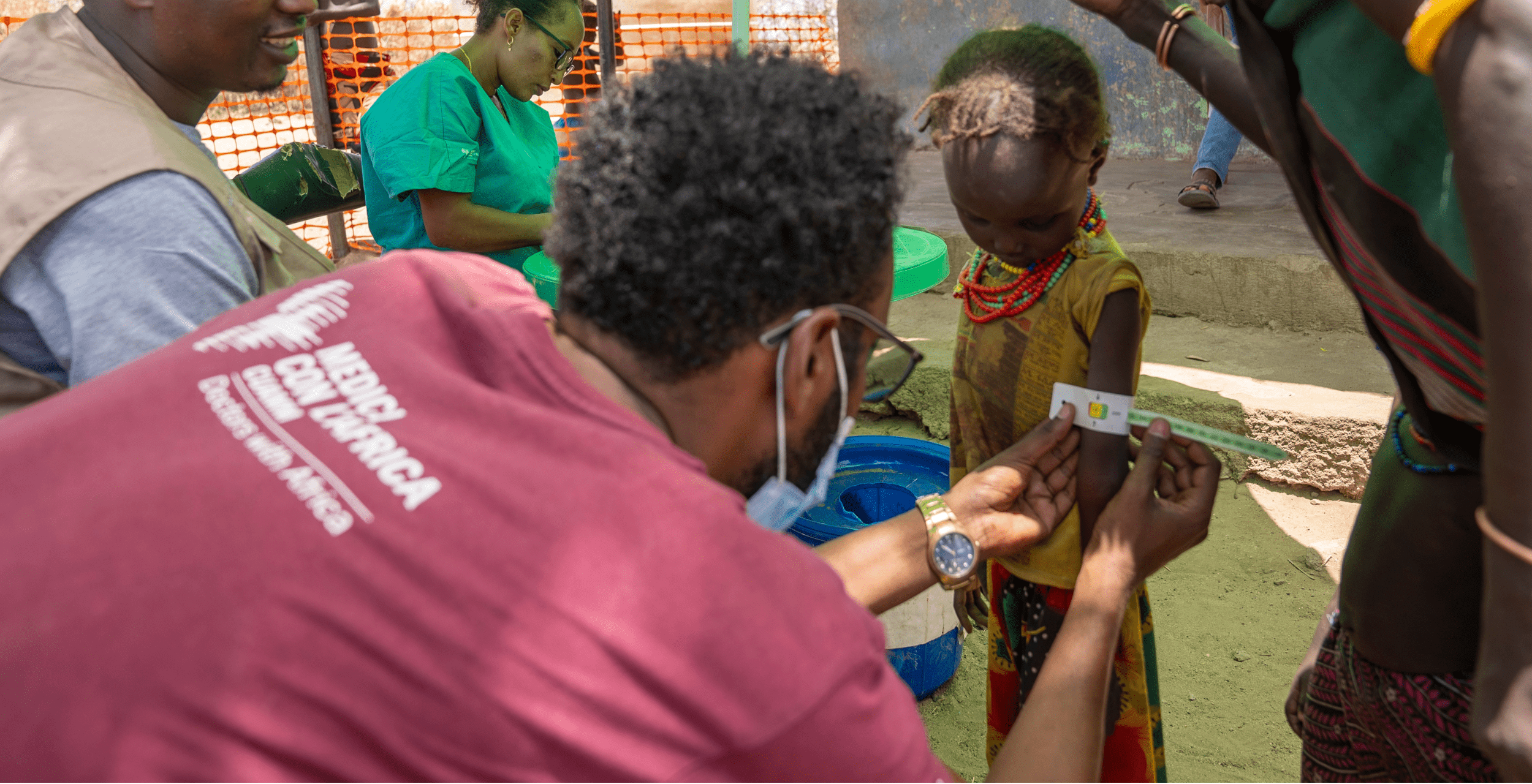
It is precisely in this complex context that, starting from February 2024, the intervention of Medici con l’Africa Cuamm “Combating malnutrition and promoting good nutrition practices in the South Omo Zone (SNNPR) in Ethiopia” was launched. The project, which officially concluded last week, focused its efforts on multiple levels: strengthening the capacity of the local healthcare system (Jinka Hospital and peripheral health centers), increasing access to prevention and treatment services for malnutrition, particularly for children under 5 and pregnant and lactating women ; the promotion of good hygiene and nutritional practices through educational interventions that reached over 22,000 people. At the community level in fact, 3,700 children and 535 pregnant/lactating women underwent nutritional screening; 24 awareness sessions and 4 practical cooking demonstrations were conducted to teach mothers how to prepare nutritious meals using local ingredients.

Finally, special attention was dedicated to Early Childhood Development (ECD), the cognitive, motor, and social development of children, through 36 sessions of “Tea Talk” for 192 children and caregivers, combining play and guided discussions on health. The commitment also focused on upgrading infrastructure, completing the rehabilitation of the pediatric ward at Jinka General Hospital, building a kitchen for the preparation of therapeutic meals, and renovating the maternity waiting room. Furthermore, essential medicines and medical equipment were guaranteed to 4 healthcare facilities.

Quality healthcare cannot exist without well-trained healthcare workers. Therefore, 25 professionals were trained on the management of severe acute malnutrition, and supervision sessions were conducted for 45 Community Health Extension Workers (HEWs). The improvement of skills allowed for the identification and enrollment into treatment pathways of 370 children with severe acute malnutrition (SAM) or moderate acute malnutrition (MAM). Additionally, 10,600 women had access to pre- and post-natal services.

Unexpected events were not lacking, such as the outbreak of a Marburg epidemic which required a timely adaptation of the intervention. In particular, personal protective equipment, water, sanitation, and hygiene (WASH) supplies, and emergency medicines were provided, alongside the organization of intensive awareness campaigns to inform the population about the virus symptoms. Cuamm was officially recognized at the national level for the immediate support provided during the epidemic.

Cuamm’s intervention thus concludes, leaving a tangible legacy in a territory that remains marked by deep structural complexities. Despite the ongoing challenges — from critical shortages of therapeutic milk and foods to weaknesses in data monitoring, up to recent logistical delays caused by the Marburg virus disease outbreak and fuel scarcity — the project delivers fundamental pillars for the future to the communities. The path toward autonomy for the South Omo Zone can now rely on a local health authority strengthened by capacity building, stable infrastructure and equipment that reduce dependence on external aid, and a joint supervision model across regional, zonal, and district levels, which is indispensable to overcome resistance and guarantee the continuity of services over time.

The future of TB care in Karamoja: the end of a project that marks a new beginning

“I had coughed for more than 5 months without stopping. I went to Napumpum health center and other peripheral private clinics in Kotido town; initially, they gave me Amoxicillin capsules and other medicines for pneumonia, but my cough was not responding to any of these medicines. I was getting worse day by day, and I thought the cause was an evil spirit”.

This is the story told by Adome Lochul, a 32-year-old peasant who lives with his wife and two children in a village in the Kotido district, within the Karamoja region of Uganda.

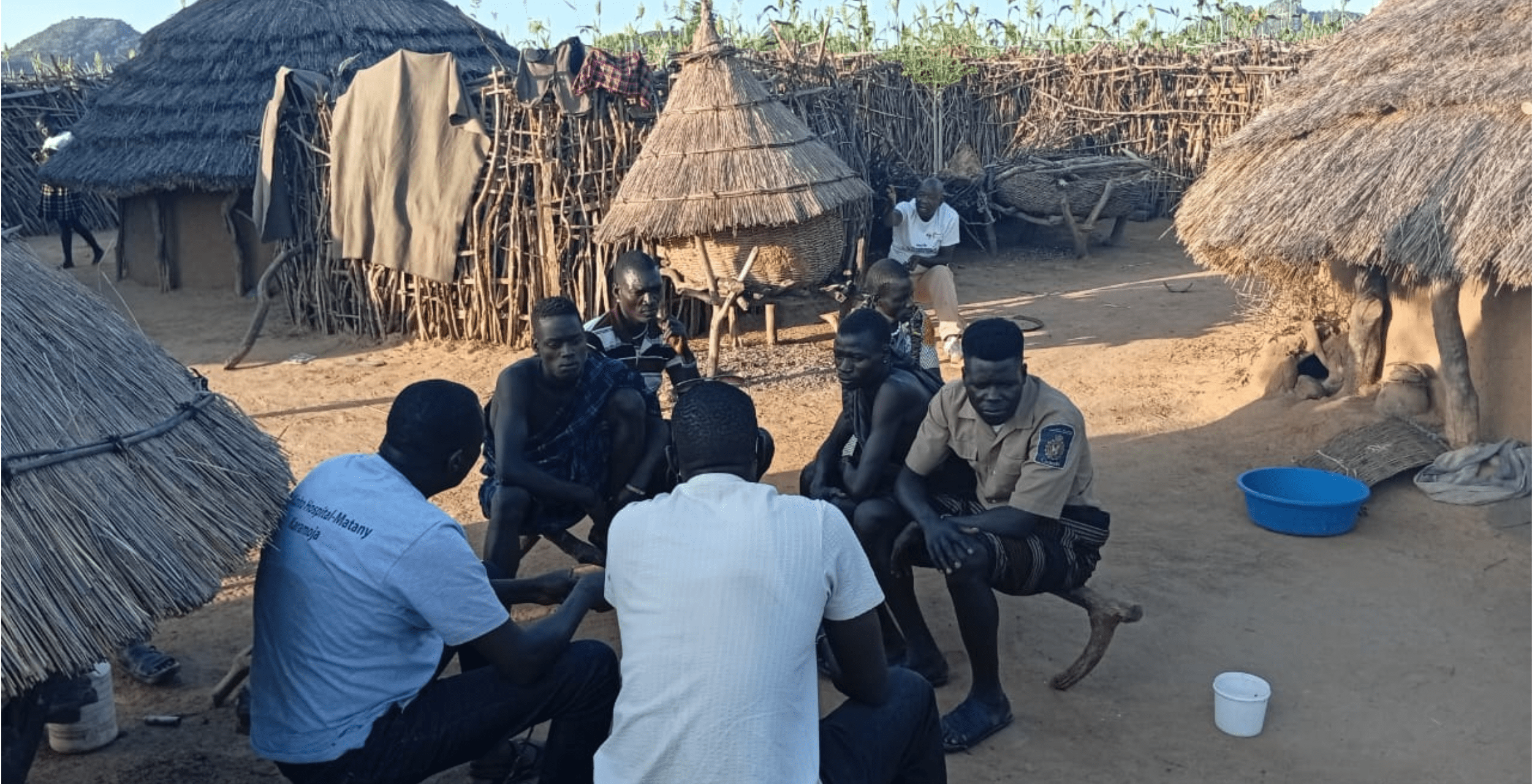
“I was referred to Kotido General Hospital where they took a sample of my sputum, and I was diagnosed with multi-drug resistant tuberculosis (MDR-TB). I didn’t understand what it meant; it was only explained to me that it needed to be treated at Matany Hospital, far away from my village. I was really scared and worried, but the health workers and Dr. Paul encouraged me, assuring me that I would recover and explaining that a team of doctors from the Hospital and CUAMM would come to pick me up for treatment. I accepted and, as promised, the team reached my village, where they sensitized the community on TB, screened people, and collected samples from those who were coughing; then they transported me to Matany Hospital for care. They performed various tests, a chest X-ray to check my lungs, and provided me with the necessary medications. The doctors and nurses checked the ward every day, and during my stay, I met other patients who came from Kotido and Kaabong districts, which are very far from Matany; we became friends and encouraged each other to adhere to the therapy and get cured,” Adome added. “When I was discharged, food items such as sugar, salt, cooking oil, and flour were delivered to my home to help support my therapy. I also receive financial support to cover travel expenses on clinic days and to refill medicines at Matany Hospital”.

Since April 2025, Doctors with Africa CUAMM has been implementing the project “PRO-TB: Strengthening the Organized Network for Tuberculosis in Karamoja,” supported by the Charitable Fund and social and cultural initiatives of Intesa Sanpaolo. In this north-eastern region of Uganda, tuberculosis continues to hit hard, much more so than in the rest of the country.

The intervention has had a clear objective: to strengthen the existing networks for tuberculosis screening, case notification, and treatment in Napak and Moroto, while expanding access to care for drug-resistant tuberculosis (DR-TB/MDR-TB) across all nine districts of the sub-region.

TB control in areas like Karamoja is challenging and complex. The communities are predominantly pastoralist, health facilities are scattered across a vast and often inaccessible territory, and healthcare-seeking behavior is heavily influenced by cultural practices and a certain mistrust towards formal healthcare systems.

“We, who are uneducated peasants, don’t have much of an idea of what TB is and sometimes mistake it for something else, just like what happened to me. It is thanks to programs like this from the Government and CUAMM that my people and I were informed, changing our beliefs and later supporting us throughout the treatment. For this reason, people need to be aware. The real challenge comes with home-based care, when taking medications every day becomes difficult and food is scarce. I, however, do my best with the support of my wife”.

Over the course of the project, 4,690 people were screened in the health facilities of the two districts; 1,558 presumptive cases of tuberculosis were identified, and 78 new cases were diagnosed using GeneXpert technology. Furthermore, 968 health workers were trained through on-the-job mentorship, and 145 multi-drug resistant tuberculosis patients were transported and initiated on treatment across the two DR-TB centers of the two districts; 413 patients with various forms of TB were managed at Matany Hospital. Additionally, 20,609 people were reached by awareness-raising activities on the disease during community outreach campaigns, thanks to the invaluable contribution of Village Health Teams (VHTs).

“Closing a project like PRO-TB means much more than presenting a final report; it means laying the foundations for the work to continue. We wanted this final meeting to recognize the extraordinary commitment of the healthcare teams and the DR-TB centers of Matany and Moroto, but above all to encourage the districts to learn from the collected data, results, and treated cases. Sustainability is not automatic: it requires clear agreements and defined responsibilities. By validating the milestones achieved and analyzing the experiences lived, the goal is to define a shared and concrete action plan. We want the health systems of Napak, Moroto, and the entire Karamoja sub-region to be ready to own and implement these activities, ensuring that this moment marks a new beginning for tuberculosis care in the territory, and not an end,” concluded Dr. Solomon Aleper, CUAMM Project Manager.

Cuamm’s philosophy is to accompany local authorities and communities so that the legacy of this intervention is embraced with responsibility, for a more sustainable healthcare system that is deeply rooted in the territory.

The strength of Maker, the strength of South Sudan

“He arrived at the neonatal ward of Rumbek Hospital in a severe state of hypothermia and with respiratory distress. Maker weighed about one kilo; he was born at home without adequate assistance. Abeng, the young 19-year-old mother, reportedly experienced family conflicts during her pregnancy because it occurred out of wedlock,” says Dr. Oham Ejikeme Chukwuka, a CUAMM doctor. “At the time of admission, we did not have an incubator available, and there was only one nurse on regular duty. The newborn was immediately resuscitated and stabilized with oxygen therapy, antibiotics, and the ‘kangaroo mother care’ practice, which involves skin-to-skin contact to maintain body temperature. The improvement was gradual, and Abeng was finally able to start breastfeeding him.”

After three weeks, the mother and the baby, who had become clinically stable in the meantime, were discharged. Abeng received a thari, a wrap to continue skin-to-skin contact at home. At the follow-up visit one week after discharge, Maker weighed 1.45 kg and continued to grow; two months later, he reached a weight of 3 kg, and Abeng returned to the ward also to express her gratitude to the entire team.

Hospitals that endure

These are the Rumbek and Yirol Hospitals in Lakes State, South Sudan, despite a peripheral healthcare network facing severe difficulties and a country showing the dramatic effects of the heavy reduction in aid by major international donors. After months of unpaid salaries, lack of drug supplies, and the impossibility of meeting essential needs such as purchasing cleaning materials or fuel to run the generator, most health facilities have suspended their activities. The consequences have been a collapse in outpatient and antenatal visits, as well as vaccinations, triggering several epidemic outbreaks, particularly of measles.

In this landscape, the Rumbek and Yirol Hospitals represent an exception, remaining the only providers of basic and emergency care, with a constantly growing number of patients and encouraging results in terms of increased deliveries and reduced maternal mortality. Doctors with Africa CUAMM, which has been supporting them for several years, continues to promote access to and utilization of effective services to prevent and promptly respond to the main emergencies, particularly obstetric, neonatal, and pediatric ones. Just like for little Maker.

Results that matter

During 2025, there were 5,708 assisted deliveries, 705 obstetric emergencies treated, 10,515 pediatric admissions, and 4,671 ambulance referrals, also thanks to the “Resilience and inclusion project for health and the improvement of living conditions of women, children, and people with disabilities in Lakes State and Warrap State” (AID12869), funded by the Italian Cooperation and implemented with Amref Health Africa ETS, Amref Health Africa in South Sudan, CBM Italia ETS, and CBM International, in addition to the South Sudanese NGO African Development Aid.

“The project has allowed for the continuous presence of an adequate number of staff and the constant availability of medicines, which are basic conditions to guarantee care and to strengthen the population’s trust in the healthcare system, thereby fostering demand for services,” reports Chiara Scanagatta, CUAMM Program Manager for South Sudan and the Central African Republic.

Health and nutrition education sessions, combined with the distribution of essential kits to complete the continuum of care—from the first antenatal visit to the last vaccination within the child’s first year of life—have led to a significant increase in the number of women who undergo the required 4 antenatal visits and at least 2 postnatal visits, who choose to give birth in the hospital, and who follow the vaccination schedule for their children.
Technical accompaniment by CUAMM healthcare personnel has initiated a continuous improvement in the capacities of the local hospital team and the quality of care provided, achieving results that until recently were unimaginable for a context like South Sudan. In particular, the presence of a specialist pediatrician and investments in infrastructure and equipment have made it possible to set up and develop the neonatal unit of Rumbek Hospital, equipped with dedicated staff, doubling the number of small patients on an annual basis and achieving a survival rate of 90%,” Chiara notes.

Humanity to be safeguarded

For the dignity of many, so many like Abeng and Maker, CUAMM continues to reaffirm the principle of humanity: providing care is an act of resistance that is renewed every day in the commitment to safeguard the lives of the most vulnerable.