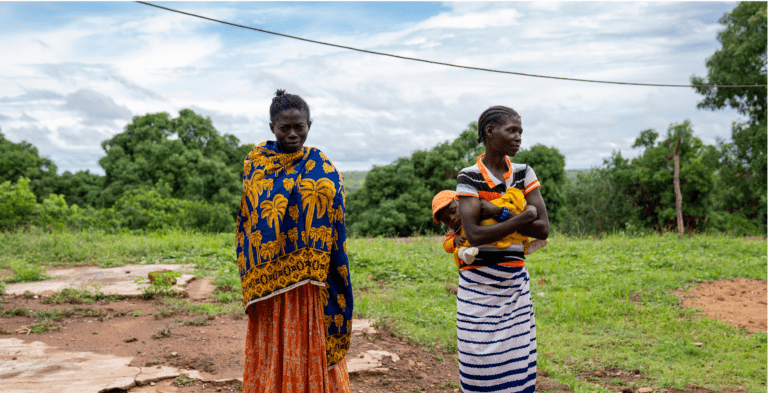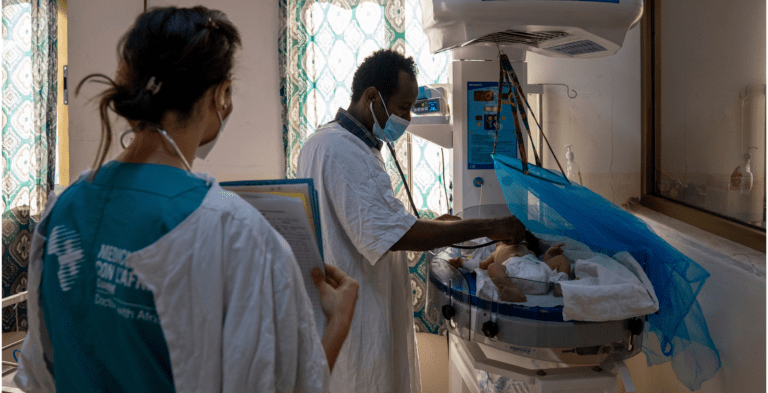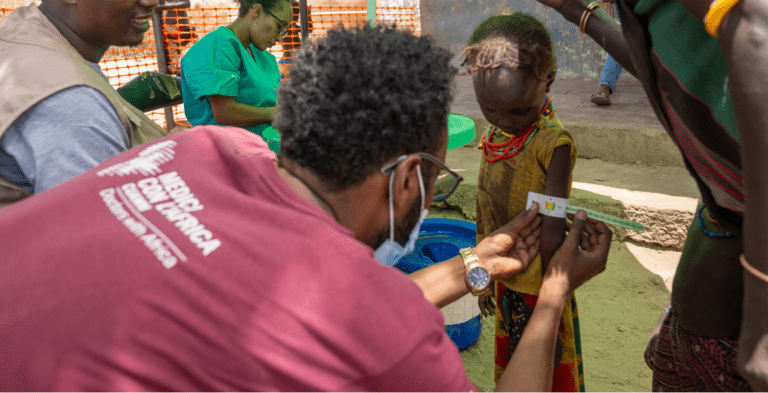
In the South Omo Zone of southern Ethiopia, a blood donation can make all the difference. Especially for women facing complications during childbirth and for patients in urgent need of an emergency transfusion.
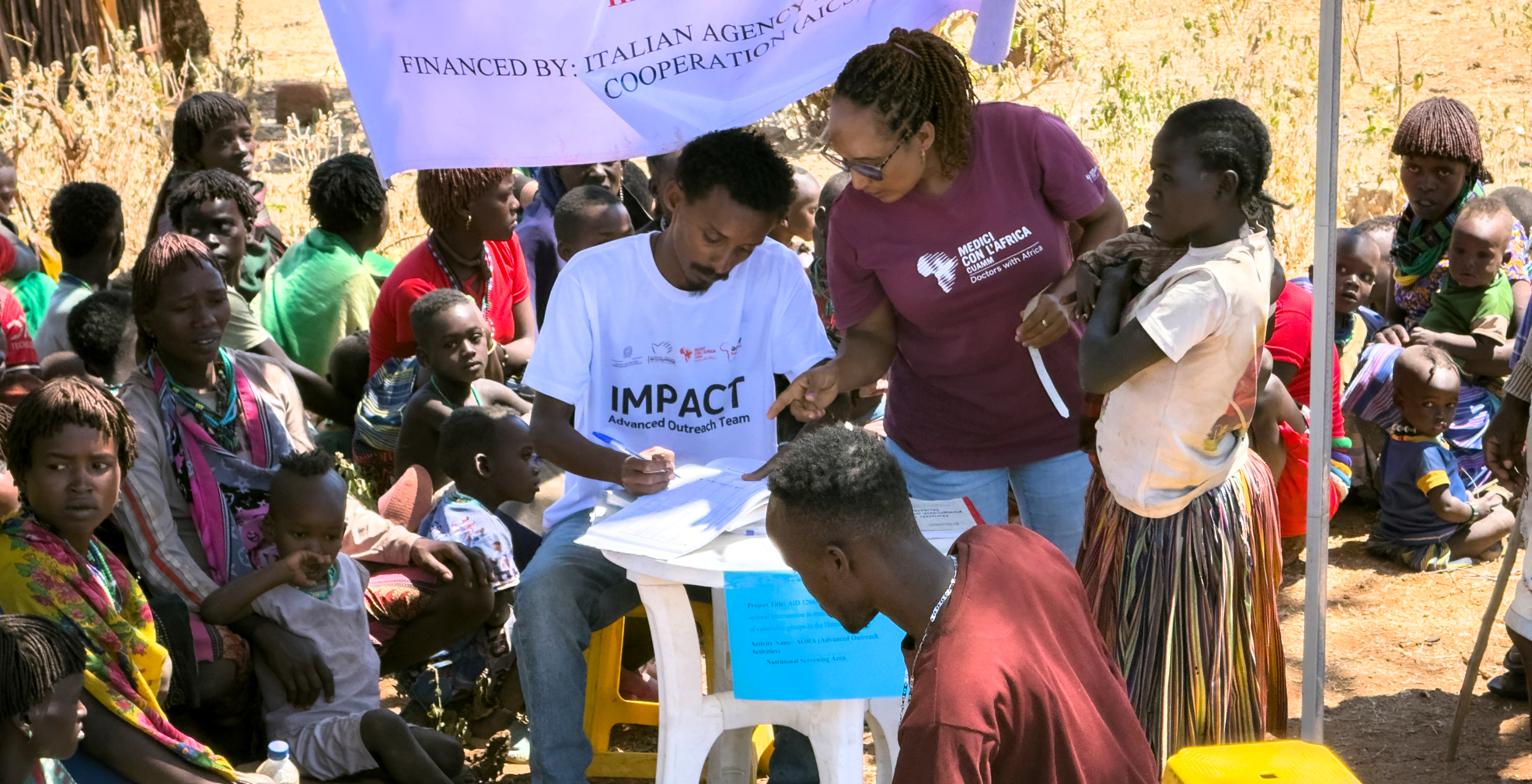
To address this vital need, since 2024 the IMPACT project “Multisectoral intervention to increase access to health for vulnerable groups in Hamer Woreda, South Omo“, funded by the Italian Cooperation and implemented by Doctors with Africa CUAMM, has been supporting maternal and child health initiatives. Among these are blood collection drives in Hamer Woreda, organized in collaboration with the Jinka Blood Bank.
These campaigns are conducted every three months in the towns of Dimeka and Turmi, bringing together healthcare workers, local authorities, and community members. It is an effort that, drive after drive, is also changing how local people view donation. The latest campaign achieved a record result: 82 units of blood collected, designated to bolster emergency reserves at Turmi Primary Hospital. Since May 2024, the drives supported by the IMPACT project have gathered a total of 436 units of blood.
From fear to the choice to donate
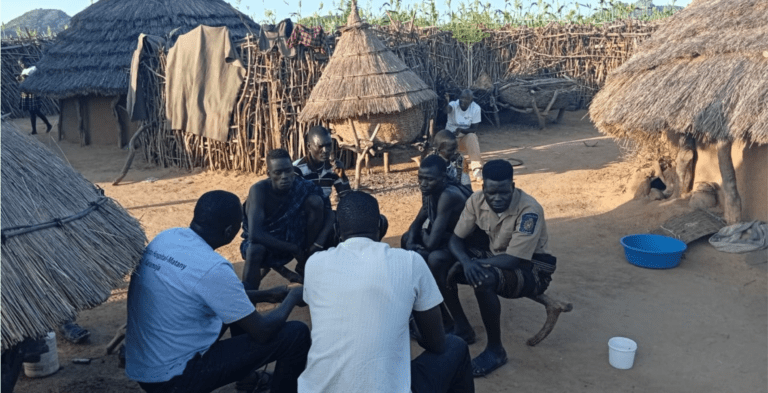
It wasn’t easy at first. Misconceptions and deeply ingrained cultural beliefs made many people hesitant about giving blood. To overcome these barriers, the project engaged religious leaders, community elders, and local representatives, focusing on awareness-raising and clear information. The goal was simple yet essential: to explain that donating blood is safe, and that a single donation can be life-saving for someone in critical condition.
“At first I was afraid. When I realized how simple, safe, and important it actually was, any hesitation vanished.” Hiwot, a 28-year-old woman living in Dimeka, decided to give it a try. May marked her very first donation. Her story reflects a broader shift across the region: more and more people are choosing to become voluntary donors after understanding just how vital safe blood is during medical emergencies. “I donated blood after learning that a single unit can save a mother’s life during childbirth. Knowing that my donation can help save a life,” shares a regular donor, “makes me proud and pushes me to encourage others to do the same.”
When collected blood saves a life
The true impact of these campaigns cannot be measured by numbers alone. A recent event at Turmi Primary Hospital vividly demonstrates what is at stake. A woman suffering from post-partum hemorrhage (PPH) was in critical need of a blood transfusion. The hospital’s stock was dangerously low, and staff were already preparing to transfer her to another facility – a delay that could have been fatal. Then came the opportunity to draw from the blood collected during the most recent drive.
“Fortunately,” recalls the Director of Turmi Primary Hospital, “blood gathered during the recent donation campaign was available, and we were able to perform the transfusion immediately, helping to save her life.” Having safe blood readily on hand made immediate intervention possible without waiting for a transfer, at a moment when every minute counted. The Jinka Blood Bank also highlights the value of these collective efforts: “The voluntary blood donation campaigns have significantly improved access to safe blood and helped combat the recurring shortages that used to affect the hospital.”
A community becoming part of the care
Behind the 436 units collected since 2024 are far more than statistics. There are individuals who chose to donate, healthcare workers who organized the drives, local leaders who helped build community trust, and families who received care just in time.
“We sincerely thank CUAMM for their invaluable support in organizing this life-saving initiative and strengthening emergency health services in our area,” adds the Director of Turmi Primary Hospital.
The IMPACT project continues to work alongside the communities of Dimeka and Turmi to turn voluntary blood donation into a well-understood, shared practice. Because behind every unit of blood collected lies a tangible possibility: the chance to act when an emergency cannot wait and, time and again, to save a life.