“He arrived at the neonatal ward of Rumbek Hospital in a severe state of hypothermia and with respiratory distress. Maker weighed about one kilo; he was born at home without adequate assistance. Abeng, the young 19-year-old mother, reportedly experienced family conflicts during her pregnancy because it occurred out of wedlock,” says Dr. Oham Ejikeme Chukwuka, a CUAMM doctor. “At the time of admission, we did not have an incubator available, and there was only one nurse on regular duty. The newborn was immediately resuscitated and stabilized with oxygen therapy, antibiotics, and the ‘kangaroo mother care’ practice, which involves skin-to-skin contact to maintain body temperature. The improvement was gradual, and Abeng was finally able to start breastfeeding him.”
After three weeks, the mother and the baby, who had become clinically stable in the meantime, were discharged. Abeng received a thari, a wrap to continue skin-to-skin contact at home. At the follow-up visit one week after discharge, Maker weighed 1.45 kg and continued to grow; two months later, he reached a weight of 3 kg, and Abeng returned to the ward also to express her gratitude to the entire team.
Hospitals that endure
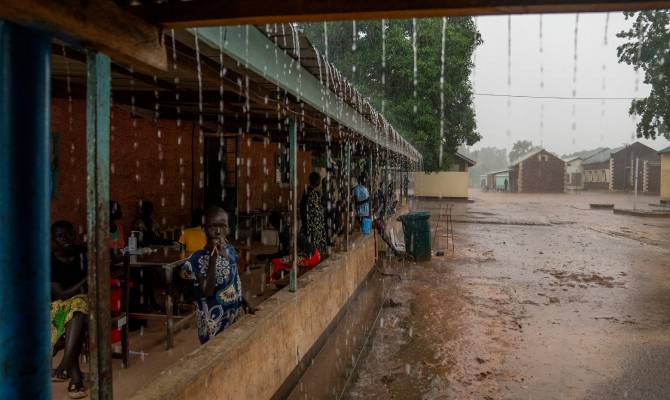
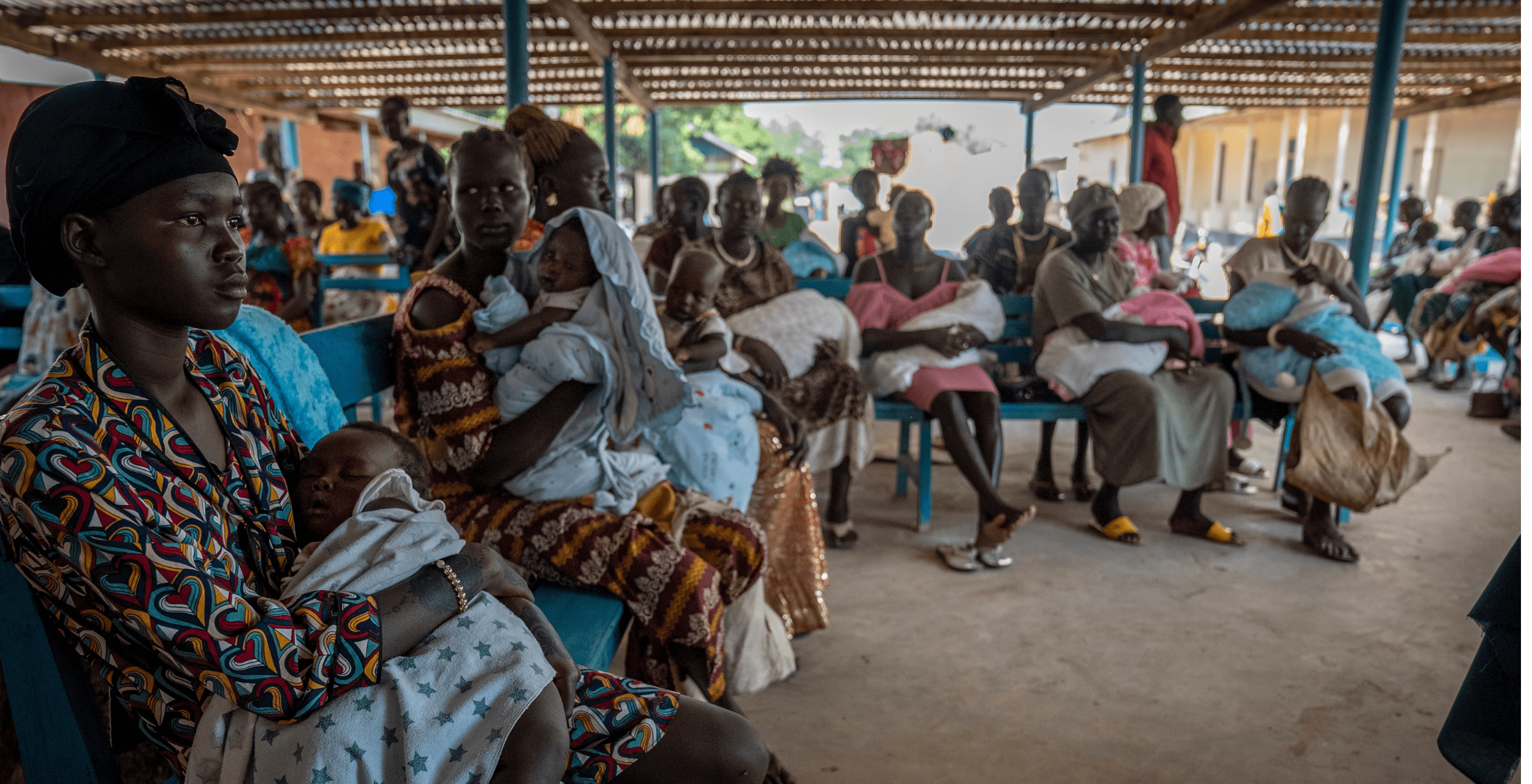
These are the Rumbek and Yirol Hospitals in Lakes State, South Sudan, despite a peripheral healthcare network facing severe difficulties and a country showing the dramatic effects of the heavy reduction in aid by major international donors. After months of unpaid salaries, lack of drug supplies, and the impossibility of meeting essential needs such as purchasing cleaning materials or fuel to run the generator, most health facilities have suspended their activities. The consequences have been a collapse in outpatient and antenatal visits, as well as vaccinations, triggering several epidemic outbreaks, particularly of measles.
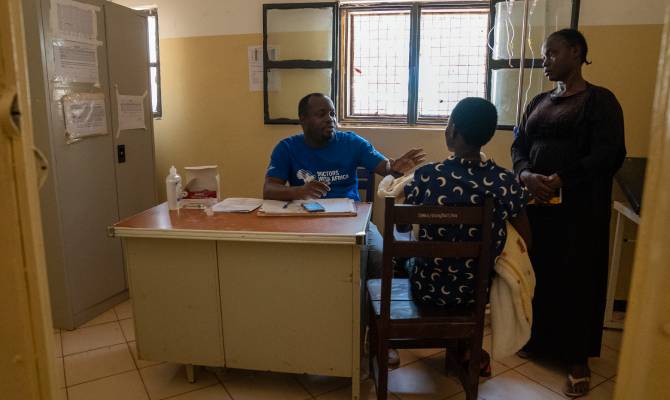
In this landscape, the Rumbek and Yirol Hospitals represent an exception, remaining the only providers of basic and emergency care, with a constantly growing number of patients and encouraging results in terms of increased deliveries and reduced maternal mortality. Doctors with Africa CUAMM, which has been supporting them for several years, continues to promote access to and utilization of effective services to prevent and promptly respond to the main emergencies, particularly obstetric, neonatal, and pediatric ones. Just like for little Maker.
Results that matter
During 2025, there were 5,708 assisted deliveries, 705 obstetric emergencies treated, 10,515 pediatric admissions, and 4,671 ambulance referrals, also thanks to the “Resilience and inclusion project for health and the improvement of living conditions of women, children, and people with disabilities in Lakes State and Warrap State” (AID12869), funded by the Italian Cooperation and implemented with Amref Health Africa ETS, Amref Health Africa in South Sudan, CBM Italia ETS, and CBM International, in addition to the South Sudanese NGO African Development Aid.
“The project has allowed for the continuous presence of an adequate number of staff and the constant availability of medicines, which are basic conditions to guarantee care and to strengthen the population’s trust in the healthcare system, thereby fostering demand for services,” reports Chiara Scanagatta, CUAMM Program Manager for South Sudan and the Central African Republic.
“Health and nutrition education sessions, combined with the distribution of essential kits to complete the continuum of care—from the first antenatal visit to the last vaccination within the child’s first year of life—have led to a significant increase in the number of women who undergo the required 4 antenatal visits and at least 2 postnatal visits, who choose to give birth in the hospital, and who follow the vaccination schedule for their children.
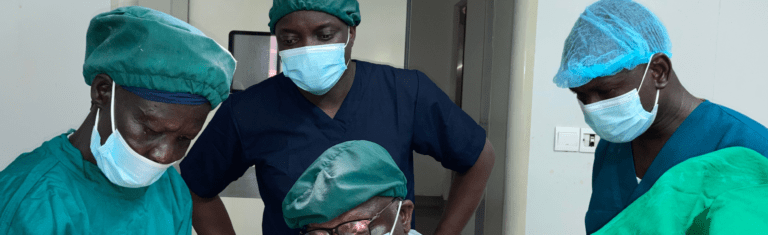
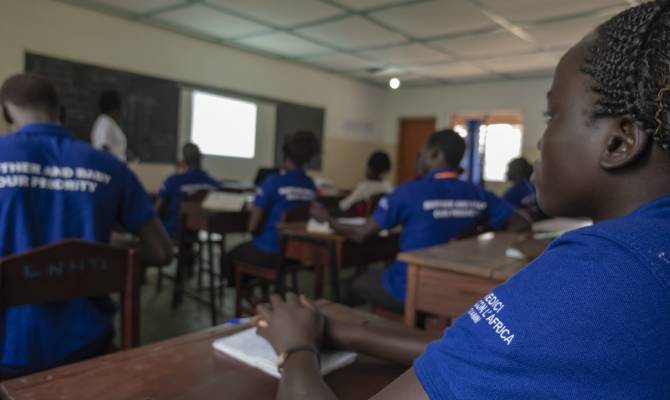
Technical accompaniment by CUAMM healthcare personnel has initiated a continuous improvement in the capacities of the local hospital team and the quality of care provided, achieving results that until recently were unimaginable for a context like South Sudan. In particular, the presence of a specialist pediatrician and investments in infrastructure and equipment have made it possible to set up and develop the neonatal unit of Rumbek Hospital, equipped with dedicated staff, doubling the number of small patients on an annual basis and achieving a survival rate of 90%,” Chiara notes.
Humanity to be safeguarded
For the dignity of many, so many like Abeng and Maker, CUAMM continues to reaffirm the principle of humanity: providing care is an act of resistance that is renewed every day in the commitment to safeguard the lives of the most vulnerable.