In the South Omo Zone, particularly in the Hamer District—one of southern Ethiopia’s most remote areas—the availability and accessibility of essential health services remain limited, posing a daily challenge for the local population. Women, children, and people with disabilities are the most affected, which is why they were at the heart of “IMPACT – Multisectoral Intervention to Increase Access to Health for Vulnerable Groups in Hamer Woreda, South Omo,” funded by the Italian Cooperation and implemented by Doctors with Africa CUAMM alongside Amref Health Africa and Italia.
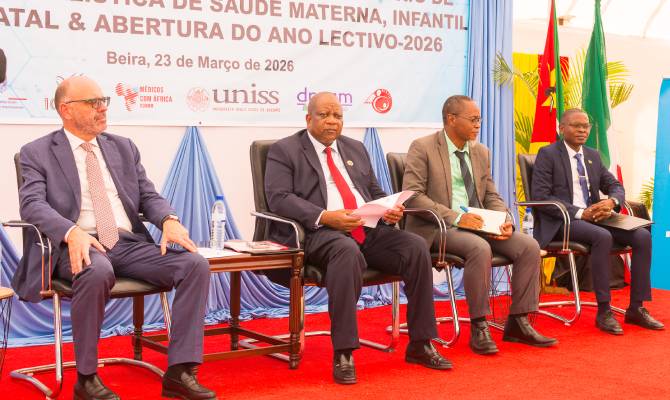
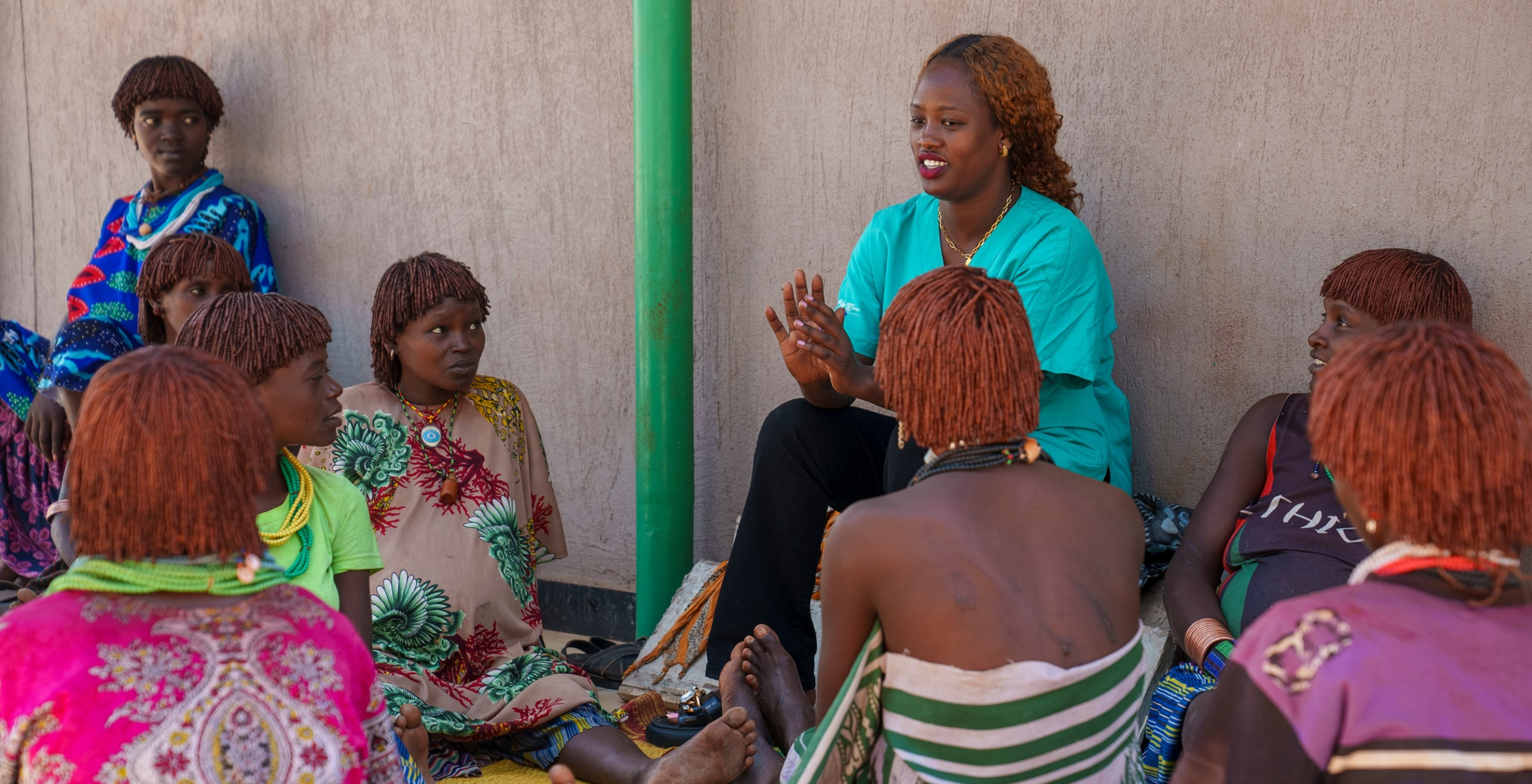
“It feels as though, with the conclusion of this project with CUAMM and Amref, we are ‘losing’ members of our own family. Today, we want to look inward first of all, at our own community, and commit ourselves to keeping the results we’ve achieved alive,” said a representative of the Hamer community during the project’s closing event on October 20 in Turmi, which brought together local and regional health authorities, partners, and other local stakeholders. These words reflect a growing awareness and empowerment among local communities. The Hamer, semi-nomadic pastoralists, are one of the 16 ethnic groups living in South Omo. The event provided an opportunity to share results, experiences, good practices, and future perspectives.
“Over the years of this project, facility-based deliveries have grown significantly, both thanks to the construction and renovation of waiting homes for pregnant women and support for the referral system,” stated the Head of the District Health Office. “Harmful traditional practices have also decreased thanks to awareness-raising activities. Now it is up to the government authorities to preserve and sustain all this progress,” he concluded.
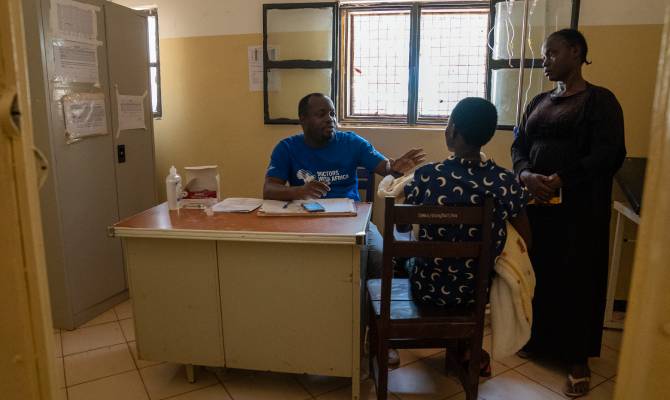
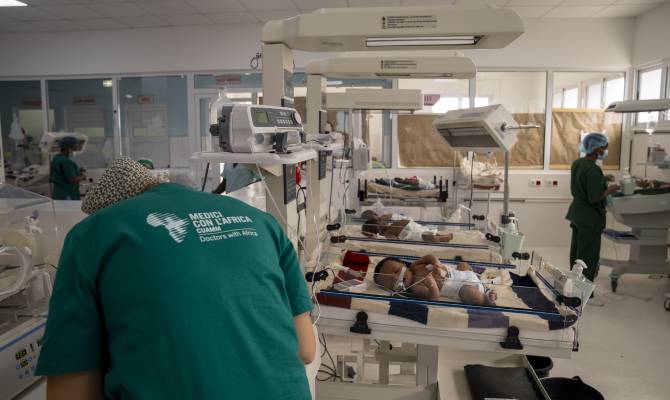
The main efforts were focused on the Dimeka Health Center, where the Maternal and Child Health Unit was renovated, and a new waiting home was built along with staff housing, supported by the United Nations Office for Project Services (UNOPS). The Maternity ward and Delivery room are now better organized, functional, equipped, and clean, thanks also to the daily presence of a CUAMM midwife.
“An average of 35 deliveries are now assisted each month—a rapidly growing and truly encouraging figure. For Hamer women, who traditionally give birth at home or in the bush entirely on their own, this represents a small revolution: thanks to ongoing awareness-raising activities over the years, the community has developed greater awareness and renewed trust in health services. This change is further encouraged by the welcoming environment of the waiting homes, the food provided, and the essential newborn kits given right after delivery”, affirmed Marica Pilon, Desk Officer CUAMM for Ethiopia.
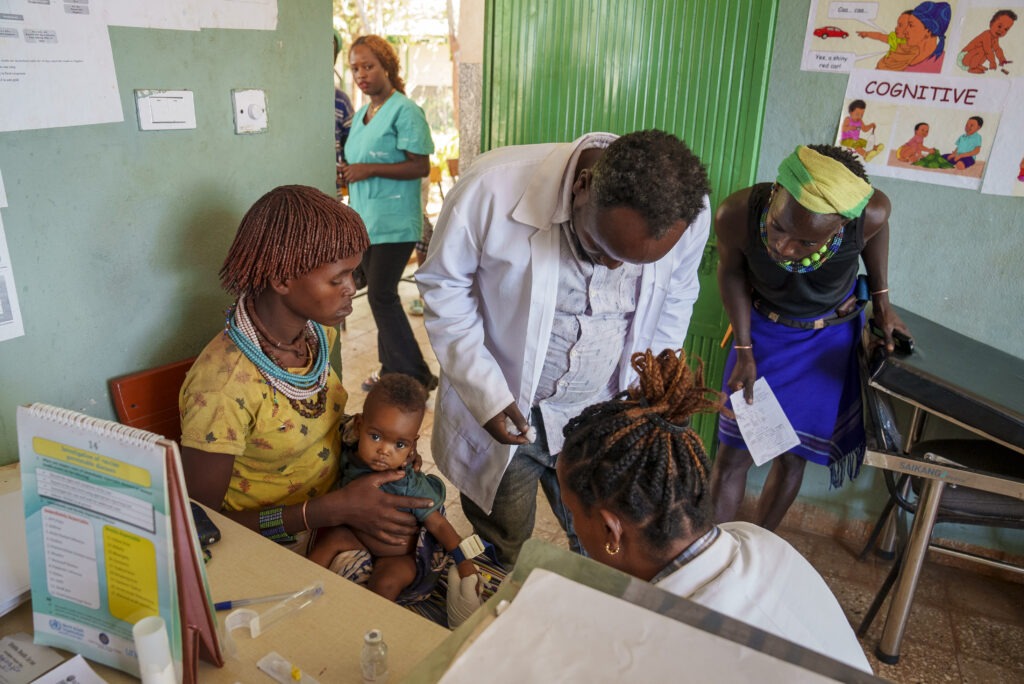
Facility-based delivery coverage in the area has increased over the last 10 years, also thanks to the contribution of the community awareness activities promoted by CUAMM. An encouraging trend that seems to be consolidating, as shown by the data from what was once the Turmi Health Center, now turned into the Turmi Primary Hospital. Where there used to be no doctors at all, there are now five, including a specialized physician from Addis Ababa who has been living there for three years, running the hospital with limited resources. In Turmi, about 45 deliveries per month are assisted, 20% of which are C-sections. Here too, the upward trend reflects a shift in community attitudes toward health services.
In the coming weeks, plans are underway to launch inpatient services and set up an isolation unit for epidemics, particularly focused during this period on the Ebola cases reported in neighboring Kenya. The intervention also supported the renovation of four Health Posts, restoring electricity and water access where missing. Solar panels ensure the operation of the freezer where vaccines are stored and periodically administered to children. Additionally, children with moderate acute malnutrition (MAM) are examined, and ready-to-use therapeutic food is distributed whenever necessary.
Finally, there are the Health Extension Workers, community health officers who provide primary care services at the community level, forming the first formally recognized link in the Ethiopian health system.
“We plan to launch a new strategy at the government level: if a pregnant woman lives more than an hour away from the reference Health Center, we will activate a Health Post capable of guaranteeing safe, skilled-attended delivery thanks to the presence of midwives,” concluded the Head of the Regional Health Bureau.
A project that now comes to an end, yet leaves behind a significant impact in terms of both services provided and strengthened awareness and skills.