
In Lakes State, South Sudan, we promoted and implemented the first campaign for the surgical repair of obstetric fistula. Carried out in collaboration with UNFPA and in close coordination with local authorities, the initiative enabled women and girls living with this condition to access free screening and surgical care.
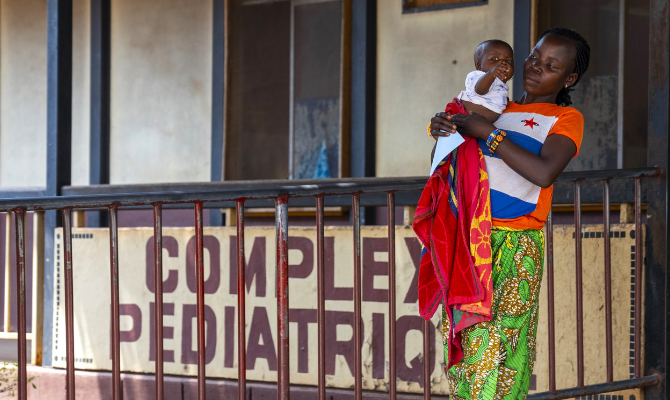
Obstetric fistula is a severe injury caused by prolonged and obstructed labour and by a lack of timely access to obstetric care. In addition to causing physical pain, women living with this condition are often forced into isolation and experience significant psychological suffering as a result of its consequences and the associated social stigma.
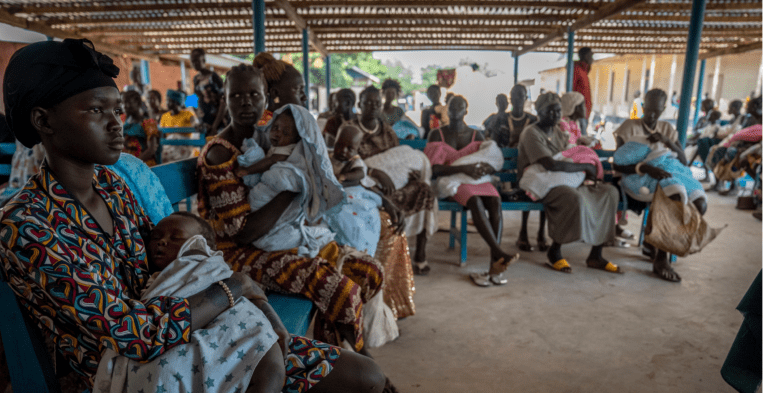
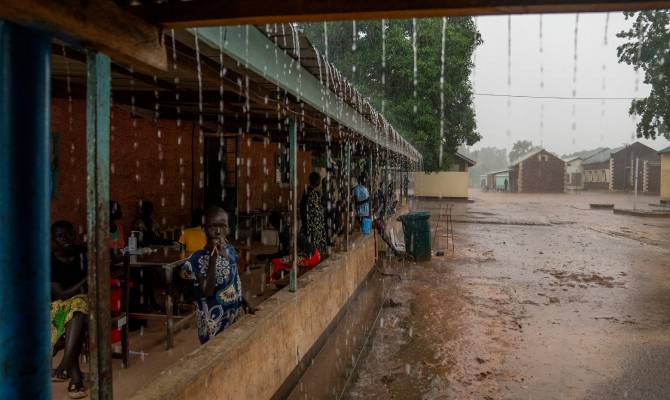
For this reason, the campaign started at community level. Through awareness-raising and mobilisation activities, we worked to identify women living with obstetric fistula and accompany them to the healthcare service established to provide surgical repair, overcoming the challenges posed by distance, which often prevents the most vulnerable from accessing care.
“There are still many women who are forced to suffer in silence. They are all around us, in our villages, in our homes, throughout the country. We want everyone to do whatever they can to support these women and refer them to the services available so that they can receive the care they need.” Dr Salewu Olumide, CUAMM Country Representative in South Sudan.
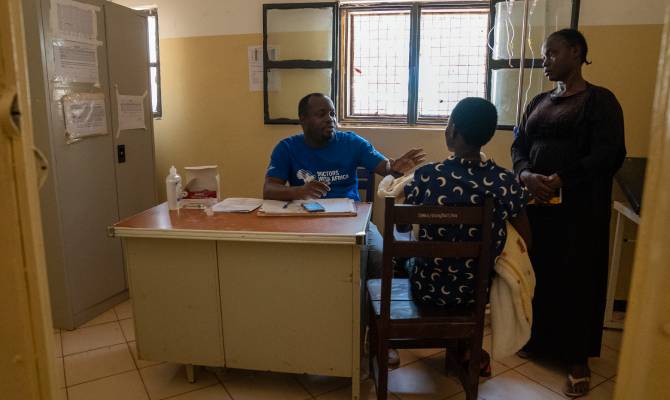
In total, 73 women underwent specialist screening. Those whose conditions were considered suitable for surgery were then able to access free surgical repair.
51 women were admitted for surgery — 51 women who were able to receive a diagnosis, be taken into care and access free surgical treatment for a condition that too often brings pain, isolation and stigma.
“Now that I have been able to undergo surgery, I have regained the dignity I felt I had lost. I am finally at peace, and I know that I can lead a normal life, without fear or shame. I want all the women and mothers out there to know that they too can feel this way. They too can get better and live better. I will personally do my part to help them access the care that I myself have received.” Jane, one of the women who underwent surgery.
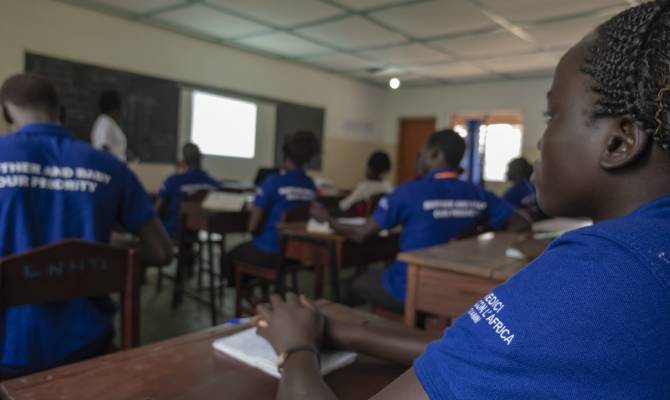
The campaign was carried out by two specialists engaged by CUAMM specifically for this purpose. They worked alongside local hospital staff, providing training and support throughout the pre- and post-operative phases, with the aim of laying the foundations for similar initiatives to be repeated in the future, drawing on the necessary skills already available locally.
Mobilising communities, identifying women, providing screening, offering free surgical care and training healthcare staff: it was through this integrated, multi-level approach that we made access to obstetric fistula care possible in Lakes State.
And while surgical repair can give women the opportunity to return to a life free from the consequences of fistula, the challenge is, first and foremost, to ensure that no woman has to live with this condition because she was unable to access skilled care.
Fistula can, in fact, be prevented before it needs to be surgically treated. Prevention requires access to skilled care during childbirth and timely emergency obstetric care. Making maternal health services accessible and improving their quality is therefore the first step towards ensuring that women receive the care they need and addressing not only maternal mortality but also maternal morbidity.
In Lakes State, we support three hospitals so that they can provide preventive and curative services to ensure safe pregnancies and childbirth, including the management of obstetric emergencies and newborn care. In 2025, these three facilities recorded 6,715 deliveries, of which 3,689 took place in Rumbek. These hospitals are supported by a network of 63 peripheral health facilities, connected through an ambulance service that transported 3,527 obstetric cases last year, accounting for 77% of all patients referred.
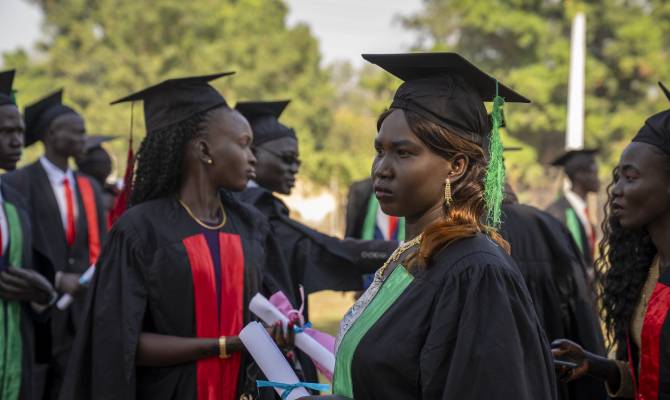
Alongside our support for the ongoing delivery of services, we are also investing in their availability and responsiveness to the needs of women in the medium and long term. This includes support for the Rumbek Institute of Health Sciences to train future midwives, an initiative also implemented in Lui, Western Equatoria State.
In a country such as South Sudan, where the maternal mortality ratio is 692 per 100,000 live births and the neonatal mortality rate is 40 per 1,000 live births, this is an intervention of critical importance.