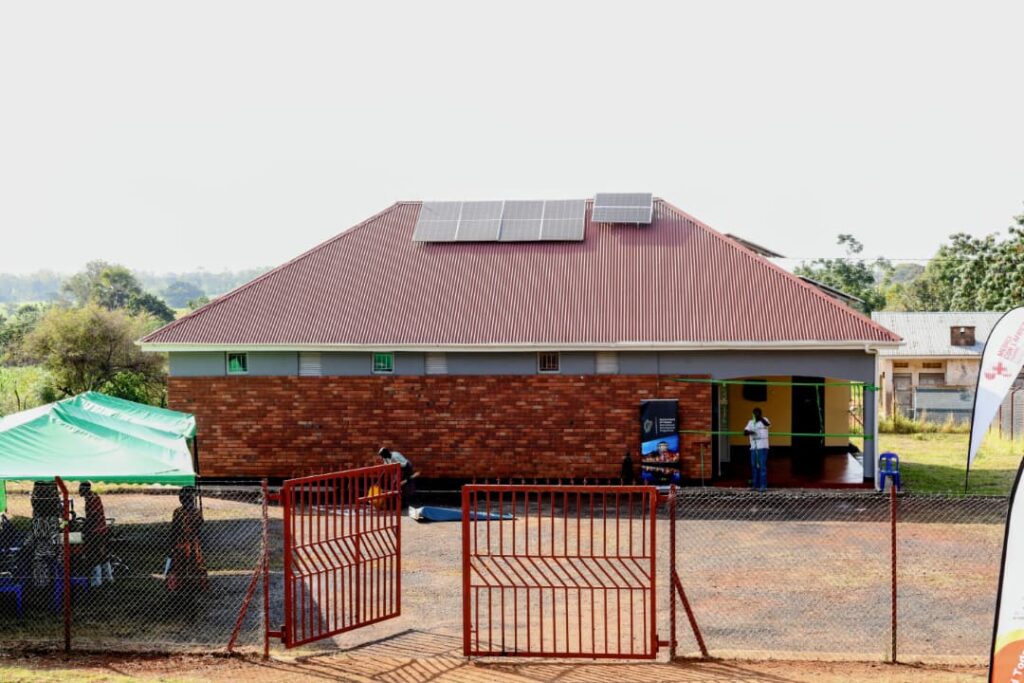
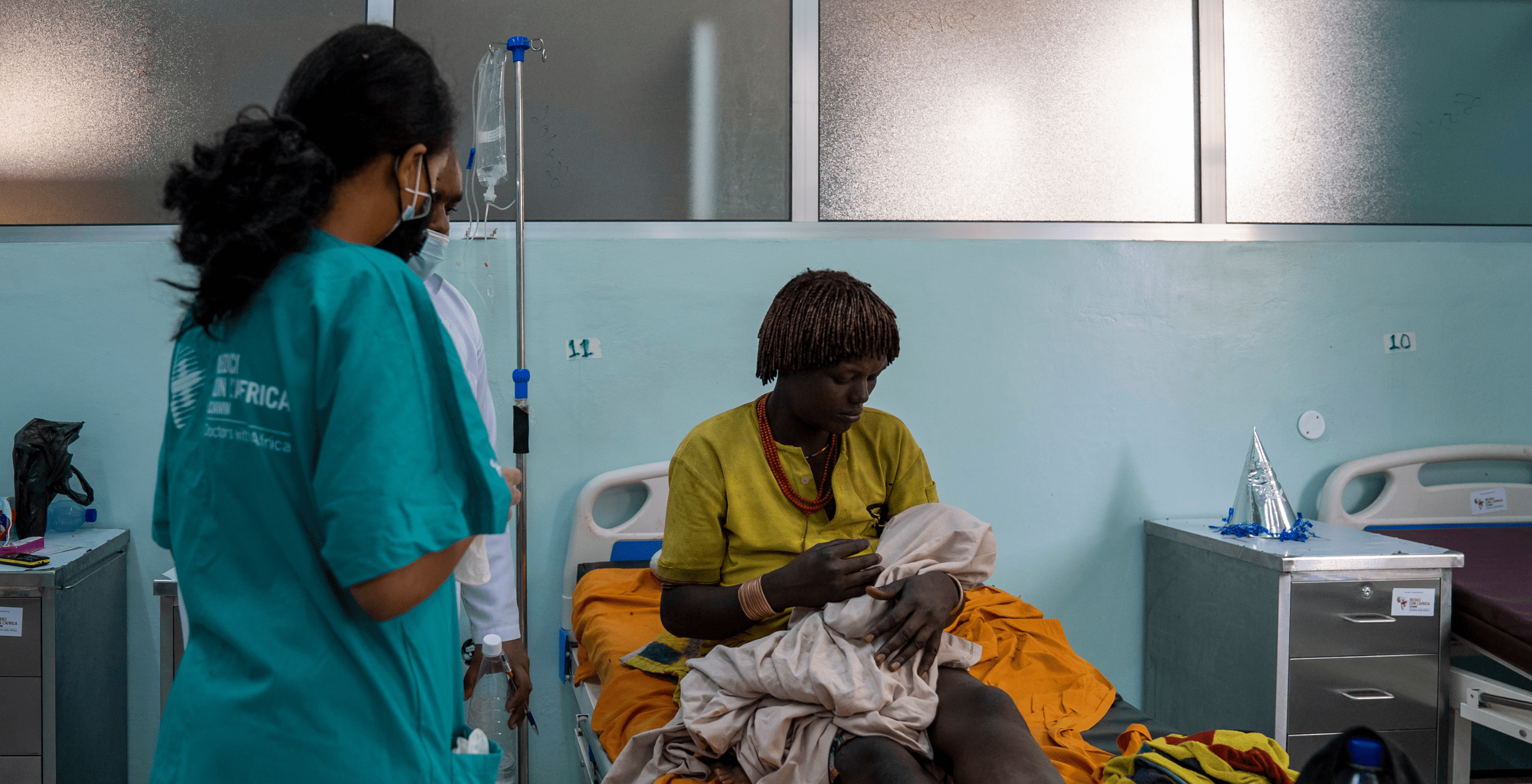
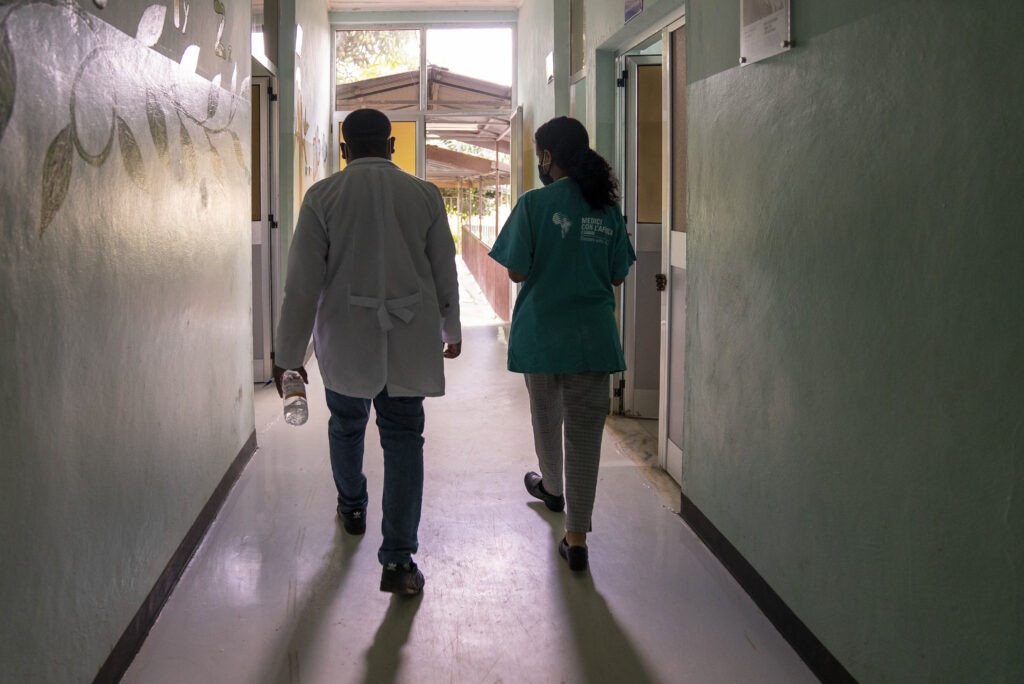
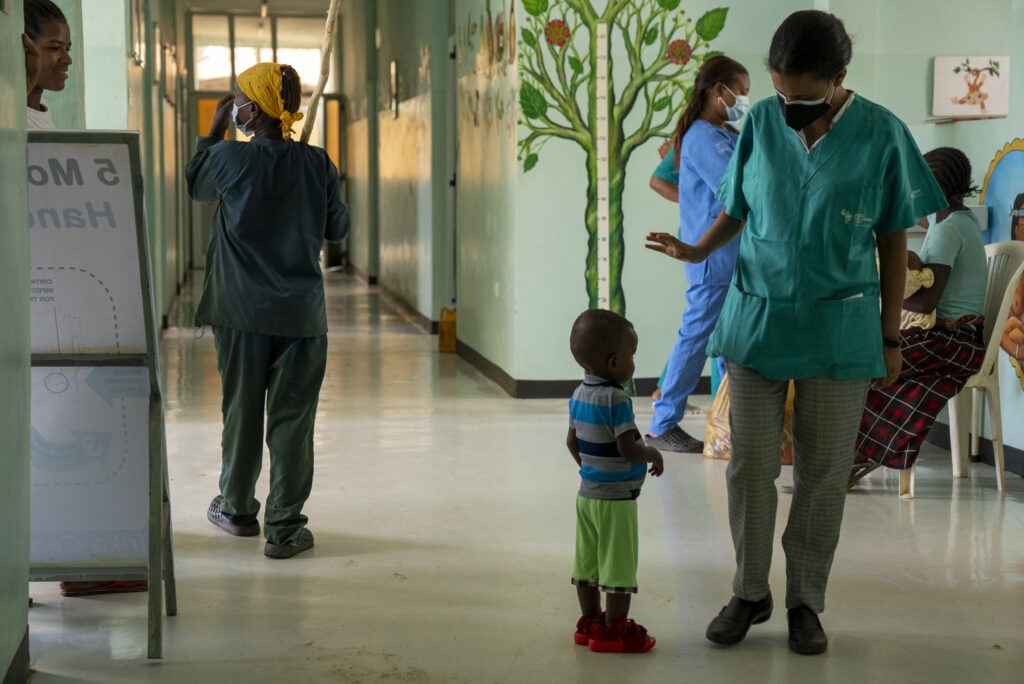
In many countries across Sub-Saharan Africa, faith-based health facilities provide a significant share of essential healthcare services, particularly in rural and underserved communities. Despite their vital contribution, these institutions often remain underrecognized and insufficiently integrated into formal health systems.
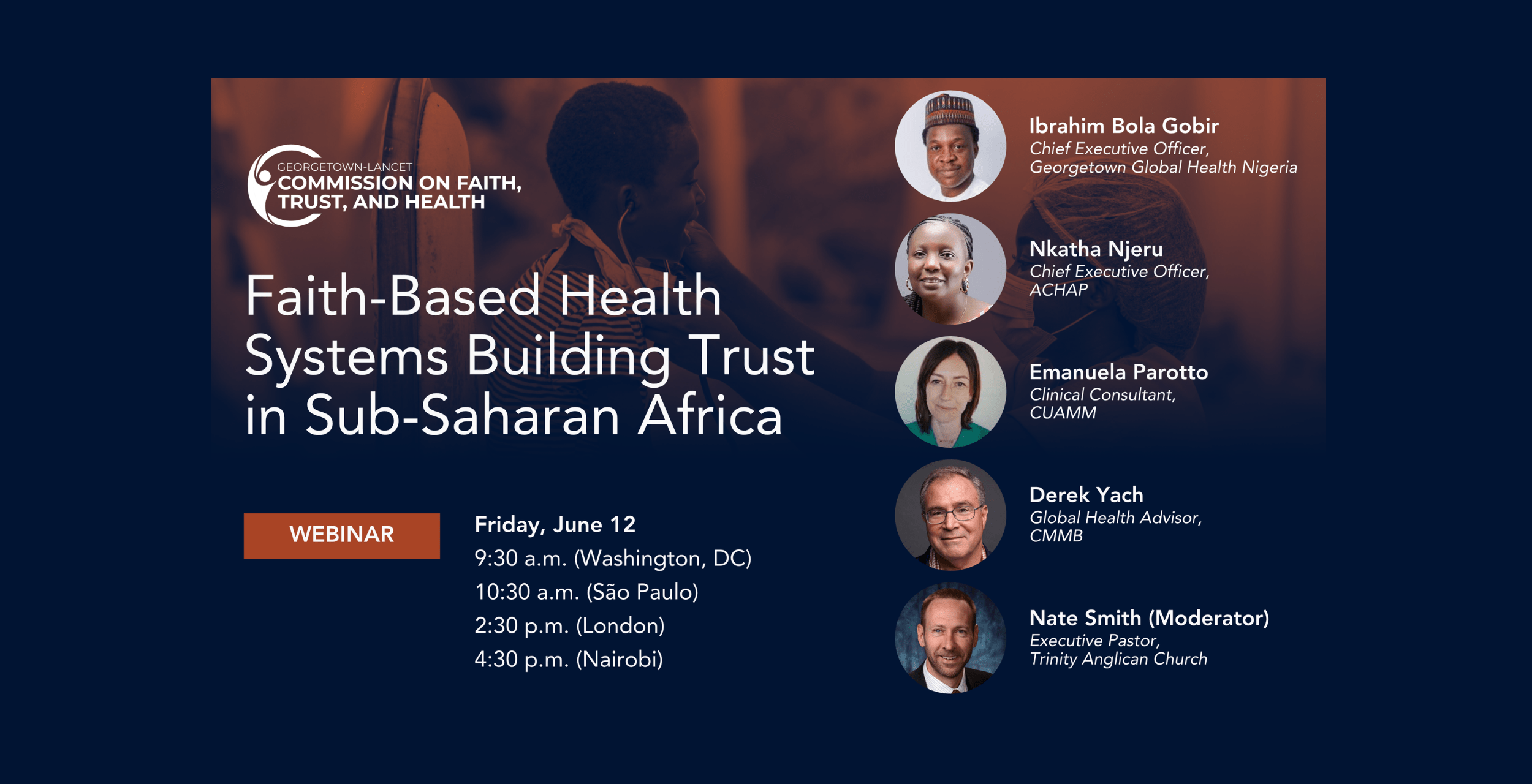
These issues were at the center of Faith-Based Health Systems: Building Trust in Sub-Saharan Africa, a webinar hosted by the Georgetown-Lancet Commission on Faith, Trust, and Health. Bringing together experts from academia, healthcare, faith communities, and international organizations, the event explored the role of faith-based health systems through both Christian and Islamic perspectives, while highlighting frontline experiences from across the continent.
We contributed to the discussion by sharing insights and expertise gained through our long-standing commitment to supporting faith-based organizations (FBOs) across the region. Dr. Emanuela Parotto, Clinical Consultant at CUAMM, presented key results, findings, and lessons learned from this work. Other distinguished speakers included Ibrahim Bola Gobir, Assistant Professor at Georgetown University; Nkatha Njeru, CEO of ACHAP; Nate Smith, Executive Pastor at Trinity Anglican Church; and Derek Yach, Global Noncommunicable Disease Advisor at CMMB.
The strong interest generated by the webinar was reflected in a record level of engagement, making it the most attended session of the series to date. The event attracted 146 unique viewers from 26 countries, spanning four continents. Participants joined from countries as diverse as Bangladesh, Denmark, Zambia, and Brazil, underscoring the global resonance of the topics discussed and the growing interest in faith-based approaches to health systems strengthening.
The discussion underscored the critical role that Faith-Based Organizations (FBOs) play in healthcare delivery across Sub-Saharan Africa, while drawing attention to a persistent gap: national health frameworks often fail to fully leverage the reach, trust, and expertise of these institutions.
CUAMM’s Commitment to Strengthening Faith-Based Healthcare
Recognizing the strategic importance of FBOs, CUAMM launched a major initiative in 2019 to support faith-based organizations delivering healthcare services across Africa. The webinar provided an opportunity to showcase the results of this ongoing commitment.
Dr. Emanuela Parotto presented findings from extensive field assessments conducted between November 2021 and February 2024. The study evaluated 63 health facilities belonging to 48 faith-based organizations across 11 countries: Angola, Cameroon, Ethiopia, Ghana, Ivory Coast, Kenya, Madagascar, Malawi, the Central African Republic, Tanzania, and Togo.
Using both quantitative and qualitative methodologies—including Health Facility Assessment Questionnaires (HFAQ) and Disaster Preparedness Assessment Questionnaires (DPAQ)—the research provided a comprehensive overview of the strengths, challenges, and potential of faith-based healthcare providers in the region.
A Cornerstone of Healthcare Delivery
Evidence presented during the webinar showed that faith-based providers deliver between 30% and 70% of healthcare services in many Sub-Saharan African countries.
For decades, these organizations have played a central role in national health systems, often maintaining a continuous presence in communities where public services are limited or absent. Their commitment to serving vulnerable populations, combined with deep local roots, has enabled them to become highly trusted actors within the communities they serve.
This trust is one of their greatest assets. Built through long-standing relationships, shared values, and moral leadership, it encourages positive health-seeking behaviors, improves adherence to treatment, and supports sustained utilization of healthcare services. As highlighted during the webinar, growing evidence shows that trust is not merely a social asset but a critical determinant of health system performance and legitimacy.
Three Pillars of Support
CUAMM’s initiative is built around three complementary pillars designed to strengthen the capacity and sustainability of faith-based healthcare providers:
- Training: Development and delivery of tailored training programmes for both medical and administrative staff.
- Technical Assistance: Field missions conducted by CUAMM experts to assess facility performance, identify operational gaps, and support quality improvement processes.
- Advocacy: Promotion of evidence-based policies and dissemination of research findings to foster greater recognition and integration of faith-based facilities within national healthcare systems.
Strong Foundations, Persistent Challenges
While faith-based organizations demonstrate remarkable commitment, resilience, and community engagement, they continue to face significant structural barriers.
Key challenges identified through the assessments include:
- Shortages of qualified health personnel;
- Inadequate infrastructure and equipment;
- Limited preparedness for emergencies and disasters;
- Weak health information and data management systems;
- Financial instability and resource constraints;
- Insufficient integration and coordination within national health systems.
These obstacles affect the ability of FBOs to fully realize their potential, despite their proven capacity to reach remote and marginalized populations.
The Path Forward: Integration, Recognition, and Partnership
A clear message emerged from the webinar: faith-based organizations should not be viewed as peripheral actors, but as essential components of national healthcare systems.
Their limitations are not primarily the result of organizational weaknesses; rather, they stem from insufficient structural integration, recognition, and support. Strengthening partnerships between governments, faith-based providers, donors, and development organizations would enable countries to better harness one of their most valuable healthcare assets: community trust.
The webinar concluded with a strong call to action for policymakers, donors, and health leaders. Investing in the integration of faith-based health providers is not simply a matter of filling service gaps. It is an opportunity to strengthen healthcare access, improve quality of care, and build more resilient and inclusive health systems for the future.
In case you missed the webinar and are curious to learn more: