Mozambique
More than twice the size of Italy and home to over 33 million people, Mozambique is a country rich in resources and potential, yet it still faces significant needs—particularly in the health sector.
A long-standing and rooted commitment
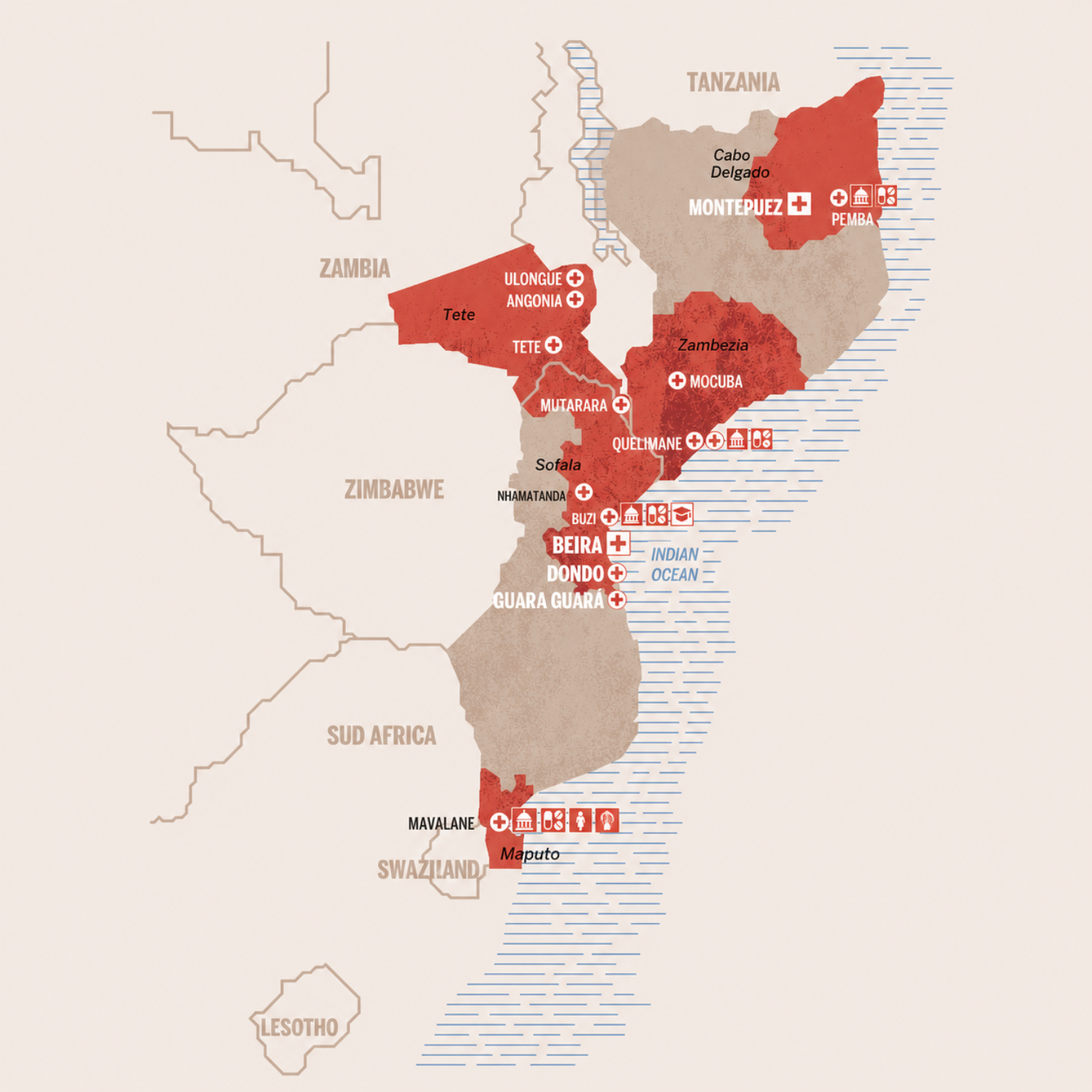
We began our work in Mozambique in 1978 and are now active in five provinces: Maputo, Sofala, Cabo Delgado, Zambezia, and Tete. Our interventions span all levels of the health system—hospitals, health centers, and community settings—with a particular focus on maternal and child health, as well as HIV/AIDS and non-communicable diseases (NCDs). Training young local doctors in Beira remains a key strategic priority.
Sofala Province: a comprehensive approach
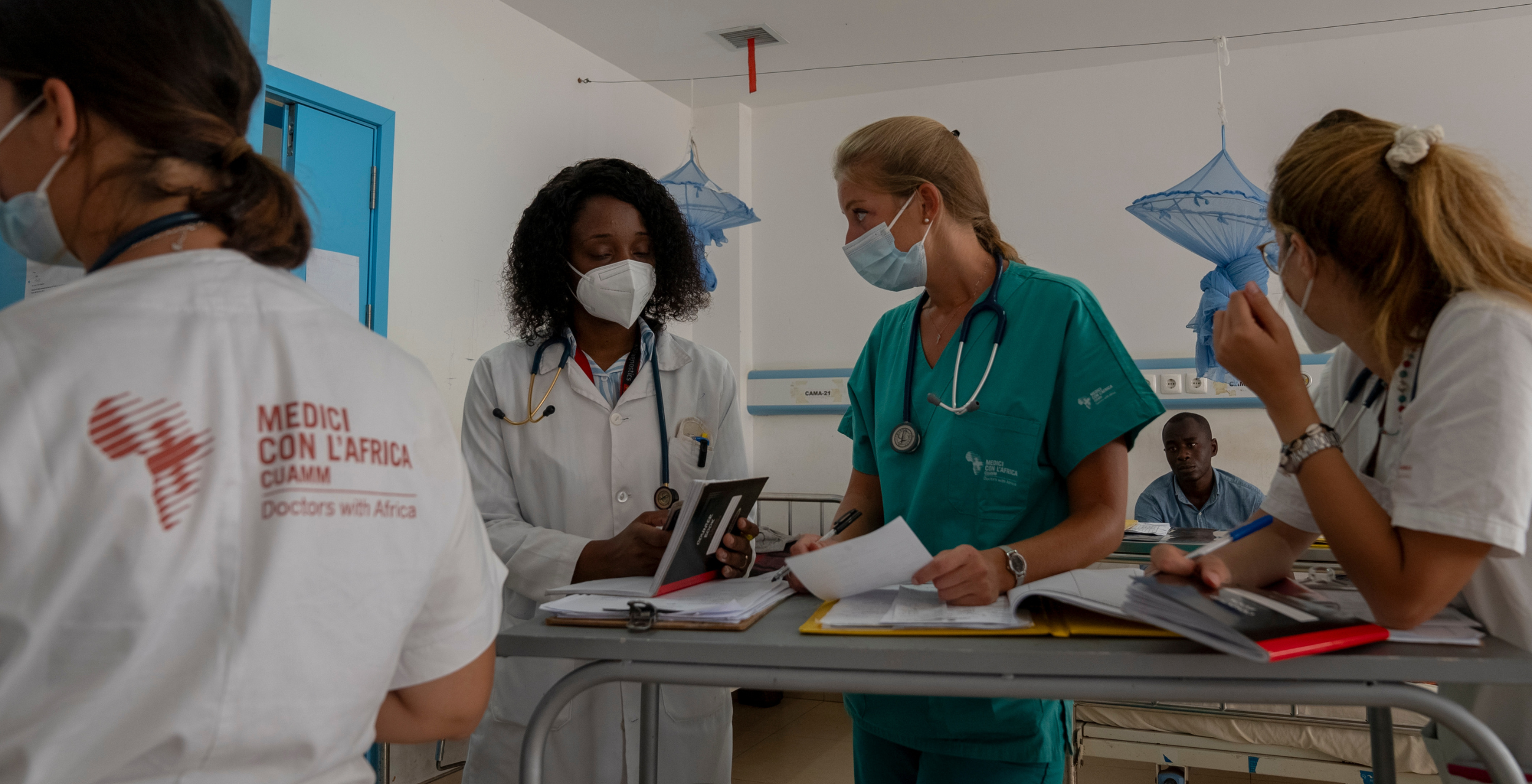
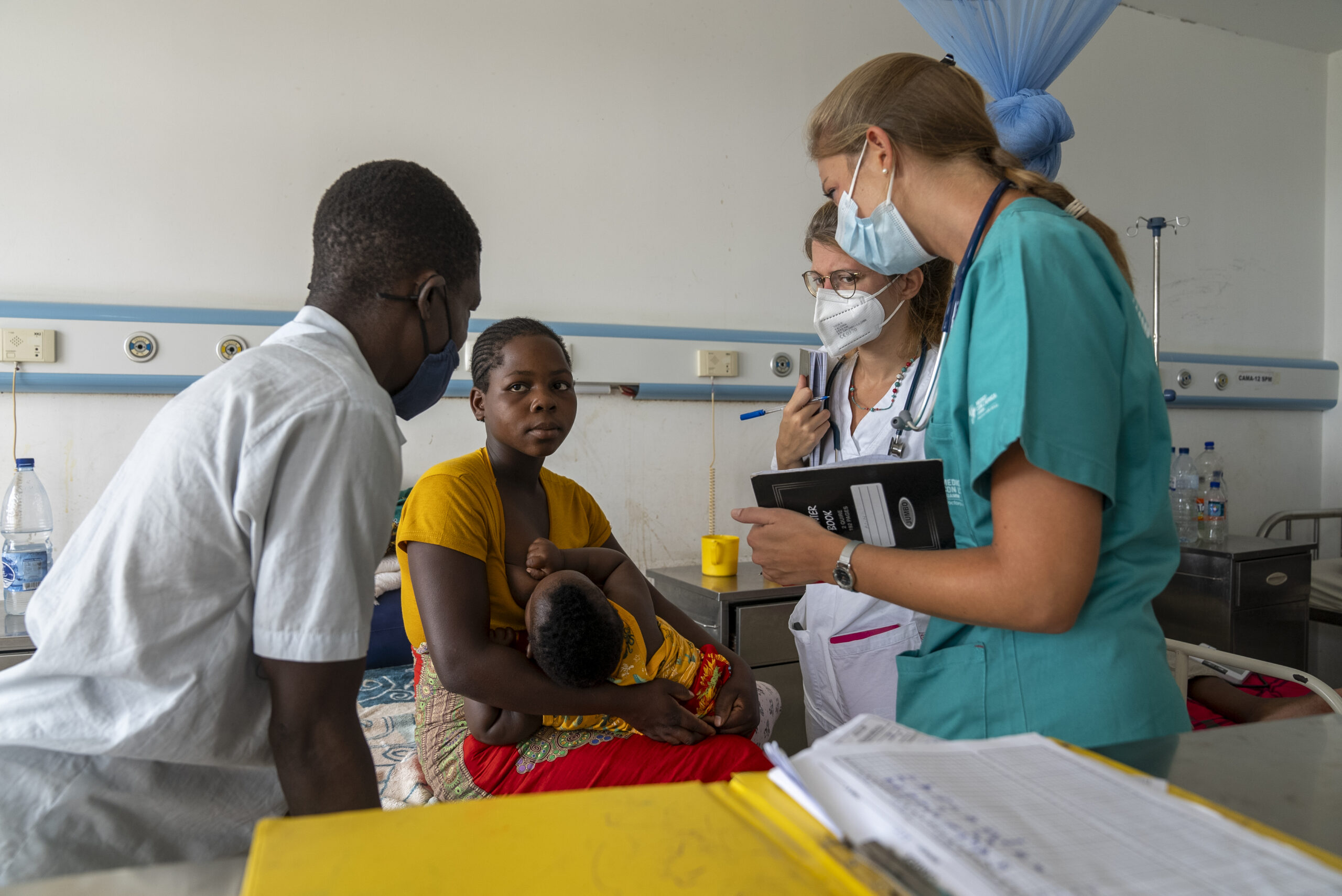
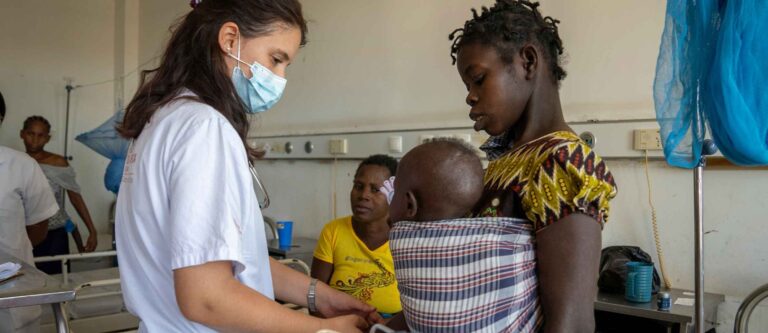
At the heart of our work is the health of mothers and children, supported by the presence of specialist doctors and residents in the Maternity and Neonatology wards of Beira Central Hospital. This is complemented by support to surrounding health centers through public health initiatives ranging from antenatal care to vaccination campaigns.
The emergency system
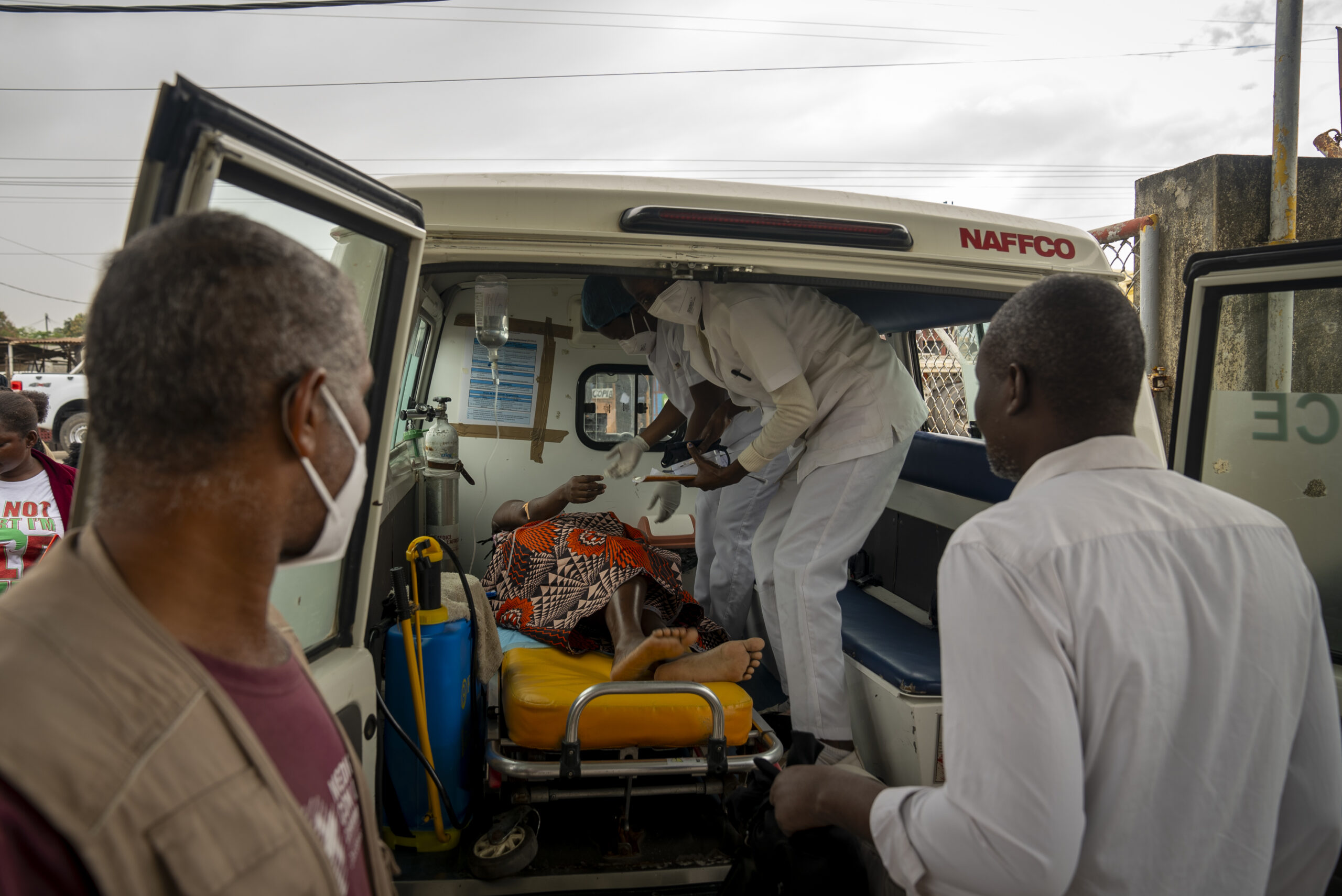
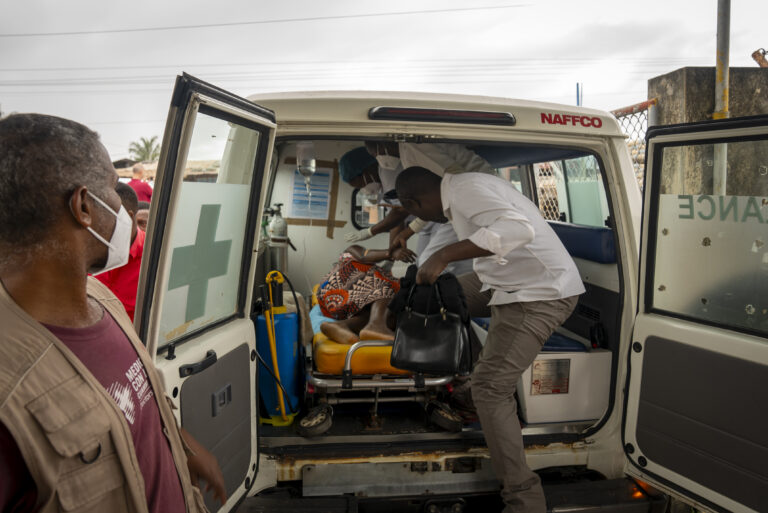
We have established a timely and effective referral system for emergencies—similar to an emergency medical service—in Beira, where none previously existed. Trained operators manage emergencies 24/7 from a central operations hub, responding to calls from 17 health centers and coordinating transfers to the Central Hospital. Since February 2022, this essential service has enabled 19,700 patient transfers, including 6,600 maternal emergencies and 4,000 neonatal emergencies.
Training at the core
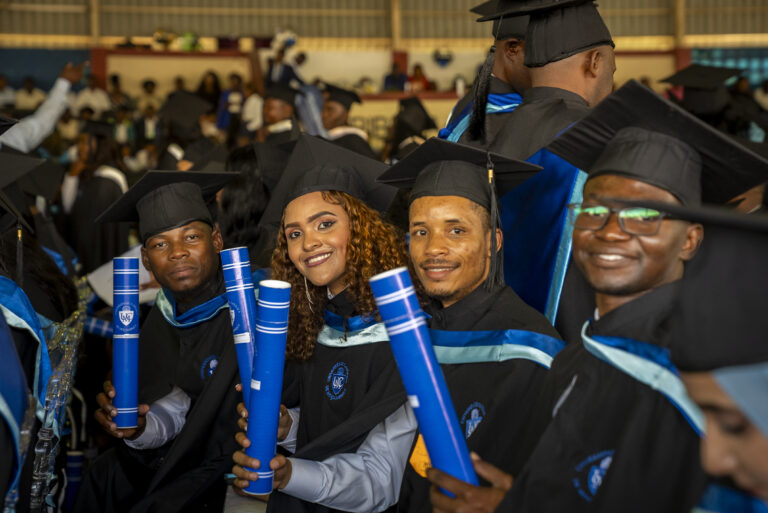
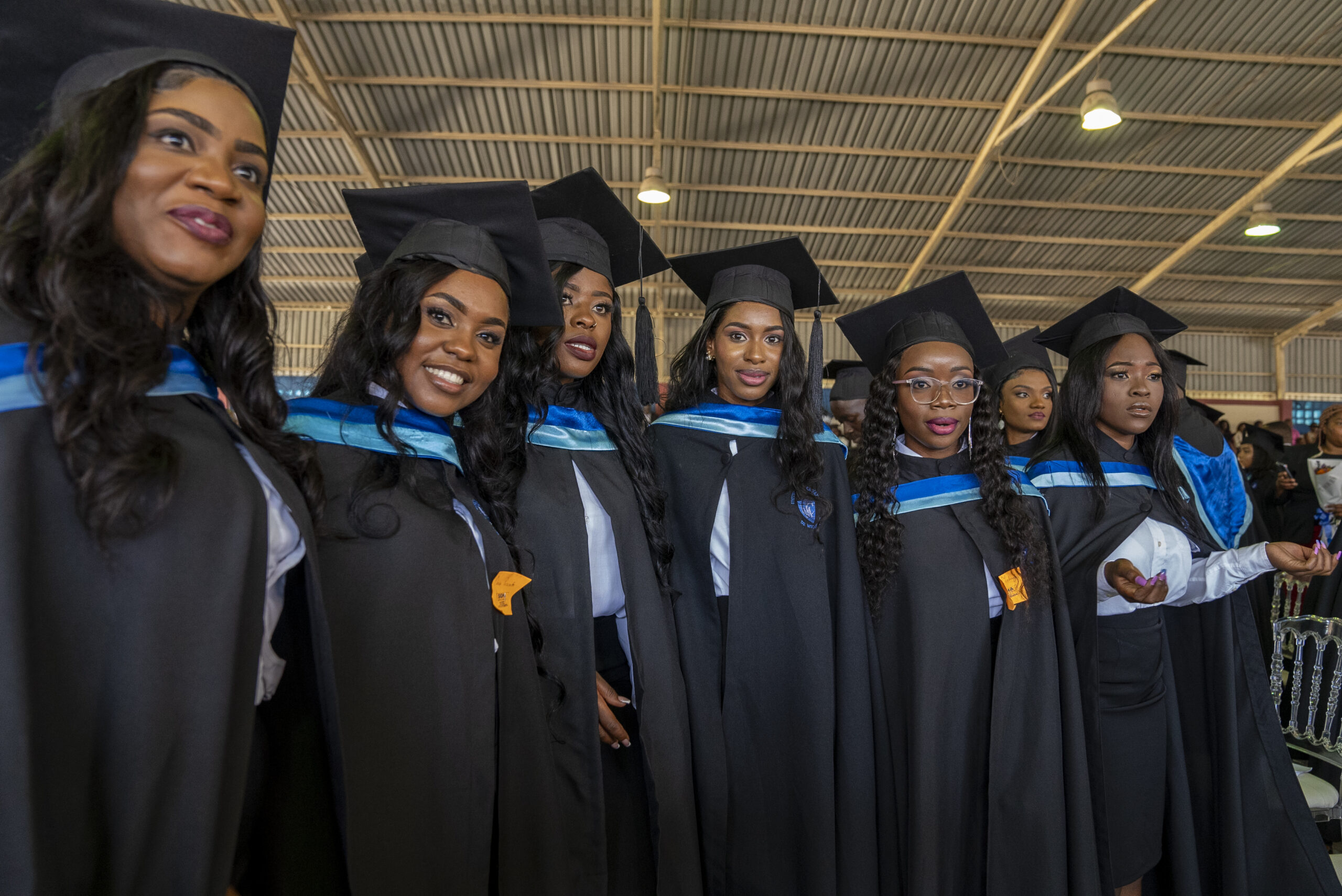
Since 1995, we have worked closely with the Catholic University of Mozambique in Beira, particularly its Faculty of Medicine—the only one outside the capital. In 2007, the first 13 Mozambican doctors graduated, marking a concrete sign of hope. Training local healthcare professionals is essential for building a sustainable health system. Since then, 558 young Mozambicans have become doctors. We support training through faculty placements, scholarships for disadvantaged students, and clinical mentoring during hospital internships. In Maputo, we have also launched a Master’s program in Pediatric and Neonatal Emergencies for 15 professionals from across the country.
Adolescents and sexual and reproductive health
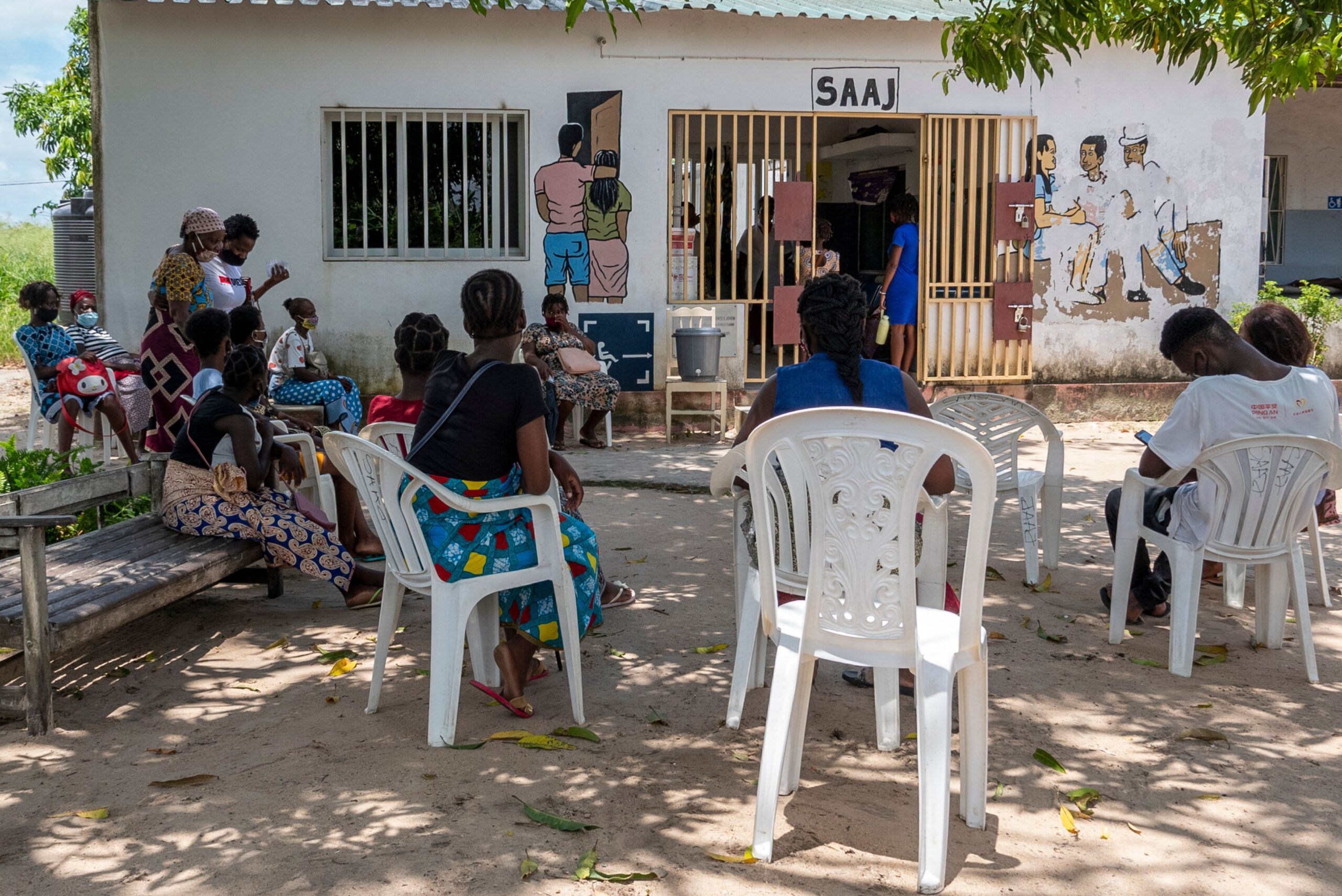
HIV/AIDS prevalence remains high in Mozambique, particularly among adolescents. Sofala Province has the highest rate of HIV-positive individuals, and the situation is also critical in Tete Province, where mining activities and transient workers contribute to the spread of sexually transmitted infections. In Tete, we support the provincial hospital and six health facilities in the districts of Angónia and Mutarara, focusing on staff training. In Sofala, through mobile clinics activities and school-based initiatives we raise awareness among young people.
Non-communicable diseases (NCDs)
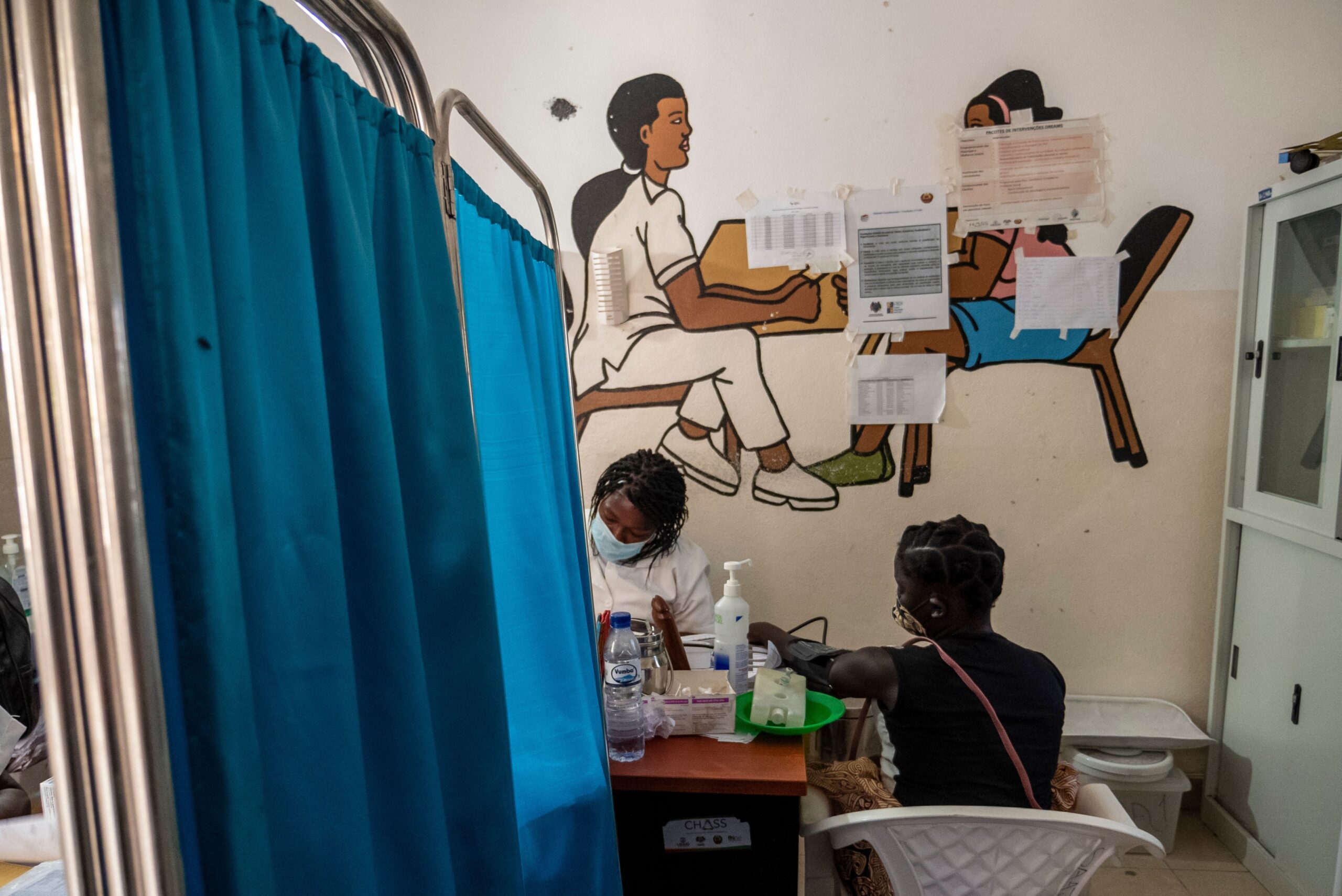
Type 1 and type 2 diabetes, hypertension, and cervical cancer are increasingly prevalent across Africa. In Zambezia Province, in Quelimane, we run programs focused on prevention, early diagnosis, and long-term management of these conditions.
Climate change: concrete responses
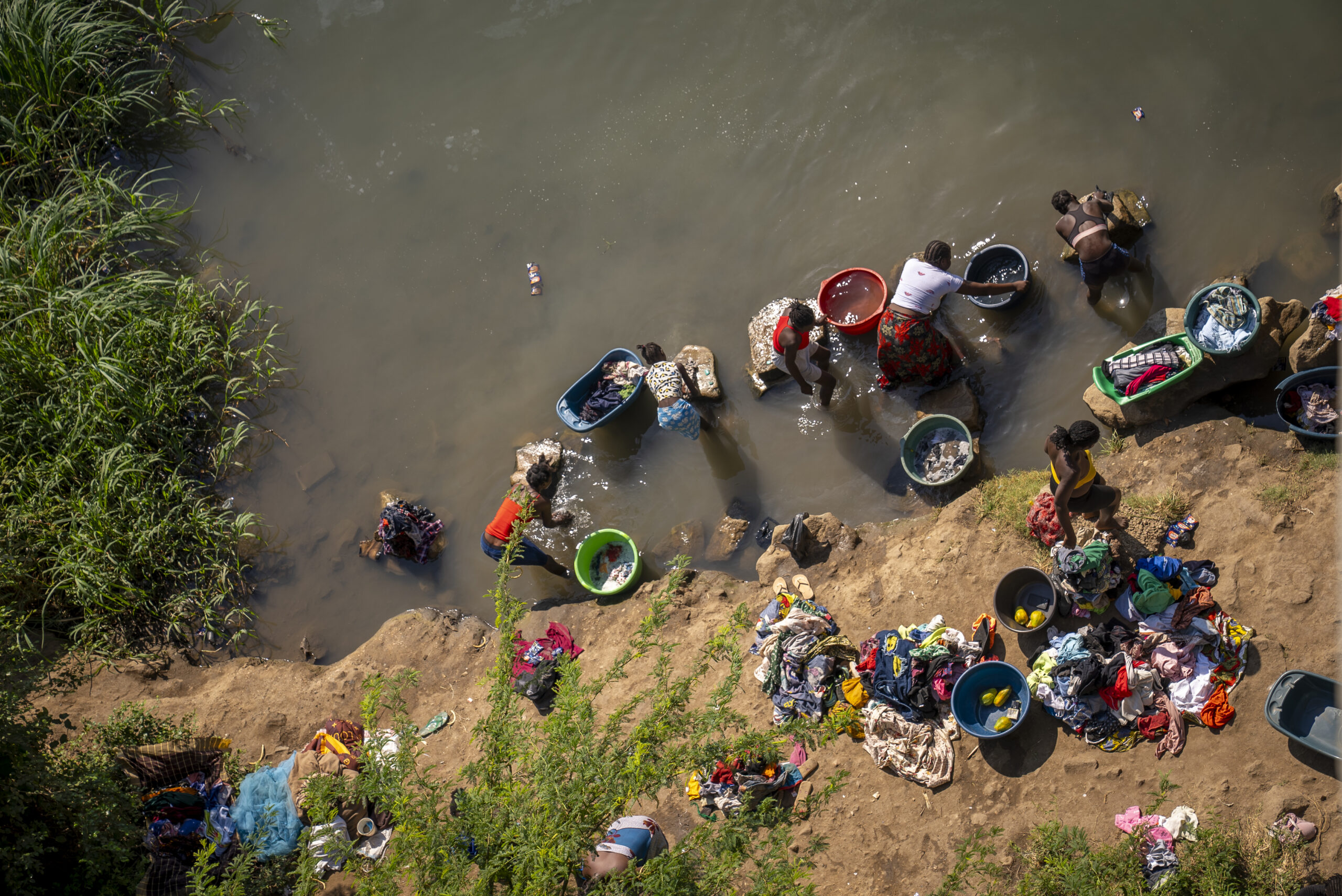
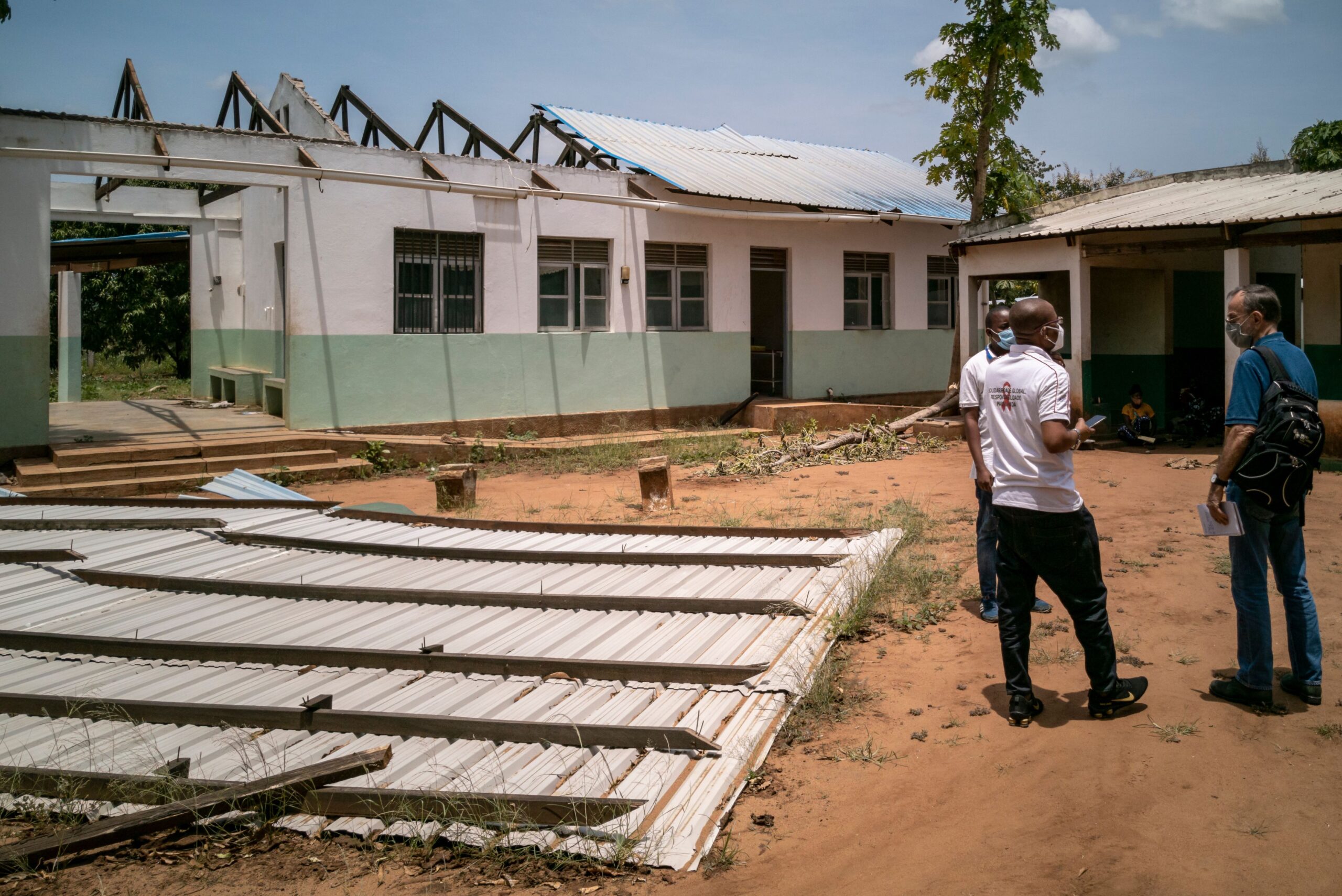
Mozambique is among the Sub-Saharan African countries most affected by climate change. In recent years, cyclones, floods, and heavy rains have devastated several areas, damaging infrastructure and homes and contributing to the spread of cholera. In response to such emergencies, we provide support through outbreak prevention and management interventions, integrating surveillance, treatment, and community awareness.
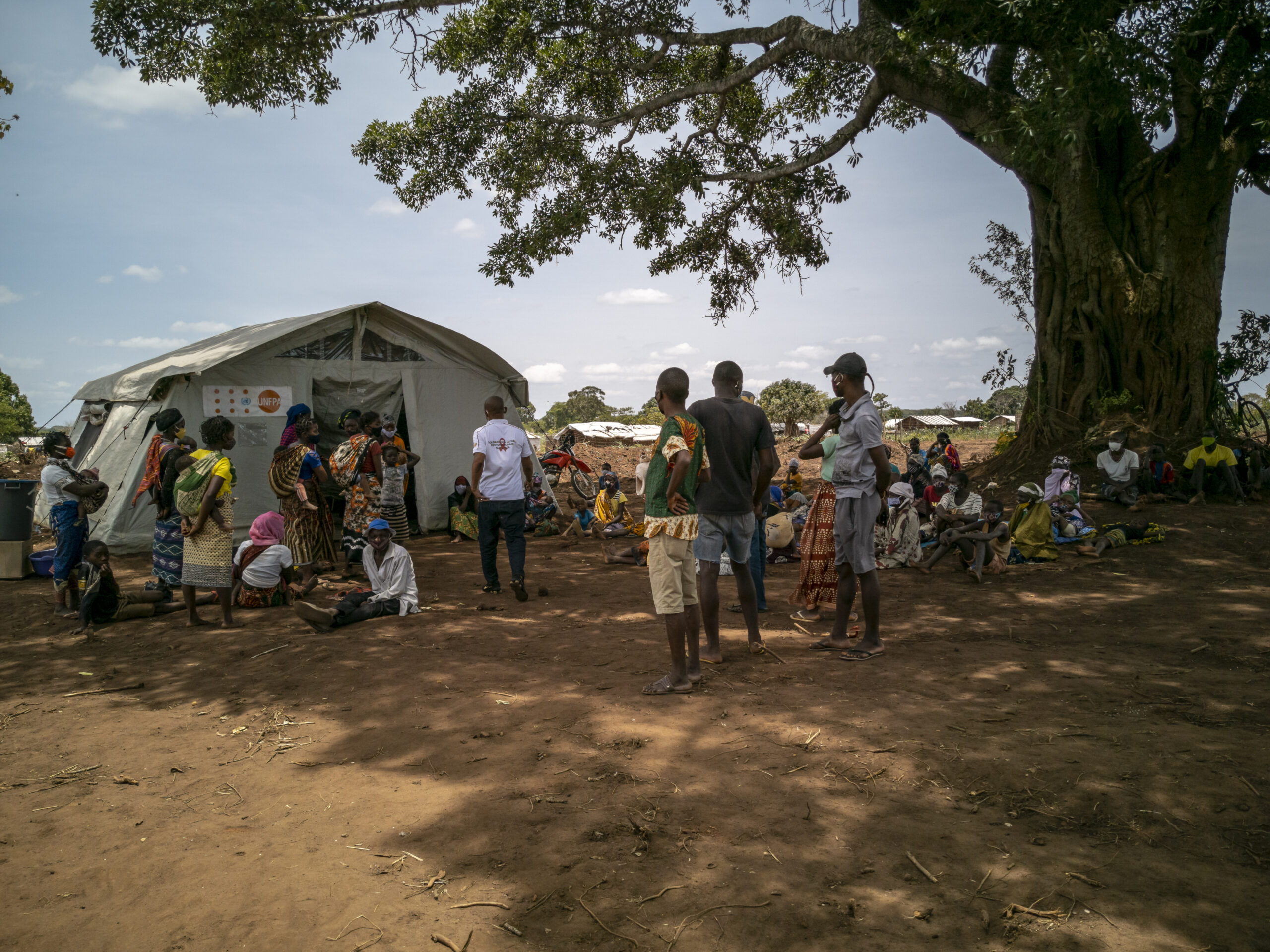
Cabo Delgado: displacement crisis
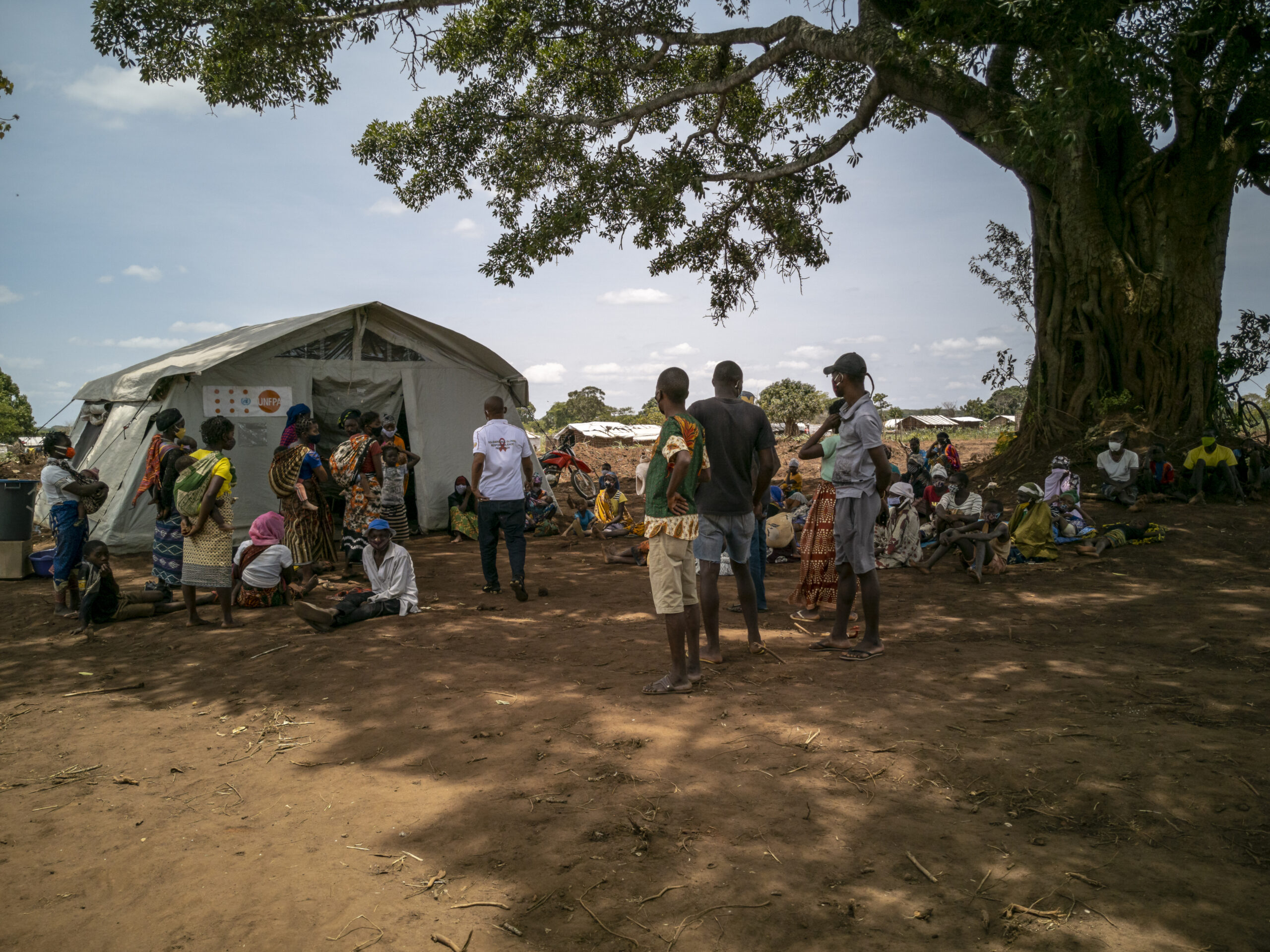
For several years, we have been responding to the humanitarian crisis in Cabo Delgado Province, with a focus on mental health support and assistance for survivors of gender-based violence. We provide psychological care and essential services to over 40,000 people.
In the area of nutrition, we have strengthened mobile health clinic services, which now include screening, identification and referral of severe cases, as well as training and awareness-raising activities for both healthcare workers and communities.
Our impact in Mozambique
132.740
Assisted deliveries
39.412
Medical visits for children under five
3.215
Transport for obstetric emergencies