Addressing the effects of climate change
Protecting health in contexts most exposed to the climate crisis
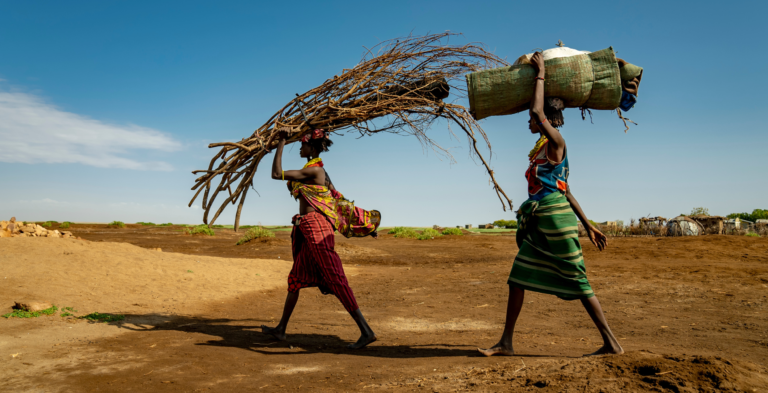
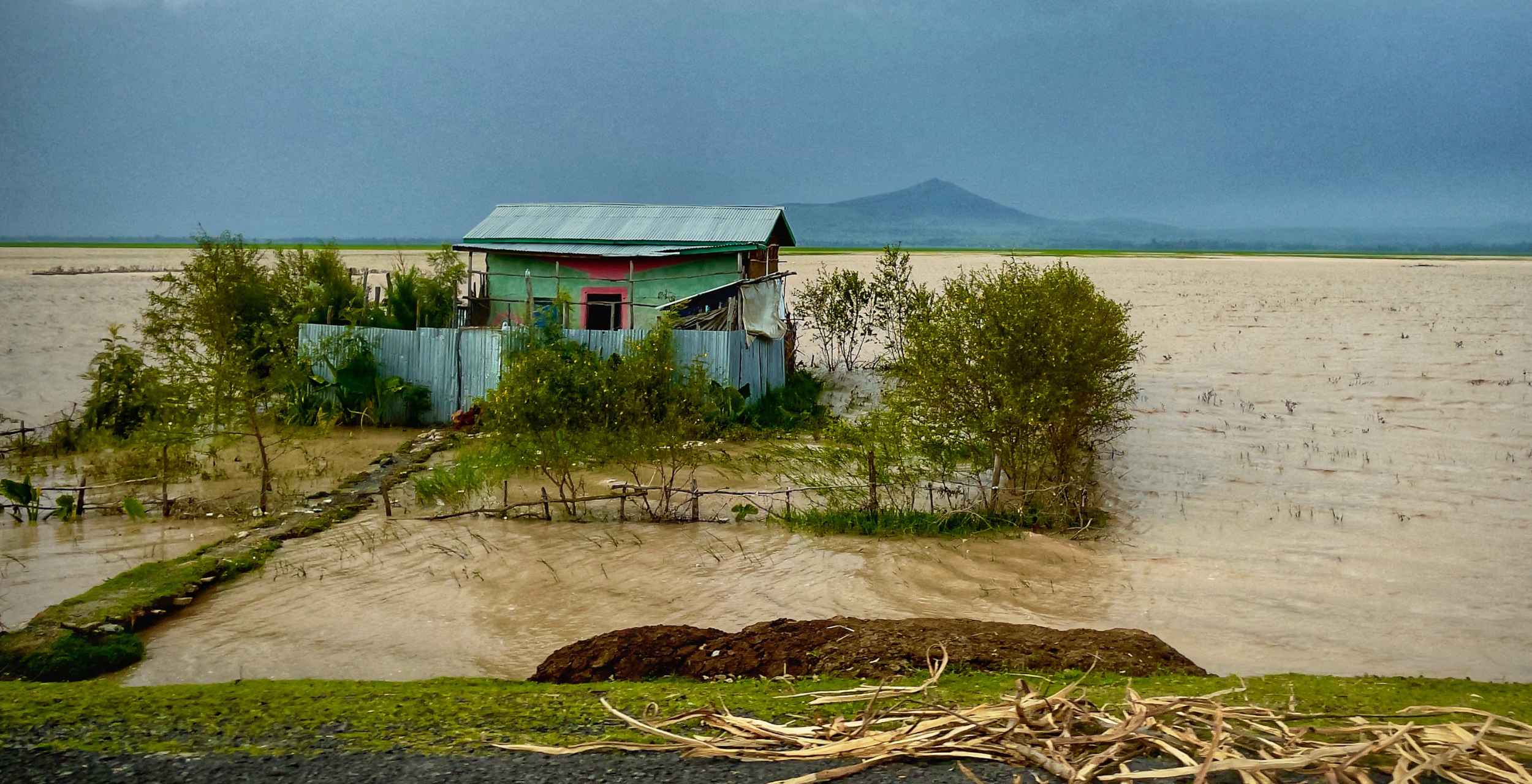
Climate change does not affect everyone equally: the countries that contribute least to global emissions are often those that suffer the most severe consequences. Floods, heatwaves, droughts, and cyclones increase inequalities, disrupt essential services, and put people’s health at risk, especially among the most vulnerable groups.
OUR INTERVENTION
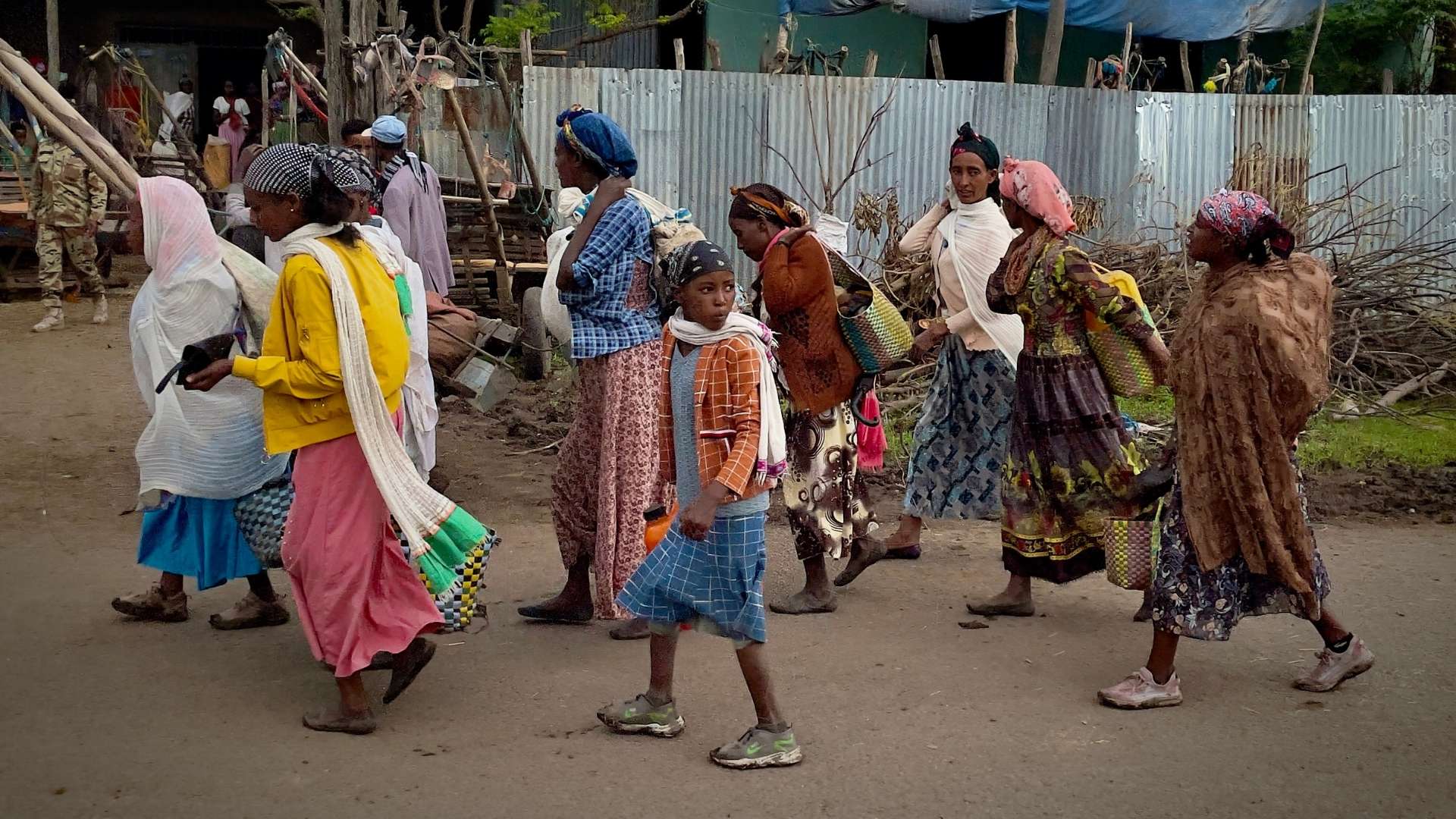
Doctors with Africa CUAMM works to protect people’s health when extreme climate events place health systems under pressure. We do this through concrete interventions that combine prevention, rapid response, and the strengthening of local services, in collaboration with institutions and communities.

CLIMATE CHANGE - Key interventions
We operate in contexts most exposed to the effects of climate change, where extreme events such as floods, droughts, and cyclones threaten community health and disrupt essential services.
In these scenarios, we work to ensure continuity of care, strengthen health services, and promote preventive action.