IN THE FIELD
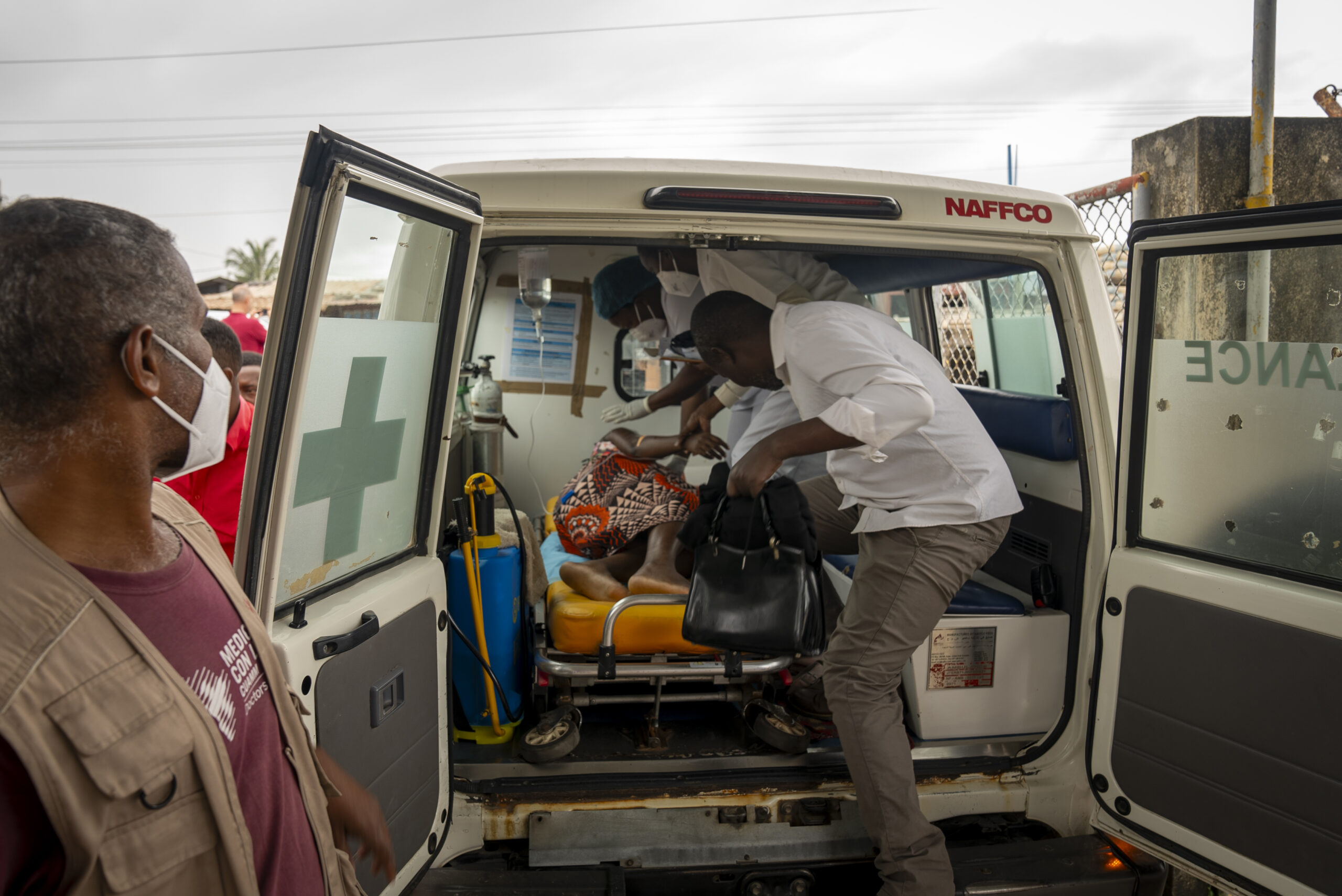
Emergency Referral Ambulance System: a timely response
Africa, Mozambique
For mothers and children
Training in Africa
According to the World Health Organization (WHO), around 800 women die every day from complications related to pregnancy or childbirth. Nearly 99% of these deaths occur in low- and middle-income countries, with more than half in Sub-Saharan Africa.
Mozambique has one of the highest maternal and neonatal mortality rates in the world, often caused by pregnancy complications or delays in accessing emergency medical care services.
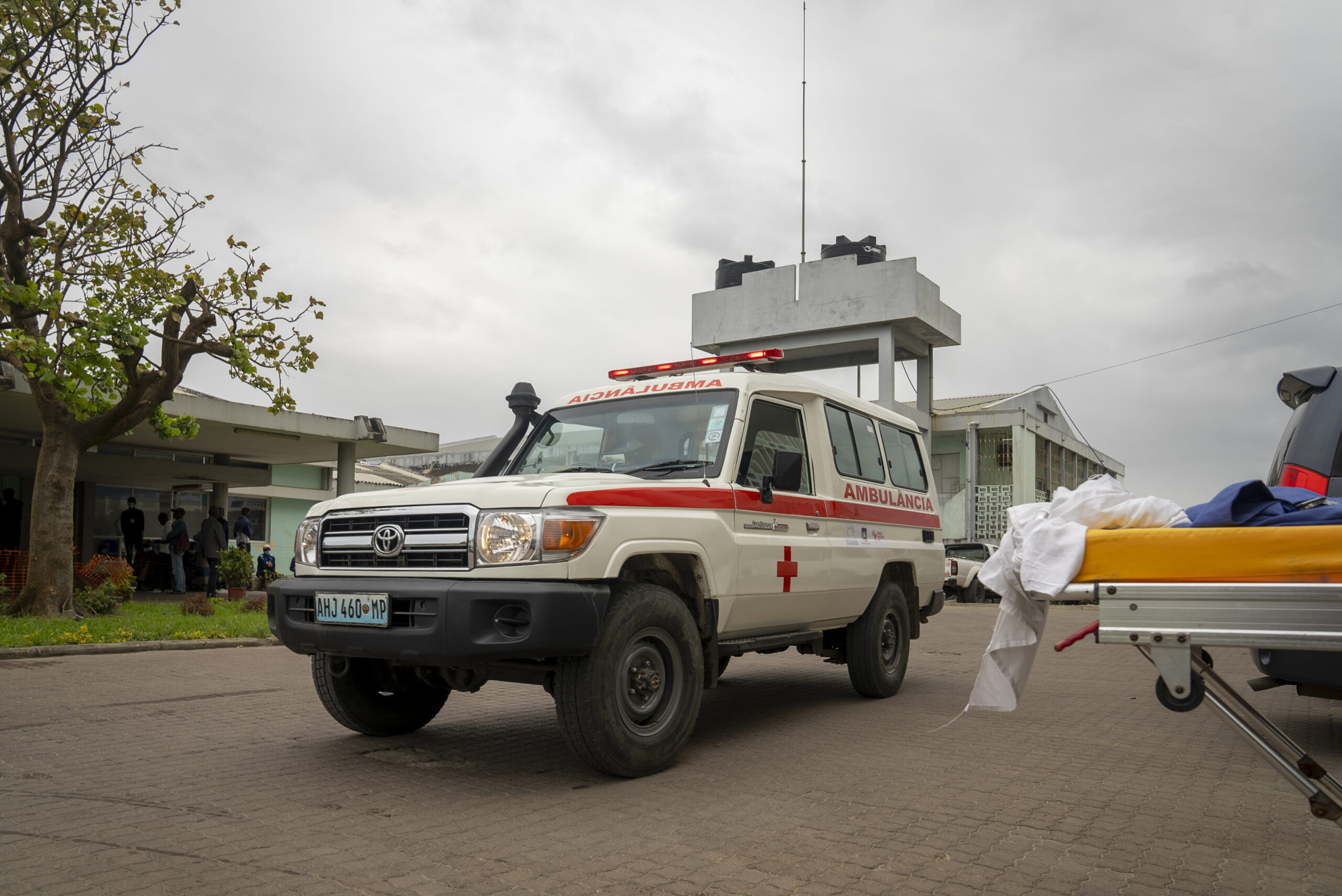
In this context, the UR-Beira project was launched in collaboration with the Veneto Region and supported by the Italian Agency for Development Cooperation. The aim is to provide the population with a timely and effective emergency referral ambulance system.
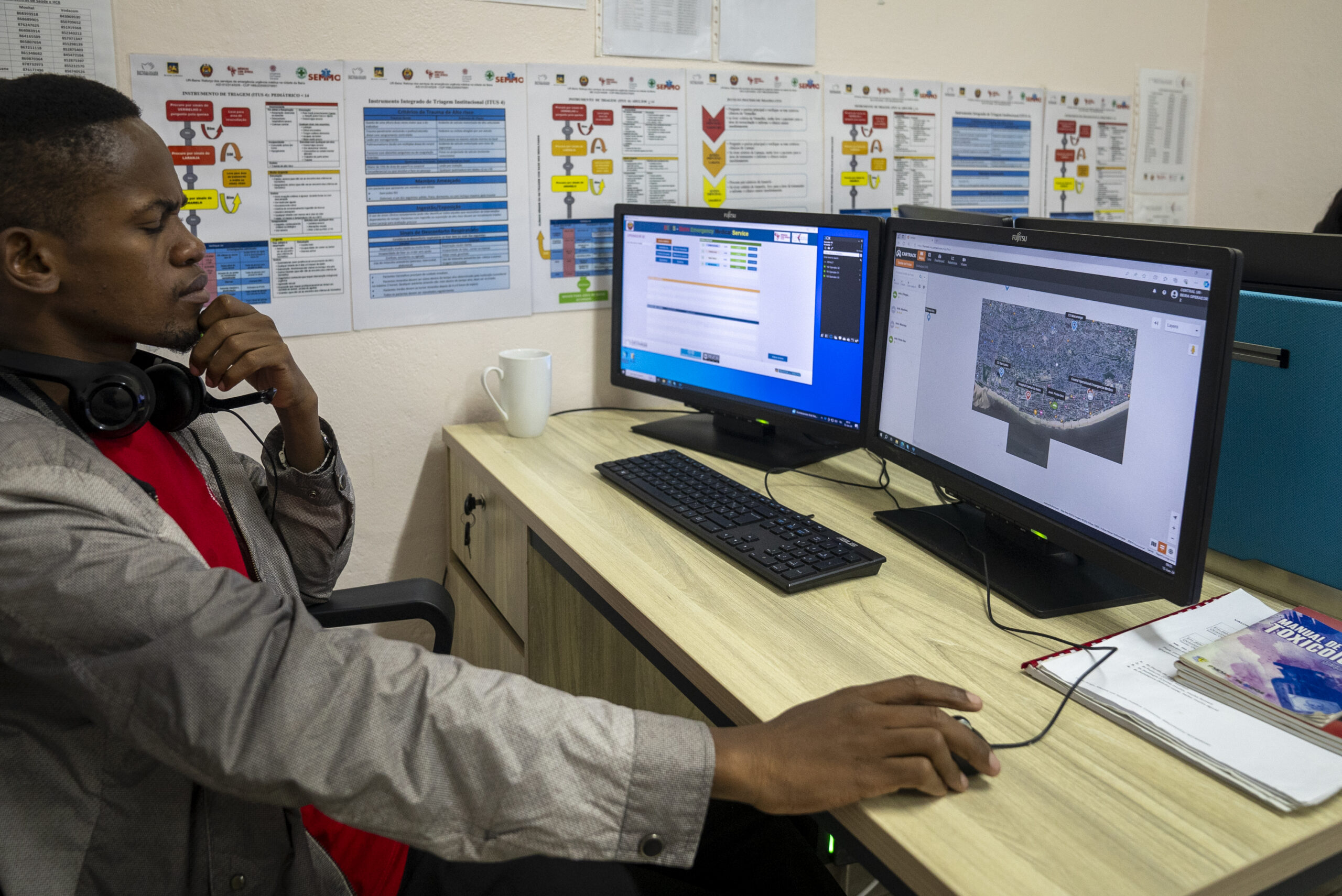
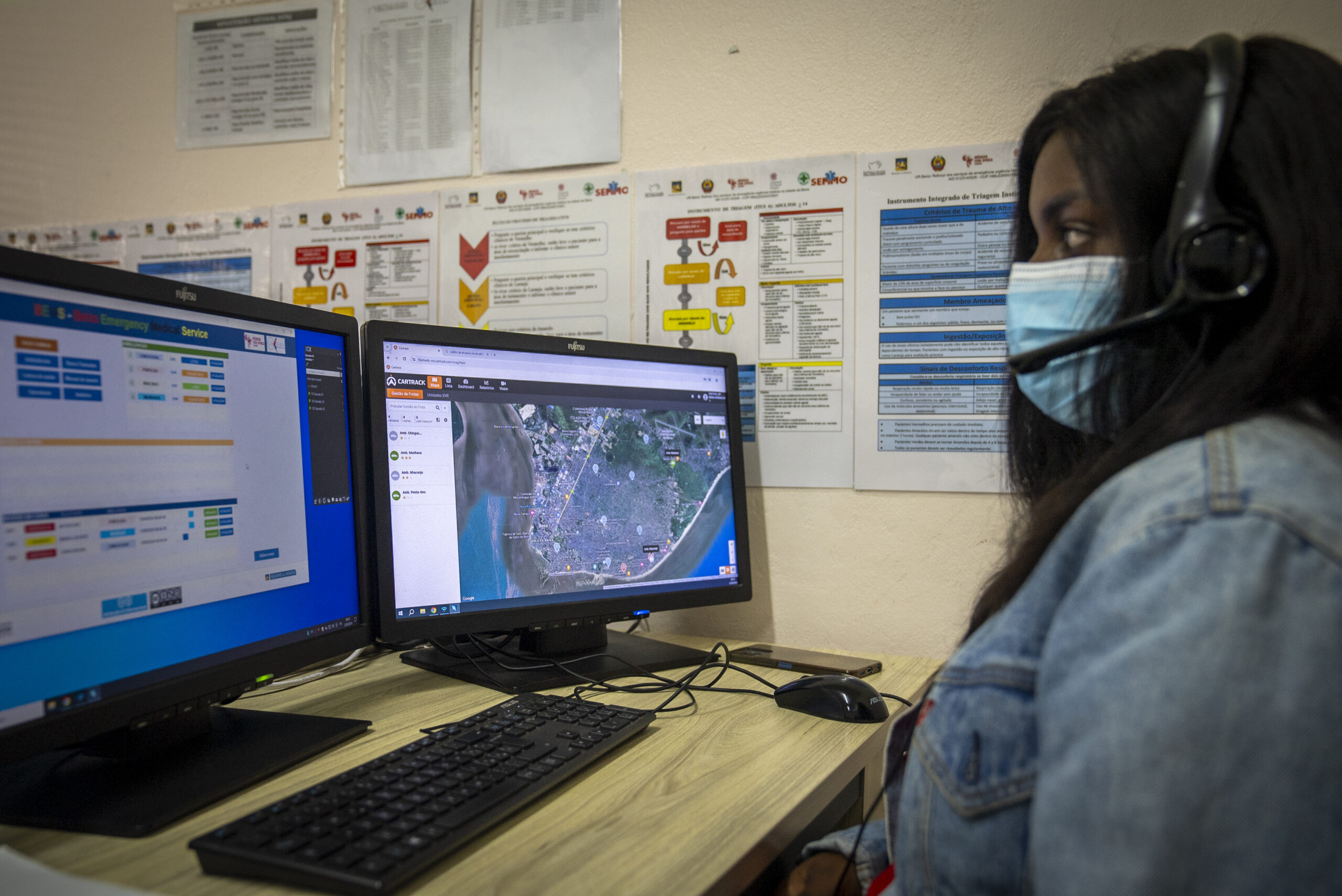
Eight trained emergency operators work 24/7 in the dispatch centre, responding to calls from 17 health facilities and coordinating transfers to Beira Central Hospital. This system helps reduce delays in treatment and prevent life-threatening complications.
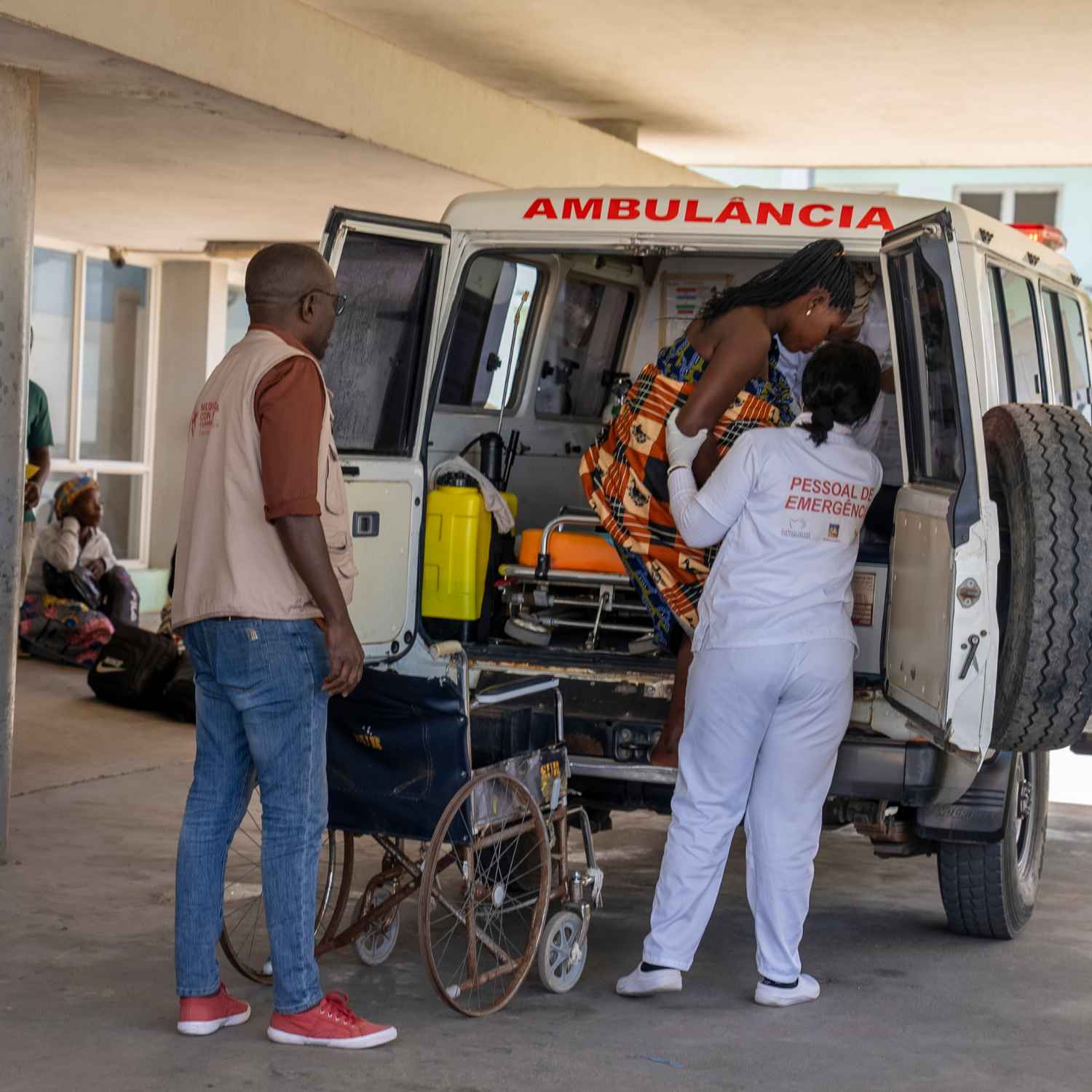
In Mozambique, ambulances provide emergency medical services.
-
 Over three years since the start of the project, 25,000 transfers have been carried out, including 6,600 maternal emergencies and 4,000 neonatal emergencies.
 -
 We have trained 36 staff members, including drivers and nurses working in the 24-hour ambulance service, as well as 8 dispatch centre operators who manage incoming calls and coordinate the service.
Supporting the emergency referral system in Beira is essential to ensure life-saving responses where no emergency service previously existed. It is crucial to guarantee continuous training for staff and fuel for ambulances, as well as to cover maintenance and operational costs.