
IN THE FIELD
Training New Doctors in Mozambique
Africa, Mozambique
For mothers and children
Training in Africa
Roughly two and a half times the size of Italy, Mozambique has a population of 32 million and a healthcare system that still faces major challenges. Ranked 183rd out of 191 countries in the Human Development Index, it has very high maternal and child mortality rates and only 0.09 doctors per 1,000 people. In comparison, Italy has 3.95 doctors per 1,000 inhabitants. Sofala Province and the city of Beira record the highest HIV/AIDS prevalence in the country, particularly among adolescents (13.2%).
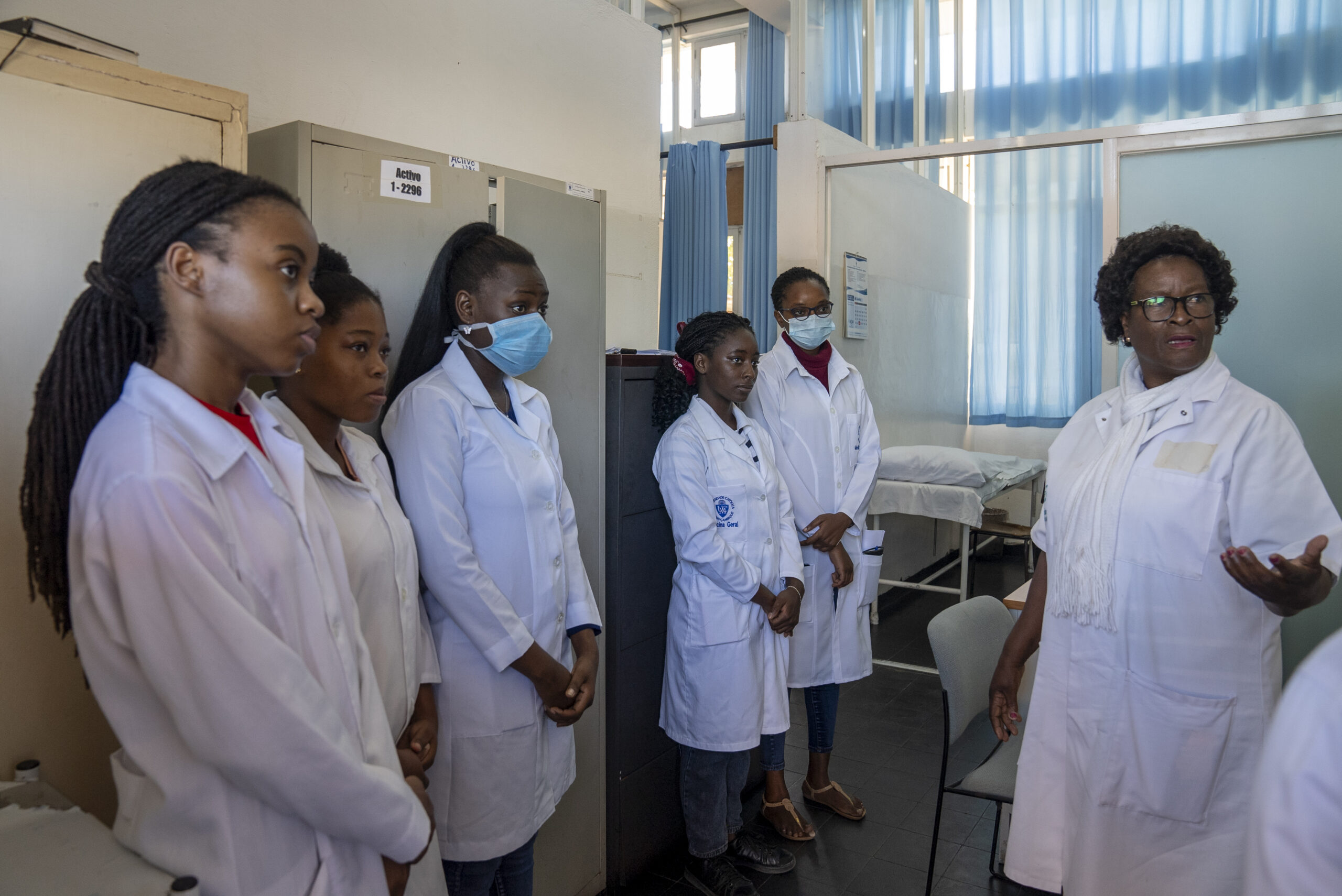
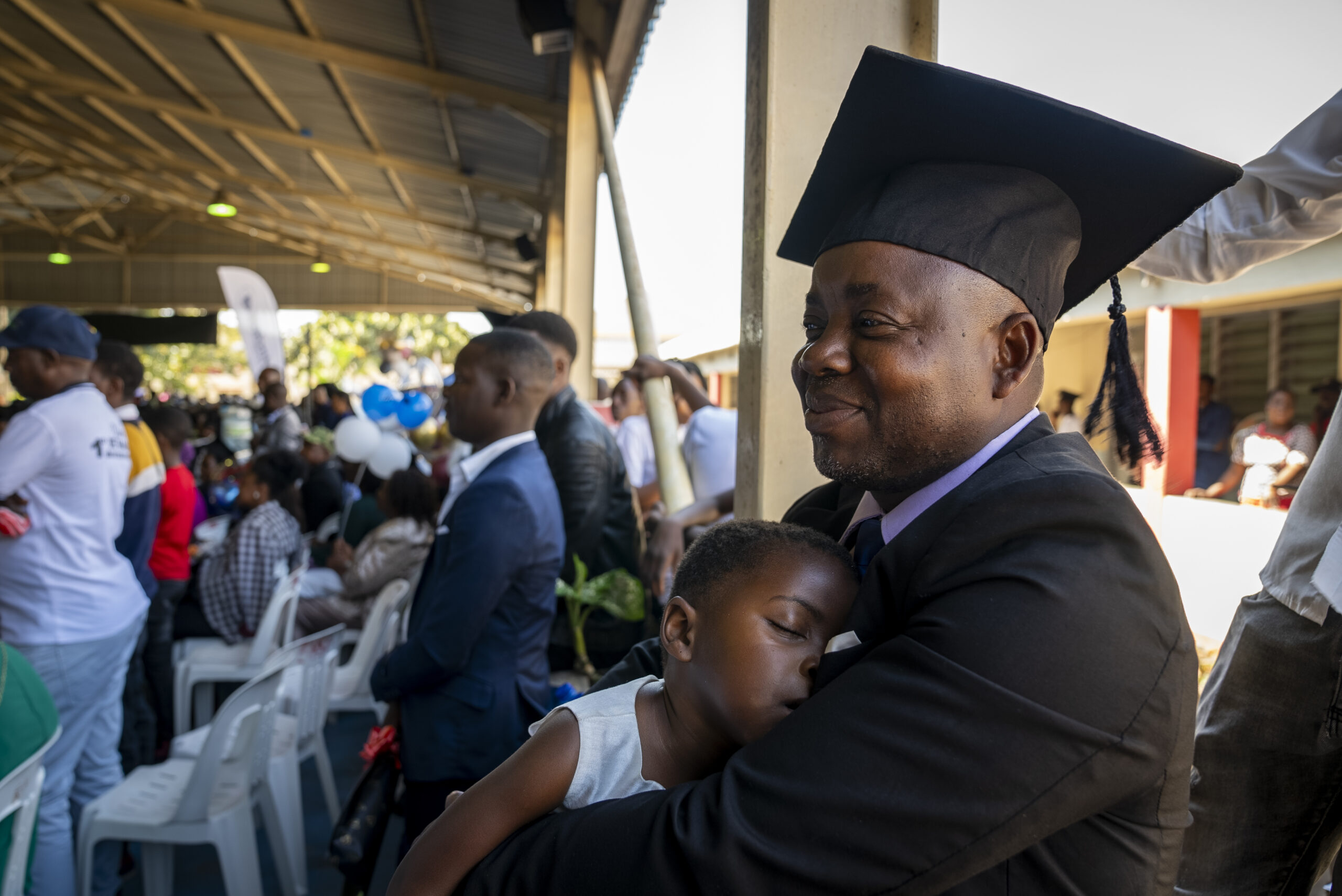
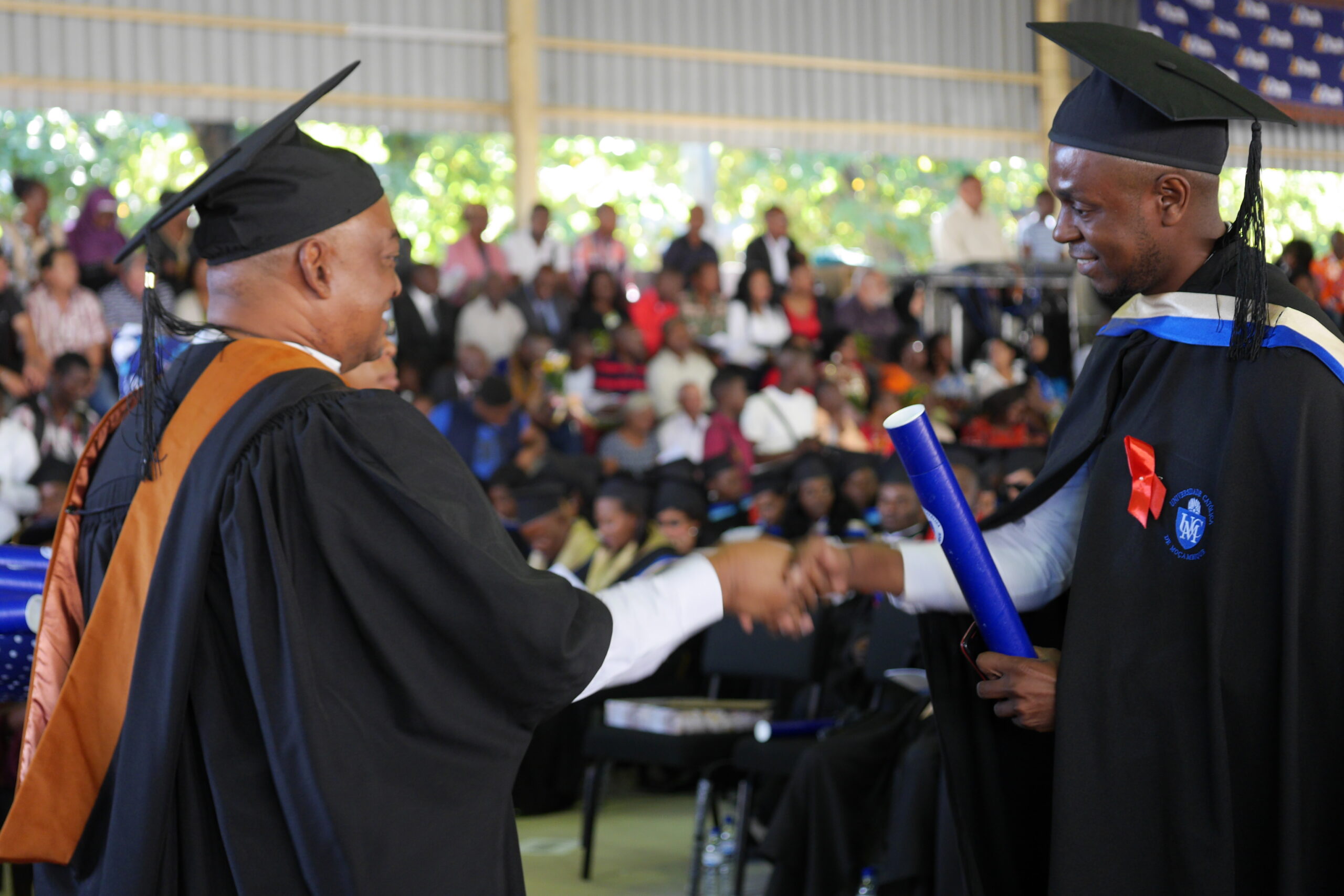
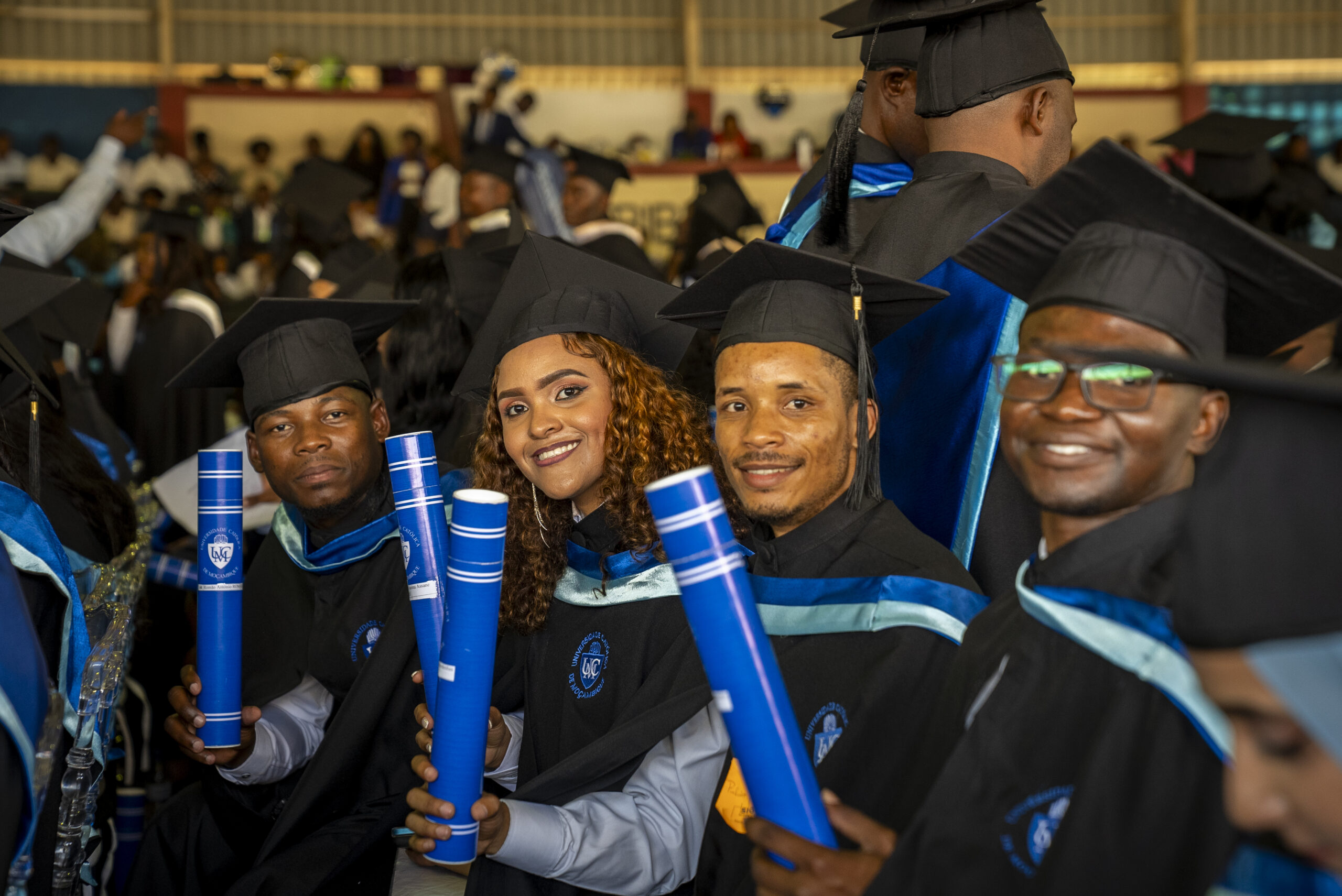
For over 20 years, Doctors with Africa CUAMM has been working in Beira, the capital of Sofala Province, ensuring the presence of doctors at Beira Central Hospital and supporting public health activities in surrounding health centers. CUAMM is also actively involved in the Faculty of Medicine of the Catholic University, which it helped establish. The graduation of the first 13 Mozambican doctors in 2017 marked a major milestone. They were the first professionals trained outside the capital—a historic achievement for the country. Before the Faculty of Medicine opened in Beira, students had to travel to Maputo, over 1,000 km away, to study medicine.
In Beira, we are engaged in training young Mozambican doctors through teaching, clinical supervision during hospital internships, and the provision of scholarships for disadvantaged students.
-
 From 2007 to September 2025, the Faculty of Medicine at the University of Beira has trained 558 new doctors for the country, 57 of them in the last year alone.
 -
 Training local healthcare professionals is one of the key ways to ensure that the most vulnerable—such as mothers and children—have access to qualified professionals capable of responding to their needs.
The 6-year scholarship supports students from the most remote and disadvantaged areas by covering tuition fees, accommodation, meals, as well as books and educational materials. It is more than a scholarship—it is a dream made real for many young people who would otherwise not be able to afford medical studies.