GROWING WITH AFRICA

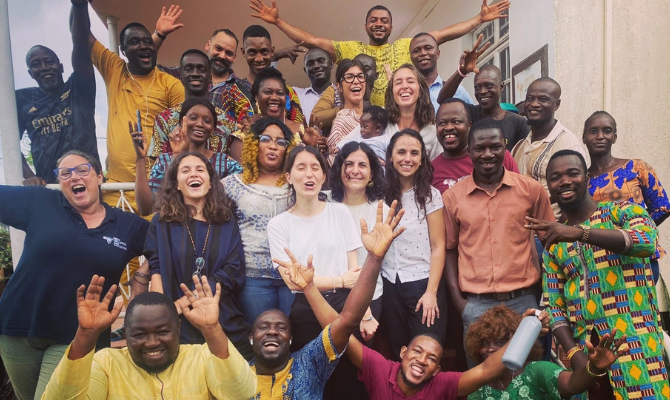
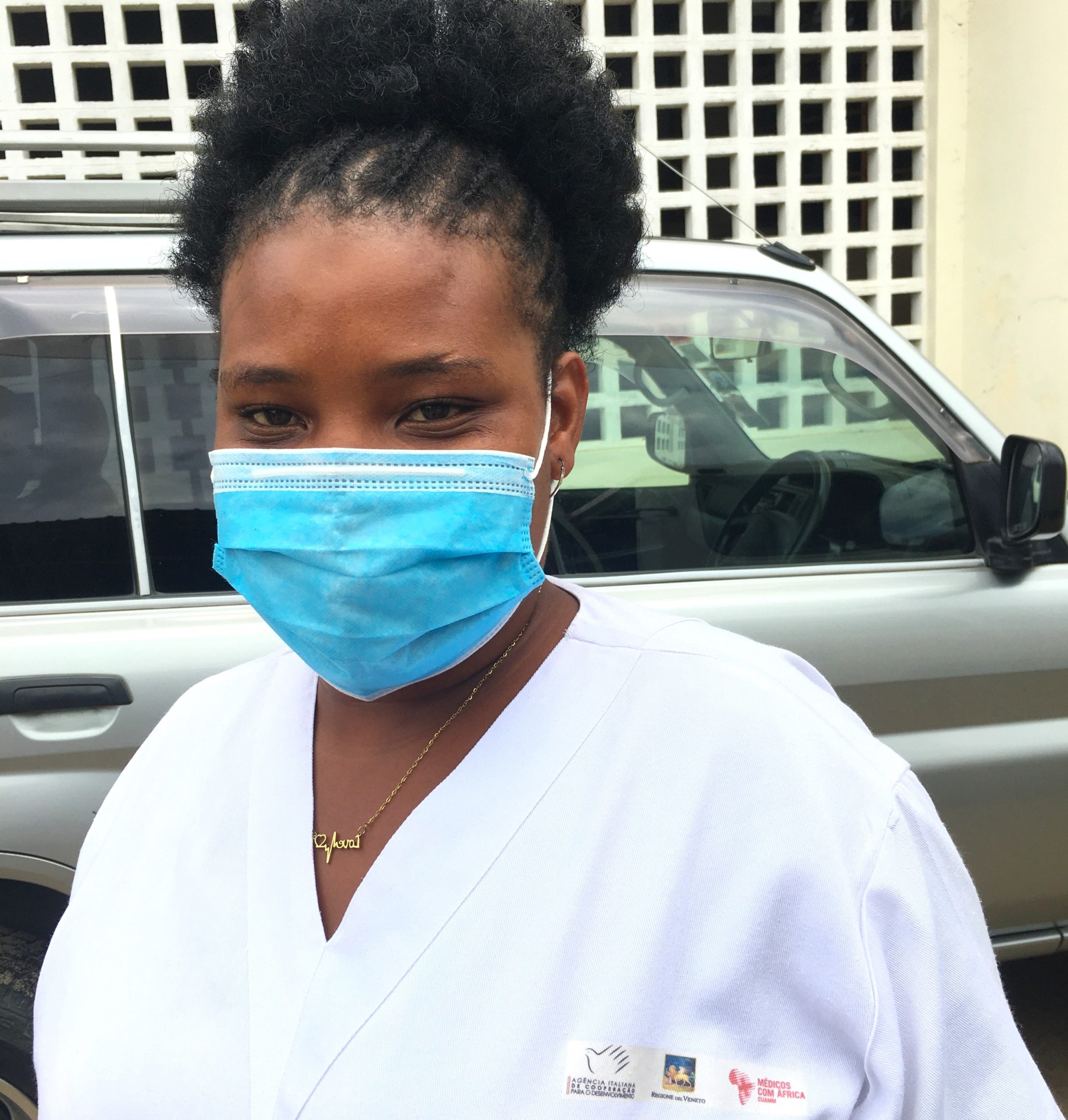
«It was March 2018 when I joined Doctors with Africa CUAMM. A five-year path of growing, commitment and achievements that I am proud of. To become, just today, a country administrator assistant in Freetown, the capital of Sierra Leone. My adventure in the organisation started as an accountant. Then, in Bo city, I took on the role of accounting supervisor for the “Saving lives phase II” project, a consortium programme of eight international NGOs, funded by the Foreign, Commonwealth and Development Office (FCDO). Here I coordinated the financial operations and activities of two accountants in Bonthe and Pujehun districts, under the mentorship and support of my colleague Giampaolo De Notari.

In May 2020, a step forward! I was delighted to accept the position of administrator of the same project that I had previously followed as an accountant, also “Saving lives phase II”, being the first Sierra Leone national staff CUAMM entrusted a role held by an International staff. Thanks to Cristiano Bassanini, the project coordinator, for his recommendation. It was an advanced role with more responsibilities ranging from budget management, financial reporting, forecasting, treasury management, risk management and office administration as well as communicating with donor and partners.

After five years, I continue to appreciate every aspect of my work in the administration and finance roles. The recognition that CUAMM has shown me over time not only gratifies me, but also makes me realise that I am heard and that my contribution also counts. The challenges that arise are daily; facing them takes time, perseverance and a positive attitude. With the right mindset and practices I am able to overcome them and grow in the process. Being part of Doctors with Africa CUAMM has has enhanced my skills, knowledge and experience a lot. I would like to thank CUAMM for the trust and confidence it’s always bestowed on me!».

THE AMBULANCES THAT NEVER STOP

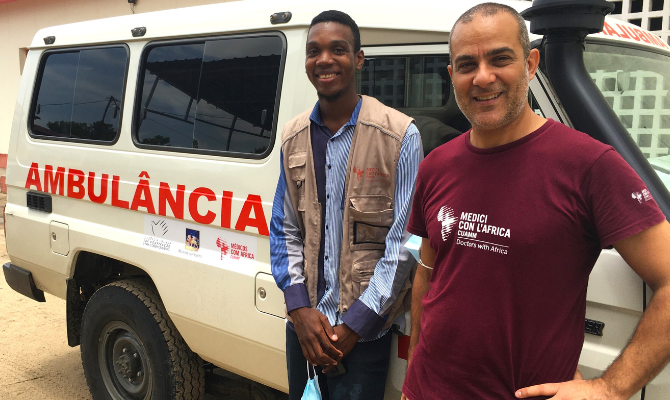
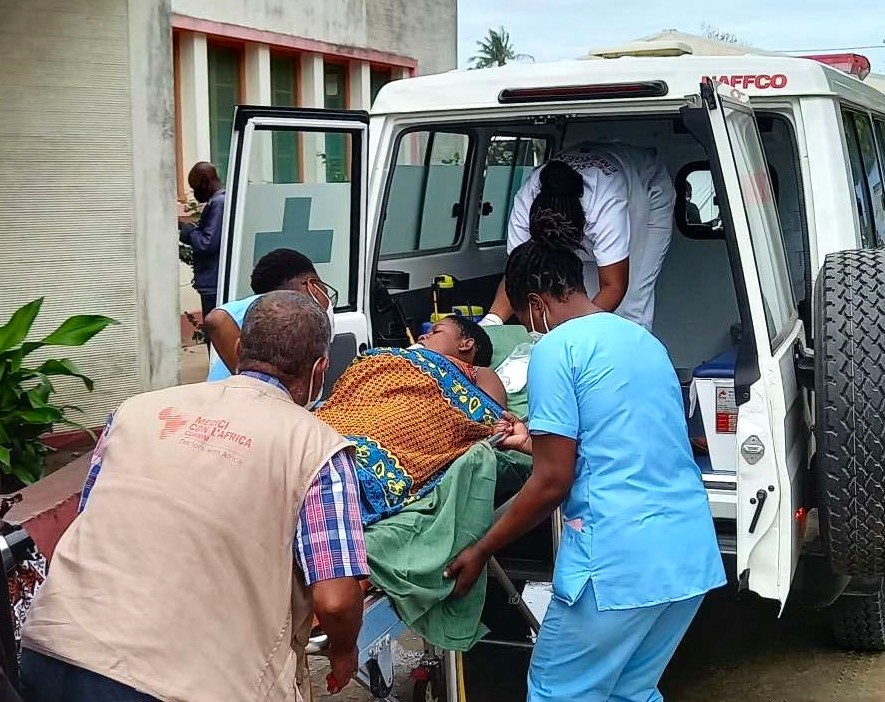
Three operative ambulances covering 15 healthcare units, all those in the city of Beira in the province of Sofala, Mozambique. They take care of transferring emergencies and urgencies from peripheral health units to the city’s central hospital, a fundamental service that began immediately after cyclone Idai and continues to this day thanks to the project “UR-BEIRA: strengthening emergency medical services in the city of Beira”. The intervention, financed by the Italian Agency for Development Cooperation, is implemented by Doctors with Africa CUAMM, with the collaboration of various stakeholders: the Veneto Region in partnership with the District Health Service of the city of Beira, the Emergency Medical Service of the Ministry of Health of Mozambique, the Central Hospital of Beira, Ca’ Foscari University of Venice and the P.O. Croce Verde of Padua.

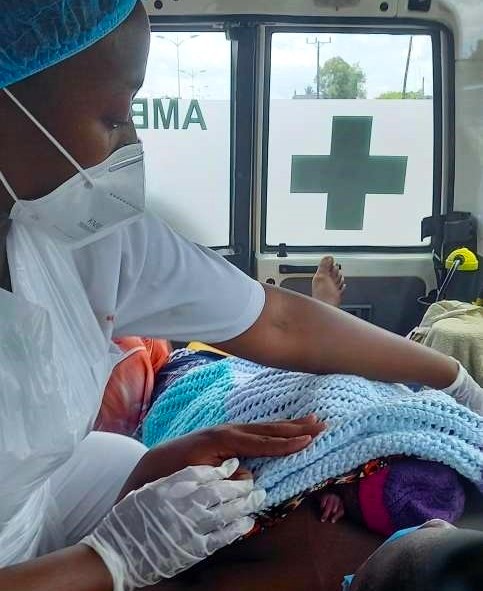
Doctors, nurses, nursing assistants and ambulance drivers are on the front line, together, every day, with the aim of saving lives. As of February 2022, there are 750 referrals per month on average, about 60 per cent of which are obstetric, neonatal and paediatric emergencies, but also medical-surgical emergencies in general. «We work in all kinds of situations, without sparing ourselves, to guarantee the safety of our patients, – says Cristina Zinguessa José Zaqueu Macucha, a maternal and child health nurse assigned to the ambulance of the Chingussura Health Centre -. The work in the ambulance is really challenging. We are all trained and qualified professionals, but each emergency is a story in itself. One moment we are rescuing patients in a serious condition, another God blesses us with a delivery that we assist in the ambulance. What we do is rewarding, we help many premature babies arrive alive at the hospital’s neonatal ward, we encourage mothers to have skin-to-skin contact with their newborn, in some cases we administer oxygen and always check vital parameters. Our activities do not always go as we would like, we also have sad days. When we cannot get our patients to the hospital alive, it is painful, – Cristina continues – every “emergency professional” has many stories to tell, some sad and some happy, which give strength to continue the work. Several times we have received and referred patients in a critical condition, but thanks to the quick intervention of some colleagues from the hospital in Beira, these patients have recovered».

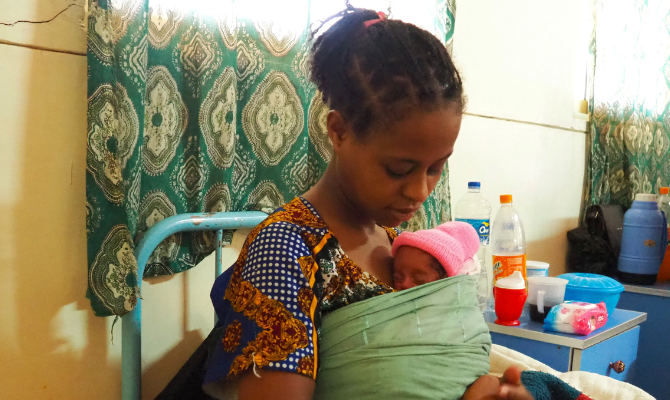
Emergencies have no timetable and when they come, they often do so all at the same time. A Tuesday a few weeks ago was one of those days when the ambulances in Beira never stopped. «When office activities permit, I like to accompany my colleagues during the ambulance service. That’s where you really find the sense of what we do, – says Marcello Mazzotta, CUAMM’s project manager in Beira. Tuesday was one of those days, and among the many referrals we made, there was that of a premature baby who weighed about 1 kg and therefore needed an incubator and support to breathe. So, we took him and his mother respectively to the Neonatology and Maternity wards at the hospital of Beira to receive the necessary assistance. On the way, the nurse of the ambulance put the baby in contact with his mother’s chest, practising kangaroo mother care, the skin-to-skin contact that avours the baby’s adaptation to the outside world, its development and also breastfeeding. Thanks to that simple gesture, the baby arrived at the hospital with a body temperature close to normal».

Each ambulance, each healthcare unit and four wards of the Beira hospital are provided with a mobile phone with monthly credit. Each health centre has a referral ambulance based on its geographical location. When the ambulance receives the call, if it is free, it immediately leaves to pick up the patient, otherwise it tries to contact the other ambulances to see which one can take care of the emergency first. «Even one more ambulance could make the service even more efficient, – says Marcello -. In the coming months, the project will involve setting up an operations centre managed by trained operators who will receive calls, perform triage and dispatch them to the relevant ambulances.

Although the service works and is essential for the population, challenges remain. «The condition of the roads, which are bumpy and often unpaved, makes it difficult to reach the health units. Journey times get longer and even speed must be moderate so as not to cause further damage to patients during transport», says Marcello. «Another difficulty is encountered in the health centres and at the central hospital in Beira, when dealing with colleagues, – adds Cristina -. Some of them have difficulty distinguishing an emergency from an urgency or even a routine case. Often, when we arrive in the emergency room, there are not enough nurses to receive patients. This system ends up being exhausting and most of the time we leave the health centres in a hurry without an answer».

Investment is therefore being made in training and raising the awareness of health unit staff regarding the importance of triage to improve their ability to rapidly assess the clinical condition of patients and, consequently, the need to transfer them or not. In addition, work is being done to improve the population’s perception of the importance of the service provided by ambulances, which often fail to pass between vehicles on the roads even with their flashing lights and sirens on.

«One day, around one in the morning, I picked up a patient who had suffered a physical aggression, sustaining serious injuries all over his body. After two veins had been canalised and saline solution administered, he was loaded into the ambulance with all vital signs below normal. His brother, who was accompanying him, was inconsolable, – Cristina tells -. I always tried to keep the patient awake until we arrived at the hospital where he was immediately admitted to Traumatology and treated by the emergency room doctors. The brother thanked the ambulance team for the commitment and dedication».

That is the meaning of what we do: it lies there, in knowing that without the ambulance service many people would have no chance of being saved.

FOR QUALITY HEALTH EVEN DURING AN EMERGENCY

What is happening in Tigray? In this region of Ethiopia, the population is severely affected and living in precarious conditions due to the recent war, which has also undermined the health system. Because of the lack of fuel and availability of cash, vulnerable groups, in particular mothers and children, have been suffering from insufficient provision of health services. In addition, for the past two years, health care workers have not been receiving salary, and the health facilities have not been supplied with medical equipment and drugs.

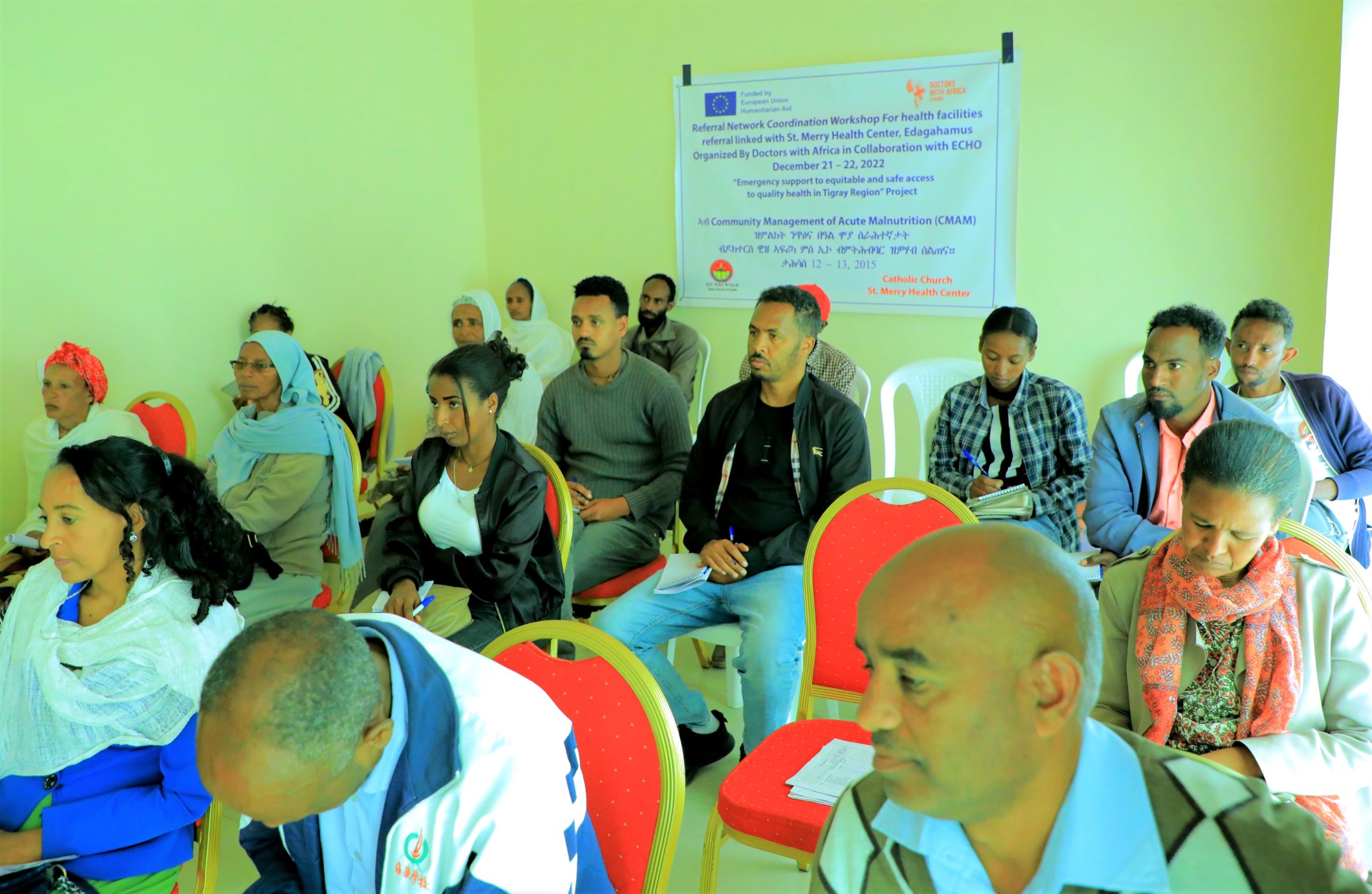
Since the Federal Government of Ethiopia and the Tigray People’s Liberation Front signed the peace agreement, committing to create stability and retrieve the services in the region, Doctors with Africa CUAMM, starting from June 2022, has been implementing the project “Emergency support to equitable and safe access to quality health in Tigray Region”, supported by EU Humanitarian Aid (ECHO) funding, directly targeting three health facilities in the region: St. Louise Eye Clinic in Mekelle, St. Mary Health Centre in Edaga Hamus, and Kidane Mihret Hospital in Adwa.

The activities offered to strengthen the health team

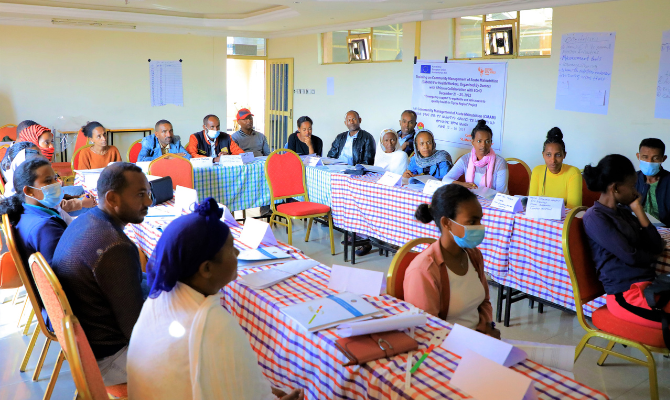
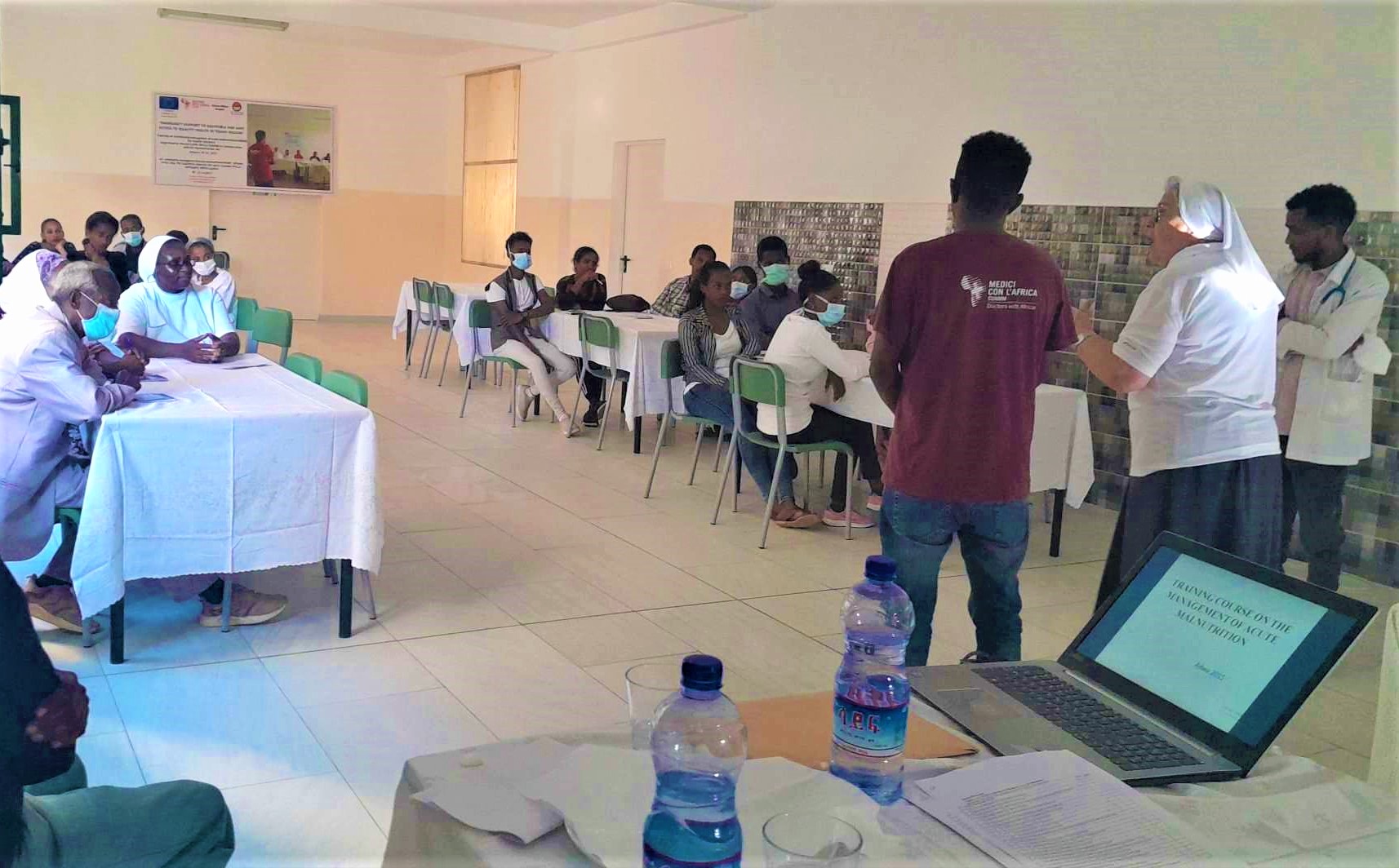
CUAMM has organised several trainings in Adwa, in Edaga Hamus in Adigrat and in Mekelle. Among these, the training on basic emergency maternal obstetrics and neonatal care aimed to build capacity for health care workers, particularly midwives, on antenatal care, delivery and postnatal care services. Moreover, the training on community management of acute malnutrition was carried out to develop health care workers’ capacity to treat and support malnourished patients, considering that 50.3% of pregnant and lactating women and 22.7% children are suffering from global acute malnutrition (OCHA). These training sessions involved 50 participants. Furthermore, training on infection prevention and control and on health management inform system were organised, also in Mekelle, involving 70 participants.

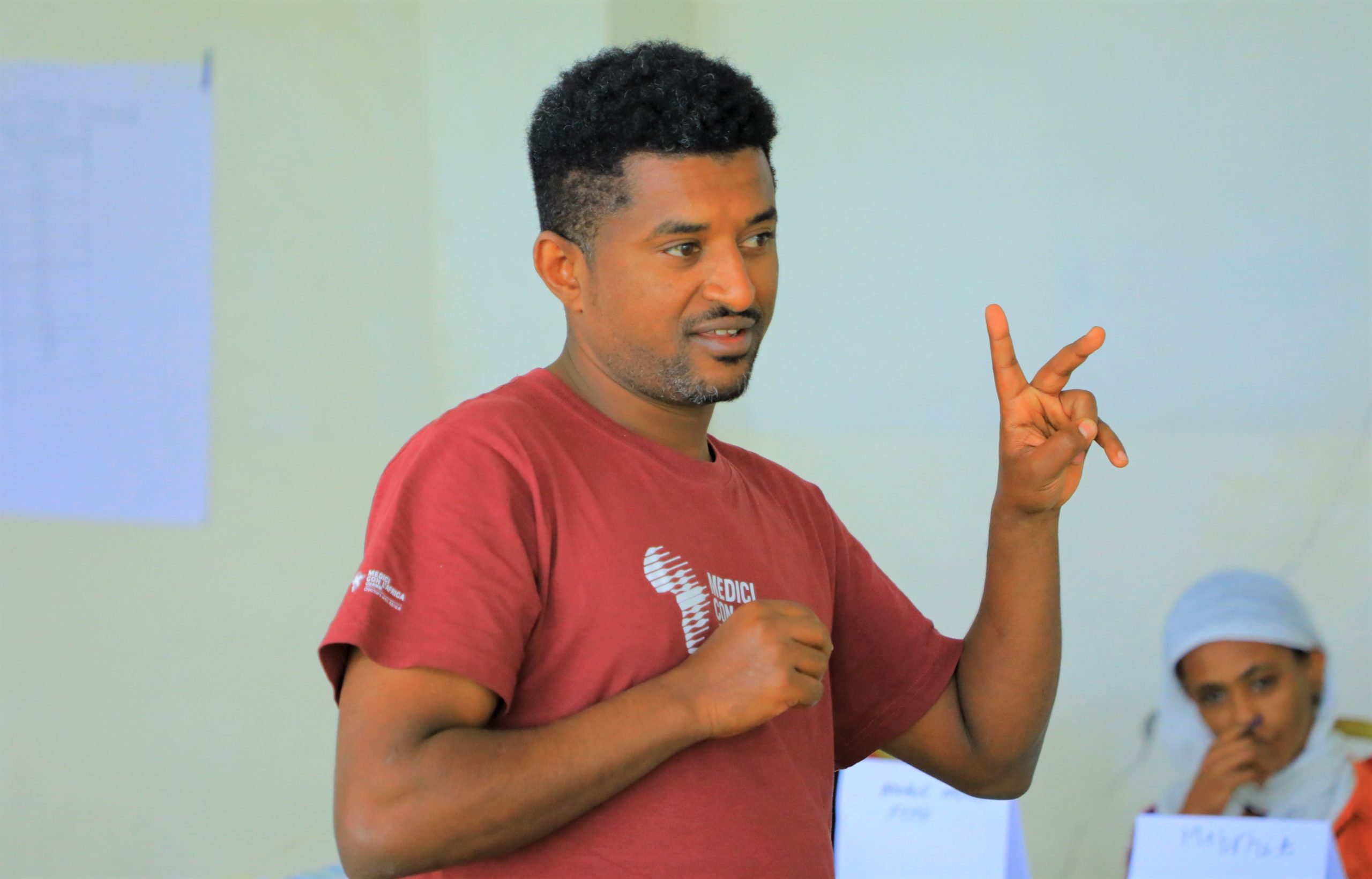
These training helped the collaboration and coordination among different health facilities in the area, to improve the access to the health services. «Considering the last two years of conflict in the country, – affirms Yonas Tadesse, CUAMM Humanitarian coordinator – the provision of training to the health staff of the targeted health facilities and of the nearby health centres in Tigray is fundamental, leading to a better access to quality health service. By providing capacity-building to the staff, they can feel more motivated, willing to grow their skills and capacities to support mothers, children and vulnerable groups, as well as earn an income to sustain their families».

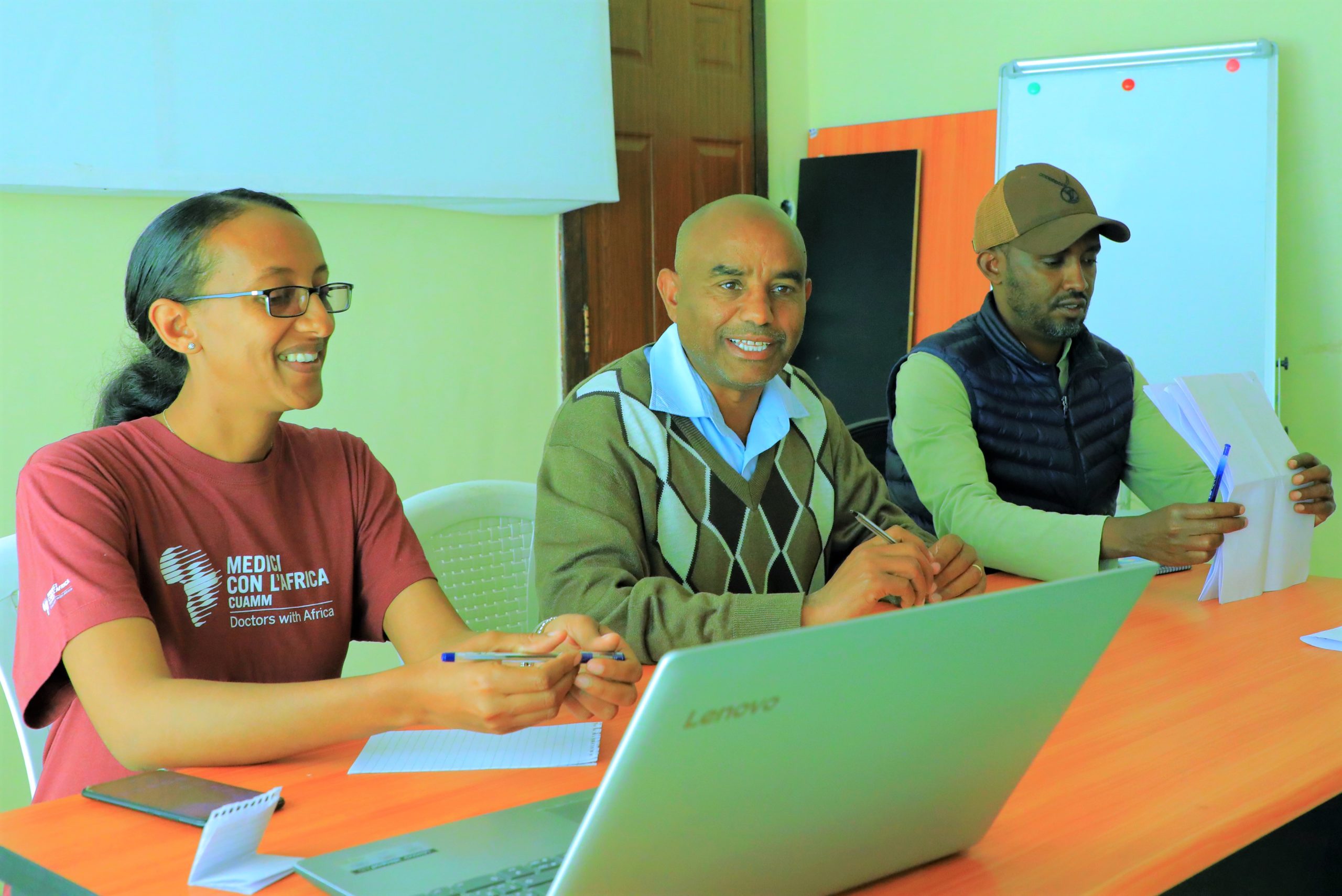
CUAMM also organised the “Referral pathway coordination workshop” targeting representatives of the health facilities of the area, aiming at coordinating the response to the challenges of the context.

«The referral – says one of the participants – is necessary and life-saving: due to the lack of cash and fuel, in the last two years people were unable not only to provide food, but also to find transportation to reach the health facilities. In addition, health facilities were not supplied with drugs, and the unpaid staff was often unable to reach the workplace and provide services».

According to OCHA, 83% of health facilities do not provide maternal services including prenatal care and deliveries, causing a dramatic surge of maternal deaths, 276 in 2021. At the end of 2021, after the first 13 months of conflict, the Tigray Health bureau reported the decline of the ANC services provision from 94% to 16% as well as of PNC from 73% to 19%. Deliveries assisted by trained health staff went from 81% to 21%, while pregnant and lactating women in acute malnutrition increased from 32% to 78%.

The first results thanks to the CUAMM project

By the end of January, thanks to the Referral Pathway system, CUAMM was able to support 86 patients, by providing fuel for ambulance and autonomous transportation, as well as access to medicines. Of these 86 patients, 9 were referred from the IDPs sites to St. Louise Eye Clinic in Mekelle, 40 from St. Mary Health Centre in Edaga Hamus to Adigrat Hospital and another nearby facility, and 37 from Kidane Mihret Hospital in Adwa to Adigrat Hospital.

«In St. Mary Health Centre in Edaga Hamus, – says Yonas – no MCH service was provided since the start of the conflict. Thanks to CUAMM, a pharmacist and a midwife were hired, allowing the restart of the services in September. So far 70 mothers gave birth safely at St Mary HC. Furthermore, in Kidane Mihret Hospital in Adwa, 3 women in severe conditions were referred, and thanks to the work of the senior gynaecologist and of the paediatrician 3 complicated surgeries were performed to save the women and their babies after caesarian sections».

Continuous presence, support for the fragile health system and investment in capacity building: these are the instruments CUAMM has been putting in place to enhance safe access to quality health services and reduce maternal and child deaths in Tigray.

http://ec.europa.eu/echo/

This document covers humanitarian aid activities implemented with the financial assistance of the European Union. The views expressed herein should not be taken, in any way, to reflect the official opinion of the European Union, and the European Commission is not responsible for any use that may be made of the information it contains.

SHEDDING LIGHT ON NEGLECTED TROPICAL DISEASES

30 January marks World Neglected Tropical Diseases Day, a group of infectious and parasitic diseases that mainly affect developing countries. More than a billion people in the world are affected, more than half live on the African continent. CUAMM and AMREF are turning the spotlight on this issue, focusing on Nodding syndrome, on which they work together in South Sudan.

The two organisations also make up the Nodding syndrome alliance (NSA), an alliance established with the aim of responding to the needs of people with epilepsy through integrated, multi-sectoral action to strengthen the resilience of patients and that of their communities.

«In a landscape where donors are increasingly reluctant to provide long-term funding – says Chiara Scanagatta, CUAMM’s head of projects in South Sudan – and cooperation between partners is more complex, the NSA is a really positive experience, because it allows us to unite our voices into a stronger one to do advocacy and promote more appropriate policies with local authorities and stakeholders».

Being chronic or long-term diseases, there is a need for continuity in treatment and care, which cannot only be clinical, but integrated with social and economic rehabilitation. From the need for constant resources to the involvement of families to whom dedicated support is guaranteed.

«From April 2020 to December 2022 – Chiara continues – 920 patients are regularly followed at the primary health care centre in Mundri and 300 at Lui. A challenging job, but one that we are determined to carry on, together and with dedication».

South Sudan, protagonist of one of the worst humanitarian crises of all time, is one of the countries most affected by neglected tropical diseases. Most of the population lives in extreme poverty with limited access to basic health services. The conditions of insecurity and political instability that accompanied the civil war have further compromised the country’s ability to cope with NTDs.

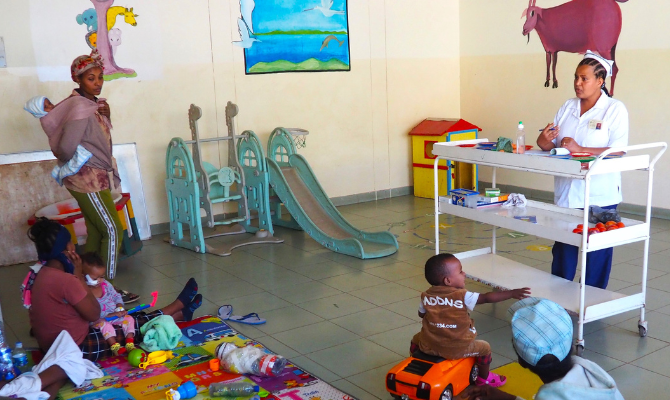
These include NS, a degenerative epileptic syndrome, endemic in South Sudan. It mainly affects children between 5 and 15 years of age and is characterised by episodes of sudden and repeated head jerks (hence the name “nodding syndrome”), with devastating effects on physical and neurological development.

Why they are called neglected diseases

They are called neglected diseases because they do not receive the necessary attention and funding for their prevention and treatment.  These diseases can cause irreversible damage to people’s health and productivity and contribute to endemic poverty in affected countries.  There are twenty NTDs currently recognised by the World Health Organisation, among them dengue, leishmaniasis, rabies and onchocerciasis, known as “river blindness”, associated with the development of Nodding syndrome.

THE PRIDE OF ENSURING A DIFFERENT ENDING

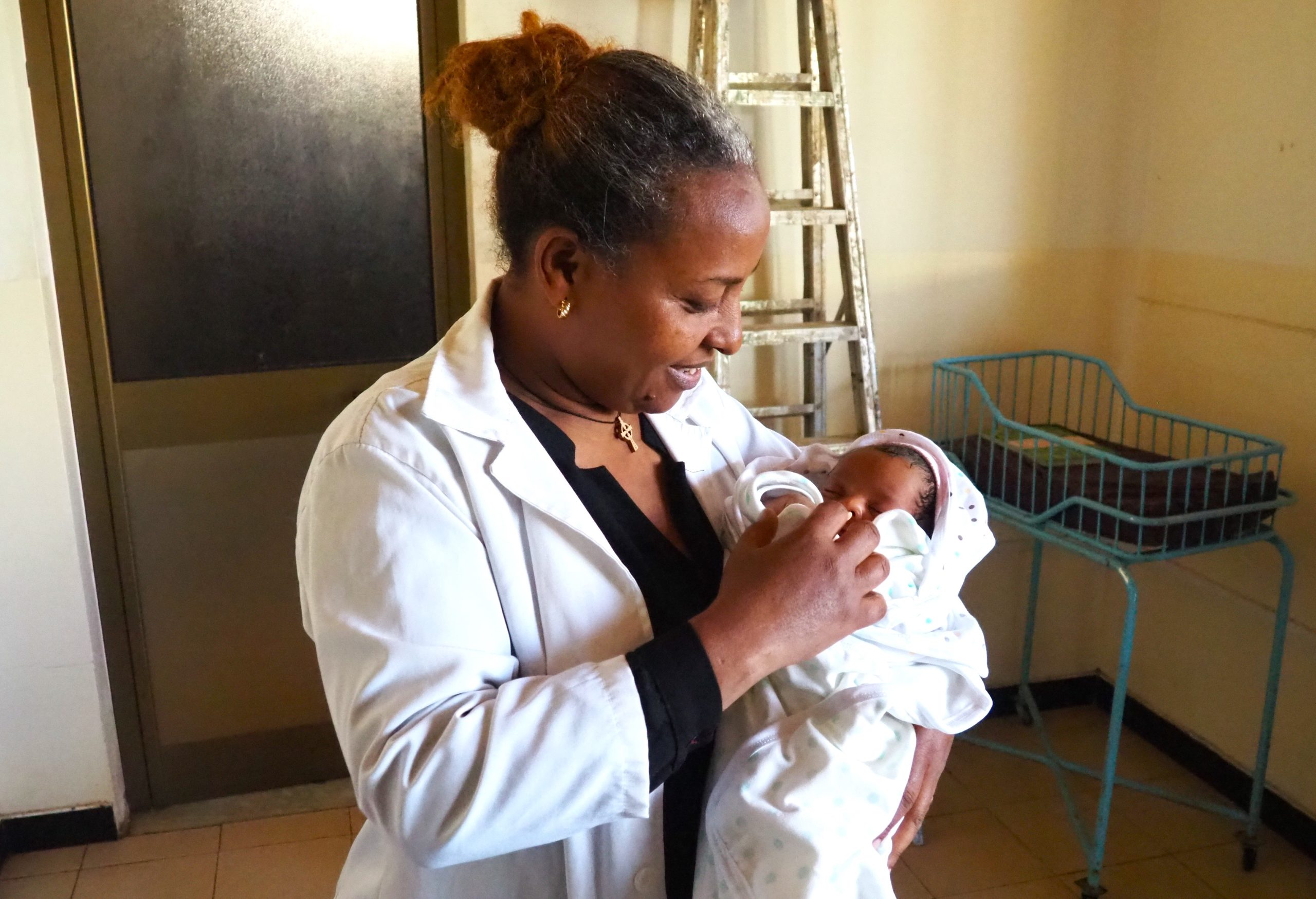
«I want to remember the story of a mother, with two different endings. Memunatu is a 26-year-old woman in her second pregnancy who lives in Bonthe, a remote village in Sierra Leone. With her husband, she was very scared because two years ago, in her first pregnancy, she had gone into labour at home and when she arrived at the hospital to give birth, the doctor was not there. Therefore, she had first been sent to the UBC hospital in Muttru, an hour and a half away both by boat and by car. Then, due to the lack of a dedicated resource person, she was referred to the hospital in Serabo, another hour by car. When they arrived there, it was too late and the twins she was expecting died during the caesarian section. When I met her, I saw the fear of that woman and her husband, almost their resignation that they would also lose their next baby.

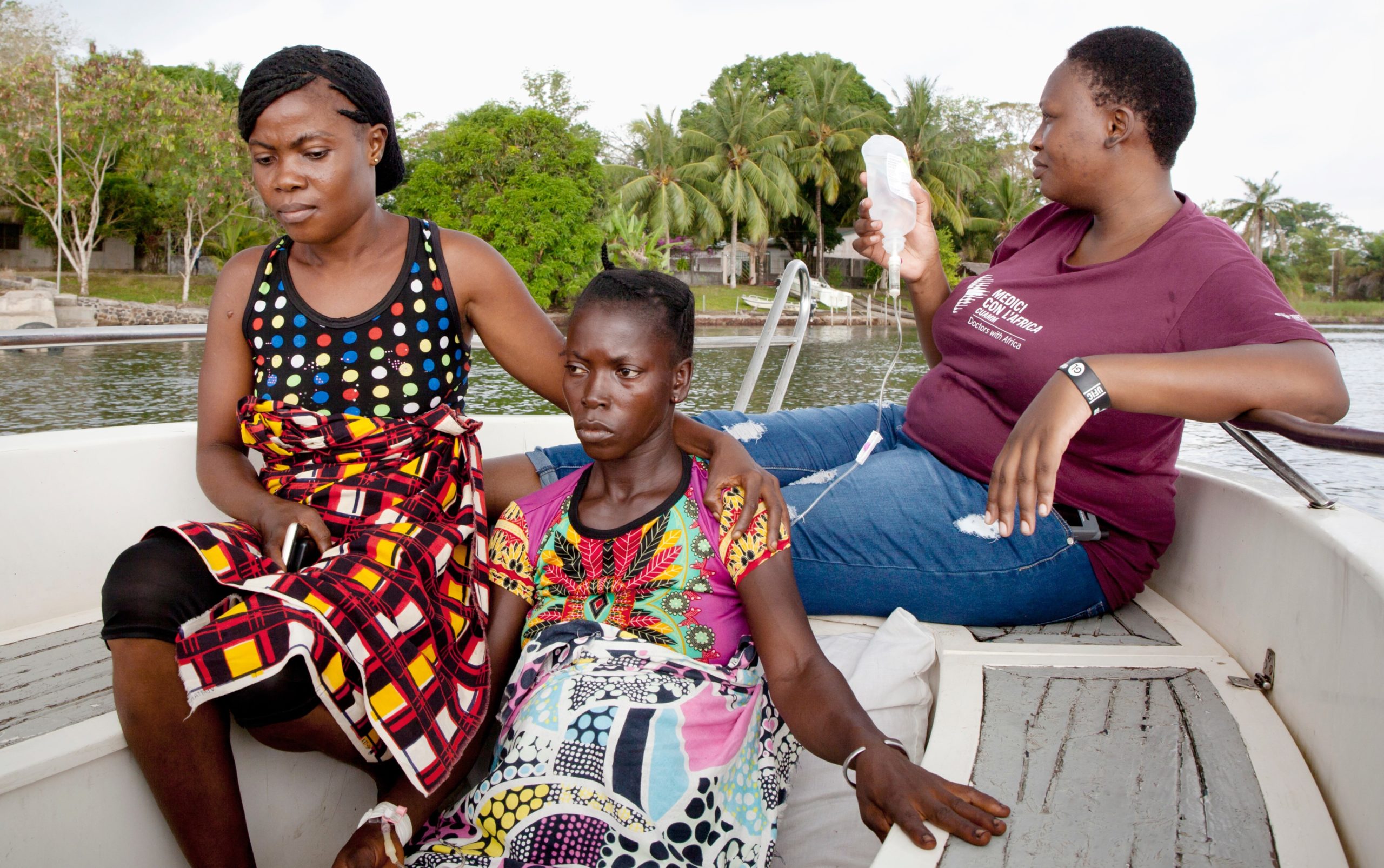
Seeing that, again, something was wrong, the husband urgently called the Red Cross operator, saying that his wife was about to give birth and needed help. The Red Cross operator called me on the private line because the husband could not get to the hospital directly and, in the end, we managed to send a boat to pick her up. She arrived at the hospital after a three-hour journey, we had already prepared the operating theatre and thirty minutes later mother and baby were fine! That is precisely why the outcome of this story means so much to me. It is an expression of CUAMM’s commitment in the field and carries a message of hope. We cannot save everyone, but even one makes a difference».

People and skills

«Let me recap my experience. I spent the last 4 years in Sierra Leone. This was my first long professional mission outside of my country. A different and challenging context and therefore an intense experience but always with a strong willingness to “get in the game” and learn. I started working in Bonthe as medical doctor focused on maternal and child health; then I moved to Pujehun and Freetown where I held a more advanced role with more responsibilities. I’ve definitely learnt and grown a lot and I want to thank CUAMM for this because it has always believed in me and invested in my training. Whenever I was faced with a complex situation or had doubts about how to manage it, I could always count on the support of doctor Enzo Pisani who was based in Freetown.

I’ve become an EmONC Advisor, an Emergency Obstetric and Newborn Care advisor, and I’ve trained 37 clinical mentors across the Country who are now mentoring 292 healthcare workers in the 16 districts of Sierra Leone on the seven “signal functions” as per WHO standard, seven key obstetric services that has been identified as critical to basic emergency obstetric and newborn care. It has been a capacity building pathway and I am proud of it.

Sierra Leone consistently ranks as one of the deadliest places on Earth to have a baby, particularly in some districts such as Bonthe, a remote island in the south of the Country. It can be reached by boat and during the rainy season it is all flooded with water and mud. Therefore, access to health services in this area, particularly to assisted deliveries, is very complex due to its location and the characteristics of the context. So personal life is not easy there: we were the only expats and my wife was the only one with white skin, besides the fact that we didn’t speak local languages. In Pujehun the accessibility to services is “easier”, however the maternal mortality rate is still very high. Several factors determine this:  firstly, the lack of qualified human resources and the few that do exist live in the biggest cities. Many health workers are volunteers, meaning that they do not receive a salary, or at least not regularly, and this severely undermines their motivation and their commitment to work. Moreover, mainly for cultural reasons, people in the villages tend to rely on traditional healers».

This is the meaning of CUAMM’s commitment to give mothers and children another chance.

© Photographs by Valeria Scrilatti

IN EASTERN EUROPE

IN EASTERN EUROPE

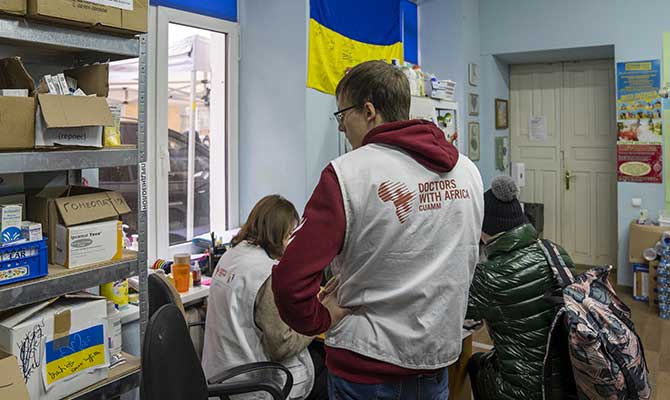
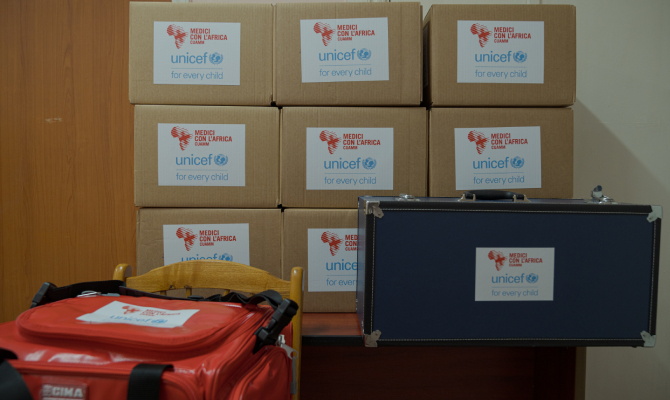
With our heart in Africa, at the outbreak of a war on our doorstep, Doctors with Africa CUAMM has offered support to healthcare facilities in Ukraine by sending medicines, equipment and consumption material. In addition, food, essential goods and equipment to cope with the low temperatures were also delivered while psychological support was offered to the most vulnerable. These are CUAMM’s main levels of commitment which was later extended to Moldova, where medical personnel was sent to serve in two refugees shelters and Poland, where training activities were delivered in UNICEF “Blue Points”. A solidarity that involves many people and goes beyond borders.


IN UKRAINE

The war that broke out in February 2022 shows no sign of ceasing. Destruction, violence and atrocities are under everyone’s eyes every day. There are approximately 5 million displaced persons and 8 million refugees. Launched in Chernivtsi city, on the Romanian border where CUAMM collaborates with the local association VRB, the intervention has now been extended to 42 hospitals in 9 different Oblasts. The intervention consists in providing a broad logistic and healthcare support by distributing medicines, medical equipment and kits, food and essential goods, as well as tents, clothing and equipment to cope with the cold winter. In addition, throughout the intervention psychological support was offered to the population harshly hit. The Ukrainian healthcare system was also reinforced with the provision of 4 ambulances for the referral of patients to hospitals and mobile clinics. VRB volunteers, involved in material distribution to the most at-risk areas played a key role along with institutions and companies such as AICS, OCHA, UNICEF, UHF, Caritas, Veneto Region, Gilead and many citizens who offered their time to help the Ukrainian population.


IN MOLDOVA

Moldova is one of Europe’s poorest nations and struggles to give adequate response to the crisis of refugees fleeing Ukraine. CUAMM’s work, in accordance with the Ministry of Health and the WHO, focuses on 2 reception centers in Chisinau, the capital of Moldova, were over 300 refugees are accomodated. Thanks to doctors and nurses who alternate from Italy, basic health screenings are performed also in mobile clinics and drugs are distributed, especially to chronically ill patients.


IN POLAND

Of the 8 million Ukrainian refugees seeking asylum in European countries, more than 1.5 million were accomodated in Poland. In the cities of Warsaw, Krakow and Przemysl CUAMM has offered UNICEF volunteers working at the “Blue Points” some training activities. A total number of more than 100 operators took part in the activity focusing on psychological, healthcare and legal assistance.


IN ITALY, BY THE SIDE OF REFUGEES

As the war started, CUAMM offered support to young boys and girls housed in the Minor Seminary in Rubano, in collaboration with the Diocese of Padua. A group of CUAMM volunteers has also been active at the Immigration Office at the Police Headquarters in Padua where a increase in Ukrainian requests and accesses was registered after the Russian invasion. Throughout the year, about about 6.800 hours of volunteering were spent to respond to over 22.000 asylum requests.


Read the stories

CUAMM AND UNICEF SUPPORT REFUGEES POPULATIONS IN MOLDOVA

Promotion of healthcare assistance for refugees and emergency preparedness among health workers are at the core of the intervention that aims to provide quality health sevices to vulnerable populations fleeing the Ukranian conflict in Moldova.

CUAMM Doctors with Africa in partnership with The United Nations Children’s Fund (UNICEF), launches a project in Chisinau, Moldova, to promote healthcare assistance for refugees and boost emergency preparedness among health workers in peripheral facilities hence strengthen the capacity at national level.

Refugee families, vulnerable groups and mothers and children fleeing the Ukranian conflict can now access safe and quality healthcare assistance in Chisinau where two health centres are being supported with provision of lifesaving drugs, essential supplies, consumables, PPEs and medical equipment. The centres also offer vulnerable groups access to multiple services such as informative sessions and distribution of informative materials on health and hygiene promotion plus specifically child-tailored materials, routine immunization, health checks on vaccination coverage and NCDs prevalence to vulnerable populations. The centres accommodate between 150 and 250 people (the number varies depending on the refugees’ movements), mostly of Roma ethnicity and/or from Azerbaijan or Armenia. These are women, men, children, and the elderly.

Lack of human resources and specialized professionals in peripheral facilities can undermine the response capacity putting people who seek healthcare services at risk. For this reason education is a key component of the intervention implemented by CUAMM in collaboration with UNICEF that encompasses a training programme in Emergency Preparedness with the ultimate goal of improving medical teams’ emergency response capabilities at all levels.

Following consultations with the Ministry of Health and in partnership with UNICEF, emergency preparedness trainings and assessment have been designed to foster health workers’ capabilities. A 20-hour training paths of mentors (key medical and non-medical staff) in Emergency Medical Services (EMS) in each of the three targeted hospitals will be offered to ensure adequate response in case of health-related disasters while in the same facilities trained mentors will deliver a 10-hour mentoring paths to 100 medical and non-medical staff under the supervision of CUAMM. Additionally, assessment of management and clinical gaps in emergency preparedness and disaster response in the 3 concerned hospitals, establishment of an emergency medicine consultative coordination body at the hospital level (in each of the 3 hospitals), and development of a training package for hospitals’ staff will be included.

This comprehensive training program seeks to achieve a multiplier effect both establishing and institutionalising mentoring as a model of continuing professional development and leading to a significant and sustained impact on emergency preparedness hence enabling the healthcare staff of the Institute of Mother and Child, the Emergency Hospital, and the Republican Hospital in Chisinau to effectively respond to the ongoing refugee crisis and address future emergencies.

Since the beginning of the war in Ukraine, Moldova have sheltered the largest number of refugees: 89.000 refugees have been registered in the country. Starting from April 2022, CUAMM has been operating in Chisinau – the capital of Moldova – where the team provided basic medical care to the Ukrainian population through Emergency Medical Teams. The assistance offered aims not only at ensuring continuity of treatment and follow-up to Ukrainian refugees, as well as preventing the deterioration of minor illnesses; but also preventing the already fragile Moldovan health structures from being overwhelmed by the influx of refugees.


AFRICA IS NOT TO BE EXPLOITED, IT IS TO BE PROMOTED

Relive the best moments

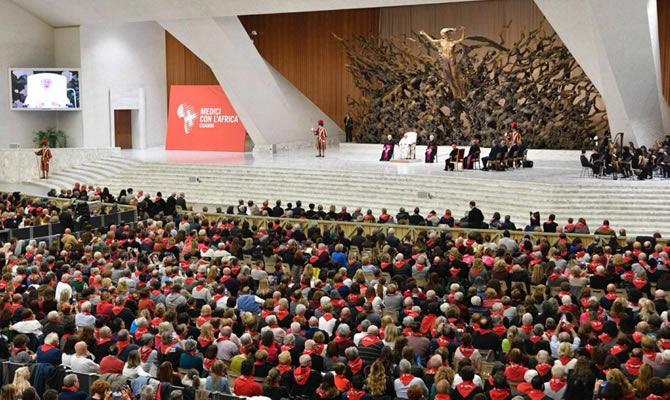
Rome, Nov. 19th, 2022 – More than 4,000 people welcomed the Holy Father and listened to his encouragement to continue this path, to “not be afraid to go to difficult places,” today Saturday, Nov. 19th, in Rome’s Paul VI Hall at the Annual Meeting of Doctors with Africa Cuamm.

Msgr. Claudio Cipolla, Bishop of Padua and President of Cuamm gave the welcoming to Pope Francis by saying: “Cuamm is an expression of the missionary laity, a story made up of multiple stories, which have gave it body and soul since 1950. “WITH”: the preposition also used by Jesus, “the God WITH us.” For Cuamm it is essential not to be FOR the other but WITH the other. In so many African countries there are hospitals and dispensaries that are weak, fragile, unable to provide their people with basic health care. There are few trained doctors and nurses (in South Sudan there is one midwife in 20,000 mothers giving birth). Cuamm faces these challenges WITH the Churches and local governments, together, in the logic of sharing and mutual responsibility.”

Pope Francis’ speech was heartfelt and engaging: “I like to emphasize the fact that your story begins when, 70 years ago, a college was established, right in Padua, to host young African medical students. Young Africans. This is a clear expression of your style: to be with Africa, even before being for Africa. And this is precisely the good attitude, because there is in the imagination, in the collective unconscious, the wrong idea that Africa is to be exploited. On the contrary, your attitude is to be with Africa and your work is a concrete way of putting into practice something we ask every day in the “Our Father Prayer. “When we pray “give us today our daily bread,” we should think carefully about what we say, because so many, too many men and women, only receive crumbs from this bread, or not even that, simply because they were born in certain places in the world. I think of so many mothers, who cannot have access to safe birth and sometimes lose their lives; or so many children, who die in early childhood. Your presence here today brings my heart close to countries that are of particular interest to me, such as the Central African Republic, where I went in 2015 to open the Holy Door, in Bangui; and South Sudan where, God willing, I will travel early next year. Do not be afraid to take on difficult challenges, to intervene in remote, violence-scarred places where people do not have the opportunity to access primary health care. Be with them! Should it take years of efforts, should there be successive disappointments and failures on the way to results, do not be discouraged, ever. Be persevering with service and dialogue open to all as tools for peace and overcoming conflicts. Africa is going backwards and poverty is getting worse. I truly appreciate your work in giving voice to what Africa is experiencing; because you bring to the surface the hidden and silent sufferings of the poor that you encounter in your daily efforts. And I urge you to continue to give Africa a voice, to give it space so that it can express itself: Africa has indeed a voice, but it is not heard; you must open possibilities so that Africa’s voice can be heard; you must continue to give voice to what is not seen, to its labors and its hopes, to move the conscience of a world that sometimes is too focused on itself and little on the other. Finally, I invite you to give special attention to young people: to encourage in every way, in your activities, the job placement of local youth who crave to live their future as protagonists especially in their countries of origin”.

Cuamm director, don Dante Carraro took the stage in the second part of the morning that was conducted by the journalist and longtime friend Piero Badaloni, by saying to the audience that: “Africa is going backwards, as pandemic, war and energy and financial speculation are affecting it dramatically. In fact, as we struggle with our life, the burden is heavier on Africa: just think that in Ethiopia, a pair of latex gloves, the kind you use in the hospital, costed 0.5 cents in the beginning of the year while they are currently priced 1 euro! Consequently, the whole cost of living has increased. But as Cuamm, our task is to look forward with confidence”.

Fabio Manenti, head of Projects at Cuamm presented the results of “Mothers and Children First. People and competencies”: “The target we need to reach is 500,000 assisted deliveries, in the first year there were 93,000, but only about 50 percent of women give birth in hospitals and there is still a lot to do. The climate crisis, food crisis and global crisis we are facing because of the war, are also worsening the quality of care and this is something we do not see”.

Among the main themes of the meeting, there was the commitment to train young Africans “Human resources are the most important asset for Cuamm and for Africa,” explained Giovanni Putoto, Cuamm’s head of Programming. Investment in training should be made at all levels, from hospitals to schools to universities that train doctors, specialists and managers, as in the case of the high-level Master program launched in Mozambique, with the collaboration of the University of Padua, the University of Maputo and the University of Beira”.

Also Professor Pietro Invernizzi, director of the Department of Medicine and Surgery at Bicocca University in Milan, stressed the importance of collaboration with Italian universities: “We train new generations of professionals who will have to deal with our health, and we realize that we are dealing with an internal fragility. Africa motivates us, so we decided to start an institutional and collaborative effort with Cuamm.

Collaboration continues on different paths as the one with religious congregations that Cuamm launched in recent years and that was presented today by Sister Anastasie Mokli: “In the health field, our work has always started progressively, as under the trees, with care for children and mothers, then we opened small dispensaries and, little by little, we added different services to respond to different needs. Now through collaboration with Cuamm we will also be able to improve our skills and resource management”.

“This collaboration with congregations made it clear to us that interventions from the ground up, from the frontline, were necessary to revitalize Africa. We have come to involve 25 congregations in 23 countries. We started with field missions that helped us bring to light the common problems and challenges in health systems that need to be addressed together,” added Andrea Atzori, Cuamm’s head of International Relations.

“The vaccination campaign in Africa is progressing. Thanks to Cuamm’s efforts, more than 1 million vaccine doses have been administered: and that is a great achievement,” said Francesca Tognon, Cuamm physician.

Prof. Alberto Mantovani, scientific director of Humanitas claimed his involvement and support for Cuamm’s vaccine campaign, “Intellectual asset of young Africans is remarkable. The sequencing of the virus was recently reported in Science, which is useful in mapping how the variants we are so concerned about are generated. It’s an achievement that shows us that it is possible to carry out high-level research in Africa, research that everyone needs. This is what Cuamm does through its training program, it cultivates culture and intelligence that serves a continent and the idea of a global health”.

At the end of the event, Niccolò Fabi moved the audience by performing “Costruire” before leaving the floor to don Dante Carraro for the final greeting in which he relaunched the commitment for the future.

A special thanks to the youth orchestra I “Polli(ci)ni” from Padua, which embellished the event with its music.
 

WHAT GOES UNSEEN

Dear All,

we are now living a hard time. After the Covid-19 crisis we hoped we could breathe a sigh of relief, but war and energy speculation are putting a strain on us. Everyone is making small and big sacrifices. But even if it is difficult for us, it is even more to Africa. There, this situation has dramatic effects because populations are already very poor: there is neither a welfare system, nor any kind of social parachute.

Over the last three months I’ve been to Ethiopia, South Sudan, Tanzania and Sierra Leone. Unfortunately, these countries face a similar situation. Africa seems going backward: Silently, unseen, without a voice. You can’t see any of this, doesn’t seem to exist, no one talks about it.

What goes unseen is that in a country such as Sierra Leone the National Emergency Medical Service (NEMS) is malfunctioning and working marginally. It was put into action two years ago also with the support of CUAMM. The gas oil for the ambulances went from 8,000 to 22,000 leones per liter, enough for the first 4-5 days of the month. Then, the system crashes: we lose dozens and dozens of mothers that would need an urgent caesarean section.

What goes unseen is that at the Wolisso hospital, in Ethiopia, the cost of a pair of sterile gloves has reached 1 euro. In a day, on average, 350 pairs are used for ordinary hospital activities.

What goes unseen at Tosamaganga, in Tanzania, is that diabetes medications cost have tripled in just a few months.

What goes unseen is that in South Sudan the government is no longer able to pay salaries, the international donor funding is allocated somewhere else. You can feel the tension in the air. Someone continues to work, hoping that something comes along soon, others take up any kind of job to feed their children. How can a hospital stay operational without healthcare personnel?

Karamoja region, northeastern Uganda: what I am witnessing here, from where I am writing to you, is that ‘too many’ children are dying due to a severe malnutrition that is affecting numerous regions.

However, what you do not see (What goes unseen) is also the daily and hard work that we keep doing next to the one of many local colleagues, despite all. A persistent, silent, invisible and hidden work that keeps going, in a very tenacious way.This is what we ask you, we need your support. It is too much of a challenge to deal with on our own, a commitment that goes through the eight countries in which we operate. For each country, we have selected a hospital that is struggling more than the others are.

Chiulo in Angola, Wolisso in Ethiopia, Beira in Mozambique, Bangui in the Central African Republic, Pujehun in Sierra Leone, Lui in South Sudan, Tosamaganga in Tanzania, Aber in Uganda.

In order to cope with the increasing gas oil (for generators and transport), medicines and salaries costs, our need is approximately 100/150,000 euros for each hospital: for the next six months, totaling 1 million euros.

What goes unseen is the dramatic poverty in which a large part of population in Africa is plummeting. Next to each of you, we want to continue to do our part, close to those most in need.

A heartfelt thanks for what you’ll be able to do and for being with us November 19th in Rome for our Annual meeting. We will be all together to tell, also to Pope Francis, “What you can’t see”. I hug you.


Father Dante


DISASTER RISK REDUCTION FOR ALL

The 13th of October was designated the International Day for Disaster Risk Reduction (DRR) by the United Nations General Assembly in 1989. Active in many critical contexts, such as the cyclones in Mozambique in 2000 and 2019, Doctors with Africa CUAMM questioned how to contribute to reducing the risk associated with natural events, such as cyclones, droughts and disease outbreaks. The way forward is clear: establish integrated multi-level early warning systems in charge of monitoring, forecasting, predicting and assessing disaster risks and establishing communication and preparedness processes allowing governments, communities and businesses to take early action.

Doctors with Africa CUAMM recognizes the importance of building integrated community-based early warning systems accessible to all in order to prevent and give timely responses to emergencies. For this reason, CUAMM developed a partnership with the UCL Warning Research Centre, and in 2021-2022 CUAMM staff participated in the ‘Warnings for Hazards and Risk Reduction Programme’ to strengthen capacity for risk reduction in relation to the projects in Africa.

The global efforts to improve DRR are based on the Sendai Framework for Disaster Risk Reduction 2015-2030, a document adopted at the Third UN World Conference on Disaster Risk Reduction in Sendai, Japan, on March 2015. For this year, the UN Office for Disaster Risk Reduction established the Target G of the Sendai Framework as a priority: “Substantially increase the availability of and access to multi-hazard early warning systems and disaster risk information and assessments to people by 2030”.

Doctors with Africa CUAMM recognizes the importance of building integrated community-based early warning systems accessible to all in order to prevent and give timely responses to emergencies. For this reason, CUAMM developed a partnership with the UCL Warning Research Centre, and in 2021-2022 CUAMM staff participated in the ‘Warnings for Hazards and Risk Reduction Programme’ to strengthen capacity for risk reduction in relation to the projects in Africa.

Through the partnership with the UCL Warning Research Centre, CUAMM incorporated a DRR component into its work.