
Uganda
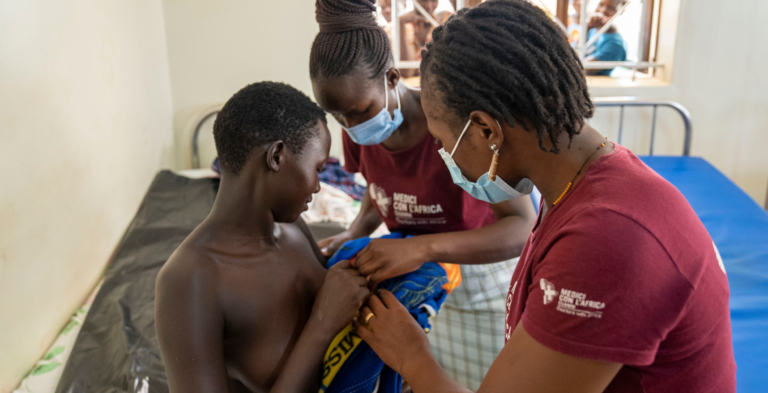
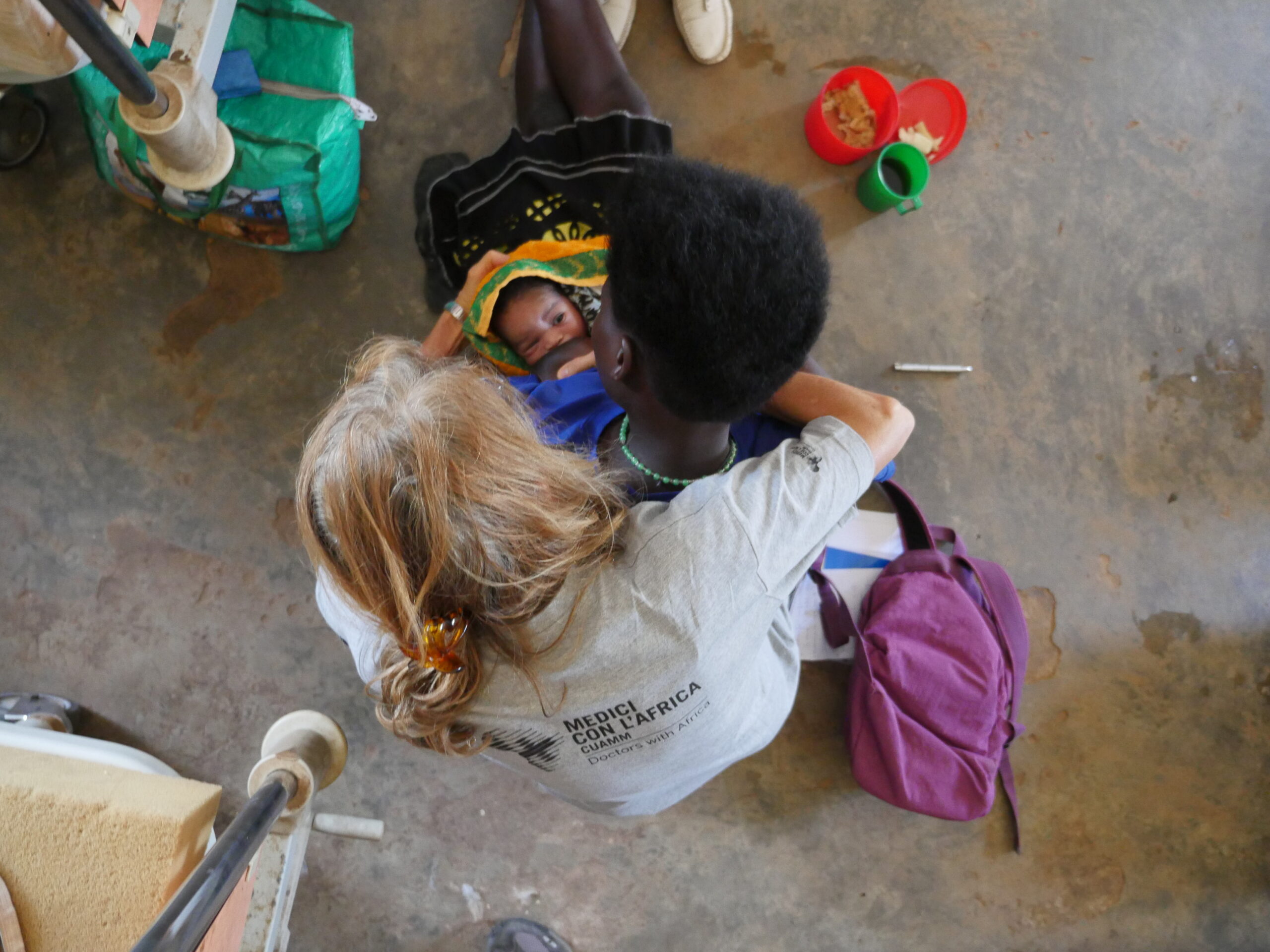
Uganda is an East African country with nearly 48 million inhabitants. Today, it faces the challenge of providing healthcare services to a young and rapidly growing population.
In hospitals
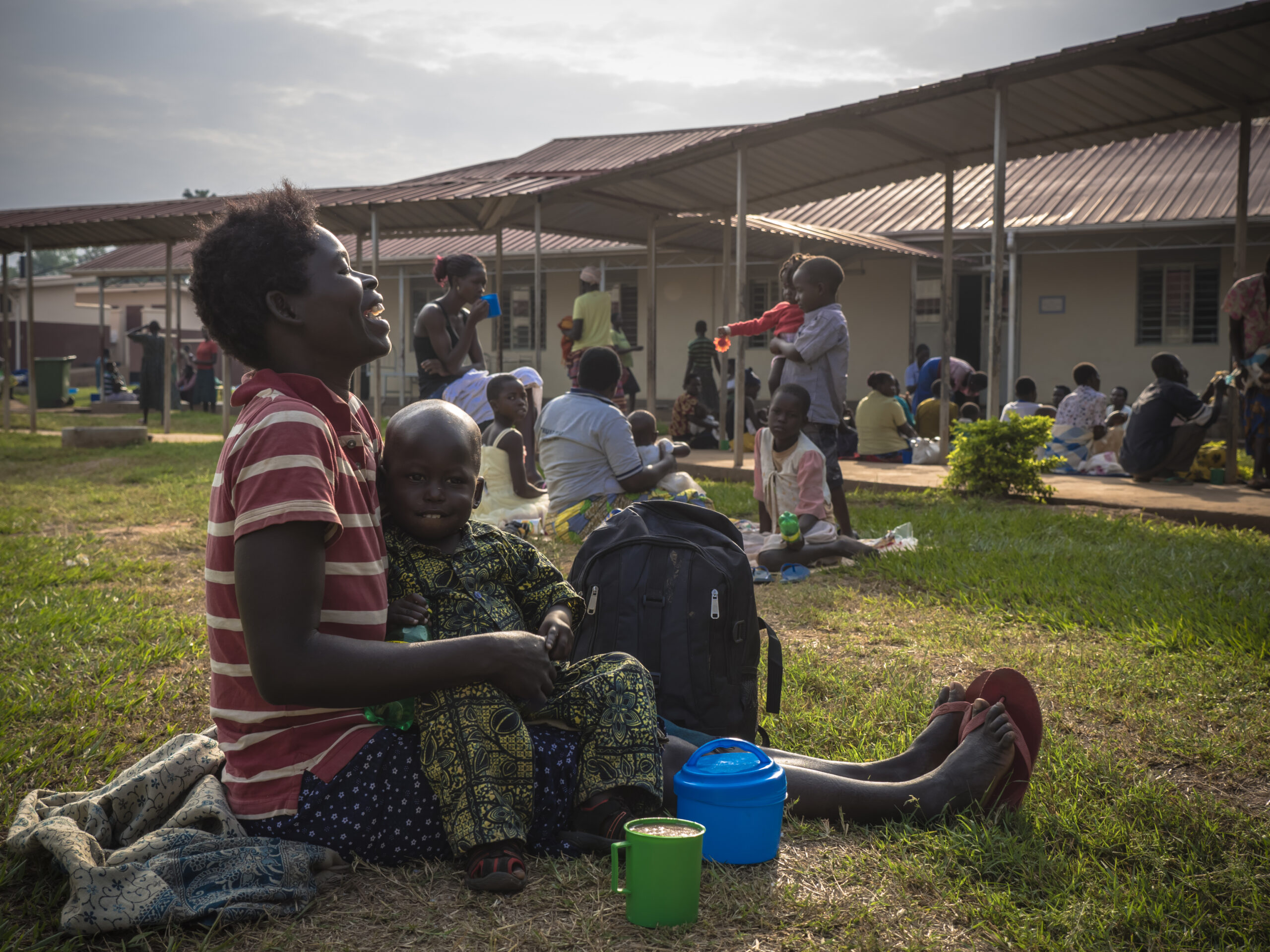
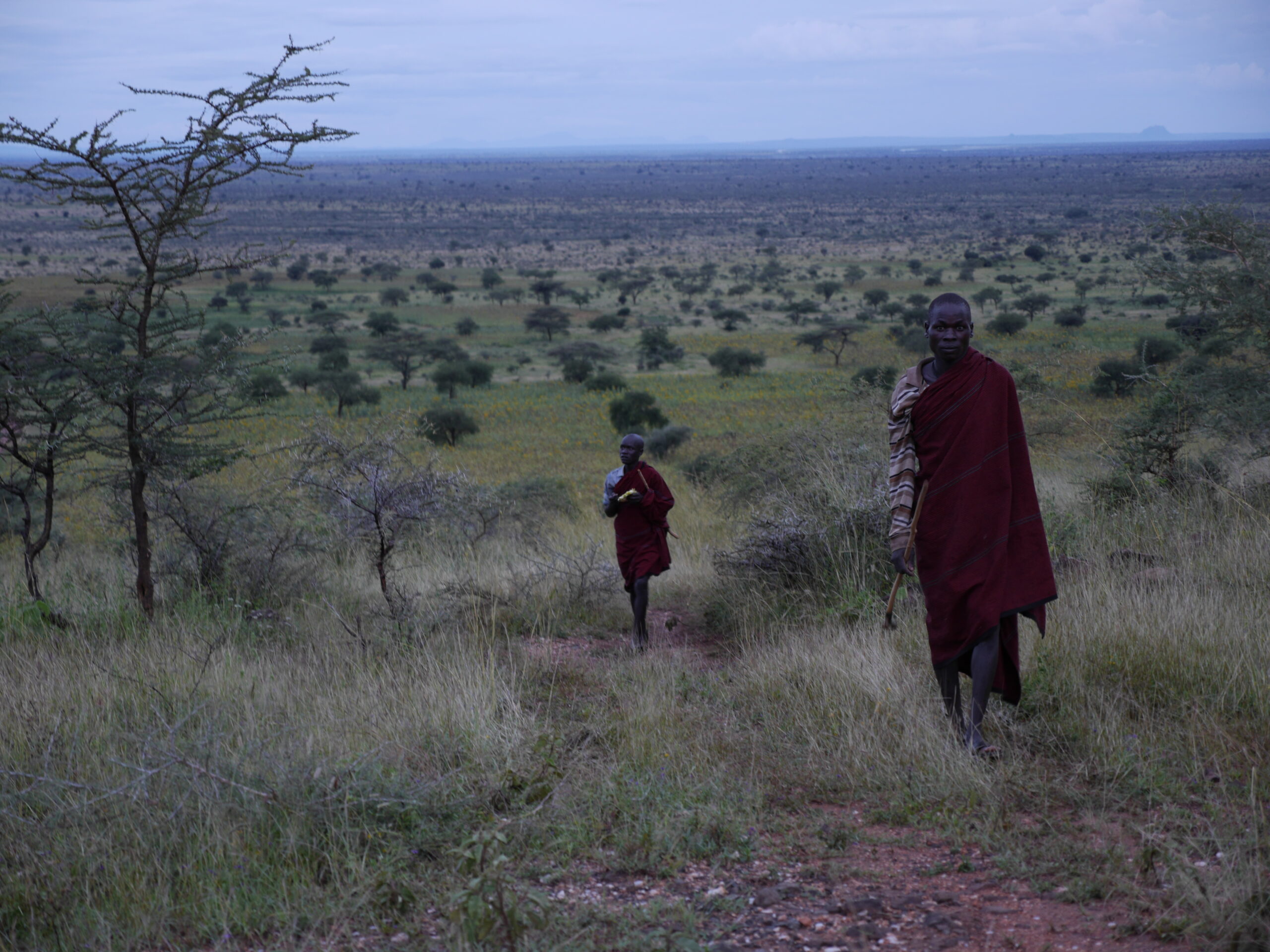
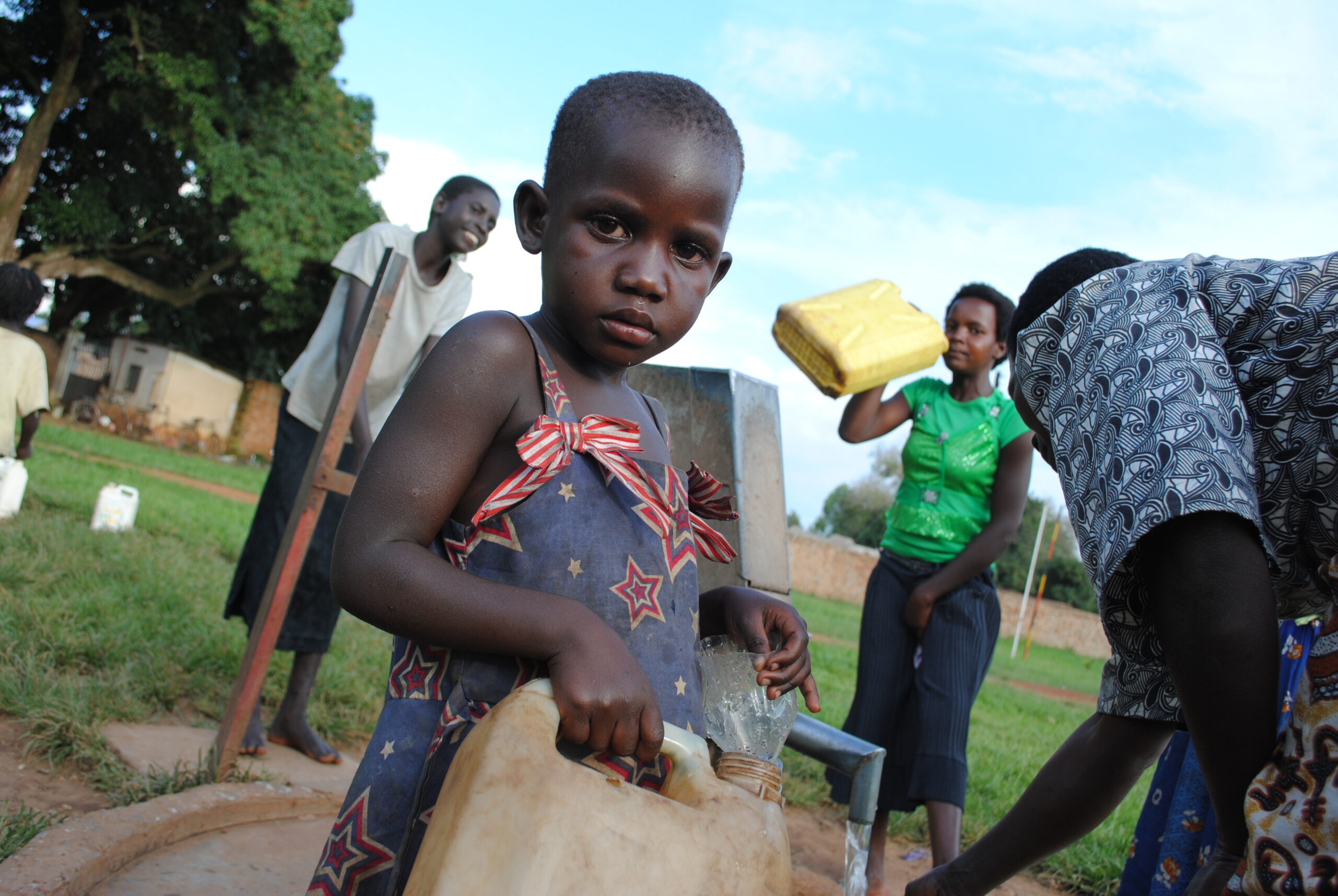
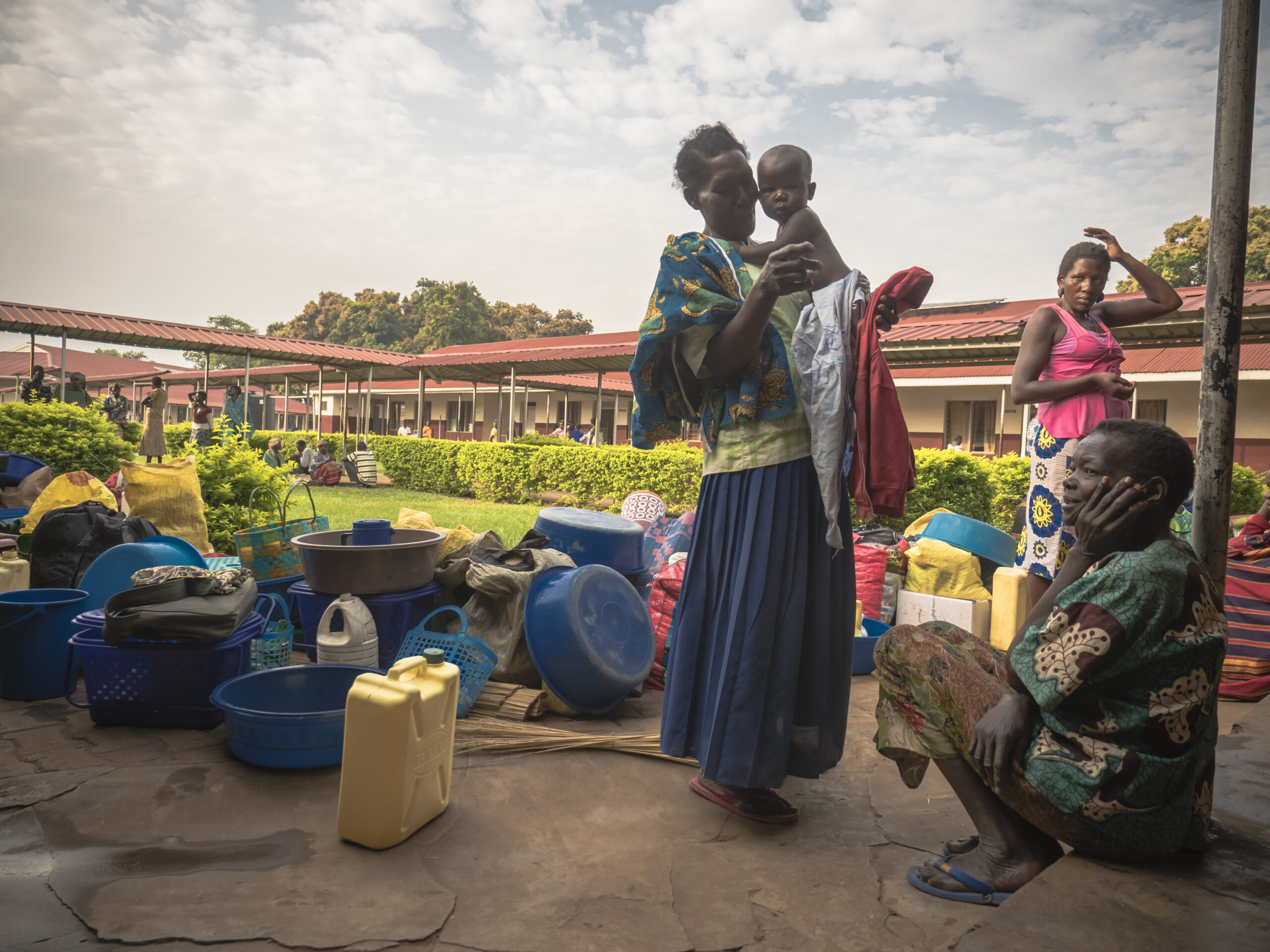
In Uganda, we work in hospitals across the Karamoja, Lango, and Acholi regions. In Karamoja, in particular, we are present in 6 hospitals, including Matany and Moroto, and 152 health centers. In the Lango region, we support Aber Hospital and 114 health centers. Our work is also active in Kalo Hospital and in 114 health centers in Acholi, as well as in the Teso region, where we operate in 71 health centers.
Supporting mothers and children
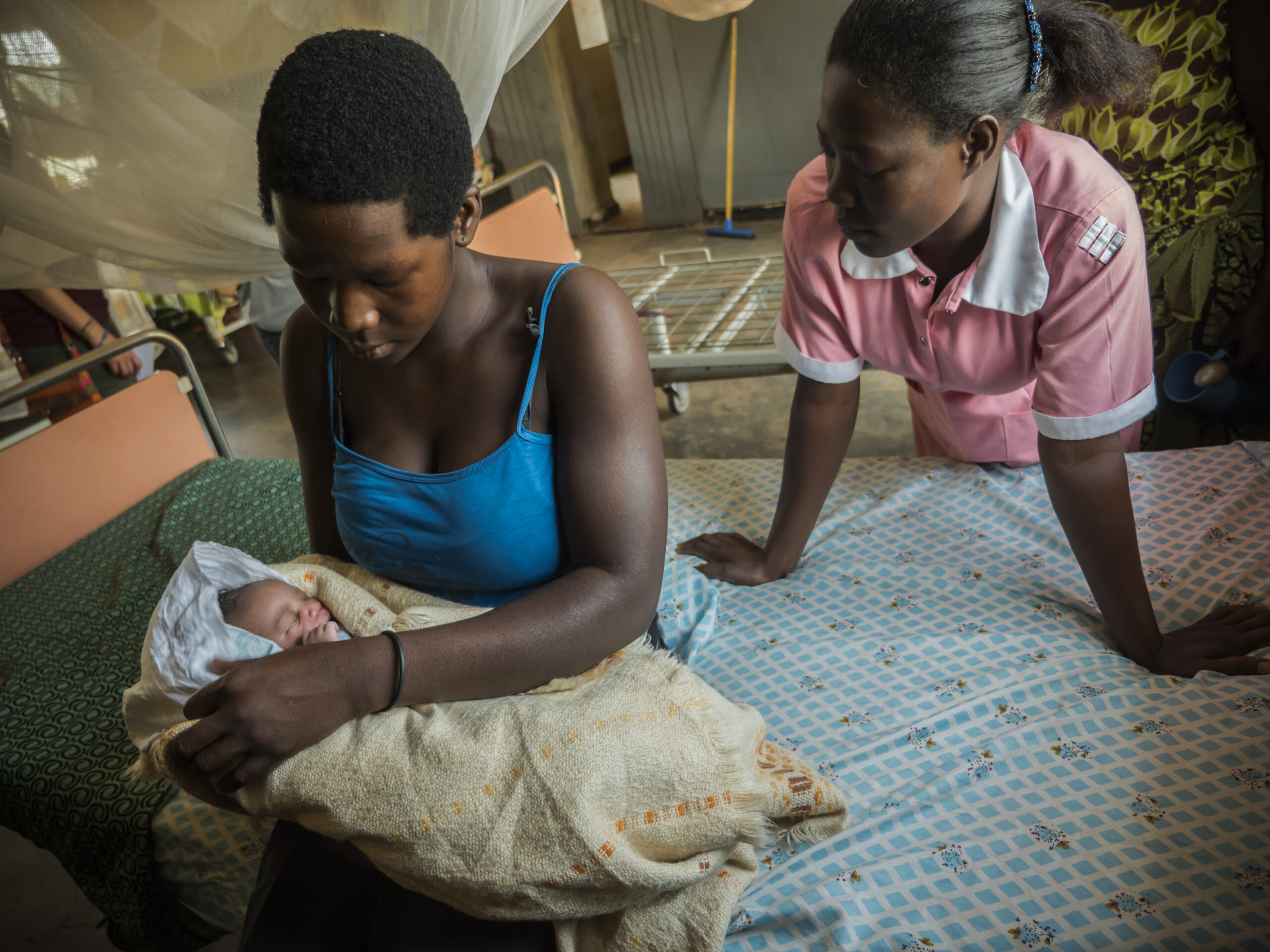
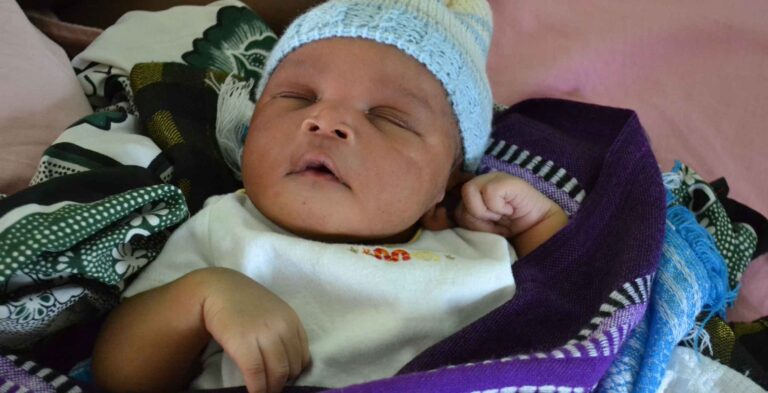
At Matany Hospital in the Karamoja region, we are at the forefront of care for mothers and children. The hospital, which has 250 beds, also provides a neonatal intensive care unit.
In Oyam District, the “First Mothers and Children” programme continues at Aber Hospital, alongside activities targeting adolescents and young women.
Public Health Interventions
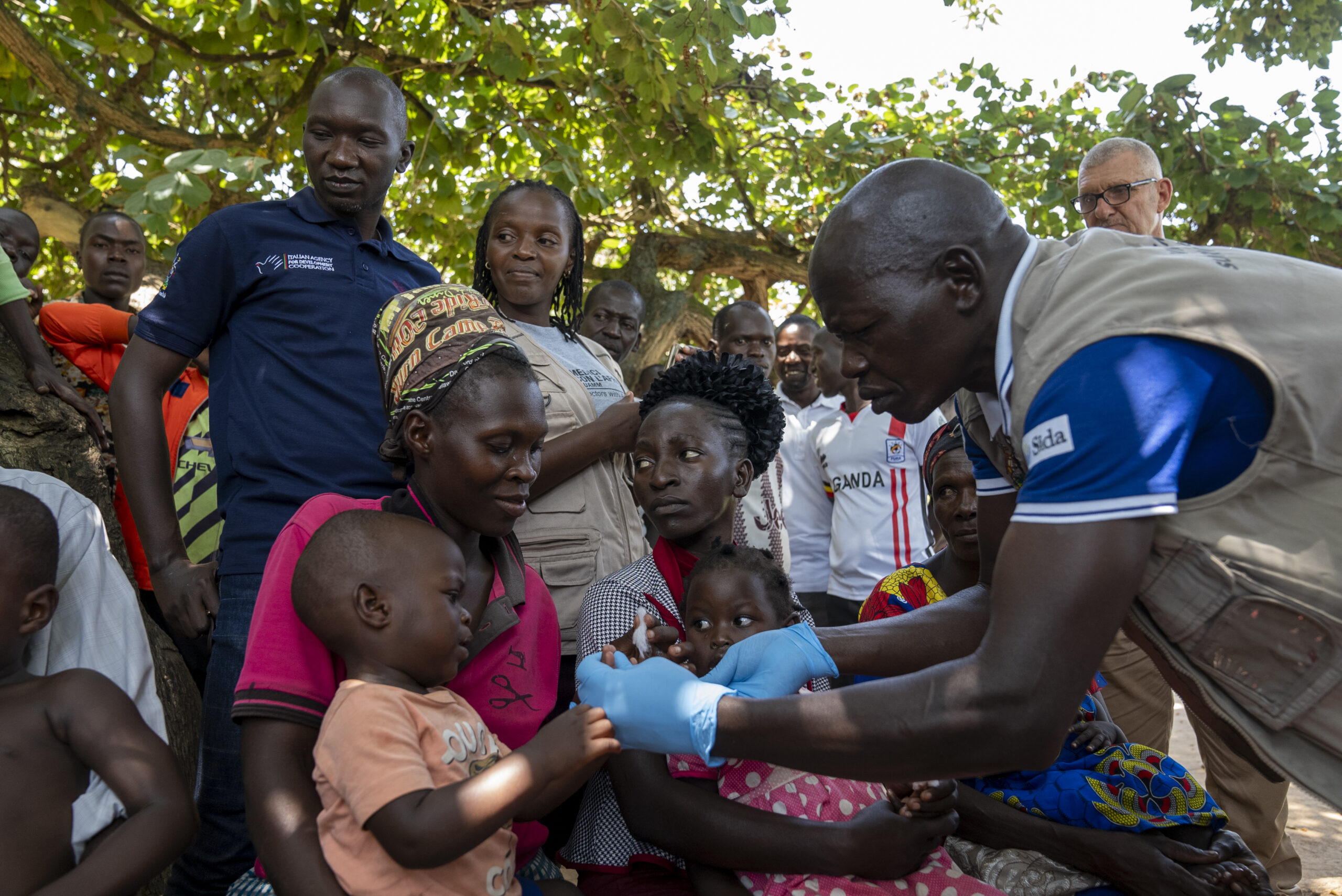
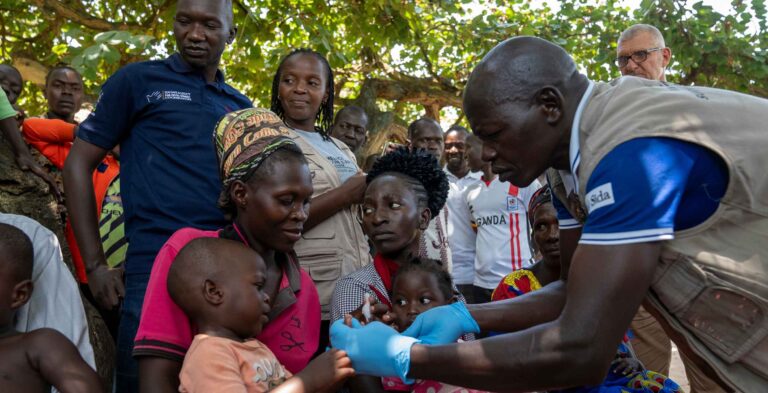
Engagement in public health activities in health centers and across villages in remote areas is a key component of our work. Antenatal visits, immunizations, nutritional screenings, and awareness-raising on good health practices are among the main activities we are involved in.
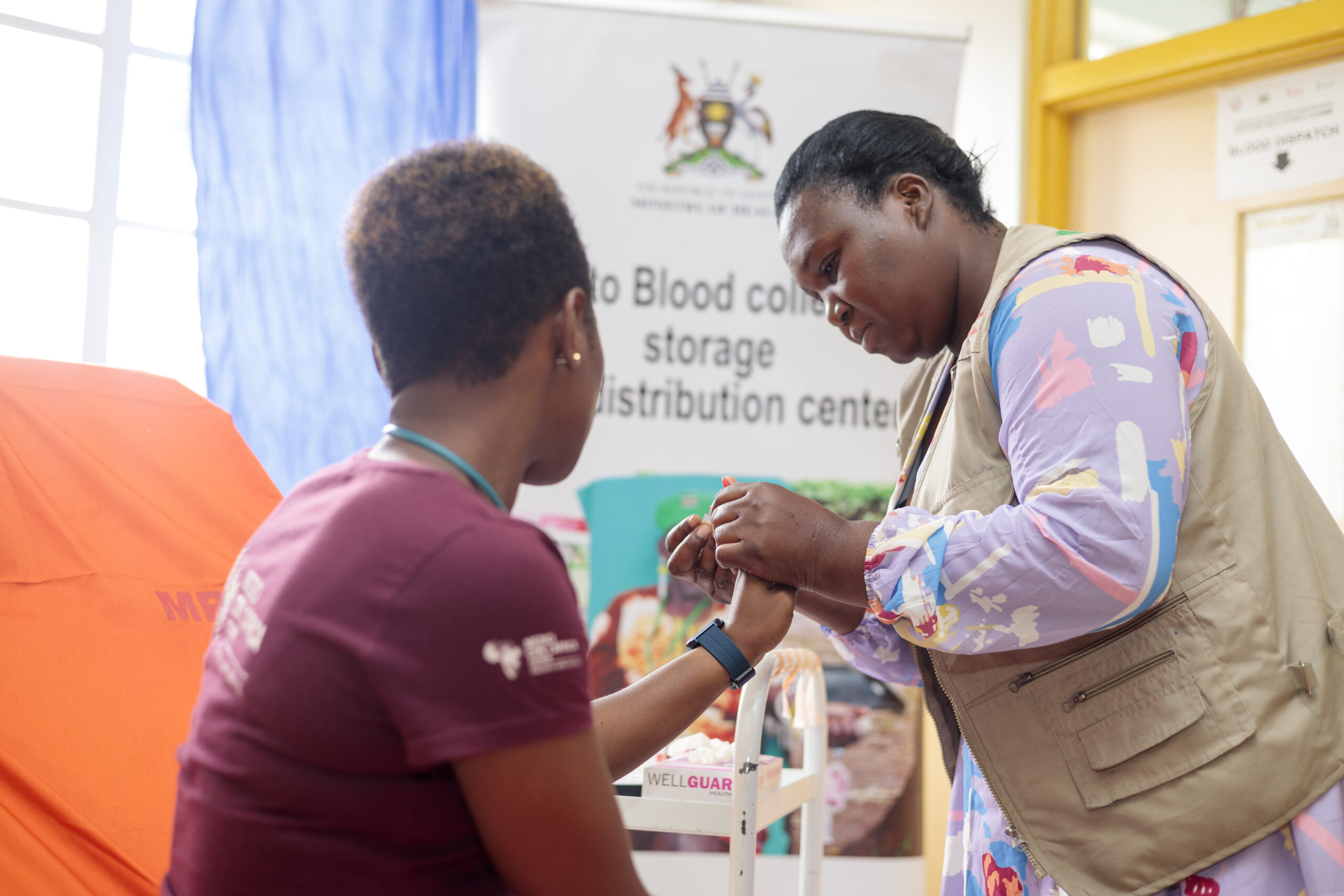
In Moroto, we also support the blood bank, which is essential, particularly for mothers who, in underserved areas, face complications during pregnancy and childbirth.
Still in Karamoja, operational field research focuses on nutrition, tuberculosis, blood transfusion services, and neonatal health.
Infectious Disease Control
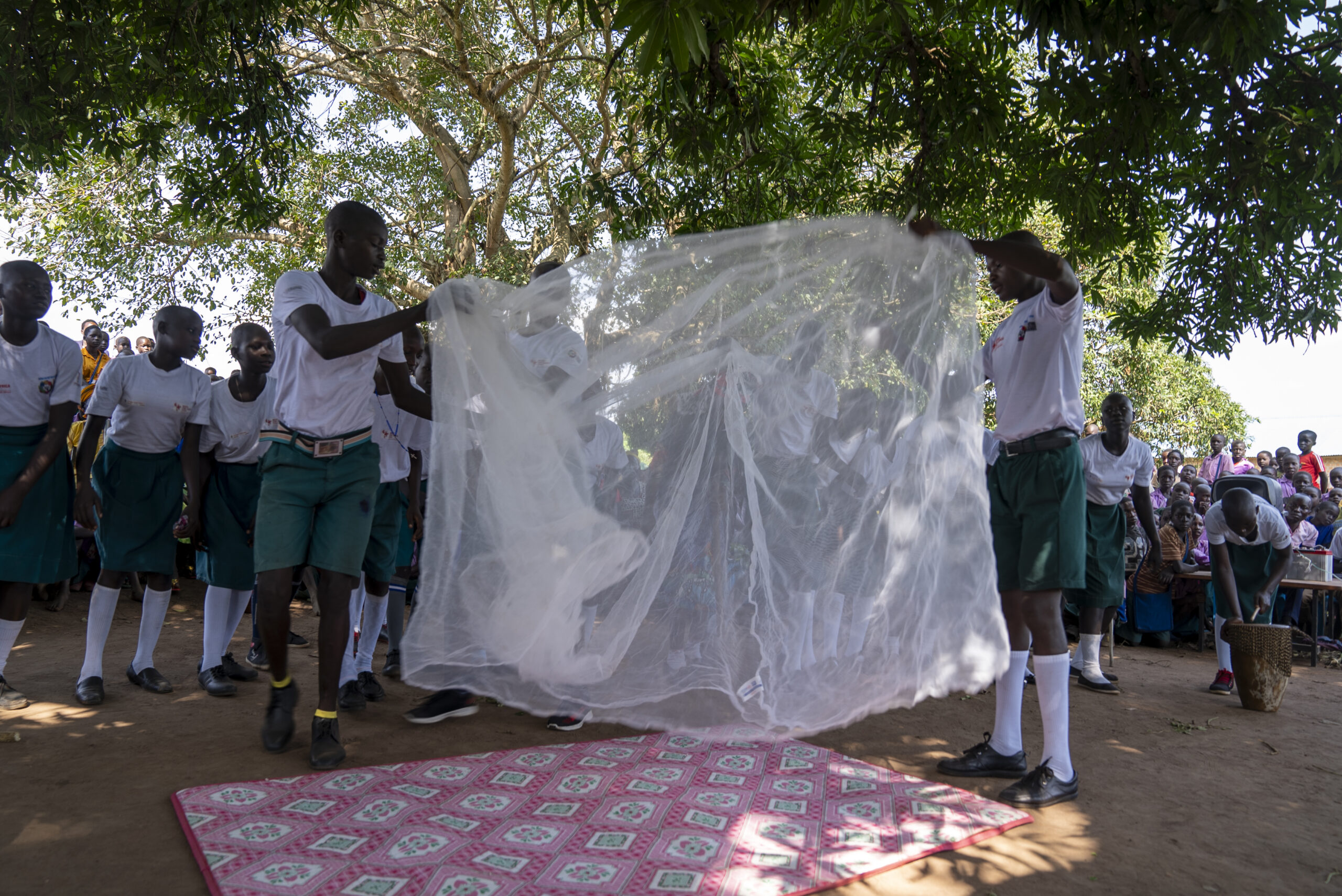
In the Karamoja, Teso, Acholi, and South-Central regions, we are working to strengthen the national health system’s response to the fight against malaria. In addition to distributing long-lasting insecticide-treated mosquito nets, we support local health facilities in case management, ensuring the constant availability of rapid diagnostic tests and antimalarial drugs.
We adopt a community-based approach, training new health workers who visit households across the area to promote good practices and raise awareness on prevention.
Still in Karamoja, efforts to control tuberculosis continue, with over 4,000 patients treated in 2024.
Chronic Disease Control
Cervical cancer is the second most common cancer among women in Africa. At Matany Hospital, we have introduced testing for the presence of Human Papillomavirus (HPV) DNA in order to strengthen prevention efforts and detect early lesions before they can progress to malignancy.
On Training
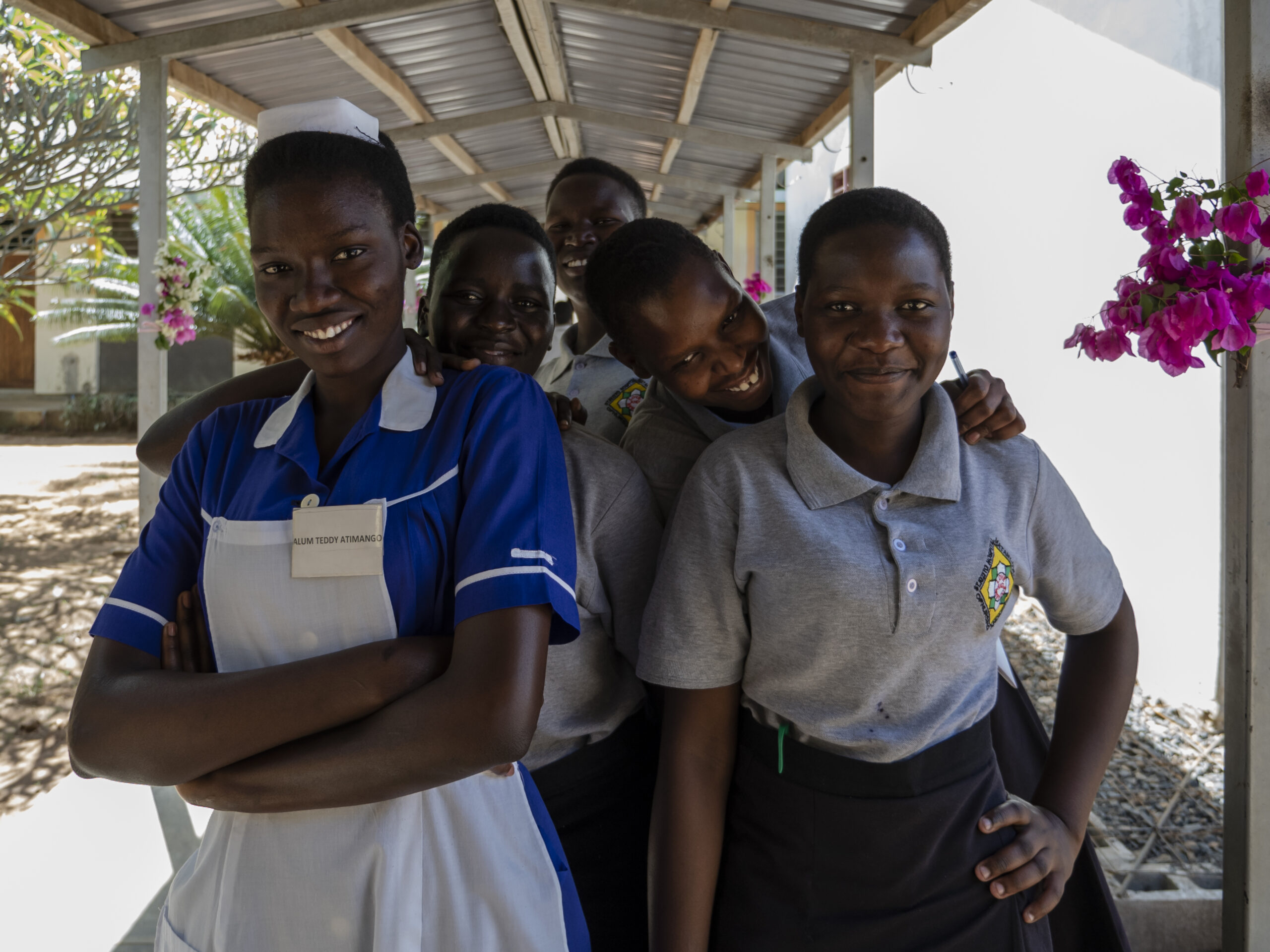
At Matany, the nursing and midwifery school trains over 40 new healthcare professionals every year, while in the Oyam and Napak districts and at Aber Hospital we provide continuous medical training for health managers.
Our impact in Uganda
138.058
Antenatal visits
164.600
Medical visits for children under five
63.232
Vaccinations