
IN THE FIELD
Fighting malaria: community prevention and treatment in Karamoja
Africa, Uganda
For mothers and children
Training in Africa
Infectious diseases
In Uganda, malaria remains one of the leading causes of illness and death, disproportionately affecting children under five and pregnant women. In the Karamoja region, the fragility of the healthcare system and climate-related challenges make communities particularly vulnerable to the spread of the parasite. Despite ongoing efforts, the numbers remain high: in the first quarter of 2026 alone, more than 138,000 suspected malaria cases were recorded among young children in the intervention area, confirming the urgency of sustained and widespread action.
We operate in 17 districts across the Karamoja, Teso, Acholi, and South-Central regions to strengthen the national health system’s response to malaria, bringing diagnosis and prevention services to the last mile.
-
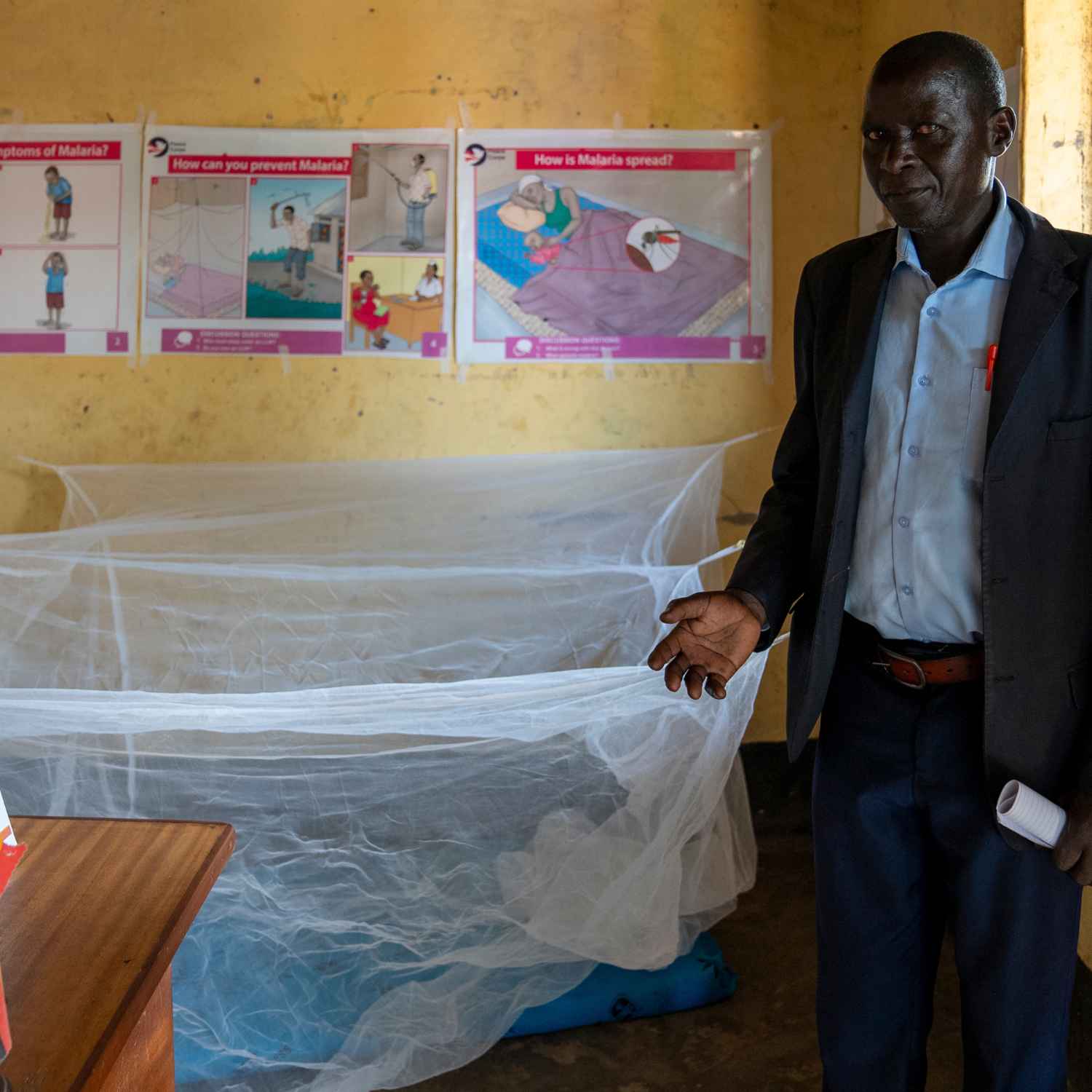
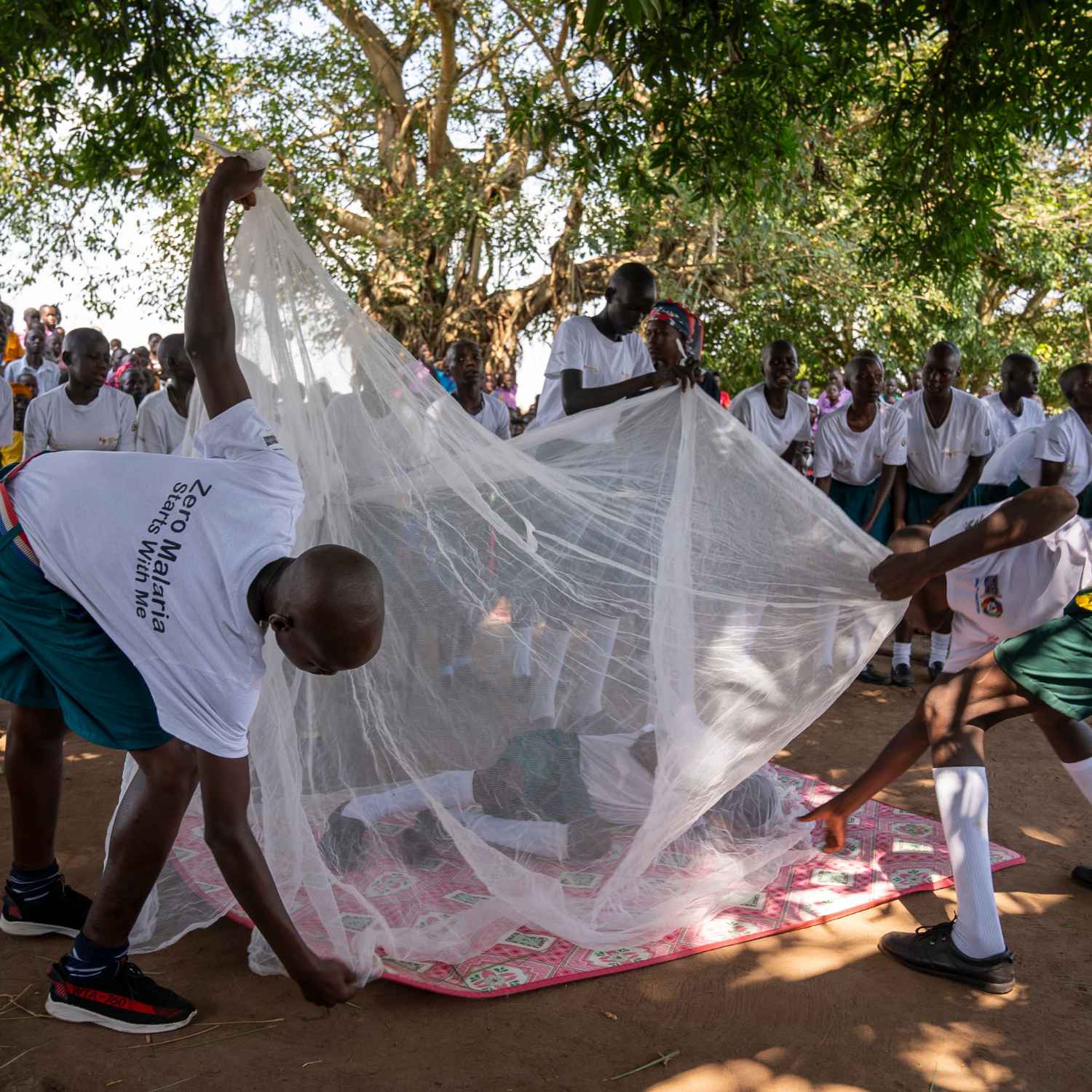
 We distribute long-lasting insecticidal nets (LLINs); recently, we delivered over 23,000 nets to pregnant women during antenatal visits and about 15,000 to children during vaccination sessions.
 -
 We provide intermittent preventive treatment in pregnancy (IPTp), ensuring that women receive the necessary doses to protect themselves and their unborn children during pregnancy.
 -
 We adopt a community approach by training local health workers who visit households door-to-door to identify cases, promote prevention, and refer critical patients to hospitals.
We cannot stop: to win the fight against malaria, every element is essential. It is crucial to ensure that diagnostic tests and mosquito nets are always available—even in the most remote areas where roads end and villages remain isolated. But supplies alone are not enough: the dedication of the healthcare workers we train every day is key, ready to respond with competence and speed wherever an outbreak emerges.
Supporting this effort means providing a concrete response to those most vulnerable. It means preventing hospitalizations and suffering that can be avoided, allowing children to run and grow up healthy, and enabling mothers to experience pregnancy with peace of mind and safety—even in the most remote corners of the country.