Supporting the neonatal care unit at Matany Hospital
Uganda ranks 159th out of 193 countries on the Human Development Index. Despite national progress, significant regional inequalities persist: Karamoja remains one of the most disadvantaged areas, with still very high maternal and neonatal mortality rates.
In this context, St. Kizito Hospital Matany is a vital referral centre serving around 1.5 million people. As a private not-for-profit facility, it receives only about 16% of the funding it needs from the government. To ensure access to care for those who cannot afford it, the hospital relies heavily on the support of partners and donors.
- Continuous access to quality care
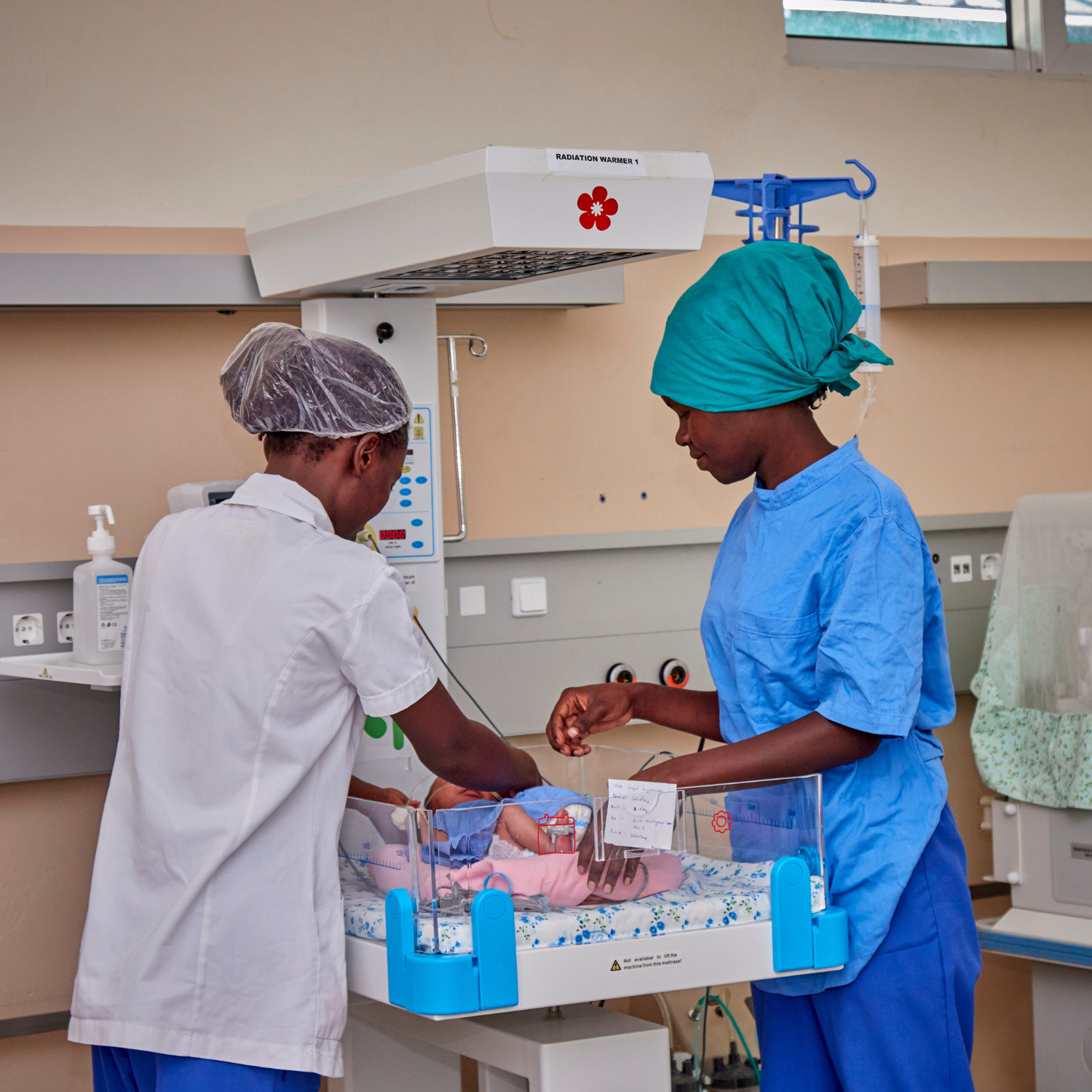
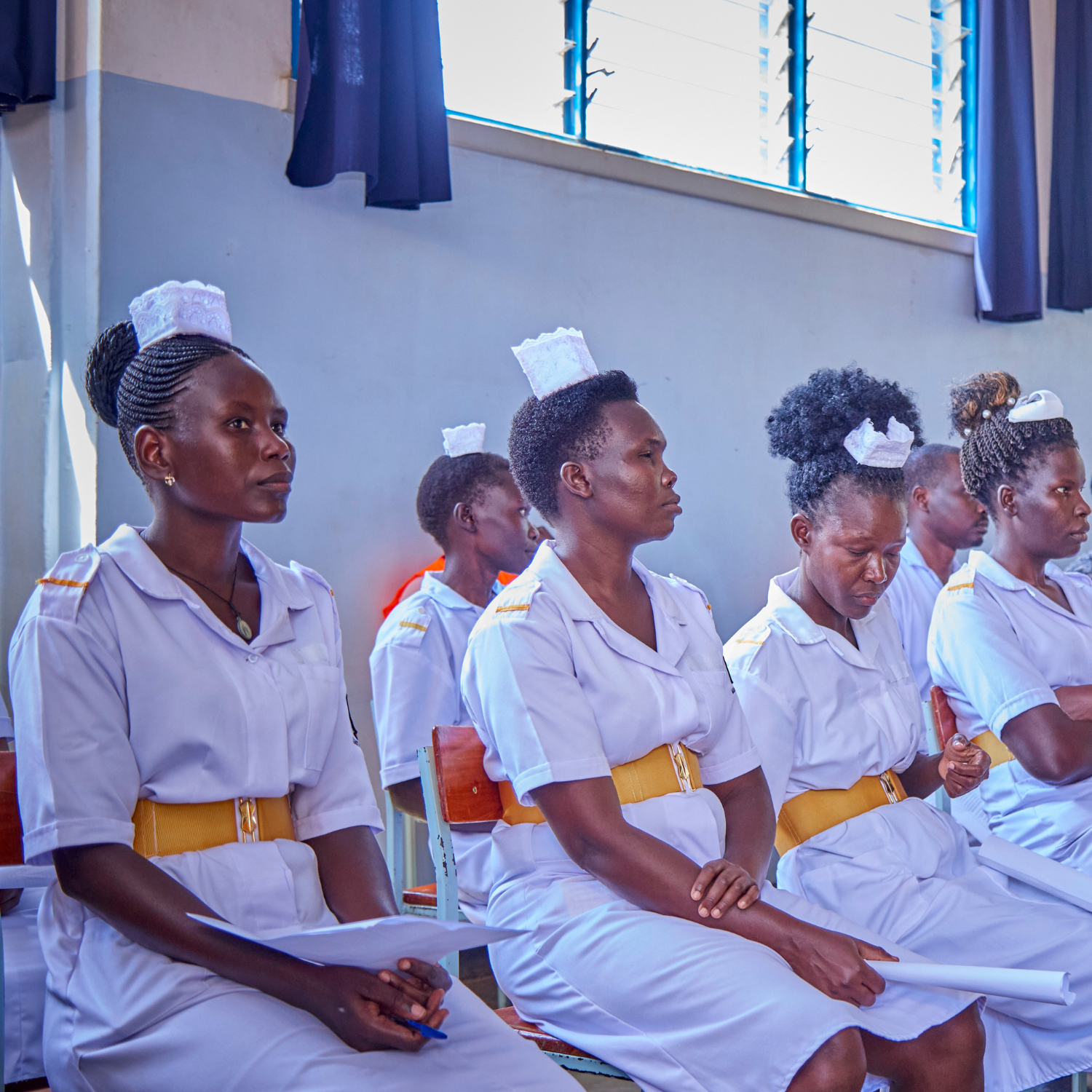
- Qualified professionals: we guarantee the presence of nine health workers (midwives and nurses) covering 24-hour shifts.
- Clinical monitoring: we look after patients with regular vital signs checks and daily medical reviews to track each newborn’s condition and progress.
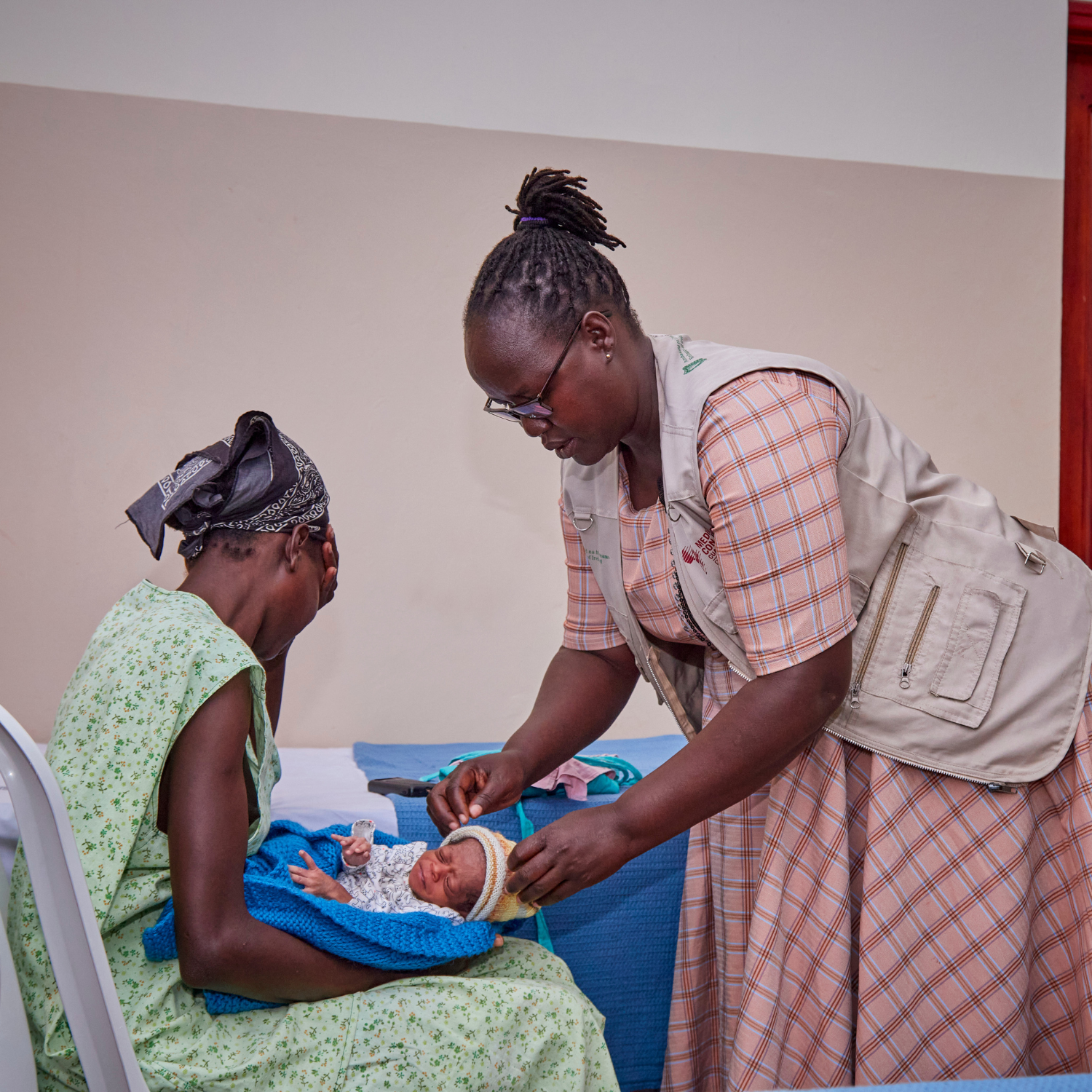
- Prevention and hygiene: we place strong emphasis on family-centred care. Mothers are supported and trained on breastfeeding, hygiene practices and the Kangaroo Mother Care approach. Strict infection prevention and biosafety protocols are applied at all times to protect the most vulnerable newborns.
Supporto alla neonatologia dell’ospedale di Matany
-
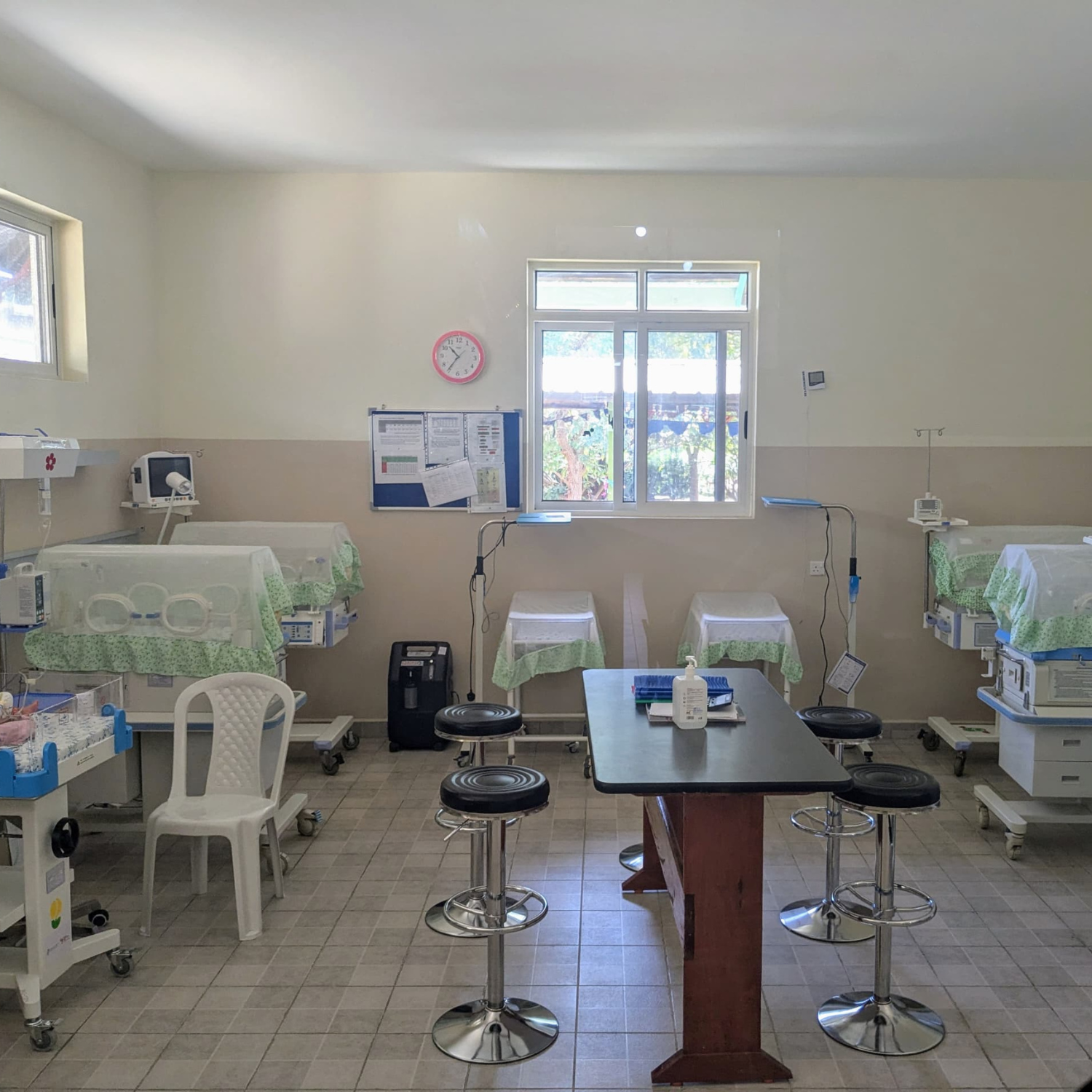
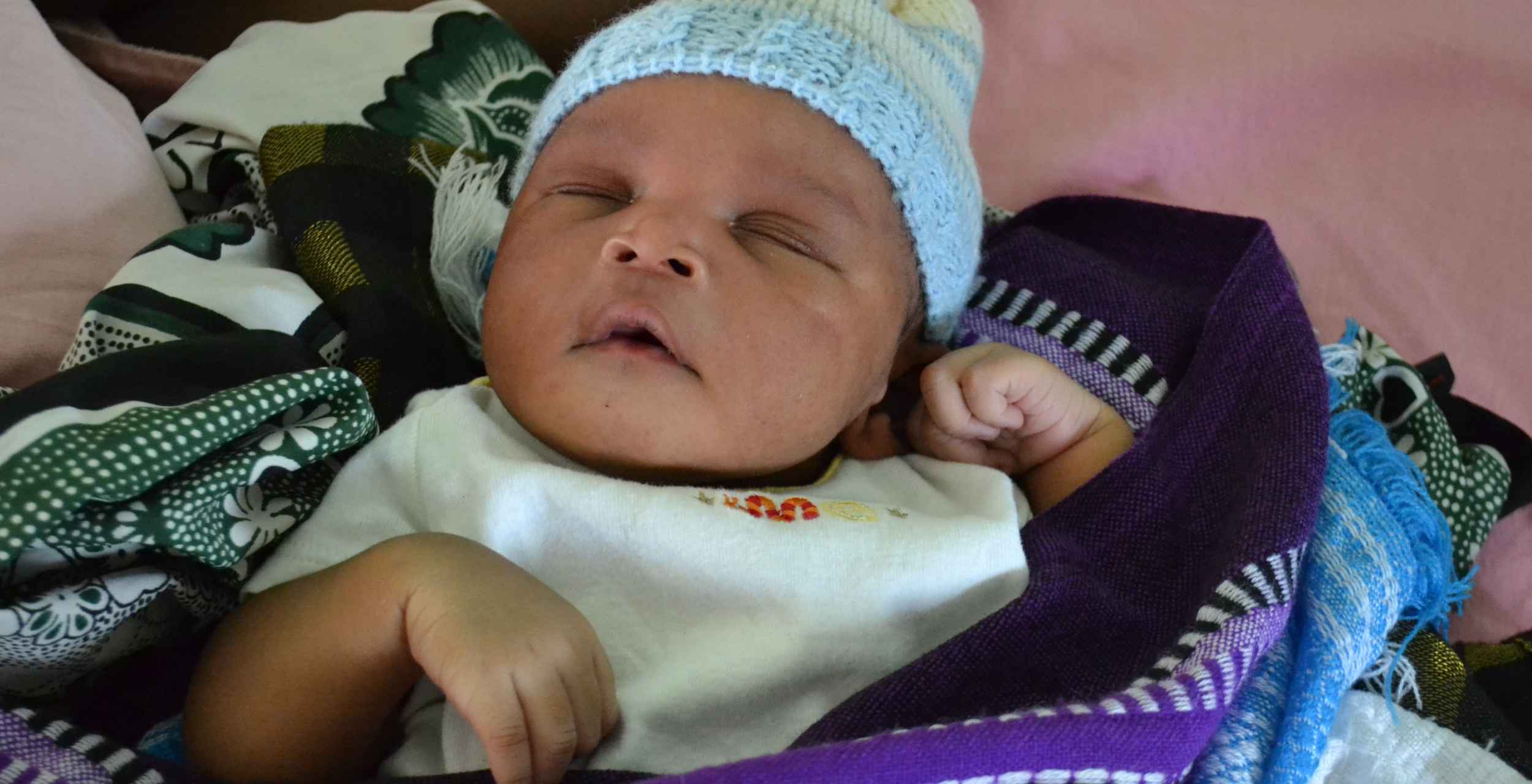
 In the first eight months of activity, the service has cared for 335 newborns, with an average of 42 admissions per month. A dedicated team of nine health workers (midwives and nurses) ensures 24-hour coverage. Newborns are continuously monitored through vital signs checks and daily clinical assessments to track their progress and respond promptly to any complications. Strong emphasis is also placed on mothers’ education, including breastfeeding, hygiene practices, and Kangaroo Mother Care. The unit applies strict biosafety and infection prevention protocols, essential to protect the most vulnerable newborns.
To ensure the proper functioning of the neonatal unit, it is essential to cover ongoing operational costs, including continuous staff training, equipment maintenance, and sterilisation materials. Each newborn admitted to intensive care requires specialised treatment, with an average cost of €80 per child.
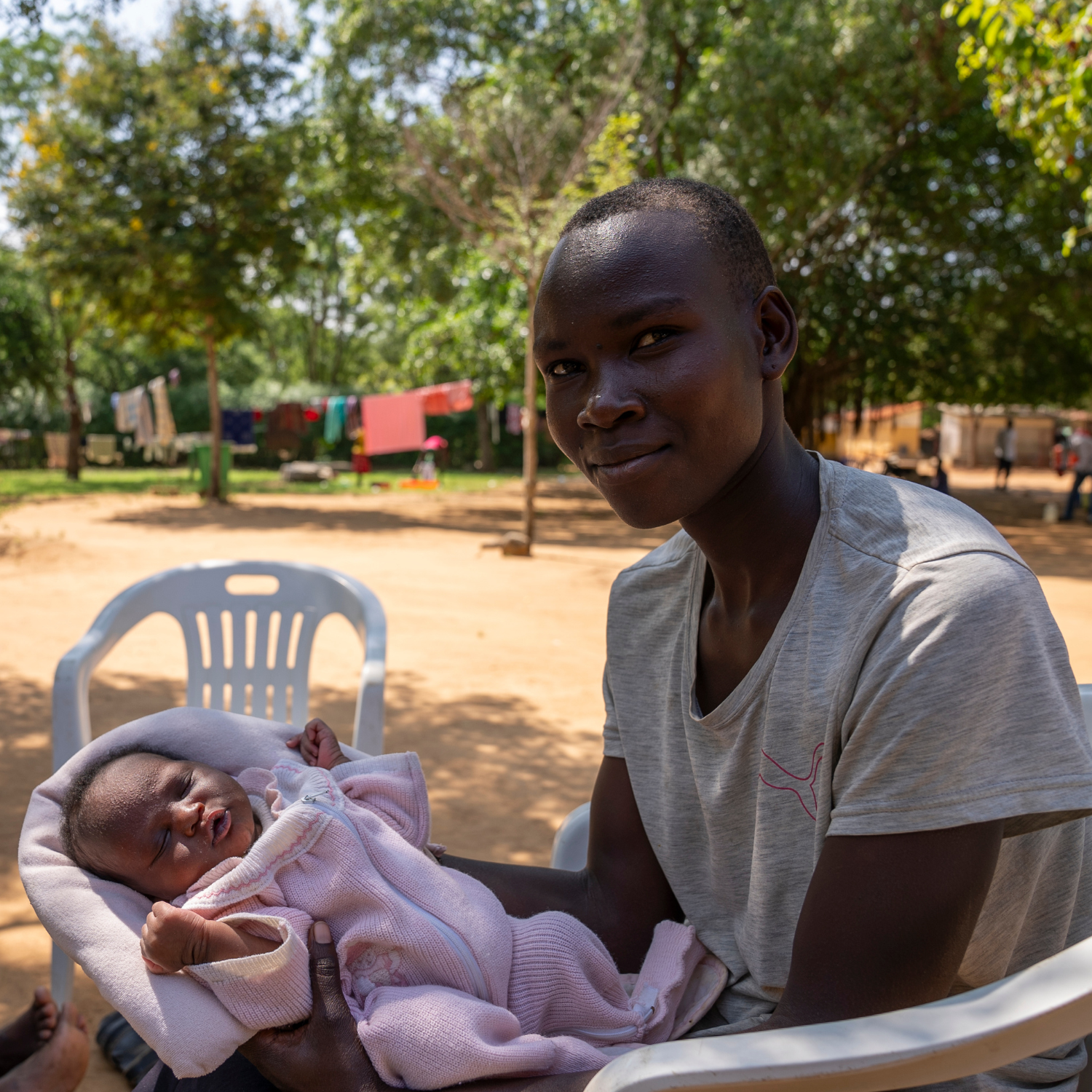
Supporting this intervention means giving the most vulnerable children in Karamoja a real chance of survival, ensuring access to quality care regardless of their families’ economic situation.