Making the difference in research and field work

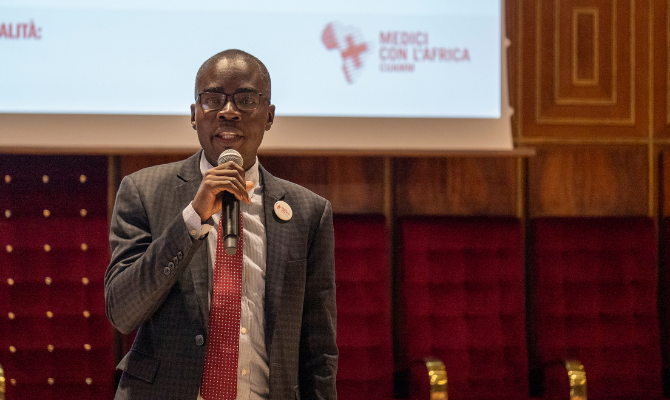
Building lasting change from the ground up. One step at a time by working every day alongside the people most in need, without ever losing sight of the importance of dialogue with institutions. This is what Jerry Ictho, doctor and technical advisor at CUAMM Uganda, has learned to do over nearly ten years of collaboration with the Organization.

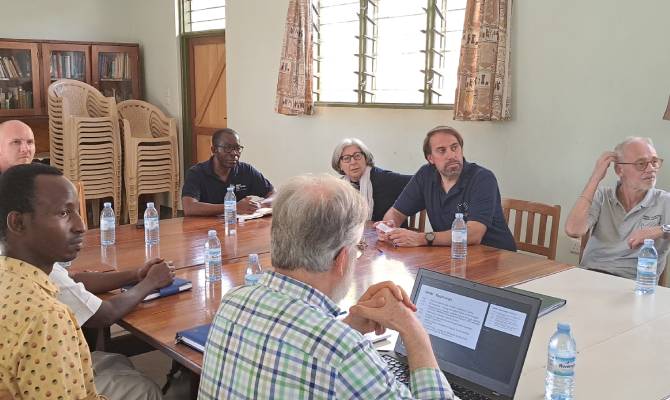
This year, in April, Jerry came to Italy as lecturer at the training course Implementation Research: three days dedicated to deepening the themes of operational research in the Global South. That’s Jerry’s expertise and his main job at CUAMM. Before joining Doctors with Africa CUAMM, he spent six years working in the national health system, deployed in the rural district of Zombo, in West Nile. Then he met CUAMM and that was an encounter which he describes as a calling: “It’s a mission that deeply touched my heart.”
The opportunity to combine clinical practice, research, and prevention into one strategy for building change convinced him to join the team.

“Our work is always moved by evidence, context analysis, and research,” he explains. “It is an integrated and differentiated approach that allows us to connect the dots and achieve quality results, even where others might get stuck. For us,” he adds, “this is the key tool to bring about structural improvement. It allows us to merge consistent and effective fieldwork with scientific research, in ongoing collaboration with universities. That’s what makes the difference.”

Not only with universities: working side by side with the local health system is also essential to improve the quality of the work being done.

“We’re not here just to provide treatment, but to build something that will last.” Working in remote areas is an essential part of this vision. Yet doctors often prefer to stay in cities, where the standard of living is higher. But with CUAMM, you’re encouraged to get to the hardest-to-reach areas. We work from the ground up: we want to be where the need is greatest.”

A choice that entails complex challenges. Among them, the recent Mpox outbreak, and malaria, which remains widespread. Also, increased rates of malnutrition resulting from the climate crisis, which brings alternating periods of extreme drought and severe flooding — threating agriculture.

And while prevention is key to success in healthcare, putting it into practice ain’t always easy. In refugee camps for example ensuring preventing measure to tackle epidemic outbreak remains a challenge and Uganda is currently the country hosting the largest refugee population in Africa and the 6th largest in the world.

 “The doors of our country are open to those in need: in recent times we’ve welcomed many South Sudanese, Congolese… but their living conditions are dare and funds are too often unsufficient”.

The situation has recently been compounded by the aid cut of USAID, which severely affected humanitarian projects in Uganda.

“We had to stop activities, let people go, suspend programs. It was a shock. Politically, the issue is more complex — some believe that this new situation may push the system to reorganize, to make better use of available resources and reduce corruption. But we were absolutely not prepared to do that. The Minister of Health presented the revised budget in light of these cuts, and the numbers are staggering. The impact has been, and continues to be, devastating.”

Despite the difficulties, Jerry doesn’t lose hope.

“With CUAMM, we walk together and find solutions together. In times of difficulty, I remind myself: if you have the chance to make a difference for your country, why wouldn’t you?”
Improving access to safe water, sanitation and hygiene

Access to clean water is a basic human right, yet it remains a privilege for the few. In 2022, 2.2 billion people still lacked access to safely managed drinking water services, while 3.5 billion people were deprived of access to safely managed sanitation.

Universal access to clean water is closely related to hygiene and sanitation services, known as WASH. Inadequate access to WASH services is responsible for as much as 10% of the global burden of disease, contributing to 1.6 million preventable deaths each year, including 60% of all deaths due to diarrheal diseases. In 2022, 3.5 billion people still lacked safely managed sanitation.

Goal 6 of the UN 2030 Agenda for Sustainable Development aims precisely at ensuring universal access to safe drinking water and sanitation. The accomplishment of this goal is a necessary condition for achieving the other SDGs related to poverty, health, education, gender equality and environment. The most vulnerable regions in terms of water availability and access are often located in areas under severe environmental stress and difficult economic and political conditions, where consequently also access to safely managed WASH services in both households and key community facilities, such as health facilities and schools, is very limited.

Over the years CUAMM has implemented numerous WASH projects across several African countries, particularly in Mozambique, Angola and Uganda among others with the key objective of improving access to clean water, sanitation and promoting adoption of desired hygiene and sanitation practices to curb morbidity and mortality due to preventable environmental factors. Our approach is comprehensive and includes a multi-pronged approach that includes infrastructure
development, community-based behavioral change
and health prevention and promotion interventions, hygiene and sanitation in healthcare facilities and outbreak prevention and response.

CUAMM places a strong emphasis on improving water, sanitation and hygiene practices (WASH) at community, household, and individual levels. We achieve this by integrating WASH messaging and education within our community-based health promotion and mobilization campaigns through the Social and Behaviour Change (SBC) strategy.

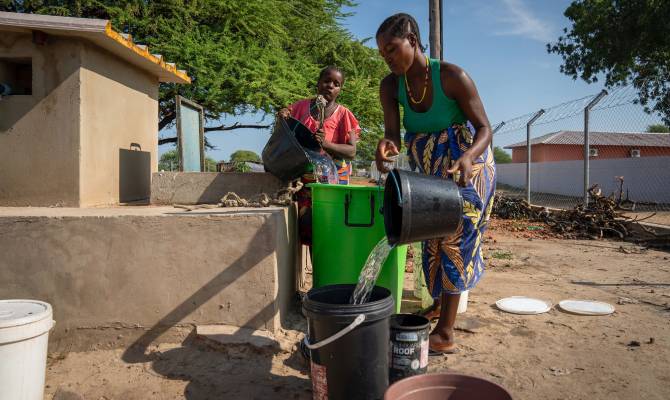
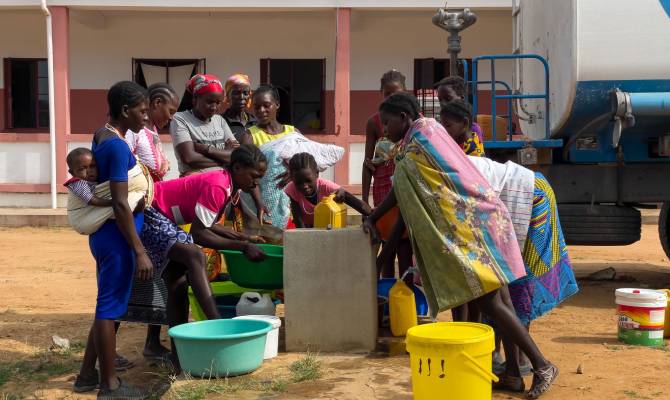
In Cunene province, Angola, thanks to the commitment of the agents from the GAS groups – Grupo de Água e Saneamento (water management groups in English), communities are being sensitized and informed about the correct use of wells to ensure good hygiene and sanitation practices and prevent waste. In addition,  GAS is also responsible for collecting a “symbolic” monthly payment from the households using the water point, to manage maintenance but also to increase ownership.
The intervention has been implemented following a
Community Management Model, actively involving all members throughout the process and making agents of change themselves. The activity is part of the project “Reducing nutritional vulnerability in the municipalities of Cahama and Ombadja through community surveillance and increasing access to safe water sources”, supported by Camões I.P. under the FRESAN Programme in partnership with the Municipal Administrations and the Municipal Directorates of Energy and Water and the Health.

In Mozambique, the “Familia Modelo” program has provided a platform for CUAMM to engage with community members, including parents and caregivers on WASH-related topics. By empowering families to become role models and champions of good WASH practices, CUAMM has created a multiplier effect, where the impact of school-based interventions is amplified through the active participation and support of the broader community.

Similarly, the “Smart Home” program in Uganda focuses on educating families on the importance of proper handwashing, safe water storage, and maintaining a cleaner living environment. By linking community-based WASH interventions with this household-level program, CUAMM ensures that knowledge and skills are applied at home, creating a more comprehensive and sustainable approach.

Uganda welcomes a special visit

CUAMM team in Uganda has recently received a delegation from the Italian Agency for Development Cooperation (AICS) led by AICS Director General Mr. Marco Rusconi and accompanied by AICS Desk Officer for Eastern and Southern Africa Ms. Paola Abenante, Director of AICS office in Kampala Mrs. Teresa Savanella and the AICS Uganda Program Coordinator Dr Paolo Giambelli.

The occasion was an official visit by the Italian Ministry for Foreign Affairs and International Cooperation/Directorate General for Development Cooperation (MAECI/DGCS) and AICS for a bilateral meeting on the perspectives of development cooperation with the Government of Uganda.

The AICS delegation paid a visit to two hospitals supported by CUAMM, namely St. John XXIII Hospital Aber in Lango region and St. Kizito Hospital Matany in Karamoja on the 2nd of March where they have been welcomed and guided by CUAMM Country Manager Mr. Peter Lochoro. By visiting the facilities, the delegation had the opportunity to meet up with both the hospital administration staff and CUAMM health workers.

CUAMM regional coordinator Mr. Simone Cadorin hosted the visit at St. Kizito Hospital Matany. On this occasion, the participants had the chance to discuss the “ALL IN ONE” project on antimicrobial resistance funded by AICS and implemented by Doctors with Africa CUAMM and C&S Africa Mission. This visit was also the occasion for Mr. Peter Lochoro to present the work CUAMM has been and still is doing in the region and indeed in the entire country. Doctors with Africa CUAMM works in Uganda since 1958, to date the Organization supports 13 hospitals and 354 health facilities across the country. The main area of intervention include maternal and neonatal care, prevention and control of infectious diseases and nutrition.

«Despite the challenges we face every day, we remain committed to supporting Matany hospital. Today, we are glad to showcase the results of our long-term presence in the region which is key to ensure continuity of care to the people of Karamoja» said Peter Lochoro – CUAMM Country Manager.

The visit arrived in a very challenging moment. Just a month ago the funding cuts on USAID-funded projects executed by the Trump Administration left international organization shocked, including CUAMM.

As a consequence of the notified order, Doctors with Africa CUAMM has been obliged to interrupt its activities on TB and maternal and neonatal care in Karamoja region. A decision which impact is not only devastating on staff members but also, and mostly, on people whose lives may have been saved by health services supported by cooperation interventions. Despite the funds no longer available, CUAMM remains committed to continue its work on TB and maternal and neonatal care in the region.

Where obstetric emergencies are a race against time

Faith arrived at Matany Hospital, Karamoja region, northern Uganda, on the verge of giving birth. It was her second pregnancy.

When she arrived at the hospital, she was admitted for gastroenteritis and a urinary tract infection. CUAMM team began treatment, and after four days, Faith’s condition improved. But just as everyone breathed a sigh of relief, her membranes ruptured.

Labor was expected to begin soon after, but the contractions didn’t start—not even 48 hours later.

An ultrasound revealed that the baby was healthy, estimated to weigh over 2.2 lb. However, the amniotic fluid was scarce, and the risk of infection was real. In this situation, the possibility of intrauterine fetal death couldn’t be ruled out.

“We had to help Faith give birth – said Claudia Ciglioni, a gynecology resident -. Unfortunately, we couldn’t give her medication to induce contractions because the uterine scar from her first delivery might have caused a dangerous rupture”.

The only option for this young mother was a second cesarean section, she had already undergone one to give birth to her first child. Unfortunately, that same afternoon, two obtetric emergencies, far more critical, arrived at the hospital and the medical team decided to intervene immediately. In a low-resource setting, where resources are limited, and qualified staff scarce, difficult choices must be made. With adeguate care and observation, Faith might have waited.

“I was worried about the complications caused by her ruptured membranes, which had already been broken for two days – Claudia explained -. I had dealt with similar cases before, and sadly, if you don’t act promptly, saving the baby becomes very difficult. So, I decided not to wait and took Faith to the operating room at the end of the day”.

Adhesions from Faith’s first pregnancy made the cesarean more complicated than expected. Shortly after hearing her baby’s cry, Faith starting bleeding severley.

Postpartum hemorrhage is a serious and dangerous complication that requires immediate treatment. If not managed promptely by qualified personnel in a hospital’s theatre room, it can be life-threatening.

Faith was fortunate. Thanks to essential medications and the expertise of the medical team, the bleeding was quickly controlled. Faith’s story has a happy ending, thanks to the commitment of doctors and nurses who assisted her.

To date, too many women still die during pregnancy or from childbirth-related complications: approximately 280,000 globally, the majority in sub-Saharan Africa. In Uganda, the maternal mortality rate stands at around 284 per 100,000 live births—a number we aim to reduce to zero. Day after day, year after year, we work tirelessly to promote the health and well-being of mothers and children.


A shared commitment: the health of mothers and newborns

“Increasing Access to Specialized Maternal and Neonatal Services in Karamoja and Lango Region 2024-2026”: this is the priority goal of Doctors with Africa CUAMM together with the Ugandan Ministry of Health, particularly through the recently launched two-year project in Uganda, funded by the ELMA Foundation.

Activities are taking place, in synergy with CUAMM’s already active interventions, in four districts of Karamoja (Moroto, Amudat, Kaabong and Abim) and three districts of Lango (Alebtong, Otuke and Oyam), involving 66 health facilities.

Although there have been improvements in the reduction of maternal mortality, there still remain problems related to the management of obstetric emergencies during the perinatal period and the resulting outcomes. Indeed, wide regional disparities exist: according to the Maternal and Perinatal Deaths Surveillance and Response Report (MPDSR) 2023-24, the maternal mortality rate in Karamoja is 73.9 per 100,000 live births compared to 61.1 per 100,000 in Lango.

The districts involved were chosen because they have limited access to maternal and neonatal services while having a high patient load. This project will therefore seek to address the challenge of neonatal death and increase the survival of children under 5 years old,” said Peter Lochoro, Uganda Country Representative for Cuamm.

The intervention focuses on on-the-job training and mentoring of health workers to implement quality maternal and neonatal services by strengthening leadership, management and accountability skills from district and national authorities.

The ELMA Foundation has been supporting us for over 6 years to improve human resource skills and capacities by qualifying health workers through scholarships and promoting mentorship,” added Peter Lochoro.

Specifically, the intervention works on multiple levels and aims to: improve access and quality of care for women during pregnancy, including cervical and breast cancer screening; facilitate Village Health Teams, village health workers, and “peer mothers” in implementing community-based care services, including case referrals and patient follow-up; and engage and raise community awareness of maternal and newborn services.

In addition, it is intended to strengthen emergency referral systems by improving the functionality of ambulance services and providing vouchers to transport patients from communities to health facilities and between facilities and the 9 Comprehensive Emergency Obstetric Care sites for the comprehensive care of obstetric and neonatal emergencies. In this regard, efforts are being made to improve access and quality of care during labor and delivery by supporting the continued functionality of 3 CEmONC sites in Amudat and Oyam districts, specifically the operating rooms; ensuring the availability of needed drugs and medical equipment, along with the availability of blood and blood products; fostering better action planning; and ensuring surveillance and response to maternal and perinatal deaths (MPDSR).

Improved care for women is complemented by efforts to improve access and quality of care for newborns by investing in growing the clinical skills of health workers in advanced neonatal resuscitation care with innovative technologies, facilitating the adoption of infection prevention and control (IPC) practices, strengthening neonatal clinical care in 9 CEmONC sites, and facilitating the use of the “Kokono” device, a protective cradle to create a safer environment for newborns.

The launch event, held in Soroti, was attended by district political authorities and technicians from the 7 districts involved. The impact of collaboration with CUAMM is being felt, the results on the ground are tangible, and the goals of this project are in line with the Ministry of Health’s national sustainable development priorities,” said Rita Akankwasa, ELMA representative.

Every day in Uganda, and in all the countries where CUAMM has a presence, we try to go the extra mile, together, to ensure that mothers and children can have access to the quality health services they are entitled to.

Antimicrobial Resistance A Global Health Challenge

Less than a century ago, the fortunate discovery of penicillin revolutionized medicine: until 1929, the world had to contend with daily deaths caused by infections without effective treatments. Today, however, millions of lives are at risk due to infections that no longer respond to available therapies: this is the threat of antimicrobial resistance. To raise awareness about this issue, the WHO has been observing the World Antimicrobial Awareness Week every year since 2015, from November 18 to 24.

A Global Health Threat

Numerous studies have highlighted that the danger now lies not only in pathogens themselves but also in the mechanisms these microorganisms adopt to defend against our attacks. This phenomenon, known as antimicrobial resistance (AMR), represents a global health emergency. Bacteria, viruses, fungi, and parasites can develop mechanisms that make them resistant to drugs designed to kill them or inhibit their growth—these drugs being antimicrobials.

Within this broader issue, the international community is particularly concerned about antibiotic resistance: the ability of bacteria to resist the action of antibiotics and pass this adaptation on to future generations. This undermines the effectiveness of standard treatments, severely impacts healthcare quality, and turns even common infections into potentially fatal conditions. The rise of antibiotic resistance is driven by the overuse of antibiotics in humans and in hospital settings. However, it is also closely linked to environmental factors, such as the use of antibiotics in livestock and agriculture and poor hygiene and sanitation systems with improper disposal of wastewater containing partially active antibiotics.

Antibiotic Resistance: A Serious and Growing Global Concern

WHO estimates reveal the severity of the phenomenon: antibiotic resistance is already a significant cause of mortality. Globally, it is estimated that 1.27 million deaths per year (WHO) are due to antibiotic-resistant infections. In the African region alone, around 250,000 deaths annually are directly attributable to antibiotic-resistant bacteria.

The African Continent

In resource-limited settings where infectious, sexually transmitted, and tropical diseases have high incidence rates, antibiotic resistance takes on even greater significance. Africa accounts for 95% of global malaria deaths, 70% of people living with HIV, and 25% of tuberculosis-related deaths (Africa CDC). In 2019 alone, antibiotic resistance was linked to 55,000 deaths from HIV and 30,000 deaths from malaria, underscoring the severity of the crisis in the region. Beyond the misuse and overuse of antimicrobials, additional factors exacerbate the impact in African nations: migration, low vaccination rates, environmental contamination from pharmaceutical and hospital waste, lack of access to clean water and sanitation, inadequate infection prevention measures, and limited knowledge and training. Antimicrobial resistance places additional strain on health systems, as standard treatments become ineffective, hospital stays lengthen, and healthcare costs rise.

CUAMM’s Operational Research on the topic

Antibiotic resistance is a complex and interdisciplinary issue that spans clinical care, epidemiological surveillance, and public health. This holistic perspective has shaped CUAMM’s collaborative research efforts to deepen field knowledge in Uganda.

The Opt-AMR project, led by the Centre for Infectious Disease Control in Zambia (CIDRZ) and involving the Makerere University (Uganda), Malawi-Liverpool Wellcome Trust Centre (MLW), Medici con l’Africa CUAMM, and Liverpool School of Tropical Medicine, focuses on investigating fever management and antibiotic administration in children. The study addresses both the biological dimension of antibiotic resistance—collecting samples to directly examine bacterial populations—and the community dimension, analyzing how care is managed and treatments are administered. In resource-limited settings, healthcare workers, community health providers, traditional healers, and medicine vendors are often the first responders in treating childhood febrile illnesses, offering support to mothers. Understanding the processes of diagnosis, care management, and antibiotic administration is essential to identifying whether and how unnecessary broad-spectrum antibiotics are being used, and how interventions can improve these practices.

Another research initiative, Advancing Antibiotic Resistance Surveillance and Harnessing Antimicrobial Stewardship in the Karamoja Sub-region (ARSK), linked to the ALL IN ONE project in Uganda’s Karamoja region, explores antibiotic use patterns and the knowledge, attitudes, and prescribing practices of healthcare professionals at St. Kizito and Moroto hospitals. These insights will inform updates to clinical guidelines for antibiotic prescribing, hygiene practices, and patient education. Collaborating with Makerere University and the Uganda National Council for Science and Technology, the research also examines samples from hospital surfaces (e.g., floors, workstations) as well as from healthcare workers and the general population to study bacterial population responses to antibiotic use.

Strengthening Global Partnerships

CUAMM’s operational research has recently expanded to include collaboration with the World Health Organization as part of the Infection Prevention and Control (IPC) network. By rigorously analyzing hospital practices to minimize infection risks, identifying gaps, and implementing improvement strategies, CUAMM aims to limit the emergence of resistant bacteria and safeguard public health.

A Global “One Health” Approach

Antimicrobial resistance (AMR) is a challenge that transcends medicine, connecting human, environmental, and animal health within the One Health framework. Addressing this crisis requires integrated actions, including research, training, prevention, and policy development, to mitigate the impact of a growing threat to public health worldwide.

CUAMM’s work in the field

In Uganda, CUAMM works  to prevent and respond to the outbreak of zoonotic diseases in the northern region of Karamoja thanks to All in One project, implemented in collaboration with Africa Mission and with the financial support of  the Italian Cooperation Agency for Cooperation and Development (AICS).


The long way towards ending gbv

One in four adolescent girls in Uganda becomes pregnant before the age of 19. In the Oyam district, where Medici con l’Africa Cuamm began operating in 1996, the percentage is even higher, at 28.5% (source: DHIS 2). The consequences of these early pregnancies have long-term effects on the lives of young girls, including forced marriages, school dropouts, lack of financial independence, social marginalization, stigma, and gender-based violence, to name a few.

According to the Gender Index, in Uganda, approximately 35% of girls drop out of school due to early marriages, and 23% due to teenage pregnancies (UBOS and ICF International, 2012). Child marriage violates the fundamental rights of girls and women, denying them many others, such as the right to education, the freedom to choose whom and when to marry, when to have children, and how many children to have, as well as the right to be safe from sexually transmitted infections. Moreover, data on violence against married women by their partners show that violence against adolescent girls aged 15-19 is higher in all forms compared to violence against adult women aged 20 and above. While 16% of women aged 15 to 49 report experiencing sexual violence, the actual figures could be much higher.

«The community always blames women and young girls. If you got pregnant, it’s because you allowed someone to harm you. It’s your fault- says Ejang Irene, 17 years old – we need to do more to raise awareness about gender-based violence, but we can’t give up on seeking justice. By doing so, we also show that it is a violation of human rights».

Irene (a pseudonym) lives with her family in Oyam District, Uganda. At the age of 15, she had to drop out of school because her parents couldn’t afford the cost of education.

«I wanted to help them and become financially independent, so I started a sewing course. That’s where I met the man who harassed me» Irene told the Cuamm team, who supported her from the moment she filed the report to the trial, providing her with medical care and psychological support.

Medici con l’Africa Cuamm is operating in the Oyam district, in the Lango region, with a series of activities aimed at increasing the availability of and access to social and health services for the most vulnerable adolescent girls, with a particular focus on gender-based violence. The intervention, which covers 11 counties in the district, involves local authorities, associations, schools, and community leaders in intensive advocacy efforts.

«The education and awareness component is key to preventing gender-based violence – says Monica Peace Alupu, CUAMM Social Worker -. Through radio messaging and the dedicated work of village teams, we ensure that services are accessible to everyone, even in rural and peri-urban areas where abuse and violence cases are more frequent».

It is precisely fieldwork that gives concrete support to the intervention, aiming to provide women and young girls with tangible help to escape the cycle of violence they too often endure, addressing their most urgent needs: health and legal assistance.

Community mobilization allows field agents to personally receive reports that might otherwise go unheard while simultaneously raising awareness about available services. Since 2022, CUAMM, in close collaboration with district authorities, has established the first call center in Oyam district. This hotline provides an integrated service for reporting cases of violence, offering psychological support, legal assistance, and clinical care.

Two trained CUAMM social workers manage the hotline, working alongside the District Probation and Social Welfare Officer’s office. The first step involves informing the individual about available services, including healthcare, as well as their rights and potential legal avenues. The social workers act as intermediaries, facilitating the reporting of incidents and initiating the clinical process, which, in cases of physical violence, must be completed within 72 hours in order to prevent sexually transmitted infections and unintended pregnancy. At the same time, legal proceedings are pursued—a path that can be both time-consuming and resource-intensive.

«Unfortunately, the greatest challenge remains ensuring that justice is served for these young girls and women. The system is fragile, judges often are absent, and witnesses fail to appear in court on the day of testimony. It’s difficult to make people understand that gender-based violence is an issue that concerns us all, and one that we must work on together, but we continue to push forward, knowing that we are on the right path» conludes Giovanni Dall’Oglio, CUAMM Doctor and Project Manager in Oyam.

Among the primary challenges are limited access to services for young girls and women in rural or peri-urban areas, the persistent fear of stigma associated with the issue, and the extrimely long duration of legal proceedings, which can take up to three years to conclude.

«In the six-month period from April to September alone, we handled 30 cases. We are committed to ensuring that, once reported, the case does get to court for the woman to have justice but this does not always happen. It is in fact quite common that witnesses fail to appear in court, or that judges themselves are absent. However, we managed to secure two convictions for rape, and this is an achievement considering the average duration of legal proceedings» explains Giovanni Dall’Oglio.

All in One zoonotic disease response


In Karamoja region, northern Uganda, CUAMM is working to reduce the incidence of human and animal communicable diseases through All in One project funded by Agenzia Italiana per la Cooperazione allo Sviluppo and implemented with Africa Mission.

All in One is part of the fight against the Coronavirus pandemic, which has made even more evident the relationship that exists between human, animal, and environmental health.  The objective of the project is to intervene in a context such as Karamoja, at high endemic risk of communicable diseases both human and animal, to reduce the incidence of such diseases, adopting a health model based on the integration of different disciplines that is inspired by the concept of One Health.  The initiative at a global level is aligned with SDG 3, and in particular with target 3.3, and contributes to the implementation at the district level of the One Health National Strategic Plan of the Ugandan government.

The intervention is being implemented in particular in the districts of Napak and Moroto, in a context with a high endemic risk of both human and animal communicable diseases, with the aim of reducing the incidence of these diseases and building more resilient social and health systems, strengthening their preparedness and capacity to respond to diseases.

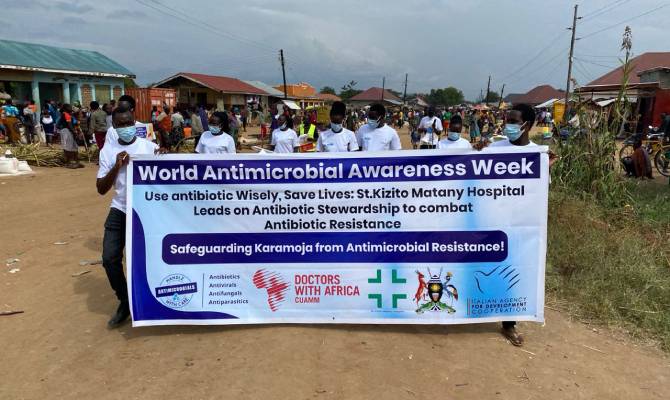
The sensitization activity is being supported by awareness raising activities and radio spot reaching a wide range of population. “Safeguarding Karamoja from Antimicrobial Resistance! Use antibiotic Wisely, Save Lives: St.Kizito Matany Hospital Leads on Antibiotic Stewardship to combat Antibiotic Resistance” is the slogan chose by CUAMM on occasion of the Global Antimicrobial Resistance Awareness Week

All in One acts on three levels namely community, health and livestock to create an integrated system of prevention, monitoring, and control of diseases with epidemic potential, through:

1) the prevention of infections through the improvement of hygiene conditions and practices at the community level. The intervention aims to rehabilitate 70 wells and building 210 pit latrines, promoting the conscious use of safe water sources and improved latrines, and combating the widespread practice of open defecation, which is the main cause of infectious diseases among the community.

2) the improvement of infection and control practices and epidemiological surveillance at the health care level intervening in 16 peripheral health centers and strengthening two hospitals’ laboratories also by supporting the animal infectious disease surveillance system and animal welfare through trainings to veterinary and para-veterinary staff in addition to livestock vaccination.

A Global “One Health” Approach

Antimicrobial resistance (AMR) is a challenge that transcends medicine, connecting human, environmental, and animal health within the One Health framework. Addressing this crisis requires integrated actions, including research, training, prevention, and policy development, to mitigate the impact of a growing threat to public health worldwide.

A new possibility for newborn babies in Karamoja

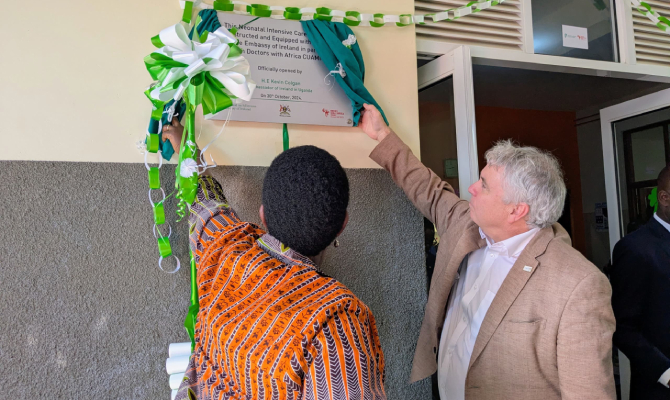
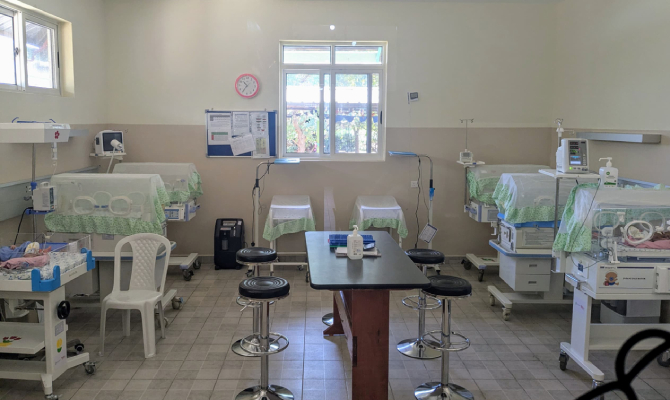
Yesterday, Doctors with Africa CUAMM, together with the Embassy of Ireland and the Ugandan Ministry of Health, inaugurated the new Neonatal Intensive Care Unit (NICU) at the St. Kizito Hospital in Matany in Karamoja, north-eastern Uganda.

Another important step for this region, which continues to be the poorest in the country and has the lowest socio-health indicators, and where access to health services remains a major challenge. Access to neonatal care is too: «in Karamoja there is an average of 550 perinatal deaths per year, of which 160 are neonatal deaths, many of them preventable. One of the main causes is the absence or poor functionality of neonatal units, often lacking in infrastructure or adequate equipment and qualified health personnel» reports Lilly Achayo, Cuamm project leader.

«There are still many newborn babies who lose their lives in Karamoja due to different causes and NICU is instrumental in saving them. I would first like to thank the health workers who work with commitment and dedication in such a complex context. I thank Doctors with Africa CUAMM and the Embassy of Ireland because this intervention will allow neonatal and paediatric cases to be managed differently, generating a positive impact on the entire region» added Diana Atwine, Permanent Secretary of the Ugandan Ministry of Health.

The construction of the NICU in Matany is in addition to the support that CUAMM provides, thanks to Irish Aid, to ensure the functionality of Neonatal Intensive Care Units in three other hospitals in the region – Moroto, Kaabong and Abim. It does this through the development of adequate infrastructure, capacity building of staff and the provision of necessary equipment.

«The new NICU represents a milestone in the 20 years of service of the Embassy of Ireland in Karamoja. We are proud and grateful for the valuable partnerships with CUAMM and the Ugandan Ministry of Health» said Irish Ambassador Kevin Colgan.

The action is part of a broader intervention to strengthen the region’s health system at all levels, to help improve access to and quality of maternal, newborn, child and adolescent reproductive health services (RMNCAH).

Activities focus on strengthening the capacity of district health management teams, in particular data analysis, planning and monitoring of services. Investment is then made in improving the clinical competence and skills of health workers in the management of RMNCAH services, with a focus on sexual and gender-based violence. Among the main objectives is the improvement of interventions aimed at adolescents, including the adoption of contraceptives and the prevention of teenage pregnancy. Finally, one component of the intervention concerns improving capacities for the collection, storage, distribution and use of safe blood and blood components.

This is a very wide-ranging intervention, which reiterates CUAMM’s commitment to the different levels of the health system and with a special focus on the care of newborn babies. Because taking care of the health of the youngest, is taking care of the health of the country.


MALARIA THE RESEARCH RESULTS PRESENTED IN KAMPALA

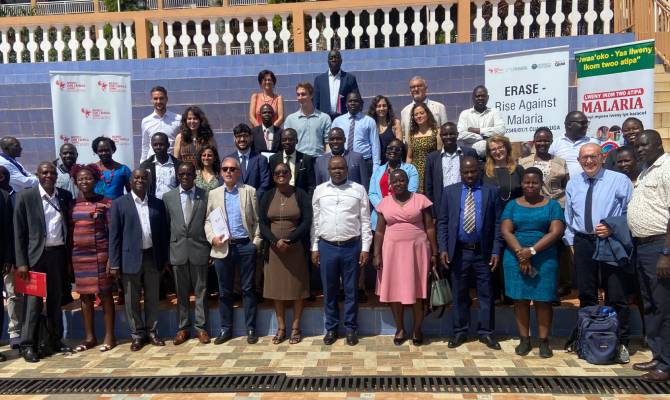
The research teams of Doctors with Africa Cuamm and University of Bari Aldo Moro gathered in Kampala, Uganda, for the presentation event of the study on malaria in pregnancy and drug resistance, in the presence of representatives from the Ugandan Ministry of Health, Paolo Giambelli – Director of the Italian Agency for Development Cooperation (AICS), and authorities from the districts of Oyam and Kole where the study was conducted. The research was carried out as part of the “ERASE – Rise against malaria project – Support for prevention, diagnosis, and treatment of malaria in the context of the Covid19 pandemic”, with the support of the Italian Agency for Development Cooperation (AICS).

“The cooperation between Italy and Uganda is based on a long-standing commitment that continues to evolve, particularly in strengthening the healthcare system. I am pleased to be here today to acknowledge the success of this collaboration, which fully reflects the approach and intervention strategy adopted by the Ugandan Ministry of Health. An approach in which operational research and community engagement become key elements for achieving health objectives,” stated Paolo Giambelli, Director of AICS in Uganda, Rwanda, and Burundi.

Representing the District Health Officer of Oyam District, Dr. Fr. Samuel Okori recognized CUAMM and the Italian Government for the support in the fight against malaria as he also underlined the importance for Uganda to share best practices and lessons learned from countries who have already defeated the epidemic, as Mauritius and Algeria.

“Today has been a testament to the power of collaboration. This has demonstrated a big image in collaboration and partnership in the fight against malaria. I know that these results that we have received from different players, will help us guiding new interventions in the malaria response, theerefore supporting the achievement of the 2030 goal. I want to express my appreciation to the project team members, partner organizations, and stakeholders who have worked tirelessly to generate these impactful results”. Remarked Chemuko Fred, representing the CCM Constituency.

A cohort of 1,558 pregnant women underwent screening at each prenatal visit until delivery. The research showed that 29.7% women contracted malaria during pregnancy. The study also found that the incidence of low birth weight and preterm birth was 8% and 19% respectively. Women who tested positive were treated, and samples collected were analyzed at the Istituto Superiore di Sanità to investigate drug resistance markers used for therapy and prevention in pregnant women.

Operational research is indeed a key component of CUAMM’s work: conducting research means studying and deeply understanding the contexts in which interventions occur, adopting a critical method, identifying best practices based on scientific evidence, and also ensuring precise accountability. Doctors with Africa Cuamm has been committed for years to operational research recognized as an integral part of the Organization’s strategic plan, complementary to field activities and indeed functional to increasingly effective results. In this shared vision, the established collaboration with the University of Bari Aldo Moro fits in seamlessly.

The collected results have strengthened malaria prevention and control practices in the communities, improving the quality of health services at the community level and in healthcare facilities in the Oyam and Kole districts in the Lango region, Northern Uganda. The two districts at the center of the research have a malaria incidence rate higher than the national average, with 407 new cases per 1,000 inhabitants in Oyam, and 361 in Kole, compared to a national average of 289 new cases per 1,000 inhabitants.

“Data are important for conducting effective strategies,” explained Giovanni Putoto, Head of Programming and Operational Research for Cuamm. “A strategy exists: WHO has one, and the Ugandan Ministry of Health is exemplary in following it to respond to the disease. This strategy is based on pillars such as the use of integrated preventive treatments in pregnancy and childhood and seasonal chemoprevention capable of reducing morbidity and malaria incidence in the country. However, achieving the goals of reducing the disease requires constant political commitment that we must carry out on multiple levels, working in communities, referral hospitals, and decision-making tables with the relevant authorities”.

Malaria is among the deadliest infectious diseases globally. 95% of diagnosed cases occur in sub-Saharan Africa, which also holds another grim record: about 80% of malaria deaths are children under 5 years old. According to the World Health Organization, one-third of pregnant women living in sub-Sahaaran Africa contract the infection during gestation.

“Dealing with malaria in pregnancy is important because, besides being a condition that jeopardizes the lives of many women, it can also transform into placental malaria,” explains Francesco Vladimiro Segala, doctor in Infectious Diseases. “This condition hinders fetal development and results in premature births and underweight newborns.”


“The research group from the Department of Infectious and Tropical Diseases has a special focus on the needs of vulnerable populations,” declared Professor Annalisa Saracino from University of Bari. “Being here in Uganda today, with the entire team that worked on this project, testifies to the sincere involvement of the University, which firmly believes in the scientific and human value of research like this.”