TENDER | FOR MEDICAL DRUGS AND LABORATORY REAGENTS SUPPLY CONTRACT IN UGANDA

01 Advertisement for Tender publication_CUAMM

02 Contract notice_CUAMM

03_Instruction to tenderers_CUAMM

Annex I_Tender form_CUAMM

Annexe II-III-Technical specification and offer_CUAMM

Annexe IV-Financial Offer_CUAMM

Annexe V-Admin compliance grid_CUAMM

Annexe VI-Evaluation grid_CUAMM

Annexe VII-Contract form_CUAMM

Annexe VIII-General Conditions_CUAMM

c4o1_Financial identification

c4o3_Legal Entity

Why staying

The Story

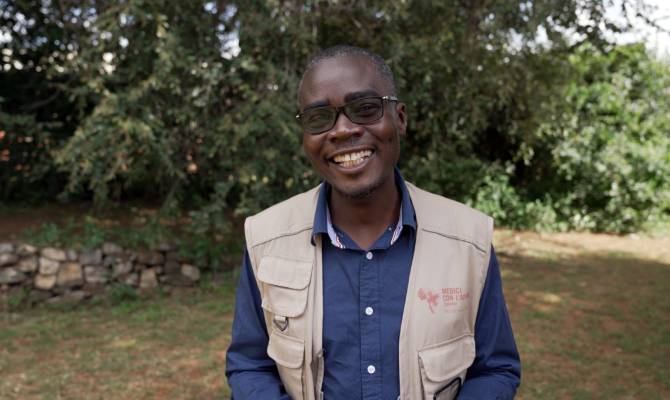
Born in 1985, Jerry first went to school in the West Nile region, where he was born, and then moved about 400 km from home to attend a good college, the Teso College in Aloet, which gave him the right preparation for a scholarship to Mbarara University. Today he returns to his homeland in northern Uganda to visit his family and to follow Cuamm’s project activities.

5 years of medicine, an internship at the referral hospital in the Gulu district and a lot of clinical work between hospital and field. «For more than a year, I spent hours, entire days, in the operating room – Jerry narrates – I would go in at dawn and come out after the sun went down, days could go by without me seeing the light of noon!». Then, the experience at Nyapea Hospital first as a doctor and, in 2012, as Medical Director. A turning point in the professional life of Jerry, who was only 27 years old when he received the appointment from Bishop Lino Wanok, «one of the three most significant people in my professional lifesays Jerry – I would have met others after him but I know that it all started there, in Nyapea».

«Suddenly I was in a different role, one of responsibility, sure, but also a very stimulating one. It was a constant questioning and figuring out how best to manage staff, how to ensure the quality of services and how to optimise resources. I had gone from worrying about the patient and his health to having two new priorities: finding resources for the hospital and ensuring its proper management”.

To fulfil his role to the best of his abilities, Jerry attended a planning and management course in an Ugandan institute. An experience that opened his eyes not only to the functioning of a healthcare facility, but also to the value and importance of healthcare as a public thing.


The Encounter with Cuamm

During his years as Health Director, Jerry came into contact with Peter Lochoro – Country Representative of Cuamm, which was just starting to support the Nyapea hospital. From there, they began collaborating on various researches, the very first one on tuberculosis (Tb) in Karamoja. Jarry later became technical manager, while at the same time receiving a scholarship to attend a Master’s in Epidemiology at Makerere University to study in depth aspects of medicine that he had not had the opportunity to study before and which – as Jerry says – «allowed me to do my job better». A job that Jerry and Peter, now his colleague and mentor, call “Adapting Programming” and which they explain as «reprogramming by adapting and that’s exactly what we do: we evaluate, we analyse, and we continually question the operation. It doesn’t mean fumbling around, on the contrary, it means recognising changes and being able to rethink and redesign what you are doing with a constant eye on the expected outcome and impact.  We certainly can’t say it’s boring, in fact sometimes I wish it was, at least a little bit», concludes Jerry with irony.


Future aspirations

When congratulated on the commitment and dedication he has shown so far towards his work, Jerry replies by focusing on the future: «I am happy with what I have been able to do, but I do not want to stop here. My next goal? A PhD in tropical diseases, to acquire excellent skills and then to be able to combine my work with academic, teaching activities. Passing on knowledge and strengthening skills is crucial: only by relying on qualified and dedicated professionals can we respond to everyday needs, be ready for future challenges and have a decisive impact on our country’s health indicators».

So what are the future challenges? «To give an example, I can talk about the West Nile, my region. I left ten years ago and that place has changed: it did not used to be a malaria area, there was a dense forest and the climate was quite cold. In recent years, the forest area has been reduced, the temperatures have risen and the anopheles mosquitoes have arrived. Today, therefore, malaria prevention is also important here. From a health point of view, the indicators are growing positively, but the refugee crisis caused by the civil war in neighbouring Sudan has had a big impact on the health system».

“I was born and raised in Uganda, this is where I gained experience and this is where I wanted to spend my skills. This continues to be my wish”.


A PHOTOGRAPHIC EXHIBITION CELEBRATING THE UNION BETWEEN ITALY AND UGANDA

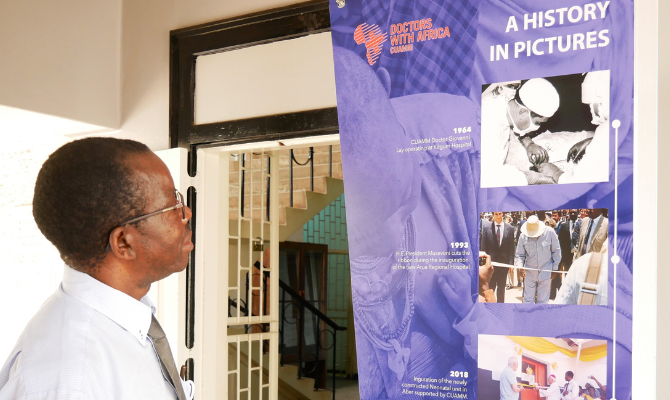
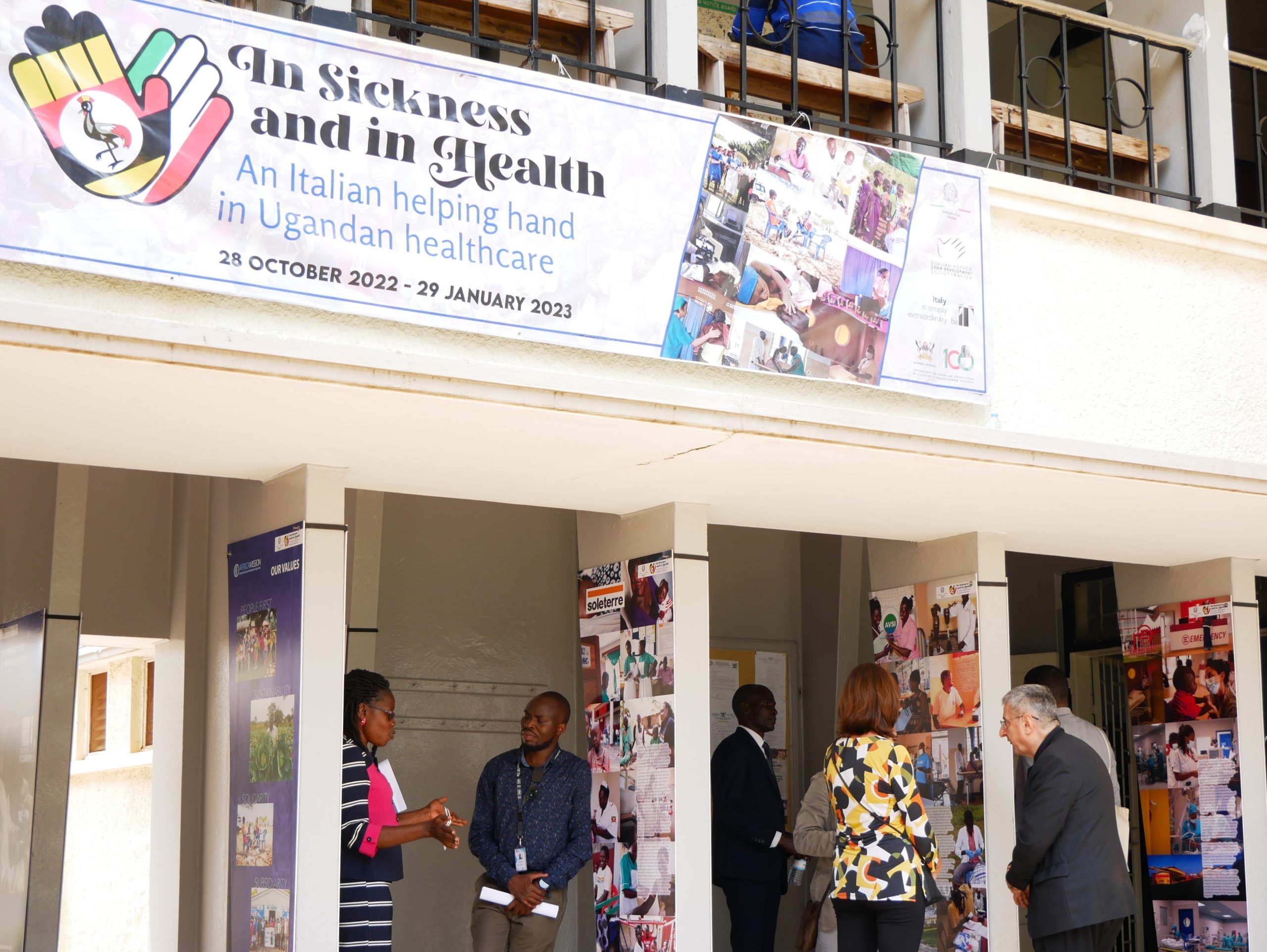
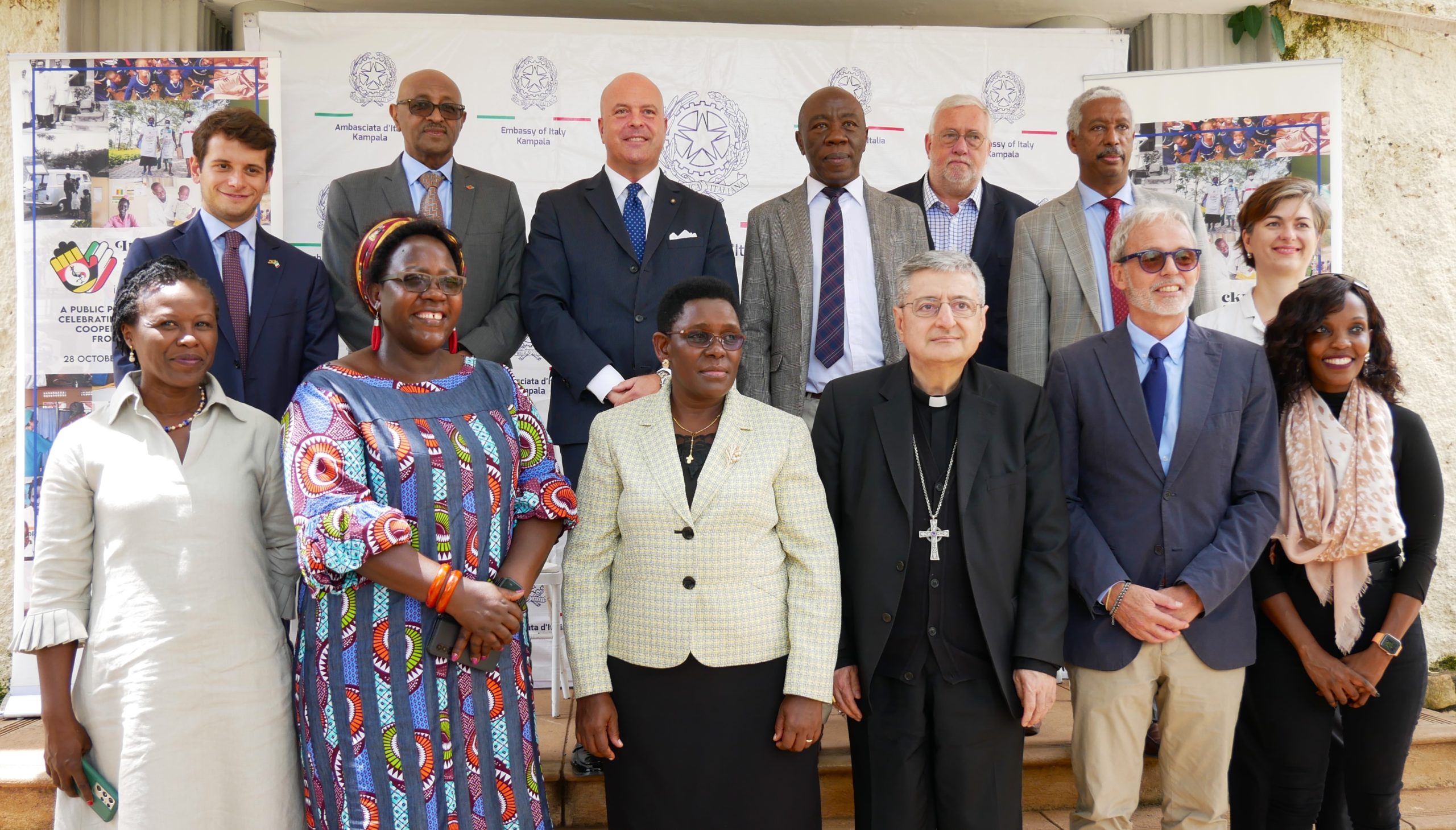
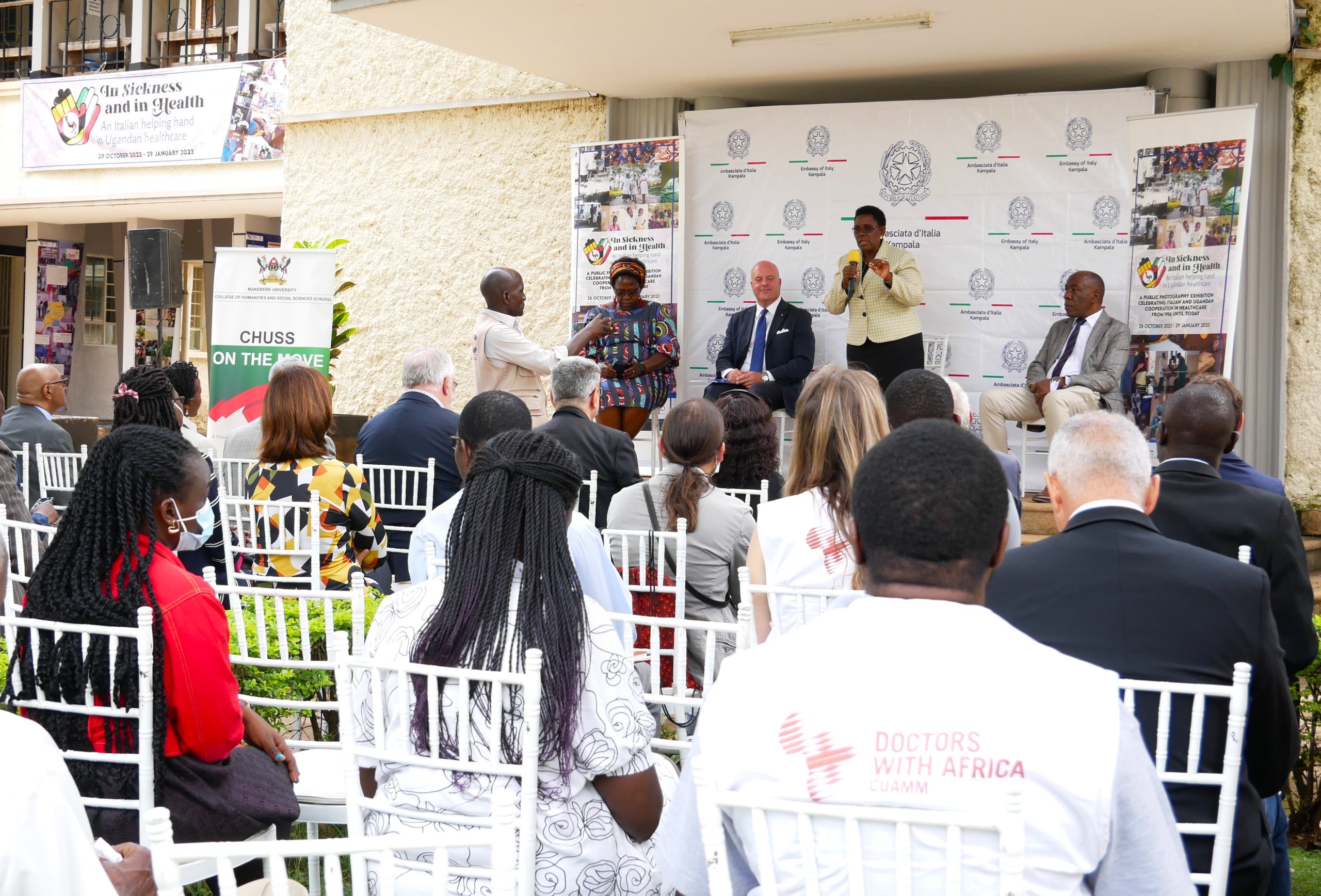
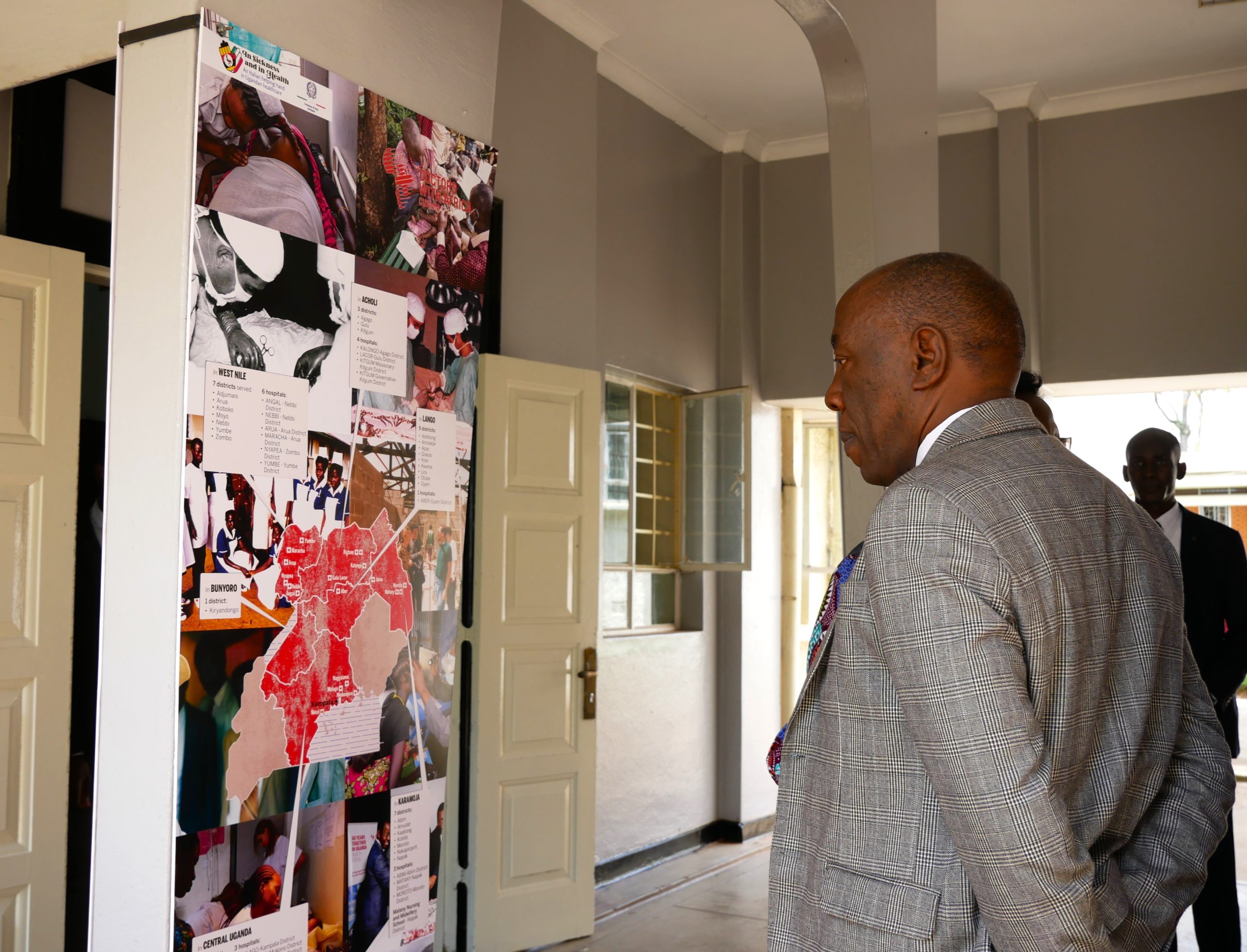
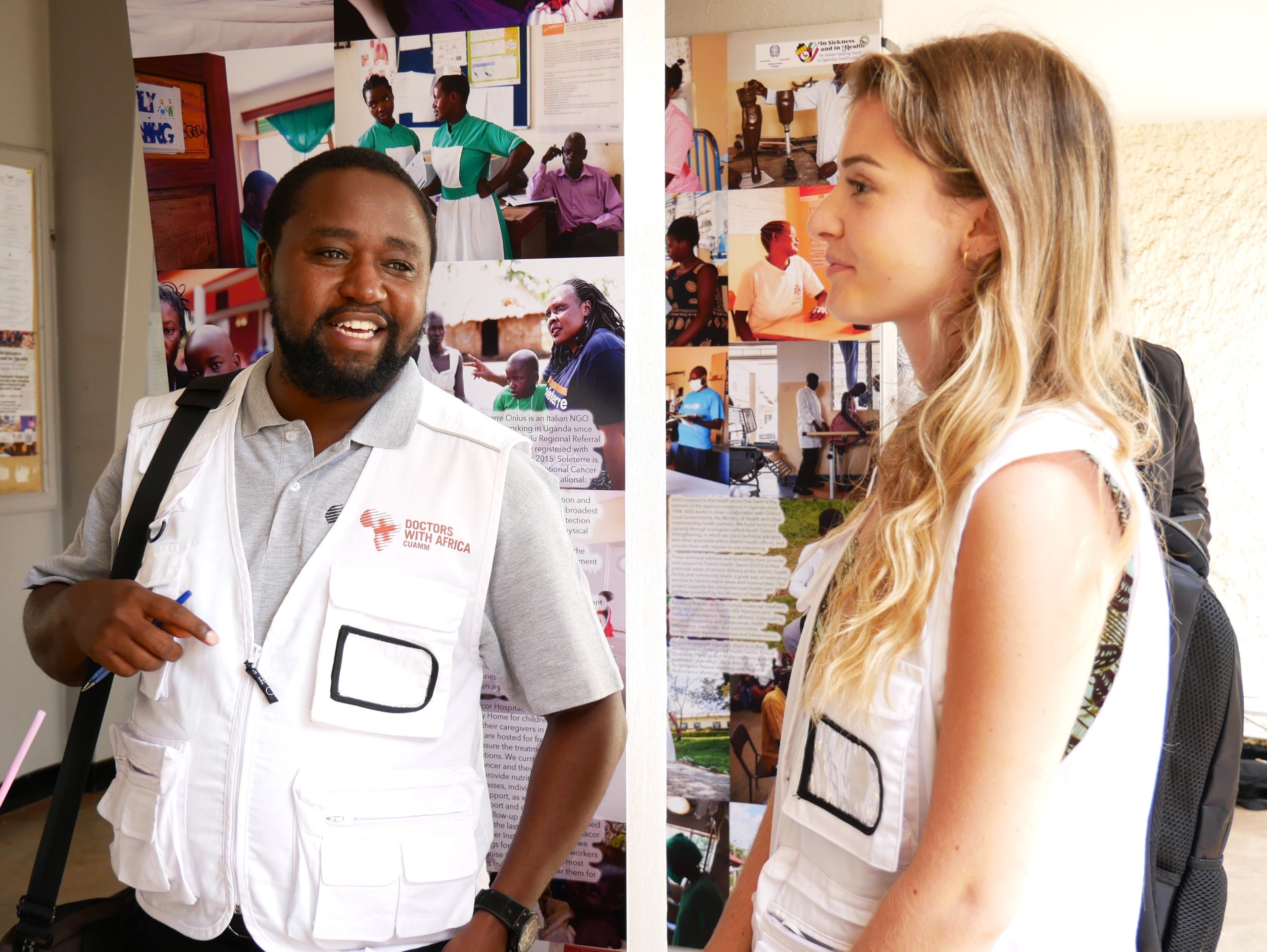
On Friday 28 October, the Italian Embassy in Uganda has opened a three months long photo “In sickness and in health” at Makerere University, Uganda’s centre of excellence. CUAMM was present along with 10 other Italian NGOs.

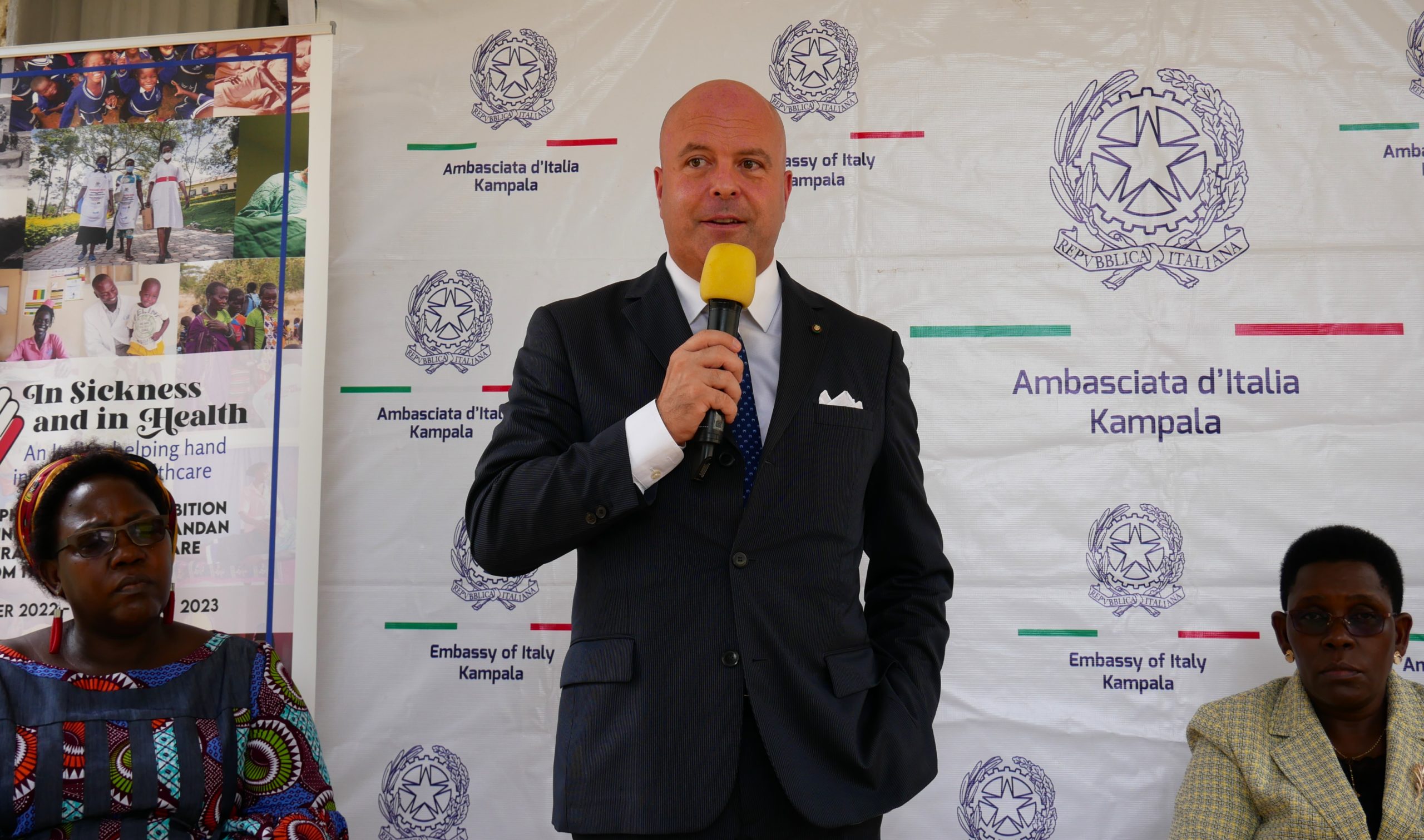
The opening ceremony was also attended by Massimiliano Mazzanti, Italian Ambassador to Uganda, and Grace Mary Mugasa, Minister of State for Public Service.

«The exhibition – commented Mazzanti – recognises the historical contribution of eleven Italian NGOs and associations to the Ugandan health sector. Italy and Uganda have had a longstanding relationship that dates back to the early 20th Century, when members of the order of the Comboni Missionaries settled in the Northern areas of the country implementing commendable activities of support to the local communities especially in the areas of health and education».

The aim of the exhibition is to inspire young minds at Makerere University, sharing an established history and future of the union between Italy and Uganda, founded in philanthropic collaboration and partnership.

«Italy is the biggest in supporting health in Uganda – concluded Mazzanti – and this is evidenced with the latest approval of 10 million euros for infrastructural development in Karamoja. NGOs from Italy have been the tools used to achieve Italian commitments in health».

CUAMM AWARDED DURING THE SAFE MOTHERHOOD CONFERENCE

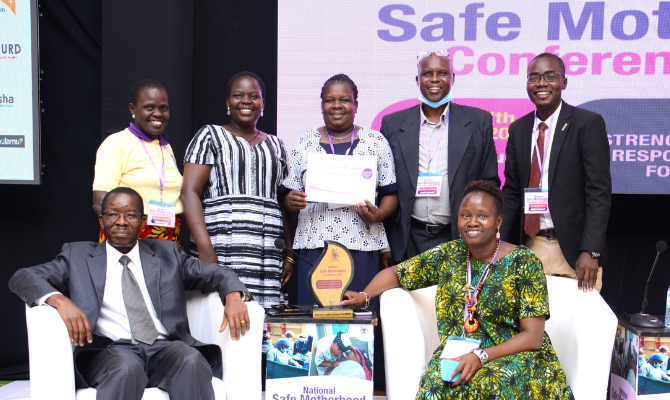
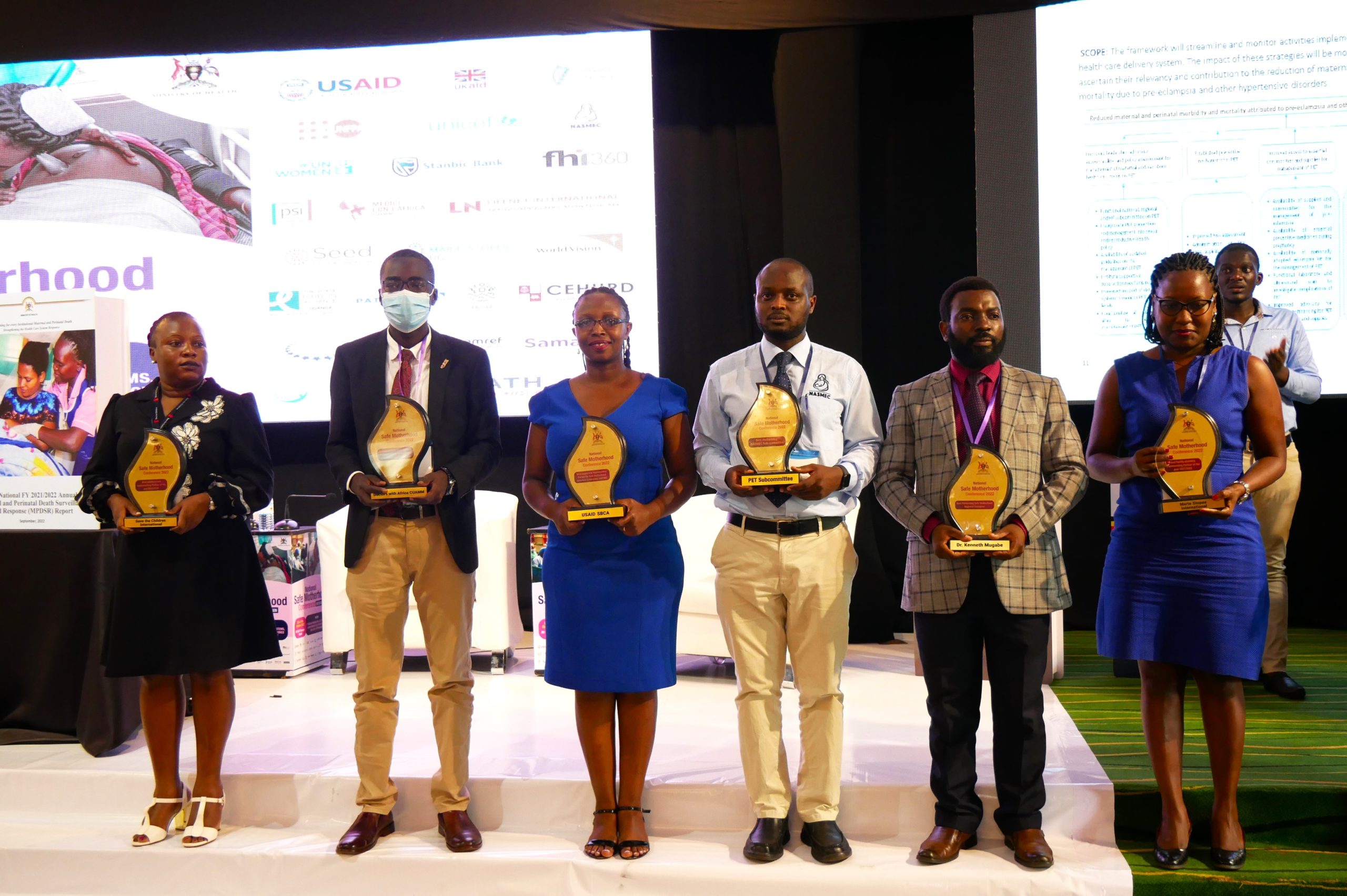
CUAMM achieved an important result at the Second National Safe Motherhood Conference: three days of discussion and debate on key issues concerning maternal and child health and efforts to reduce mortality from preventable causes, particularly post-partum haemorrhage, which remains one of the main causes of maternal mortality in the country.

«The recognition of CUAMM – explains Peter Lochoro, Country Representative of Doctors with Africa CUAMM in Uganda – is very energizing to our work and staff. This award says a lot: firstly, that our work is visible and palpable to the population, even if we spend more time doing it than making it obvious; secondly, that our strategy and programmes are working; thirdly, that CUAMM is consolidating its position as a health services organisation for mothers and children in the last mile; and finally, that we are able to take on even greater challenges to improve the health of communities, especially in the most remote and fragile areas. I congratulate the team on a job well done, and I thank the institutions and our donors who made this possible: the Embassy of Ireland, UNICEF, the ELMA Foundation, the Italian Bank Foundations, in a context of support from the Ministry of Health and local district governments».

CUAMM’s support for mothers and children is implemented through a series of projects, strengthening the knowledge and skills of health workers through mentoring, cooperating with neonatal care units. Cuamm is also involved in coordinating surgical camps for the transmission of skills, the provision of equipment, ambulance transport and voucher systems to enable mothers to reach health facilities.

ONLY ONE WAY TO SEE THE FUTURE: DOING PREVENTION TODAY

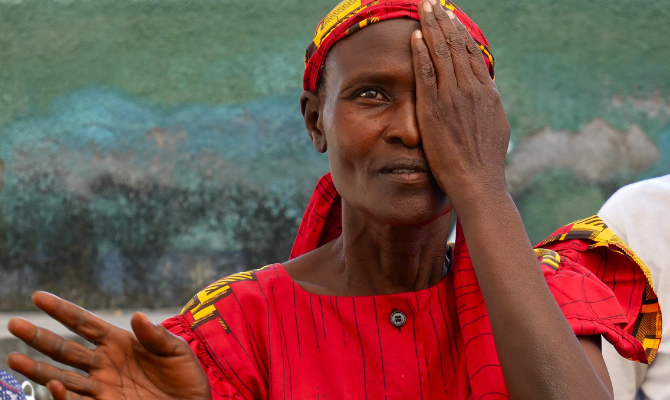
Globally, at least 2.2 billion people suffer from near blindness or long-distance visual impairment and among at least one billion of these, visual impairment could be avoided. Almost 90 per cent of visually impaired people live in developing countries, including Uganda. Women also run a higher risk of visual impairment and blindness than men. In Uganda, in particular, 5.9 per cent of the population is visually impaired, or six out of every 100 people, while 144,000 people are completely blind.

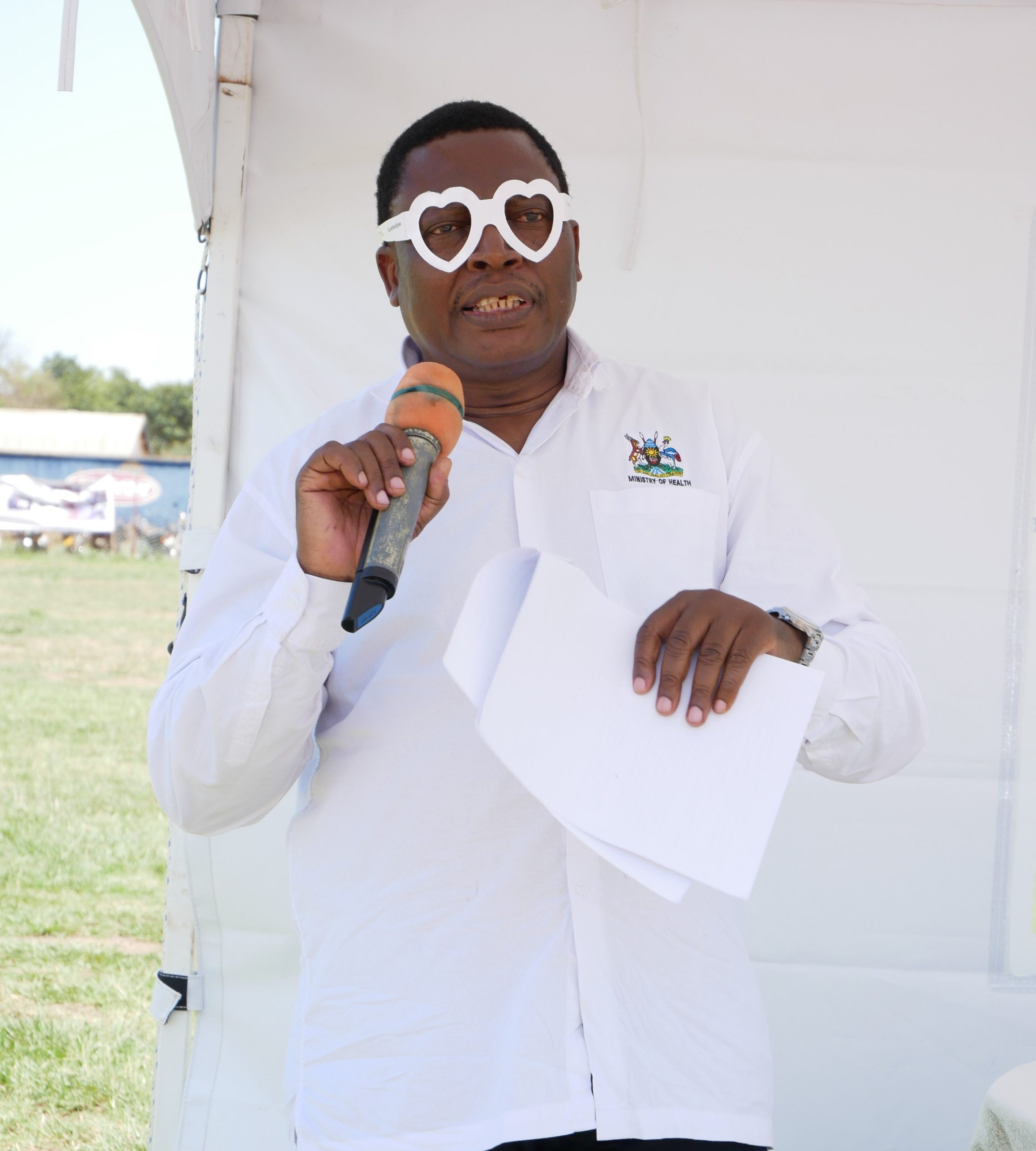
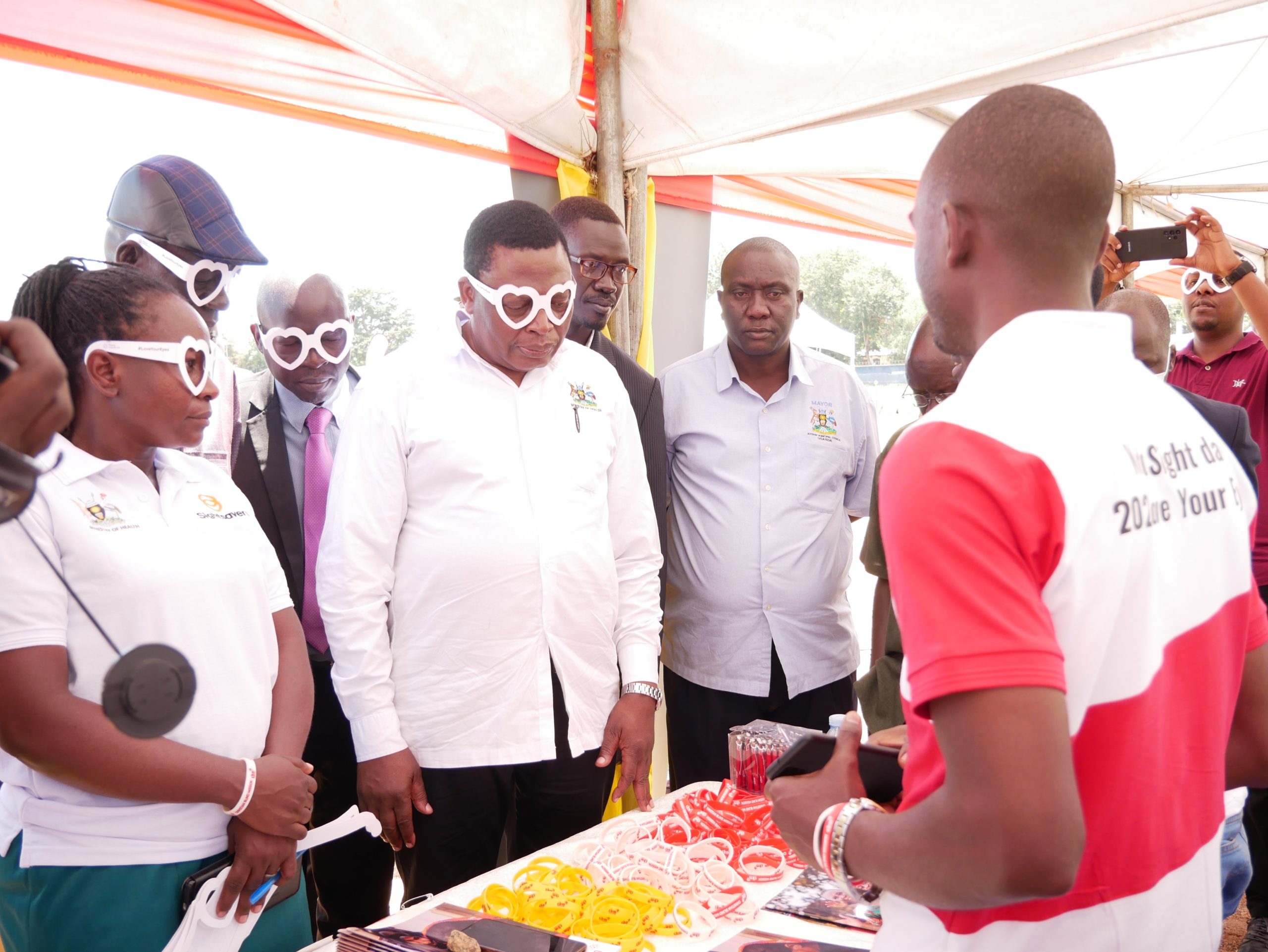
This is the picture described by Charles Olaro, the Director of Curative Services at the Ministry of Health on the occasion of World Sight Day, which is celebrated every second Thursday in October to raise awareness of eye care, preventing diseases that can lead to serious disorders or even blindness. In addition to screenings, the anniversary was created to improve access to care for all.

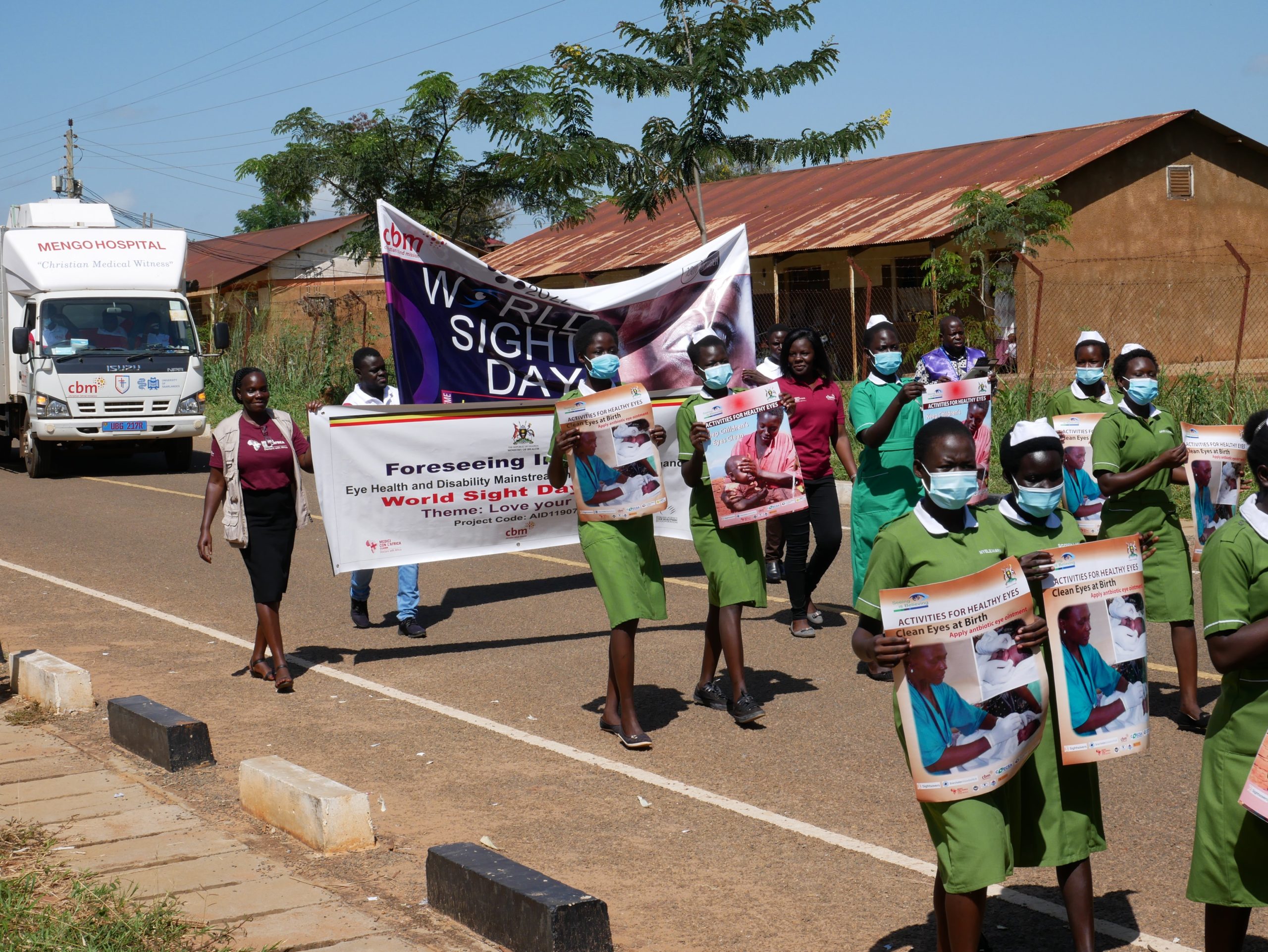
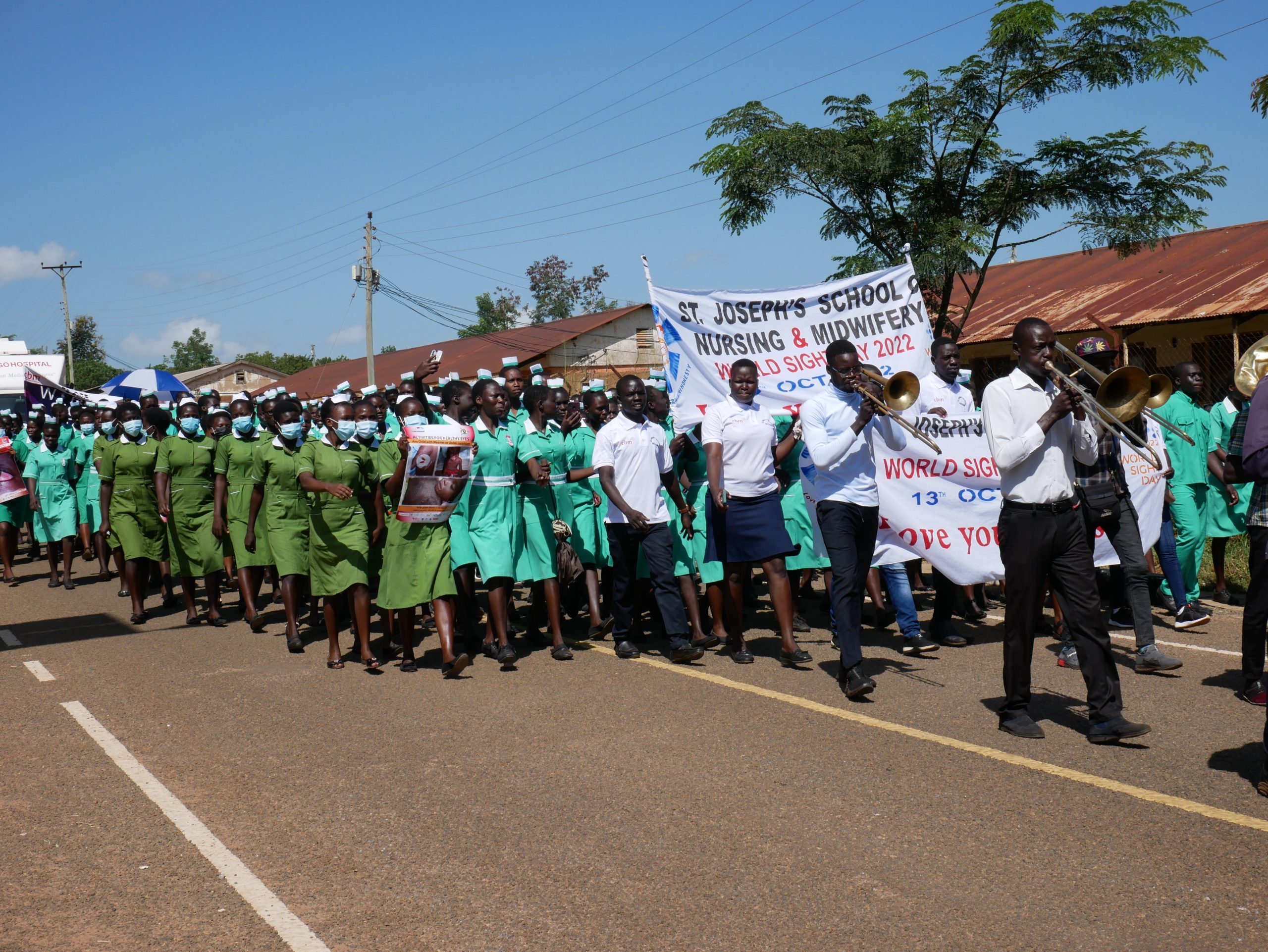
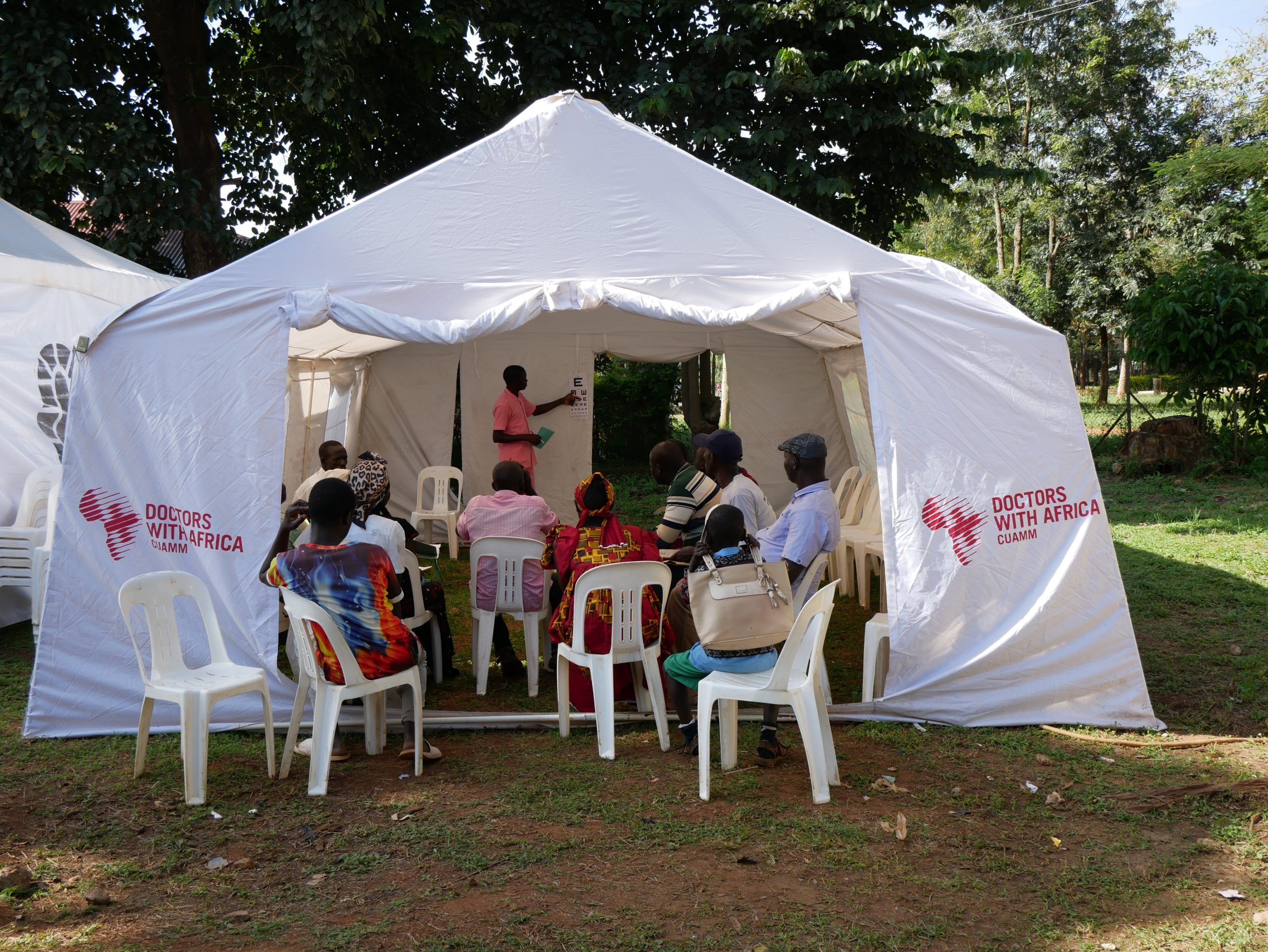
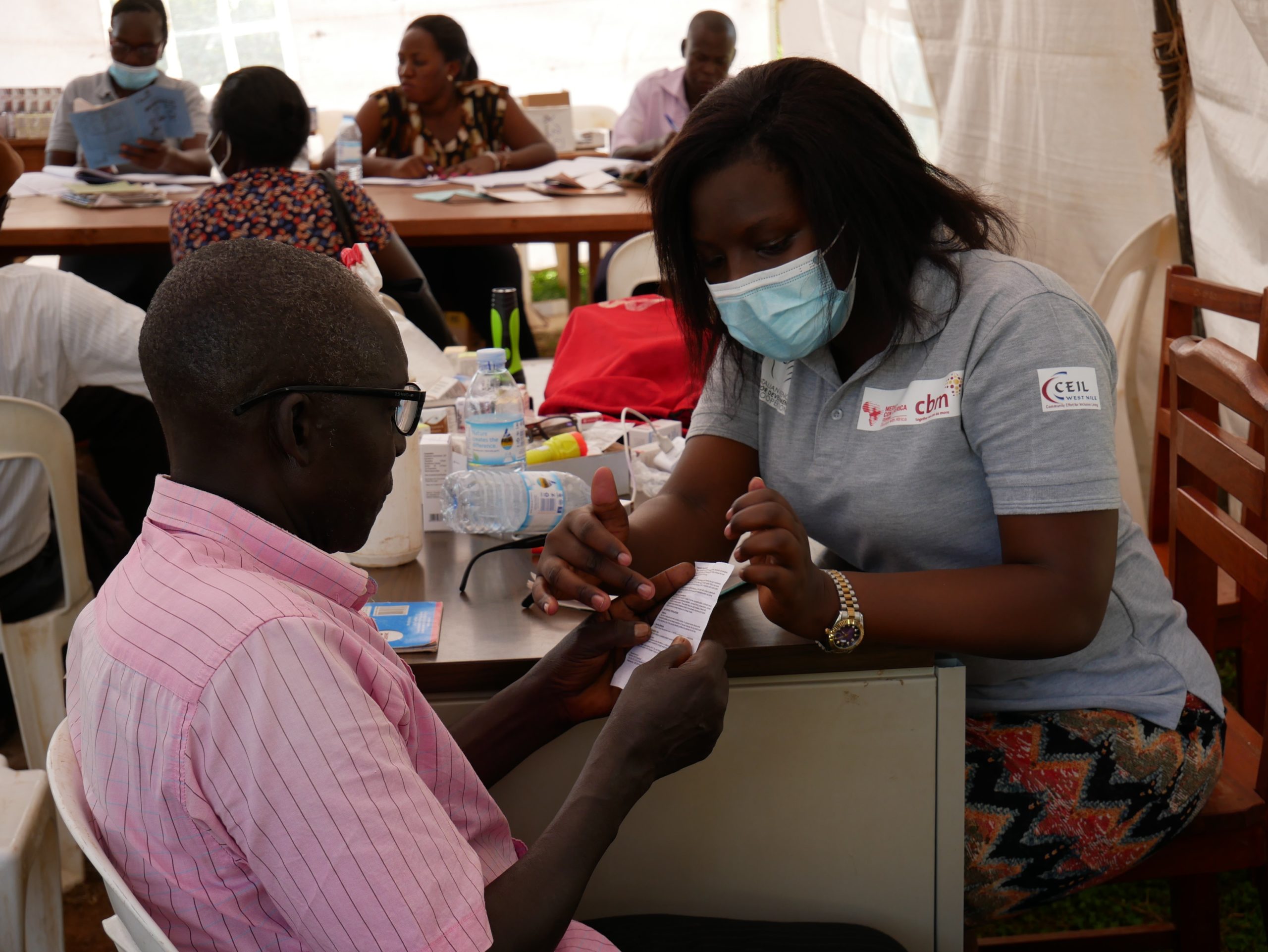
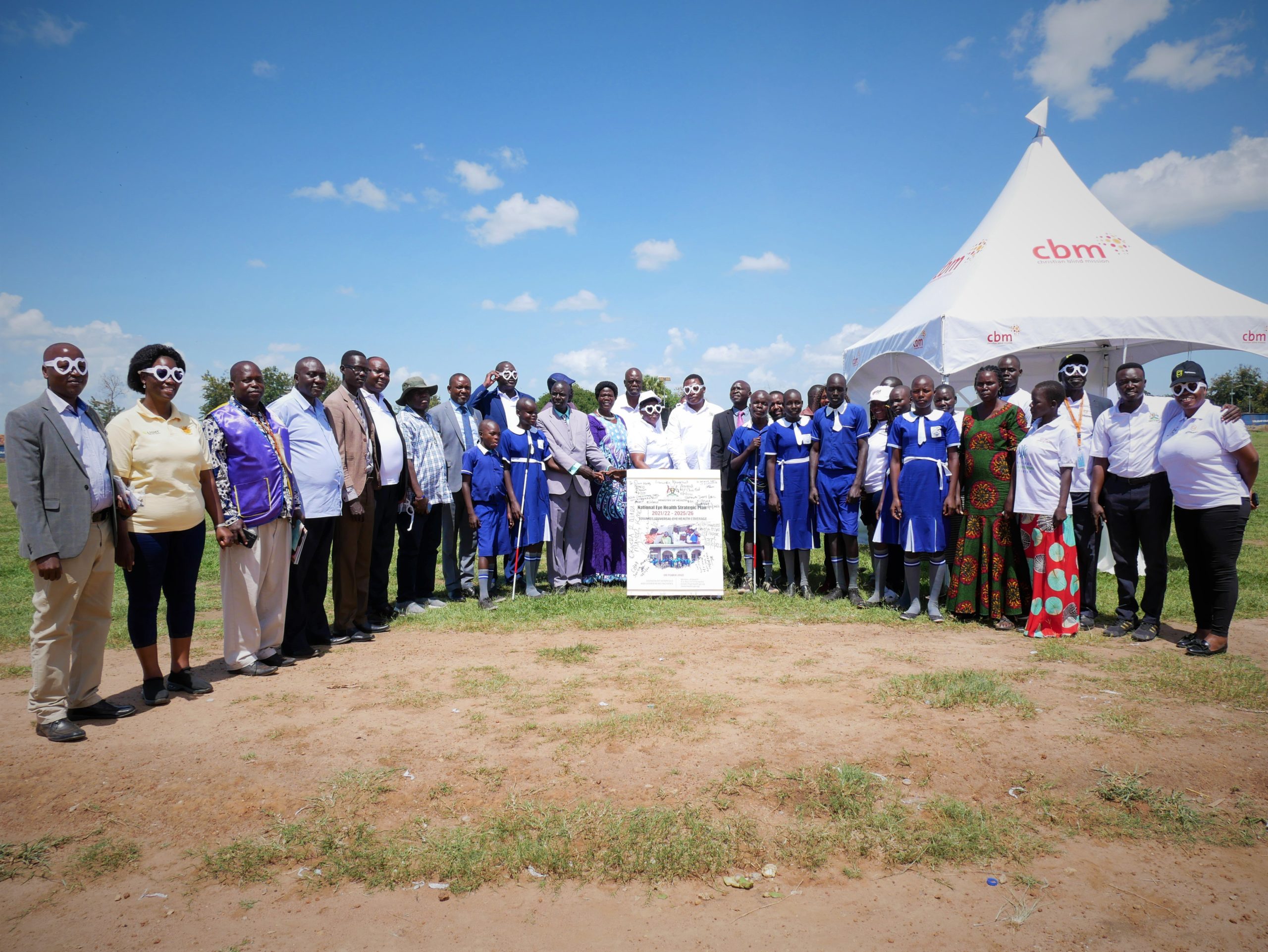
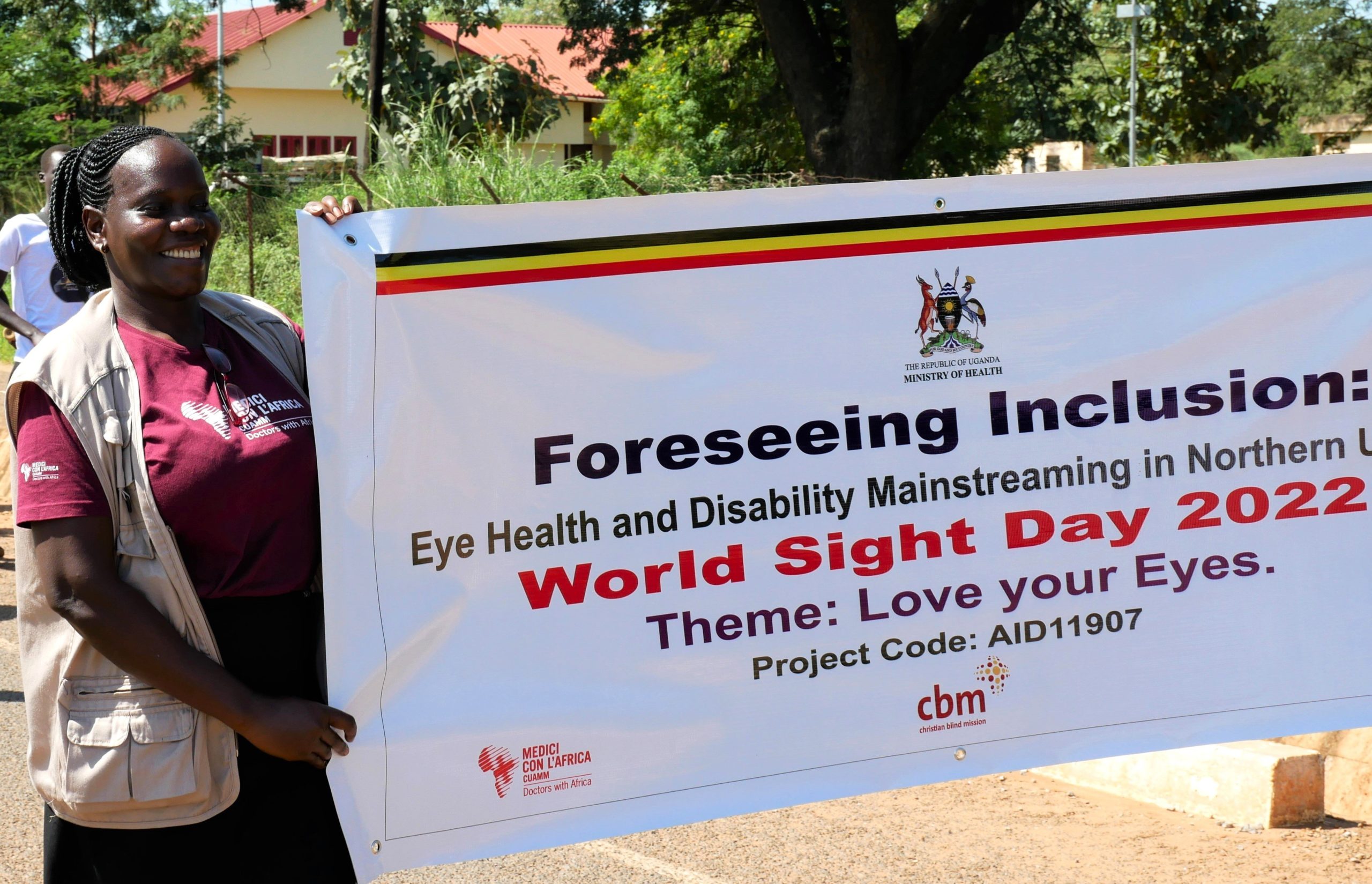
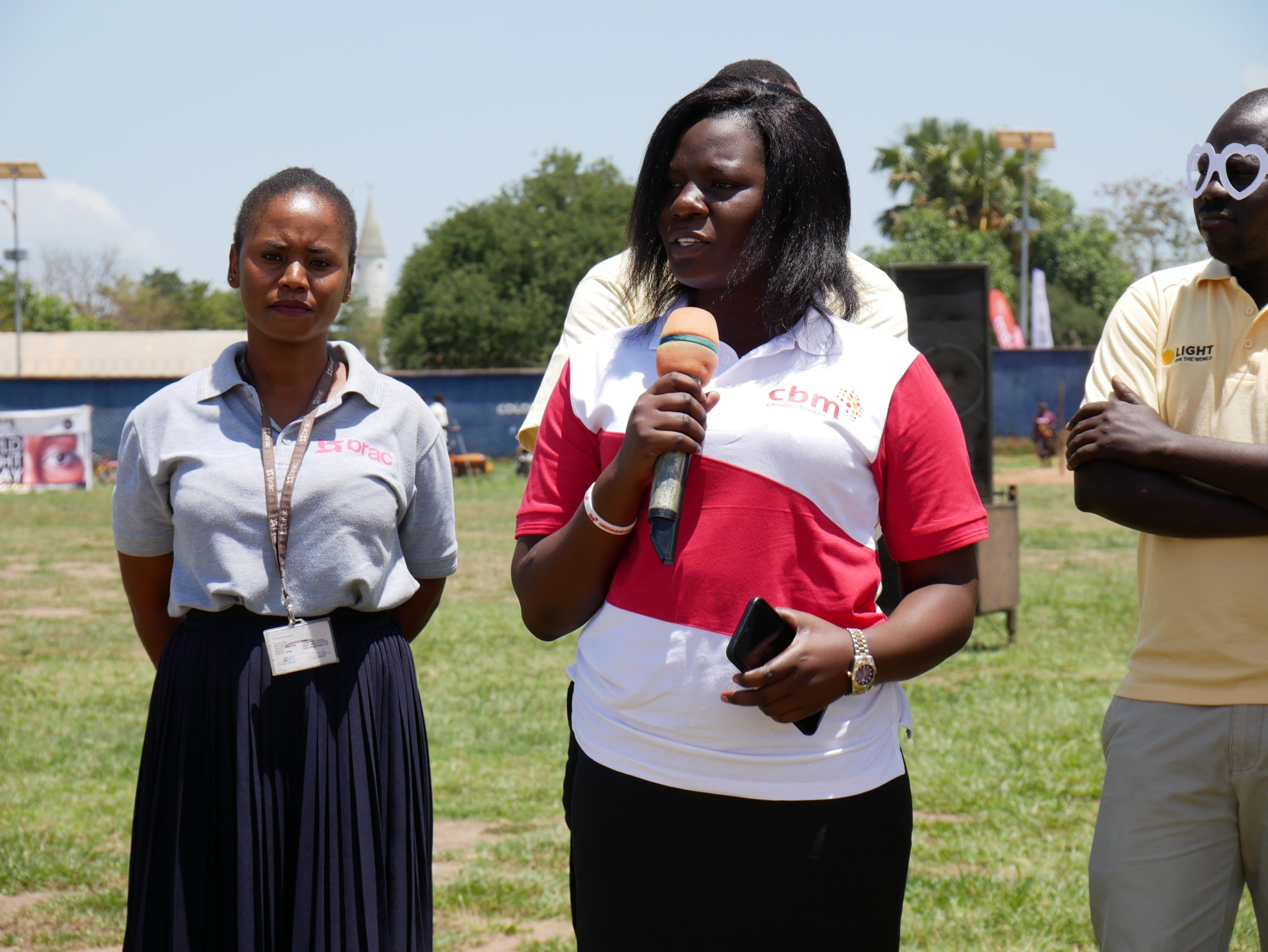
This year, Doctors with Africa CUAMM has commemorated World Sight Day in Kitgum, northern Uganda, by participating in the “Love your eyes” event promoted by the Ugandan Ministry of Health. In fact, since January 2020, CUAMM and Christian Blind Mission (CBM) have been implementing the “ForeSeeing Inclusion” project, funded by the Italian Agency for Development Cooperation (AICS), to improve access and quality of inclusive eye care services in communities and health facilities in the Kitgum, Lamwo and Arua districts.
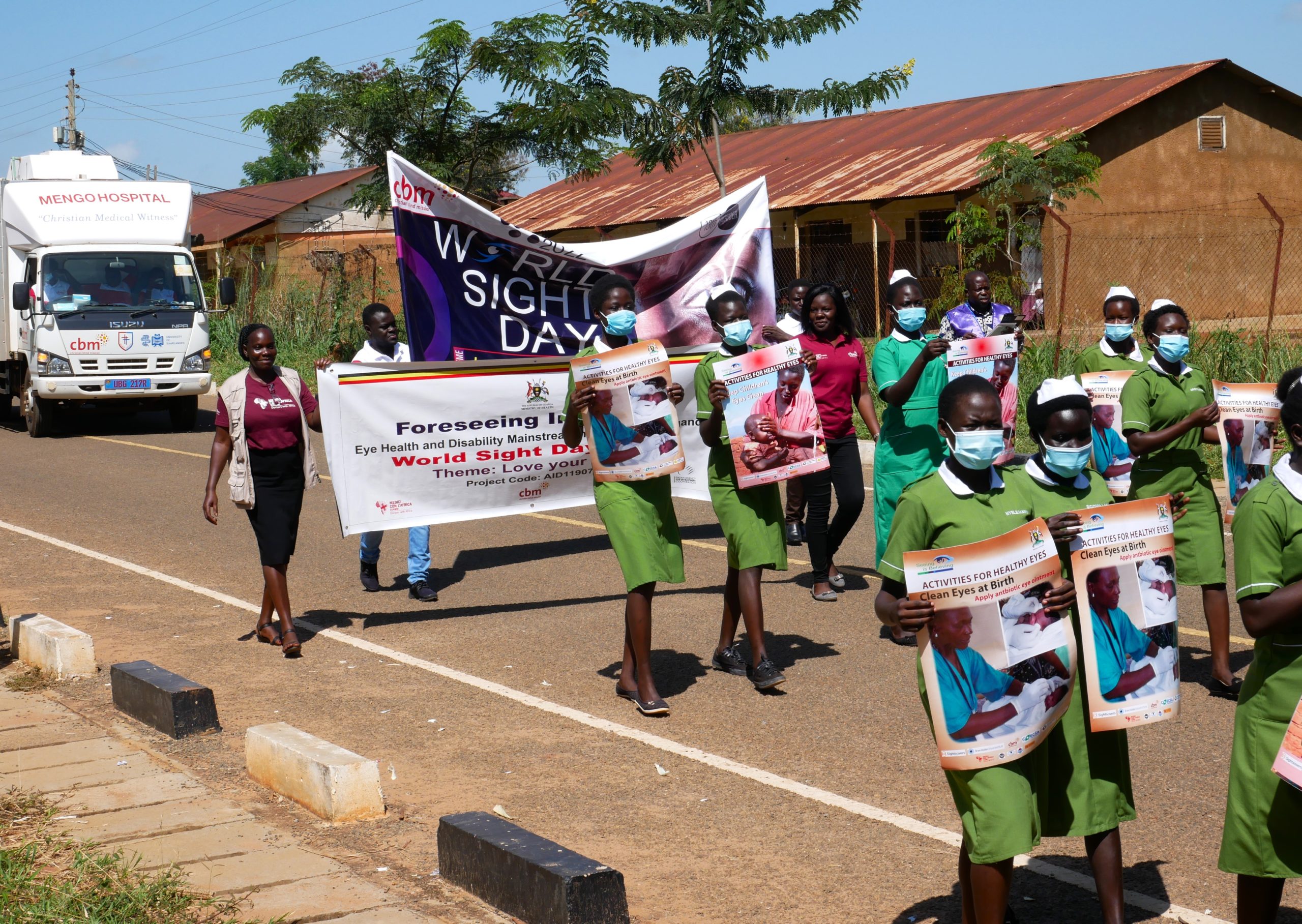
A series of activities were organised to mark the occasion, including the setting up of community eye health stands, radio talk shows, and newspaper inserts, all aimed at raising awareness among the population.

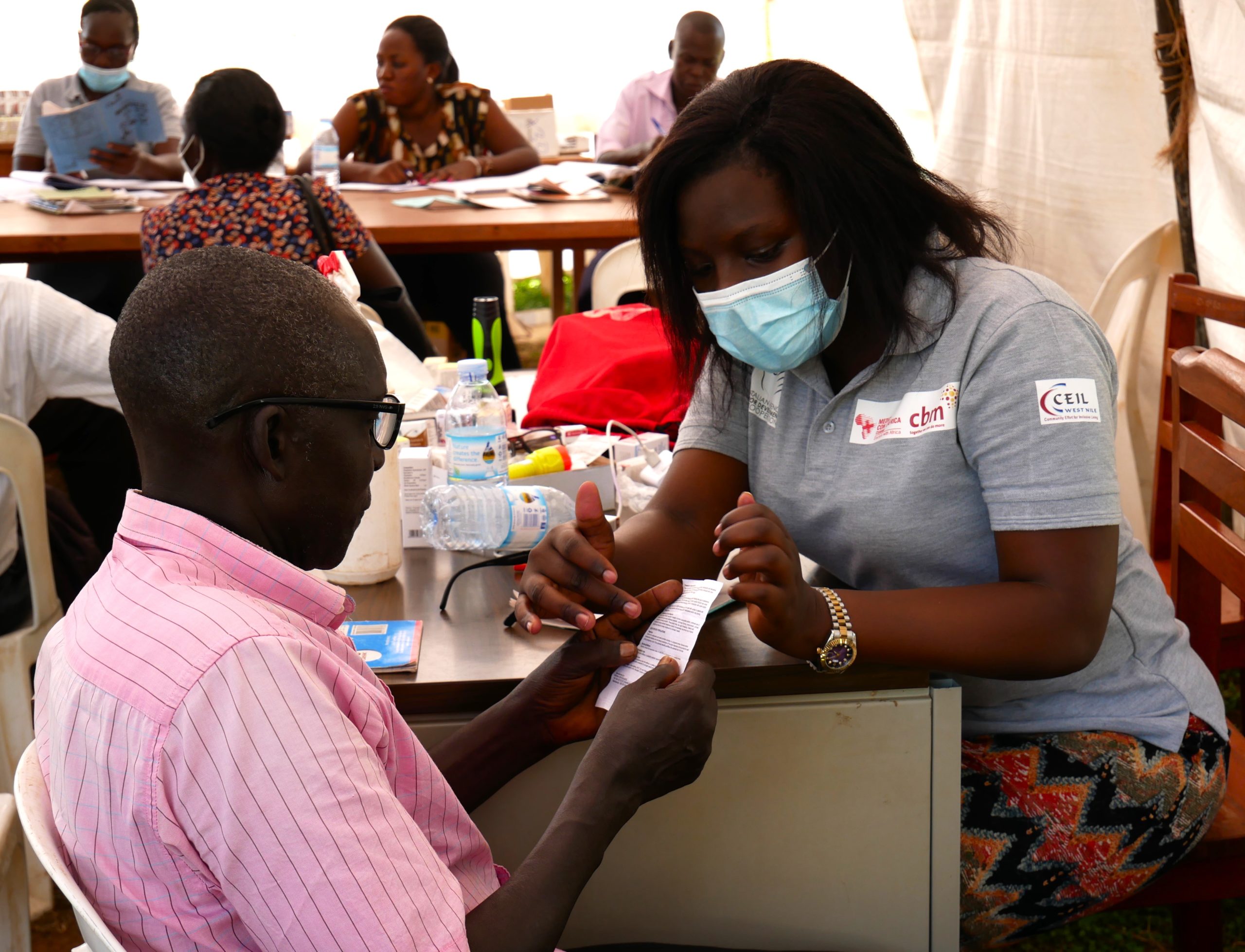
«The eye care stand, which was present for a week at the hospital in Kitgum, thanks to the support of the Ugandan Ministry of Health and local partners, helped bring services closer to the people», emphasised Jackie Kwesiga, National Director of Christian Blind Mission.

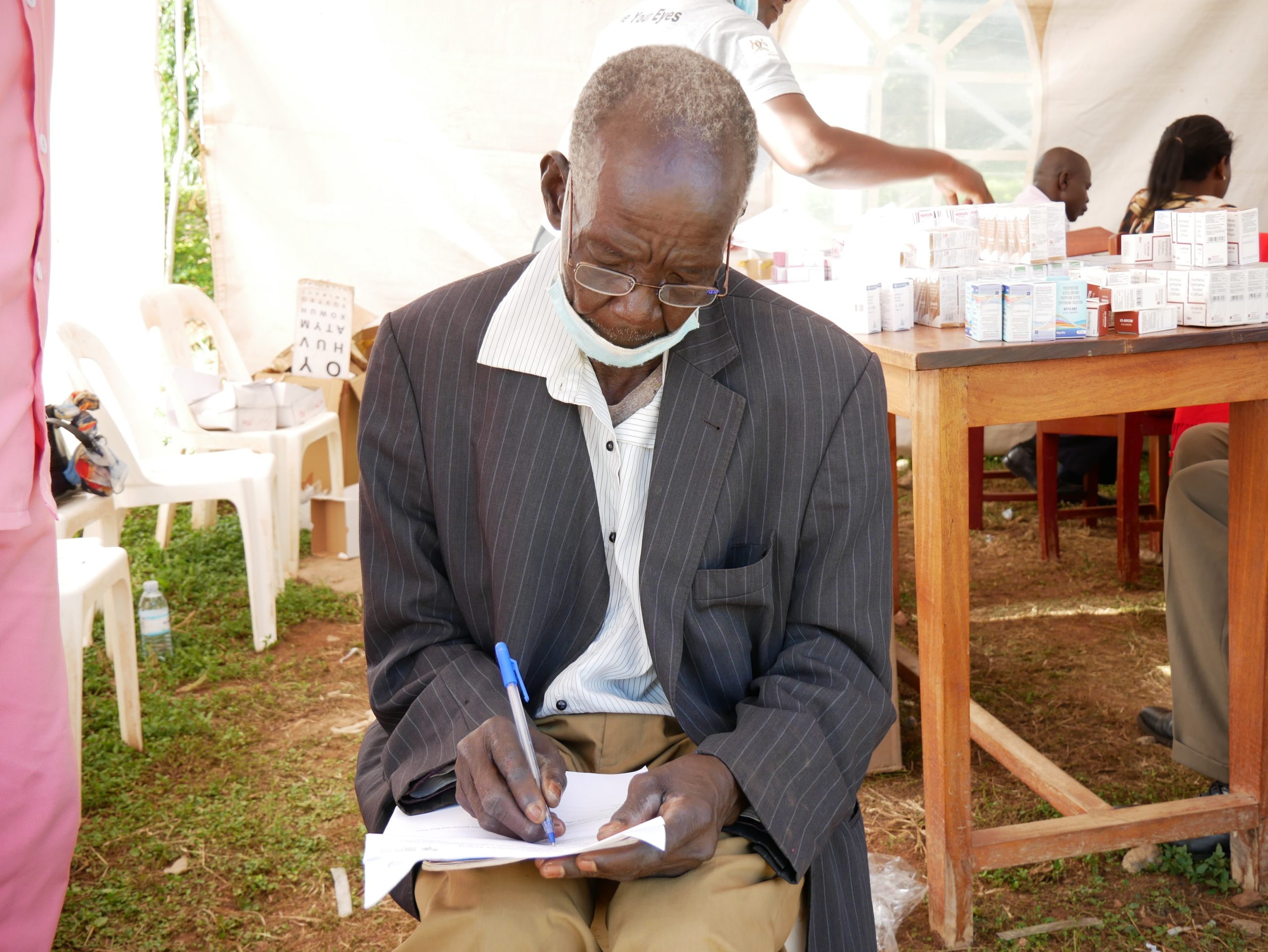
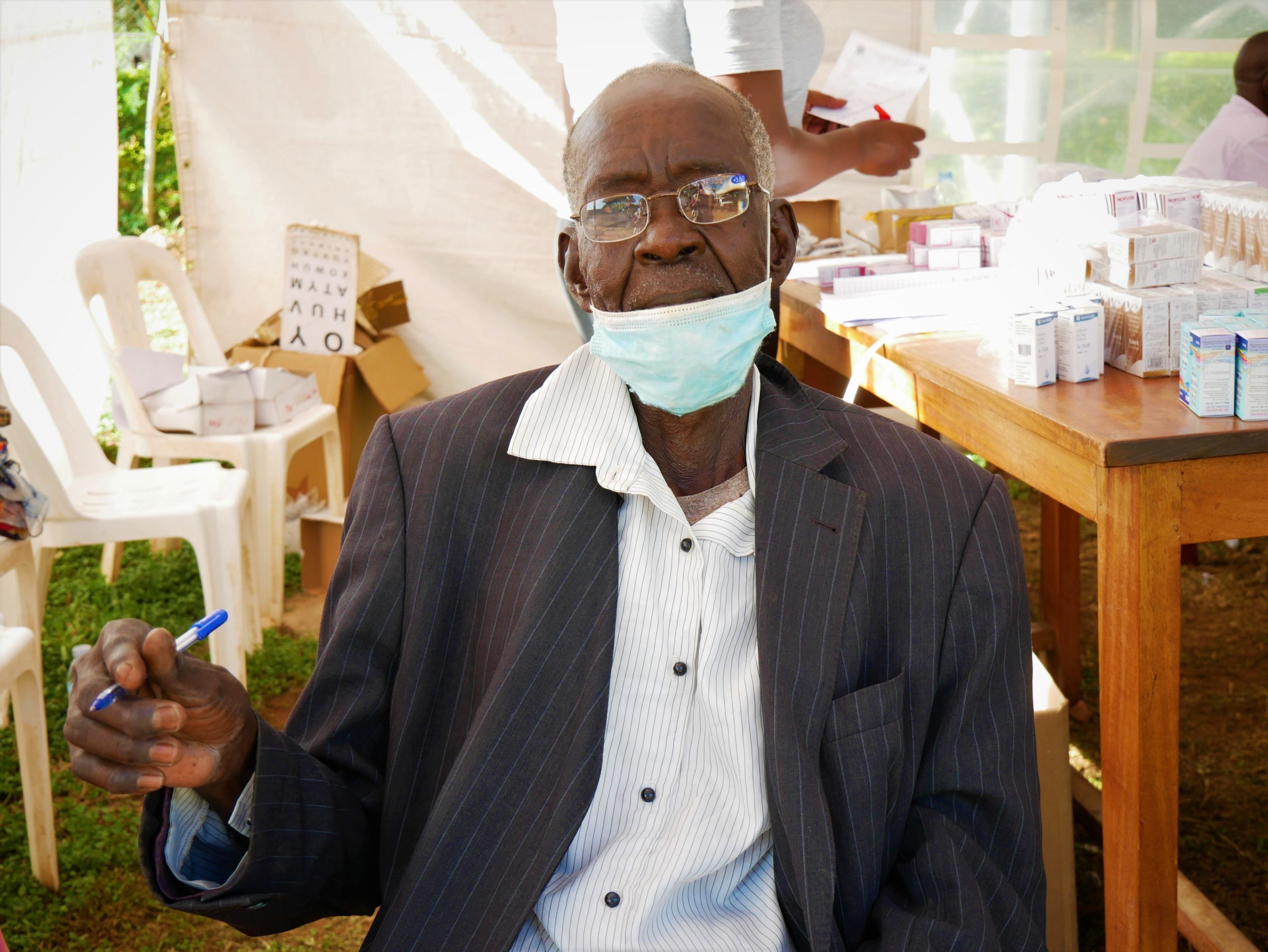
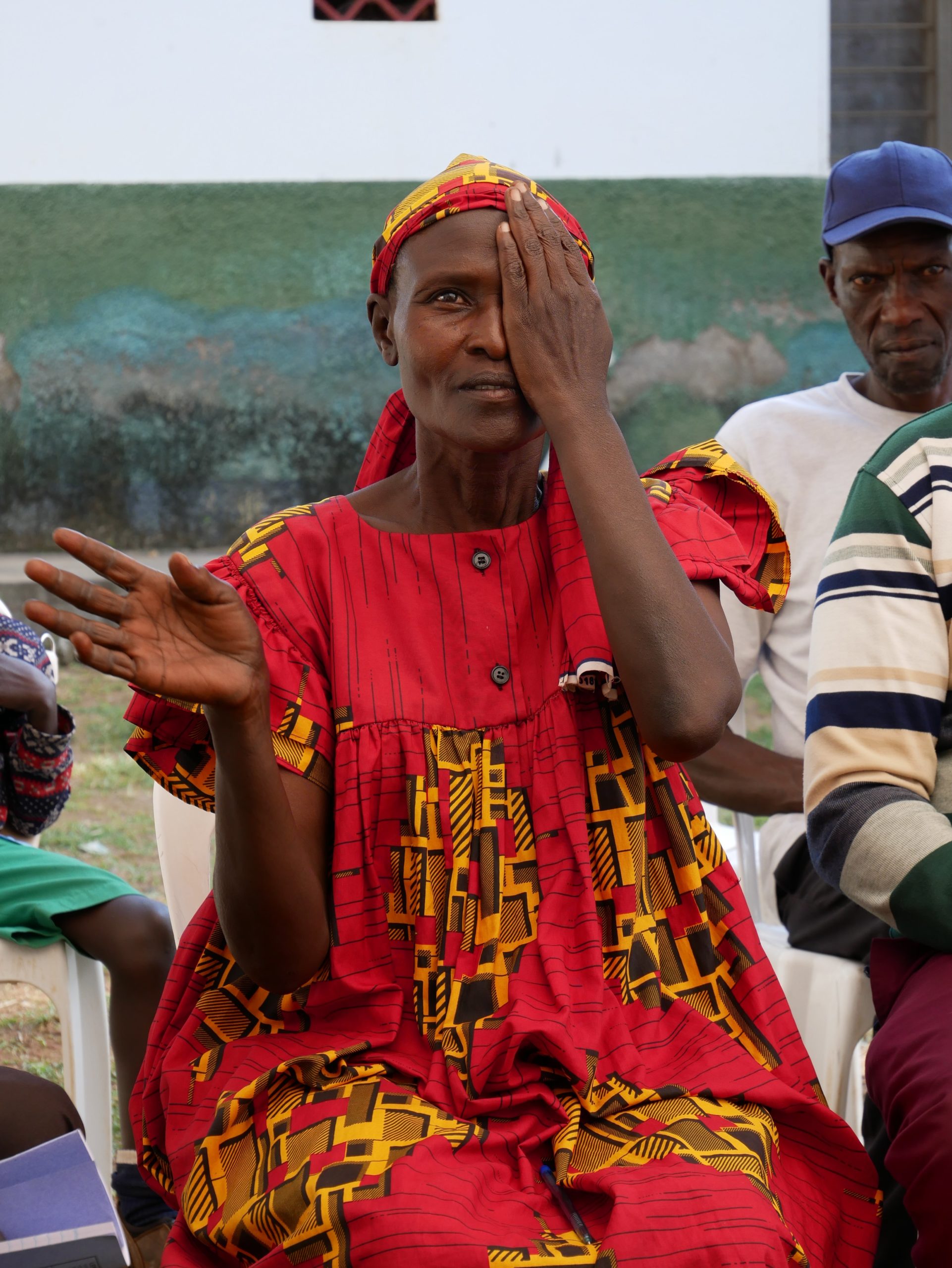
Check-ups, treatments and surgeries were offered, with a total of over 1,194 patients visited and 212 surgeries conducted. Of these, 168 were cataract surgeries, 25 excisions and 19 eyelid surgeries. 800 free reading glasses were distributed to young and old.

«I had been unable to read for five years and a few days ago one of my neighbours informed me about the eye camp. So, here I am. I am happy to finally be able to read again, especially the Bible, which I missed so much, thanks to the reading glasses I received for free», said 84-year-old Okumu Discon.
According to Uganda’s 2014 national census, Northern Uganda is home to 32% of all individuals with visual impairment and 75% avoidable blindness. The poor coverage of basic and secondary eye care services has largely contributed to this dramatic figure. The situation worsened further in 2017 due to the increase of South Sudanese refugees in the area and the resulting overcrowding of existing eye care facilities. This explains the decision to celebrate Sight Day in Kitgum.

Some of the common causes of blindness in the country are allergies, cataracts, diabetic and hypertensive retinopathy, and presbyopia. Charles Olaro urged mothers and fathers to vaccinate their children, have regular eye check-ups at the nearest health centre, protect their eyes from direct sunlight, eat a balanced diet, avoid applying herbs to the eyes, read and watch TV with the light on, and avoid self-medication.

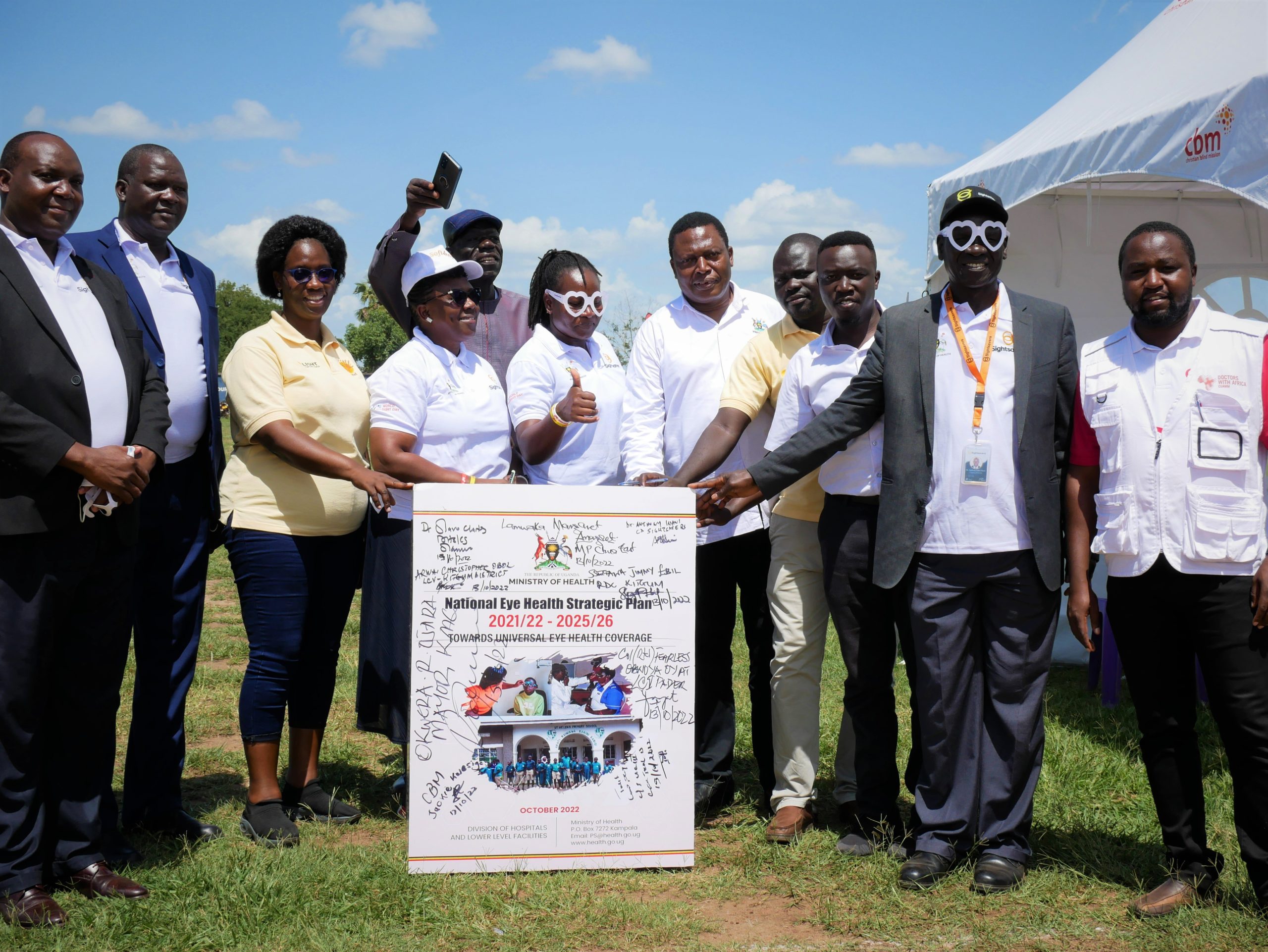
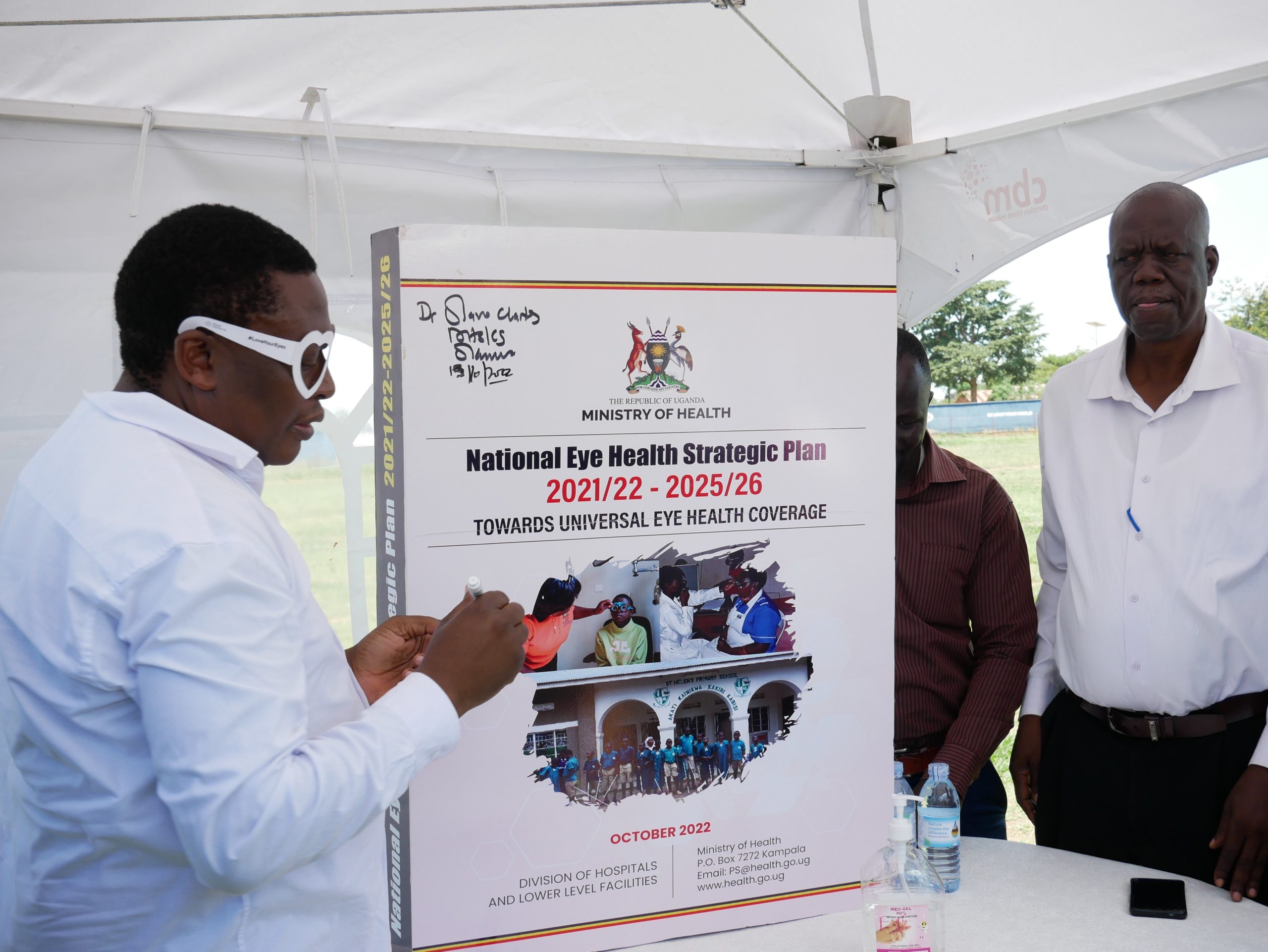
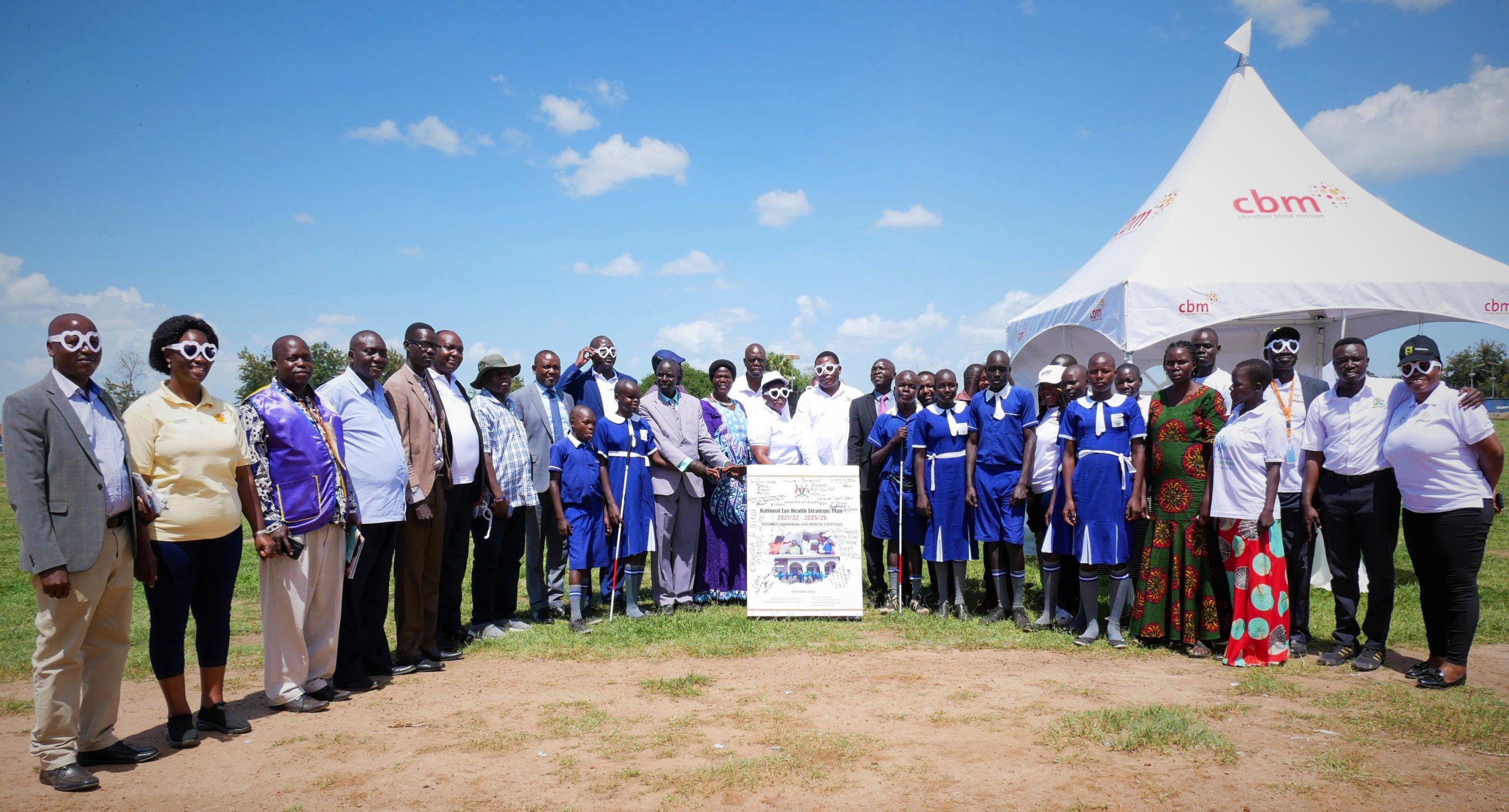
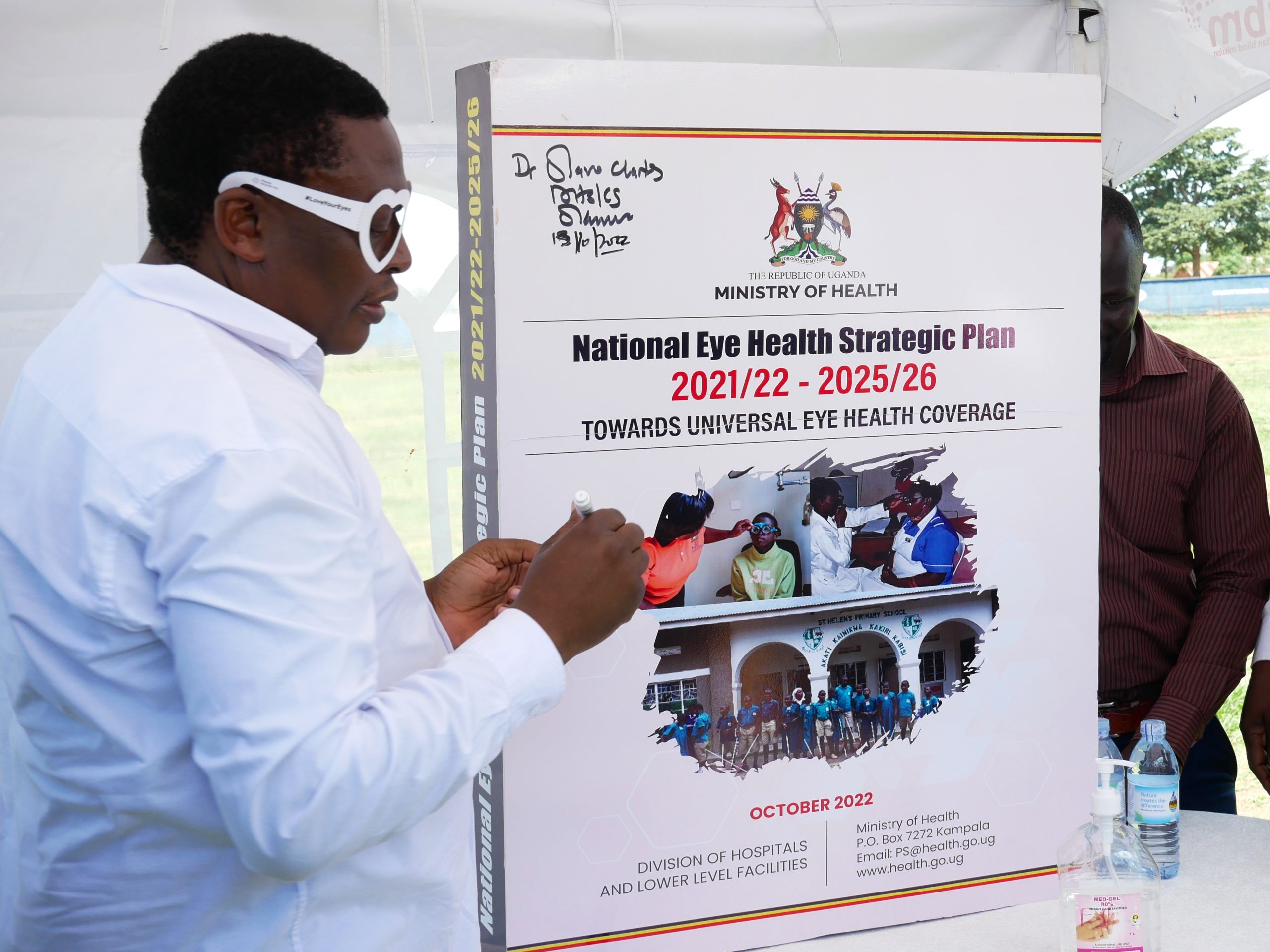
Finally, he launched the National Strategic Plan for Eye Health (2021/22 – 2025/26), which will help health professionals to assess, treat and refer eye patients correctly. In order to increase awareness of good eye health and promote the prevention of blindness.


BROWSE THE GALLERY
CULTURE WEEK IN KARAMOJA: AN OPPORTUNITY TO DONATE BLOOD
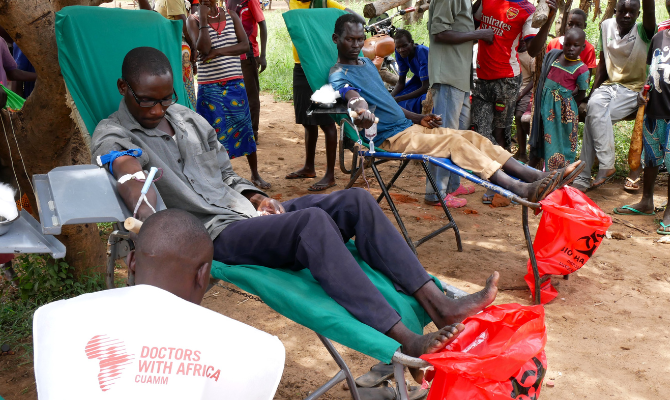
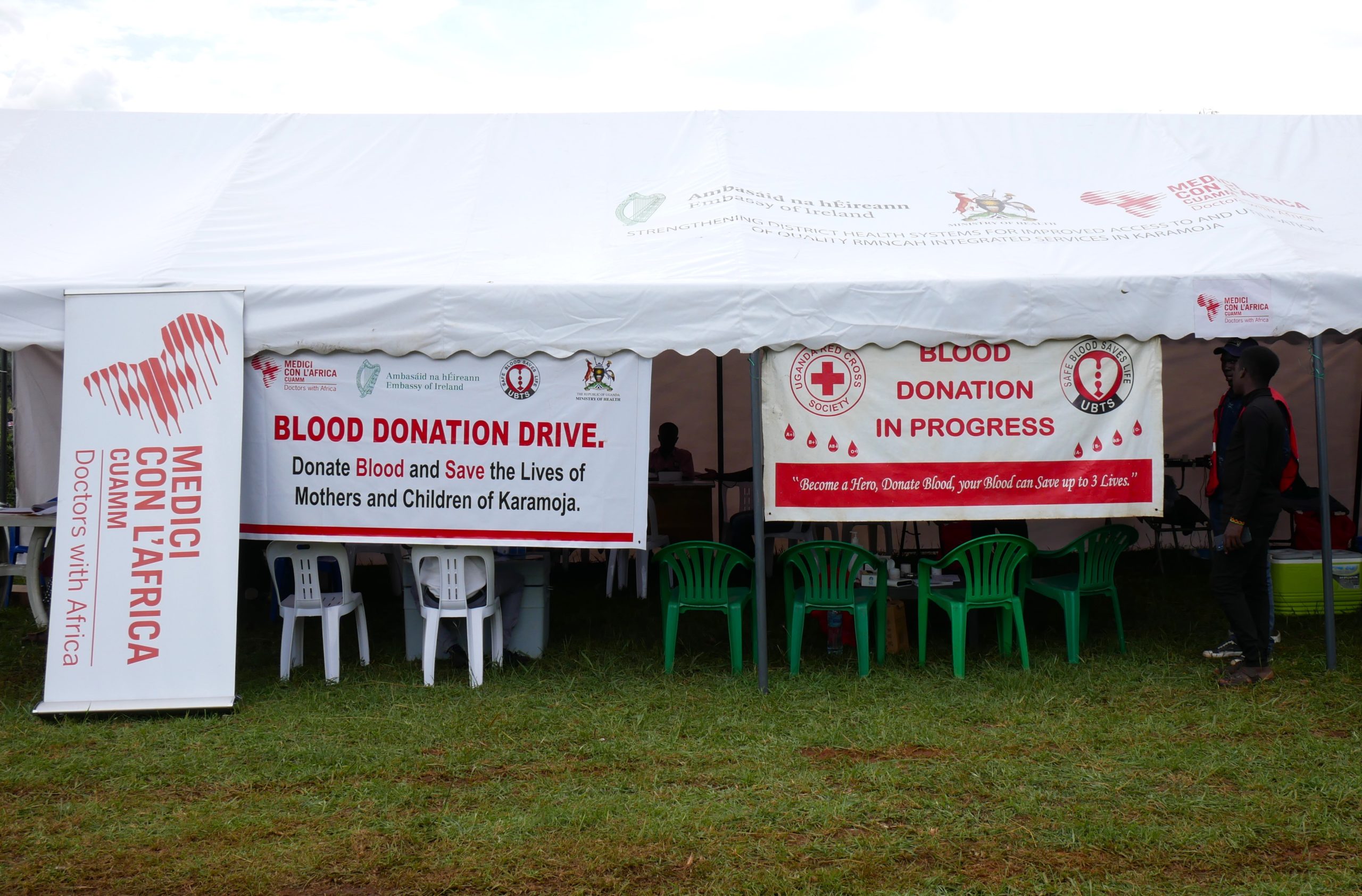
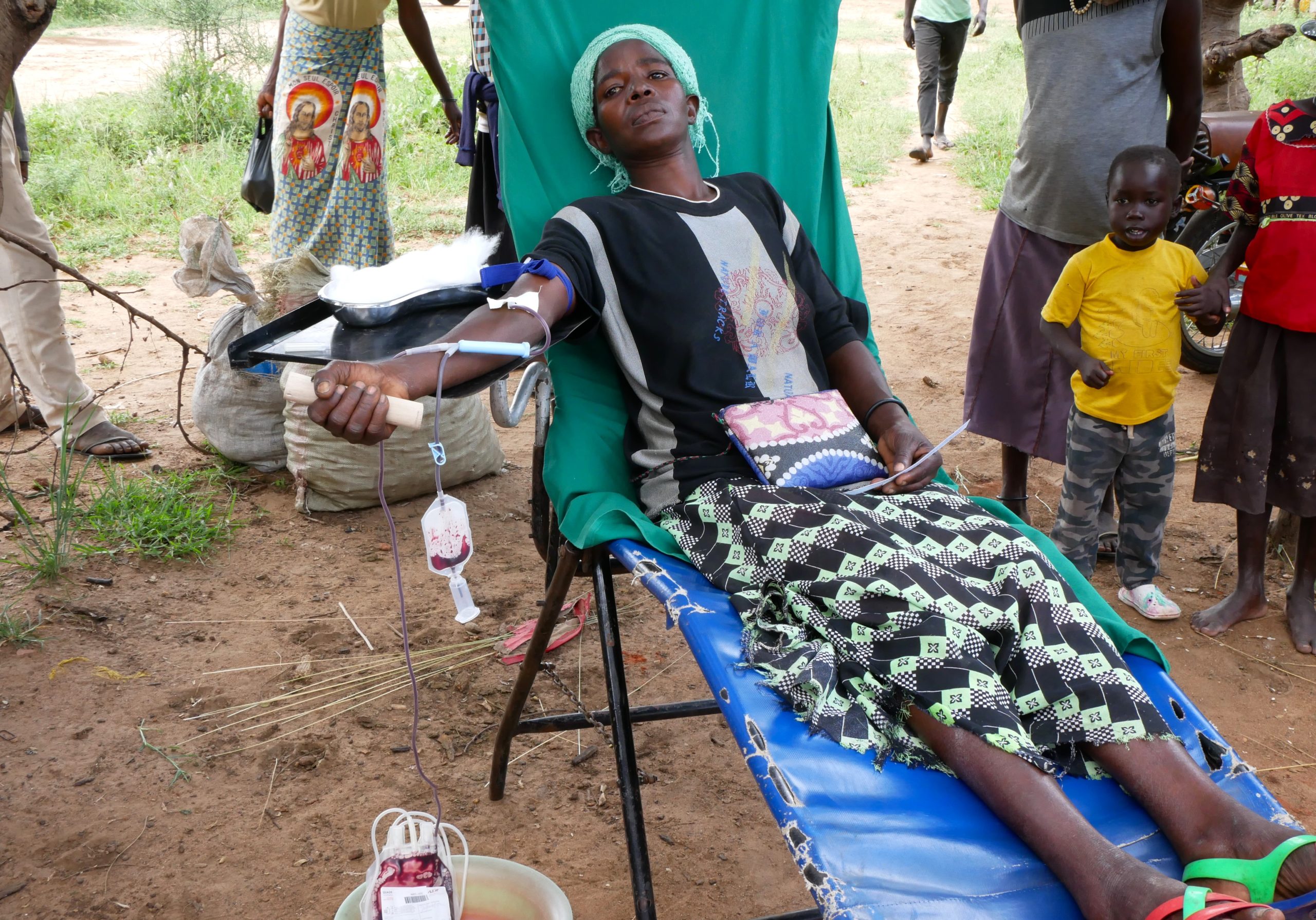
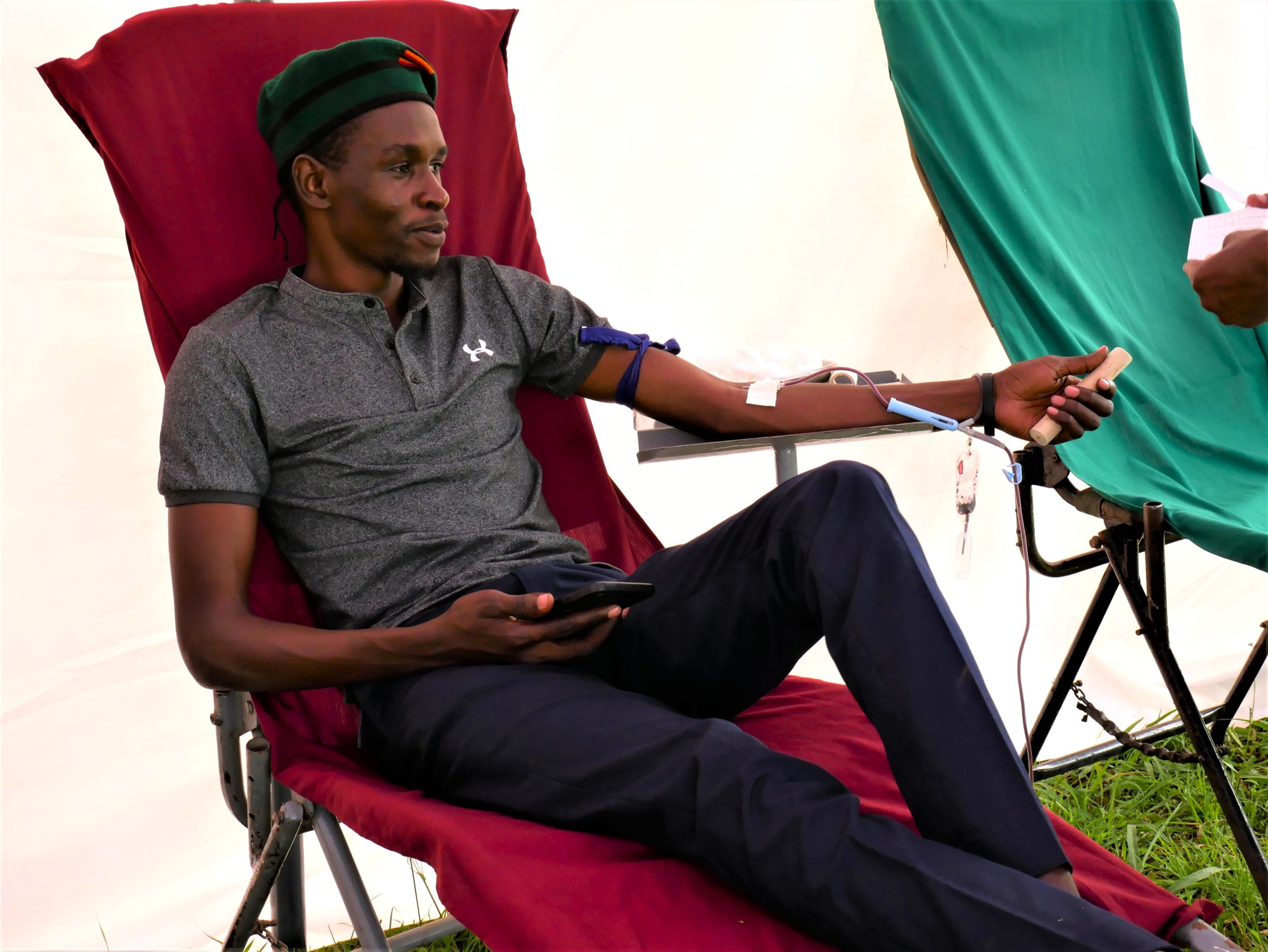
Karamoja Culture Week, an event that celebrates, every year in September, Ugandan traditions, particularly Karamajong ones, just ended. Involving hundreds of participants, the event becomes an opportunity to raise awareness about healthcare. In the village of Abim, Doctors with Africa CUAMM has promoted the “blood bank”, trying to raise awareness about the importance of donating.

In two days alone, 130 units of blood were collected from generous donors in the food markets of Orwamuget and Nyakwae. The activity is part of a large project, implemented with the support of the Embassy of Ireland, in collaboration with the Ugandan Ministry of Health, the country’s Blood Transfusion Services, the University of Mbarara, health professional associations and the 9 local district governments of Karamoja (Moroto, Kotido, Napak, Abim, Nabilatuk, Nakapiripirit, Amudat, Kaabong and Karenga).

The primary objective is to strengthen district health systems in Karamoja to improve access to health for mothers, children, adolescents (RMNCAH) and HIV patients. At the same time, the program aims to encourage capacity for the safe collection, storage, distribution and use of blood and plasma.

«When my son was sick at the age of three – says Adero Pauline, who sells manioc at the Nyakwea market – we reached the hospital. The kid needed blood, but there were no units available at that time. So, we were forced to travel more than 30 kilometres to reach Amolatar district. During those hours of travelling, I thought my baby was not going to make it. Thank goodness, we found the blood and my son survived. Now he is 11 years old, he is doing well and that is why I am here today to donate, in the hope of saving the lives of other children who might need it».

Prophecy Official, a gospel singer from Abim, also participated in the Culture Week in Karamoja: «Many mothers die from post-partum haemorrhages. I donate blood whenever the opportunity is given, so that I can save as many women as possible».

«When I was 16 years old – remembers Ernest Ayen, Abim district youth chairman – on my way back from school, I found out that my mother had just been admitted to the hospital and needed an immediate blood transfusion, which, fortunately, arrived».

«I have a cousin who was recently rushed to the hospital, right when I was at her house. She needed blood, but there was none at the hospital in Abim. My uncle had to rush to Lacor Hospital in Gulu, 300 kilometres away. Thanks to the transfusion, she is now healthy.

I am grateful to the donors, this is why I give myself. CUAMM explained to me that the blood collected during the event will remain in our region to save mothers and children. I am happy about this!».

Blood donation represents, in concrete terms, a public health intervention: we donate not only to do good to the recipient, but also to ourselves.

Kick-off of a new project on malaria in northern Uganda

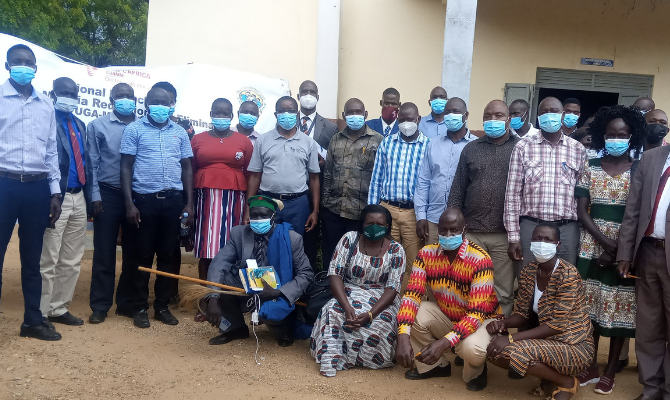
11 districts in northern and north-eastern Uganda, with a total population of 1,655,200 people, are involved in a new regional malaria project, launched by Doctors with Africa CUAMM on Thursday 30 September in the Kotido district of Karamoja region. The project, in line with the national malaria strategic plan, aims to help reduce malaria morbidity by 50% and mortality by 75% by 2023. An ambitious target, with a special focus on pregnant women and children under 5 years of age.

“CUAMM will work with 182 health facilities, 8,008 community health workers (Village Health Teams), and with a special focus on 292,971 children under 5 years of age and 82,760 pregnant women,” explains Peter Lochoro, Cuamm Country Manager in Uganda.

The intervention is financed by the Global Fund for TB, AIDS and Malaria through Taso Uganda, the second largest recipient of Global Fund grants in the country. Representatives from the Ministry of Health, district government leaders, district health officers and malaria technical officers participated to the event.

“Karamoja has the worst malaria prevalence rate in the country, with 34% of children under 5 years old testing positive. In addition, there is little knowledge of health issues and therefore little awareness and dissemination of preventive behaviour,” says Lucy Apio Chegem, CUAMM’s project manager. “Although 58% of families have anti-mosquito nets, only 28% use nets treated with insecticide”.

Malaria is a “double misfortune” for poor families not only because it causes illness and death, but also because it affects family income and food security. Most of the region’s population is scattered over a large geographical area, with poorly developed public transport, which also affects access to and use of services.

The project therefore fits into and complements CUAMM’s wider intervention to strengthen the health system in the region. Another step, with the support and collaboration of the Ministry and local health institutions, to improve the health and quality of life of the communities in Karamoja and northern Uganda.

SCHOOL AS A PLACE OF CHANGE

Thanks to his work as a teacher in Lokopo primary school, Paul Hosman carries out community outreach activities, in particular for children.
“ I feel I can be really helpful thanks to my role. We teach children how to wash their hands in the right way, we share with them the risks linked to transmissible diseases and how to prevent them through hygiene – Paul explains -. There is also the food insecurity issue which is really present in Karamoja.
There are many malnourished kids but I can see their health is slowly getting better, especially thanks to project related community meetings during which we teach moms the good nutritional practices – says Paul -. I try to encourage moms to take care of her children and of their diet because a good health status is essential to keep them focused and productive both at school and at home”.
Despite Paul noticing an improvement, there are still many steps to take.
“It’s a change of mindset and habits that requires time and we have to face daily challenges, as for water in boreholes. Boreholes are often far away from villages and people collect rainwater or water flowing in the streets and use it to clean their homes and cooking utensils they use to cook for their family – says Paul -. I hope this project keeps going and reaches the most isolate villages, thanks to our community health villages. In the meanwhile, I will keep on spread health messages for the entire community’s welfare.

Since July 2018, the three-year project “Nourishing with food and knowledge the communities of Moroto and Napak” has been ongoing. It is financed by the Italian Agency for Development Cooperation, implemented by Africa Mission – Cooperation and Development and Doctors with Africa Cuamm, in partnership with Università Cattolica di Piacenza, Azienda Ospedaliera Universitaria Meyer and Informatici senza Frontiere. Ugandan partners involved are Choose Life Home Base Care and Moroto and Napak districts’ authorities.

Nourishing the communities with knowledge and food

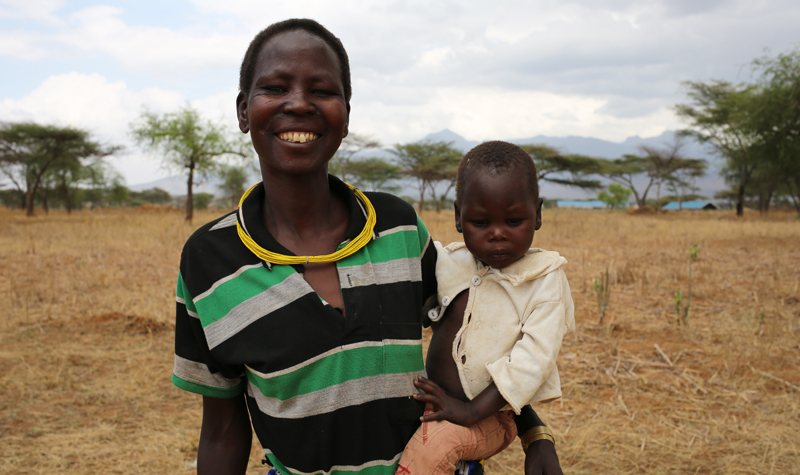
Aleper Christine is one of the happy and proud mothers who have benefitted from the nutrition program being implemented by Doctors with Africa CUAMM in Moroto and Napak districts of Karamoja sub-region. The project “Nourishing with knowledge and food the communities of Moroto and Napak” was designed to be able to address the issues of behavior change and food security in the two districts.

Christine is a mother of six who lives in Lokilala village Nanduget Sub-County Moroto district with his family. When she was pregnant for her last born, she was encouraged by the Village Health Team to visit the facility for ante-natal check-ups.

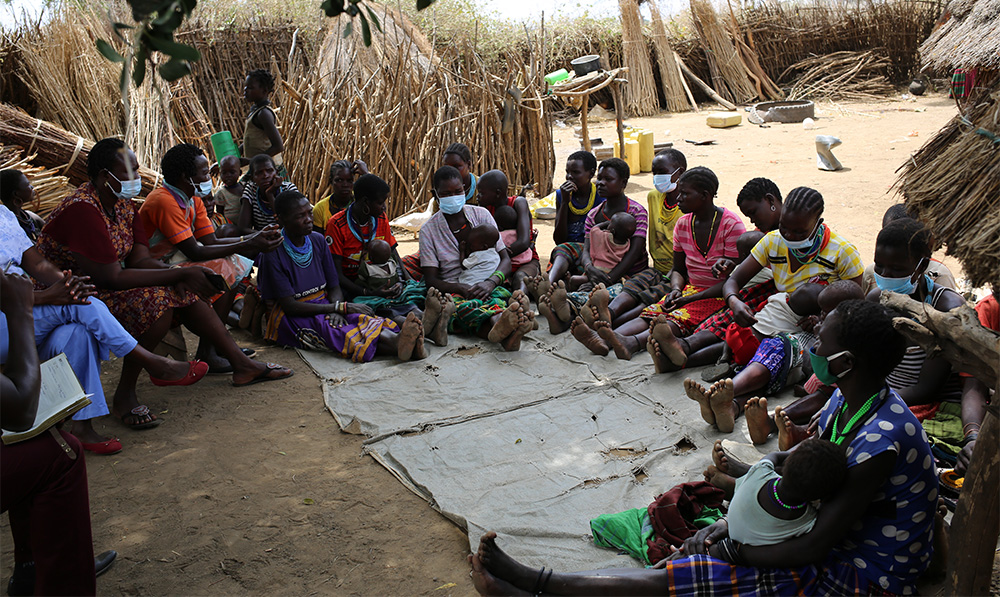
“During these ante-natal clinic days I was given health education by health workers and CUAMM officers. I got information about eating a balanced diet using the locally available foods, early identification of any illnesses in the baby and sanitation and good hygiene – says Christine – It’s possibile to continue this health education during post-natal check ups

This is what helped Christine understand that her child was malnourished. As soon as she realized she immediately took her to the facility. At the facility, the baby was diagnosed with severe acute malnutrition with edema and the health workers linked him to the Moroto RRH ITC for two weeks before he was transferred to OTC (outpatient therapeutic care) in the third week.

She embraced getting the RUFT (Ready to use therapeutic food) for her child but unfortunately for her and so many other mothers who were depending on the same, there was a nationwide stock out of these feeds from the ministry for a period of threemonths from September to November 2020.

However, all hope was not lost and with support from CUAMM and the health workers Christine benefitted from receiving the key health and nutrition messages during clinic days where they encouraged them to continue bringing their children for their weight to be monitored. They were encouraged to provide a variety of locally available foods like greens, beans, silver fish, eggs among others as a substitute for the RUFT.

“As a mother, I followed everything that I was advised to do by the health workers and went an extra mile of selling firewood which earned me some money to buy the foods that I did not have at home. I endeavored to feed my child on a balanced diet until he was assessed and declared cured in December 2020,” Christine said.

Health and vaccines in Karamoja tackle the emergency

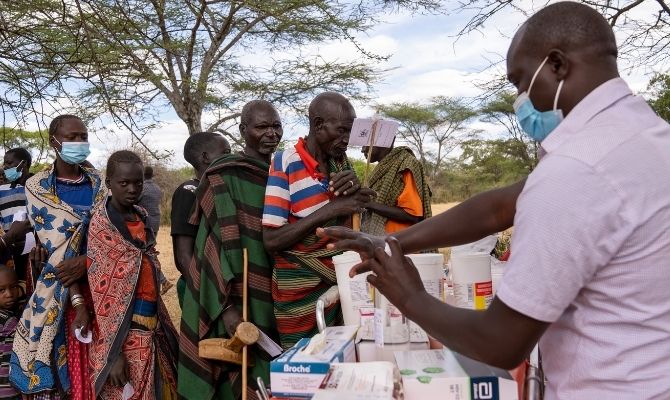
Today, May 21, marks the kick-off of a Doctors with Africa CUAMM’s project in partnership with UNICEF, in all nine districts of the Karamoja region in Uganda. The intervention aims to strengthen the health system to ensure better access to and use of quality health services with a focus on nutrition, HIV, and emergency health management including Covid-19. The project is particularly dedicated to the most vulnerable groups: women, children and adolescents, and it is part of a larger pre-existing programme of collaboration between UNICEF and the Ugandan government. The projects has the following main objectives:

  • Enhancing the capacity building of district authorities to plan, coordinate, implement and monitor integrated services, along with strengthening the capacity of health facilities to provide these services;
  • Increasing the involvement of communities to promote changes in attitudes and behaviours, and increasing demand for and use of integrated services.
  • Improving the capacity of prevention, preparedness and response to emergencies related to natural disasters and public health. In particular, in response to the Covid-19 pandemic, UNICEF has provided additional funding to help Doctors with Africa Cuamm in implementing vaccination activities in the region in support of the Ugandan Ministry of Health, and in strengthening community awareness on Covid-19;

In Moroto, in the presence of the Ugandan Minister of Primary Health Care and the Country Representatives for CUAMM and UNICEF, an event is taking place to launch the project and the Community Engagement Strategy, the ministerial strategy for community engagement to ensure that people are adequately sensitised and actively contribute to prevent and control the spread of the virus. To achieve broader community engagement, special attention will be paid to raise awareness on this strategy among religious leaders.