The sufferings of women in northern Mozambique

«I have long carried out that feeling of shame before speaking out and seeking support – said Yvon, 36 years-old from Cabo Delgado. – but I believe we have all gone through some sort of violence just because we are women. Aquiring awareness on this, helped me realize gbv is the elephant in the room and it is only by speaking out that we can dismantle the taboo and help other women raise their voce».

Yvon is a 36 years-old woman from Muidumbe, northern Cabo Delgado, Mozambique. In 2022, due to the insurgencies in the northern province of Cabo Delgado, she fled her home to Pemba together with her partner and 5 kids.

For 7 years, the province of Cabo Delgado has been a conflict zone, with about 834,304 internally displaced people. Most have experienced or witnessed extreme violence including killings, sexual violence, kidnappings, extortion, and villages being burnt. Some have lost their entire family.In this context of displacement and conflict, gender-based violence is among the major safety problems.

«We had no place to go when we left Muidumbe, as we arrived in Pemba we had to find a way for living. Everything was difficult and soon my husband started blaming me» said Yvon recalling how she entered in a series of psychological violence that later resulted in physical aggression.
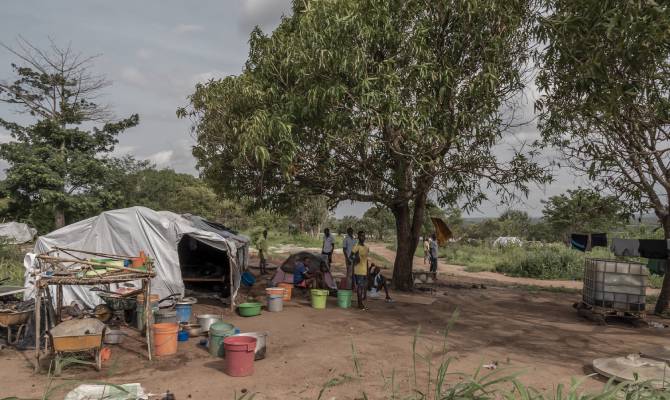
The risk factors underlying GBV are multiple, interrelated, and mutually reinforcing. These include individual factors, such as young age or illiteracy; societal factors, such as poverty, unemployment, and displacement; behavioral factors, such as alcohol and substance use; and environmental factors, such as complex emergencies, armed conflicts, and impunity. These factors worsen during crises, resulting in an increase in GBV cases, disproportionately affecting vulnerable groups such as IDPs, women, and young girls.

Intimate partner violence can have severe short- and long-term physical and mental health effects, including injury, depression, anxiety, unwanted pregnancies, abortions, sexually transmitted infections, and worse. GBV can affect social well-being, leading to loneliness, social withdrawal, and a sense of victimhood in the affected person.

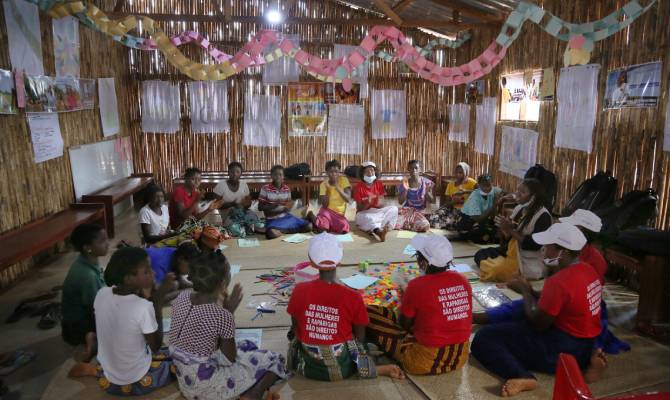
In the city of Pemba and the district of Montepuez, in Cabo Delgado province, Doctors with Africa CUAMM addresses gender-based violence with a multisectoral and community-based approach. Within safe spaces (casa de proteção) for women and girls, CUAMM teams conduct awareness-raising activities on GBV and the prevention of sexual exploitation and abuse (SEA) using various methodologies such as theater, community dialogues, workshops, and more.

«By engaging women and young girls who have experienced gbv in social activities we aim to overcome the social emargination in which they often end up living because of the stigma and that sense of ashame that can have long-term psychological damages» explained Lúcia Maria de Fatima Henriques, CUAMM psychologist.
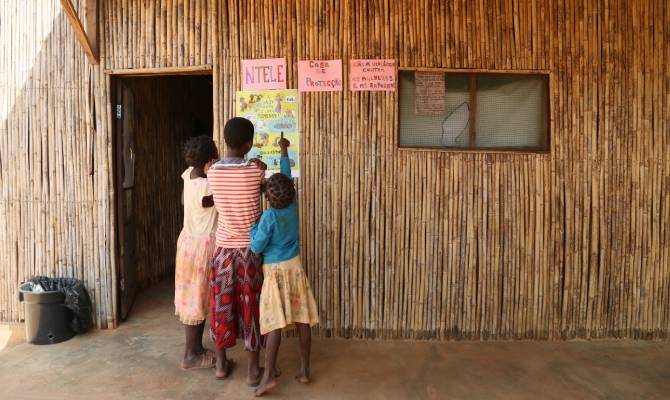
Photo by Marco Trovato

CUAMM’s intervention in the province combines operational research and field actions to provide psychological support (MHPSS) and integrated clinical and legal assistance to victims of gender-based violence (GBV) in collaboration with government legal services and the Mozambican association MULEIDE.

«We work to assist women and young girls throughout the process, from the reporting to court, offering also health assistance and psychological support – explained Isefa Sufo, CUAMM Legal Assistant -. We have trained local authorities on gbv management case and the collaboration is good but we do know that the process can be extremely long and exhausting for the survivor and it is our duty to inform them» stated Isefa.

From 2021 to the present, CUAMM has been working to mitigate GBV risks and improve responses for survivors, actively involving communities, raising public awareness, and addressing the urgent need to provide integrated services. Today there are 12 supported safe spaces in Cabo Delgado that offer care, psychosocial support, and information for other services related to safety and health needs. There were 900 people supported in 2023 for GBV or MHPSS (Mental Health and Psychosocial Support). Over 60 women have been supported and legally assisted to date.

«We have seen improvements over the last years, when we started gbv was not a priority on the agenda, not even something the civil society was interested in but things are changing – said Elisa Fernando Tembe, CUAMM Project Manager -. In the long-run we’d like to enrich the service ensuring a safe place to live to the survivors who suffer perpetrated domestic violence».

Objectives of the Intervention:

  • Improvement of Access to GBV and SEA (Sexual Exploitation and Abuse) Services in line with international guidelines, the intervention aims to facilitate survivors’ access to services by covering costs such as transportation and medications, providing hygiene kits, and, in some cases, integrating the most vulnerable individuals into an economic support system.
  • Enhancement of Mental Health Services targeting at-risk individuals, especially women and young girls who have survived gender-based violence. In collaboration with local health authorities, after referring the most sensitive cases to government mental health services, the Cuamm team ensures regular follow-up and involvement in age-, gender-, and context-specific group activities conducted within safe spaces.
  • Prevention and Preparedness for Managing GBV and SEA Cases through safety audits in intervention areas, the activity aims to strengthen services offered in coordination with the Ministry of Health, the Provincial and District Directorate for Gender, Children, and Social Action, as well as the Technical Working Group on Psychosocial Support and Mental Health.

Gender based violence at glance

Gender-based violence is a human rights violation perpetrated by an aggressor against a person because of their gender or sex. The United Nations defines violence against women as “any act of gender-based violence that results in, or is likely to result in, physical, sexual, or mental harm or suffering to women, including threats of such acts, coercion or arbitrary deprivation of liberty, whether occurring in public or in private life.”  The most prevalent form of gender-based violence is committed by intimate partners (Intimate Partner Violence). Globally, it is estimated that, on average, 27% of women aged 15 to 49 have experienced violence by an intimate partner (IPV) or a non-partner during their lifetime and millions are those affected by other forms of gender-based violence, such as child, early, and forced marriage, sex trafficking, and harmful traditional practices. The highest prevalence of GBV globally is reported in the regions of Africa and Oceania.

According to a recent report by the Secretary-General of the United Nations “Sexual and Conflict-Related Sexual Violence” for the year 2022, the countries where this violation of human rights is most widespread are the Central African Republic, South Sudan, Democratic Republic of Congo, Mozambique, Ethiopia, just to mention sub-Saharan Africa.
CAR Expanding Intervention in the Country’s Last Mile

The Central African Republic ranks 188th out of 191 countries on the Human Development Index. Marked by significant instability, conflict, and armed violence, it has a large number of inhabitants living in extreme poverty: 500,000 people are displaced, about 3 million people did not have enough food in 2023, and 2.4 million are in extreme need.

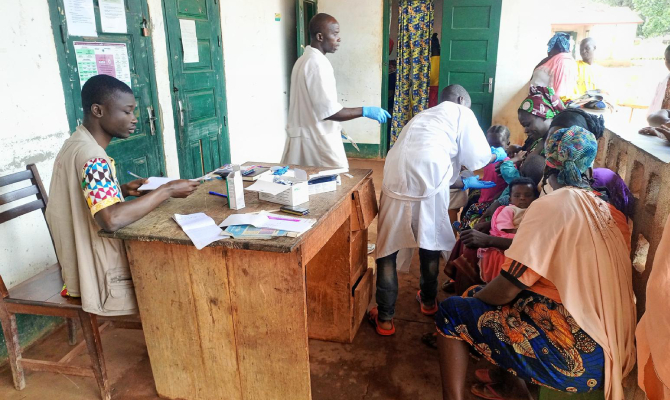
In such a problematic situation, Doctors with Africa CUAMM, thanks to the support of the European Union, expands its efforts to bring an integrated and cross-cutting health response to the sub-prefecture of Koui, supporting the second-level hospital and the four health centers in the area, to redistribute the patients of the nearby hospital of Bocaranga, so far the only functioning one.

Special attention is given to childbirth and newborn care and malnutrition, especially in children under the age of five. Equally important is the training of health personnel, community outreach, and a great deal of work on youth and women who have experienced violence and abuse in an area characterized by the presence of many armed groups.

About 80 km from the hospital in Bocaranga, where Doctors with Africa CUAMM already have a presence and are involved in responding to emergencies, is the Koui hospital, which serves more than 160,000 people. Basic essential services are lacking here, and those that are present are difficult for the population to access. 

Reaching the last mile of the healthcare system, those often forgotten outskirts of the world, is a deep commitment for CUAMM, embedded in the DNA of an NGO that has been working with Africa for over 70 years. After initiating its presence in the country by engaging with the Pediatric Complex in the capital, Bangui, CUAMM has chosen to operate in areas such as Bocaranga and Bossangoa.

Now, this new project aims to rehabilitate the hospital in Koui, reorganizing the space to provide better care and relieve the hospital in Bocaranga. Already, the first data collected are encouraging: in the first months, 2,754 outpatient visits for children under five years old; 104 assisted deliveries; 355 prenatal visits; 484 hospitalizations; 142 children vaccinated within the first year of life; 229 people reached by health education messages.

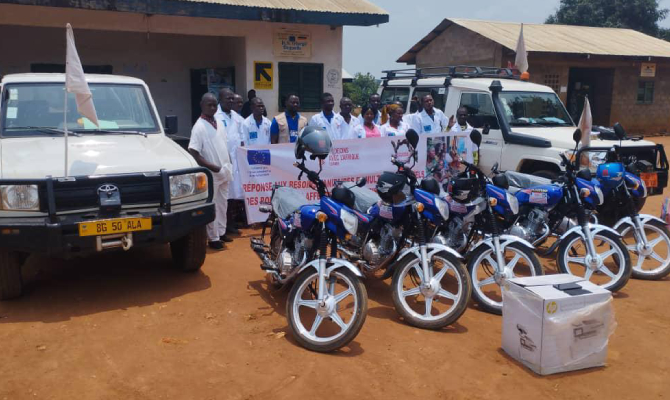
The intervention includes the renovation of the operating room, the maternity ward, and the electrical and plumbing systems; the improvement of waste disposal procedures; and the construction of latrines. CUAMM will also ensure the supply of medicines and medical materials, as well as the necessary equipment for the various departments. To meet the needs of the population, new healthcare staff will be hired, and training and updates will be provided for those already employed. Lastly, a transfer system for more complicated cases and emergencies, particularly obstetric ones, will be implemented through motorcycles, operating from the outskirts and villages to the hospital.

The intervention titled “Project to Respond to the Health and Multidimensional Needs of People Affected by the Humanitarian Crisis in Ouham Pende Prefecture” is co-funded by the European Union through the Directorate-General for European Civil Protection and Civil Aid Operations and will be implemented by Cuamm in collaboration with Ofhard (Women’s Organization for Humanitarian Action and Sustainable Development), a local NGO.


EU Civil Protection and Humanitarian Aid:  The European Union and its Member States are among the world’s leading donors of humanitarian aid. Relief assistance is an expression of European solidarity with people in need all around the world. It aims to save lives, prevent and alleviate human suffering, and safeguard the integrity and human dignity of populations affected by disasters and human-induced crises. Through the Directorate General for European Civil Protection and Humanitarian Aid Operations of the European Commission, the European Union helps millions of victims of conflict and disasters every year. With headquarters in Brussels and a global network of field offices, the EU provides assistance to the most vulnerable people on the basis of humanitarian needs.”


70 YEARS WITH AFRICA AND AT THE SERVICE OF ITALY

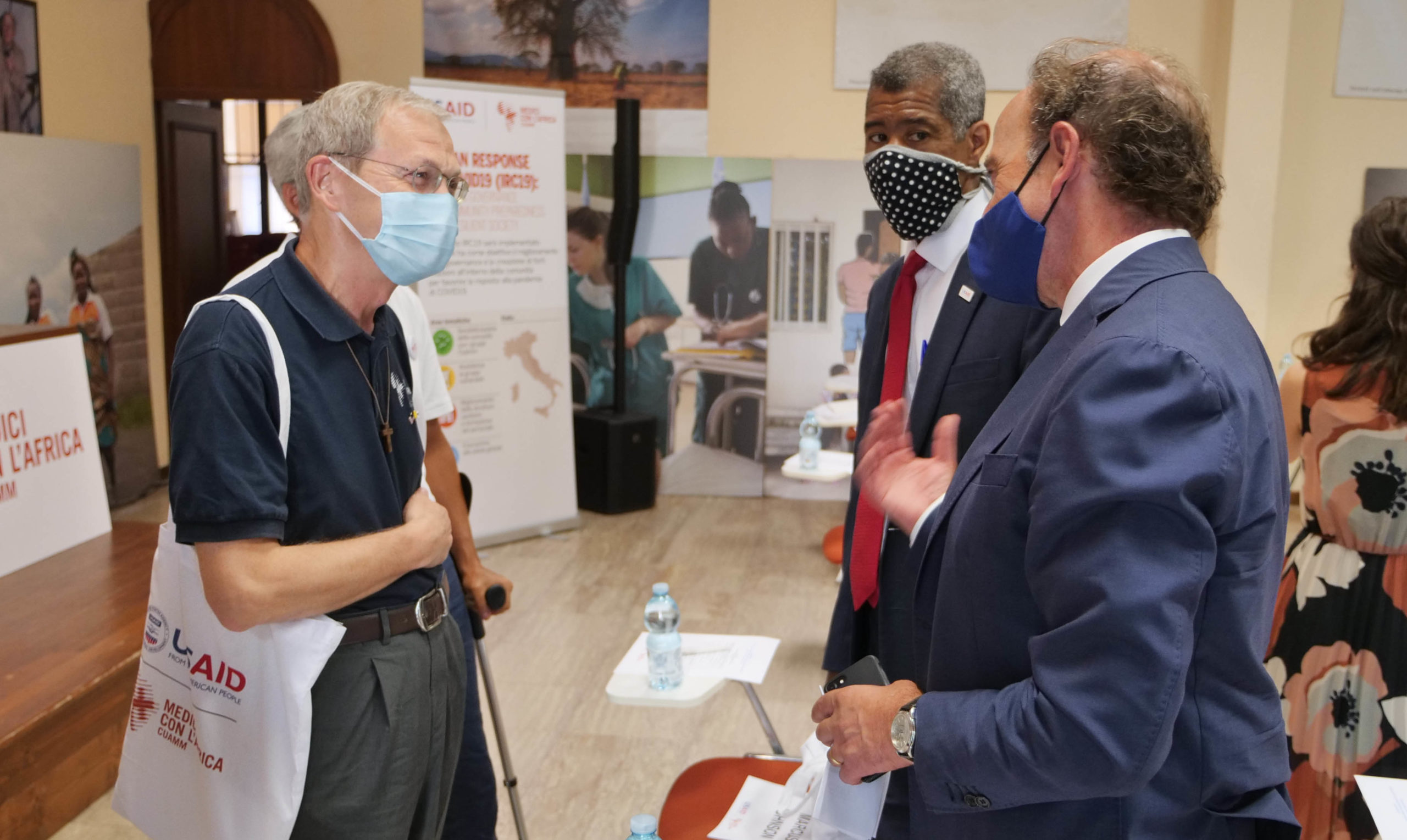
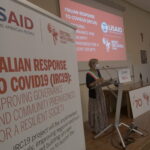
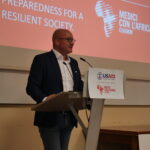
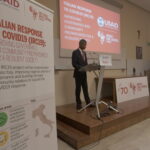
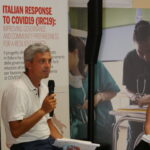
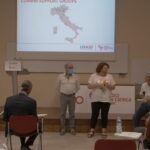
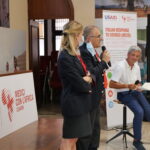
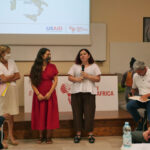
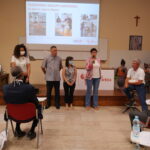
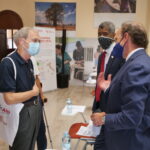
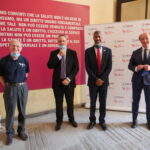
Today, at Doctors with Africa CUAMM’s headquarters in Padua, saw the presentation of our “Italian Response to COVID-19” intervention plan, part of CUAMM’s broader program for Italy that leverages our organization’s network of volunteers and partnerships with health professionals and trainers to continue to tackle the Covid-19 emergency. Centered around prevention, the plan focuses in particular on the weakest and most marginalized groups of society, and – thanks to the year-long support of the United States Agency for International Development (USAID) – involves partnerships with health facilities, universities, umbrella associations and volunteer groups throughout Italy.

Speakers at the presentation included representatives from USAID and the United States Embassy in Italy, as well as from CUAMM support groups around Italy and several other partners involved in the plan.

As Don Dante Carraro, director of Doctors with Africa CUAMM, explained: “Covid-19 underscores how crucial it is to think about health increasingly in global terms. In recent years CUAMM’s commitment in this area has involved a focus on our work with university-based health trainers and our support groups in Italy. Now we are eager to expand the sharing of this experience and know-how with our own communities, putting it even more at their service during this health crisis. As we at CUAMM ponder the recent words of the President of the Republic, who called for ‘a commitment to help rebuild the fabric of our society, strengthening our ability to handle upcoming crises and reviving our confidence in the future’, we feel compelled to do our own part, and want to thank our many partners for supporting us in this effort – especially USAID, for standing side by side with us in this huge challenge.”

Awareness-raising, training, and – last but not least – support to health facilities and the most vulnerable: these are the keywords of CUAMM’s emergency response plan.

THE NUMBERS: 27 volunteer groups | 3,800 volunteers | 11 Italian regions  | 39 universities  |  12,000 junior doctors 25,000 food kits distributed

This study/report/audio/visual/other information/media product (specify) is made possible by the generous support of the American people through the United States Agency for International Development (USAID). The contents are the responsibility of Doctors with Africa CUAMM, recipient of the Fixed Amount Award (FAA) No. 7200AA20FA00013 and do not necessarily reflect the views of USAID or the United States Government.

COPING WITH COVID-19 ENSURING CONTINUITY OF SERVICES

The outbreak and the impact of Covid-19 pandemic has led Doctors with Africa CUAMM to put in place a set of actions to guarantee the continuity of basic healthcare services on the one hand, and to ensure and  improve access to health care and protection services to the vulnerable segment of the population on the other hand, capacitating them to mitigate the effects of COVID-19.

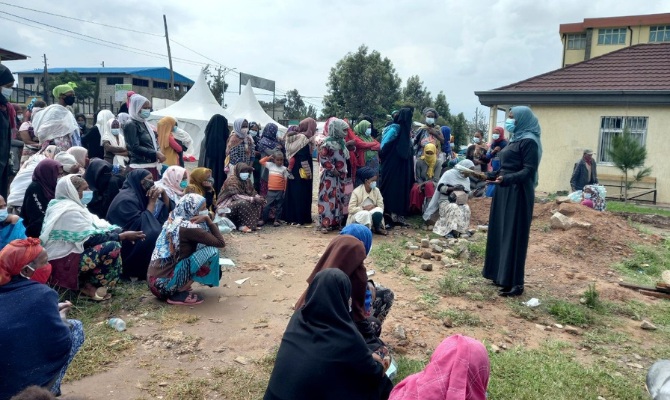
Therefore, CUAMM has been implementing a 4-month project in Ethiopia: “Promotion of the health and protection of vulnerable segment of the population in Woreda 1, 3, and 8 of Kolfe Keranyo Sub city in response to the COVID-19 emergency” which is financed by the Italian Agency for Development Cooperation. To achieve these objectives, the project has conducted trainings and awareness raising activities, provided assistance and support to the most vulnerable, supplied medical equipment and consumables to the health centers in the three districts involved. Moreover, 14 health workers have been trained on the provision of mental and psychosocial health care services particularly related to gender-based violence (GBV). The project has allowed the procurement of dignity kit, and the training of 50 health extension workers (HEWs) on provision of referral and awareness raising on GBV. 120 poor women family heads and returnee migrants were benefited from psychosocial support and accompaniment activities and 60 single mothers were benefited from Income Generation Activities (IGA) in the immediate emergency. The project, through the collaboration of CISP, has been also working closely with school clubs to disseminate messages related to prevention of GBV through school mini medias.

Among the many significant achievements:

  • 20 Family Health Team staff  trained on home based isolation care and support (HBIC). They have provided with medical equipment like statoscope, pulse oximetry and other medical supplies. In the past 4 months, more than 700 COVID-19 patients received HBIC by these trained health care workers;
  • Patients’ satisfaction survey conducted in 11 health centers to get users (patients) feedback. The result was disseminated for key actors of the sub-city, woreda and health centers;
  • To strengthen the referral system, the 3 woreda ambulances were equipped with medical appliances to safely transport critically ill patients.
  • 50 health extension workers and 28 health staff were trained and sensitized on the identification and referral of the most vulnerable cases, including mental health and psychosocial health aspect. An average 65 cases per month are referred, ncluding suspected cases of covid-19 in each woreda.
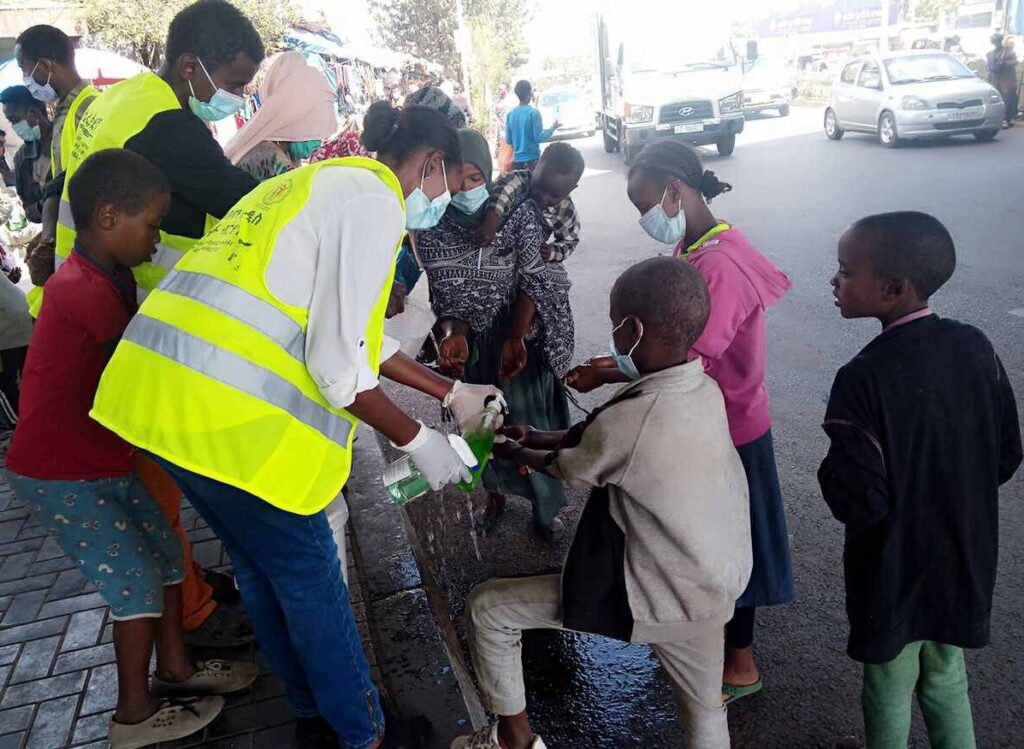
  • 2695 people, returnees and migrants in the 3 target woredas benefited from the distribution of protection materials like face mask, hand sanitizer and soap. These group of people are most exposed to the risk of Covid-19 among these 71% (1903) were female, and 40% (1078) were disabled and chronically immunocompromised patients.
  • More than 70,000 people reached with awareness raising and community engagement activities on Covid-19 prevention. In addition, more than 3,000 people were sensitized on the prevention of gender-based violence and social protection.
  • Hygiene and sanitary kits provided for one school.


The large share of urban poor and particular segment of the population vested in Kolfe Karaniyo sub city are vulnerable to counteract Covid-19 due to lack of finances and means of preventing it. The health facilities also face shortage of basic and essential equipment and consumables. The project has achieved good results in improving the capacity of the health facilities to guarantee basic health services for the vulnerable categories. The feedback from the authorities and beneficiaries was very appealing.

There is still a urgent need of assistance to improve the quality of health services, along with providing essential medical equipment, training to health care works on various health topics, and also the urban health extension workers need logistics and follow up supports. This intervention in Addis Ababa urban context has been a good lesson and it would be important therefore to continue or even to expand the project on MNCH in the three health centers.

TB: a challenge that needs dedication and care

In the “Western world”, hearing the word tuberculosis does not generate much fear, if it is treated promptly and with the appropriate instructions, it is not even perceived as a serious disease. Unfortunately, this is a “privilege” for the few.

In Africa, tuberculosis is still a disease that causes many victims, 1,4 million in 2019. Every year, only in Uganda, nearly 89,000 new cases of Tb occur, among them 6,176 in Karamoja Region (WHO). But not all stories have an inevitable ending. Doctors with Africa CUAMM is committed to offering care and knowledge to those in need, even in the most remote places, as in the case of Ochan Richard, a former soldier of Uganda People’s Defence Force. Ochan, 50, already infected with HIV, was first diagnosed with TB in 2011, which worsened into multi-drug resistant tuberculosis (MDR TB) a few years later. Tuberculosis is one of the major causes of death for HIV patients who, with the progressive weakening of their immune system, contract the disease more easily and often with lethal consequences if it is not treated.

Ochan’s story, which seemed to have a written ending, changed when he arrived at St. Kizito Hospital of Matany in the Napak district of Karamoja. After many years of interrupted treatments due to work needs and difficulties in obtaining the necessary medicines, Ochan was finally able to have access to the care he needed thanks also to the encouragement and support of his family who prompted him to seek help at the Matany Hospital despite the distance from his home. A 75 km route full of hopes that have given him confidence in a still long life.

After two months he was discharged and personally taken home by the CUAMM hospital team specialized in tuberculosis which was responsible for raising awareness among the family and the entire community on the signs and symptoms of tuberculosis, on how it develops, on the adequate treatment and finally on how to avoid its spread.

“The same day I got home, my family and some community members were screened and all were healthy.” – said Ochan, adding – “I am deeply grateful to the hospital staff of Matany and to the CUAMM staff, for all the efforts they have made to save my life and that of many others. Whenever I come back for treatment, I am sure that I will get reimbursement for transport and meals, and given my situation it is a great incentive to be able to continue treatment regularly”.

A similar story to that of Santos, 32, who was diagnosed with multi-resistant tuberculosis. After numerous interruptions in treatment, in which skipping even a single day of treatment means starting over each time, Santos had decided to abandon himself to his fate and leave the Kotido Hospital where he was being treated.

“I left the hospital and went to stay with my older sister, Martha. As soon as I arrived at her house, my cough and health conditions only got worse. Therefore Martha insisted that I go back to the hospital where I was examined and diagnosed with multi-resistant tuberculosis. The doctors immediately contacted the Matany Hospital, the only institution specilized in this disease and able to offer adequate care and support where I was reffered to and hospitalized by the team of Doctors with Africa CUAMM”, says Santos.

After a month and a half of treatment, Santos could no longer bear the kanamycin injections that were administered to him daily so he escaped from the hospital returning to his village. Victor, the CUAMM regional official did not give up and went to his home convincing him not to renounce and to resume treatment.

Although tuberculosis is still a deadly disease in Africa, at Matany Hospital there is the hope of adequate care and treatment, which is not limited to the administration of the necessary drugs but it offers the opportunity to be followed by medical staff with dedication, and be accompanied in the understanding and acceptance of one’s illness.

These happy ending stories were made possible thanks to the intervention in Karamoja to improve the quality of  services for diagnosis and treatment of Tb and multi-drug resistant Tb, particularly within the projects: “It’s Good Tb free! Project to contribute to a TB Free Uganda by 2020“, financed by the Italian Agency for Development Cooperation, as part of the expenditure for technical assistance to the Global Fund for the fight against aids, tuberculosis and malaria and implemented by Doctors with Africa CUAMM in partnership with the University of Milan and the University of Makerere, and the project ” Support to St. Kizito Hospital of Matany and to the Napak Distrcit in Karamoja”, financed by Fondation Assistance Internationale (FAI).

Taking care of the future

Today, on the occasion of the World Prematurity Day, and in the coming days, Doctors with Africa CUAMM is organizing various trainings and awareness-raising initiatives on the topic, involving doctors and health professionals to share experiences and good practices.

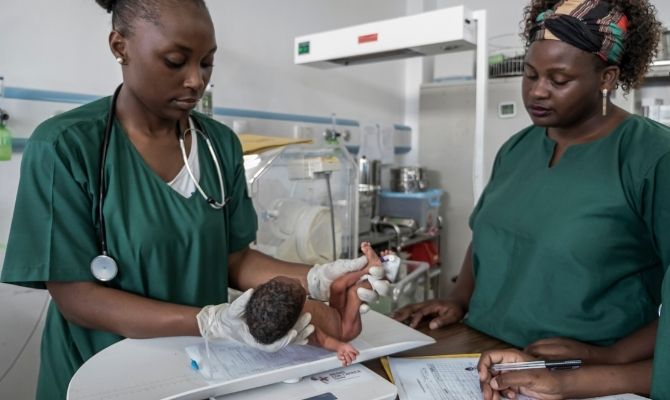
Every year, 15 million children are born prematurely in the world, more than one out of ten children, 2,5 million dies during the first month of life. Preterm birth is among the leading cause of infant deaths under five. Still, premature birth is not the same all over the world: in Africa it is a double challenge that forces to deal with limited resources and hospitals often unprepared to welcome a preterm baby. Until recently, the concept of “neonatal care” did not exist in Africa and Neonatology wards are just a recent reality. The few skilled human resources available to the hospitals had no experience with young patients. Therefore, in this context, being born premature often meant not surviving. Today, however, things start to change: the attention and care towards the newborn are improving, as well as the presence of Neonatology wards in hospitals, although training and resources need to be further strengthened.

We renew our dedicated commitment to maternal and child health that we promote through our projects in the eight African countries in which we operate and in particular through the “Mothers and children first. 1,000 days” program. This day is not only an opportunity to draw attention and raise awareness on the topics of preterm birth, child survival and development, but it is also an important chance to talk about concrete solutions.

Taking care of premature babies means first and foremost taking care of and supporting their families, supporting health workers by providing them with all the resources they need to better manage their young patients, and not least being committed to strengthening health systems.

Because taking care of the children, especially premature babies, means “taking care of the future”.

When a refrigerator can save lives

The emergency does not allow much time and an immediate response is essential. Until recently, there were no blood transfusions at the Turmi hospital in the South Omo region of Ethiopia. There was a lack of skilled personnel and patients who needed blood had to be transferred to Jinka, in the hospital of the chief town. What separates the need of communities from essential healthcare is often the distance, the travel time to reach the nearest health center and sometimes a too rapid worsening of clinical conditions. A fragile context, therefore, where we try to face complexities day by day. The project “The first 1000 days. Guaranteeing quality health services to mothers and children in the South Omo Zone” supported by the Italian Agency for Development Cooperation (AICS) and implemented by Doctors with Africa CUAMM, helps promote concrete change: a refrigerator powered by solar panels has been ensured, allowing the storage of some blood bags even at the Turmi hospital.

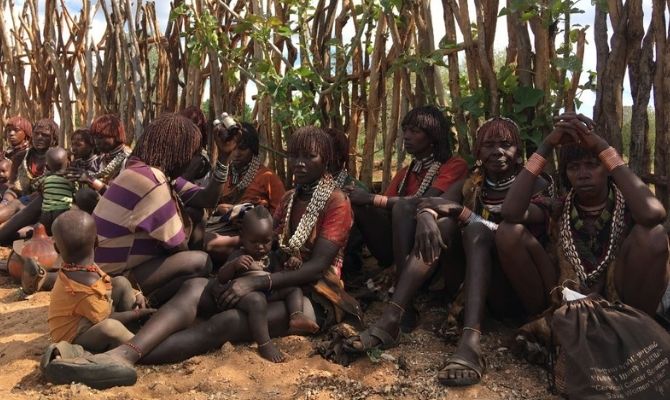
Thanks to this contribution and in particular to the presence of Memuna, the Emergency Surgical Officer in Turmi, in September the first blood transfusion was carried out to a pregnant girl, of Hamer ethnicity, with severe anemia and a very low level of hemoglobin in the blood. The woman arrived at the hospital because she felt very weak, with “pale conjunctivae”. A similar patient would previously have been immediately transferred to Jinka, forcing her not only to incur a huge expense but also causing her great distress, as the Hamers feel like “fish out of water” in the city and do not want to stay there too long.

«The change is finally beginning to be more evident- said Memuna -. We are able to respond to more emergencies and manage a greater number of caesarean sections; working together, we are able to guarantee a better service also for the management of those cases that would have surely been transferred to Jinka before».

Small contributions, simple equipment, often taken for granted here as a refrigerator, can really make a difference and save people’s lives in a limited resource context.

AN ONGOING COMMITTMENT

A few weeks ago an important moment took place in Freetown to make a comprehensive evaluation of the 4-year intervention carried out by Doctors with Africa CUAMM and UNFPA with the support of the UK Department for International Development as part of the second phase of the Saving Lives project.

A moment to highlight the results achieved, the progress made but also challenging aspects and future prospects. The intervention in support of maternal health in three different hospitals in the country – the Princess Christian Maternity Hospital (PCMH) in Freetown, and the hospitals of Bo and Makeni – involved several strategic areas, from the training of human resources, to the improvement of the quality of services and health facilities. In particular, the High Dependency Units (HDUs), the intensive care units of the three hospitals, continued to be fully operational, ensuring a fundamental service for the survival of many women in a country where maternal mortality, although slightly improving, remains very high, 1,120 deaths per 100,000 births. The project has also provided management support and technical assistance to hospitals, the supply of drugs and personal protective equipment to combat Covid-19, and the engagement of communities through meetings and radio campaigns.

Doctors with Africa Cuamm’s objective is to continue its commitment to supporting Sierra Leone’s health system, particularly maternal and child health services. Ensuring the health of mothers and children means ensuring the well-being of the whole community.

Time to respond to COVID19 epidemic in Bangui

According to WHO, the COVID-19 outbreak continues to evolve in Africa, since it was first detected in Algeria on 25 February 2020 and it is accelerating. As of August 29th 2020, there were 1,033,631 cases and 21,402 deaths within the WHO African Region.

In light of this situation, and of its ongoing mission, CUAMM is working every day close to the most vulnerable to respond to the pandemic in Africa, its collateral effects, and to continue to provide ongoing medical care.

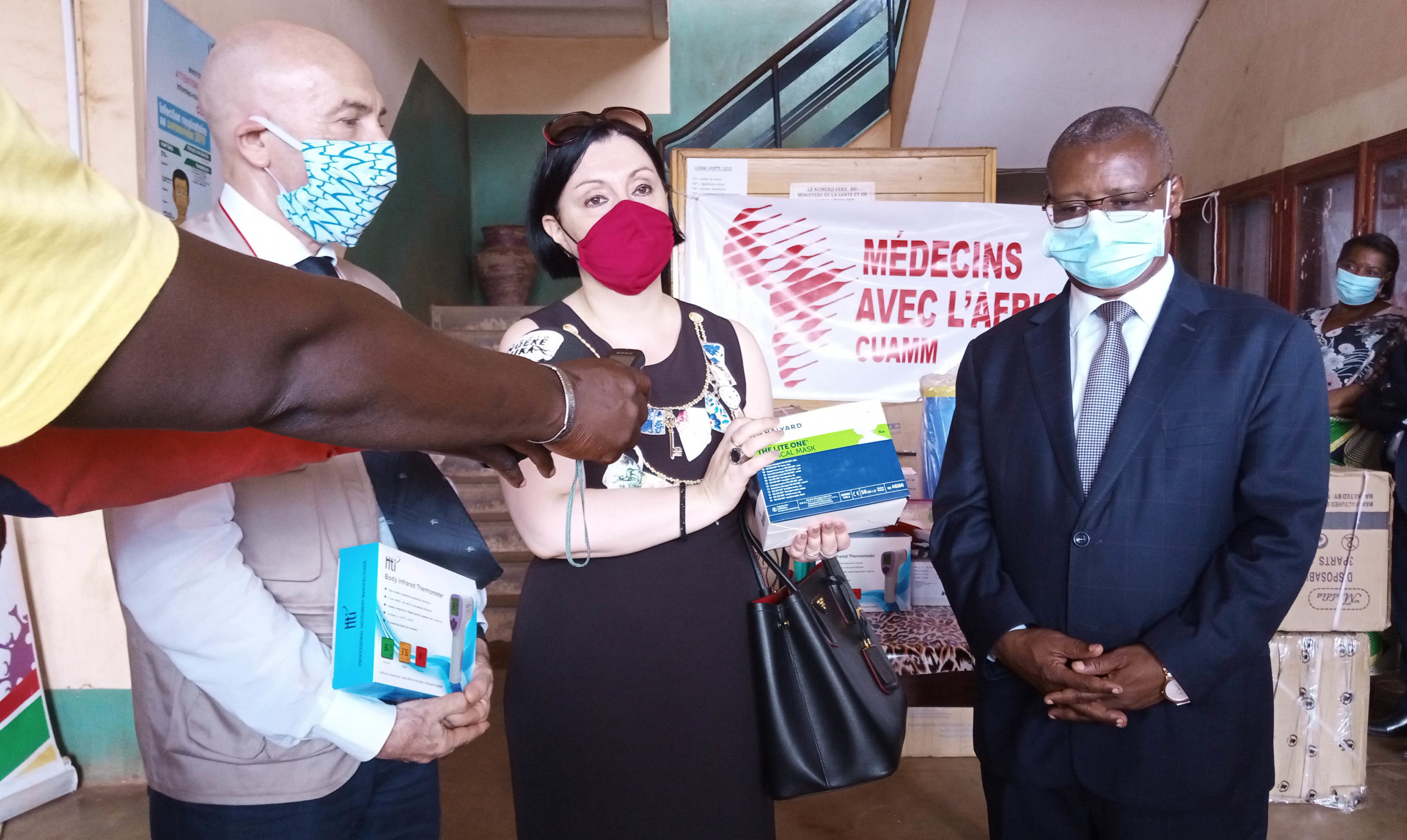
On the 27th of august, in Bangui, in Central African Republic, CUAMM celebrated the delivery of medicines and medical supplies donated by the American global health and emergency response organization, Americares. This donation is part of the important efforts of CUAMM to support the pediatric complex of Bangui where it has operated since 2018, to improve clinical care for children and the hospital management quality.

The donation included almost 400 KGs of antibiotics, emergency medications, vitamins, chronic disease medicine, psychotherapeutics, painkillers, malaria test kits, and first aid supplies. Additional donations of aid from Americares are in progress, as part of a new partnership between CUAMM and Americares in Central African Republic.

Andrea Atzori, Head of International Relations for CUAMM says:

“This the result of a great work to promote partnership and engage organizations all over the world to support the work of CUAMM for women and children. Americares has again demonstrated the generosity of people with precious donations of drugs and supplies that are able to integrate CUAMM programs and provide lifesaving treatment for children.”

Haroun Habib, Director of Africa and Middle East Programs for Americares says:

“We are glad to work with CUAMM as a critical partner while focusing on health as a priority in times of crisis throughout Africa. Previously, our emergency programs team provided gift-in-kind donations to CUAMM in Mozambique after tropical cyclone Idai and we plan to ship at least one container and another air shipment of medicines and medical supplies to CUAMM in CAR in 2020-2021. Our ongoing and continuing work with CUAMM will help ensure that essential medical products are provided to patients and frontline health care workers to prevent and save lives through effective treatment of infectious diseases such as COVID-19.”

CHILD FIRST Let us reduce stunting!

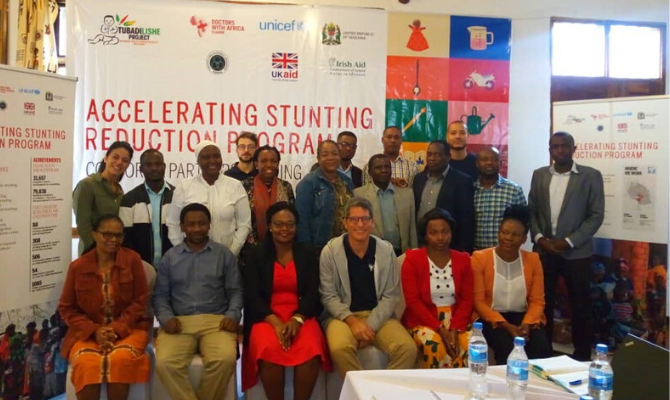
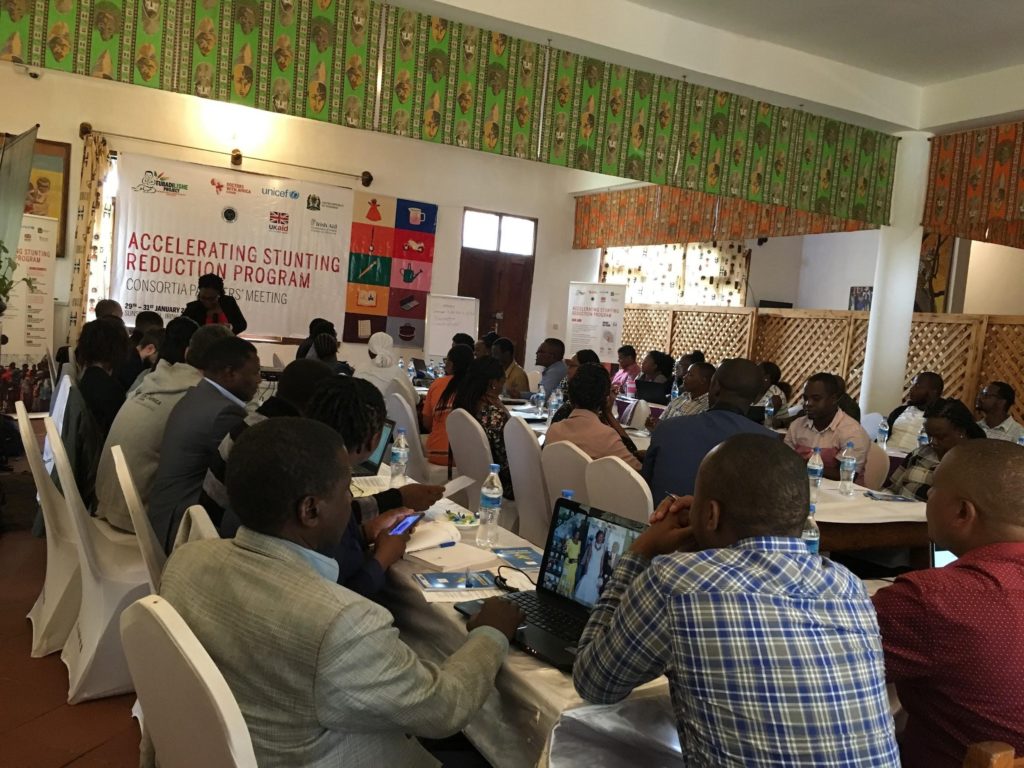
Doctors with Africa CUAMM Tanzania, together with the local partner organization TAHEA, hosted the annual consortia meeting of “Accelerating Stunting Reduction Programme” from the 29th to 31st of January. Among local and international partner organizations, UNICEF and Regional and District Nutrition officers participated in the meeting.

Stunting is the impaired growth and development that children experience from poor nutrition, repeated infection and inadequate psychosocial stimulation, as explained by the World Health Organization (WHO). Especially the first years of a child’s life, the first 1000 days from conception to the age of two, is a crucial period for timely intervention. “Accelerating Stunting Reduction Programme” aims to reduce stunting prevalence in the southern highlands regions of Tanzania: Iringa, Njombe, Mbeya and Songwe, where the needs are greatest among other regions of the country. With the coordination of UNICEF Tanzania, the programme has been implemented by three consortia, each one of them covering different regions; in particular, CUAMM and TAHEA are intervening in Iringa and Njombe.

As entering the 5th year of the programme, the final year, the main agenda of the meeting was to review the progress of handing over the activities to the respective local government bodies in order to ensure sustainability of the programme impact.

«The programme has gained its momentum. It is not only the partner organization who is leading the programme, but also the local government bodies have been deeply engaged, taking their ownership in nutrition issues. It has been a great team play» – claimed Ruth Nkurlu, UNICEF Southern regional programme coordinator, distinguishing the programme with other nutrition interventions around the country -. «Furthermore, because of the holistic approach of this programme implementation, meaningful behaviour changes are witnessed from the community level to the local government authorities».

Even though the programme is approaching its end, the need is still very high. The fight against malnutrition is not over yet. The Iringa Regional Nutrition officer appreciated CUAMM-TAHEA’s interventions in the region highlighting how it has strengthened the nutrition management system from the community level to the district and the regional level, sensitizing and empowering the local government authorities, which is the key to sustainability.

Sustainability cannot be achieved by working alone. Doctors with Africa CUAMM will continue its journey fighting against malnutrition alongside the local government and the local and international partners.