Open the eyes to the world

Birth ensures the grace of sight to most of us, but not everyone enjoys this privilege. The warm colour of dawn that rises and illuminates the landscape, the shimmer of the water in contact with the sun rays, its own reflection, the nuances of the loved ones’ faces. How many have experienced these emotions thanks to the eyes? And how many instead, were allowed just to imagine these sensations through the stories of others?

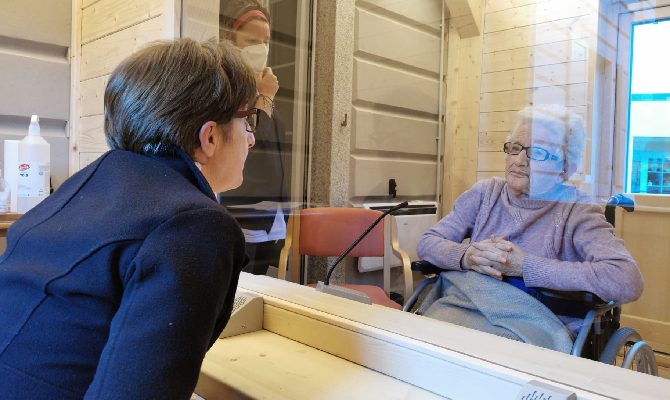
It is normal that the sight weakens as we age, but it is not as obvious not being able to prevent this worsening and tackle it. In January 2020 Christian Blind Mission (CBM) in collaboration with Doctors with Africa CUAMM and with the support of the Italian Agency for Development Cooperation (AICS), launched the “ForeSeeing Inclusion” project dedicated to the healthcare of sight in the north of Uganda. The intervention, lasting three years, includes the involvement of over 76,521 beneficiaries and aims to contribute to the reduction of avoidable blindness by 2021, in particular in three districts: Arua, Kitgum and Lamwo.

According to the latest national census (2014), 32% of all individuals with visual impairments in Uganda are concentrated in the north of the country and 75% of these suffer from a blindness that could be avoidable, with proper knowledge and tools,. Among the most frequent problems, there is trachoma, a bacterial infection of the conjunctiva and cornea of the eye, transmissible by contact but easily treatable if identified promptly.

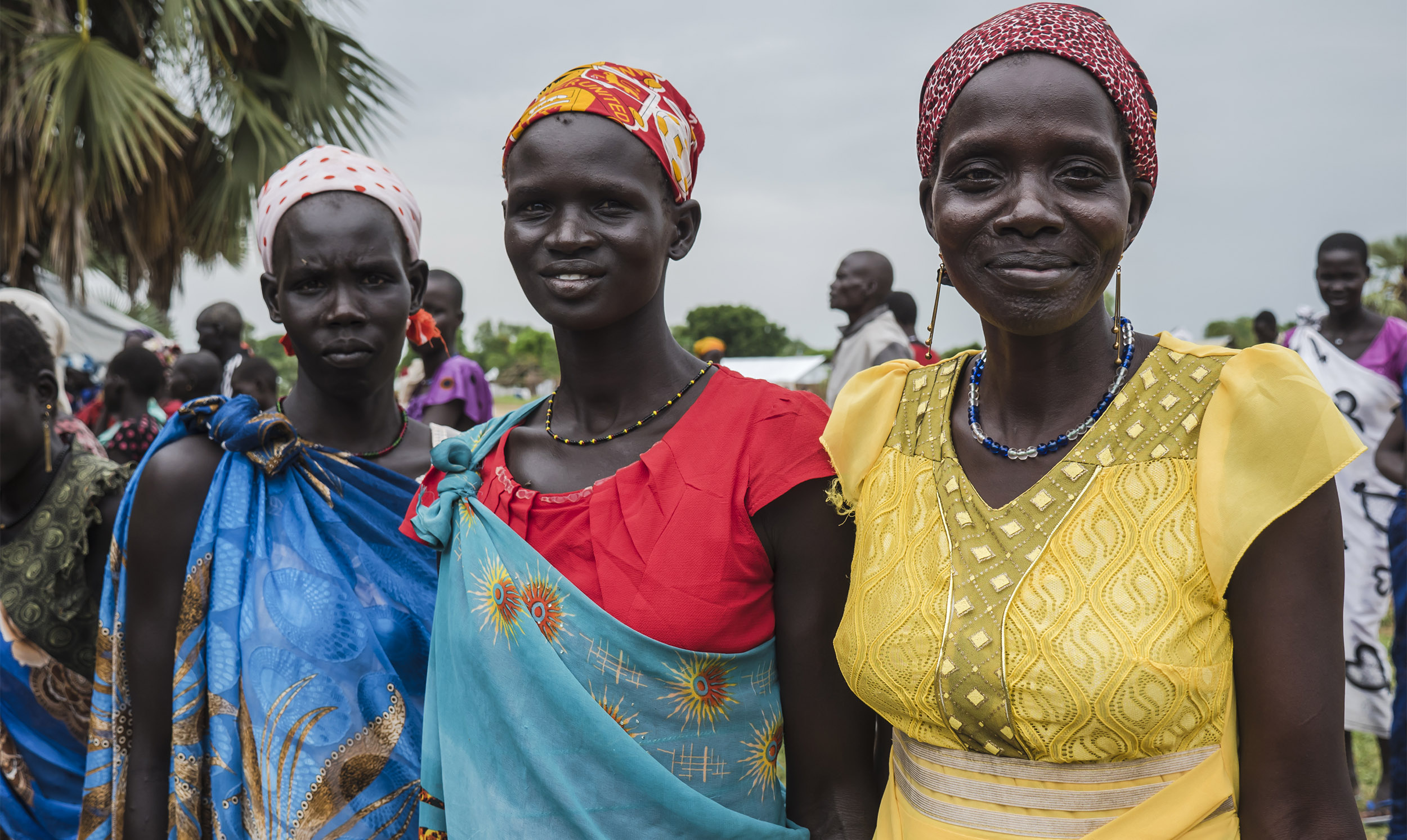
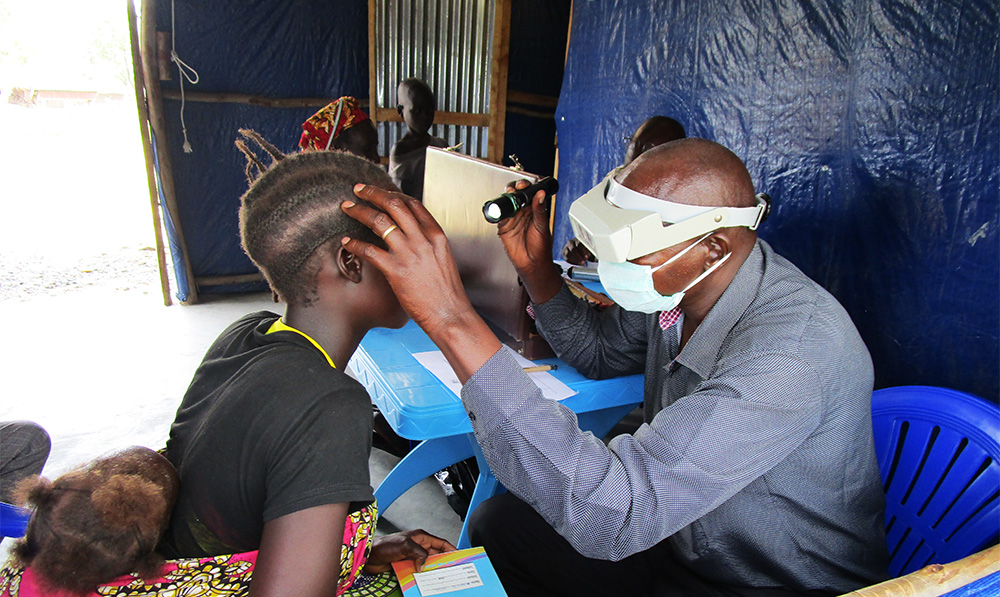
Andresiru Joyce, 41, is affected by it but was born in the “wrong” part of the world. For years she had been suffering from pain, itching and a very strong tearing that almost prevented her from opening her eyes, when she finally heard of this project. She arrived at the Omugo clinic from the village of Arawutuku, wearing a hat to protect herself from the light but above all to hide the shame for her condition from anyone around her. She could not see distant objects or turn her head freely to see things around her. She was given antibiotics for a week to be able to perform surgery. The operation at the Arua hospital was a success and after a few days she was discharged: «I am very grateful for the support these organizations give to the hospital. They saved my sight. I no longer feel any pain, no irritation, no tears and I am able to see clearly without any difficulty thanks to the operation ». Joyce said happily during the routine check-up at her home by the CUAMM team.

Buziru Felister, 54, also had a similar story with a successful ending. Breadwinner and mother of four children in the village of Ariaabo, she is one of the patients who benefited from the support of CBM and Doctors with Africa CUAMM. For two weeks Felister spent sleepless nights due to headaches and terrible pain in his left eye. On June 27, she arrived at the Omugocon health center with an eye bandage made of non-sterilized fabric, which took almost all of her head. She could not see absolutely anything from her left eye, due to a scar on her cornea that had turned black over time. In her condition, the only chance was the removal of the eye but, in order not to feel that pain again, Felister was ready to face the reality and she was looking forward to proceeding with the surgery. Just the imagination of a life without that suffering made her happy and relieved. After the operation and a few days under observation, Felister improved a lot and she was discharged.

«I have no more headaches and pain, I can sleep well, I can hoe and do other housework. I would like to thank the whole team, in particular the ophthalmologists of the facility for saving me, supporting me during the free surgery and with continuous checks – said Felister – I hope they can continue to support other vulnerable people like me, people that couldn’t live normally without this intervention but only enduring pain or even losing their sight completely».

The ophthalmologists of the facility are happy together with the patients, as emerges from the words of Lotomya Juliet, operator of the ophthalmic clinic: «I treasure everyday experiences. This project developed my skills in eye healthcare and made me even more aware of how essential sight is. It is beautiful and very rewarding to be the reason for a beautiful smile on patients’ faces when they regain sight – continues Juliet -. Many people came to the HC with complicated situations that caused them so much pain, the condition of some of them is so serious that they do not have a long life expectancy. But the patients here feel cared for and when they go out, more relieved. They ask me how long I will stay in the centre of Omugo and when I answer “for three years”, they are happy».

Many patients, as they age, have presbyopia – a condition that does not allow them to see clearly up close – and thanks to the correction of the eyes’ gradation, they are surprised how their vision improves and they can see well again.

«The scene is very funny – Juliet continues – They cry out for joy, they feel younger and see life more clearly. These experiences make me reflect on how tremendous blindness can be once one has enjoyed the extraordinary beauty of nature. All this gives me the inspiration and motivation to continue studying and developing my skills, so that I can continue to have an impact on the lives of people in my community by offering adequate eye care”.

Tha vital power of the patients, the passion of health personnel, and a targeted intervention: these are the ingredients so that more and more people may open their eyes to the world.

Taking care of the future

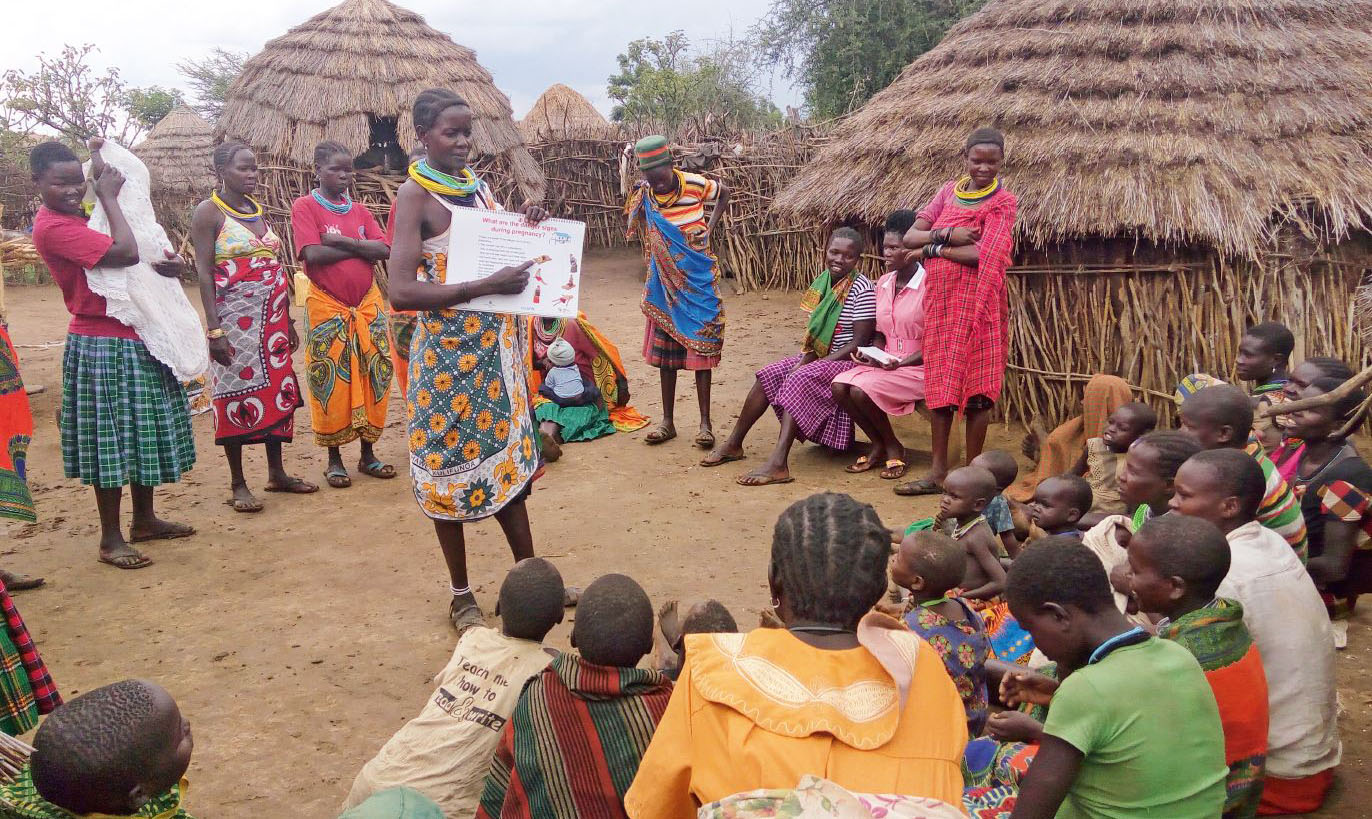
Today, on the occasion of the World Prematurity Day, and in the coming days, Doctors with Africa CUAMM is organizing various trainings and awareness-raising initiatives on the topic, involving doctors and health professionals to share experiences and good practices.

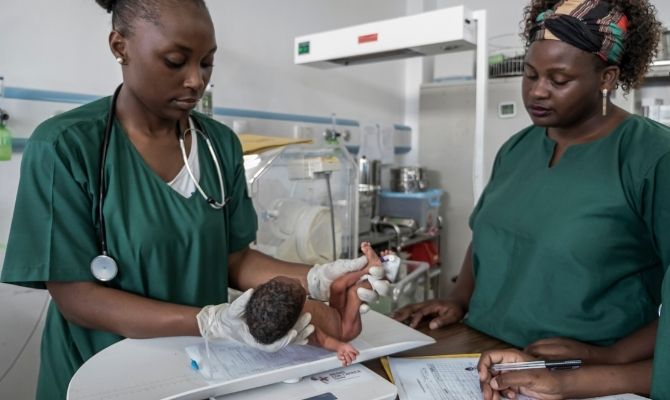
Every year, 15 million children are born prematurely in the world, more than one out of ten children, 2,5 million dies during the first month of life. Preterm birth is among the leading cause of infant deaths under five. Still, premature birth is not the same all over the world: in Africa it is a double challenge that forces to deal with limited resources and hospitals often unprepared to welcome a preterm baby. Until recently, the concept of “neonatal care” did not exist in Africa and Neonatology wards are just a recent reality. The few skilled human resources available to the hospitals had no experience with young patients. Therefore, in this context, being born premature often meant not surviving. Today, however, things start to change: the attention and care towards the newborn are improving, as well as the presence of Neonatology wards in hospitals, although training and resources need to be further strengthened.

We renew our dedicated commitment to maternal and child health that we promote through our projects in the eight African countries in which we operate and in particular through the “Mothers and children first. 1,000 days” program. This day is not only an opportunity to draw attention and raise awareness on the topics of preterm birth, child survival and development, but it is also an important chance to talk about concrete solutions.

Taking care of premature babies means first and foremost taking care of and supporting their families, supporting health workers by providing them with all the resources they need to better manage their young patients, and not least being committed to strengthening health systems.

Because taking care of the children, especially premature babies, means “taking care of the future”.

When a refrigerator can save lives

The emergency does not allow much time and an immediate response is essential. Until recently, there were no blood transfusions at the Turmi hospital in the South Omo region of Ethiopia. There was a lack of skilled personnel and patients who needed blood had to be transferred to Jinka, in the hospital of the chief town. What separates the need of communities from essential healthcare is often the distance, the travel time to reach the nearest health center and sometimes a too rapid worsening of clinical conditions. A fragile context, therefore, where we try to face complexities day by day. The project “The first 1000 days. Guaranteeing quality health services to mothers and children in the South Omo Zone” supported by the Italian Agency for Development Cooperation (AICS) and implemented by Doctors with Africa CUAMM, helps promote concrete change: a refrigerator powered by solar panels has been ensured, allowing the storage of some blood bags even at the Turmi hospital.

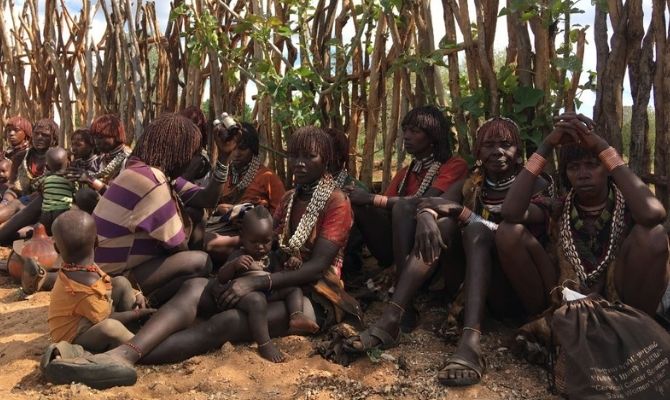
Thanks to this contribution and in particular to the presence of Memuna, the Emergency Surgical Officer in Turmi, in September the first blood transfusion was carried out to a pregnant girl, of Hamer ethnicity, with severe anemia and a very low level of hemoglobin in the blood. The woman arrived at the hospital because she felt very weak, with “pale conjunctivae”. A similar patient would previously have been immediately transferred to Jinka, forcing her not only to incur a huge expense but also causing her great distress, as the Hamers feel like “fish out of water” in the city and do not want to stay there too long.

«The change is finally beginning to be more evident- said Memuna -. We are able to respond to more emergencies and manage a greater number of caesarean sections; working together, we are able to guarantee a better service also for the management of those cases that would have surely been transferred to Jinka before».

Small contributions, simple equipment, often taken for granted here as a refrigerator, can really make a difference and save people’s lives in a limited resource context.

WORLD DIABETES DAY HIGH-RISK DISEASE WITH COVID-19

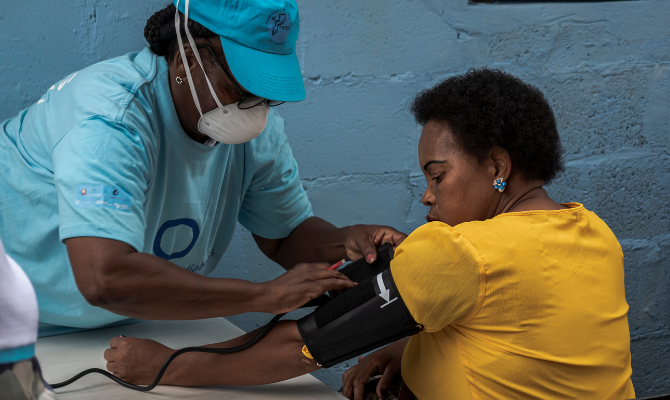
Not only is diabetes a risk factor today for people exposed to the new coronavirus, but it is also an emerging chronic disease in Africa, where thousands of people are unaware of the risks they are exposed to every day and lack access to effective diagnosis and treatment. For World Diabetes Day on November 14, Doctors with Africa CUAMM draws attention to the indirect but devastating impact that the pandemic has on those with diabetes, in Africa and around the world.

The World Health Organization (WHO) has been clear about the devastation of basic health services since Covid-19 arrived in Africa and other middle- and low-income countries. It has decimated prevention campaigns for non-communicable diseases such as diabetes, a chronic disease in need of regular treatment. Fear of Covid-19 contagion, difficulty traveling, and a shortage of drugs have made diabetes patients’ treatment increasingly precarious, and they risk death or becoming disabled due to diabetes.

Many African countries have seen a recent rapid increase in those suffering diabetes, and health ministries and hospitals have difficulty developing guidelines and treatments for a disease still unfamiliar in Africa. For this purpose, Doctors with Africa CUAMM works in Mozambique, Angola, Sierra Leone, Tanzania, and Ethiopia to prevent and fight diabetes and other chronic non-communicable diseases.

Andrea Atzori, the international relations manager for Doctors with Africa CUAMM, explains, “We are doing this by expanding local diabetes diagnosis and treatment services, considering the available resources and the local context, as we have done in Angola and Mozambique, as well as Ethiopia, Sierra Leone, and Tanzania. Community-wide screening and awareness-raising are essential to promote healthy lifestyles, which we also pursue through an international partnership with the World Diabetes Foundation (WDF). In Italy, Africa, and everywhere else in the world, it is critical that we not forget diabetes patients and other chronically ill patients. These are the people who are paying, and will continue to pay, the highest price of the pandemic, not having secure access to the health services they need.”


Cuamm nominated for the “Heroes in Health Awards 2020”

Doctors with Africa Cuamm is one of the top three entities nominated for the “Heroes in Health Awards 2020” by Uganda Ministry of Health for its dedicated commitment to maternal newborn and child health (MNCH) in Karamoja region. The Awards ceremony will take place this Friday 6th of November in Kampala in the presence of an honorable guest, H.E Yoweri Kaguta Museveni, the President of the Republic of Uganda.

The Heroes in Health Awards (HIHA) is a public-private partnership initiative instituted in 2019 by the Ministry of Health and “Xtraordinary Media” agency, with the support of important organizations, among others the WHO. This initiative aims to recognize outstanding and innovative contribution of individuals, nonprofit, public and private players in the healthcare sector in Uganda. Doctors with Africa CUAMM has been identified as one of the remarkable frontline healthcare practitioners.

In particular, the main objectives of the HIHA initiative are to shed light on and encourage innovations that will transform the healthcare system, to support the public-private partnership win-win strategy in the health sector, and to give the public a chance to choose and celebrate their “heroes” in health. In particular, this year’s awards focus on inspiring a world-class workforce in Uganda’s healthcare service delivery.

Uganda’s health sector has to tackle numerous complexities. Among the most challenging, health workers and other players that work with them struggle every day to ensure quality healthcare to people also in the direst conditions. They have to cope with limited supplies of equipment and materials, low pay, low motivation and often insurmountable workloads. Low health worker performance and motivation remains a major hindrance to achieving the health-related Sustainable Development Goals (SDGs). This is why Doctors with Africa CUAMM invests in education and training of health professionals, motivating them and conveying knowledge to provide high quality healthcare to the most vulnerable, mothers and children.

This nominee is already a great success and satisfaction, no matter what.

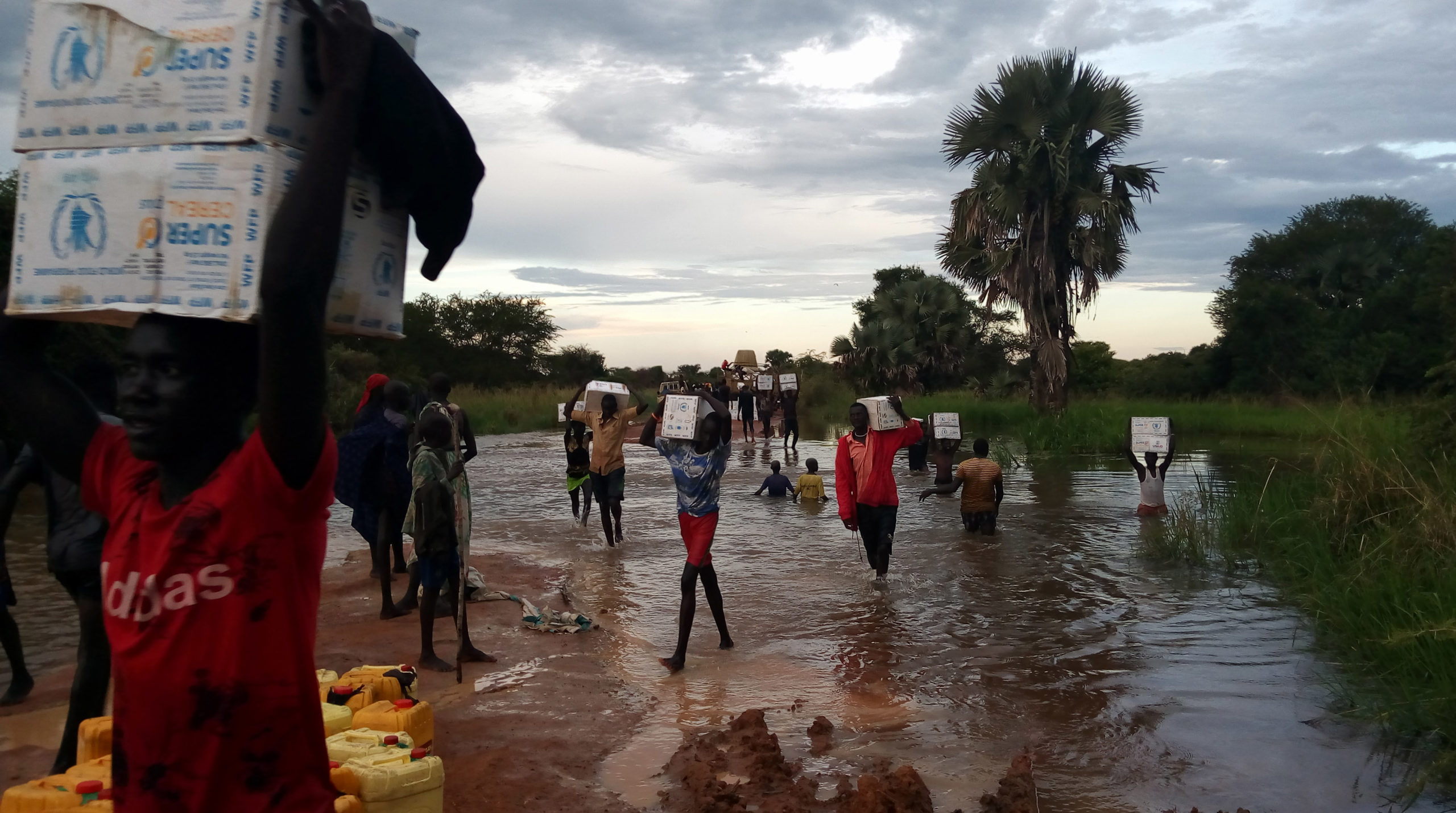
Mobile clinics reach displaced people in South Sudan

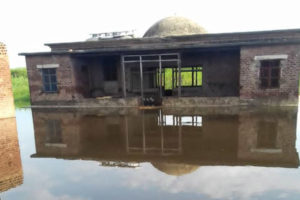
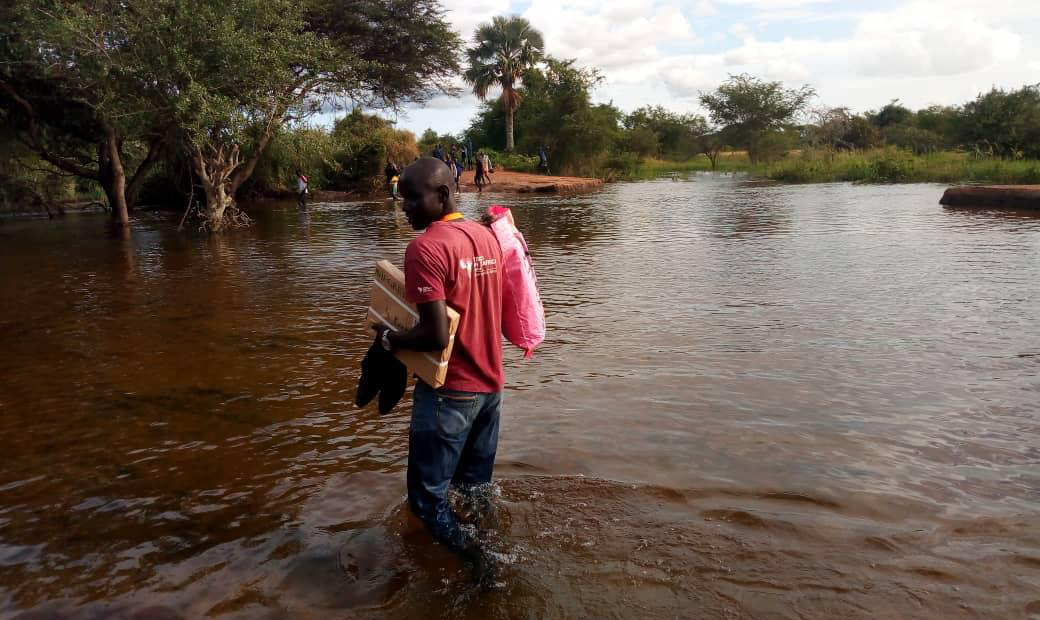
Over the past few weeks, more than 33,000 people have arrived in Awerial County, leaving their villages submerged by water.

Doctors with Africa CUAMM has been present in the area for several years and, considering that the increase in population could put pressure on health centres that are already poor in resources, has decided to organize mobile clinics to reach people directly in the new settlements, to identify and treat cases of malaria, diarrhoea, malnutrition and respiratory diseases on the spot, as well as ensure antenatal visits and vaccinations for children.

As part of the new intervention, awareness-raising activities were also organized involving local radios, to broadcast messages on health, hygiene and infection prevention, reaching, at least virtually, the highest possible number of people.

Among displaced people, without guaranteed sanitation and with poor access to food and clean water, the risk of cholera epidemics or other infectious diseases is always very high. In addition to food and water, medicines are needed for patients and personal protective equipment, increasingly difficult to find, for health professionals.

New triage facility opens in Cremona Hospital

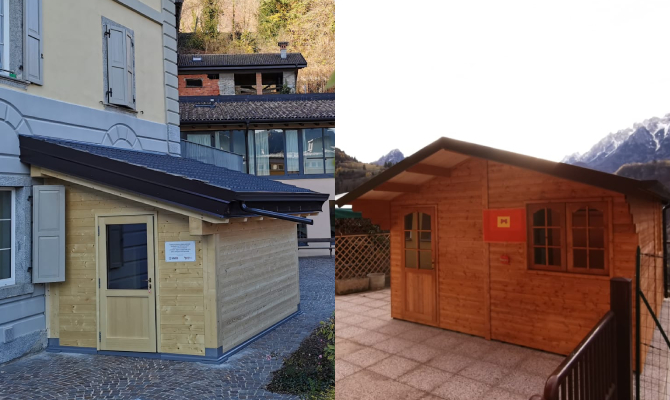
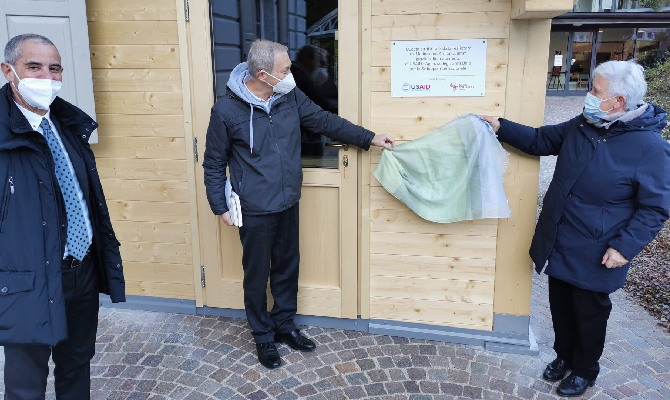
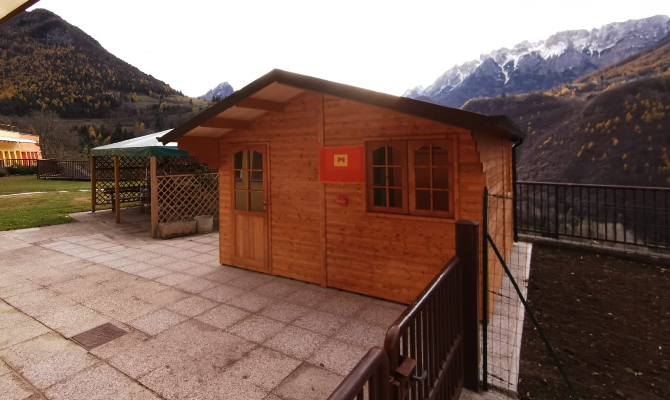
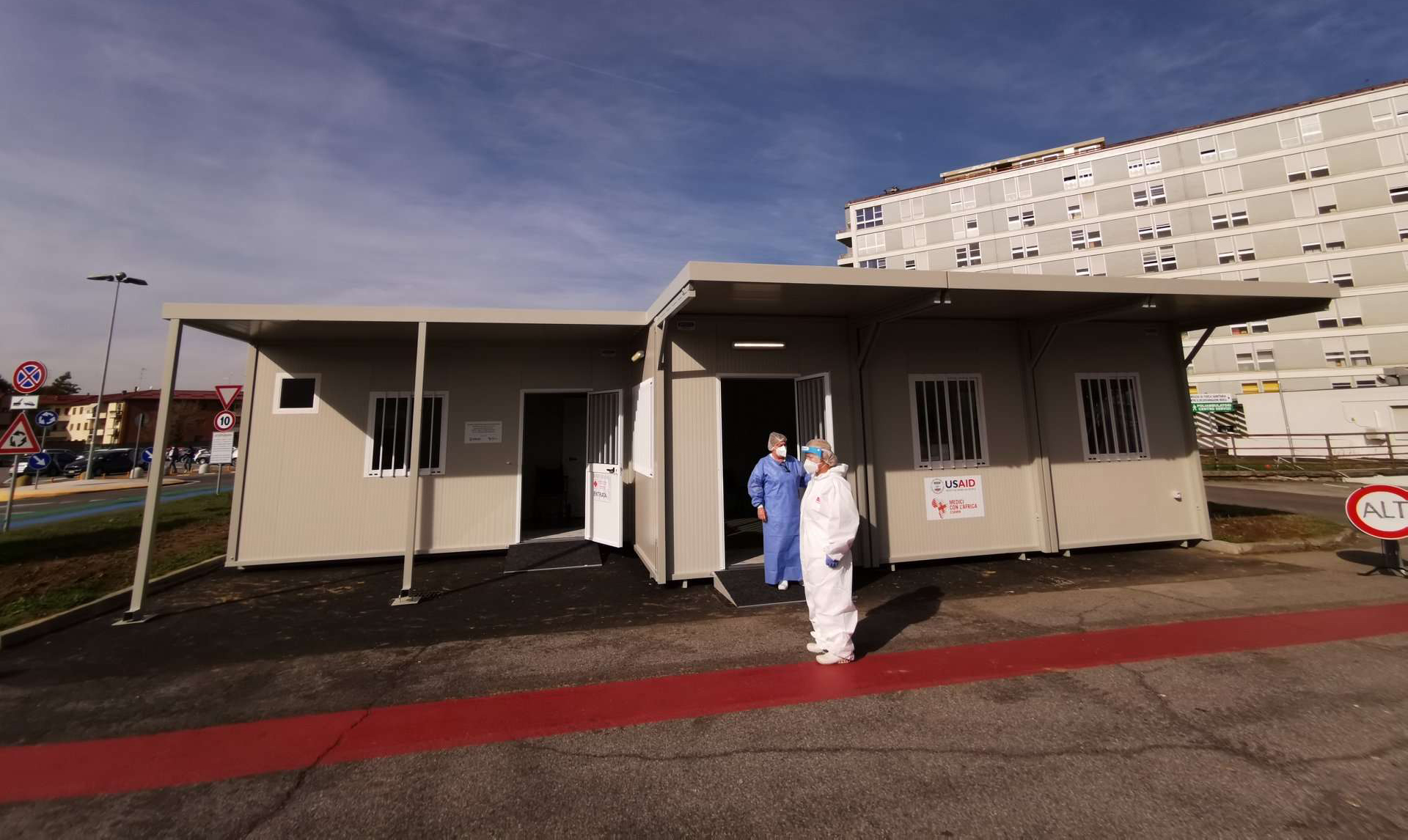
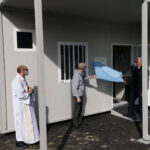
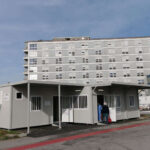
Doctors with Africa CUAMM launched today at Cremona Hospital the new triage facility built over the last few months, in order to mitigate the effect of the COVID-19 epidemic. This new structure, funded by the U.S. Government through the United States Agency for International Development (USAID), will serve as a frontline reception space, allowing health staff to screen suspected cases of COVID-19, improve patient flow  and ensure the safety of people accessing the hospital.

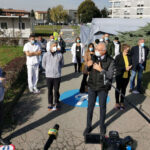
Gianluca Galimberti, mayor of Cremona, attended the ceremony, with Vito Danilo Gagliardi, prefect of Cremona, and Giuseppe Rossi, general director of ASST Cremona. Representing Doctors with Africa CUAMM were Director Fr. Dante Carraro together with Andrea Atzori, chief of party of IRC19.

Andrea Atzori, chief of party of Doctors with Africa CUAMM’s “Italian Response to Covid-19” project (IRC19) stated, “This is the first of a series of new health facilities we are going to inaugurate through Italy in the upcoming months. This is part of a larger project that aims to create more resilient healthcare facilities and communities and to provide training for the future generation of healthcare professionals. This contribution is a concrete sign of the engagement of CUAMM not only in Africa but also in Italy. We see how important knowledge gathered in many years of work in epidemics in Africa, today is fundamental in Italy as well. We can provide support to the Cremona hospital thanks to the U.S. Government, which is supporting a number of initiatives in Italy, aiming at reducing the impact of the COVID-19 epidemic.”

Fr. Dante Carraro, director of Doctors with Africa CUAMM, adds, “As CUAMM, we have been working in Africa for 70 years. Many of our doctors, who haveworked in emergencies and epidemics in Africa, wanted to put their experience to use for the service of Italy. Over the last years, we have created in Italy a network of support groups, trainers, and researchers from 32 universities engaged in the theme of Global Health, which is key if we want to overcome this emergency. Now we are eager to share this experience and know-how with our own communities, putting it even more at their service during this health crisis. This pandemic shows us that we are globally linked: the virus does not look at the borders, neither should solidarity.”

USAID is the U.S. Government’s premiere development organization operating in more than 100 countries worldwide.

Robert Needham, Consul General, U.S. Consulate General Milan, sent this message:

“The United States is proud to stand shoulder to shoulder with the government and people of Italy as we do everything in our collective power to mitigate the threat of COVID-19.  The triage facility at the Cremona Hospital is one important element of the $60 million in COVID-19 assistance the U.S. government has already provided to Italy, much of it through the U.S. Agency for International Development (USAID). Our partnership with Doctors with Africa CUAMM represents the second time we have worked with Cremona Hospital to address Italy’s needs in saving lives in the fight against COVID-19.  In March 2020, we supported Samaritan’s Purse, an American faith-based humanitarian organization, in setting up an emergency field hospital in partnership with Cremona Hospital.  We know that providing critical assistance will not only help the Italian people, but can help stop the spread of infection to Europe and the United States.  We all have a lot at stake and we must confront this global threat together.”

This press release is made possible by the generous support of the American people through the United States Agency for International Development (USAID). The contents are the responsibility of Doctors with Africa CUAMM, recipient of the Fixed Amount Award (FAA) No. 7200AA20FA00013 and do not necessarily reflect the views of USAID or the United States Government.

The burden of non-communicable diseases in Angola

The burden of non-communicable diseases (NCDs) in Sub-Saharan African countries is rapidly rising, specifically diabetes has a more increasing prevalence. In particular, the World Health Organization (WHO) estimates a diabetes prevalence of 5.6% in Angola which is experiencing a double burden of communicable and non-communicable diseases due to changes in lifestyle and diet. NCDs, in fact, are challenging the already overwhelmed Angolan health system which needs to improve the availability and accessibility to NCDs related services.

In order to achieve this purpose, Doctors with Africa CUAMM and the World Diabetes Foundation (WDF) are strongly committed together to fighting against NCDs in Angola as well as in Ethiopia, Mozambique and Sierra Leone. In Angola, CUAMM and the World Diabetes Foundation (WDF) have implemented the project “Improving Diabetes Mellitus Diagnosis and Management in Luanda Province” since 2018, in continuity with a previous joint intervention. The project aims to strengthen diabetes control through the improvement of preventionearly diagnosis and management of the disease. The intervention adopted a participative approach aiming at involving all the stakeholders and particularly the community in order to ensure a greater ownership and sustainability of the project’s outputs as well as a better impact in the fight against NCDs.

A final event of the project took place yesterday in Luanda; both political authorities and health workers showed their satisfaction for the intervention:

«I really appreciated the technical support given to national and local health institutions, in particular for the development of the national plan for diabetes management and the guidelines on the diagnosis and management of type 2 diabetes – claimed Helga Freitas, the Director of the National Directorate of Public Health -. Moreover, the awareness-raising activities with local communities have been fundamental to promote the importance of diabetes prevention and early diagnosis».

Therefore, a gradual change of approach by policy makers to non-communicable diseases is evident. NCDs are increasingly recognized as a public health issue that requires an effective answer at primary healthcare level, with family doctors having a key role in the fight against NCDs.

Key achievements

13,000 people tested for diabetes
3,100 people sensitized through awareness-rasing activities
93 health care workers trained
282 supervisions in the health facilities

Leaflet “Improving diabetes mellitus diagnosis and management in Luanda province, Angola”

World food day “Grow, Nourish, Sustain. Together.”

World Food Day is a very important occasion in which we want to reaffirm our dedicated commitment for nutrition. A commitment that we have been carrying out for years in African countries, where we operate by supporting national policies and programs, promoting food education and managing cases of acute and chronic malnutrition, which are still widespread in this continent.

This day promoted by FAO, which won the Nobel Peace Prize on 9 October 2020, calls for global solidarity to help the most vulnerable communities, which have become even more fragile due to the Covid-19 pandemic, currently underway. This is why we join the motto “Grow, Nourish, Sustain. Together” which also summarizes our commitment alongside the African populations and in particular alongside mothers and children.

Mothers and children are the most vulnerable social part. Unfortunately, it is often not only food that is lacking, but also the knowledge to cook nutritious meals with the available products. This is also one of the target of our “Mothers and children first. 1,000 days” program. This project aims to raise awareness among mothers on the topic of food and to support them in the crucial period of their life, which goes from the beginning of pregnancy to the two years of the child’s life, ensuring all the visits, food and all the needed support in this delicate age of development.

Within the food projects that we promote, community activities are also of great importance such as the Village Health and Nutrition Day, awareness raising event promoted by Doctors with Africa CUAMM as part of the Unicef-Tubadilishe project, on the World Food Day occasion. The purpose of the event is to involve the community on nutrition issues through cooking demonstrations, food education and measurement services for children under five, to assess their nutritional status. During the event, there will also be demonstrations on the breeding of small animals to diversify protein-rich foods for domestic consumption and demonstration of the cultivation of nutritious products in order to guarantee consumption throughout the year for families.

Ikuna village chairman Hezekiah Michael Mwenda

“Practical learning in food preparation based on five food groups helps to broaden community awareness in changing the eating pattern. As the Village Chairperson I will encourage the community to participate to health days and village nutrition days on a quarterly basis to continue learning more about proper nutrition intake to help reduce malnutrition in the community. ” says Ikuna village chairman Hezekiah Michael Mwenda.

Only together, it is possible to make a remarkable difference and for this reason Doctors with Africa CUAMM continues its dedicated and daily commitment “with” Africa.


Choosing to act to make things better

Memuna Kemal Siraj, 33, works at the Turmi Hospital in South Omo, Ethiopia, where Doctors with Africa CUAMM strives to improve maternal and child health as part of The First 1,000 Days: Ensuring Quality Health Care to Mothers and Children in the South Omo Zone, a project supported by the Italian Agency for Development Cooperation. Memuna is an integrated emergency surgical officer (ESO), a health worker authorized to operate on obstetric emergency and emergency general surgery patients. Prior to her service in South Omo, Memuna worked for the Ethiopian government and for various other NGOs in remote, difficult areas of the country, particularly the Gambela and Somali Regions.

«When you start working as a health professional, the government assigns you to one of the country’s regions» Memuna explains. «Initially I was sent to the Somali Region, a tough place with few resources and a culture and language very different from my own. It wasn’t easy, but it was there that I became familiar with and impassioned about emergency surgery».

However, she was not enthusiastic about and dedicated to her job from the get-go: «When I was in high school I wanted to study mathematics and become a teacher, but here in Ethiopia you can’t always freely choose what you want to do. So the decision was made that I would study to become a health worker» Memuna explains. «I remember that I cried a lot at first, but then I accepted my responsibilities and slowly but surely began to grow keen about the work I was doing. Years later I still remember an episode that affected me deeply, and which perhaps makes my work even more meaningful to me today. When I was ten our neighbor, a woman my family and I were very close to, got pregnant. One day my mother and I went to her place, where she was about to give birth. She suddenly began to lose a lot of blood and then, after fainting, was taken to the closest health center. But it was too late; sadly, she passed away. I remember asking my mother over and over again why it had happened, and her telling me: “Her placenta got to her brain”. I was just a child, but I knew that her answer made no sense. I kept asking the same question for a long time, and always got the same answer, until – thanks to my studies and my work – I understood that what had occurred was due to an obstetric complication that could have been prevented had the woman been helped earlier and had an assisted delivery in a health facility. When you’re managing emergencies you have very little time to think and make decisions, and it’s even more difficult in settings where communities who don’t understand the value of health care don’t go to health centers or hospitals when in need. Ever since then, every day I choose to take action to try to change things, to avoid getting somewhere when it’s already too late».

This became truer than ever after Memuna was obliged to tackle a number of emergency situations.

«I especially remember a 13-year-old girl who was pregnant and in terrible pain. She was still so small that it would have been impossible for her to have a natural delivery, but her father and husband refused to sign a form allowing her to be given a Cesarean. She came to the health center after two days of labor at home and started suffering from a heavy infection. After more than 24 hours, she absolutely needed to be operated but the closest hospital was 450 kilometers away on a bumpy road. Only then did her family members finally give their consent for her to undergo a Cesarean, but it was too late to save her baby. After she was admitted to the maternity ward for monitoring, the girl’s blood pressure began to fall and she started to bleed heavily. The only way to save her life was to give her a hysterectomy – an operation to remove her uterus – but once again her husband refused to give his consent, and left the hospital, leaving his young wife there. Luckily we managed to save her, but the experience made it even clearer to me how important it is to raise awareness among communities, particularly among women themselves, to make them aware of their rights and help them fight to defend them, thus gaining more independence. What gratifies me the most, and makes it possible for me to face the challenges that arise daily, is being able to serve those most in need: women. I have a special relationship with them: I try to give them constant support, to urge them to defend their rights, and to do so on their behalf when they cannot themselves».

«My work also entails some challenging and frustrating aspects» Memuna continues. «Even though we ESOs play an important role, we are not always treated like the equals of our colleagues – for example, the gynecologists. I’ve always experienced my job as a responsibility towards both myself and others, but sometimes you realize that some of your colleagues and superiors put far less passion and commitment into their work. I believe it all depends on how much you’re motivated and driven to do your job well. That’s what I’m trying to do with the hospital staff in Turmi: to strengthen their sense of trust and to convey passion and care for everything we do, as well as for people. When I first got here there was lots of muddle: medical records were not taken down properly, and the attention given to patients was often superficial. Now, as we work side by side in an effort to grow together and help each other improve, I see things beginning to change. We’re handling a larger number of Cesareans, and are able to offer better service in terms of managing obstetric emergencies, which formerly could be dealt with only in Jinka».

«The most important lesson I’ve learned? That access to health care is – and must be – a universal right. I try to put this idea into practice daily» Memuna concludes. «Ethiopia is a country filled with many different ethnic groups, and there is a lot of discrimination based on one’s origins. But I’m confident that if we stay committed and patient, change is possible».