Training healthcare providers from FBOs

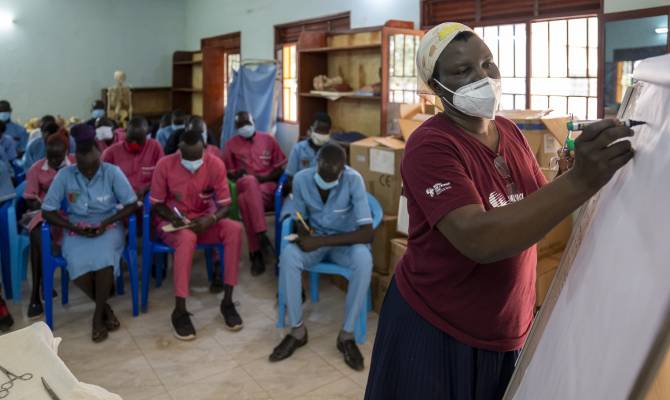
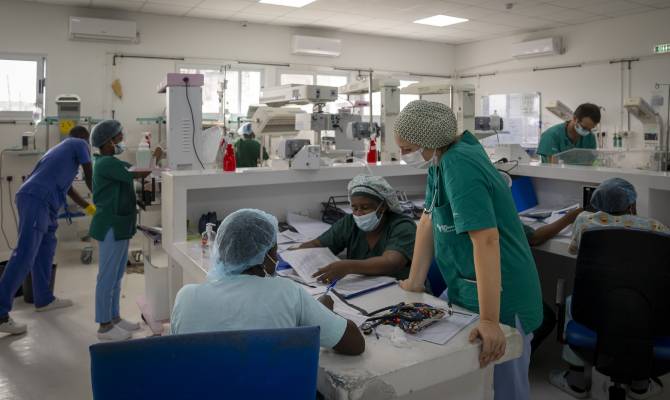
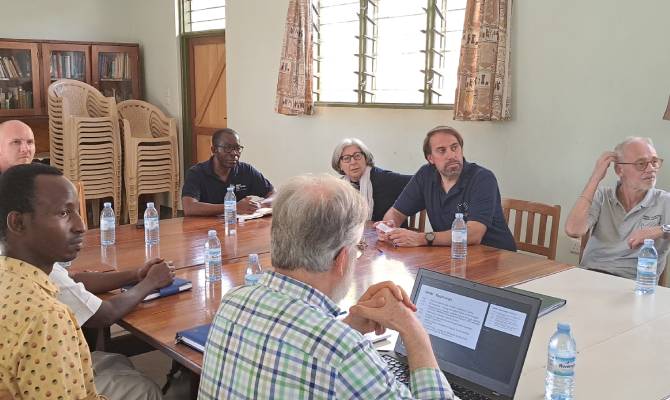
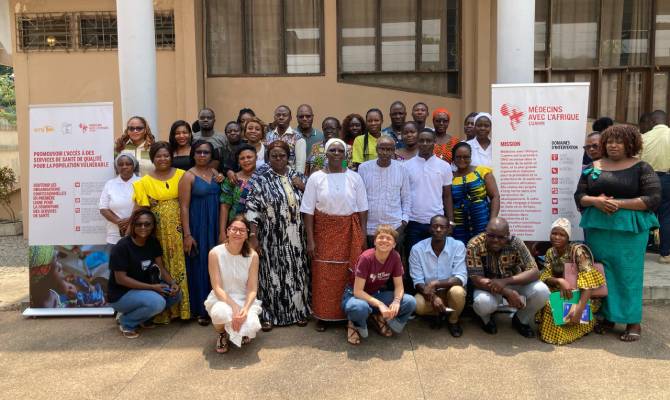
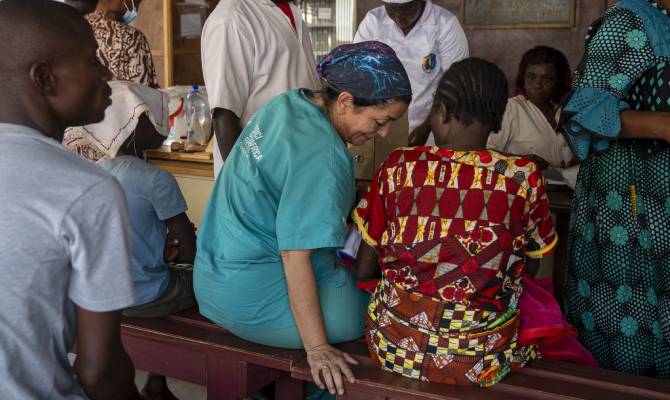
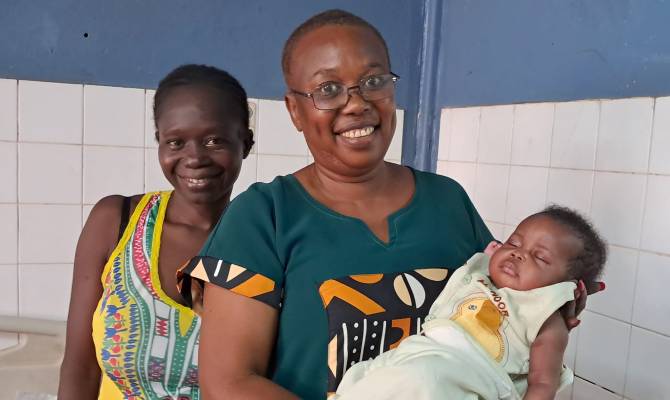
This month our team in Abidjan, Ivory Coast, hosted a 4-day training on basic obtetric and neonatal emergencies aimed at healthcare providers from faith-based health centres.

The training was organized by CUAMM in partnership with the Ministry of Health, Public Hygiene, and Universal Health Coverage through the National Maternal and Child Health Program (PNSME).

More than one woman dies every minute due to pregnancy-related causes worldwide; to date, maternal mortality rate in Ivory Coast is 385 deaths per 100,000 births. As highlighted over the training, common causes of pregnancy-related deaths include: postpartum hemorrhage (51%), hypertension and complications (13%), postpartum infection (4%), abortion (3%). These direct causes account for 3/4 of maternal deaths. Altough quite common in low-resource settings,  these causes do not necessarily have to be fatal. On the contrary, they can be prevented with timely and effective care. 

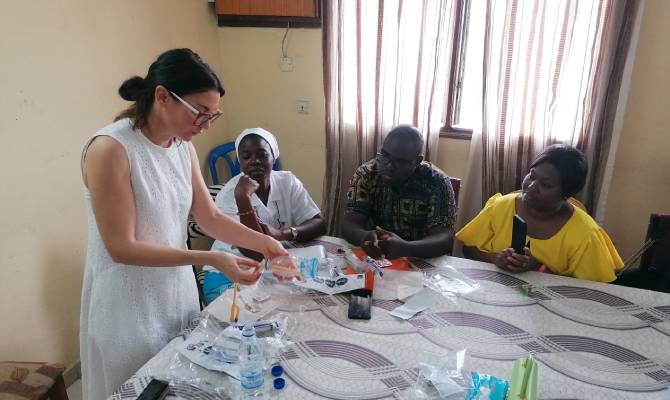
The training course was designed to give healthcare providers from faith-based organizations basic yet necessary competencies to manage obstetric and neonatal emergencies. Four main topics have been covered and addressed by national and international health experts, including contributing factors to maternal and neonatal mortality, crucial tool for monitoring labor and delivery, neonatal complications, post-abortion care and Manual Vacuum Aspiration (MVA) plus two hands-on training activities.

The training also explored the three types of delay that are often referred to as a major contributing factors to maternal and neonatal mortality. Delay in decision-making, delay in accessing a healthcare facility, delay in receiving adequate care.

30 healthcare providers from different faith-based organizations participated in the training course on Basic Emergency Obstetric and Newborn Care (BEmONC). Participants had been identified in partnership with U.R.S.S.C.I.. The activity is part of a wider initiative carried out by CUAMM to promote access to quality maternal, newborn and child health (MNCH) and nutrition services, therefore aiming to support Ivory Coast national and subnational authorities to achieve SDGs 3.1. and 3.2. (Maternal and newborn mortality reduction) as well as SDG 2.2. (Reduction of the burden of malnutrition).

In addition, previous to that, a second training on infection prevention and control (IPC) was held in January in Abidjan for selected FBOs facilities staff. The training was a 5-day training of trainers (TOT) for key staff in order to make an internal cascade training of all the qualified and not qualified staff working in each facility. The IPC training was preceded by an initial survey on the existing IPC situation in each facility, utilizing the WHO Infection Prevention And Control Assessment Framework At The Facility Level to tailor the training on the most critical issues and to have a way of measuring baseline situation and subsequent improvements. 

Giving voice to the future: preventing teenage pregnancy in Angola

In Angola, in the heart of the Cunene province, change comes through awareness. Since November 2023, Doctors with Africa CUAMM has been committed to the “START” project, funded by the European Union and implemented together with Adespov and Codespa: an initiative dedicated to strengthening the health and nutritional status of women and children, while promoting gender equality. Among the most delicate challenges faced daily is that of early pregnancies, a phenomenon that often marks the boundary between the possibility of an independent future and the forced abandonment of studies.

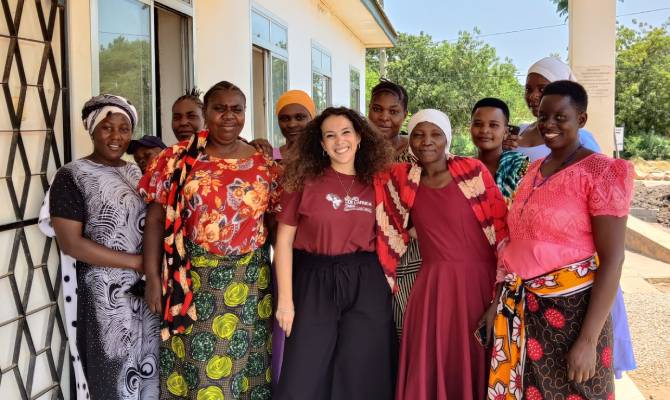
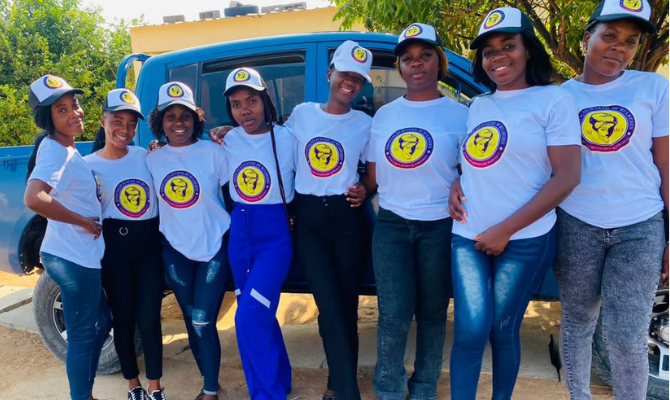
October 26 was a significant day at the Simione Mucune school. Together with partners from AJMMO (Youth Association of Women for Women), a meeting was held with 55 girls, aged between 11 and 15, to speak openly about health, rights, and the future. It was not just an informative moment, but a true space for listening.

“In addition to the risks to the physical and mental health of the adolescent and the child, early pregnancy can affect the school, professional, and personal life of the young mother. Many pregnant adolescents face discrimination, a lack of support from family and the community, and difficulties in completing their studies and accessing job opportunities,” the association’s president firmly stated when discussing the impact of this issue.

Pregnancies between the ages of 15 and 19 are often the result of a complex mix of factors: cultural conditioning, socio-economic fragility and, above all, a profound lack of information and access to reproductive health services. The enthusiasm and curiosity shown by the students confirm how urgent it is to break the silence. The girls did not just listen: they called loudly for more meetings on female empowerment and the creation of a safe and personal space where they can share doubts and daily problems without fear of being judged.

For Cuamm, investing in the health of adolescents means investing in the entire community. Supporting these girls in their educational journey and personal growth is the most effective way to guarantee them the freedom to choose who they want to become.

Because an informed girl today is the pillar of a stronger and more independent society tomorrow.

In the Heart of Ouham-Pendé Acting for the Health of Women and Children in CAR

The Central African Republic (CAR) faces significant health challenges. With an estimated population of 6.4 million in 2024, nearly half under the age of 14, the country grapples with widespread and extreme poverty (65.7% of the population in 2023) and ranks 188th out of 191 countries on the Human Development Index. Access to healthcare remains limited due to insufficient infrastructure, a shortage of qualified personnel, and difficulties in procuring medicines and equipment.

Maternal and child health indicators are particularly alarming: high fertility rates (6 children per woman), among the highest maternal and infant mortality rates in the world, and inadequate coverage of prenatal consultations and births assisted by qualified staff. There is also a significant gap between healthcare supply and demand: 93% of midwives are based in urban areas, while 60% of the population lives in rural areas.

Adding to this complex picture is gender-based violence, worsened by ongoing conflict and instability.

Our Mission: Strengthening Local Capacities and Improving Access to Care

In response to this situation, our NGO has committed to improving the health of populations in the Ouham-Pendé prefecture through the project “Responding to the Health and Multi-Sectoral Needs of Populations Affected by the Humanitarian Crisis”, funded by ECHO.

Our work focuses on strengthening the skills of local healthcare personnel in obstetrics and gynecology, ensuring quality care for pregnant women and newborns.

Concrete Actions on the Ground

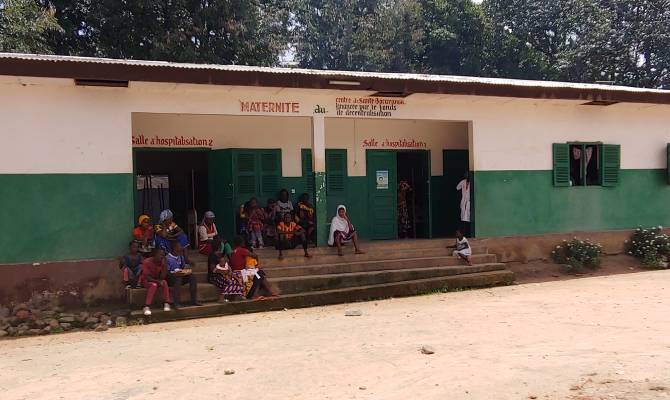
Our team, consisting of a doctor, a midwife, and a nurse, is deployed at Koui Hospital to support and train local staff and provide free consultations. We also work on rehabilitating infrastructure and supplying essential medicines and equipment. Four peripheral health centers (FOSA) benefit from our support in training, supervision, and equipment provision.

A recent mission assessed medicine and equipment availability, the adequacy of protocols, staff training needs, and data collection quality. An interactive training day was organized, focusing on basic life-saving practices.

Challenges Ahead, a Constant Commitment

Despite progress, challenges remain. The absence of an ultrasound machine in Koui and stockouts of essential medicines hinder the quality of care. Services for GBV survivors are available but require strengthened psychosocial support.

We are deeply inspired by the commitment and courage of our team and local staff, who work under difficult conditions. We remain determined to strengthen local capacities and improve access to quality healthcare for women and children in Ouham-Pendé.


This publication was co-funded by the European Union. Its contents are the sole responsibility of Doctors with Africa CUAMM and do not necessarily reflect the views of the EU.


A lifesaving humanitarian chain

Félicité gave birth on January 22 at Bossangoa hospital, Central African Republic. She walked miles, alone, to seek health care and give birth safely. No prenatal visits during pregnancy, no ultrasounds—nothing would have ever suggest her that that decision had saved her life and that of her baby.

Félicité needed  C-section. Her baby, born underweight, came into the world with a rare tumor that develops at the base of the coccyx during pregnancy—a sacrococcygeal teratoma. Something very similar to a soccer ball, way bigger than the tiny body of the newborn.

“It’s an extremely rare tumor,” says Mara Carrupt, CUAMM nurse working at the CHUPB in Bangui. “One of those conditions that are almost never seen, and for this reason, they make the news even when treated in our hospitals in Italy.”

The hospital in Bossangoa, along with Dr. Enzo’s team, saved the mother with a cesarean section and cared for the baby until she was stabilized. However, no surgeries might have been performed on the baby in this last-mile facility in the Central African Republic. Félicité and her baby were urgently transferred to the capital on a humanitarian flight.

Bangui Pediatric Hospital is indeed the only referral center for pediatric emergencies in the country. It is the only facility where a pediatric surgery might be performed. 

The staff at the Pediatric Complex vividly remember the arrival of the two. The mother’s face was frozen in fear, lost. From the very beginning, the entire hospital came together around them. On February 4, Dr. Enduma’s team took the baby into surgery. The procedure was delicate but successful—the mass was removed. Subsequent tests, including X-rays and an abdominal ultrasound, allowed doctors to rule out complications, but monitoring continued day and night for twenty days. There was always someone in the ward. At night, the nurses watched over the tiny crib, carefully following the precise instructions of Major Sylvie, the head nurse. From the medical staff to the nurses and even Félicité’s roommates, the initial anxiety turned into hope and strength. 

The baby was finally out of danger.

Today, CUAMM team, aboard a 4×4, is driving the road from Bangui back to their home, a small village near Bossangoa. It is a distance that often marks the boundary between life and death. Instead, it now reveils a “miracle” as everyone at CHUPB is referring to.

“Perhaps this baby was truly born under a lucky star,” says Armelle Couvert, Cuamm Project Manager in Bangui. “She was born in a hospital, where Dr. Enzo’s team took care of her. And while a good star may have watched over her from above, guiding her fate, here on Earth, her journey was the result of an extraordinary humanitarian chain.”

The success of the intervention in ensuring that Félicité and her baby received the necessary care was also made possible thanks to the support of CUAMM’s donors in the Central African Republic, namely the Italian Agency for Development Cooperation –AICS, which supports the maternity ward in Bossangoa, as well as the European Union and UNFPA for their support to CHUPB.


Bari joins the Fast Track Cities

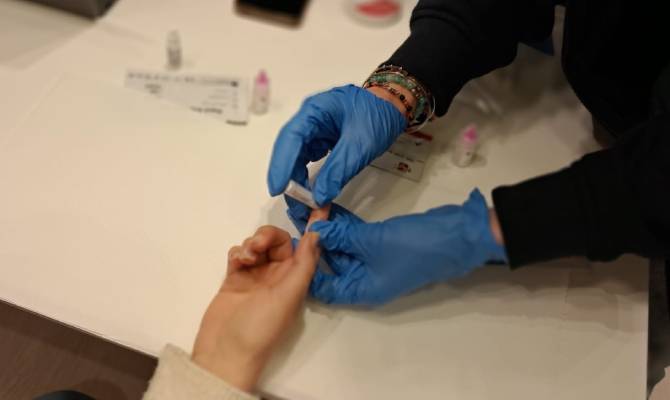
Bari is officially one of the Fast Track Cities and it is ready to launch free screening activities at the Proximity Socio-Health Center. The Municipality of the Apulian capital has appointed Doctors with Africa CUAMM Bari as initiative coordinator, in collaboration with the Infectious Diseases Clinic of the Bari Polyclinic. Funded by the Municipality of Bari’s Welfare Department, the project aims to guide the most vulnerable segments of the population toward local psycho-social and healthcare services and to offer screenings for Hepatitis B, C, and HIV. A total of 200 screenings are planned to be offered from the present time to May. The first sessions will take place on February 18 and 25 at the Proximity Socio-Health Center on Via David.

The Fast-Track Cities initiative is a global partnership between cities and municipalities around the world and four core partners – the International Association of Providers of AIDS Care (IAPAC), the Joint United Nations Programme on HIV/AIDS (UNAIDS), the United Nations Human Settlements Programme (UN-Habitat), and the City of Paris.

The initiative aims to accelerate the response to HIV in urban areas, in line with the 2030 Sustainable Development Goals.

How? By strengthening testing and early diagnosis services, improving access to antiretroviral treatments—especially for the most disadvantaged groups who are far from traditional healthcare pathways—and fostering collaboration between hospitals, clinics, and local organizations. The challenge is to achieve the “95-95-95” target: 95% of people with HIV diagnosed, 95% on treatment, and 95% with viral suppression. At the same time, it seeks to reduce new HIV infections and related deaths while eliminating stigma and discrimination.

Many cities have joined the initiative. In Europe, besides Paris, cities such as London, Berlin, Barcelona, and Lisbon have also signed up. In Italy, cities like Milan, Florence, Bologna, Turin, Ancona, and Cremona are among those participating.

Ukraine war three years on

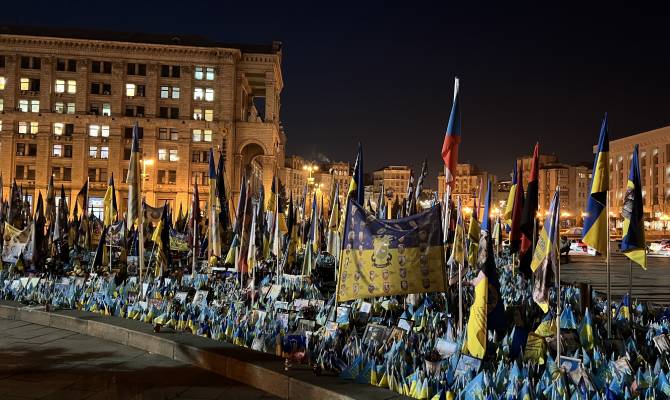
Three years ago, on February 24, 2022, the outbreak of the war between Ukraine and Russia shook Europe. Numerous other atrocities have compounded this conflict ever since. Today, too many armed conflicts are ongoing worldwide, many unfolding in the African continent. All of them show death and devastation, painting the picture of a lost humanity. It is heartbreaking, and yet, despite the pain, it urges us not to remain indifferent.

For this reason, three years ago, though the majority of our work is done in Africa, we launched our intervention in Eastern Europe to provide assistance to those affected by the conflict and to support healthcare systems struggling to ensure medical care amidst the war, even in the most critical areas.

The latest data indicate that around 12.7 million people in Ukraine are in need of humanitarian assistance —one-third of the entire population, including 2 million children. The war has forced many to leave their homes: currently, the country has 4 million internally displaced persons, while 6.8 million people live as refugees outside Ukraine (UNHCR, February 2025).

These numbers represent people, stories, lives that we are committed to serving. For this reason, our work in Ukraine never stopped. With the support of local communities, the VRB association, and individuals on the front lines, we have been working to alleviate the suffering of those who bear the greatest burden of this war: civilians.

Today, our intervention covers 6 Oblasts (regions), which we support by purchasing and supplying medicines, consumables, and biomedical equipment, distributing food and essential goods such as hygiene kits, and providing psychosocial support to displaced persons. Additionally, we focus on training healthcare personnel, with particular attention to risk mitigation, first aid for war injuries, gender-based violence, and mental health.

Some figures can easily showcase our commitment: since February 2024, through the activities of the R.I.S.E. project, funded by the Italian Agency for Development Cooperation (AICS), CUAMM has provided healthcare assistance to the most vulnerable groups, including internally displaced persons, refugees, and host communities.

Primary Healthcare (PHC) activities, launched in April 2024, have enabled 6.624 outpatient visits at the Drohobych center and through a mobile unit operating in the Lviv area. To relieve suffering and mitigate the psychological distress of IDPs and host communities, 10 sessions of MHPSS were organized, benefiting 1.270 people through support from psychologists and social workers. Additionally, 1.691 people, mostly children with their parents, participated in a month-long summer camp in Vasylkiv.

Based on the WHO Health Cluster’s Rapid Response Mechanism, Cuamm has provided medical equipment kits to struggling healthcare facilities. Over the past year, 11 emergency medical deliveries have been coordinated by CUAMM in the areas of Dnipro, Zaporizhzhia, Vasylkiv, and Sumy, severely affected by the escalating conflict.

The intervention also includes the distribution of essential items, food, and nutritional kits for women and children. Through collaboration with local partners Vidchuij, VRB, and Caritas SDD, CUAMM has reached approximately 5.566 people, including internally displaced persons, single-parent households, large families, the elderly, and people with disabilities.

Thanks to additional fundings by AICS, CUAMM has also provided 11 health facilities across both Donetsk Oblast and Dnipropetrovsk Oblast medical equipment and consumables, reaching an overall number of 26.500 people. SAFE project is being implemented in collaboration with VIS – International Voluntary Service for Development.

In Moldova

Since the conflict began on February 2022, more than one million refugees have crossed the border into Moldova, one of Europe’s most vulnerable countries. CUAMM began working in Moldova in April 2022 with a focus on the capital city of Chişinau. Since then, working closely with the Ministry of Health and the WHO, our activities have been guided by the dual goal of providing basic healthcare in the refugee accomodation centre of Testemitanu and in 7 regional hospitals.

Over the past year alone, thanks to the support of the Italian Cooperation and in collaboration with the First level hospital in Chisinau (IMAC), 1.060 outpatient visits with free medication have been provided to the refugee population and host communities. Additionally, 11 psychosocial support events supporting 603 people were organized, and in collaboration with Caritas Moldova, approximately 3.000 essential goods kits were distributed to vulnerable individuals.

The intervention in Moldova has also included a strong training component in neonatal care, with the ultimate goal of strengthening local medical personnel throughout the country. This initiative, carried out in collaboration with the National Pediatric Society of Moldova, has involved a total of 100 healthcare professionals.

Our projects are part of a 46.5 million euro initiative funded by the Italian Agency for Development Cooperation, reaching 900,000+ people affected by the Ukraine crisis.

In Italy

Our work continues in Italy too, through the collaboration with the Police Headquarters to support the Immigration Office in Padua. Due to the crisis in Ukraine, the number of people received by the desk doubled, reaching peaks of 350-400 in the first weeks of the conflict.

Since March 2022, Cuamm volunteers at the Immigration Office have provided 20.000 hours of service, offering their time and availability to safely manage the reception phase of foreigners, facilitate the processing of applications, and streamline office procedures, ensuring assistance to people in distress. Since this cooperation began, the helpdesk has received some 100.000 foreign nationals and has seen Cuamm volunteers actively engaged in reception five days per week. Thanks to the partnership between Cuamm and the Police Headquarters, available services have been enhanced, and processing times for applications have been significantly reduced, decreasing from an average of about 10 months to 4.

This is also part of a broader commitment that extends from Padua to Kyiv, to Chișinău, and daily across Africa—to provide relief to those who are experiencing or have experienced war and displacement and to make every foreigner feel welcomed.


Everyone has the right to grow up healthy

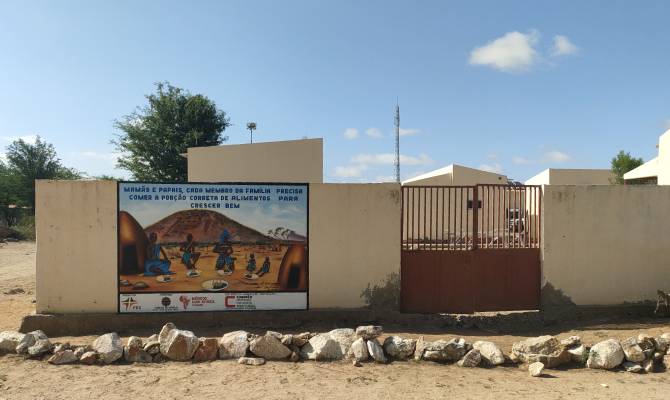
Moms and dads, everyone in the family should eat the right portion of food to grow up healthy.

For a few weeks now, on the outer wall of Cainde health center, there has been a large, colorful mural with a bright blue inscription that says, “Moms and dads, everyone in the family should eat the right portion of food to grow up healthy.” We are in a small municipality in the Namibe province, southern Angola.

Painted by local artists, the mural depicts a woman holding a newborn baby, surrounded by her family: two men and two children. Each one has their own portion of food: funje (traditional food made of cassava flour), chicken, and vegetables. However, in reality, this rarely happens in the rural communities of Namibe, where cultural traditions are compounded by food scarcity caused by drought, which renders the land dry and hinder the chance to cultivate.

Here, more than anywhere else, raising awareness about nutritional education is crucial, and a vibrant mural can help convey the message. Yet, it is equally essential to reach the most isolated groups, identify cases of malnutrition, refer them and support health centers with food kits necessary for children in treatment.

This is what CUAMM does every day, together with our local partners, to ensure food security for communities and, above all, healthy growth and development for children.

CUAMM’s intervention

Promoting food security in Namibe province is one of the goals that CUAMM, together with FEC and Caritas Angola, has been pursuing over the past two years. This effort includes community-level screening and awareness activities, as well as support for healthcare facilities in the Virei municipality.

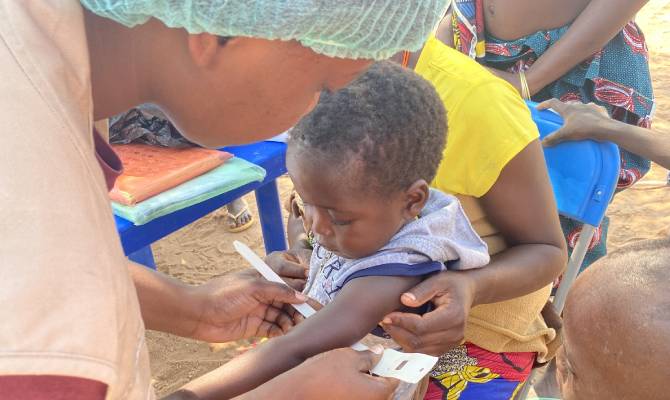
Since the project began in December 2022, 140 mobile health clinics have reached nomadic and semi-nomadic communities in nine different villages, offering nutritional screenings and facilitating the referral of patients with severe and moderate acute malnutrition to health units for therapeutic programs.

As part of the initiative, 10 health units have received monthly supplies of food kits for children with malnutrition and for pregnant or breastfeeding women in vulnerable conditions. Educational campaigns have also been organized at various times in schools and health centers to raise awareness about nutrition, breastfeeding, malnutrition, vaccination, and hygiene. These sessions have also included cooking demonstrations in the municipalities of Virei and Cainde.

To amplify these messages and reach an even wider audience, local artist Sanduaya has spread awareness through a song, performed in schools, health centers, and other gathering places.

In a region highly vulnerable to prolonged droughts, recognizing the link between environmental crises and health is key to providing a sustainable and effective response over time. With this perspective, bringing healthcare services closer to local populations through outreach strategies—such as mobile clinics—becomes essential.


Moldova managing neonatal complications in rural areas

Gabriela is 43 years old and works as a medical assistant in the neonatology department at Edinet hospital, in northern Moldova. The facility serves one of the most urbanized areas of the country. With an average of 1,300 deliveries per year, of which 200 involve complications, the hospital is one of the most efficient in the region. Yet, a team of only 17 people including doctors, specialists, and nurses work there under consistent straint.

In 2024, there was a significant number of premature births. Despite the difficulties, the staff is now undoubtedly responsive and prepared to act in different scenarios, as Gabriela says:

“We are prepared for cases where, for example, the baby inhales amniotic fluid: the team acts to suction the fluid, insert a venous catheter for antibiotic treatment, and in severe cases, perform a gastric lavage. We are used to handling these situations, and the team works harmoniously and efficiently. However, if the baby is born prematurely, the situation becomes more complicated”.

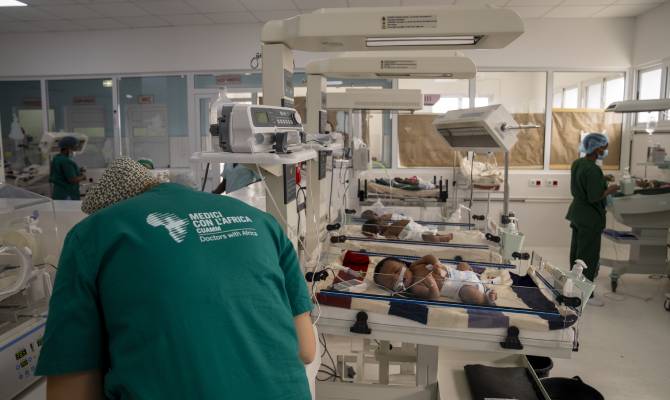
The management of critical newborns is a challenge for the health team at Edinet since the hospital is not equipped with a intensive care unit. To transfer patients to Chisinau, where the only intensive care unit is, an ambulance from Balti must be mobilise. The vehicle drives 80km north to reach Edinet, then it covers 200km to get to IMAC Hospital where the baby can finally receive adequate care.

This is how the system works in many areas where rural hospitals have little means to properly assist their patients and the distance from Chisinau hinder the provision of timely care.

“Recently, I dealt with a premature birth of a newborn weighing 0.7 kg. It was morning, and I was on duty with a neonatologist, an obstetrician-gynecologist, and a midwife. I worked with the team to manage the initial emergency until the mobile intensive care unit arrived. Fortunately, the baby responded well to stabilization! But for us, it’s always a stressful moment because we know that logistical difficulties can have a huge impact on care. However, I remember it was a beautiful day, it hadn’t rained, and the roads were in good condition, so we knew there wouldn’t be any delays”.

The lack of specialized doctors and health workforce puts an additional strain on the healthcare system in Moldova. At the neonatal ward in Edinet Hospital there is only one neonatologist.

That morning, as Gabriela recalls, the doctor arrived just in time yet, had he not been available, Gabriela and her colleagues would have been able to perform all the steps of the emergency algorithm. The training offered through the project has indeed given the staff the competencies to respond more effectively to challenges, reduce stress levels, and organize better teamwork.

As part of the Emergency Call to Support Ukraine, funded by AICS with €46.5 million, CUAMM is supporting 7 second-level hospitals in the neonatal emergency stabilization and resuscitation.

Gabriela fondly remembers the two-day training, during which local trainers and the Italian doctor shared the new findings from the Neonatal Stabilization Guidelines and organized both theoretical lessons and practical sessions to simulate various emergency situations in the delivery room. In addition, by participating in the training course Gabriela and her team gained essential competencies like taking blood samples from the baby to determine oxygen saturation levels. This is particularly important in difficult deliveries, where the mother’s contraction forces are weak, and the baby experiences a traumatic birth.

“By measuring oxygen saturation, we can detect potential hypoxia or other trauma, but in my opinion, it also gives us an idea of how much the baby suffered during delivery. This is incredibly important to me because, in addition to guiding us on how to manage the situation, it reminds us that newborns, from the very first seconds, have an intense emotional experience of the world”.

Over the last year, Doctors with Africa UK has supported medical and health staff across Moldova with 8 training sessions on neonatal emergencies and stabilization aimed at facilities of different levels. Starting with a Training of trainers in Chisinau, the activity was later expanded to seven additional facilities. As a result, an overall number of 100 health workers have been trained.

This activity is a part of the RISE project: Integrated Response to Support the Emergency in Ukraine. Our project is part of a 46.5 million euro initiative funded by the Italian Agency for Development Cooperation, reaching 900,000+ people affected by the Ukraine crisis.


Where obstetric emergencies are a race against time

Faith arrived at Matany Hospital, Karamoja region, northern Uganda, on the verge of giving birth. It was her second pregnancy.

When she arrived at the hospital, she was admitted for gastroenteritis and a urinary tract infection. CUAMM team began treatment, and after four days, Faith’s condition improved. But just as everyone breathed a sigh of relief, her membranes ruptured.

Labor was expected to begin soon after, but the contractions didn’t start—not even 48 hours later.

An ultrasound revealed that the baby was healthy, estimated to weigh over 2.2 lb. However, the amniotic fluid was scarce, and the risk of infection was real. In this situation, the possibility of intrauterine fetal death couldn’t be ruled out.

“We had to help Faith give birth – said Claudia Ciglioni, a gynecology resident -. Unfortunately, we couldn’t give her medication to induce contractions because the uterine scar from her first delivery might have caused a dangerous rupture”.

The only option for this young mother was a second cesarean section, she had already undergone one to give birth to her first child. Unfortunately, that same afternoon, two obtetric emergencies, far more critical, arrived at the hospital and the medical team decided to intervene immediately. In a low-resource setting, where resources are limited, and qualified staff scarce, difficult choices must be made. With adeguate care and observation, Faith might have waited.

“I was worried about the complications caused by her ruptured membranes, which had already been broken for two days – Claudia explained -. I had dealt with similar cases before, and sadly, if you don’t act promptly, saving the baby becomes very difficult. So, I decided not to wait and took Faith to the operating room at the end of the day”.

Adhesions from Faith’s first pregnancy made the cesarean more complicated than expected. Shortly after hearing her baby’s cry, Faith starting bleeding severley.

Postpartum hemorrhage is a serious and dangerous complication that requires immediate treatment. If not managed promptely by qualified personnel in a hospital’s theatre room, it can be life-threatening.

Faith was fortunate. Thanks to essential medications and the expertise of the medical team, the bleeding was quickly controlled. Faith’s story has a happy ending, thanks to the commitment of doctors and nurses who assisted her.

To date, too many women still die during pregnancy or from childbirth-related complications: approximately 280,000 globally, the majority in sub-Saharan Africa. In Uganda, the maternal mortality rate stands at around 284 per 100,000 live births—a number we aim to reduce to zero. Day after day, year after year, we work tirelessly to promote the health and well-being of mothers and children.


NICU International Workshop in Addis Ababa

International health experts, specifically pediatricians and neonatologists have recently gathered in Addis Ababa on occasion of the NICU International Workshop held by Doctors with Africa CUAMM in collaboration with Union of European Neonatal and Perinatal Societies – UENPS, The Ethiopian Pediatric Association – EPA and the Ethiopian Ministry of Health at the Italian Cultural Institute. During the international workshop, the Minister of University, Research and Higher Education in Arts and Dance, Senator Anna Maria Bernini – who was on a diplomatic visit to Ethiopia, payed a visit to the ongoing meeting accompanied by the Italian Ambassador to Ethiopia, Mr. Agostino Palese.

The two-day scientific workshop brought together international experts and healthcare staff from 42 Neonatal Intensive Care Units (NICUs), as well as representatives from regional health offices, the Ethiopian Ministry of Health, and the WHO. The goal was to strengthen clinical and methodological skills to improve neonatal survival in Ethiopia.

“This workshop is a great opportunity for exchange and training – explains Fabio Manenti, Cuamm Program Manager –. The discussion space we have managed to create, involving the world’s leading neonatology experts, along with the dynamic participation that has emerged, demonstrates not only the strong interest in the subject but also the willingness of Ethiopian colleagues and professionals to engage.”

The workshop is part of a project implemented by CUAMM and designed based on a Survey on Delivery Room Resuscitation and Neonatal Respiratory Care in NICUs in Ethiopia conducted by UENPS. The results from the survey have been presented by Prof. Moretti – UENPS Director General and examinated with the health professionals attending the event in a plenary discussion. Needs analysis and expected results have been identified by representatives from health facilities of different level during the focus group.

“As Cuamm, our commitment is now to support the implementation of these plans. The challenge remains finding alternative and adaptable strategies for a country like Ethiopia, where most newborns are either born at home or in centers with poor levels of care” concludes Fabio Manenti.

In this regard, training health professionals is crucial and it is precisely within this perspective that a 2-day course for trainers (Training of Traineers – ToT) was held at the Black Lion Hospital on January 30 and 31st, following the workshop. 20 Ethiopian neonatologists got involved in Neonatal Resuscitation Course for Trainers, the activity merged pedagogical components and group exercises on clinical practice. The newly instructed trainers will in turn engage a wider number of health professionals in additional training activities unlocking a trickle-down effect that enables staff in charge of maternal and child health and neonatology departments to provide essential and advanced care adequately. The final goal of the ToT is to build a pool of experts qualified on neonatal care at national level.

Moreover, by engaging the Ministry of Health (EFMoH) and fostering collaboration with the Ethiopian Society of Pediatrics (EPS) and international experts of the Union of European Neonatal and Perinatal Societies (UENPS), the project aims to establish sustainable partnerships and facilitate national and international exchanges that will bolster the entire neonatal care system in Ethiopia.

The event is part of the “Strengthening Neonatology in Ethiopia” project, funded by the Italian Agency for Development Cooperation which supports neonatal intensive care services at Shire Suhul and Black Lion hospitals through advanced training for healthcare professionals and the development of intervention protocols based on the latest scientific evidence. The project is expected to directly benefit at least 160,573 newborns and 160,573 pregnant women.