Strengthening Services in Ivory Coast

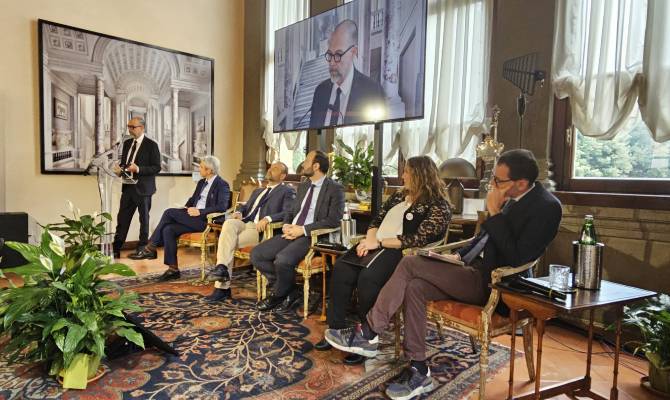
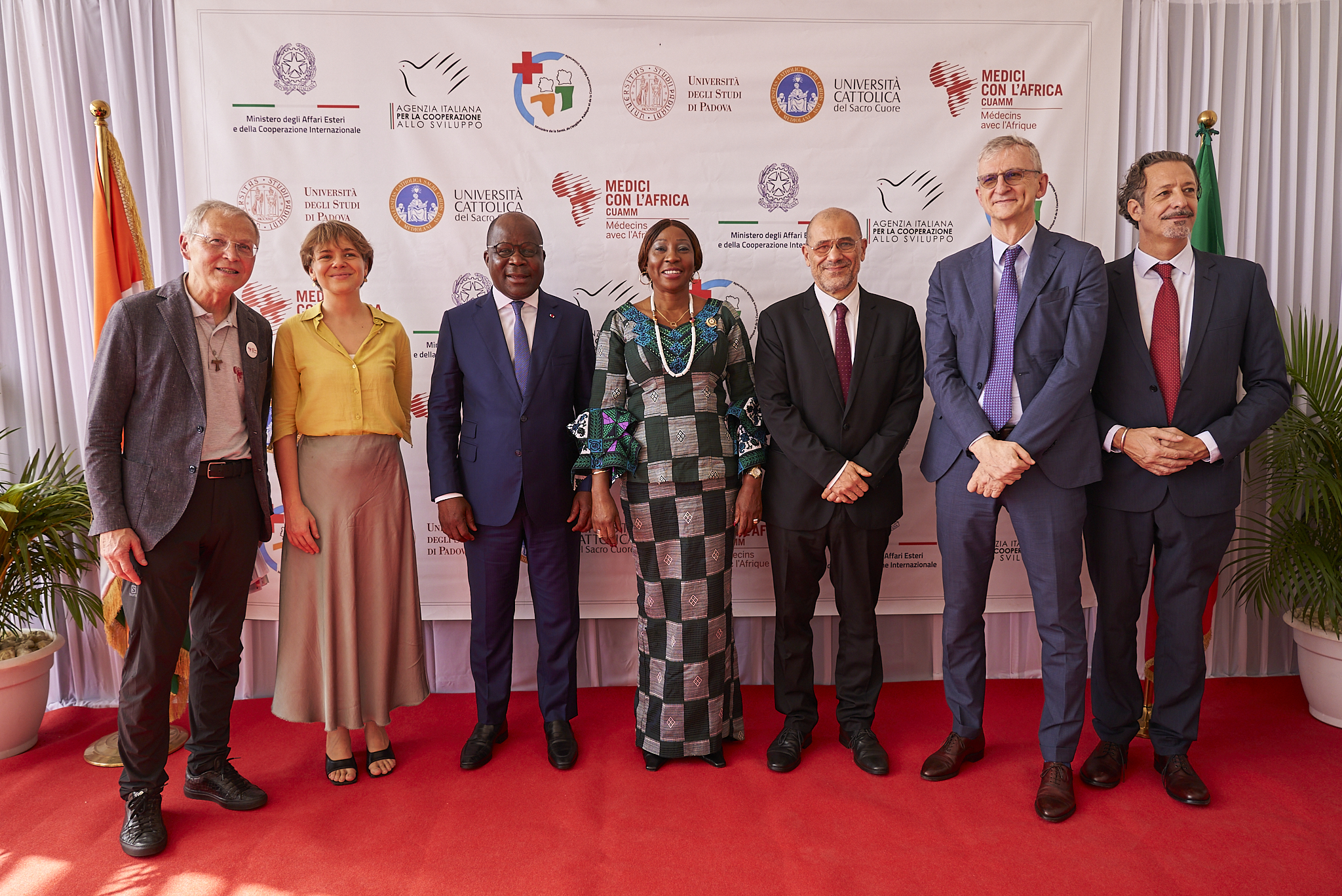
A major new commitment to maternal and child health has been officially presented Friday, May 9, at the Abobo Town Hall, Abidjan, Côte d’Ivoire. Two main projects will in fact be implemented by the University of Padua and the Università Cattolica del Sacro Cuore, in partnership with Doctors with Africa CUAMM, with the support of the Italian Cooperation, as part of the Mattei Plan.

The launch ceremony was attended by Stefano Gatti, Director General for Development Cooperation, who was visiting Abidjan at the head of a delegation from the Italian development cooperation system together with Ivorian authorities, including the Minister of Health of Côte d’Ivoire, Pierre N’gou Dimba, and Madame Kandia Camara, Mayor of Abobo and President of the Senate, as well as project partners Dr. Annamaria Merola and Dr. Francesca Priolo representing the Università Cattolica del Sacro Cuore, and Don Dante Carraro, Director of Doctors with Africa CUAMM.
The projects, developed in close collaboration with the Ivorian health authorities, focus on two main areas.

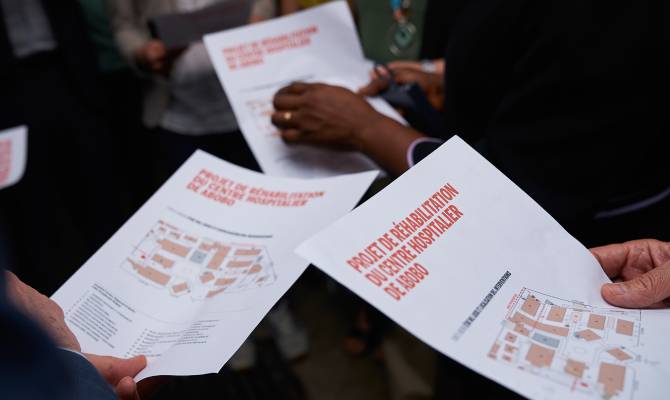
The first initiative focus on the rehabilitation and reconstruction works at the Félix Houphouët-Boigny Regional Hospital Center in Abobo and the strengthening of Community-Based Urban Health Facilities (FSUCom) in Abobo Avocatier and Abobo Baoulé. With an estimated population of about 750,000, Abobo East is a rapidly growing urban area. The Félix Houphouët-Boigny Regional Hospital Center, which alone recorded 8,000 births in 2024, faces increasing demand in an already overcrowded setting. Hence, the need for a major infrastructure upgrade to expand its capacity, enhance the maternity and neonatal units, and introduce support services such as a blood bank and an oxygen center.

In parallel, the second initiative aims to reinforce technical and functional support for 30 faith-based health facilities affiliated with the Union of Religious for Health and Social Affairs in Côte d’Ivoire (URSSCI), with the goal of improving their integration into the national health system. Planned activities include strengthening managerial and clinical skills, promoting coordination and integration mechanisms with the national system, providing medical equipment, improving infrastructure, and developing referral systems.

Complementing these efforts, cross-cutting community health, training, and research activities will be carried out through the involvement of the Università Cattolica del Sacro Cuore and the University of Padua.

“This project is for you, for the community, but it is also for us, because it stems from a genuine partnership—built on people, organizations, and mutual commitment. This is the essence of this model of cooperation. The initiatives presented today are an extraordinary example of this approach in a country that, since 2024, has become a priority for the Mattei Plan, demonstrating the strategic importance of Côte d’Ivoire for the development of the entire region,” said Stefano Gatti, Director General for Development Cooperation.
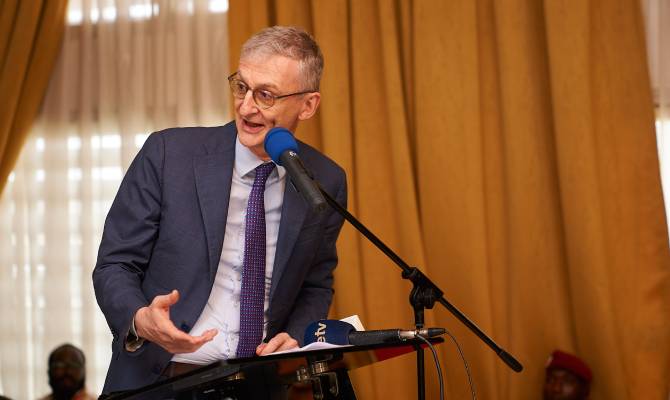
Later, Father Dante Carraro, Director of Doctors with Africa CUAMM, took the floor. After thanking Minister Dimba, Ambassador Luzzi, delegation head Gatti, and the entire Abobo community, he addressed the audience:

“Today we are here not for ceremony, but to renew our commitment. We have one single, steadfast goal: we want no mother to die in childbirth, no newborn to die in their first month of life. We know we cannot save the world, but we are determined to do our part. This is our commitment, and we reaffirm it today.”
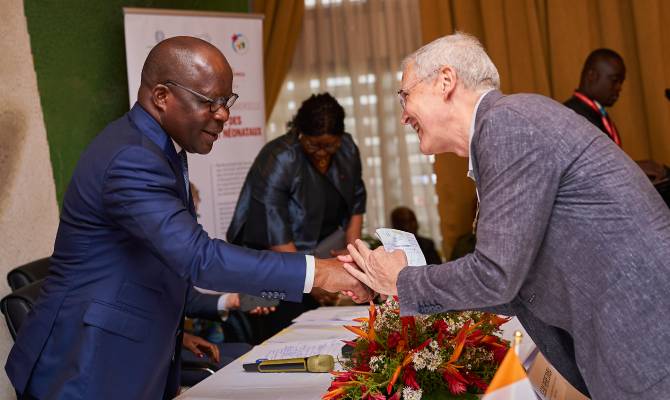
“This initiative addresses an urgent and priority need: ensuring that pregnant women and children have access to quality health services in one of the most populated and vulnerable districts of Abidjan. By investing in the health of Abobo, we invest in the living heart of Abidjan, and through Abidjan we foster the development of all of Côte d’Ivoire. Today, together, we are laying the foundation for a more just, fair, and united society,” said H.E. Arturo Luzzi, Italian Ambassador to Côte d’Ivoire.

Then representatives from the two universities addressed the participants.

“Since its founding, the Catholic University has placed particular emphasis on training doctors in the values of solidarity, listening, and care, which are at the heart of healing, especially for the weakest and most suffering. It is a fascinating mission that engages the whole person. It is with this spirit that we are preparing to begin the project,” said Professor Annamaria Merola of the Catholic University of the Sacred Heart.

“We firmly believe that the quality of obstetric and neonatal care depends on genuine partnerships, rooted in a deep understanding of the local context, listening to needs, and the co-design of innovative, sustainable, and measurable interventions. The integration of data care, training, and clinical innovation is the distinctive contribution our Department is proud to offer to the project,” stated Professor Eugenio Baraldi, Director of the Department of Women’s and Children’s Health at the University of Padua, in a message delivered in his absence.

To conclude the meeting, Côte d’Ivoire’s Minister of Health Pierre N’gou Dimba remarked:

“The urban area of Abobo embodies all the healthcare challenges our system faces today. With this project, we aim to structurally and sustainably improve the health conditions of our population. But it’s not just about infrastructure—it’s about investing in health, dignity, and the future of our communities. This is a strategic project because it meets the real needs of those who seek care and services every day under difficult conditions. I want to express my heartfelt gratitude for this spirit of collaboration. The professionalism, enthusiasm, and dedication I’ve seen from all the partners involved fills me with pride.”

“We are convinced that the quality of obstetric and neonatal care depends on authentic partnerships based on deep knowledge of the local context, listening to needs, and co-designing innovative, sustainable, and measurable interventions. The integration of data management, training, and clinical innovation is the distinctive contribution that our Department is proud to offer to this project,” said Prof. Eugenio Baraldi, Director of the Department of Women’s and Children’s Health at the University of Padua, in a message read during the ceremony.
Complementary activities in community health, training, and research will also be implemented through the involvement of the Università Cattolica del Sacro Cuore and the University of Padua.

The initiatives, aimed at strengthening healthcare services in the country and improving access to care for the population, are part of the Mattei Plan, launched by the President of the Council during the Italy-Africa Summit in January 2024.
 

A new commitment in Burkina Faso

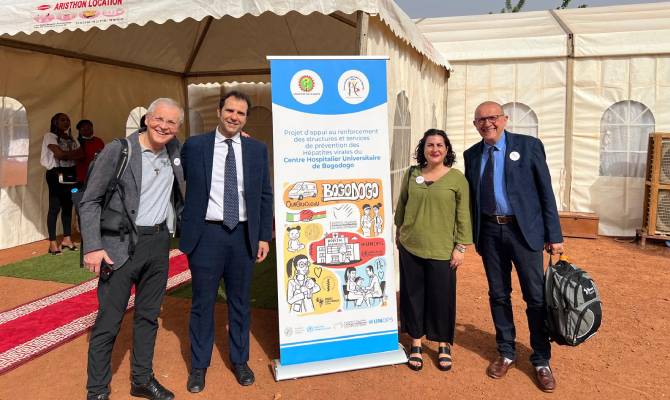
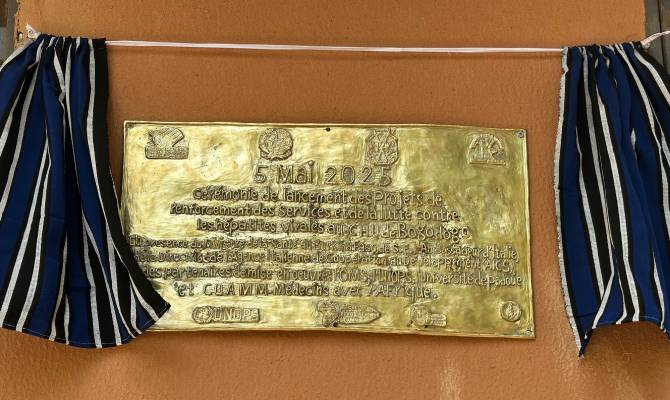
A new commitment in a country we have known and worked in in the past. A three-year project was launched yesterday in Ouagadougou, Burkina Faso, at the Bogodogo University Hospital Center focused on the prevention and treatment of hepatitis B and C. This initiative led by the University of Padua (UNIPD) and implemented in partnership with CUAMM and the Italian National Institute of Health (ISS) fully aligns with the objectives of Universal Health Coverage promoted by the World Health Organization (WHO).

Present at the launch event were the Italian ambassador Gabriele di Muzio, Burkina Faso’s Minister of Health Dr. Robert Kargougou, our director Don Dante Carraro, Dr. Giovanni Putoto – Head of Planning and Operational Research), Claudia Mocci – Project Manager, and Professor Francesco Paolo Russo from the Department of Surgical, Oncological, and Gastroenterological Sciences at the University of Padua.

“This is a sort of a return for us,” said Giovanni Putoto, Head of Planning and Operational Research. “CUAMM worked in Burkina Faso for about ten years, between the 1980s and 1990s. Today, as the country faces a period of great internal instability, we return with a specific intervention. The hepatitis project, which we embraced in collaboration with the University of Padua and the Istituto Superiore di Sanità, once again brings us close to the most vulnerable—especially mothers and children, who have always been at the center of our work.”

In Burkina Faso, viral hepatitis is one of the leading causes of illness and death, with hepatitis B (HBV) affecting an estimated 10% of the general population. The risk is significantly higher among vulnerable groups, who have always been the focus of our work. Pregnant women are particularly at risk: due to the high likelihood of vertical (mother-to-child) transmission, the consequences can also be serious for newborns.

In low-resource settings, poor diagnosis services and barriers in accessing treatment hinder the control of such diseases putting at risk the life of many. If not detected in time and without appropriate clinical care, the consequences can be fatal.

The initiative is a multidisciplinary one: the research component will be led by the University of Padua’s Department of Surgical, Oncological, and Gastroenterological Sciences (DiSCOG), directed by Professor Umberto Cillo, with the specialized contributions of hepatologists and gastroenterologists Professor Patrizia Burra and Professor Francesco Paolo Russo. The Italian National Institute of Health will play a key role in epidemiological surveillance, the provision of tools, data sharing, and the implementation of an electronic health records management system while Doctors with Africa CUAMM will oversee the managerial and technical aspects of the project.

The intervention will be centered at the Bogodogo University Hospital Center in Ouagadougou and aims to diagnose and treat around 3,000 pregnant women and children affected by viral hepatitis B and C. The project also includes the specialized training of local healthcare personnel, strengthening their skills to ensure a sustainable healthcare response.

“This project is part of the University of Padua’s long-standing tradition in health cooperation and training, reaffirming the university’s commitment to promoting global health improvement,” stated Professor Francesco Paolo Russo from UNIPD.

The planned activities follow an integrated approach and include:

  • Training of local healthcare staff, both in-person and remotely
  • Development of scientific research activities
  • Clinical management of complex cases
  • Provision of diagnostic equipment, tests, medicines, and IT systems for managing medical records
  • Contribution to revising protocols for the management of patients with viral hepatitis B and C
  • Introduction of software for the management of chronic patients

The project is being implemented in partnership with the Istituto Superiore di Sanità (ISS) and in close collaboration with the local Ministry of Health and the World Health Organization (WHO). The initiative is funded by the Ministry of Foreign Affairs through the Italian Agency for Development Cooperation (AICS).


Training to care building competencies in South Sudan

South Sudan, the world’s youngest country and one of the poorest in Sub-Saharan Africa, currently has a population of 12 million, the majority of whom are in need of humanitarian aid. According to the World Bank, the country ranks 192nd out of 193 in terms of human development.
The health situation in South Sudan is dire: 1,223 women die in childbirth for every 100,000 live births—shocking figures that are direct consequence of an extremely fragile national health system where the number of qualified healthcare professionals is highly insufficient.

Doctors with Africa CUAMM’s decision to invest in the training of local health personnel in such a fragile country is therefore a crucial step toward initiating real and sustainable progress in the healthcare system.
Today, we support two nursing and midwifery schools in two different states: Lakes State, home to the Rumbek Health Institute and Western Equatoria, where the Lui Midwifery School is located.

Rumbek Health Institute

Active at the State Hospital of Rumbek since 2017, Doctors with Africa CUAMM extended its support to the attached Institute of Health Sciences in the 2020/2021 academic year, particularly in the midwifery and nursing programs.

Each year, CUAMM’s support includes:

  • Food and accommodation for students in need
  • Purchase of teaching and stationery materials for nursing and midwifery courses
  • Financial support for the annual salary of tutors and the academic director
  • Provision of fuel to ensure electricity for the school
  • Supply of medical materials for practical lessons and simulations

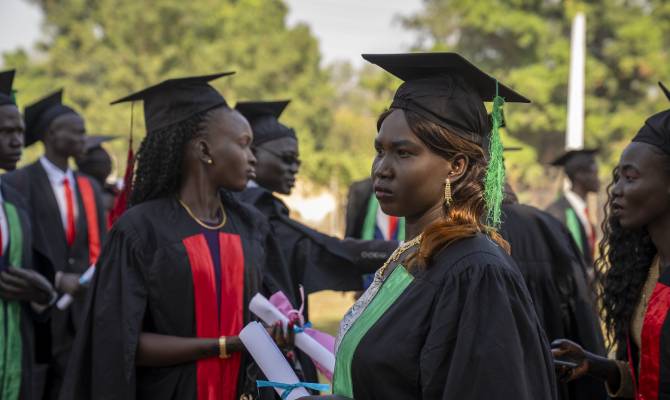
Since this initiative began, about fifty students graduate each year from the Rumbek Institute of Health Sciences. These young men and women, equipped with a diploma and vocational training, will be able to work on the front lines to improve the health services and systems of their country, becoming agents of change themselves.

“Mine is not just a profession: being a midwife means welcoming life into your hands and always being at the service of women, to promote their well-being. In our culture, there are taboos to overcome — giving birth in a hospital is one of them. Today, I support women in the delicate moment of childbirth, but ensuring their health every day, in every stage of life, remains my mission.” Martha Mochmetin, midwife graduated from the Institute of Health Sciences in Rumbek.

The institute is located in Rumbek Centre County, in the town of Rumbek, the capital of Lakes State. The adjacent hospital, where students carry out their practical training, is a key referral center in the area. In 2023 alone, over 14,300 patients were admitted to the Pediatrics and Maternity wards (8,918 in Pediatrics, 5,399 in Maternity), 3,414 births were attended (including 120 cesarean sections), and 17,690 outpatient visits were provided at the OPD.

Lui Midwifery School

The Lui Midwifery School is located in Mundri East County, Western Equatoria.
Supported by CUAMM since 2014, the school is attached to the Lui Hospital, a facility serving a population of around 170,000 people.

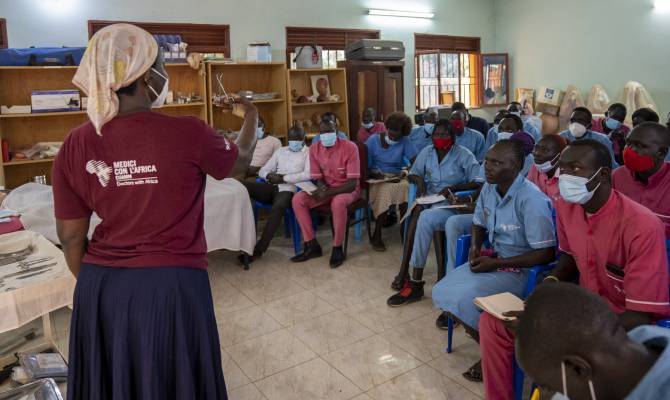
Students attend theoretical classes, study in the library, and carry out practical activities in the hospital wards under the constant guidance of two tutors and the headmistress—personnel specifically recruited by CUAMM to ensure the proper implementation of the ministry’s curriculum.
“Having the opportunity to do clinical practice in a hospital is a real privilege for students. Everything we see in class and read in textbooks can be applied in real situations—whether by observing clinical procedures or by taking part directly.” Judith Abwol, midwife and tutor at the Lui Midwifery School.

The fact that the Lui School is linked to a functioning hospital offers students an ideal environment for continuous learning—something far from common in South Sudan. In addition to practicing in this hospital, students can also gain field experience in peripheral health units and within local communities.

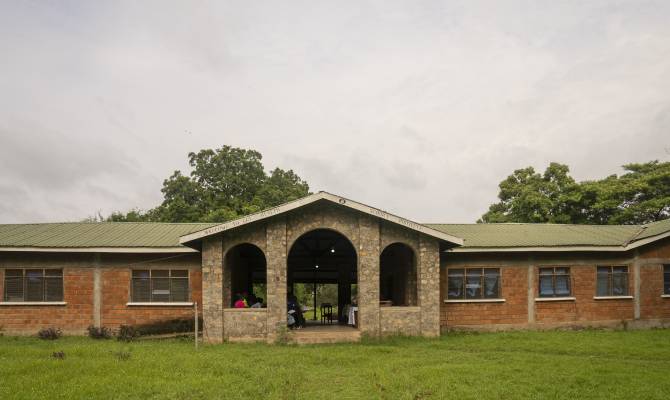
The school includes several buildings: a classroom facility, a dining hall with kitchens, two dormitories, two staff houses, a services area, and a recreational space. The ability for students to live on campus allows many of them to attend classes and continue their studies without major logistical difficulties. CUAMM’s support covers essential living expenses, as well as hygiene kits, school supplies, and all the materials needed for lessons: from mannequins to consumables, from textbooks to whiteboards.


Thank You Pope Francis

«Pope Francis has left us, and the emptiness and sorrow are deep. Until the very end – even as recently as yesterday – he continued to be present. With his people. With his Urbi et Orbi blessing, he wanted to give one final sign of love for our world, so torn apart by wars and yet so beloved and dear to him. We feel an emptiness because we feel we have lost a father – a gentle and firm guide, clear-minded and courageous, a protective presence who walked with us on our journey. A gift. A gift who, until the end, chose to stand with the poor – near and far – and with Africa in particular. He visited some of its most fragile countries, such as the Democratic Republic of Congo, the Central African Republic, and South Sudan. He chose to be with them, with these people. And we felt him close. He was a great help, a great source of hope for all of us at CUAMM Doctors with Africa. He loved that continent – so rich, so beautiful, so full of potential. And he loved it also because it is a continent full of colour, hardship, and humiliation. In today’s world – a world where arrogance, abuse of power, selfish interests, and the humiliation of the poor seem to prevail – Pope Francis never stopped living out solidarity, closeness, and the defense and respect of the most vulnerable. A great gift. That is why our gratitude is so strong. Gratitude to the Good Father who gave him to us. He gave him to a Church that is bruised and weary, yet radiant in its bold declaration that the kingdom we want to build is one of brotherhood and solidarity. He was a simple man for simple people – a man who opposed all injustice and inequality until the very end. With his life, he proclaimed the Gospel of liberation, of dignity, and of hope for every creature, especially the most fragile. Thank you, Pope Francis».

Don Dante Carraro, Director of CUAMM Doctors with Africa

A classroom to disrupt HIV stigma

“Studying medicine is a social responsibility to these students. In that sense, The Catholic University of Mozambique – UCM supports them throughout their academic career both professionally and personally. One day, they won’t just be the health professionals of Mozambique but also responsible citizens, active members of their community.”

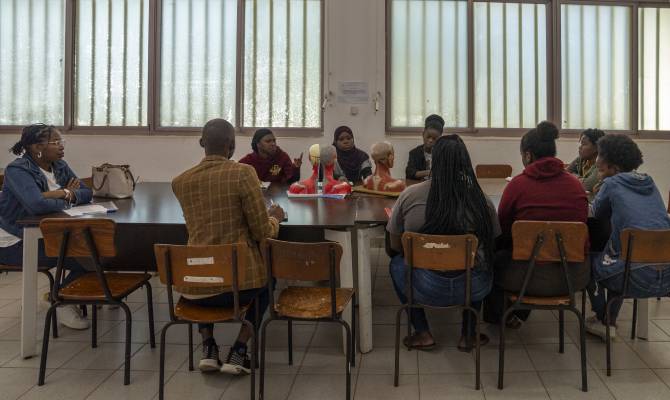
Francesco Segala – infectious disease specialist, arrived in Beira in November. He serves as coordinator for relations between CUAMM and UCM. In recent months, upon request from UCM’s pedagogical board, Francesco took charge of the infectious diseases module, working in the classroom with third-year students and supporting them as a tutor.

It was an opportunity to understand how the educational structure functions, how practical activities are defined, but above all, to build relationships with the students.

“As tutors and professors, we have a duty to nurture in them a sense of responsibility that will be essential in their medical profession,” says Francesco. “It’s truly a joy when you realize you’ve succeeded.”

Francesco truly did succeed, in his own way. He realized this a few weeks ago when he engaged his class in a focus group on the issue of HIV-related stigma.

“It’s extremely important to talk about it, because stigma ends up compromising the social aspects of everyone’s life, with serious consequences for the mental health of those living with the virus,” explains Francesco. He continues: “I started by sharing my own experience, and admitting that, without really realizing it, I too was influenced by stigma for a long time. It’s a fact that an HIV test is scarier than a complete blood count (CBC) which is considered “just a blood test” — but why?”

Mozambique is one of the countries with the highest number of people living with HIV. According to UNAIDS data (2025), there are about 2.4 million people, of which 2 million are on antiretroviral therapy.

“Knowing your HIV status is essential in order to live with the virus and prevent transmission. Moreover, antiretroviral therapy is simple: you just have to take one pill a day. That’s enough to reduce the viral load to zero, with adherence to treatment over time.”

And yet, the fear of the virus is real, especially among young people. Francesco tackled it in a university classroom, creating a safe space for his students.

“The class already knew about HIV from a clinical standpoint — they had studied it in lectures,” Francesco explains. “They didn’t need me to tell them how the virus is transmitted or how the therapy works. What I hoped to do — and what we managed to achieve together — was to create a open debate like a confession. In that way, we were able to see that the stigma was right there, among us.  Despite it being difficult, we now know that overcoming the taboo and disrupting the stigma is possible through awareness”.

Maternal and newborn health on air

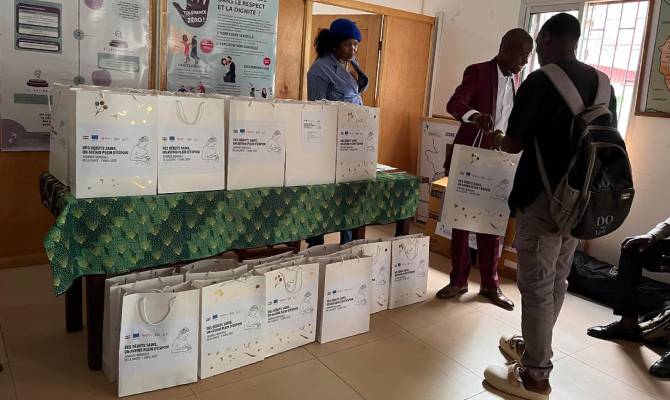
Two female voices in dialogue featured in a radio spot about maternal health – this is the initiative promoted by Doctors with Africa CUAMM in collaboration with Action Against Hunger in the Central African capital on the occasion of World Health Day.

A simple yet effective way to deliver an important message to every mother everywhere: Prenatal visits are essential to ensure the well-being of both the mother and the future baby! As one of the voices in the spot says, speaking to a young expectant mother, reminding her of the importance of prenatal visits and access to a safe, assisted delivery in a proper healthcare facility.

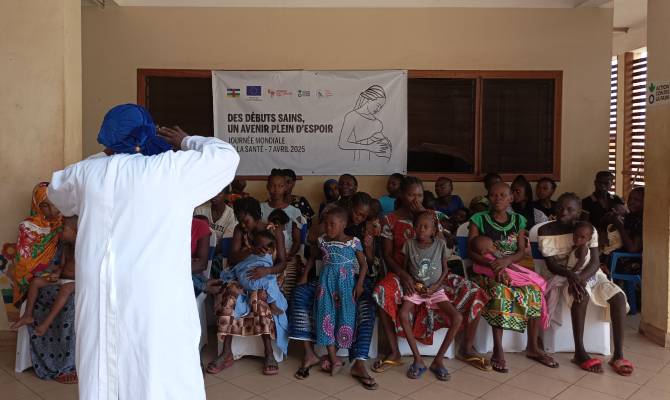
With this message, we wanted to celebrate World Health Day, which this year the World Health Organization (WHO) dedicated to maternal and child health under the theme “A healthy start, a future full of hope.” The spot was broadcast in French and Sango, the local language spoken by most of the population, especially in the suburban areas.

Through the collaboration with the local broadcaster Radio Ndeke Luka, the information activities continued in the following days with the airing of a prize-based quiz. The “Mandako” quiz, broadcast daily from April 7 to 11, asked listeners a series of questions on topics such as pregnancy, childbirth, weaning, and newborn health. The 40 participants took part in the radio game and then received a kit as a prize, which included essential personal hygiene and baby care items.

One of the quiz participants picks up the prize kit.

As part of the celebration, discussion groups were organized at the Bangui Pediatric Hospital (CHUPB). Activists, representatives from the hygiene office, and the person responsible for information, education, and communication activities delivered key messages with the support of a facilitator from Action Against Hunger.

The initiative is part of a project carried out by Doctors with Africa CUAMM and the NGO Action Against Hunger, with financial support from the European Union.

Powering Progress: the energy-food-health nexus for sustainable development

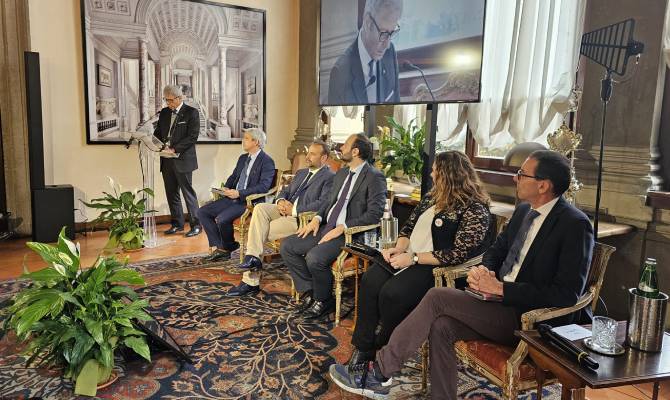
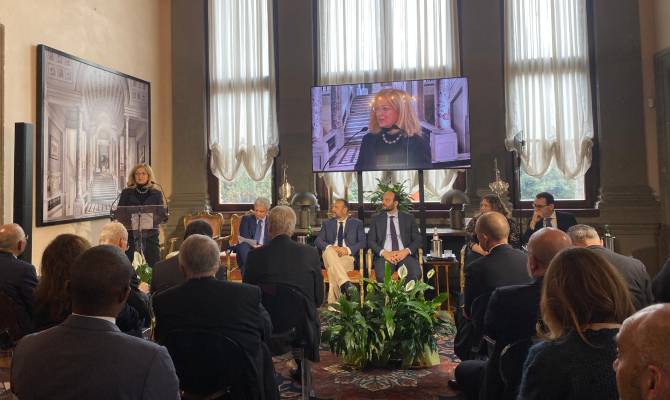
Today, hosted at Palazzo Borromeo in Rome, we met with partners, institutions, civil society representatives and the private sector, as well as religious organizations, on the occasion of “Powering Progress: the energy-food-health nexus for sustainable development”.

The event gave us the opportunity to delve into the connection between sustainable energy, nutrition, and health, with particular attention to the most fragile contexts—those where Doctors with Africa CUAMM works every day.

The Italian Ambassador to the Holy See, Francesco di Nitto opened the meeting welcoming both speakers and guests to then leave the floor to the opening remarks by father Dante Carraro – CUAMM Director General; Carlos Alberto Saraiva de Cravalho Fonseca – Ambassador of Angola to the Holy See; Mons. Fortunatus Nwachukwu – Secretary at Dicastery for Evangelization and Alessandra Fidanza – Ministry of Environment and Energy Security.

An introduction that provided participants with a comprehensive overview on the topic spanning from the needs of underserved communities to the importance of bilateral collaboration for mutual development to the ongoing programs promoted by the Italian government.

“I wish to express my gratitude to organizations like CUAMM for the support provided to those most in need—people who suffer due to conflicts, poverty, and human-made hardships. What you do is in perfect harmony with the call of our Holy Father to preserve and protect our common home—the world—for the good of all. Through this, we are also promoting integral human development.” Fortunatus Nwachukwu – Secretary at Dicastery for Evangelization.

“With regards to bilateral cooperation and international cooperation in sub-Saharan Africa, the Ministry of Environment and Energy Security is engaged in the application of the Mattei Plan specifically in the implementation of selected projects on energy and climate that could benefit African countries while also pursuing the implementation of 2030 Agenda” Alessandra Fidanza – Ministry of Environment and Energy Security.

Alessandra Fidanza - Ministry of Environment and Energy Security.

“With the implementation of this project dedicated to facilitating access to clean energy for people in rural areas, we have the opportunity to also promote health practices, which are at the core of our mission. We are doing this by adopting a new approach that also takes into account other health-related aspects, which are equally important for achieving sustainable development.” Father Dante Carraro – CUAMM Director General.

Also a contribution to the event was offered by Domenico Giani, President of Eni Foundation who greeted the participants with a brief speech.

“We must commit ourselves to building a sustainable model—one that, to truly be sustainable, must be able to hold together social justice, respect for creation, and human dignity. As President of the Eni Foundation and of the Confederation of the Misericordia of Italy, I experience every day the dedication of different realities united by a shared sense of responsibility—an effort that is expressed through concrete closeness to people, the nurturing of relationships, and the patient construction of paths of cooperation. In these complex times, it is essential to listen, to build networks, and to create bridges in order to face global challenges and turn them into opportunities for shared growth”. Domenico Giani, President of Eni Foundation

Before moving into the technical panel, a keynote speech by Andrea Marsianich – Head of Carbon Offset Solutions at Eni – provided participants with a detailed overview of the company’s strategy for promoting clean energy solutions, of which Clean Cooking is a key component.

“Our approach to Africa and communities we work with has always been based on collaboration and I like the fact that your name si Doctors with Africa cause “with” is the most important word. As a company, over the years we have also given great attention to cooperating with local institutions, local companies and communities because we want our present to be based on respect, value creation and development of local competencies” Andrea Marsianich – Head of Carbon Offset Solutions, Eni.


The subsequent technical panel brought together partners such as AVSI, Eni and Solar Barrel to delve deeper into the collaboration opportunities between private sector and civil society for sustainable development in underserved and vulnerable countries.

The conversation highlighted the urgent need for scalable clean cooking technologies and the importance of integrating health-related activities into these efforts. Moreover, the dialogue emphasized the value of engaging faith-based and non-governmental organizations to facilitate community acceptance and promote community ownership, which are key for achieving effective and sustainable results.

“The Clean Cooking project, like other initiatives, is closely aligned with the company’s commitment to working with communities and employees by transferring knowledge and skills. Moreover, we took the opportunity to design the project from a health perspective as well, recognizing the strong connection between energy and health. By doing so, we can offer something more—aligned with our values, mission, and the SDGs.” Simone Mortara, Head of Global Health Competence Center, Eni

“For achieving effective cooperation, we have to look at the human integral development. In that sense the improved cookstove is just a tool that might enable us to design a project for the benefit of communities. That said, I have to highlight the importance of establishing collaborative partnership, as the one we have with Eni” Alessandro Galimberti, Head of Climate Change, Environment and Energy Unit and Corporate Riskm Manager at AVSI

“Sharing best practices, expertise, and knowledge is key to serving a greater purpose—and that’s something we aim to do by transferring our know-how to communities and partnering with the third sector.” Matteo Villa, CEO of Solar Barrel

The dialogue went on with our contribution from Angola—a country where we have been working since 1997 and where we are currently implementing health activities integrated into the clean cooking strategy in rural and semi-urban communities in the northern province of Uíge. Here, we aim to reach around 200,000 households in the most remote areas of a forgotten province, where access to health services is severely limited due also to the long distances to health centers and hospitals.

“As Doctors with Africa, we have soon recognized improved cookstoves as a tool to enter into communities and engage them into wider activities related but not limited to cooking methods. We are talking about the health component which is our expertise. For an effective results, we must not forget community acceptability” Veronica Censi, CUAMM Partnership and Advocacy Manager

To conclude the meeting, emphasis was placed on the key role of faith-based organizations and NGOs which have the potential to facilitate bottom-up change, as they can bridge the technological value brought by the private sector—through partnerships—with their deep knowledge of local contexts. A role to which we remain committed.


Renovated spaces and colorful paintings at Pujehun hospital

A functional and beautiful place is also a place where better care can be provided. If that place happens to be the pediatric ward of a small hospital in Sierra Leone, where dozens of patients are admitted every day, then perhaps some paintings and a bit of color can make a hospitalization less frightening.

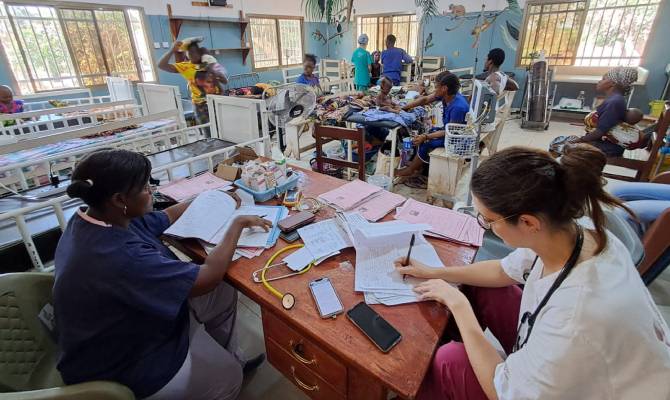
For the past eight months, the Pujheun hospital has been the place where Annachiara and Andrea spend most of their time. She is a CUAMM pediatrician, he is a volunteer physiotherapist. They arrive at the hospital early in the morning and leave when the daylight is over. This facility is a reference center for the area. Last year alone, 1,869 children were admitted to the pediatric ward which also includes a neonatal unit and a malnutrition unit.

Moving between the beds in the ward, Annachiara and Andrea witness the daily suffering of hospitalized children, the worry of their mothers, and the difficulty of the medical staff in working to the best of their ability in a context where resources are far from sufficient. Despite the high number of patients admitted, the hospital is constantly and overwhelmingly understaffed. Annachiara and Andrea, together with a nurse and a medical intern, are part of the CUAMM team that works alongside the local staff: just one medical technician and three nurses.

“We do what we can with what we have, but the staff is limited and the space is too. To manage to admit everyone to the ward, we were forced to place up to three children in a single bed. Apart from being impractical, this overcrowding was also dangerous for the patients themselves,” says Annachiara Zin, Cuamm pediatrician.

The Pujheun hospital hosts a large number of malnourished children. Most are under five years old and do not receive the proper intake of proteins, minerals, vitamins, and energy during their growth phase. Many arrive at the hospital in critical condition, either because of the distance from the facility or because the mothers do not recognize the warning signs.

“Malnutrition also leads to immunodeficiency,” explains Annachiara. “It means the immune system of these children is extremely weak, and any infection can cost them their lives. This is why it’s crucial to ensure proper care spaces.”

The need for better care spaces is what motivated the reorganization of the pediatric ward at Pujheun, a project led by CUAMM that Annachiara and Andrea, together with Maria—a volunteer nurse— contributed in making happen by working on it with patience and determination. They were supported by both CUAMM team on the field, many friends and family members and CUAMM donors who wanted to contribute to the project.

“We knew the pediatric ward’s conditions weren’t ideal even before we left, and in agreement with Cuamm, we had planned this reorganization,” explains Andrea Pasinato, physiotherapist. “After a few months in the ward, we understood what interventions were needed and started with the floor plans”.

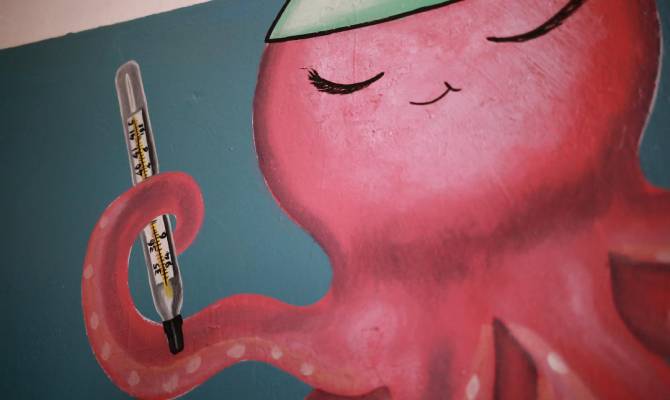
Today, the ward is a different place. What was once a large overcrowded room is now a spacious area divided into two sections: one for emergencies and another for less severe admissions. There are enough beds, each with its own mosquito net, essential in a place with high malaria rates. The mothers have lockers to store the bags they bring to the hospital, unaware of how long they will be away from home. The plumbing has also been fixed to ensure running water in the ward. This new division allows the staff to provide the right care to each patient and move around more easily in a well-organized space. The walls also look different: the faded yellow has been replaced with colorful paintings depicting jellyfish, monkeys, and birds. A project commissioned to local artists, which isn’t just an aesthetic touch but a way to promote sensory stimulation for the malnourished young patients.

“In a few months, we will leave, but we like to think that the effort we put into reorganizing this ward will serve as both a new starting point for the doctors to come and as a gesture of care toward the young patients and their families,” says Annachiara Zin, Cuamm pediatrician.

Malnutrition when adherence to treatment is lifesaving

According to the latest data by UNICEF, WHO and World Bank 30% of under-five children in Tanzania suffers from severe malnutrition, 3,3% from acute malnutrition. Patricia is one of them. She was admitted to Dodoma Regional Referral Hospital a few months ago and treated by CUAMM’s team. Dodoma is one of the regions with the highest prevalence of malnutrition in the Country reaching 40%, Doctors with Africa CUAMM has been working here since 2022.

Patricia is two and a half years old and comes from the village of Chiwondo, in the Chamwino district. Her aunt took her to the hospital as her mother stayed home to look after her baby. After a couple of weeks at the malnutrition unit, she was discharged. Once she returned home, she was supposed to take Plumpynut a few times a day for several weeks, to aid in her nutritional rehabilitation. Plumpynut is a vital therapeutic food made of peanut paste enriched with proteins and minerals. Patricia’s family was supposed to collect the necessary Plumpynut to help her recover fully at Dabalo health center, near their village where CUAMM works. However, something went wrong, and Patricia never received it.

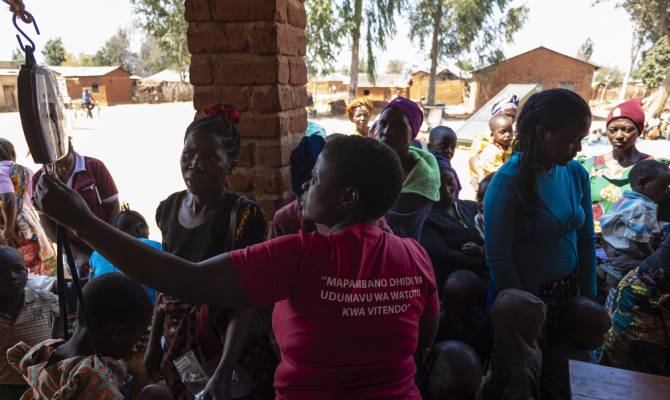
Fortunately, another aunt of Patricia, went to visit the family and immediately noticed that the little girl wasn’t well. She decided to take Patricia to the Dabalo health center, where she was diagnosed with severe acute malnutrition (SAM) and admitted for treatment. Patricia’s aunt quickly realized that medical attention was necessary to save her niece. For some time, Patricia’s aunt has been attending the Village Health and Nutrition Days (VHND), community health and nutrition days that include activities to raise awareness about child malnutrition. On those occasions CUAMM provides community’s members useful information on how to recognize a case of malnutrition, where to seek help, and how to handle the necessary treatments at home.

It is also thanks to these moments that Patricia is now much better. After receiving care at the Dabalo health center, the little girl returned home and completed her treatment with Plumpynut.

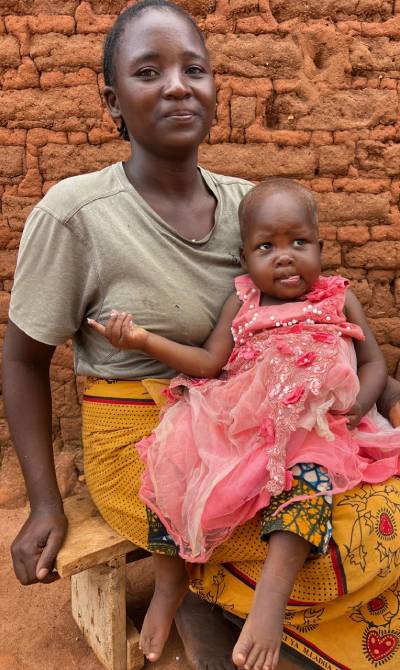
Patricia and her mother at home in the village of Chiwondo

Many factors contribute to malnutrition. Therefore, an integrated and multisectoral approach is necessary to address this emergency in a sustainable way. CUAMM is committed to implementing the “Diverse Food Systems: Improving nutrition through support for a diversified and sustainable food system” project in Dodoma, with the support of the Italian Agency for Development Cooperation and the Zanetti Foundation.

The Tanzanian government is supported in implementing national strategic plans for nutrition, with the aim of contributing to improving the quality of services in the Dodoma area, particularly for managing cases of severe acute malnutrition (SAM). Additionally, the integration of early childhood development (ECD) is promoted, with the goal of contributing to the physical and cognitive development of children by encouraging interaction with the community and play, even through the creation of toys made from local materials.


Improving access to safe water, sanitation and hygiene

Access to clean water is a basic human right, yet it remains a privilege for the few. In 2022, 2.2 billion people still lacked access to safely managed drinking water services, while 3.5 billion people were deprived of access to safely managed sanitation.

Universal access to clean water is closely related to hygiene and sanitation services, known as WASH. Inadequate access to WASH services is responsible for as much as 10% of the global burden of disease, contributing to 1.6 million preventable deaths each year, including 60% of all deaths due to diarrheal diseases. In 2022, 3.5 billion people still lacked safely managed sanitation.

Goal 6 of the UN 2030 Agenda for Sustainable Development aims precisely at ensuring universal access to safe drinking water and sanitation. The accomplishment of this goal is a necessary condition for achieving the other SDGs related to poverty, health, education, gender equality and environment. The most vulnerable regions in terms of water availability and access are often located in areas under severe environmental stress and difficult economic and political conditions, where consequently also access to safely managed WASH services in both households and key community facilities, such as health facilities and schools, is very limited.

Over the years CUAMM has implemented numerous WASH projects across several African countries, particularly in Mozambique, Angola and Uganda among others with the key objective of improving access to clean water, sanitation and promoting adoption of desired hygiene and sanitation practices to curb morbidity and mortality due to preventable environmental factors. Our approach is comprehensive and includes a multi-pronged approach that includes infrastructure
development, community-based behavioral change
and health prevention and promotion interventions, hygiene and sanitation in healthcare facilities and outbreak prevention and response.

CUAMM places a strong emphasis on improving water, sanitation and hygiene practices (WASH) at community, household, and individual levels. We achieve this by integrating WASH messaging and education within our community-based health promotion and mobilization campaigns through the Social and Behaviour Change (SBC) strategy.

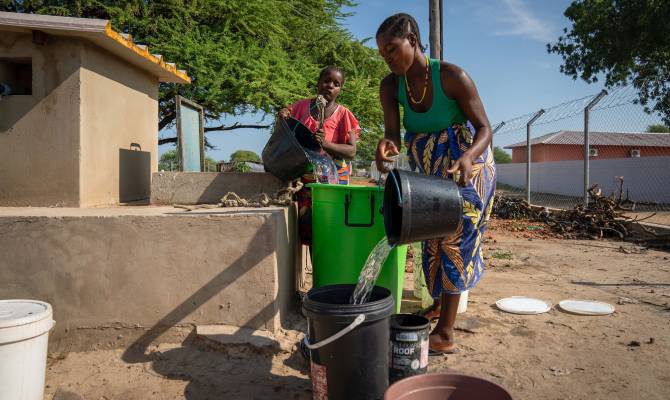
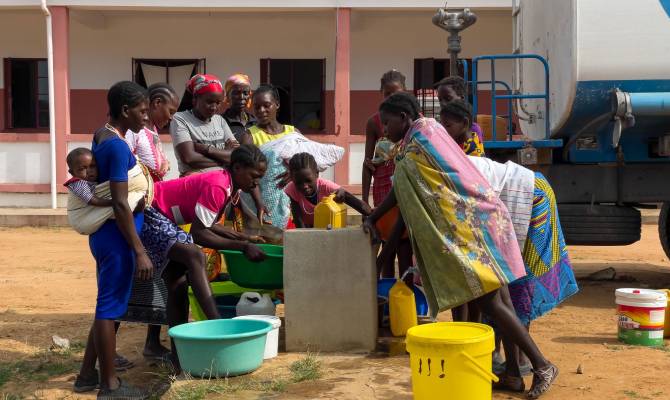
In Cunene province, Angola, thanks to the commitment of the agents from the GAS groups – Grupo de Água e Saneamento (water management groups in English), communities are being sensitized and informed about the correct use of wells to ensure good hygiene and sanitation practices and prevent waste. In addition,  GAS is also responsible for collecting a “symbolic” monthly payment from the households using the water point, to manage maintenance but also to increase ownership.
The intervention has been implemented following a
Community Management Model, actively involving all members throughout the process and making agents of change themselves. The activity is part of the project “Reducing nutritional vulnerability in the municipalities of Cahama and Ombadja through community surveillance and increasing access to safe water sources”, supported by Camões I.P. under the FRESAN Programme in partnership with the Municipal Administrations and the Municipal Directorates of Energy and Water and the Health.

In Mozambique, the “Familia Modelo” program has provided a platform for CUAMM to engage with community members, including parents and caregivers on WASH-related topics. By empowering families to become role models and champions of good WASH practices, CUAMM has created a multiplier effect, where the impact of school-based interventions is amplified through the active participation and support of the broader community.

Similarly, the “Smart Home” program in Uganda focuses on educating families on the importance of proper handwashing, safe water storage, and maintaining a cleaner living environment. By linking community-based WASH interventions with this household-level program, CUAMM ensures that knowledge and skills are applied at home, creating a more comprehensive and sustainable approach.