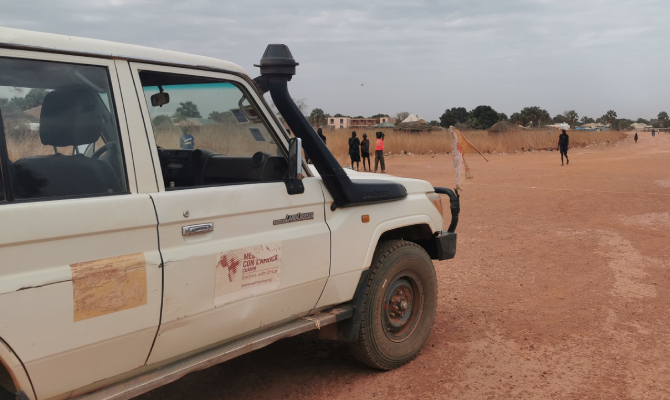
CUAMM Tanzania is luanching a Simplified Procedure for the purchase of an Off-Road vehicle.
ANNEX Ia – Declaration of Honour
ANNEX II & III – Technical Specifications technical offer
ANNEX IV – Identification form
CUAMM Tanzania is luanching a Simplified Procedure for the purchase of an Off-Road vehicle.
ANNEX Ia – Declaration of Honour
ANNEX II & III – Technical Specifications technical offer
ANNEX IV – Identification form
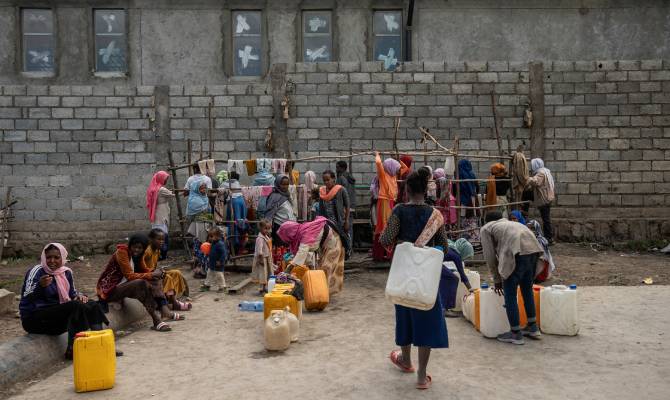
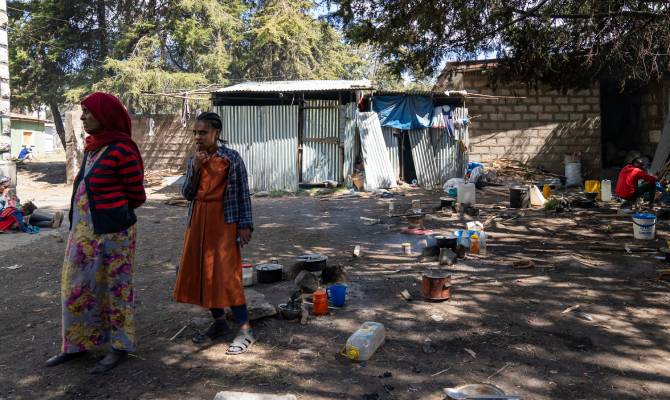
Nearly 22,000 people live in Debre Berhan, North Shewa Zone in Amhara region, Ethiopia. Internally displaced people (IDPs) located in three camps: China, Woynshet, and Bakelo Camp, and mostly coming from Wollega, Oromia region. Besides camp residents, there are thousands of IDPs hosted in the communities whose living conditions still need crucial attention.
Moreover, the conflict and insecurity in the region compromise access to basic health services even for the host communities, with recurrent service interruption, stock-outs of medicines and lack of essential nutritional supplements, among others.
In order to cope with this situation, CUAMM together with Cifa has implemented the project “Promoting protection and access to health and nutrition services for internally displaced people and vulnerable communities in emergency situations”, funded by the Italian Cooperation.
It is precisely thanks to this intervention that Medina Yesuf and her family’s life has improved.
She is 26 years-old woman, who was displaced from East Wellega due to internal conflict and now she’s living with her husband and child in China Camp IDP site.
She firstly got in touch with CUAMM, after undergoing a surgery for an extra pulmonary TB case in Debre Berhan Hospital and she received TB medications and follow-up treatment through CUAMM’s mobile health and nutrition team (MHNT).
‹‹Thank you Allah; I am near to finishing my medication now. My husband was also tested for TB because he was sick. But he is fine››, Medina said.
The Mobile Health and Nutrition Team (MHNT) maintained continuous operations, delivering essential health services to 21,258 beneficiaries across IDP camps and host communities. The team, composed of a Health Officer, Nurse, and Midwife, was strengthened by the recruitment of a Pharmacist, enhancing service efficiency.
Despite receiving her own treatment, Medina remained deeply concerned about her son’s deteriorating health. Born with a small swelling on his back, the lump gradually enlarged and began to leak fluid. Therefore, when he turned ten months, Medina sought help from the CUAMM MHNT Clinic at China Camp. The medical team first referred him to Debre Berhan Hospital and then to Hakim Gizaw Hospital, which recommended further examination in Addis Ababa before surgery could be performed. However, due to the costs she couldn’t afford, Medina returned to the IDP camp, hoping that someone might help her child receive the care he urgently needed.
The project also supported referral services and healthcare reimbursements for childbirth assistance, facilitating access for vulnerable populations.
There were a total of 435 referrals.
‹‹At that time, Cifa was providing financial assistance to the most vulnerable groups in China camp, and I was selected as a beneficiary through the CUAMM medical team. I was given 10.000 birr and I was able to take my son to Addis Ababa for critical examination››, Medina continued.
Following the assessment, she returned to Hakim Gizaw Hospital, where her child successfully underwent surgery.
‹‹They take good care of us. If it weren’t for the CUAMM medical team, my son would have died›› – Medina concluded.
Today, Medina and her son regularly visit the CUAMM MHNT clinic, where they continue receiving essential follow-up care and treatment after their surgeries.
Throughout the project, 47.170 people accessed to health and nutrition services, including dedicated mental health and psychosocial support (MHPSS) and sexual and gender-based violence (SGBV) services. Among other services, outpatient consultations, antenatal and postnatal care, family planning, nutritional and NCD screenings, mental health support, GBV case management, emergency referrals, and health education sessions.
Only in the period the end of May and September, OPD medical consultations were 5,941, 51 antenatal care visits, 891 children and 330 pregnant and lactating women underwent nutritional screening, some of them identified with moderate and severe acute malnutrition.
In addition, 290 women received family planning services (272 short-acting, 14 long-acting, and 4 emergency contraceptives); 2,673 individuals screened for non-communicable diseases (NCDs).
Procurement activities ensured the availability of micronutrients, therapeutic and supplementary foods, medical equipment, raising awareness materials among others, to support mobile clinics and health facilities.
Training and capacity building were an integral part of the project, significantly improving knowledge and skills among healthcare workers and community members. 150 training sessions were carried out. Technical assistance and supportive supervision were provided to improve data collection, reporting accuracy, and overall health service delivery. The project facilitated coordination and review meetings with stakeholders to assess progress, share best practices, and plan for continued improvements.
Additionally, the project supported an integrated vaccination and cholera prevention campaign in collaboration with local health authorities.
Ensuring quality care and making health and nutrition services more accessible and sustainable. This remains at the heart of Cuamm’s commitment, always and especially in the most fragile areas such as Debre Berhan.
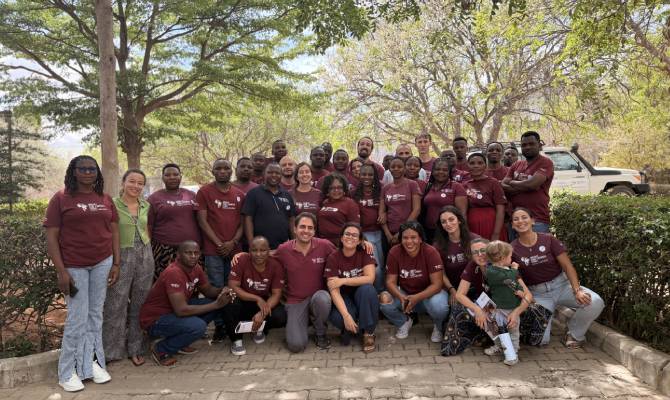
“It was truly moving to meet each other in person.” This is how Elia Msigala, Senior Accountant from Iringa, begins as he describes the CUAMM Tanzania Annual Meeting, held in Dodoma on 11–12 November 2025.
“Before, we only knew each other by name,” he continues, “but meeting in person made a real difference and strengthened our mutual cooperation within the organisation. We discussed both our current situation and our expectations, with optimism and commitment, looking toward a promising and prosperous future.”
Annual staff meetings are a cornerstone of CUAMM’s operational approach in Tanzania and hold particular importance for an organisation whose staff members work across different regions and projects. Team members from Iringa, Shinyanga, Dodoma, Dar es Salaam and Zanzibar gathered to reflect, align, and move forward with renewed energy toward shared goals. The meeting provided a valuable opportunity to exchange ideas, experiences, best practices, and lessons learned across various projects — a key element of CUAMM’s working method.
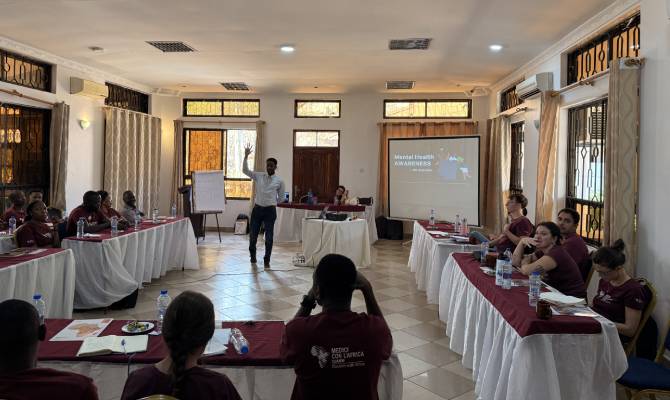
The first day focused on activities led by the Dodoma office, particularly those under the “Diverse Food System” project, which addresses issues related to malnutrition and early childhood development. Participants visited the Dodoma Regional Referral Hospital, where they observed CUAMM’s support to the malnutrition unit and explored the new Early Childhood Development Corner — a space designed to stimulate cognitive and neuromotor development in malnourished children.
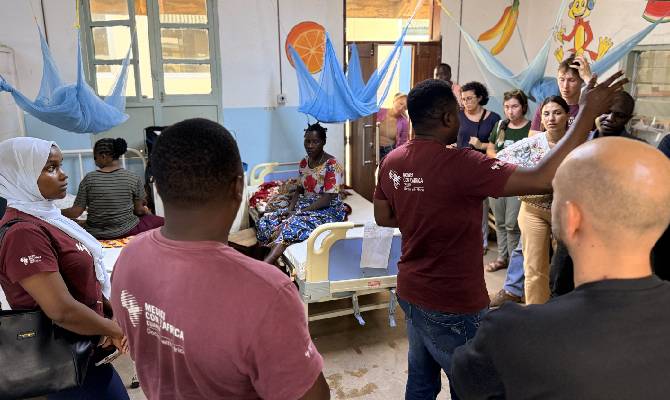
The second day was dedicated to the formal staff meeting, coordinated by Country Manager Riccardo Buson and Country Administrator Ilaria Di Nunzio. The programme included interactive sessions aimed at increasing awareness of ongoing initiatives in the country, highlighting challenges encountered, and celebrating the significant progress achieved. It also created opportunities for staff members to connect, fostering collaboration and the development of new projects.
“This meeting allowed me to catch up on current and future projects,” explained paediatrician Martina Borellini, “not only in my region but across the whole country. It helped me see the people I work with every day from a new perspective and in a different context.”
The meeting concluded with a session on mental health awareness led by Paul Ndemanisho — psychologist, mental health expert, and trainer in corporate well-being. His session emphasised the essential link between mental health and overall well-being, offering valuable insights to strengthen personal resilience and improve the quality of services delivered to the Tanzanian population.
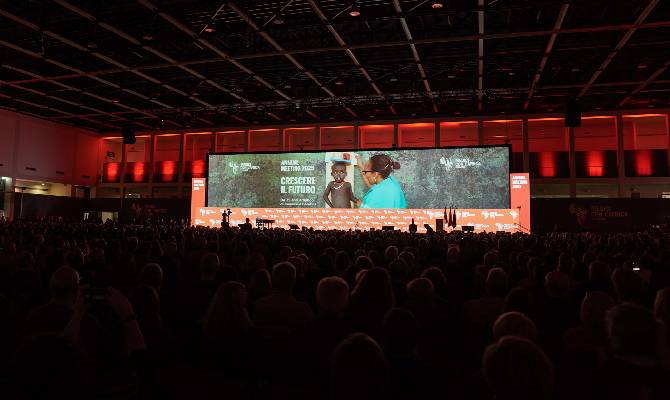
CUAMM Annual Meeting was held on Saturday 22, in Padua. The event featured distinguished speakers including the President of the Italian Republic Sergio Mattarella. Some 4,000 people attended the meeting held under the theme “Nurturing the future”, an occasion to also commemorate 75 years of commitment to the health of the most vulnerable.
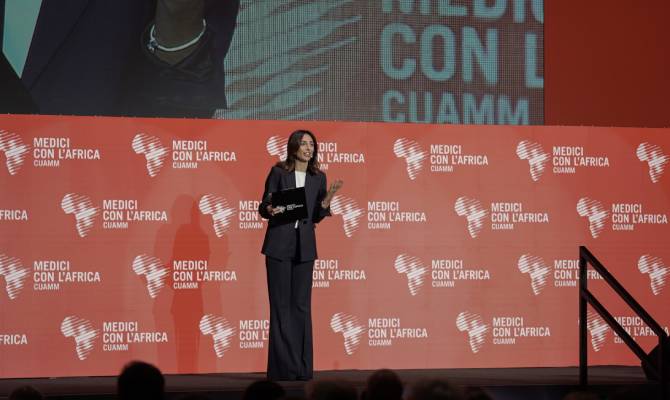
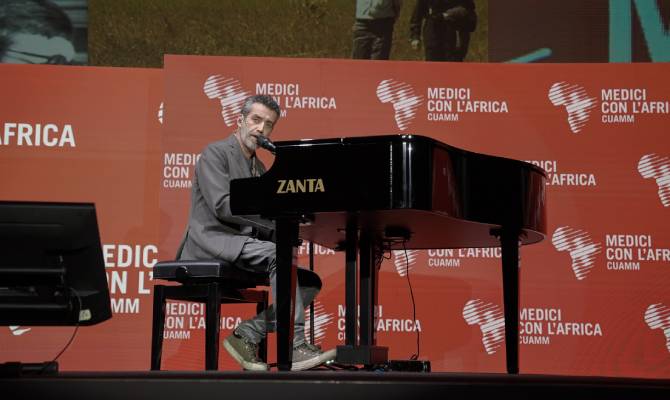
The event was hosted by Giorgia Cardinaletti, Italian journalist and opened by Daniele Silvestri – Italian songwriter performing one of his most famous track.
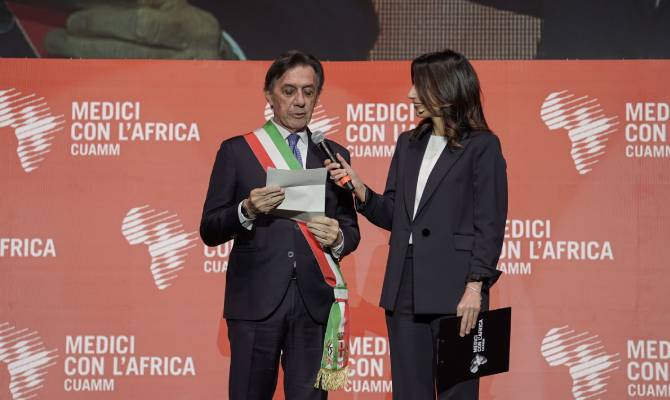
Sergio Giordani, mayor of Padua brought the greetings of the city of Padua at the beginning of the ceremony:
“Today we celebrate a special anniversary: 75 years of activity is an important milestone, but also the symbol of the mission of justice and peace that Doctors with Africa CUAMM carries out in Africa. Some claim that allocating resources to the poorest countries is a waste; CUAMM, instead, shows us another path: not working for the most needy populations, but working together with them.”
And the president of CUAMM, the bishop of Padua, Monsignor Claudio Cipolla, added:
“CUAMM is a beautiful reality that works with daily commitment so that Africa may grow. This year I was in Ethiopia and met many practitioners and doctors trained with CUAMM: they were all Ethiopians, supported by some young doctors from Italy. The world needs justice; it needs one human family living in equality.”
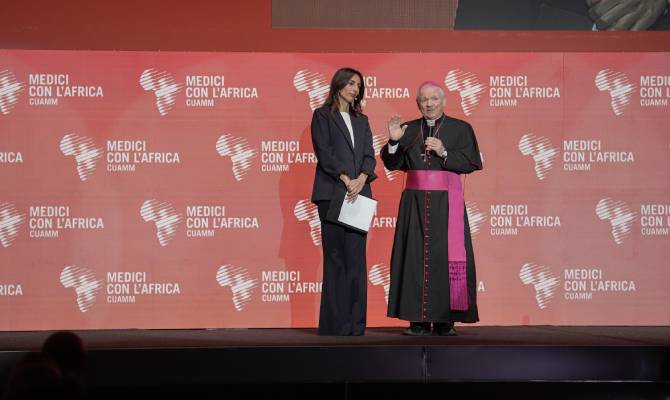
Moving and heartfelt was the speech by Mario Calabresi, journalist and writer:
“For 75 years, CUAMM has nurtured values that elsewhere seem out of fashion. In a time dominated by speed and urgency, you choose patience; you choose not to tire of looking, listening, being present. For 75 years you have been guided by the idea that things must grow, with that sense of rural time that respects the seasons — necessary for projects to become strong, rooted, and able to walk on their own. Every time I meet CUAMM, you confront me with the effort — but also the responsibility — of speaking about the least, of not letting indifference win, of remembering Africa’s needs and opportunities more than its emergencies. It is ‘a surge of the heart’ that leads so many young doctors to knock on your door.”
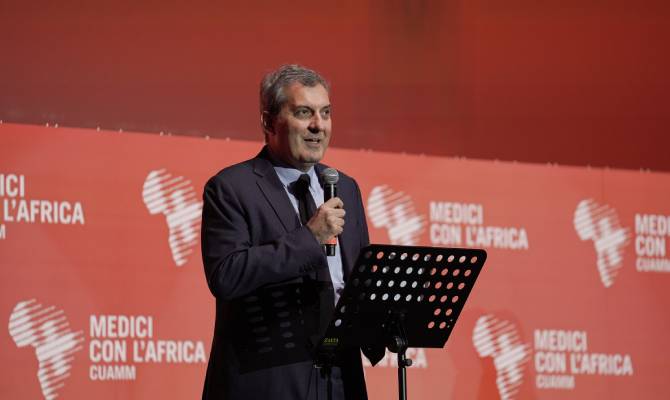
“To speak of CUAMM’s motivations means telling the story of women and men who decided to stand by Africa. Seventy years ago, the motivation was radical: to leave and treat the sick where there was nothing,” added Giovanni Putoto, head of Planning and Operational Research. “Today we recognize the value of African professionals and facilities, grown and strengthened over these decades. Tomorrow, motivations will be even more linked to the interconnected world we live in: climate change, conflicts, epidemics, and inequalities remind us that no one can exist alone.”
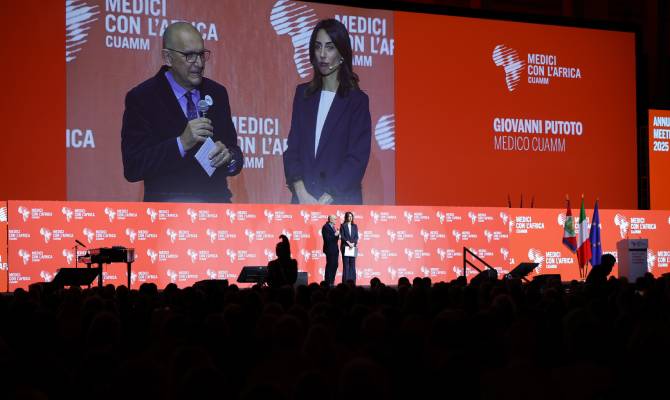
And the Italian Minister of Universities and Research, Anna Maria Bernini, recalling the collaboration between CUAMM, the Ministry, and the University of Padua, emphasized:
“Investing in Africa is important because it means investing in the lives of all of us. In Mozambique, South Sudan, and Ethiopia, together with CUAMM, we are carrying out concrete projects, but there are still many other challenges to face. We stand with Africa to grow together.”
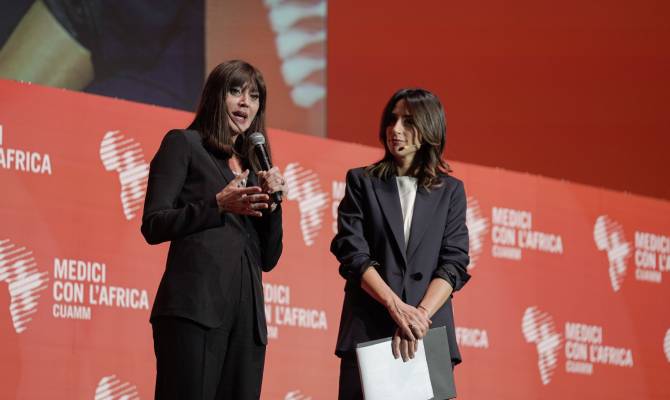
This collaboration also opens the way to new challenges, such as the one in Ivory Coast supported by the Mattei Plan, as stated by Stefano Gatti, Director General for Development Cooperation:
“With the Mattei Plan we are developing cooperation with Africa. Healthcare is one of the fundamental pillars: together with CUAMM, in Ivory Coast, we are currently working on projects worth over 2 million euros, with the main goal of reducing child mortality. The wonderful CUAMM team carries these projects forward, and we create the conditions needed to foster cooperation and make it effective.”
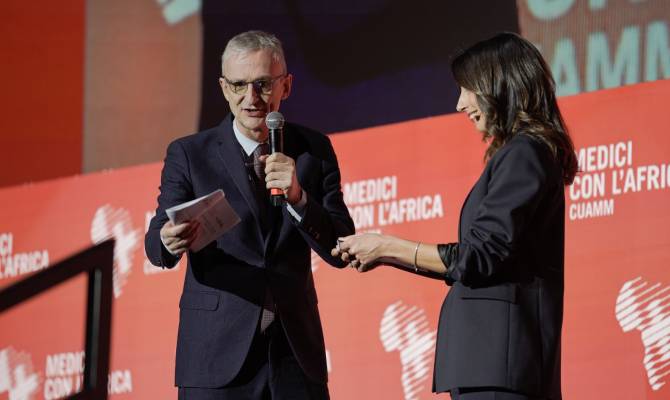
Speaking on behalf of the banking foundations that support CUAMM in its mission was Gilberto Muraro, president of Fondazione Cariparo, who said from the Padua Fair stage:
“Our Foundation has long stood close to CUAMM. For the efficiency and diligence shown throughout our collaboration, we responded to Don Dante’s appeal on the impact of USAID’s sudden closure, raising 1.5 million euros to mitigate the damage. This represents a renewed sign of trust in CUAMM, which works with competence and passion.”
The CUAMM network is vast and rich in many souls. Among them, the network of medical residents who, together with CUAMM, experience fieldwork. Representing them was Carolina Teston, resident physician in gynecology:
“My experience as a resident in Sierra Leone gave me so much and filled me with gratitude. It was a true privilege, allowing me to grow both professionally and personally.”
On stage next, Alberto Mantovani, president of Humanitas Research Foundation:
“Supporting doctors and health workers in the field means supporting care, but also scientific research. CUAMM conducts high-level research, recognized also through the award from the Accademia dei Lincei. It is research always rooted in fieldwork: research done with passion, with the desire to measure and be measured.”
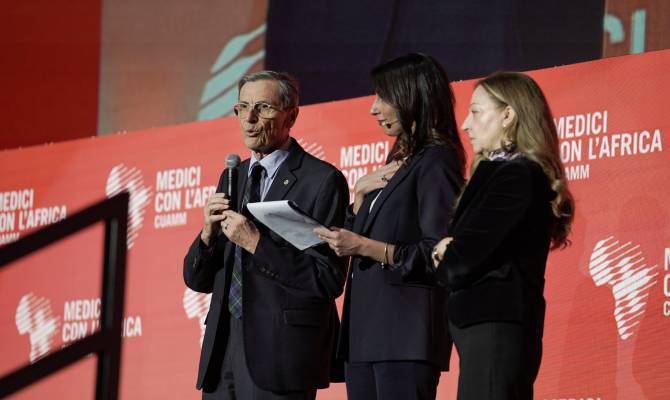
And together with him, the Dean of Padua University, Daniela Mapelli, added:
“Our residents go there to learn and acquire new skills. Working in poor countries does not mean doing ‘poor medicine’: on the contrary, our young doctors return enriched — in clinical practice, in their ability to work in teams, to handle emergencies, and to pay close attention to listening to patients.”
Songwriter Daniele Silvestri took the stage to speak about his recent trip to informal settlements in Apulia, where the CUAMM Bari Group provides assistance to agricultural workers:
“The Casa Sankara ghetto in the Foggia area is truly a piece of Africa, inhabited by people who, although theoretically seasonal workers, end up staying for years. These worlds and realities are full of wonder: one shouldn’t only talk about hardships and what is lacking, but also about the life created there and the pieces of culture that form. CUAMM manages to interpret its mission with simplicity, recognizing that there is a piece of Africa here as well, and that the work done in Africa can also be done in Italy.”
Paolo Rumiz, journalist and writer, recalled with great emotion and intensity Don Luigi Mazzucato, longtime director of CUAMM:
“He was a man with a modest yet irresistible charisma. A small priest who made me fall in love with Africa. I wonder what he would say about this world drifting away. Africa, once seen as the guilty conscience of colonial Europe, is now ignored.”
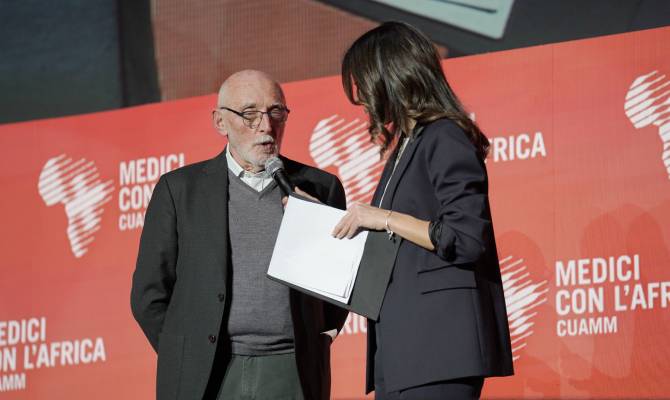
“The encounter with CUAMM was one of the most important of my life. This summer I returned to Africa with CUAMM, in the Central African Republic. There was a moment I will never forget: at a crossroads between two dirt roads, in total darkness, Enzo Pisani – CUAMM Doctor asked me: ‘You here — what did you come for?’ And I replied: ‘Because I have to.’ Thinking back on that answer, I realized it contained all the motivations everyone feels: it moves me deeply, as if it were a calling, a hand on my shoulder. But there is also something tied to an inevitable and difficult destiny, linked to the guilt of the privileged Western white man. All these reasons contain great love and deep joy. Thanks to CUAMM, I have known the best part of our country,” said singer-songwriter Niccolò Fabi, a longtime friend of CUAMM.
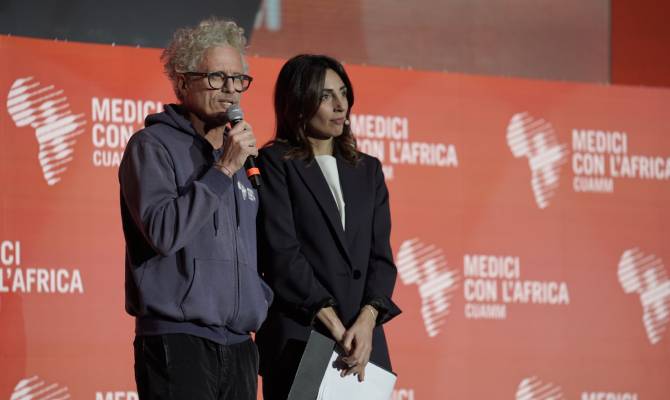
Bringing Africa’s voice was Lelisa Amanuel Jira from the Ethiopian Ministry of Health:
“We asked CUAMM for help for the Nekemte hospital during an emergency situation. It is located in western Ethiopia, in the Oromia region, about 300 km from Addis Ababa. The hospital was built in 1932 and today serves one and a half million African citizens. Helping this center means supporting people’s health and well-being, ensuring safety for western Ethiopia, and contributing to the well-being of the entire country.”
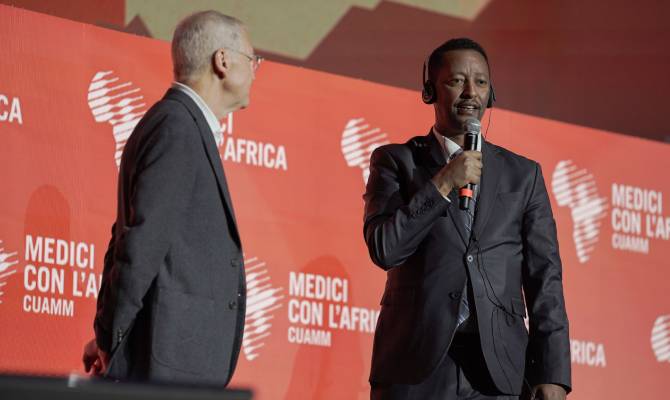
Don Dante Carraro, Director General of CUAMM took the stage with the representative of the Ethiopian Ministry of Health to announce a new compelling challenge:
“Last year, at the Annual Meeting in Turin, we launched a major challenge: building a School for Nurses and Midwives in Bossangoa, a rural area of the Central African Republic, 80 km from the capital. A few days ago, I was there and we inaugurated it together with the local authorities. It was a great celebration, a wonderful milestone. Next week, the first 30 Central African students will begin their lessons — the beginning of a new future for each of them. But Africa is vast and the needs that call to us are many. The challenge we embrace and relaunch for 2026 is called Nekemte, in Ethiopia. An area that has welcomed nearly 150,000 displaced people. A collapsing health system, an overflowing hospital, a crumbling facility. This is where we want to help and do our part. And this is the commitment we present to the President of the Republic, Sergio Mattarella, and to all of Italy. It is our concrete way of giving shape to that ‘vertical continent’ that the President has often invited us to imagine and dream. Thank you to all who will join us!”
Closing the intense morning were the words of the President of the Republic, Sergio Mattarella:
“A warm greeting to the institutional representatives present. A greeting to those here from Ethiopia and Mozambique, and to everyone in attendance. We are here to celebrate CUAMM’s 75 years: a joyful anniversary not only for the value of this endeavor, but also for Padua and for all who have received your care and been trained in your schools. Seventy-five years of community-building in disadvantaged territories of Africa are a value for all of Italy, of which you are extraordinary ambassadors. What CUAMM stands for, in countering wars and conflicts fueled by fear, has great meaning. Your work sends a message of encouragement and challenge, because all are called to build peace, friendship, cooperation. Seventy-five years ago, CUAMM’s story began with its founders, Francesco Canova and Bishop Girolamo Bortignon. Sub-Saharan African countries were still under colonial rule, and in Italy no legal framework for cooperation existed. CUAMM became a pioneer: the challenge was great and the project ambitious, but the energy and tenacity of Don Luigi Mazzucato made the founders’ dream possible, and ten years after his death we remember him with growing affection. He used to say that friendship and community spirit keep CUAMM’s engine running — an engine that has enabled it to navigate decades of change. Every step forward has been anticipated and envisioned through the generosity of CUAMM’s doctors, supporters, and staff. Today more than ever, the future of the two continents and their peoples is increasingly interconnected, and the Mattei Plan is a step toward this cooperation. Solidarity is the antidote to indifference, and CUAMM was the first Italian NGO recognized in the health sector. That law was signed by Aldo Moro, who as a young man said it was important ‘to hunger and thirst for justice’. This is what the women and men of CUAMM teach us — to nurture awareness of the inviolable dignity and respect owed to every person.”
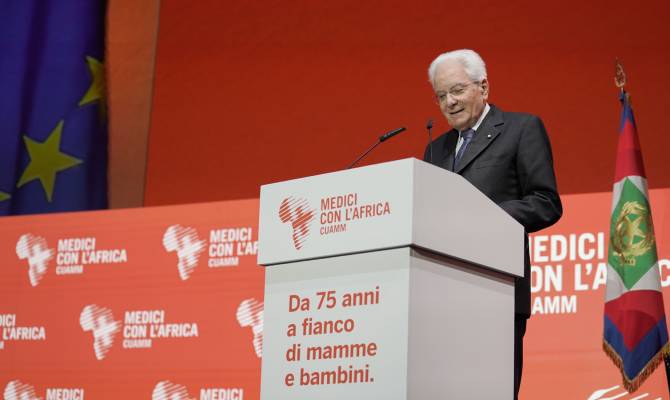
Photo credits: Visual Crew
The Annual Meeting was held under the patronage of: Veneto Region, Municipality of Padua, National Federation of the Orders of Surgeons and Dentists, National Federation of Midwifery Orders.
Media Partners: Rai Radio 2, TV2000, Radio In Blu, Gruppo 24 Ore, Avvenire, Corriere Buone Notizie, Corriere del Veneto, Mattino di Padova, Nuova Venezia, Tribuna di Treviso, Corriere delle Alpi, Radio Vaticana, Vatican News, L’Osservatore Romano, La Difesa del Popolo, Africa Rivista.
In collaboration with: Caffè Diemme, Coldiretti, Trenitalia, Pasticceria Loison, Grafiche Pizzinato, Henoto, Target 2, Back Space, Padova Hall. With the support of: Fondazione Cariparo, Eni, Intesa San Paolo, Poste Italiane, FemoGas, Alì, Chamber of Commerce, Padova Looking and Venicepromex, Banca Etica.
Technical sponsors: CUAMM is a member of Link 2007.
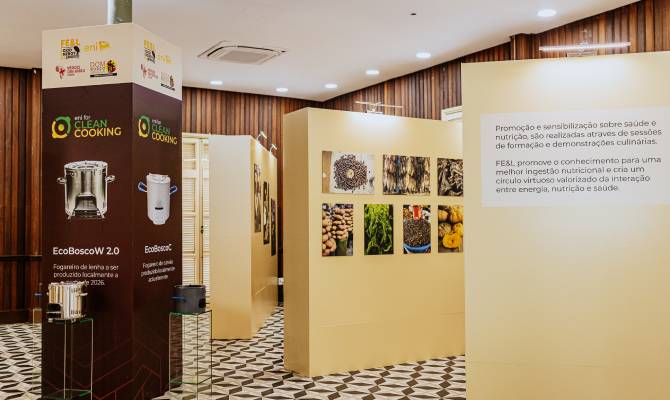
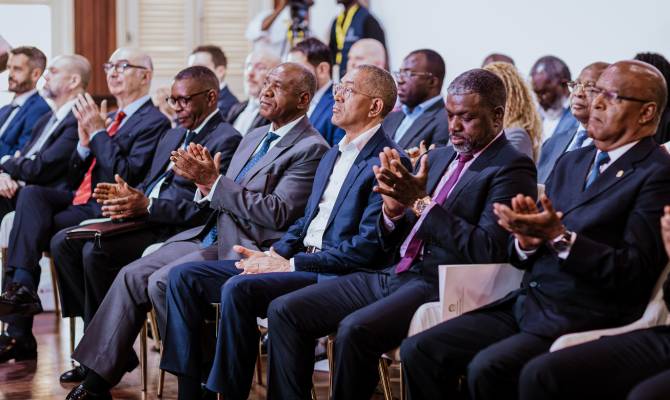
Today, together with our project partners Salesianos de Dom Bosco and ENE, we took part in the inauguration ceremony of Food, Energy & Life (FE&L) organized by Eni and hosted at Palácio de Ferro in Luanda.
FE&L is the photographic exhibition that portrays an Angola in transition, between culinary traditions and new cooking methods introduced through the Eni for Clean Cooking programme. It is a journey through Angolan society and the ongoing changes that will guide thousands of people toward cleaner and healthier habits.
The exhibition was inaugurated by a highly institutional event attended by the Italian Ambassador to Angola, Marco Ricci; the Minister of Mineral Resources, Petroleum and Gas, Diamantino Azevedo; the Secretary of State for Health, Carlos Alberto Pinto de Sousa; and the Secretary of State for the Environment, Yuri Valter de Sousa Santos.
It was an opportunity to discuss the programme, which aims to reduce household pollution and associated health risks, while also contributing to the reduction of biomass emissions. Today, over 80% of the population of Sub-Saharan Africa lacks access to safe and efficient cooking systems. According to the World Health Organization, household air pollution causes around 3.2 million premature deaths every year, particularly among women and children, while the International Energy Agency estimates that collecting biomass for cooking contributes to the loss of 1.3 million hectares of forest annually.
“This initiative aligns perfectly with the national strategic plan and supports our long-term strategy to ensure the well-being of the population, combat poverty and guarantee the human right to food and access to sufficient, healthy and nutritious food,” said the Secretary of State for Health, Carlos Alberto Pinto de Sousa.
As Doctors with Africa CUAMM, we are working on the front lines in the northern province of Uige. At the centre of our efforts are nutrition, hygiene and health, along with an innovative and effective approach: Social and Behavioural Change.
“People want to learn, exchange ideas and be heard. Community activities often last up to three hours, and people stay with us, actively participating. Their involvement reminds us every day why this intervention matters. What we offer is not just awareness-raising activities, but spaces for dialogue where we debunk myths, cultural beliefs and long-established perceptions,” said Nurcia Chiwisa – CUAMM Project Manager and nutritionist.
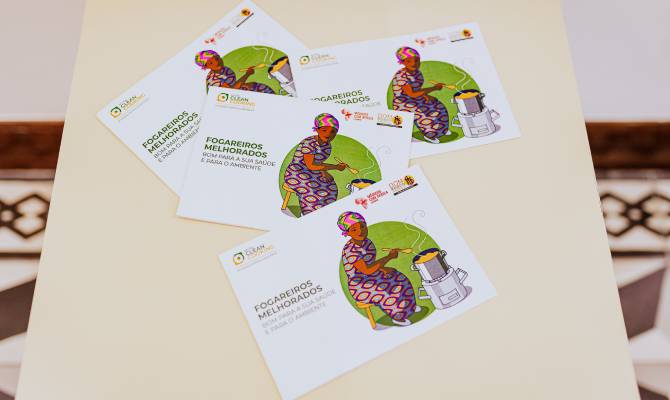
Through awareness campaigns on food and basic hygiene, the initiative makes it possible to work on nutrition and on preventing health risks linked to inefficient combustion, thus promoting the well-being of families, especially the most vulnerable. As part of the Eni for Clean Cooking programme, implemented in Uige province in collaboration with the Salesianos de Dom Bosco, we have already reached more than 236,000 people through the distribution of over 47,000 improved cookstoves.
“As Doctors with Africa CUAMM, we are very pleased to be part of this large programme, Eni for Clean Cooking. Ten years after our last activities in Uíge province, we have returned with an innovative project in which health — the core of our mission — intersects with fundamental themes such as women’s empowerment, environmental protection and access to energy. It is a truly integrated approach, fully reflecting the CUAMM style and our way of working: close to communities, alongside health authorities and committed to sustainable solutions that can drive development,” said Joaquim Tomas – CUAMM Country Representative in Angola.
A tiny wren. If we were to depict it, give it shape, it would have Baraka’s long eyes and his round mouth.
Bakara was born at the Tosamaganga hospital in Tanzania. A 28-week preterm baby, “the kind you’re never sure your best efforts will be enough for,” confesses Giulia Guerrini – JPO in pediatrics.
“Below 800 g we know very well that premature babies have very low chances of survival,” says Martina Borellini, CUAMM doctor and head of the Tosamaganga NICU. “Here, at the hospital, we have never taken the ending for granted. In fact, it had never happened before that we were able to discharge a patient born under 800 g.”
Tosamaganga hospital is a secondary-level center, a large facility with a well-equipped neonatal intensive care unit (NICU). Three incubators for the most critical patients, a step-down unit for less severe cases, and two spaces for kangaroo care, the skin-to-skin therapy for mothers and babies. In this NICU, about 700 admissions are recorded each year—an enormous number that reflects widespread health issue. The incidence of preterm births in sub-Saharan Africa is in fact roughly double that of Italy. Geography, unfortunately, also affects mortality: data show that over 90% of extremely premature babies (under 28 weeks) born in low-income countries die within the first days of life, whereas in high-income countries the mortality rate is below 10% (WHO, 2023).
Contributing factors include nutritional, environmental, infectious, and genetic conditions, but another important aspect to highlight is access to prenatal care.
“The literature shows us that if a woman carefully and consistently follows her monitoring appointments throughout pregnancy, and if she is followed by a professional midwife who knows her medical history, the risk of preterm birth can be greatly reduced,” says Martina Borellini.
Damalis, Bakara’s mother, faced many risks. Five pregnancies, five hopes, five expectations that for her had ended in five losses. Damalis has a uterine malformation that had never allowed her to carry a pregnancy to term.
“A bicornuate uterus is a condition unfortunately associated with a very high likelihood of obstetric complications, first among them miscarriage. Because of the shape of the uterus, it is difficult for the fetus to grow and develop fully,” explains Giulia Guerrini.
Despite fears and risks little Bakara left Tosamaganga hospital more than two months after birth, —a period marked by careful medical care and extraordinary dedication by his mother.
“It’s hard to say what made the difference,” says Martina Borellini. “Cases like Bakara’s are extremely rare. Probably a combination of factors: the baby’s gestational age, the fact that he was born in a well-equipped hospital, and the early start of kangaroo care from his very first moments of life.”
An unexpected and astonishing ending. A happy ending that, on World Prematurity Day, reminds us all of the importance of promoting access to healthcare and guaranteeing quality care before, during, and after childbirth for the well-being of mothers and children.
“I was 45 when I received the diagnosis.
I remember the shock so vividly—it felt as though my whole world was collapsing, as if life as I knew it would never be the same. I prayed, and I cried. Then I faced reality, asked questions, and tried to understand how I could live with diabetes. Today, I want everyone to know that prevention truly saves lives, and that with diseases like diabetes, traditional medicine is not the answer.”
Rodolfo is an adult man whose life changed dramatically after his type 2 diabetes diagnosis—a diagnosis that ultimately saved him, but also cost him a leg and forced him to abandon his work in construction. Now, in Beira, Mozambique, he dedicates his time to helping others “so that no one has to face the diagnosis with the fear I felt a year ago,” he says.
Roughly 830 million people around the world live with diabetes, most of them in low- and middle-income countries. More than half receive no treatment at all.
In the WHO Africa Region, over 24 million adults aged 20 to 79 live with diabetes—a number expected to more than double to 60 million by 2050. Nearly half remain undiagnosed, silently facing escalating risks of severe complications, disability, and premature death. Over time, diabetes can damage the heart, kidneys, eyes, and nerves, with profound consequences for individuals, families, and communities (WHO, 2025).
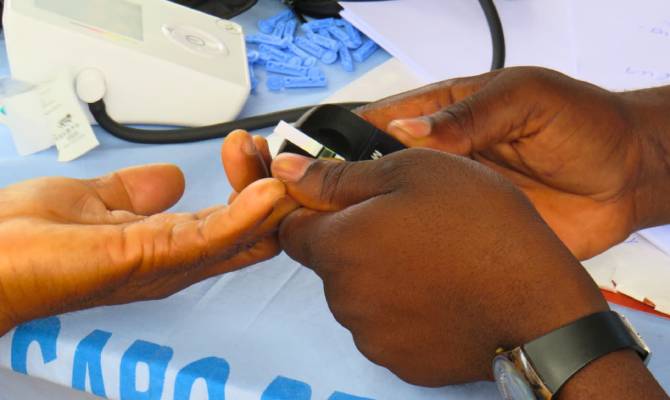
If this trend is not reversed, it will overwhelm health systems, strain national economies, and erode hard-won development gains. While a diagnosis is no longer a life sentence and living with diabetes is increasingly possible, access to care and the ability to manage a chronic condition remain major challenges in the settings where we work.
In Mozambique, with financial support from the Italian Cooperation and in partnership with ACAP Sant’Egidio and AIFO, CUAMM is working across the provinces of Sofala, Zambézia and Maputo to reduce morbidity, mortality, and disability linked to non-communicable diseases, including diabetes. By supporting both hospitals and primary health centres—and maintaining a strong presence within communities—we strive to reduce risk factors, improve access to quality health services, and strengthen disease surveillance.
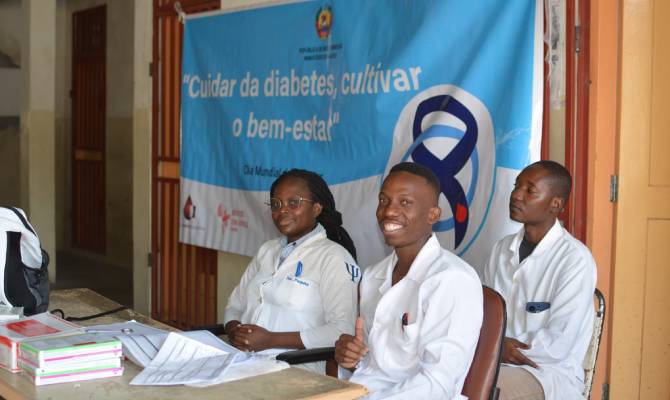
For World Diabetes Day, we engaged communities and local authorities in these three provinces, as well as in the northern province of Cabo Delgado, where an official ceremony was held in the city of Pemba with institutional representatives in attendance. On this occasion, CUAMM in partnership with UNFPA participated in a health fair offering essential services to the population.
An innovative project in Sierra Leone aims to fill a major gap in the national health system: the training of qualified professionals essential for ensuring quality care. The S.K.I.L.L.E.D. project, promoted by Doctors with Africa CUAMM in collaboration with the Italian Agency for Development Cooperation, involves the University of Makeni (UniMak)—one of the country’s most respected institutions—and the University of Bologna as direct partners, along with the Department of Anesthesia and Intensive Care at Connaught Hospital, Saint Mary’s Home of Charity, and the Joseph Berton Technical and Vocational Institute. A joint effort to pave the way for long-lasting training model that aims to bring concrete change.
“For the country, this direct collaboration between universities, the Ministry of Health, and the Ministry of Labour is a major innovation, with the goal of developing an offer that responds to the demand for specialized health-sector profiles,” explains Maria Valla, CUAMM’s Project Manager. “We have done this in other countries before, but here it represents a significant step because it allows us to build solid skills that are nationally recognized.”
The University of Bologna will contribute to the creation of a degree program for biomedical technicians—a professional figure that currently does not exist at all in Sierra Leone, where the maintenance of medical equipment is often entrusted to technicians without specific training.
“The goal,” Maria explains, “is to create a program that combines engineering and medical knowledge, and that can be replicated in other universities as well.”
The project has been designed and developed in collaboration with the national Ministry of Health to identify the most urgent professional gaps. It includes six training programs, some of which are the first and only one available in the country: Radiology Technician and Autoclave Technician, specializing in the sterilization of surgical instruments.
In addition, existing programs will be strengthened including laboratory technicians, health data analysts (to improve digitalization), physiotherapists, and community health officers—an intermediate role between doctor and nurse.
Over the next three years, an overall number of 240 students will benefit from the courses. To ensure fair access to the program, scholarships will be offered to young disadvantaged candidates.
In October, Professor Stefano Severi from the University of Bologna visited the University of Makeni to study the individual curricula in detail and better understand the needs the project aims to address.
“The interest shown by our academic partners, particularly Professor Severi from the University of Bologna, has been remarkable,” Maria concludes. “They understood the urgency of responding to the real needs of the health system and UniMak’s determination to contribute to meaningful change.”
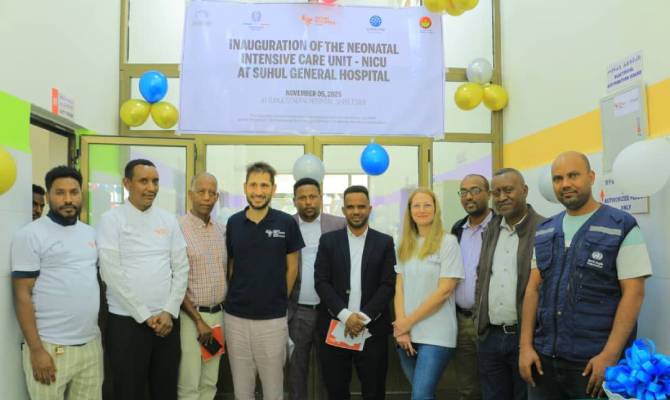
A completely renovated neonatal unit — with new spaces and equipment — now offers safe, high-quality care to the smallest patients in Tigray, a region severely affected by years of conflict.
The new ward was inaugurated last week at Suhul Hospital in Shire, in the presence of representatives from the Tigray Regional Health Bureau (RHB), UN agencies, local and municipal authorities, partner organizations, and the hospital team.
Today, Suhul Hospital looks very different: a modern, fully equipped neonatal intensive care unit ensures life-saving treatment for premature and critically ill newborns. The refurbished spaces also provide a safer, cleaner, and more efficient working environment for doctors and nurses.
“I’m very excited to be part of this inauguration,” said Mr. Ermias Guash, CEO of the General Hospital. “We are honored to have been provided with a fully renovated and modern facility that will help address the root causes of neonatal health service challenges and ensure the availability of essential medical equipment. CUAMM’s support goes far beyond supplying medicines and materials—it has truly transformed our capacity to care for patients.”
This important achievement was made possible thanks to the collaboration with the Tigray Health Bureau and local health authorities, and with the financial support of the Italian Cooperation. The initiative contributes to the Sustainable Development Goals, particularly the improvement of maternal and child health, which Ethiopia is pursuing through the strengthening and expansion of health services even in remote and crisis-affected areas.
“CUAMM has been deeply committed to supporting healthcare in Ethiopia, particularly here in the Tigray region, in Shire and its surrounding areas,” said Riccardo Lazzaro – Doctors with Africa CUAMM Health Coordinator. “Through the Strengthening Neonatology in Ethiopia project, we have contributed over 29 million birr to enhance the neonatal intensive care unit of this hospital. Our support will continue as we work to complete the ongoing projects at Suhul and Indabaguna hospitals.”
The challenges remain immense. During the two-year conflict, which ended only in November 2022, most health facilities in Tigray were looted, vandalized, or destroyed, and healthcare services severely weakened by the loss of personnel and resources.
The city of Shire, in the North Western Zone, was among the hardest hit. Today, only one in three hospitals in the area is fully operational. Suhul Hospital serves as a vital referral center for more than two million people, in a zone that also hosts around 400,000 internally displaced families (IOM, June 2023).
“Suhul Hospital is the region’s second-largest in both services and staff. I encourage all partners to sustain this collaboration to advance healthcare quality and the well-being of our people.” Said Dr. Simon Gebretsadik – Deputy Head of Tigray Regional Health Bureau during the ceremony.
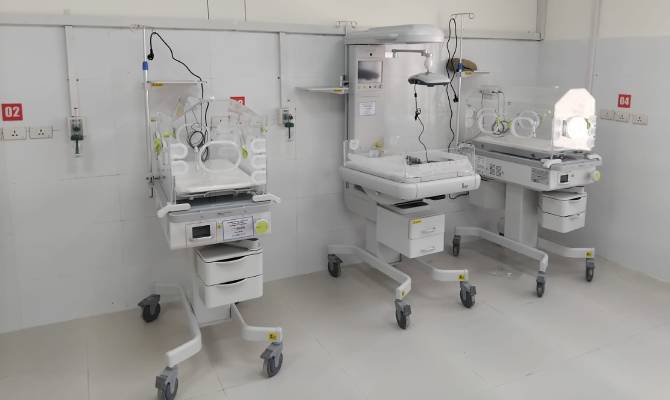
Among the most requested services are maternal and newborn care. Every day, the hospital registers an average of 17–20 deliveries, including about three cesarean sections. Ensuring quality care is therefore essential to reduce neonatal and infant mortality.
Thanks to the renovated neonatal unit, the hospital can now care for babies born after 32 weeks of gestation and weighing more than 1.5 kg, in line with the national health guidelines.
“Thanks to this intervention, the hospital has improved its procedures, expanded access to care, and can now provide modern, high-quality services” stated Dr. Tewelede Gebre Selasie, Director of Suhul Hospital.
During the inauguration ceremony, the Mayor of Shire also expressed their gratitude to civil society, the hospital’s dedicated staff, and all the healthcare workers who have continued to serve their communities despite the difficult circumstances.
The renovation of the neonatal unit marks the first major rehabilitation at Suhul Hospital under the ongoing health system strengthening program — a crucial step forward to improve health infrastructure in the region, strengthen maternal and child health services, and ensure accessible, dignified care for all.