Sierra Leone
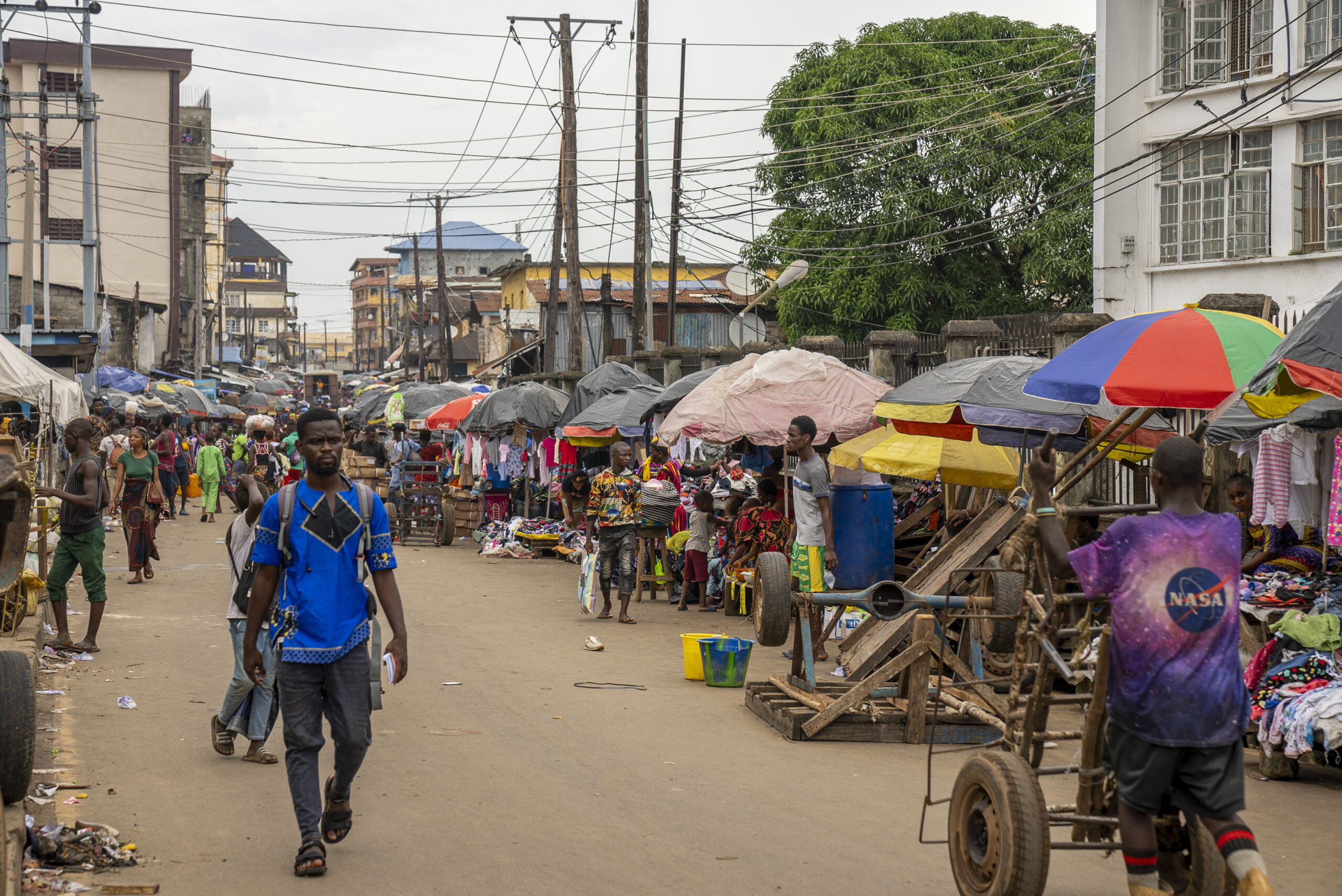
Among the poorest countries in Sub-Saharan Africa, Sierra Leone is known for its vast deposits of diamonds and precious minerals, which unfortunately do not translate into improved living conditions for most of the population, who continue to live below the poverty line.
The beginning
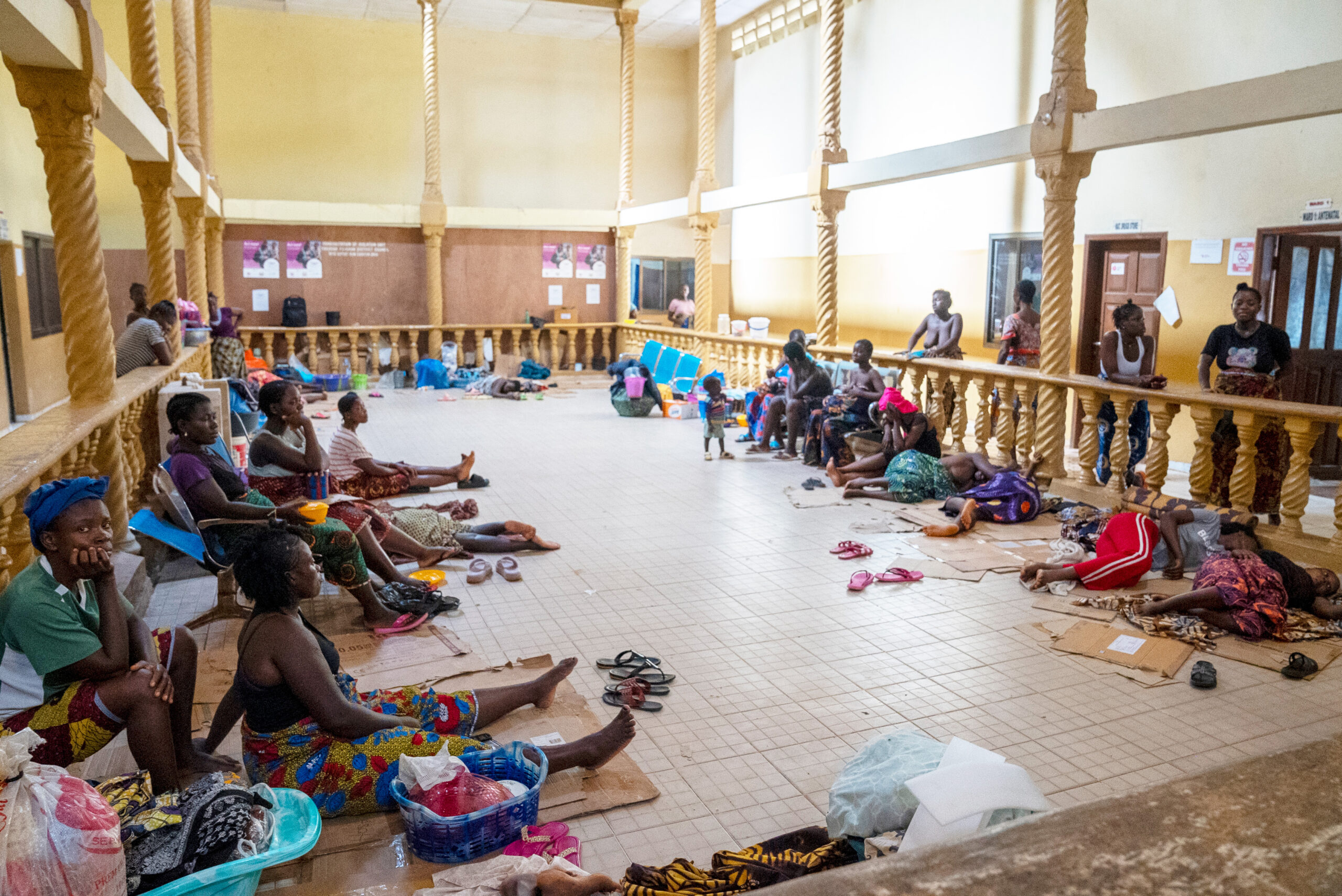
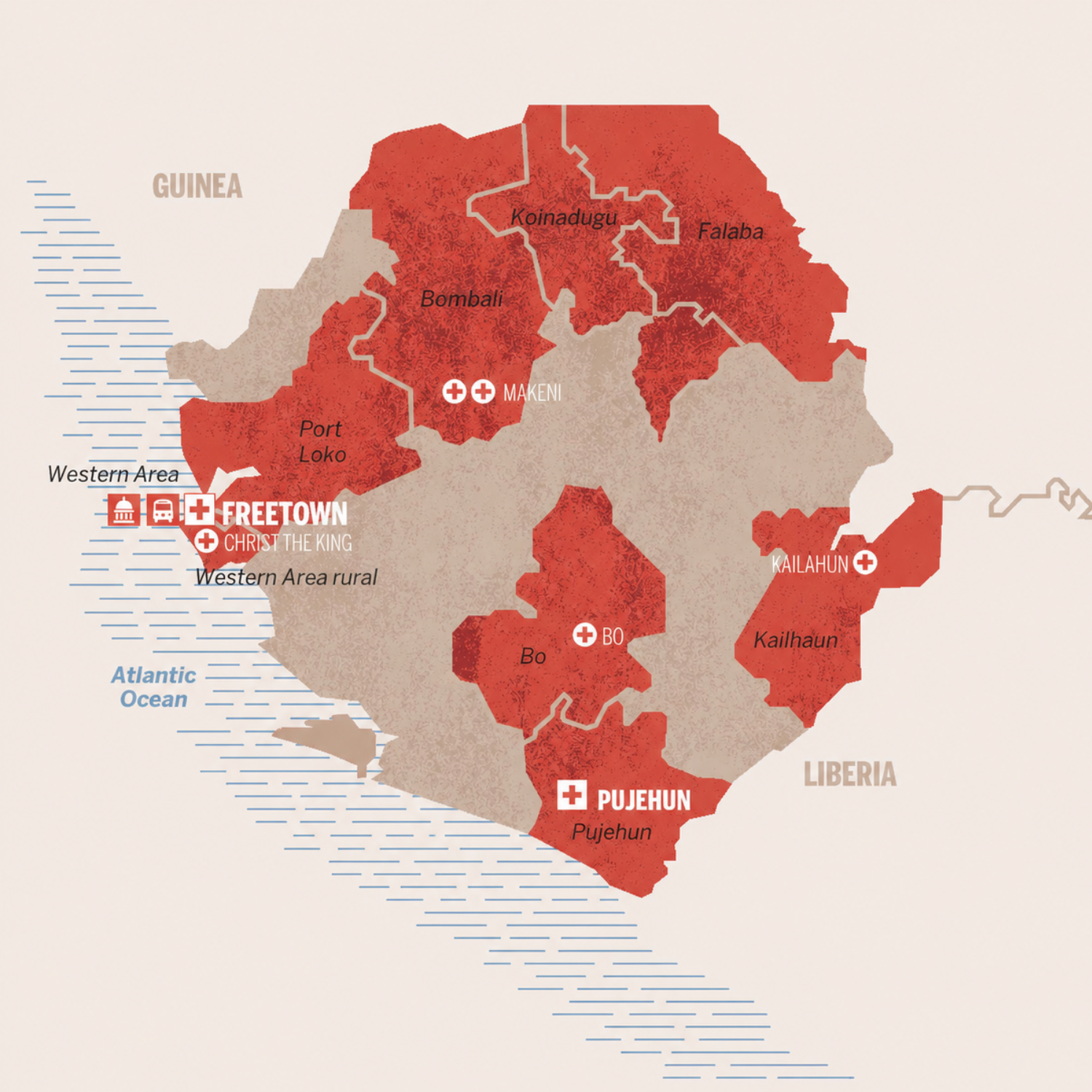
We began our intervention in Sierra Leone in 2012, starting from the “last mile” at Pujehun Hospital in the southern part of the country, and later expanding to other areas: Freetown, the capital, and the districts of Bo, Makeni, Kailahun, Port Loko, and the Western Area Rural, supporting hospitals and health centers. In 2014, the country was struck by a major crisis: Ebola. With 14,000 cases and around 4,000 deaths, we chose to face this devastating epidemic remaining alongside the population. Pujehun district where we were working was the first to be declared Ebola-free.
PCMH: the country’s main maternity hospital
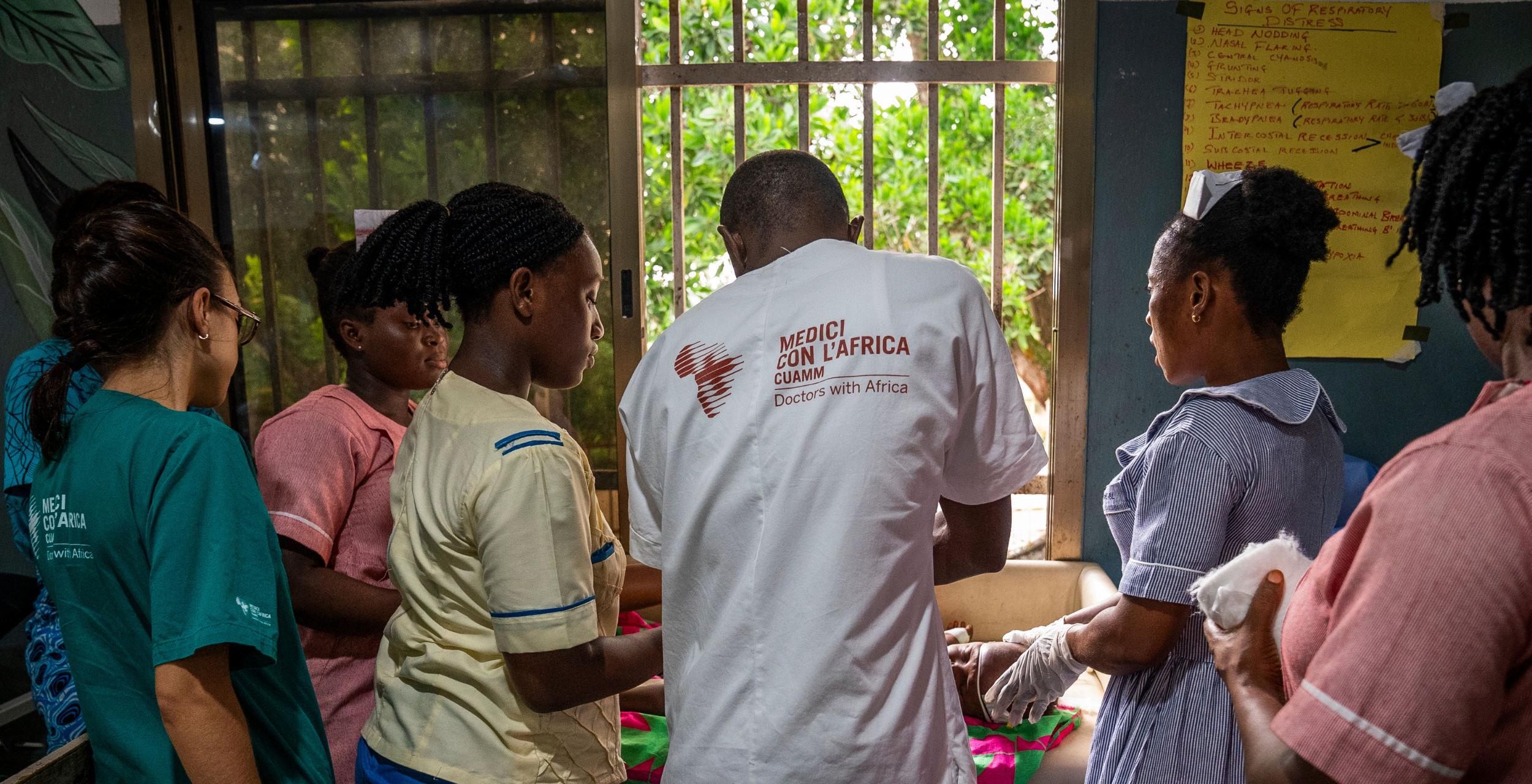
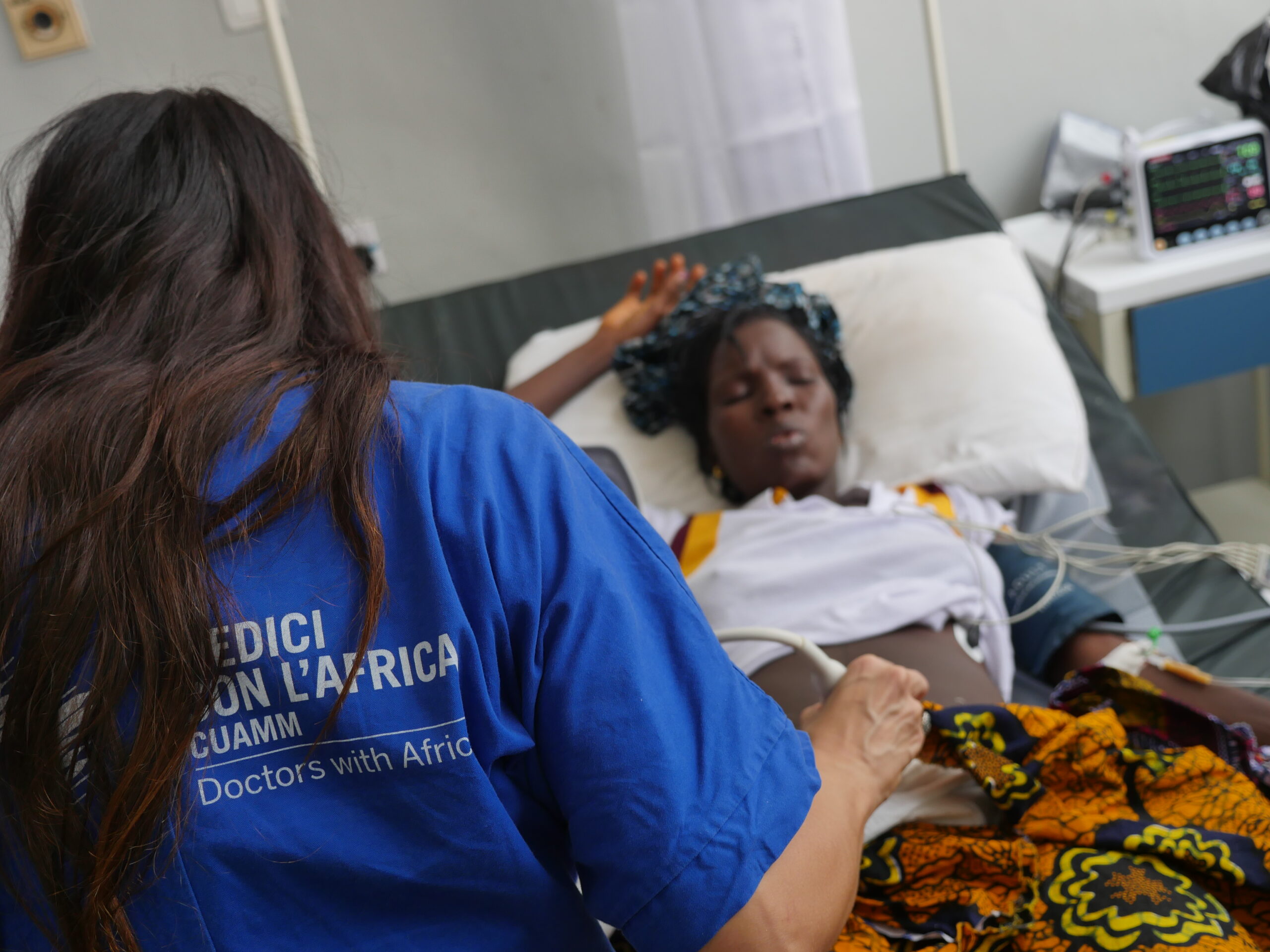
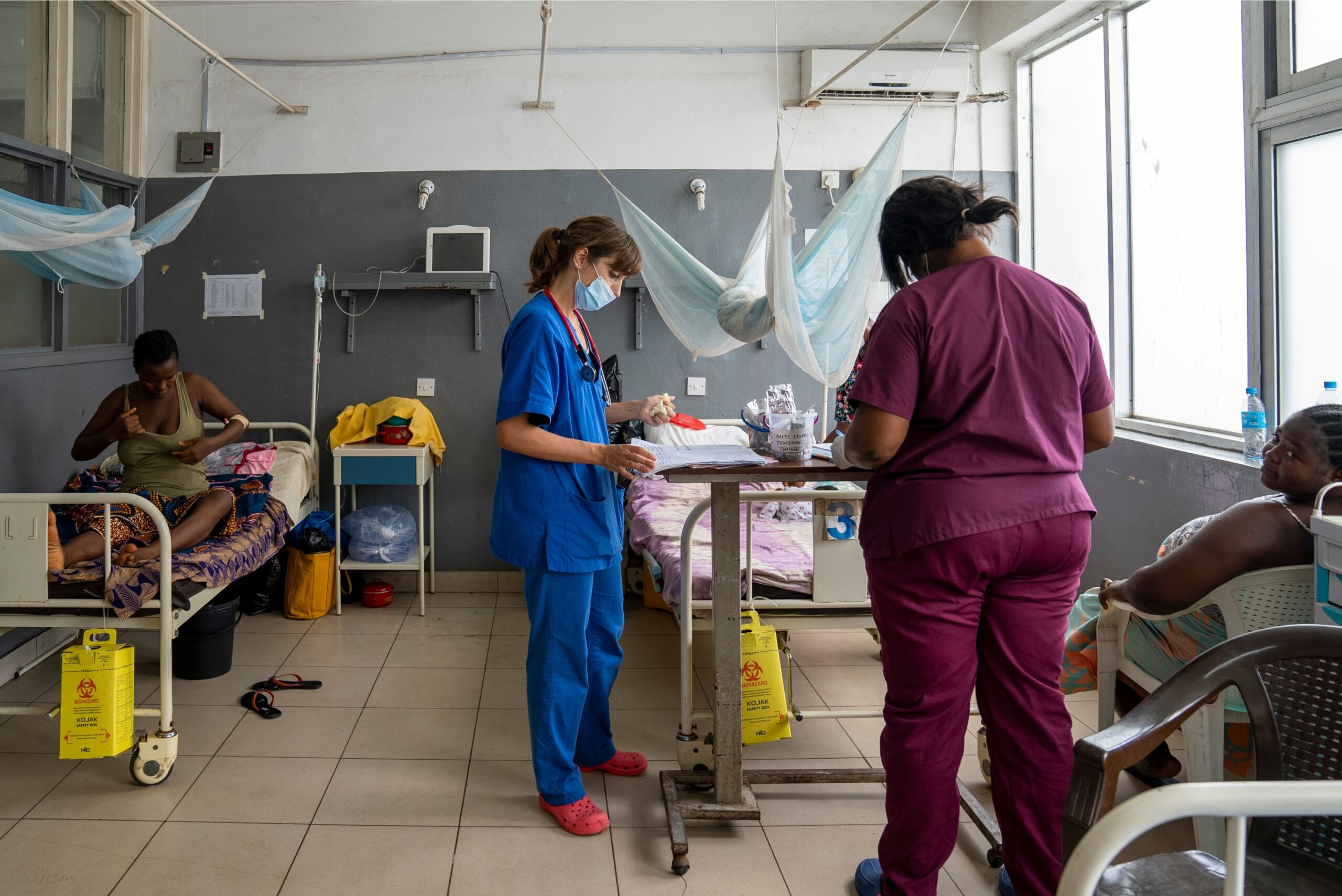
The Princess Christian Maternity Hospital is the largest maternity hospital in the country. With 125 beds, it records more than 7,500 deliveries per year. Our doctors support local staff in managing patients and obstetric emergencies, strengthening the intensive care unit, and training students at the School of Obstetrics and Gynecology.
Pujehun, Bo, Makeni: hospital-based care
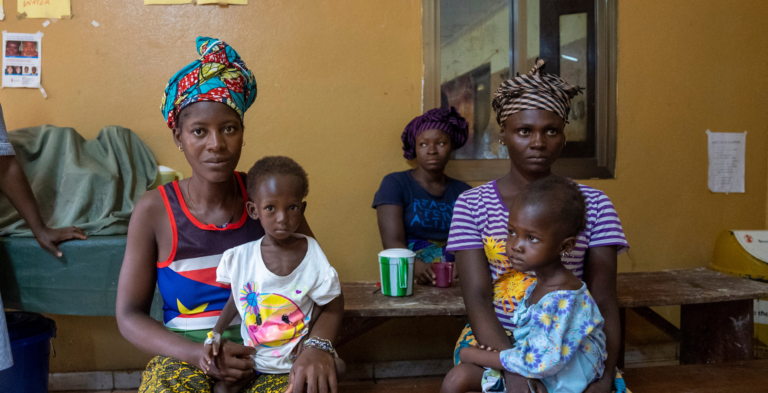
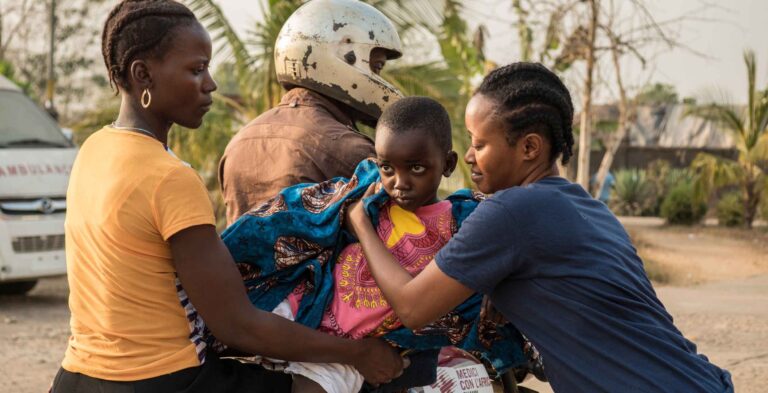
Ensuring access to healthcare for mothers and children in Sierra Leone is a major challenge, as the country is characterized by numerous rivers that often isolate villages and make transport to hospitals difficult. In the hospitals of Pujehun, Bo, and Makeni, we provide maternal care and support with qualified staff, equipment, and medicines. In Pujehun, we have also established a referral system using ambulances, motorbikes, and boats to overcome logistics challenges. In this hospital alone, with 59 beds, more than 1,200 deliveries are assisted every year. Our pediatric work focuses mainly on malnutrition.
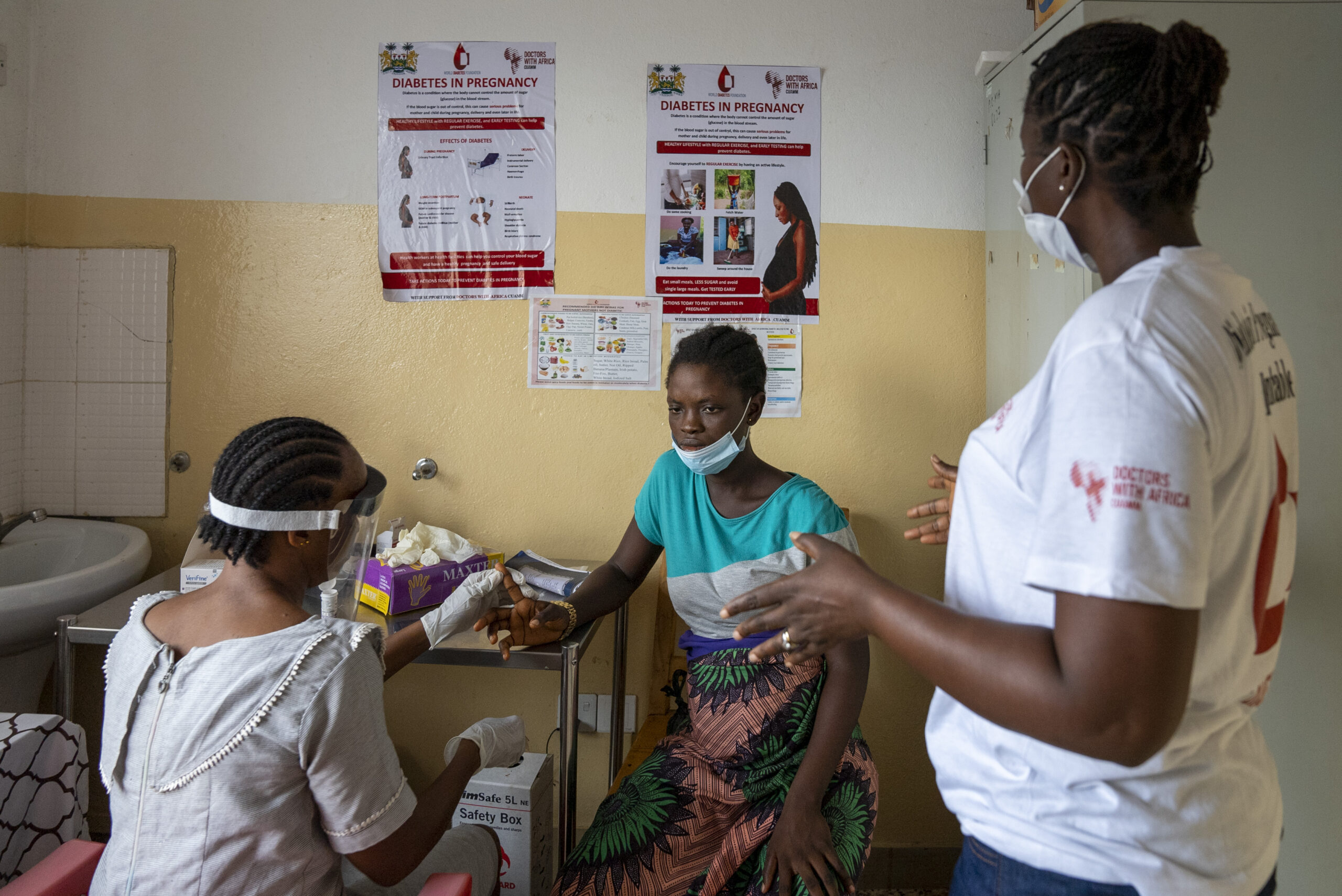
A clinic for chronic diseases
Within the WHO PEN-PLUS initiative, we have opened a clinic in Pujehun dedicated to chronic diseases, which are increasingly prevalent in Africa. Each year, we carry out around 700 consultations for diabetes and over 1,700 for hypertension.
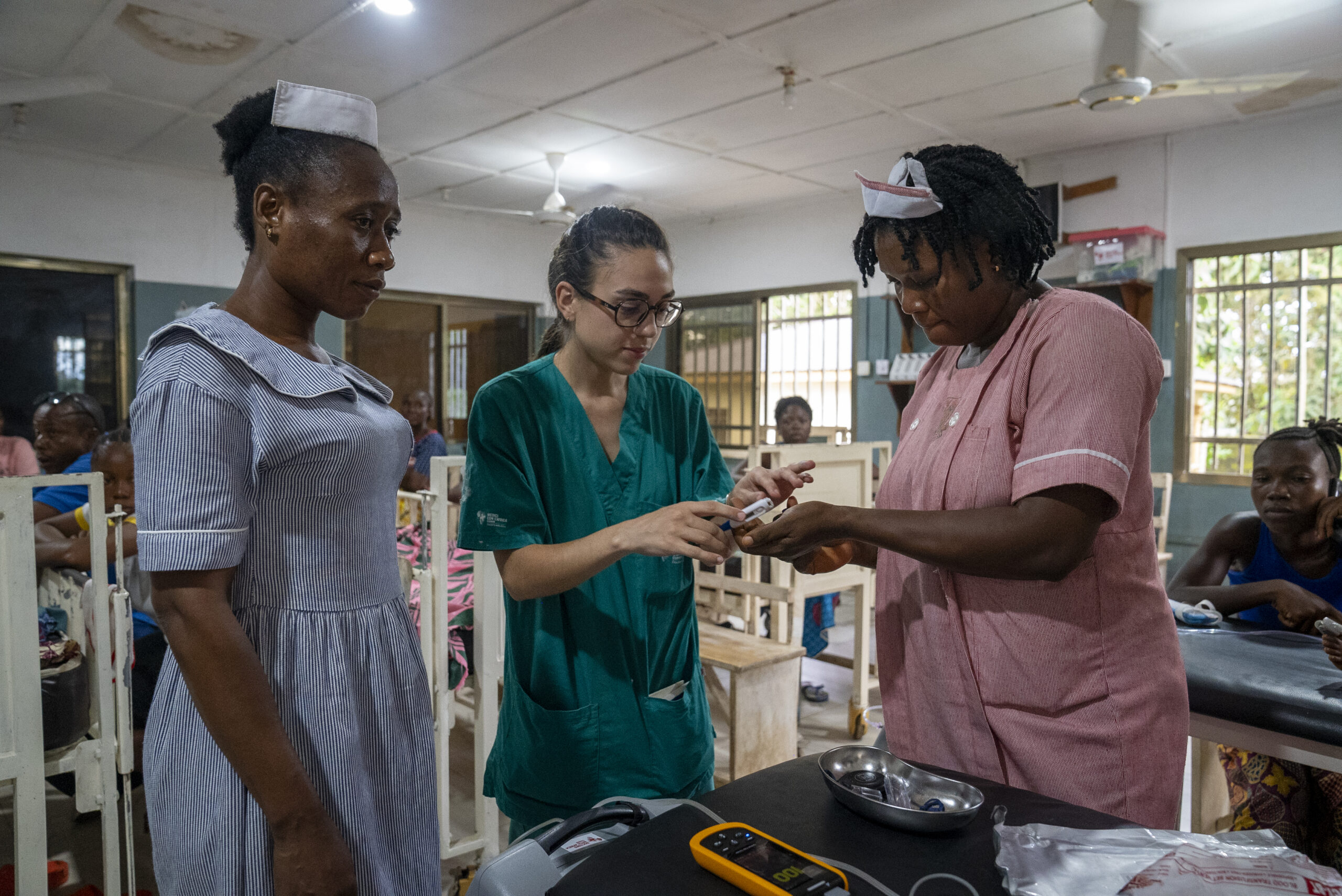
At national level
We are also engaged in training and raising awareness among healthcare workers for the prevention of obstetric fistula.
Our impact in Sierra Leone
67.577
Antenatal visits
24.722
Assisted deliveries
98.132
Medical visits for children under five