Semhal Gebretnsae is a 22-year-old woman from Western Tigray. Due to the conflict, her family was displaced from their home and sought safety at the Five Angels IDP Camp in Shire. Although life in the camp was difficult, when Semhal discovered she was pregnant with her first child, she attended all her antenatal care (ANC) appointments because she wanted the best possible outcome for her pregnancy.
“As my pregnancy progressed, I learned that I was carrying twins. The healthcare providers at the health center closely monitored my pregnancy because twin pregnancies carry a higher risk of premature delivery and other complications – she recalls -. The midwives explained that since I was carrying twins and was only 35 weeks, my babies could be born too earlier and with low birth weight. They might need specialized care, including incubators, oxygen, and other medical equipment, so they advised me to deliver at Suhul General Hospital where specialized newborn care was available.”
Understanding the risks, Semhal accepted the referral.
“It was my first time visiting Suhul General Hospital. From the moment I arrived, I was welcomed warmly by the healthcare providers. They treated me with kindness, respect, and compassion, which made me feel safe despite being worried about my babies.”
On June 10, 2026 she delivered twin girls. Mebrihit weighed about 1,400 grams and immediately received eEssential nNewborn cCare, including thermal protection, vitamin K, umbilical cord care, and oral polio vaccine (OPV-0). Twenty minutes later, Hiwet was born weighing only 800 grams, placing her in the extremely low birth weight category. She did not cry at birth and required immediate resuscitation. BGiven the situation, both babies were referred to the Neonatal Intensive Care Unit (NICU).
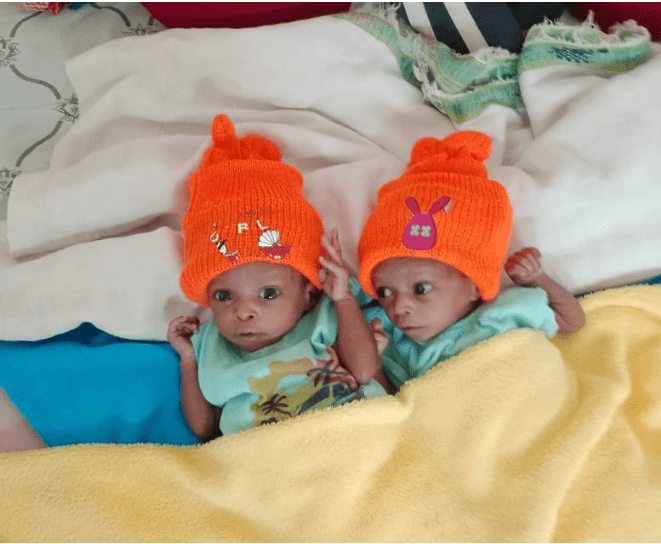
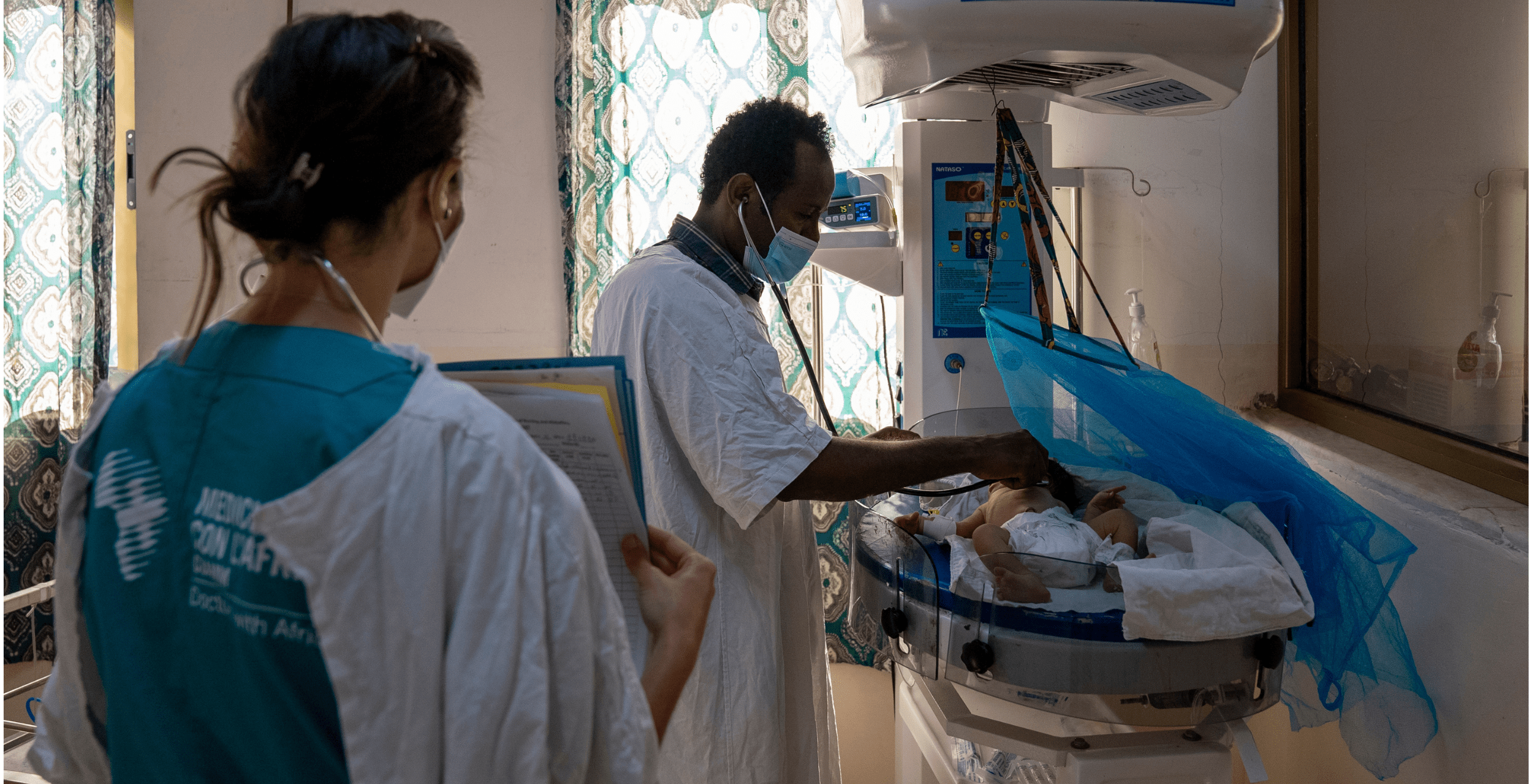
The duty nurse vividly recalled their arrival: “Hiwet was in a very critical condition. She was gasping for air, her oxygen saturation was very low, and she showed severe respiratory distress. We immediately began neonatal resuscitation and placed her in an incubator, closely monitoring her because every minute was critical. Although Mebrihit was more stable, she was also premature and required incubator care to maintain her body temperature and prevent complications associated with low birth weight.”
As the twins grew stronger, they were assessed for Kangaroo Mother Care (KMC). Mebrihit was stable enough to begin KMC after three days, while Hiwet joined her four days later.
“Once the babies became clinically stable, Kangaroo Mother Care became a key part of their recovery. We supported their mother with continuous skin-to-skin care, exclusive breastfeeding, infection prevention, and recognizing danger signs. She was very committed and followed every instruction we gave her” explained the duty nurse.
Both babies steadily gained weight and improved clinically in the KMC unit. Mebrihit was discharged after 20 days weighing 1,760 grams. Hiwet also responded remarkably well to treatment, increasing from 800 grams at birth to 1,500 grams by discharge. Both babies went home in stable condition with scheduled follow-up appointments for growth monitoring and breastfeeding support.
Reflecting on their recovery, the duty nurse emphasized the impact of strengthening neonatal services:
“Before the neonatal unit was strengthened, we frequently lost premature and critically ill newborns because we lacked essential equipment such as incubators, oxygen therapy devices, and CPAP machines. Even when our staff did everything possible, we simply did not have the resources needed to save many babies. Today, the neonatal unit has been renovated, healthcare providers have received NICU training, a pediatrician and pediatric nurse have been assigned, and essential equipment has been supplied. These investments have transformed the quality of the newborn care we provide.“
All this was made possible thanks to the project ‘Strengthening Neonatology in Ethiopia’, supported by Italian Cooperation and implemented by Doctors with Africa CUAMM in collaboration with the Ethiopian Paediatric Association, the Ethiopian Ministry of Health and the Union of European Neonatal and Perinatal Societies (UENPS).
The survival of these twins is more than a medical success as it demonstrates that investing in neonatal care, saves lives and provides a greater chance to thrive.