The mothers’ song of hope

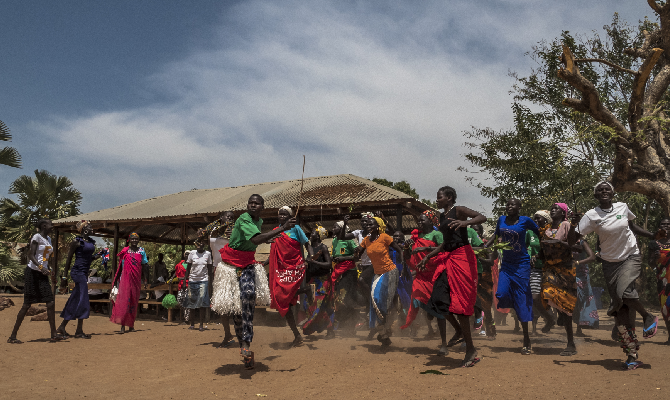
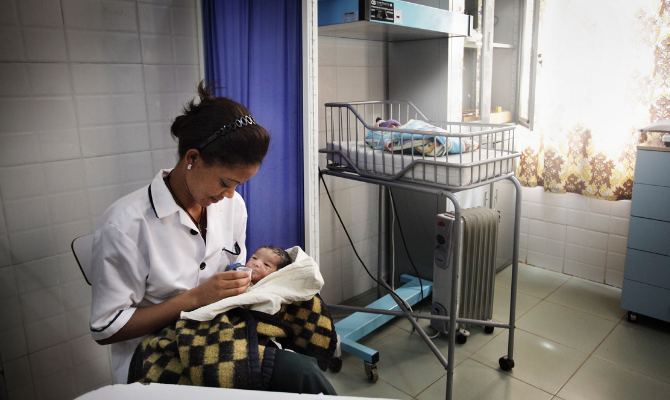
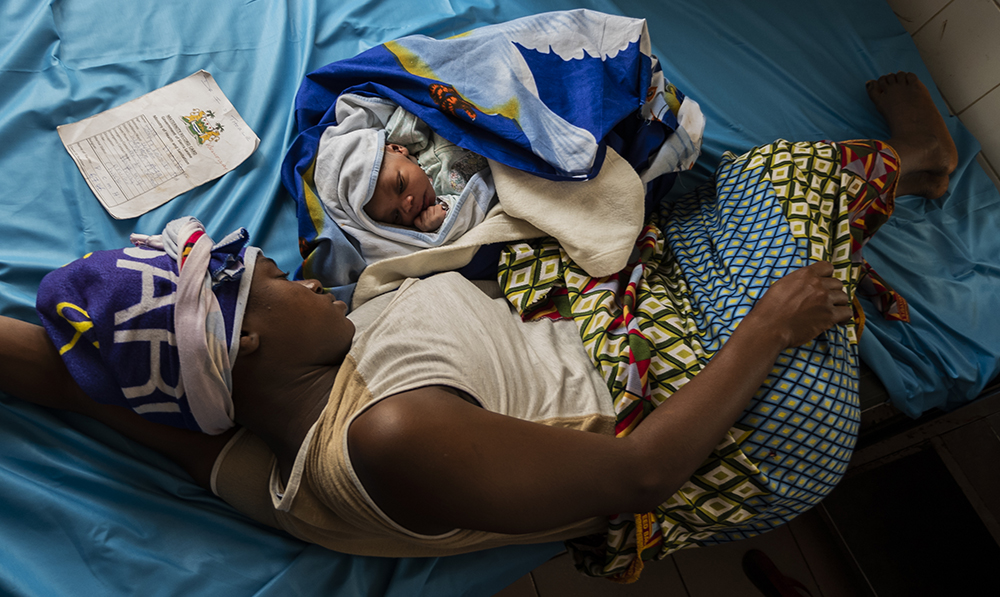
“We often hear a song rising in the hospital corridors, initially we did not understand, but then we realized that they were the mothers outside the neonatal pathology ward. They sing to make themselves and give strength together. This is a beautiful image, which conveys a great message of resilience and how important the community is especially in the most difficult moments.

Living in the hospital allows you to get closer to people in their moments of greatest vulnerability and to witness the way they deal with pain and waiting. Singing, for example, is a collective activity that mothers use to gain strength, to convey a message of resilience during difficuThe mlties. Alessandra Gosetto and Matteo Arata are two JPOs in Gynecology and Obstetrics, arrived in Freetown, Sierra Leone, in August, to take up service at PCMH, the reference hospital for maternal and child health in the country.

A new experience, the first time in Africa for both. “The initial visual impact was very strong, almost disorienting – they say. The hospital, although one of the largest in the country, is very different from the hospitals we are used to seeing in Europe. The resources here are limited, just think of the quantity of deliveries compared to the staff: from 10 to 25 per day, for a total of 8,000 deliveries per year with the medical staff dedicated to the Gynecology and Obstetrics department composed of 4 structured and some trainees who do 24 hour guards. In Padua, in a hospital that gives about 3,000 births a year, there are more than double the number of structures to manage the ward and the guards are 12 hours. Here we face various obstetric pathologies on a daily basis that are almost never seen in Italy and there is a high rate of obstetric complications “.

In Sierra Leone for now, Covid-19 is present in a limited way, positive patients are a minority of hospital admissions, but the reality is that the resources to screen the population are still lacking. Furthermore, the difficulty of accessing the hospital, even if only due to the costs of transport, risks enormously increasing the complications and dangers of childbirth.

Ensuring the health of mothers and children is a daily challenge that we have been trying to make concrete for 70 years in all our countries of intervention.


TB: a challenge that needs dedication and care

In the “Western world”, hearing the word tuberculosis does not generate much fear, if it is treated promptly and with the appropriate instructions, it is not even perceived as a serious disease. Unfortunately, this is a “privilege” for the few.

In Africa, tuberculosis is still a disease that causes many victims, 1,4 million in 2019. Every year, only in Uganda, nearly 89,000 new cases of Tb occur, among them 6,176 in Karamoja Region (WHO). But not all stories have an inevitable ending. Doctors with Africa CUAMM is committed to offering care and knowledge to those in need, even in the most remote places, as in the case of Ochan Richard, a former soldier of Uganda People’s Defence Force. Ochan, 50, already infected with HIV, was first diagnosed with TB in 2011, which worsened into multi-drug resistant tuberculosis (MDR TB) a few years later. Tuberculosis is one of the major causes of death for HIV patients who, with the progressive weakening of their immune system, contract the disease more easily and often with lethal consequences if it is not treated.

Ochan’s story, which seemed to have a written ending, changed when he arrived at St. Kizito Hospital of Matany in the Napak district of Karamoja. After many years of interrupted treatments due to work needs and difficulties in obtaining the necessary medicines, Ochan was finally able to have access to the care he needed thanks also to the encouragement and support of his family who prompted him to seek help at the Matany Hospital despite the distance from his home. A 75 km route full of hopes that have given him confidence in a still long life.

After two months he was discharged and personally taken home by the CUAMM hospital team specialized in tuberculosis which was responsible for raising awareness among the family and the entire community on the signs and symptoms of tuberculosis, on how it develops, on the adequate treatment and finally on how to avoid its spread.

“The same day I got home, my family and some community members were screened and all were healthy.” – said Ochan, adding – “I am deeply grateful to the hospital staff of Matany and to the CUAMM staff, for all the efforts they have made to save my life and that of many others. Whenever I come back for treatment, I am sure that I will get reimbursement for transport and meals, and given my situation it is a great incentive to be able to continue treatment regularly”.
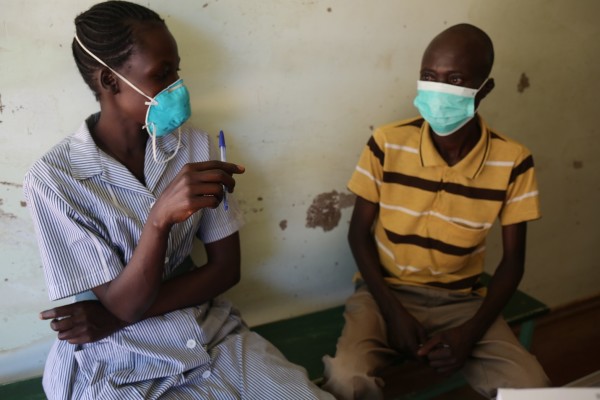
A similar story to that of Santos, 32, who was diagnosed with multi-resistant tuberculosis. After numerous interruptions in treatment, in which skipping even a single day of treatment means starting over each time, Santos had decided to abandon himself to his fate and leave the Kotido Hospital where he was being treated.

“I left the hospital and went to stay with my older sister, Martha. As soon as I arrived at her house, my cough and health conditions only got worse. Therefore Martha insisted that I go back to the hospital where I was examined and diagnosed with multi-resistant tuberculosis. The doctors immediately contacted the Matany Hospital, the only institution specilized in this disease and able to offer adequate care and support where I was reffered to and hospitalized by the team of Doctors with Africa CUAMM”, says Santos.

After a month and a half of treatment, Santos could no longer bear the kanamycin injections that were administered to him daily so he escaped from the hospital returning to his village. Victor, the CUAMM regional official did not give up and went to his home convincing him not to renounce and to resume treatment.

Although tuberculosis is still a deadly disease in Africa, at Matany Hospital there is the hope of adequate care and treatment, which is not limited to the administration of the necessary drugs but it offers the opportunity to be followed by medical staff with dedication, and be accompanied in the understanding and acceptance of one’s illness.

These happy ending stories were made possible thanks to the intervention in Karamoja to improve the quality of  services for diagnosis and treatment of Tb and multi-drug resistant Tb, particularly within the projects: “It’s Good Tb free! Project to contribute to a TB Free Uganda by 2020“, financed by the Italian Agency for Development Cooperation, as part of the expenditure for technical assistance to the Global Fund for the fight against aids, tuberculosis and malaria and implemented by Doctors with Africa CUAMM in partnership with the University of Milan and the University of Makerere, and the project ” Support to St. Kizito Hospital of Matany and to the Napak Distrcit in Karamoja”, financed by Fondation Assistance Internationale (FAI).
WDF and CUAMM: Together to fight against NCDs

On the 27th February, at the presence of the Mozambican Ministry of Health and local health authorities, Doctors with Africa CUAMM and the World Diabetes Foundation (WDF) celebrated 3 years of joint work to fight diabetes and hypertension in Mozambique. A great event was organized in Maputo to share results and best practices.

Doctors with Africa CUAMM has been working in Mozambique since 1978, in close partnership with the Ministry of Health (MoH). In October 2016, thanks to the support of the World Diabetes Foundation, CUAMM has launched a vast and innovative three-year program to fight Diabetes (DM) and Arterial Hypertension (HTN) in 3 provinces of Mozambique: Maputo, Sofala, Cabo Delgado. The program was unique as it was the very first of this kind piloted in the country. The intervention targeted 17 districts, covering 81 health units and one central hospital, reaching a population of about 3.600.000 people and screening about 903.244 people for DM and HTN.

Doctors with Africa CUAMM is committed to continuing its efforts towards expanding and strengthening the integration of NCDs screening and treatment into quality existing services, in collaboration with the Ministry of Health and local associations.


CHILD FIRST Let us reduce stunting!

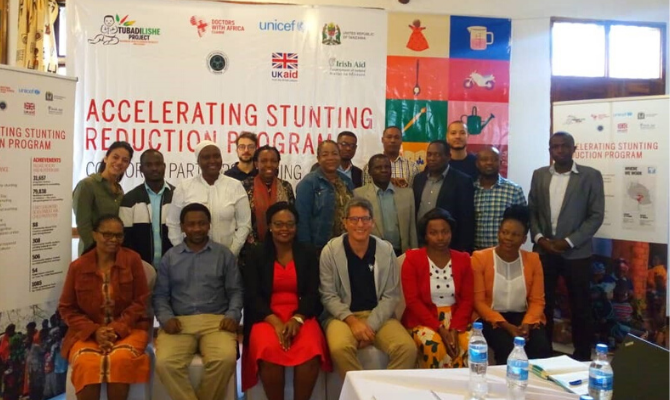
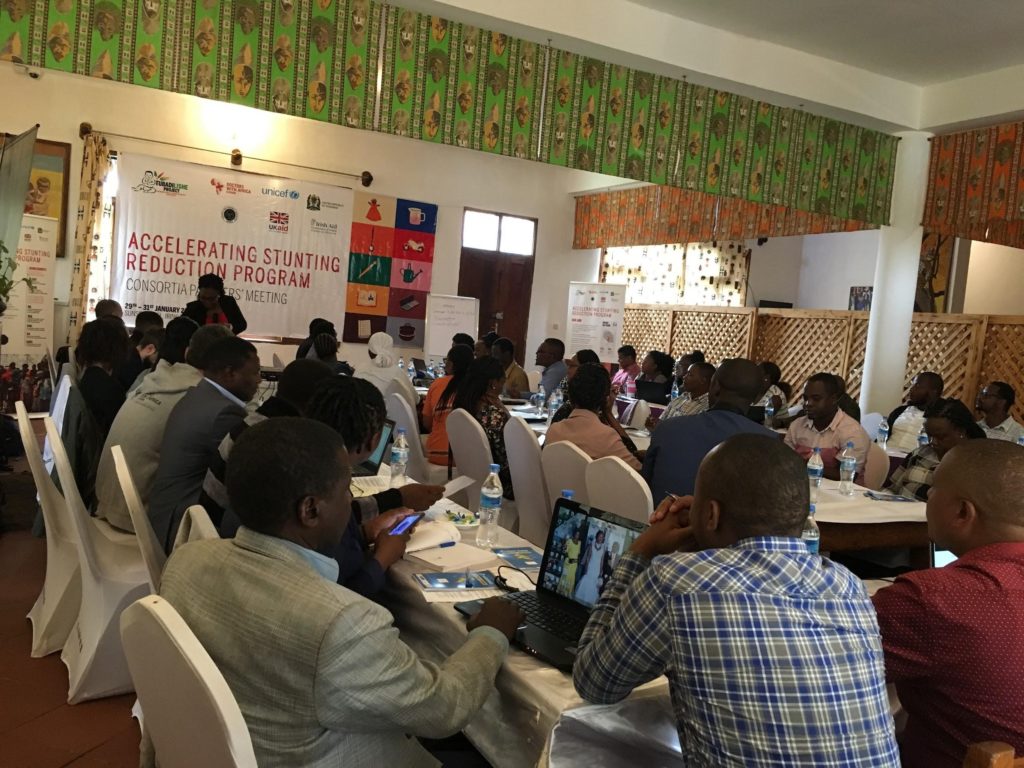
Doctors with Africa CUAMM Tanzania, together with the local partner organization TAHEA, hosted the annual consortia meeting of “Accelerating Stunting Reduction Programme” from the 29th to 31st of January. Among local and international partner organizations, UNICEF and Regional and District Nutrition officers participated in the meeting.

Stunting is the impaired growth and development that children experience from poor nutrition, repeated infection and inadequate psychosocial stimulation, as explained by the World Health Organization (WHO). Especially the first years of a child’s life, the first 1000 days from conception to the age of two, is a crucial period for timely intervention. “Accelerating Stunting Reduction Programme” aims to reduce stunting prevalence in the southern highlands regions of Tanzania: Iringa, Njombe, Mbeya and Songwe, where the needs are greatest among other regions of the country. With the coordination of UNICEF Tanzania, the programme has been implemented by three consortia, each one of them covering different regions; in particular, CUAMM and TAHEA are intervening in Iringa and Njombe.

As entering the 5th year of the programme, the final year, the main agenda of the meeting was to review the progress of handing over the activities to the respective local government bodies in order to ensure sustainability of the programme impact.

«The programme has gained its momentum. It is not only the partner organization who is leading the programme, but also the local government bodies have been deeply engaged, taking their ownership in nutrition issues. It has been a great team play» – claimed Ruth Nkurlu, UNICEF Southern regional programme coordinator, distinguishing the programme with other nutrition interventions around the country -. «Furthermore, because of the holistic approach of this programme implementation, meaningful behaviour changes are witnessed from the community level to the local government authorities».

Even though the programme is approaching its end, the need is still very high. The fight against malnutrition is not over yet. The Iringa Regional Nutrition officer appreciated CUAMM-TAHEA’s interventions in the region highlighting how it has strengthened the nutrition management system from the community level to the district and the regional level, sensitizing and empowering the local government authorities, which is the key to sustainability.

Sustainability cannot be achieved by working alone. Doctors with Africa CUAMM will continue its journey fighting against malnutrition alongside the local government and the local and international partners.

CBM and CUAMM together in the fight against eye defects in Northern Uganda

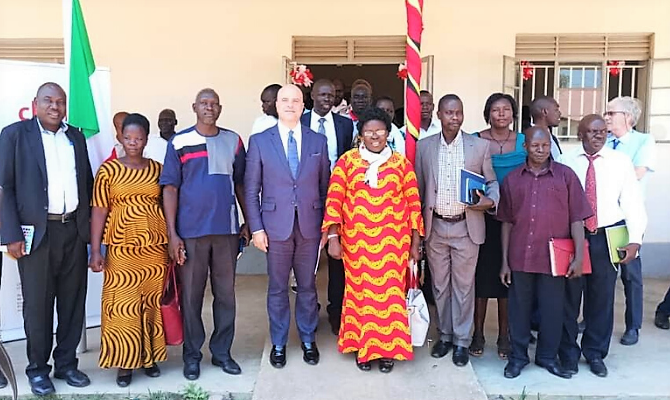
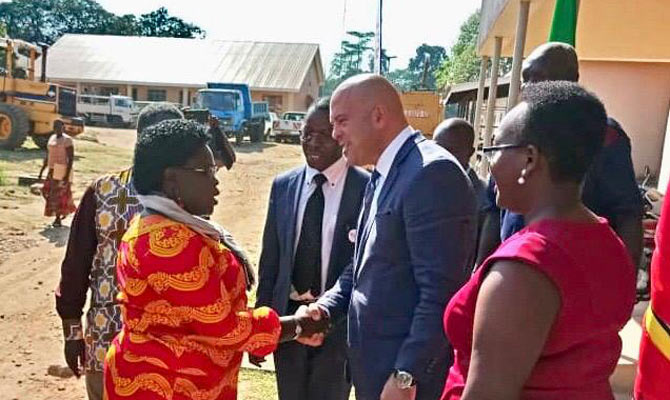
Christian Blind Mission (CBM) Uganda in partnership with Doctors with Africa CUAMM have launched a new project for eye care in Northern Uganda: “Foreseeing Inclusion: Eye Health and Disability Inclusion in Northern Uganda”. This three years’ project, funded by the Italian Agency for Development Cooperation, will be implemented in three districts of Arua, Kitgum and Lamwo. The launch was officiated by Dr. Joyce Moriku Kaducu, the State Minister of Health-Primary Health Care, and the Italian Ambassador H.E Massimiliano Mazzanti, along with other local government and districts officials.

According to the Uganda national census 2014, Northern Uganda accounted for 32% of all individuals with visual impairment with 75% avoidable blindness. Poor coverage of basic and secondary level eye care services largely contributed to this. The situation worsened even more in 2017, due to the increase of South-Sudanese refugees and the consequent overcrowding of the existing eye health facilities. The project, in collaboration with the Ministry of Health, arose from the need of the communities in the 3 districts and aims at contributing to the reduction in the prevalence of avoidable blindness by 2021, in line with the 4th Eye Health Action Plan 2016-2020.

«Awareness raising activities and primary prevention on eye defects are essential and they should be the key pillars of the project – the Minister Hon. Joyce Moriku Kaducu emphasized –. I support the decision to implement the project into those districts where the burden is really high among the locals and the refugees from South Sudan».

Dr. Peter Lochoro, CUAMM’s Country Representative in Uganda, gave a highlight of the work of CUAMM in Uganda especially in West Nile for over 50years: «I am grateful to the Ministry of Health for giving CUAMM the platform for implementing our projects and the local governments for integrating our work for better service delivery». «West Nile region remains a priority for the Italian government and I hope this project is just the beginning of many other bigger projects supported by the Italian government» concludes the Italian Ambassador Massimiliano Mazzanti, highlighting CUAMM’s long-lasting intervention thanks also to the welcoming nature of the locals.


International Women’s Day Two portraits of determination

Women are central to Doctors with Africa CUAMM’s commitment to health, and they are also on the front lines of acting for change. Women are 55% of the expatriate human resources of Doctors with Africa CUAMM; European and African professional women are working at the forefront in the fight against maternal mortality, as well as against malnutrition, HIV, and non-communicable diseases. They manage projects, mediate with local authorities, decide how to use funds, and often are balancing work and raising children as well.

For Women’s Day, Doctors with Africa CUAMM is spotlighting two stories from the field: Inocencia Fumo, a Mozambican doctor, and Martha Nyabel, a South Sudanese project manager.


“If we study, we can be what we want”

Inocencia Fumo is 36 years old, comes from Nampula, in the north of Mozambique, but has lived in Beira for sixteen years, where she was able to study medicine thanks to a scholarship. She says that being a woman helped her get the scholarship, but then as a young doctor she had to deal with the distrust of some patients, especially older men, who were not used to being treated by a young woman doctor. Years and experience solved this problem. Now she has three daughters and works with Doctors with Africa CUAMM managing a project to fight diabetes and hypertension. She sees education as the key:

“I always tell my three daughters that the important thing is that they go to school: everything starts from there. If we are educated, we women can go where we want, do and be what we want. When they don’t feel like going to school, I show them that I go to work even when I don’t feel like it, because now I’m doing what I studied for, what I’ve always wanted to do. I’d like them to become strong women, with positive attitudes, who are not afraid to follow their dreams and not afraid to fall down. Because by falling down we can get up again and keep going. It was my father who first encouraged me to study. There weren’t many fathers who thought like him, but I was the first in the family to graduate, and then he graduated too and now he’s a lawyer, and my mother, who studied mathematics, also graduated.”


“My personal success”

Martha Nyabel, a South Sudanese woman from the state of Jonglei, worked for three years in Nyal, an extremely rural area of South Sudan, where Doctors with Africa CUAMM implemented an emergency project for refugees fleeing conflict and hunger. She has dedicated herself to bringing health services to the furthest outposts, succeeding in building an emergency operating room and coordinating several mobile clinics. Patience and perseverance are her key qualities, as she says:

“This project has improved the lives of many people. It is a true joy for the community and for me too. I experience it as a personal success. These were three intense years: the first year was really extreme. Sometimes I found myself thinking, “What the hell am I doing here?” and also “Be patient, wait.” Now I can see all these smiles on people’s faces because of our efforts. I worked hard to complete this project, so now I’m happy!”

Making a difference with migrant people

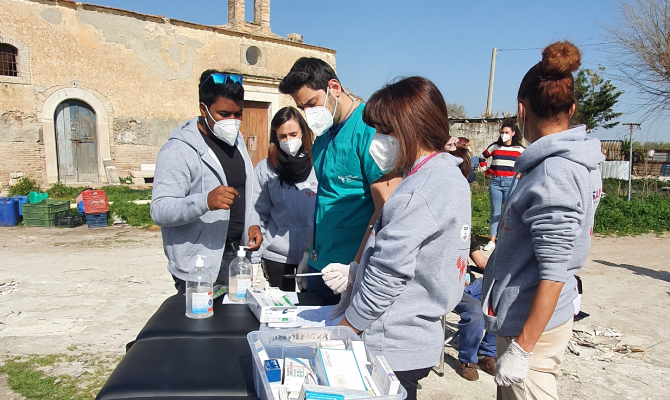
Aaditya Sharma Dalooa is 29 years old, speaks 6 languages, and comes from Mauritius. He is a cultural mediator for the Municipality of Bari, in Puglia, and for the Casa Cultura Association. He meets with immigrants in Puglia, laborers who live in the informal settlements, and he helps them get oriented in the labyrinth of Italian bureaucracy. He translates documents for them, gives advice on how to apply for a residence permit or how to keep in order all the papers needed for all the different procedures.

“I came to Italy with my family in 2009. My mom, my dad, and my brother,” says Aaditya. We chose Italy to build a future, to give us a chance at a dignified life. And we found it. I already had a science diploma, but it wasn’t recognized here in Italy as a course of study, so I had to go to high school for three years. Then I enrolled in university and I still have two exams to do plus a thesis to graduate in Literature and European Union Law. In the meantime, I took courses to become a cultural mediator, which let me find a part-time job, thanks to CUAMM as well.”

The informal settlements in Foggia are one of the saddest parts of the situation in Italy. Immigrants, mostly men from Africa, live in very precarious, often degrading conditions. They work under the table in the fields, picking tomatoes, asparagus, olives, and grapes. From 4:00 in the morning to 5:00 in the evening for €2.50 per hour. They have no rights, no recognition because if you have no fixed residence, you can’t ask for an ID, which takes 9–10 months anyhow. With an expired residence permit, the only chance to make money is working under the table.

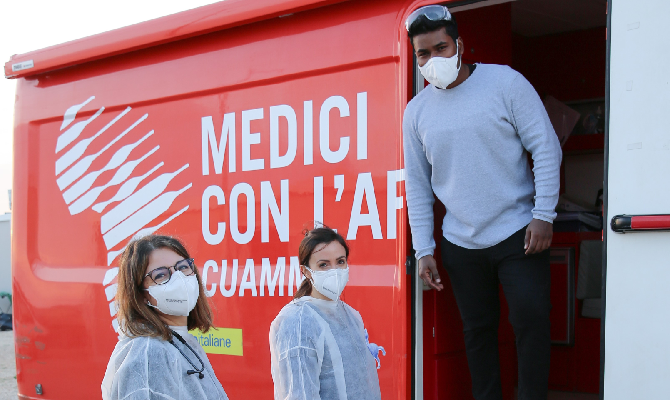
Aaditya goes with the Doctors with Africa CUAMM Bari camper-clinic every time it visits the eight settlements of Casa Sankara and Arena in the Province of San Severo, where about 650 people live, as well as to the farmhouses of Borgo Cicerone (San Marco in Lamis) and Pozzo Terraneo (Cerignola). These are very isolated properties, where around a hundred immigrants find shelter, mostly men from Africa, from Senegal, Gambia, Burkina Faso, and Nigeria.

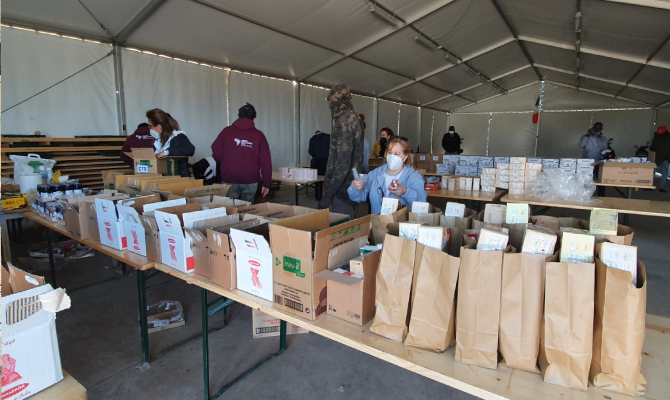
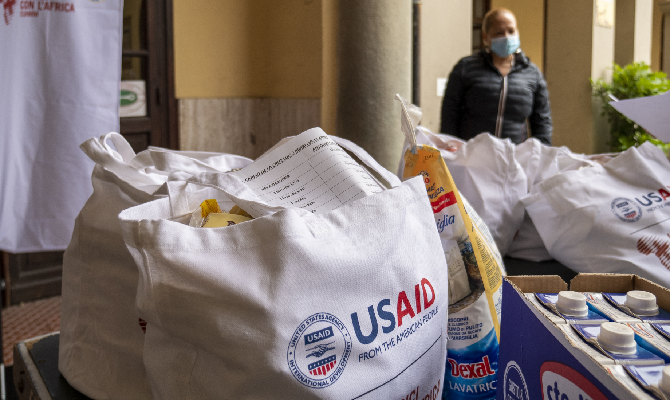
Aaditya explains, “These are buildings far from everything, without water, electricity, or windows. Nobody comes here, no services, no ambulances if someone is sick. There is not even a way to get to a supermarket. Thanks to CUAMM and to the IRC-19 project, food kits adequate for 1 month are distributed. Every time we bring the kits, I am moved to see how these people can hardly wait to get the package in their hands to open it and be able to eat. And so when they hear that the camper with the doctors is coming for the visits, they greet them as ‘saviors.'”

This is all made possible through the indispensable role of the cultural mediator who helps doctors communicate with immigrants and helps them overcome their natural fear and mistrust to let themselves be checked and helped.

“I like this work very much. Thanks to the CUAMM team that works so hard to help these people who no one thinks about, and thanks to the support of USAID, we are really making a difference for these people.”

From the start of the project through January, 2,200 food kits, or 33,300 meals, were distributed.

This story is made possible by the generous support of the American people through the United States Agency for International Development (USAID). The contents are the responsibility of Doctors with Africa CUAMM, recipient of the Fixed Amount Award (FAA) No. 7200AA20FA00013 and do not necessarily reflect the views of USAID or the United States Government.

Maria Stella “I never expected to be treated so kindly”

Maria Stella Fernandez comes from humble origins, but she never needed help from anyone. Since 2008, when she arrived in La Spezia from the Dominican Republic, she has always worked, not stopping for a second. She even managed to bring her children to Italy. Maria Stella supports her daughter and grandchildren: two years ago, she decided to move into a new apartment, closer to her grandchildren’s school.

“We used to pay less rent” she explains “but it was too far from the kids’ school. There were few buses connecting the hold place and the school, and they were so little: I couldn’t stand to see them going out still very sleepy every single morning. I decided to look for a new apartment. I was working as a caregiver at the time, for an elderly couple here in La Spezia. It was enough to make a living, pay for a better apartment and give my grandchildren what they needed. Then Covid-19 came.”

The family Maria Stella was working for suddenly decided to let her go. The couple’s daughter thought it might be too dangerous to have someone in their home who might give them the virus. Maria Stella understood their fears but had to come to terms with the lack of a salary in the middle of a pandemic, with an expensive new home and three people to take care of.  Her former employer suggested her to go to the Don Bosco Church, just to see if they could help her somehow.

It was the beginning of the summer, when Maria Stella met Daniela and Moreno, who volunteered for the group “Colazioni col Sorriso” (Breakfast with a smile) and gave her the help she needed.

“Let me tell you something, she says, I never expected to be treated so kindly! Until the middle of January, every two weeks they gave me all I needed to eat: pasta, rice, tomato sauce, vegetables, olive oil, jam and biscuits, even some sweets for the kids. It was such a joy to receive all this good food in this situation. In January I found a new job: they give me 800 € per month, but it is enough to pay for the apartment and to buy my own groceries. So I decided to quit the programme. There is plenty of people in need, I advised lot of my friends to go the same volunteers for help. I simply think that now they deserve this help more than me. But I don’t regret anything: the first time I received my pack I cried for joy and I would do the same thing again if I needed to. I would never starve, or let my kids suffer! These volunteers have been so good to me, I can’t pay them back financially, but I told them: I am ready to do my part. I will always be grateful to them; they have been wonderful!”.

As Maria Stella get back on her feet, many people still need food assistance in La Spezia. Doctors with Africa CUAMM has provided support to the volunteers of “Colazioni col Sorriso” in La Spezia thanks to the U.S. Government, which through USAID is supporting a number of projects in Italy, aiming at reducing the impact of the COVID-19 epidemic. From August 2020 to December 2020, 30,000 kg of food have been distributed in La Spezia.

This story is made possible by the generous support of the American people through the United States Agency for International Development (USAID). The contents are the responsibility of Doctors with Africa CUAMM, recipient of the Fixed Amount Award (FAA) No. 7200AA20FA00013 and do not necessarily reflect the views of USAID or the United States Government.

TELEMEDICINE, DISTANCE LEARNING AND FAMILY VISITS DURING COVID-19

Being a community during Covid-19 has been easier for San Patrignano, thanks to Doctors with Africa CUAMM. Last November, the NGO supported San Patrignano Community installing a new Wi-Fi network in the medical centre and four video stations. The technologies have already been used to put in contact the hosts of the community with therapists, doctors and families, ensuring the continuity of care during the pandemic. This new IT system is funded by the U.S. Government through the United States Agency for International Development (USAID) and will improve the work and quality of life of people in the community, paying particular attention to HIV+ patients admitted in the medical centre.

San Patrignano Community hosts a thousand people for rehab and has also a medical centre where patients with HIV and AIDS are treated. During the first lockdown, between March and May 2020, the community has been spared by Covid-19, sacrificing much of the services offered and limiting contacts with the outside. New admissions were postponed, as well as family visits, and psychotherapies which involved professionals coming from the outside were reduced. With the new video stations, these activities have been developed online, while the medical centre can now guarantee consultations and check-ups for the patients via telemedicine experimentation. Students who live in San Patrignano have been using the video stations to access distance learning classes, with a big improvement in terms of comfort.

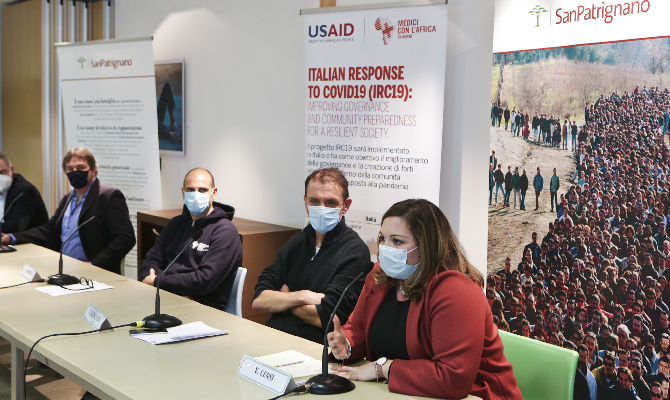
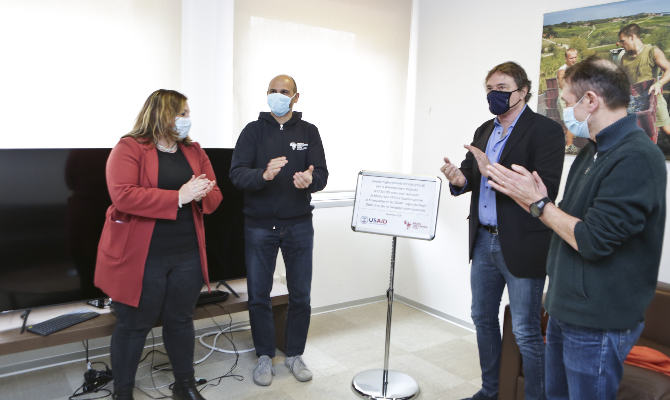
Alessandro Rodino dal Pozzo and Antonio Boschini, respectively president and medical director of San Patrignano’s Community, hosted at the handover ceremony, together with Mimma Spinelli, mayor of Coriano, and Veronica Censi and Andrea Iannetti from Doctors with Africa CUAMM.

Alessandro Rodino Dal Pozzo, president of San Patrignano, stated,

“This project is really important to us. Covid-19 forced us to reorganize our work and the lack of contacts with the world outside our community might have been an unbearable burden for our guys. In the beginning, we tried to replace physical meetings with phone calls, both to reach out to family and doctors. Then we understood that seeing their beloved and talking via video calls with therapists and doctors was much more efficient for our hosts. To achieve this goal, the support of Doctors with Africa CUAMM has been fundamental. Over the last two months, from December 2020 to January 2021, we have made possible 230 calls between our guys and their families, 148 telemedicine consultations, 99 interviews for admission, and 73 interviews for psychological support”.

Veronica Censi, project manager of Doctors with Africa CUAMM, explained,

“We are supporting San Patrignano’s Community in the framework of our larger project “Italian Response to Covid-19” (IRC19), that aims to create more resilient healthcare facilities and communities and to provide training for healthcare professionals broadly in Italy. This year we have seen how the knowledge gathered in many years of work in epidemics in Africa can be helpful in Italy as well. We are to sustain the community of San Patrignano, thanks to the U.S. Government, which is supporting a number of initiatives in Italy, aiming at reducing the impact of the COVID-19 epidemic.”

USAID, which funds IRC19, is the U.S. Government’s premiere development organization operating in more than 100 countries worldwide.


This press release is made possible by the generous support of the American people through the United States Agency for International Development (USAID). The contents are the responsibility of Doctors with Africa CUAMM, recipient of the Fixed Amount Award (FAA) No. 7200AA20FA00013 and do not necessarily reflect the views of USAID or the United States Government.

Learning about baby care side by side

When Eleonora Balestri, neonatologist, arrived at Wolisso hospital she was involved in a project dedicated to neonatal intensive care, a difficult and delicate context but that gave her great satisfaction: “The opening of the Neonatal Intensive Care Unit was welcomed with great joy and enthusiasm by the local staff who also saw it as an opportunity to deepen their knowledge and competencies. In fact, 10 out of 13 nurses spent a month in Addis Ababa for a training course. This meant that the 3 remaining nurses took shifts to cover their colleagues. It’s about an intense and dedicated teamwork that could also be felt in the everyday life within the ward. We faced a very difficult case of a little girl, born in a very poor family context, with a severe facial malformation” – continues Eleonora -. “The unexpected pathology of the child forced her mother to stay in the hospital for 3 weeks, causing her further concern because in the meantime she had left her other 6-year-old son with her neighbour and she did not know how to tell them she was still in the hospital. Incredibly it was her neighbour who showed up at Wolisso Hospital to ask after her. The nurses of the ward were so impressed by this case that they decided to collect some money to allow the neighbour to take care of the child while the mother had to look after the little newborn. ”

Covid-19 has upset our daily life, has limited our movements, forcing us to re-evaluate everything around us. Eleonora had already begun to study Portuguese and the projects in Beira to prepare for her scheduled departure for Mozambique, but due to the very strict closure of the borders she had to change program and destination and she arrived in Wolisso, in Ethiopia.

“The first impact with Ethiopia was particular, despite having already worked in Africa and more precisely in Uganda, I realized how different this new context was from both a cultural and professional point of view. From my previous experiences, I’ve learned that the ‘best’ way to settle down is to be humble, to listen, without ever losing yourself, keeping the awareness that you are in a different context, respecting it and trying to create positive relationships” says Eleonora.

By working in various countries in Africa, we get closer to the great plurality of this continent and the immense cultural diversity within it. This is also experienced in the health and medical fields: “In Uganda I had the impression there was a greater “resignation” towards the newborn with a pathology – Eleonora says -. The name, for example, is not given immediately at birth but after some time because the perception of the risk of losing the baby is very high. In Ethiopia, however, the attachment to the newborn seems much stronger from the very first moment even though resources are still very limited “.

Being “with” Africa is also this, understanding it in all its facets and working alongside operators and the local population to take care of everyone even in the last mile.

The daily commitment and dedicated work of Eleonora and the team of the NICU of the Wolisso Hospital is part of the “Newborn Survival Project: quality and innovation for greater access to neonatal care”, supported by the Agency Italian for Development Cooperation.


Photo credits: Andrea Frazzetta