A frugal technology for safe births

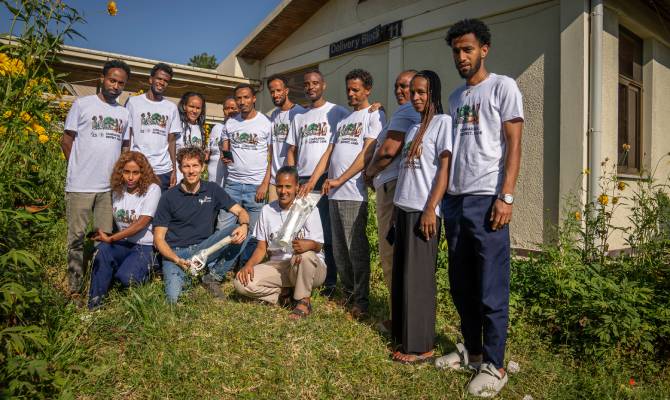
For the first time since it left the garage of its inventor, the Argentine mechanic Jorge Odon, the OdonAssist™ device has been used in the delivery room by healthcare personnel and not only by specialist doctors. This took place in Wolisso, Ethiopia, at St. Luke Hospital, where midwives and surgical technicians personally assisted women during childbirth.

“The success of these eight deliveries shows that we are on the right track,” says Michele Orsi, gynecologist at the Policlinico of Milan and CUAMM Project Manager. “Thanks to its ease of use, low associated risks, effectiveness, and high acceptability, the device has the potential to be truly revolutionary in expanding access to operative delivery in fragile settings.”

This first result highlights the potential of OdonAssist™, a tool that is as simple as effective and innovative. Thanks to this “inflatable sleeve,” the risks associated with operative vaginal delivery—necessary in cases of prolonged labor or fetal distress and traditionally performed using instruments such as forceps and vacuum extractors—are minimized.

“The tools available so far are instruments that require greater training and familiarity in their use,” says Michele Orsi, “and if they are not used correctly, they can cause complications that are difficult to manage in the absence of specialists and adequate equipment.”

Limited staff, often not highly specialized, and lack of equipment are common conditions in healthcare facilities across sub-Saharan Africa, where specialist doctors are scarce. The need, therefore, is to minimize risks and ensure safe childbirth. Safety, effectiveness, and acceptability are precisely what make OdonAssist™ a promising tool. For these reasons, as part of the feasibility study conducted in Wolisso, delivery-room healthcare staff were directly involved alongside the gynecologist. Assessing acceptability among both healthcare workers and women in labor in this context will be a key parameter in understanding the future prospects of this innovation.

The women who gave birth thanks to OdonAssist™ at St. Luke’s Hospital met specific inclusion and exclusion criteria of the feasibility study launched early this year thanks to an initiative funded by FID and implemented by CUAMM in collaboration with the University of Besançon and St. Luke’s Hospital in Wolisso. This study made Ethiopia the first low-resource country on the African continent to be involved in this type of research and today makes it the first and only country in which healthcare personnel have used OdonAssist™ operationally in a delivery room.

THE DEVICE

OdonAssist™ is safe and designed to be affordable. The device—born from the innovative intuition of Argentine mechanic Jorge Odon—is an inflatable tool intended for assisted vaginal delivery and is produced by Maternal and Newborn Health Innovation, a company registered as a Public Benefit Corporation. Compared to other instruments currently in use, OdonAssist™ is designed to be safer, easier to use, and more acceptable to both women and healthcare providers. It consists of a thin polyethylene sleeve and a retractable plastic introducer, at the end of which is a small cup that rests on the fetal head. Once positioned around the fetal head, the operator inflates a small air chamber at the end of the sleeve, ensuring a secure yet gentle grip around the baby’s head and facilitating traction through the birth canal. Thanks to this innovative design, the device combines three key mechanical principles that support the progression of the fetal head: propulsion, flexion, and traction. OdonAssist™ therefore presents itself as a potential alternative to forceps and vacuum extractors, helping to avoid cesarean section during the second stage of labor, when the mother is actively pushing.

Stepping Forward to Enhance Services for Newborns and Children

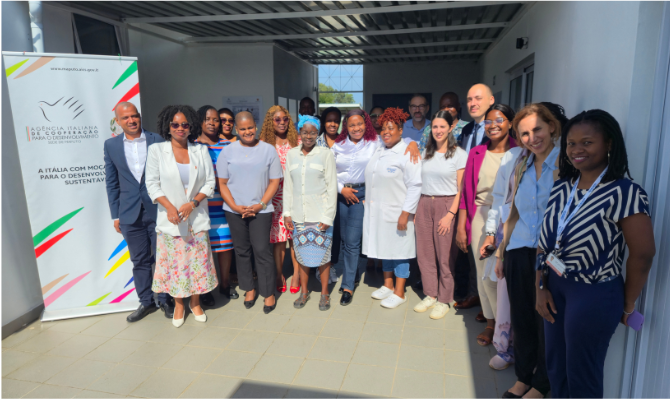
Improving the quality and accessibility of maternal-newborn and child health services: this was the core objective of the three-year “PROTECT” project in Mozambique, funded by the Italian Cooperation, which is nearing completion. A dual event in Maputo and Beira served to showcase the results and best practices of an intervention that reached 3 health centers (Zimpeto Center, Maputo Children’s Center, and Machava Center) and the Mavalane General Hospital in Maputo Province; 6 health centers (Munhava, Ponta Gêa, Chingussura, Nhaconjo, Macurungo, and the Multipurpose Center) and the Beira Central Hospital (HCB), specifically targeting the Pediatric Emergency Department (SUP), Neonatology, and the Delivery Room, in Sofala Province.

The project was implemented by Doctors with Africa CUAMM alongside Comunità Sant’Egidio and Auci, in collaboration with the University of Padua, the Beira District Services for Health, Women, and Social Action, the Directorate of the Beira Central Hospital, the Directorate of the Mavalane General Hospital, and the Provincial Health Directorate of Maputo.

While infant and neonatal mortality rates in Mozambique remain high and not alligned with the 2030 Sustainable Development Goals, notable progress has been recorded over the last decade.

Thanks in part to PROTECT, the Beira Central Hospital—the reference facility for the entire Sofala Province—has seen a decrease in pediatric and neonatal mortality. The quality of care provided to newborns with pathologies has improved, leading to a reduction in the early neonatal mortality rate. Furthermore, the quality of the pediatric emergency service has advanced with the introduction of the triage system, and access to both services has increased, supported by the dedicated ambulance system managed by CUAMM.

The numbers bear witness to this dedication:

  • At the Beira Central Hospital, pediatric mortality is now 4% (well below the project target of 10%).
  • Neonatal mortality stands at 7%, and mortality in the first seven days of life is 4.7%.
  • In the health centers, neonatal mortality within the first 24 hours has dropped to under 1%, a success bolstered by the efficient transfer service provided by the Cuamm-managed ambulances.

“I dream of reducing neonatal mortality in our neonatology unit so that mothers and caregivers have total faith in us and that we can be proud of the public service we offer,” shared Dr. Geronimo, a physician in the Beira Neonatology unit.

Focused Support: The Neonatology Unit

The HCB Neonatology service is the main provincial referral center for sick newborns. The primary causes for admission are perinatal asphyxia, prematurity, infections, and malformations, with approximately 150 to 170 newborns admitted each month—around 2,000 annually.

Since 2023, the project has supported the Neonatology unit to enhance the quality of care for sick newborns admitted to the Neonatal Intensive Care Unit, the Joint Admission Unit, and the area dedicated to the Kangaroo Mother Care (KMC) method.

Continuous clinical and technical support was provided, including: 36 “on-the-job” training sessions involving 353 participants, the stable presence of a pediatrician, the addition of 4 maternal-child health nurses and 1 pediatric nurse for a total of 9 months over 3 missions; the development of 8 diagnostic-therapeutic protocols for managing the most common clinical conditions.

“Working with the project team allowed us to exchange ideas and discuss approaches to newborn care. Even with the few resources we have, by changing our behavior, it is possible to achieve better results. This was the most important lesson, and our commitment must continue because the neonatology unit is our home,” added Dr. Geronimo.

A powerful synergy was forged with the project “Strengthening the system of healthcare personnel training institutions and supporting the development of telemedicine” at the Beira Health Sciences Institute, also financed by the Italian Cooperation. A professional course in Neonatal Nursing for 20 nurses already working at HCB, Beira General Hospital, and Nhamatanda Rural Hospital, who will return to their posts in 2026 after a year of training, ensuring the continuity of quality care for newborns. “We learned so much through the training. My dream is to have a team of nurses all trained in neonatology,” added Nurse Angela, head nurse at the Beira Neonatology unit.

Saving Lives in the Emergency Department

The HCB Pediatric Emergency Department (SUP) receives approximately 28,000 children annually, aged one month to 14 years. Over 12,000 children under five access emergency services, with 2,000 annual transfers by ambulance.

As part of the intervention, a triage system was developed to streamline patient management, reduce waiting times, and improve care. Emergency personnel (doctors, nurses, and health technicians) were trained on the correct use of the color-code tool and the management of major pediatric emergencies. This included 3 theoretical training courses with practical components and 36 “on-the-job” training courses, involving a total of 422 healthcare professionals from HCB, Beira General Hospital, health centers, and ambulance services.

Regarding the emergency transfer of sick newborns and children from health centers to the Hospital, 1,909 health workers were trained over three years on stabilization and transfer techniques. This was complemented by strengthening the data collection and review system, along with supervision to monitor improvements.

The Power of Community Activism

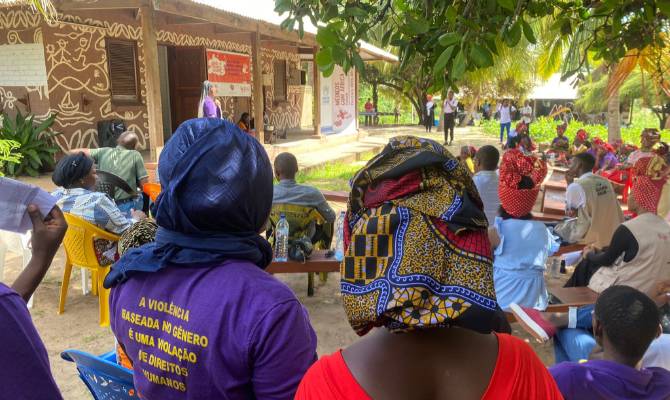
A fundamental role was played by the 20 community activists who, after a training period, were assigned to various health centers and the Beira Central Hospital. Their mission was to raise awareness among women about danger signs during pregnancy, the importance of prenatal visits, and adequate nutrition.

In the Maternity and Postpartum wards, the activists supported mothers by reinforcing their knowledge on newborn care, including hygiene and exclusive breastfeeding, as well as the importance of the first-month check-up and adherence to the vaccination schedule. Crucially, the activists promoted the Kangaroo Mother Care method for low-weight newborns and fostered family involvement, particularly that of the father or husband, in the care of mother and child.

During the project, approximately 6,800 awareness sessions were conducted, reaching over 240,000 mothers and caregivers.

I was proud to be part of the project team. I learned many things about caring for the mother and newborn and passed it on to all the women I supported. It was my responsibility to explain to the mother how to care for her newborn and to convince her, for instance, to adopt the Kangaroo Mother Care method. The doctor did not speak the local language and could not follow the woman through her difficulties with her family and managing other children at home. So, I had to mediate and convince the whole family that the newborn, even if premature and underweight, could recover with that method,” concluded one of the project activists.

The Commitment Continues

The “PROTECT” project concludes as a vital pillar in the fight against maternal and neonatal mortality, a success born from teamwork. “We would like the intervention to expand to all 19 health units in the district and for the training package to be shared across all 13 health units with Maternity services,” stated Dr. Sónia Ana Mudengue, Director of the District Services for Health, Women, and Social Action in Beira City.

CUAMM’s technical support to improve the quality of neonatal and pediatric services in Sofala province will continue, with different modalities and levels of intervention, to be planned, as always, together!
25 years of care and training

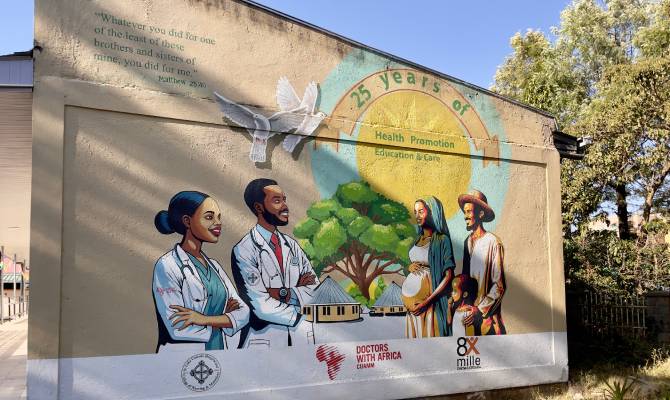
St. Luke’s Hospital in Wolisso marks its 25th anniversary, celebrating a quarter of a century dedicated to providing care for the most vulnerable and training the next generation of health professionals through its attached nursing and midwifery school.

In December 2000, both the hospital and the nursing and midwifery school became fully operational, launching a collaboration that would transform access to healthcare across the South West Shoa Zone, a region of around 1.24 million people.

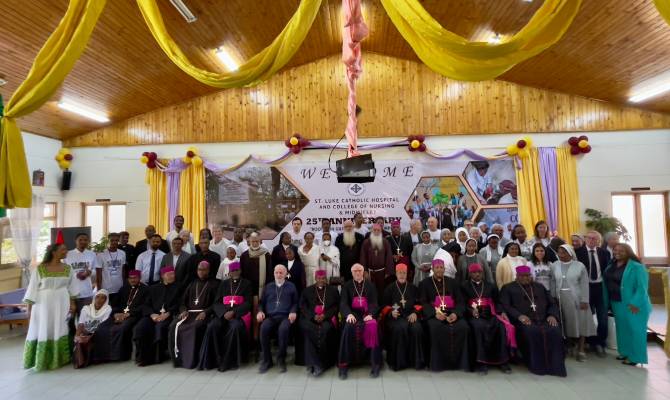
To mark this milestone during the Jubilee Year, Doctors with Africa CUAMM held a commemorative ceremony attended by notable guests, including Mons. Giuseppe Andrea Salvatore Baturi – Secretary General of the Italian Episcopal Conference (CEI), Lukas Teshome Fikre – Bishop of Endebe, Don Dante Carraro – Director General of Medici con l’Africa Cuamm, along with representatives from the Ethiopian Ministry of Health and regional health authorities from Oromia.

“We are delighted to celebrate 25 years of St. Luke’s Hospital, a milestone made possible thanks to the community, the Church, and the generosity of many supporters. Today we celebrate, but above all, we reaffirm our commitment to serving the most vulnerable, especially mothers and newborns, to further reduce maternal and infant mortality,” said Don Dante Carraro – CUAMM Director General during the ceremony.

The hospital’s construction was made possible through the joint efforts of the Oromia Regional Office for Emergency Prevention and Management, the Oromia Health Bureau, and the Ethiopian Catholic Church. It was conceived as a response to a severe lack of healthcare services: in the 350-km stretch between Addis Ababa and Jimma, no hospitals or qualified training institutions existed at the time.

“This hospital is like life itself,” said Mons. Baturi – President of the Episcopal Conference of Italt (CEI). “We helped it come to life, and now we want to continue helping it grow. We thank all those involved in its management. Our faith calls us to share charity with the community, building a new world where children can be born safely and women and young people can grow up healthy.”

From the outset, the project was ambitious: for the first time, local authorities were asked to consider a public-private non-profit partnership with the Ethiopian Catholic Church. Another unique aspect is Ethiopia’s religious geography, which makes St. Luke’s a notable point for ecumenical growth, fostering dialogue, respect, patience, and collaboration for the common good.

“St. Luke’s will continue to be rooted in the health system, providing care for those most in need in a climate of peace, justice, and hope. Updating the school will improve student skills and competencies, with professional exchanges both within Ethiopia and abroad. We aim for quality, equity, and sustainable health financing to advance universal health coverage. The future will be the ‘new face’ of the hospital: the next 25 years begin today!” said Bishop Lukas Teshome Fikre.

From the very beginning, CUAMM has supported the hospital and school with the dual aim of strengthening health systems and training local professionals, fostering strong Italy-Ethiopia cooperation. Over the years, this exchange has included programs for medical students and residents. Since 2002, 342 students have participated in the SISM program, and 86 residents have completed six-month placements at St. Luke’s.

From its early years, St. Luke’s Hospital has been recognized for its focus on maternal and child health and community medicine. Today, the hospital is a regional referral center, with 163 beds, an emergency department, medical and surgical wards, and a maternity ward performing over 3,000 births annually. Doctors with Africa CUAMM continues to work alongside the Ethiopian Catholic Secretariat, focusing on the management of diocesan health facilities and staff training.

In 25 years of dedicated service, St. Luke’s Hospital has recorded: 250,000 admissions, 1.6 million outpatient visits, 70,000 births, 160,000 prenatal visits, 255,000 vaccinations, and 67,000 major surgeries.

Equally essential is the role of the nursing and midwifery college, which has consistently trained competent health professionals. To date, over 906 students have graduated: 452 from the regular nursing program, 202 from the upgraded nursing program (from Nursing Assistant to Diploma, supported by the Oromia Health Bureau), and 252 midwives.


Addressing the Needs of Refugees in Gambella

Present in the Gambella region since 2017, Doctors with Africa CUAMM combines health system strengthening and resilience-building interventions with emergency response. Our goal is to improve accessibility, equity, and quality of healthcare services for all—ensuring no one is left behind.

We work on two complementary fronts: within host communities and inside refugee camps.

Support to Host Communities

In host communities, we are implementing a disability-sensitive health system strengthening program as part of a three-year project carried out in collaboration with the Gambella Regional Health Bureau. Many disabilities prevalent in the region can be prevented or treated when timely access to care is available.

To date, we support nine health facilities (2 hospitals and 7 health centers) focusing on the primary, secondary, and tertiary prevention of physical/motor, cognitive and sensory disabilities.

Key components of this strategy include: strengthening reproductive, maternal, newborn and child health (RMNCH) services; promoting demand and uptake of health services among people with disabilities; expanding eye care and rehabilitation services; refurbishing and upgrading hospital infrastructures; ensuring the availability of essential consumables and medicines; training health staff to deliver high-quality, inclusive healthcare; mobilizing communities to identify, refer, and support individuals with disabilities.

Support to Refugees in Camps

In 2018, as the South Sudanese crisis escalated, CUAMM began supporting the provision of quality, comprehensive, and gender-responsive healthcare in refugee camps, in collaboration with government authorities.

Currently, we work in Nguenyyiel Refugee Camp, managing 1 Health Center and 2 Health Posts. Over the past year, we also supported the rehabilitation of the Tierkidi Health Center.

The Refugee Crisis and CUAMM’s Emergency Response

Following renewed conflict in South Sudan’s Upper Nile State, a significant influx of refugees entered the Gambella region, placing enormous pressure on an already fragile health system. Thousands were left without access to protection, medical care, adequate shelter, or safe water.

In July 2025, CUAMM conducted a rapid needs assessment among new arrivals and affected host communities. The assessment revealed severe service gaps, including: lack of primary healthcare services in Moun, Matar, and Luakdong/Tormorok; weak referral mechanisms; limited nutrition coverage; disrupted immunization services; poor WASH conditions, increasing disease outbreaks; overcrowded shelters, food insecurity, and heightened risks of gender-based violence.

To respond to this emergency, we mobilized internal emergency funds to launch an immediate lifesaving intervention addressing the most critical gaps through Mobile Health and Nutrition Team (MHNT) aiming at delivering lifesaving services in the most affected areas.

Ethiopia currently hosts over 1.1 million refugees, one of the largest refugee populations globally. Many families live in makeshift shelters with inadequate sanitation, insufficient nutrition, and limited access to healthcare—conditions that dramatically increase the risk of disease and mortality. The south sudanese refugee crisis is compounding the fragile system in the border region of Gambella. Doctors with Africa CUAMM remains committed to ensuring adeguate care where it is needed most and to building sustainable long-term solutions thanks to the collaboration with the Ethiopian Humanitarian Fund.

Renewing our commitment to Ukraine

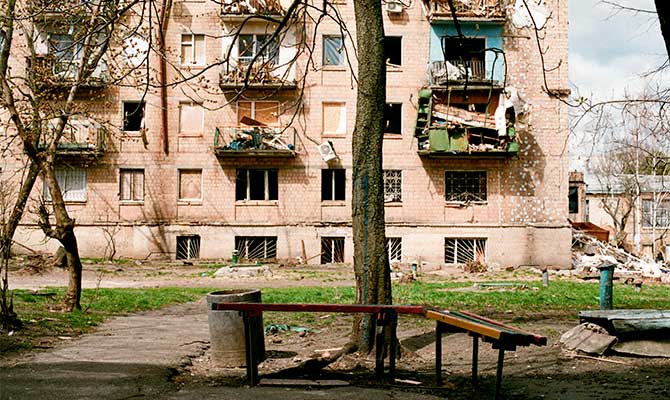
This week in Kyiv, Ukraine, we took part in the event organized by the Italian Cooperation on the occasion of the Italian Cooperation Day with the aim of bringing together partners, agencies, and civil society organizations working on the front line to support the civilian population. It was a moment for dialogue and knowledge sharing, a platform to amplify results and good practices.

The CUAMM team on the ground participated in the meeting alongside partners, NGOs, and local organizations, presenting CUAMM’s work in the country, sharing the results achieved over the past three years, and reaffirming its commitment moving forward.

For the past three years, CUAMM has been working in the country with a twofold objective: assisting civilians and strengthening the health system severely affected by the conflict. Over the past year, we have done so through the RISE project, funded by the Italian Cooperation and implemented in collaboration with Caritas Italiana, Caritas Drohobych (SDD), Volonterskiy Rukh Bukovyny (VRB), CUAMM UK, and Caritas Moldova. The intervention focused on providing emergency health assistance to vulnerable communities, including internally displaced people, refugees, and host communities in Ukraine and Moldova.

The main activities included: distribution of emergency medical kits, psychosocial support events, training in mental health, life support, and neonatology, and distribution of food kits and essential items.

This is a commitment we are ready to carry forward. Thanks to the renewed support from the Italian Cooperation, in the coming months we will be implementing SHIELD Project –  Strengthening Health and Protection for Vulnerable Communities in Conflict-affected Sumska and Kharkivska in collaboration with CESVI and two local partners – an intervention that combines health and protection. At the center of our work are four main activities located in the oblasts of Kharkiv and Sumy, near the border area: distribution of medical supplies, structural rehabilitation interventions, delivery of emergency kits and capacity building activities for health professionals in collaboration with UNFPA.

RISE Project, figures from the project

In Ukraine
8,359 outpatient consultations
11 emergency kit deliveries to the areas of Dnipro, Zaporizhzhia, Vasylkiv, and Sumy, ensuring response within 72 hours from notification of the request—as required by WHO’s Rapid Response Mechanism
1,270 people reached through psychosocial support events
• 2,179 people involved in the Vasylkiv Summer Camp
• 448 people trained in mental health topics and Basic Life Support
• 4,288 people who received food kits and essential items
• 1,865 people who received winter protection kits
• 865 children who received nutritional kits and essential items

In Moldova
1,493 outpatient consultations
• 764 people reached through psychosocial support events
• 100 health professionals trained in neonatal care
• 4,775 people who received essential items

Doctors with Africa CUAMM has been active in Ukraine since the start of the humanitarian crisis in March 2022. Since then, we have reached more than 40,594 people and supported over 29 health facilities with medicines, consumables, biomedical equipment, and logistical support materials.


Nurturing Hope in Bossangoa

The classroom is crowded at the Bossangoa School of Nursing and Midwifery. In the institute, which we began building just a year ago with the support of many, classes have just started. Thirty students, both male and female, are now entering their educational journey to become healthcare workers: among them, future birth attendants and professional midwives.

It is a unique opportunity and an important achievement in Bossangoa district, an area that until now had no opportunities at all for people eager to study, as explained by Meanendji Gaston, student at the school.

“Until last year there was nothing here. Today, with this institute, we have the chance to study without having to travel to the capital, Bangui. We will be trained here, in our own region, and one day we will be able to help the women in this area.”

At the heart of this major project, carried out in collaboration with the Central African government and the Ministry of Health, lies a clear objective: contributing to the reduction of maternal mortality.

“With the decentralization of training for qualified healthcare personnel, the Ministry of Health together with Cuamm worked to establish this institute, which already welcomes students from the region. It is precisely through the training of new healthcare professionals that we intend to help reduce maternal and child mortality and morbidity in the country,” stated Madame Aline Zaofin, Director of the Bossangoa school of nursing and midwifery.

The lack of adequately trained healthcare workers is indeed one of the most critical challenges faced by the Central African health system—which currently has only 5 professional health workers for every 10,000 inhabitants. This number falls far short of WHO recommendations, which state that a population needs at least 50 health workers per 10,000 inhabitants to ensure adequate care.

Opening of the academic year at Bossangoa school of nursing and midwifery.

The construction of the school and the launch of a formal education program recognized by the Ministry is part of a broader initiative strongly supported by Cuamm, which has been active at the Bossangoa hospital since 2023 to support maternal and child health services.

“Our presence here has a simple and clear goal,” explains Dr. Enzo Pisani. “We want to reduce maternal mortality. To do so, we must intervene on four levels: community, transport, hospital, and training.”

Today, we are working in an integrated and continuous way across all four levels—from the communities to the hospital. We intervene in the villages to recognize delivery complications in advance; we have created an emergency referral system which, thanks to an ambulance and motorcycle taxis, ensures rapid transportation to the hospital; and we are strengthening the hospital’s capacity to manage cases on arrival.

“The whole system relies on the ability of healthcare workers, and this is why training is the fourth level on which immediate action is needed,” Pisani continues. “Strengthening the skills of local staff and training new professionals is essential to achieving our goal.”

The renovation of the maternity ward at the Bossangoa hospital, recently launched, is also a key step in the project. The renewed space—improved in both structure and equipment—will ensure minimum quality standards for obstetric emergency care and will also serve as a practical training environment for students.

“I am truly happy to begin this course of study,” said Bialle Eloge – student in Bossangoa. “I can’t wait to strengthen my theoretical and practical skills so that I can really help my community.”

“This facility means a lot to us. It allows us to stay in the district and pursue studies that we otherwise could only undertake by moving to the capital. Now we have an alternative. Here we have everything: we can attend classes, live on campus, and access all the necessary services, including dormitories and a cafeteria. This will help us students and our families,” said student Gazaworo José Christian.

The Bossangoa institute of midwifery and nursing is the first and only education center outside the capital, Bangui. It is located more than 300 kilometers away—distance that, until now, has been a source of exclusion and marginalization for many young people eager to build a better future for themselves and their communities.

“I am truly happy to see this institute operating today. We built it with a strong spirit of collaboration that reflects the government’s commitment to investing in training and decentralization, offering growth opportunities even outside the capital. A few years from now, this will allow us to have well-trained healthcare professionals right here in the Bossangoa district,” said Mgaissona Nestor – Regional Director of Higher Education.

The Central African Republic (CAR) ranks among the five countries with the lowest Human Development Index (HDI) in the world, according to the latest report from the UN Development Programme (UNDP). Life expectancy at birth is 56 years (2024), the neonatal mortality rate is 39 per 1,000 newborns, infant mortality 103 per 1,000 live births, and maternal mortality 835 per 100,000 live births—the second highest in the world.

Today, with the start of courses for these 34 young people, hope is growing for an entire community. We are committed to nurturing this hope by continuing to support their training and ensuring the best possible study conditions, so that tomorrow they can join us in the ambitious and urgent goal of eliminating maternal mortality in the country.


Amhara bringing care to displaced persons and host communities

Nearly 22,000 people live in Debre Berhan, North Shewa Zone in Amhara region, Ethiopia. Internally displaced people (IDPs) located in three camps: China, Woynshet, and Bakelo Camp, and mostly coming from Wollega, Oromia region. Besides camp residents, there are thousands of IDPs hosted in the communities whose living conditions still need crucial attention.
Moreover, the conflict and insecurity in the region compromise access to basic health services even for the host communities, with recurrent service interruption, stock-outs of medicines and lack of essential nutritional supplements, among others.

In order to cope with this situation, CUAMM together with Cifa has implemented the project “Promoting protection and access to health and nutrition services for internally displaced people and vulnerable communities in emergency situations”, funded by the Italian Cooperation.

It is precisely thanks to this intervention that Medina Yesuf and her family’s life has improved.
She is 26 years-old woman, who was displaced from East Wellega due to internal conflict and now she’s living with her husband and child in China Camp IDP site.

She firstly got in touch with CUAMM, after undergoing a surgery for an extra pulmonary TB case in Debre Berhan Hospital and she received TB medications and follow-up treatment through CUAMM’s mobile health and nutrition team (MHNT).

‹‹Thank you Allah; I am near to finishing my medication now. My husband was also tested for TB because he was sick. But he is fine››, Medina said.

The Mobile Health and Nutrition Team (MHNT) maintained continuous operations, delivering essential health services to 21,258 beneficiaries across IDP camps and host communities. The team, composed of a Health Officer, Nurse, and Midwife, was strengthened by the recruitment of a Pharmacist, enhancing service efficiency.

Despite receiving her own treatment, Medina remained deeply concerned about her son’s deteriorating health. Born with a small swelling on his back, the lump gradually enlarged and began to leak fluid. Therefore, when he turned ten months, Medina sought help from the CUAMM MHNT Clinic at China Camp. The medical team first referred him to Debre Berhan Hospital and then to Hakim Gizaw Hospital, which recommended further examination in Addis Ababa before surgery could be performed. However, due to the costs she couldn’t afford, Medina returned to the IDP camp, hoping that someone might help her child receive the care he urgently needed.

The project also supported referral services and healthcare reimbursements for childbirth assistance, facilitating access for vulnerable populations.
There were a total of 435 referrals.

‹‹At that time, Cifa was providing financial assistance to the most vulnerable groups in China camp, and I was selected as a beneficiary through the CUAMM medical team. I was given 10.000 birr and I was able to take my son to Addis Ababa for critical examination››, Medina continued.

Following the assessment, she returned to Hakim Gizaw Hospital, where her child successfully underwent surgery.

‹‹They take good care of us. If it weren’t for the CUAMM medical team, my son would have died›› – Medina concluded.

Today, Medina and her son regularly visit the CUAMM MHNT clinic, where they continue receiving essential follow-up care and treatment after their surgeries.

Throughout the project, 47.170 people accessed to health and nutrition services, including dedicated mental health and psychosocial support (MHPSS) and sexual and gender-based violence (SGBV) services. Among other services, outpatient consultations, antenatal and postnatal care, family planning, nutritional and NCD screenings, mental health support, GBV case management, emergency referrals, and health education sessions.

Only in the period the end of May and September, OPD medical consultations were 5,941, 51 antenatal care visits, 891 children and 330 pregnant and lactating women underwent nutritional screening, some of them identified with moderate and severe acute malnutrition.
In addition, 290 women received family planning services (272 short-acting, 14 long-acting, and 4 emergency contraceptives); 2,673 individuals screened for non-communicable diseases (NCDs).

Procurement activities ensured the availability of micronutrients, therapeutic and supplementary foods, medical equipment, raising awareness materials among others, to support mobile clinics and health facilities.

Training and capacity building were an integral part of the project, significantly improving knowledge and skills among healthcare workers and community members. 150 training sessions were carried out. Technical assistance and supportive supervision were provided to improve data collection, reporting accuracy, and overall health service delivery. The project facilitated coordination and review meetings with stakeholders to assess progress, share best practices, and plan for continued improvements.

Additionally, the project supported an integrated vaccination and cholera prevention campaign in collaboration with local health authorities.

Ensuring quality care and making health and nutrition services more accessible and sustainable. This remains at the heart of Cuamm’s commitment, always and especially in the most fragile areas such as Debre Berhan.


PRIDE AND SENSE OF BELONGING TANZANIA ANNUAL MEETING

“It was truly moving to meet each other in person.” This is how Elia Msigala, Senior Accountant from Iringa, begins as he describes the CUAMM Tanzania Annual Meeting, held in Dodoma on 11–12 November 2025.


“Before, we only knew each other by name,” he continues, “but meeting in person made a real difference and strengthened our mutual cooperation within the organisation. We discussed both our current situation and our expectations, with optimism and commitment, looking toward a promising and prosperous future.”

Annual staff meetings are a cornerstone of CUAMM’s operational approach in Tanzania and hold particular importance for an organisation whose staff members work across different regions and projects. Team members from Iringa, Shinyanga, Dodoma, Dar es Salaam and Zanzibar gathered to reflect, align, and move forward with renewed energy toward shared goals. The meeting provided a valuable opportunity to exchange ideas, experiences, best practices, and lessons learned across various projects — a key element of CUAMM’s working method.

The first day focused on activities led by the Dodoma office, particularly those under the “Diverse Food System” project, which addresses issues related to malnutrition and early childhood development. Participants visited the Dodoma Regional Referral Hospital, where they observed CUAMM’s support to the malnutrition unit and explored the new Early Childhood Development Corner — a space designed to stimulate cognitive and neuromotor development in malnourished children.

The second day was dedicated to the formal staff meeting, coordinated by Country Manager Riccardo Buson and Country Administrator Ilaria Di Nunzio. The programme included interactive sessions aimed at increasing awareness of ongoing initiatives in the country, highlighting challenges encountered, and celebrating the significant progress achieved. It also created opportunities for staff members to connect, fostering collaboration and the development of new projects.

“This meeting allowed me to catch up on current and future projects,” explained paediatrician Martina Borellini, “not only in my region but across the whole country. It helped me see the people I work with every day from a new perspective and in a different context.”

The meeting concluded with a session on mental health awareness led by Paul Ndemanisho — psychologist, mental health expert, and trainer in corporate well-being. His session emphasised the essential link between mental health and overall well-being, offering valuable insights to strengthen personal resilience and improve the quality of services delivered to the Tanzanian population.

Health amid food energy and life

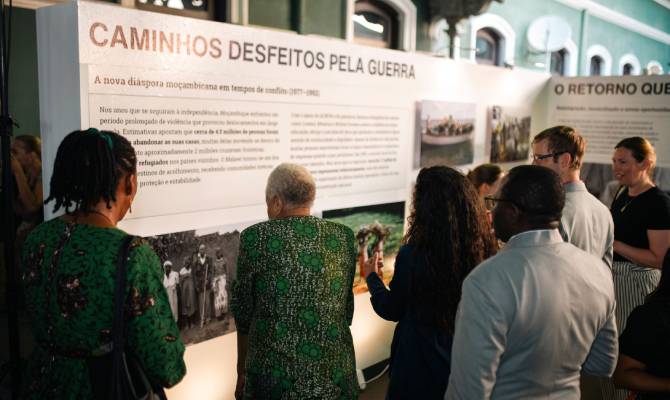
Today, together with our project partners Salesianos de Dom Bosco and ENE, we took part in the inauguration ceremony of Food, Energy & Life (FE&L) organized by Eni and hosted at Palácio de Ferro in Luanda.

FE&L is the photographic exhibition that portrays an Angola in transition, between culinary traditions and new cooking methods introduced through the Eni for Clean Cooking programme. It is a journey through Angolan society and the ongoing changes that will guide thousands of people toward cleaner and healthier habits.

The exhibition was inaugurated by a highly institutional event attended by the Italian Ambassador to Angola, Marco Ricci; the Minister of Mineral Resources, Petroleum and Gas, Diamantino Azevedo; the Secretary of State for Health, Carlos Alberto Pinto de Sousa; and the Secretary of State for the Environment, Yuri Valter de Sousa Santos.

It was an opportunity to discuss the programme, which aims to reduce household pollution and associated health risks, while also contributing to the reduction of biomass emissions. Today, over 80% of the population of Sub-Saharan Africa lacks access to safe and efficient cooking systems. According to the World Health Organization, household air pollution causes around 3.2 million premature deaths every year, particularly among women and children, while the International Energy Agency estimates that collecting biomass for cooking contributes to the loss of 1.3 million hectares of forest annually.

“This initiative aligns perfectly with the national strategic plan and supports our long-term strategy to ensure the well-being of the population, combat poverty and guarantee the human right to food and access to sufficient, healthy and nutritious food,” said the Secretary of State for Health, Carlos Alberto Pinto de Sousa.

As Doctors with Africa CUAMM, we are working on the front lines in the northern province of Uige. At the centre of our efforts are nutrition, hygiene and health, along with an innovative and effective approach: Social and Behavioural Change.

“People want to learn, exchange ideas and be heard. Community activities often last up to three hours, and people stay with us, actively participating. Their involvement reminds us every day why this intervention matters. What we offer is not just awareness-raising activities, but spaces for dialogue where we debunk myths, cultural beliefs and long-established perceptions,” said Nurcia Chiwisa – CUAMM Project Manager and nutritionist.

Through awareness campaigns on food and basic hygiene, the initiative makes it possible to work on nutrition and on preventing health risks linked to inefficient combustion, thus promoting the well-being of families, especially the most vulnerable. As part of the Eni for Clean Cooking programme, implemented in Uige province in collaboration with the Salesianos de Dom Bosco, we have already reached more than 236,000 people through the distribution of over 47,000 improved cookstoves.

“As Doctors with Africa CUAMM, we are very pleased to be part of this large programme, Eni for Clean Cooking. Ten years after our last activities in Uíge province, we have returned with an innovative project in which health — the core of our mission — intersects with fundamental themes such as women’s empowerment, environmental protection and access to energy. It is a truly integrated approach, fully reflecting the CUAMM style and our way of working: close to communities, alongside health authorities and committed to sustainable solutions that can drive development,” said Joaquim Tomas – CUAMM Country Representative in Angola.


Born at 28 Weeks: The Baby Who Defied the Odds in Tanzania

A tiny wren. If we were to depict it, give it shape, it would have Baraka’s long eyes and his round mouth.
Bakara was born at the Tosamaganga hospital in Tanzania. A 28-week preterm baby, “the kind you’re never sure your best efforts will be enough for,” confesses Giulia Guerrini – JPO in pediatrics.

“Below 800 g we know very well that premature babies have very low chances of survival,” says Martina Borellini, CUAMM doctor and head of the Tosamaganga NICU. “Here, at the hospital, we have never taken the ending for granted. In fact, it had never happened before that we were able to discharge a patient born under 800 g.”

Tosamaganga hospital is a secondary-level center, a large facility with a well-equipped neonatal intensive care unit (NICU). Three incubators for the most critical patients, a step-down unit for less severe cases, and two spaces for kangaroo care, the skin-to-skin therapy for mothers and babies. In this NICU, about 700 admissions are recorded each year—an enormous number that reflects widespread health issue. The incidence of preterm births in sub-Saharan Africa is in fact roughly double that of Italy. Geography, unfortunately, also affects mortality: data show that over 90% of extremely premature babies (under 28 weeks) born in low-income countries die within the first days of life, whereas in high-income countries the mortality rate is below 10% (WHO, 2023).

Contributing factors include nutritional, environmental, infectious, and genetic conditions, but another important aspect to highlight is access to prenatal care.

“The literature shows us that if a woman carefully and consistently follows her monitoring appointments throughout pregnancy, and if she is followed by a professional midwife who knows her medical history, the risk of preterm birth can be greatly reduced,” says Martina Borellini.

Damalis, Bakara’s mother, faced many risks. Five pregnancies, five hopes, five expectations that for her had ended in five losses. Damalis has a uterine malformation that had never allowed her to carry a pregnancy to term.

“A bicornuate uterus is a condition unfortunately associated with a very high likelihood of obstetric complications, first among them miscarriage. Because of the shape of the uterus, it is difficult for the fetus to grow and develop fully,” explains Giulia Guerrini.

Despite fears and risks little Bakara left Tosamaganga hospital more than two months after birth, —a period marked by careful medical care and extraordinary dedication by his mother.

“It’s hard to say what made the difference,” says Martina Borellini. “Cases like Bakara’s are extremely rare. Probably a combination of factors: the baby’s gestational age, the fact that he was born in a well-equipped hospital, and the early start of kangaroo care from his very first moments of life.”

An unexpected and astonishing ending. A happy ending that, on World Prematurity Day, reminds us all of the importance of promoting access to healthcare and guaranteeing quality care before, during, and after childbirth for the well-being of mothers and children.