A TALK THAT FIXES AND HEALS

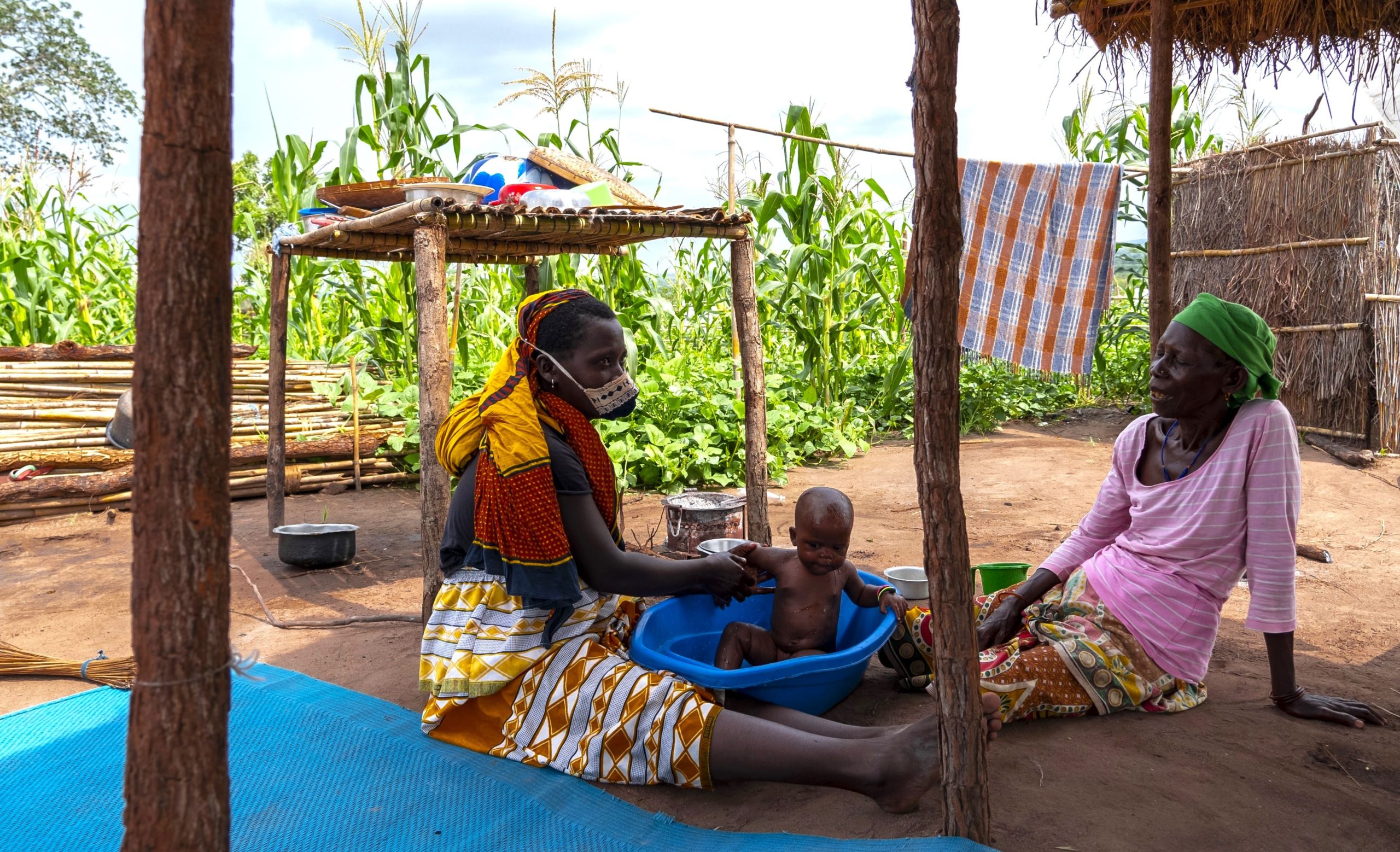
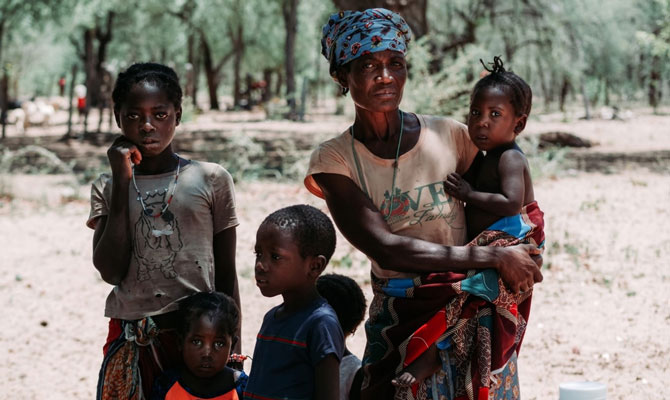
Doctors with Africa CUAMM’s Gender Based Violence project was born in the Metuge district in the Cabo Delgado province, in Northern Mozambique, later expanded in the districts of Chiure and Montepuez, now active in the city of Pemba. Elisa, a Mozambican psychologist with CUAMM, has seen this program grow, first as an anti-violence worker, then as a supervisor, with the desire to go where psychological and psychiatric intervention do not seem priorities, as opposed to concreate survival needs.

Inside a Mozambican anti-violence center

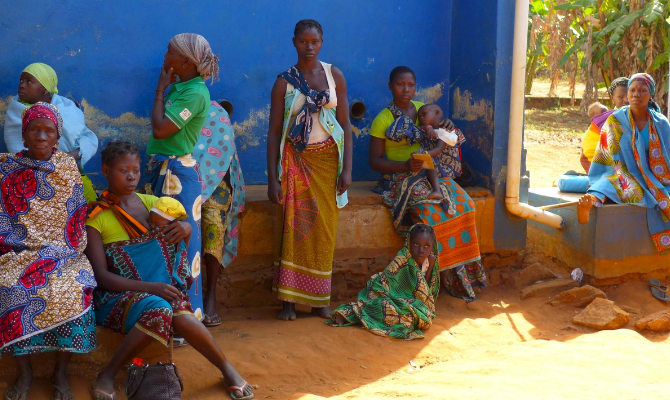
«My job is to support the team of anti-violence workers and the psychological and psychiatric support technicians, and to verify that the cases are being managed in the best possible way. With the outbreak of the conflict, dealing with IDPs has also been very difficult, because the psychological support component seemed abstract compared to people’s concrete needs. Women and men from different backgrounds, with distant cultural traditions, different ethnicities, forced to live together; they no longer have a source of self-support and have to depend on the distribution of food and any other good. Suddenly they have lost everything from their affections to their homes and witnessed abductions and killings of loved ones. Without a doubt, these are extremely vulnerable populations. Vulnerability that adds to already existing weakness, further worsened by the violence of the conflict».

Gender violence as war broke out

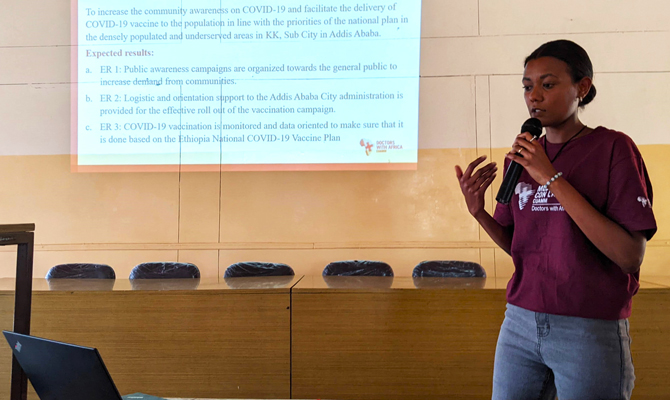
«Displacement is already a violence that people endure that brings with it other forms of abuse, for example physical and domestic as well as early marriages that cause so many female students to drop out of school. At the beginning of the displacement, many camps did not have a school to ensure continuity of education. As for assistance and services, there was a great difficulty in accessing basic health services, then with CUAMM and other organizations, the situation improved. Also crucial are activities conducted in communities, door-to-door, the so-called “palestras”, group chats on the topic of gender-based violence. People are more likely to seek help, knowing that efficient services exist. Vulnerable groups I often encounter are teenagers, women without a support network, people with disabilities and married women».

Access to services between fear and resistance

«There are several barriers to women seeking help: cultural issues and, as a result, gender patterns that relegate women to certain roles in order to make them exclusively good spouses and housewives. Religion also has an influence, as well as the dependence on the husband, which is economical, residential, emotional and therefore totalizing. It becomes difficult to seek help for women, especially in a context of displacement where social and family networks fall apart».

Stories that stay with us forever

«The stories that strike me the most are those shared by girls who had been abducted by non-state armed groups and were freed. Women who have lived through extremely difficult experiences, which they share with the operators and require that they themselves be able to manage their emotions».

A GIFT FROM ITALY TO UKRAINE

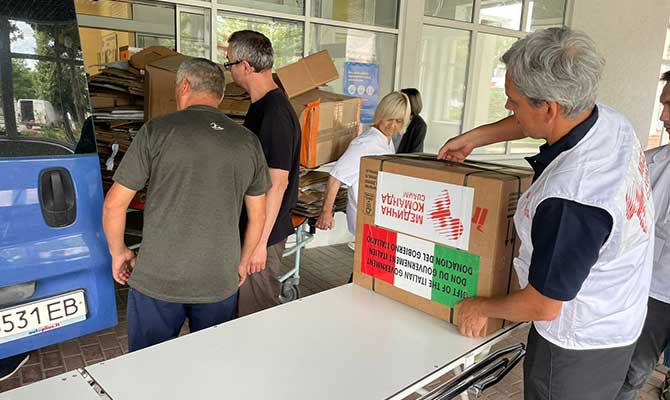
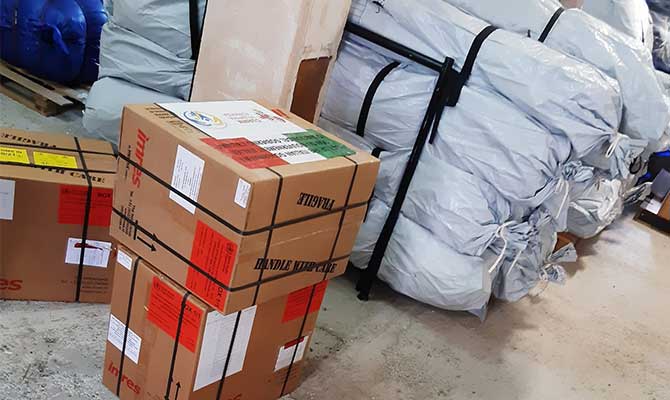
Official handover to local authorities and the VRB association took place last week, in Chernivtsi, Ukraine: 6 tonnes of primary and health goods, sent from Italy and made available through Doctors with Africa CUAMM work to the population.

An indispensable gift to help the thousands of internally displaced people arrived in this area of the country, less affected by the conflict. Despite that, they need everything: food and soaps for personal hygiene, healthcare in the hospital and a house to live in. Departed from Brindisi in early June, the load was stored in Siret, Suceava district, Romania and it arrived today at Chernivtsi, Ukraine. It includes medical kits (surgical, post-traumatic and for the non-communicable diseases treatment) and humanitarian goods (including tents, blankets, tent heaters, hygiene kits and water jerry cans). The load was made available by the Italian Agency for Cooperation.

To mainly benefit from it will be the internally displaced people residing in Chernivtsi and the 13 of 24 oblast (regions) hospitals of the country. So, the material will be used in the humanitarian response that Doctors with Africa CUAMM is implementing in Chernivtsi, Ucraina (and Moldavia) with the local partner VRB. The materials arrived by different realities like ‘’Ukraine Humanitarian Fund’’ (UHF), multi-donor fund managed by the UN Office for the Coordination of Humanitarian Affairs (OCHA). Italian Agency for Cooperation contributed for it as well the past march with 6 million euros.

After the greetings and the gratitude about what Italy is doing, like welcoming refugees from Ukraine and sending help to the country, Mykola Guitor, first Chernivtsi Vice-President of the Regional Council, kicked off the event: «If we stay all together we can defend our right to join the European family. Italy is helping us not just with words but also with facts, taking care of women, children and elderly people. Today we’re here to receive this concrete gift and to thank you. In this moment, our region is a humanitarian corridor where many displaced people arrive and the need is significant. This is not just a Ukrainian war; it concerns all the Europeans and the whole world. Despite that, we just want peace and to stay with Europe».

«We are particularly fulfilled about this operation, inserted in a solid collaboration with the civil society and in the wider Italian humanitarian response perspective to the current crisis. We can make a difference providing assistance successfully to the most vulnerable people only by creating synergies», said Minister Lucio Demichele, linked to the conference and head of Humanitarian Aid and Emergency to the Italian Ministry of Foreign Affairs.

While Pier Francesco Zazo, Ambassador of the Italian Republic in Ukraine, pointed out:  «The humanitarian problem in Ukraine is explosive, there are about 7 million internally displaced people. Italy is doing a lot giving support and assistance to the population. Unfortunately, estimates say that if the war continues by the end of the year there will be a 50% GDP reduction and half of the jobs will be lost. Italy is carrying on many humanitarian operations and activities, through the commitment of the Civil Protection, the Red Cross and many NGOs including CUAMM: one of the most important Italian NGOs that I appreciate and to which I am grateful. In the past few days, during his visit, Prime Minister Draghi highlighted the fact that Italian Government is among the first supporters of Ukraine’s Europe entry. We hope that this process can take place soon».

«As CUAMM our history always led us to work in Africa, for the most fragile and weak people, close to those who suffer the most, as women and children. So we couldn’t turn our backs on the Ukranian neighboring people, suffering so much today. We are grateful to the local association VRB, which we are collaborating with to support Ukraine. Our gratitude is also for the local authorities, above all to the Italian system and to the Italian Agency for Cooperation that has given us this essential primary and sanitary materials, indispensable for the population’s health, which we will be able to distribute in 13 of the 24 oblasts of the country»: said Don Dante Carraro, director of Doctors with Africa CUAMM.

VRB general manager Katerina Ponomareva gave voice to all the volunteers of the association. The association works hard to bring help to those who escape from the most affected areas of the country: «Thanks to this important load that Italy gives us through CUAMM we can go further, specifically in the easternmost regions. We can bring medicines and goods to children, to the sick, and to women. And this is very important to us».

The first operation, one of the two shipments realized within a few days apart from each other, was realized by the Ministry of Foreign Affairs and International Cooperation in coordination with the Italian civil society that is at the front line in response to the Ukrainian humanitarian crisis. This support gives a further boost to the commitment that CUAMM has shown for Ukraine during the war outbreak: while not taking away energy and effort from working in Africa, where every day the need also increases because of this war, CUAMM could not turn his back on a near and urgent need.

A “TRAFFIC LIGHT” TO GUIDE MOTHERS AND OPERATORS

In Goro, Ethiopia, remembering appointments at the health centre is not so easy for pregnant women, especially when they are busy looking after the family, the fields and the home. Many Ethiopian women are reluctant to announce their pregnancy until it becomes visible. These habits can represent a health risk for mothers and children: from pregnancy to postpartum, antenatal visits, proper care during labour and delivery, postnatal visits and vaccinations are essential.

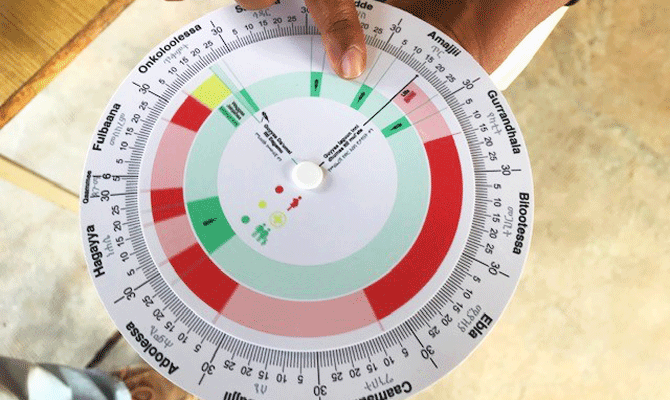
This is why Doctors with Africa CUAMM collaborated with the organisation “Women and children first” to launch the 18-month RE-CAL-L pilot project in November 2020 to get mothers used to requesting the services they are rightly entitled to, through a simple personalised reminder system.

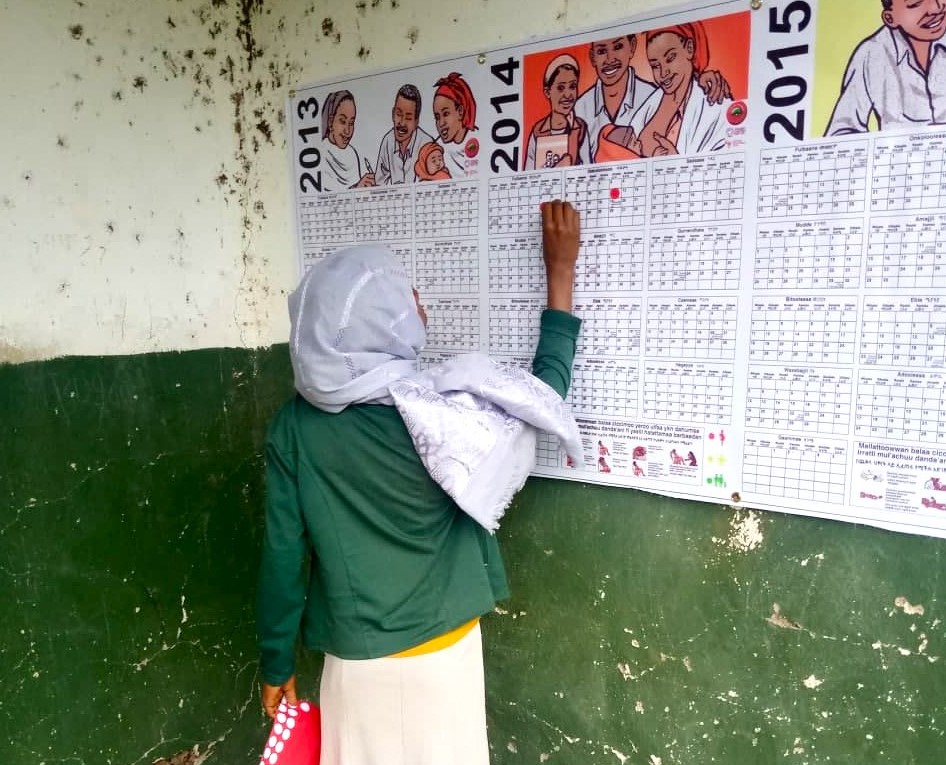
So, in May 2021, pregnancy calculators and implementation manuals were distributed to the 50 community health volunteers (CHV) trained to develop the programme. From June to April 2022, the CHVs identified and enrolled 839 women for screening, distributing appointment calendars to them at health centres. CUAMM, in collaboration with local health staff, conducted supervision and support visits to volunteers and women enrolled in RE-CAL-L.

The project has been enthusiastically received by mothers and their families, as the operators say: “When we affix the calendar on the wall at home, the mothers-to-be are happy, they appreciate what we explain about the services”. The tools are understandable for all: “The calendar is very simple. The three colours communicate different messages: red for the services we receive before the childbirth, yellow for preparing for childbirth and green for services after childbirth and vaccination of the baby”. Furthermore, in cases where recognition appears more difficult because the mother has not had access to education, health staff and family are helpful: “The calendar is not difficult to understand, but because I am not instructed, my children read it for me! Thanks to these methods, the women were able to alert the health workers well in advance at the time of delivery: “I called an ambulance when the day of delivery was approaching on the basis of the calendar and returned home safely with my baby”.

Rahmat, 22, a recent mother of a baby girl, was particularly satisfied: “The calendar reminded me of all the dates of my visits during pregnancy and after delivery. It made me aware of my rights. I have already taken my daughter for her first vaccination. I can’t wait for the next one!”.

The project was a success, reaching 82 per cent of pregnant women in the Goro area, and resulted in a significant increase in the percentage of mothers-to-be who had at least four antenatal visits to health centres and their first antenatal check-up within the first 16 weeks of pregnancy. The results were so encouraging that leading health office officials promised that they would continue to use the pregnancy calculators after the end of the project. A demonstration that there is great potential for the RE-CAL-L system in Ethiopia, particularly to maximise results in a resource-limited setting. We hope that this system can be applied not only in other areas of Ethiopia, but also in other contexts: in this perspective, Goro and its 839 women are the starting point.

IN EPANGO, ANGOLA, WITH CUAMM’S MOBILE BRIGADES

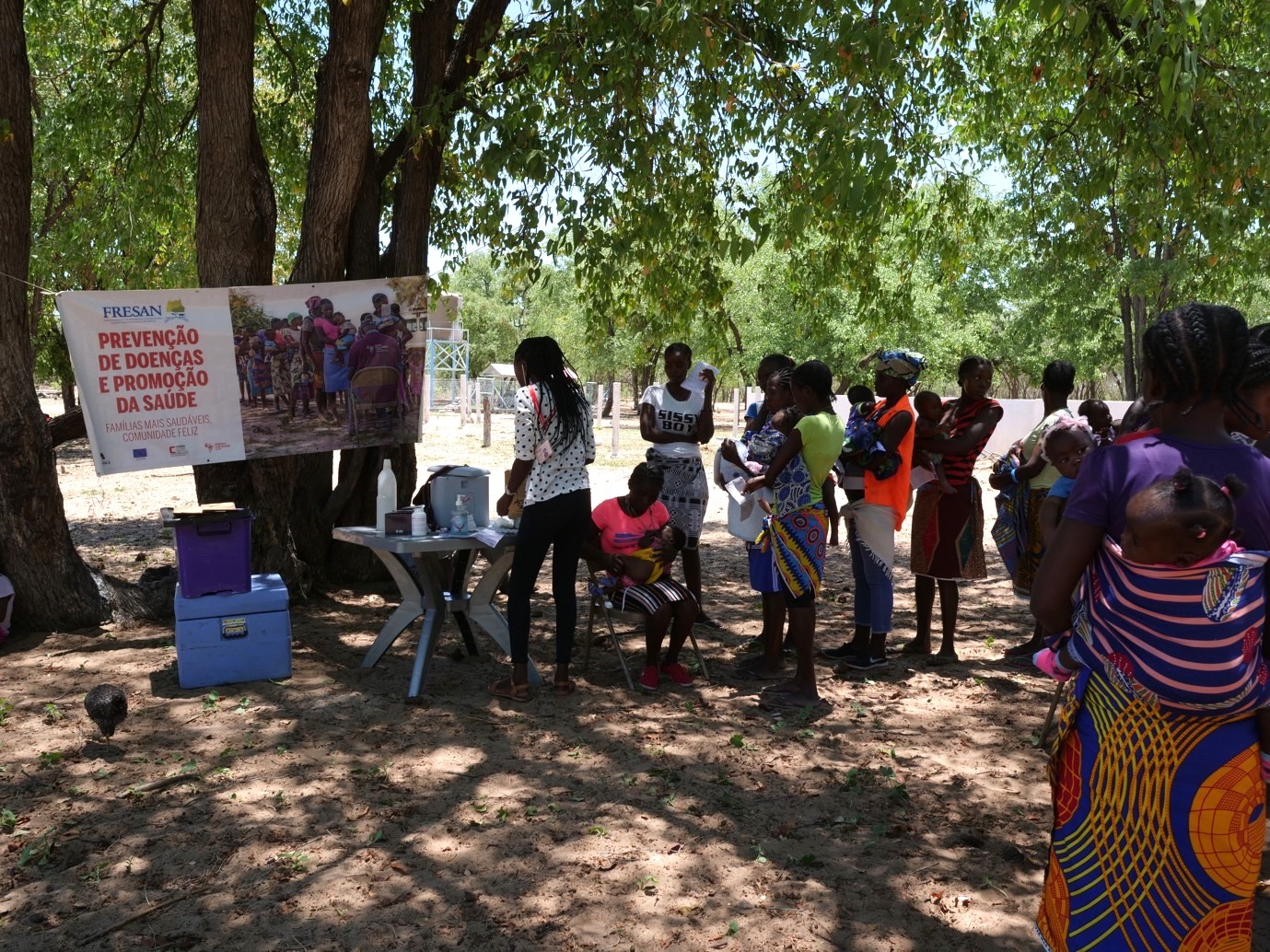
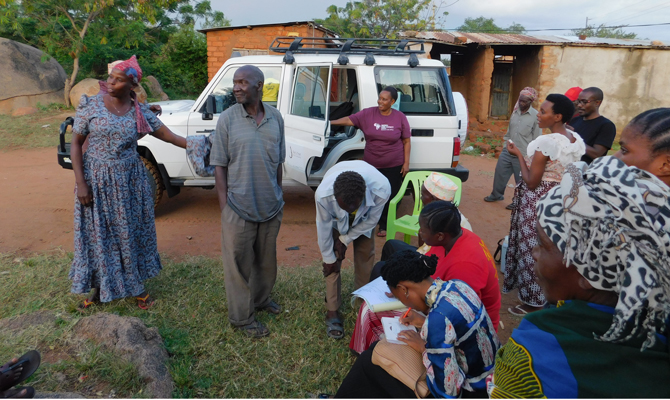
«To reach the village of Epango, in the municipality of Mucope, it takes almost two hours by car from Chiulo Hospital in southern Angola. The road is unpaved, runs through nature, and in the rainy season becomes difficult to travel on. Compared to other villages, a well here allows people access to water and a watering hole for animals. During the latest vaccination and prenatal consultations conducted by Cuamm nurses and public health nurses, 60 children under 5 and 10 new mothers showed up.

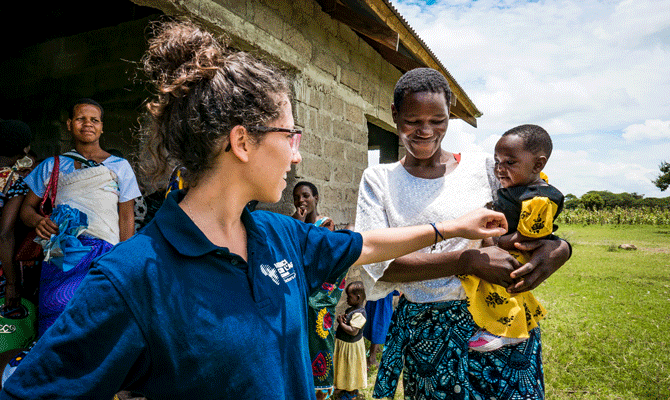
Dulce (in photo) is 37 years old, speaks the local language and arrived with five of her 12 children. She told us that her youngest was the second time she had visited. The child is two years old, was born in a “kimbo”, a typical Angolan home, and had not yet received the tuberculosis vaccine, as only the hospital administers it. Dulce became aware of the activities of the mobile brigades through word of mouth from the “parteiras”, the local midwives, and community agents, and since the meetings began to take place on a regular basis, she decided to participate. It is thanks to figures like these working among the population that Cuamm is able to reach the most remote places, to which it would not have access otherwise. Women’s main problems include transportation to health centers and the need to care for their children and camps. The presence of the Cuamm nurses makes it possible not only to bridge these difficulties, but also to help raise awareness».

 Two years of the Fresan program: the results of the mobile brigades

The Fresan program began in March 2020, implemented in one of Angola’s southern provinces, among the most affected by the worst drought in 40 years. The project aims to strengthen the health system for malnutrition management on different levels. It also aims to monitor the health status of children under five and pregnant women, improve the adoption of good nutrition and hygiene practices at the community level.

Among the program’s main activities are the mobile brigades, a team of four nurses deployed to 33 villages, in those more remote areas with difficult access to health care systems. The service brought to communities includes routine vaccinations of children under five and women of childbearing age, prenatal visits to pregnant women and nutritional screening of infants, pregnant mothers and children. Cuamm is the only organisation in Angola that currently performs a nutritional assessment of women. For those who fall within the criteria of malnutrition, our nurses deliver a food kit, a small help to be able to mitigate the food insecurity these communities experience.

Between 2021 and the first quarter of 2022, 190 outings with the mobile team were carried out, more than 10,000 children under the age of five received nutritional screening. Nearly 3,000 prenatal visits were performed. Together with the nutrition manager, at the municipal level, more than 40 supervisions with “on-the-job” training were carried out in health centres with outpatient services for the management of malnutrition. 66 health technicians, including physicians and nurses, were also trained on the integrated management of acute malnutrition.

The rates of malnutrition cases among children is highly variable from month to month, however, we can say that, in general, there has been a decrease in cases. In the first four months of 2022, the cases found are about half as many as in 2021. There was also a decrease in malnutrition cases, among pregnant women and infant mothers who received nutritional screening. We will have to wait until the end of this year to have a more in-depth assessment of the positive and virtuous effects of this intervention.

The three southern provinces over the past 3 years have been beneficiaries of an integrated program to strengthen food and nutrition security through the efforts of many NGOs, each with their own focus, nutrition, agriculture, and water. Everyone’s commitment and the blessing of a slightly more abundant rainy season than in 2021 will benefit the people of Southern Angola.


This news item has been produced with the financial support of the European Union. The contents are the sole responsibility of Doctors with Africa Cuamm and do not necessarily reflect the views of the European Union.

“I’M LEAVING WITH CUAMM!” FROM ITALY TO SIERRA LEONE

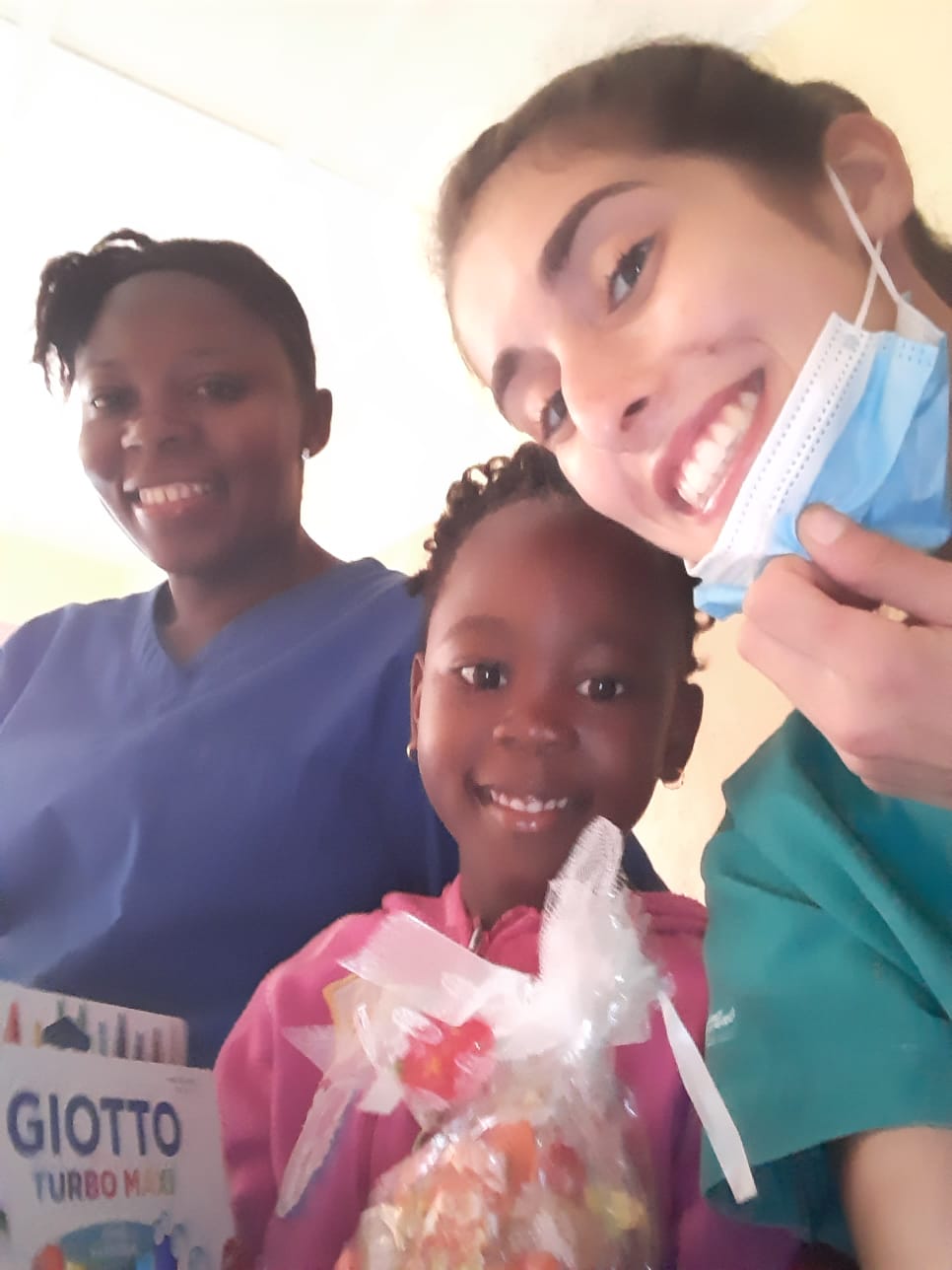
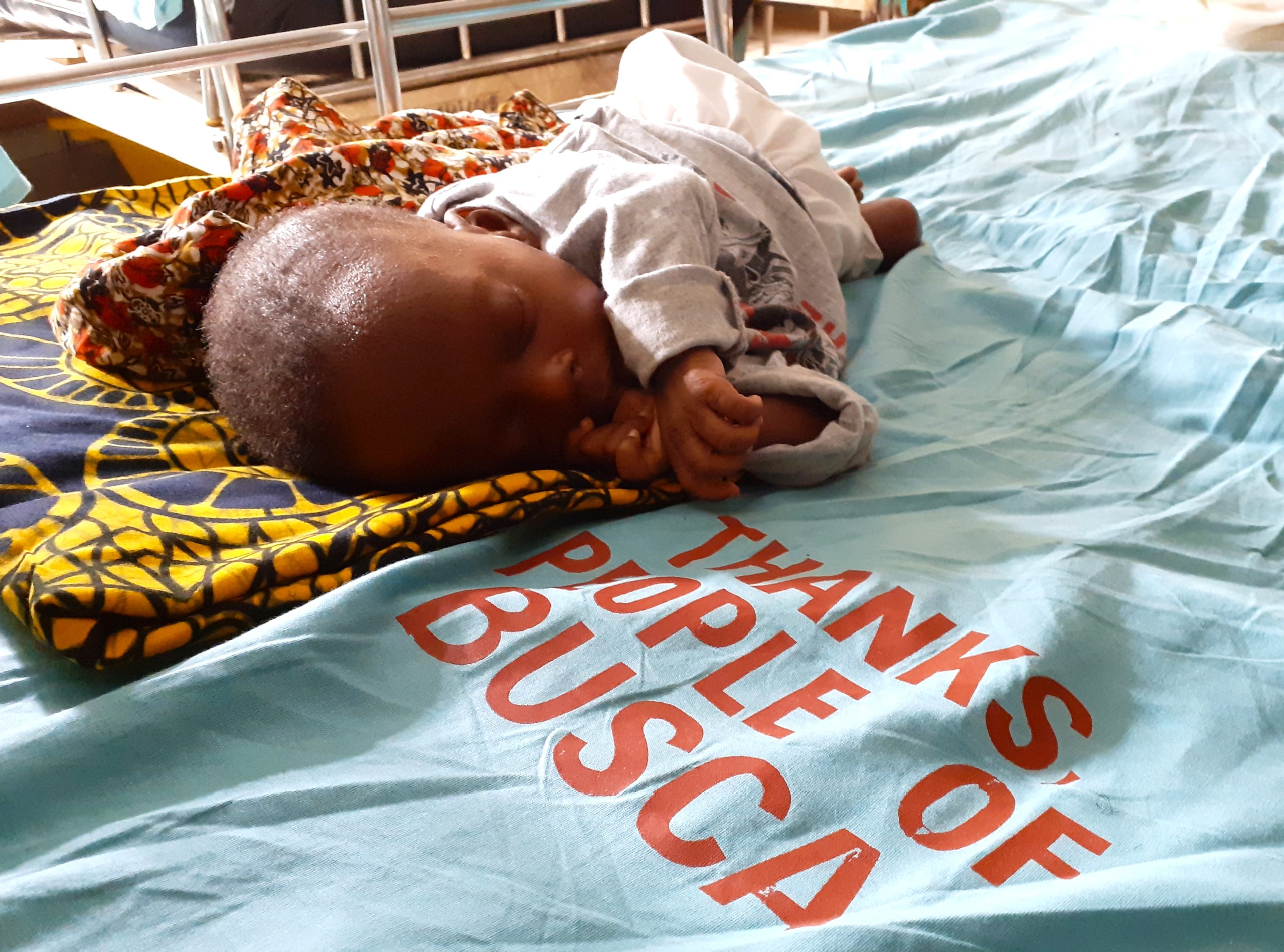
Giulia Bellone is 25 years old, she comes from Busca, in the province of Cuneo in Italy, and has just returned from Pujehun, a small village in the south of Sierra Leone, where she did Universal Civil Service as a pediatric nurse. In her story, the unforgettable experience she had with mothers and children in the pediatric section of the emergency ward, in the malnutrition unit and in the neonatal intensive care section.

Thanks to a previous volunteer experience in Senegal, Giulia was studying at university with the goal of returning to Africa; so when a job opportunity arose at Regina Margherita hospital in Turin, she had no doubts, “Thanks, but I’m leaving with Cuamm!”.

«I arrived in Sierra Leone on July 7, 2021, where I spent 10 days in Freetown to dive into the reality of the country. Then, I moved to the village of Pujehun. And from there the adventure began! The coordination role of the project manager Adrien, a gynecological physician-surgeon, was fundamental: he was an important point of reference; as well as Alessandra, a pediatric surgeon, an experienced and determined specialist, who taught me a lot: she made me aware of the complex reality around me».

A profession of passion

«I had the most intense experience of my life. Finally, I found that happiness that allowed me to appreciate myself, and consequently the capacity to work better. I call it passion. I built friendly relationships inside the hospital, in the compound and outside, so also in the community, and I found a home, a family. I felt accepted despite being white in the Mende tribe, thus representing a minority.

In the work field, CUAMM really works with Africa. For a time, inside the hospital, there were only three of us from CUAMM staff: me, Adrien and Alessandra. Three in the whole hospital. If this is not being with Africa, then what is? I left Italy with the idea of growing professionally and humanely in totally different  place, learning from those who would take me in, being able to contribute as much as possible. There I realized that we don’t save life, we support it. When we succeed, we are very happy!».

The condition of children

«In Africa, the condition of children is still difficult. A slight change of mindset is now starting so as to be able to guarantee better awareness and care of newborn and children. Women can have up to 19 deliveries. Raising many children while earning less than one euro a day is a feat. Therefore the mortality rate remains high, diseases are easily caught, those living in the villages do not always have clean water, they do not cover themselves, they do not eat. I felt that in Africa a child is seen as a future help to the family. However, it is difficult to carry on the well-being of the little ones. I used to look after children up to the age of five, but the mortality rate in the first twenty-four hours after birth is very high. Often, mothers try to treat them at home with traditional herbs, then since they have no money to pay for transport, when they find an ambulance that stops, they get in, but it is too late».

The engagement in Italy

«In Busca, my home village in Italy, together with my fellow citizens I organised a fundraising event for the Pujehun hospital that was very well attended. I am proud of my village for the way it decided to commit itself. With the donations, we sent equipment to Pujehun, even before I finished my civil service. This is a great satisfaction for me. So I can witness that donating really does good! I already have some plans for the future. Stay tuned!».

A SUCCESS STORY FROM SHYNIANGA

In Shynianga region, Tanzania, the vaccination campaign is thriving. In just a few months, from February to April, in Shynianga DC the vaccination coverage has gone from 4% to 45% for a total of 72.702 people vaccinated against Covid-19, in a target population of 305.522. A big success if we consider that, in according to the OMS data, the country average stands at 10,9% of the population with one dose and just 6,6% with two doses.

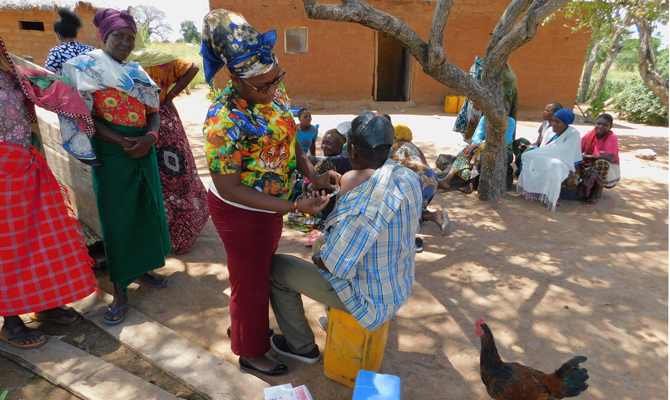
An ambulance, a small cooler and a big register. Three Community Health workers have been all over the district, bringing the vaccine ‘’from door to door’’, winning the initial hesitation to receive the vaccine. Under a tree, near some huge rocks or in a tiny health place with red bricks and corrugated iron doors, sitting in plastic chairs or small benches. The portable cooler that contains the vaccines placed on the ground, the big register on the knees to write down who receive the first or the second dose. Calm and patient, all the people wait for their turn sitting on the mats, while the children stare at something that this time isn’t about them.

«Going from village to village, talking to people, explaining them the importance of vaccination to get everyone vaccinated. This is our main commitment – explains Edith Kwezi, or as all they call her, Mama Kwezi, who coordinates the vaccination campaign for CUAMM–. Hard times continued, as in the Manyada village: after raising awareness about the importance of vaccination, the village headman only wanted to receive a single-dose and we just had Johnson & Johnson, so he and many others refused to receive it. Another difficult time took place when the transport equipment wasn’t available to reach many elderly people in an isolated village». And she continues: «In the past months there were also moments that gave us a big satisfaction, once we were in a very remote area, the Itwangi zone, and we vaccinated 13 elders. Their reaction was an extraordinary happiness, they thanked a lot CUAMM and the government for having reached them, so close to their home and they asked to carry on this strategy until all the elders will receive the vaccine».

The results are now visible: after the training of the local activists and the Community Health Workers, after meeting a lot of partners and involving more than 400 people between village headmen and religious leaders, traditional guides and opinion leaders, after increasing community outreach activities and strengthening teamwork at all levels and encouraging vaccination teams through radio spots.

«It’s necessary to carry on this work: now people start to understand that Covid-19 can be very dangerous, but they don’t know yet how to evaluate the effectiveness and value of the vaccine– continues Edith -. Many of them are still doubtful, so the awareness campaign has to proceed. Teamwork and everyone’s commitment can make the difference. The most beautiful day? When a Community Health Worker, in Nsalala, brought us in eight families, house by house. She explained in her native language “Sukuma” the importance of the vaccine and all the people we met have been vaccinated, no one refused».


WHERE THERE IS A LACK OF WATER, THERE IS A LACK OF EVERYTHING

It is a drought emergency in Angola. Our daily commitment consists of focused interventions to ensure access to drinking water in a very dry territory. This is what Maurizio Peselj, a hydrogeologist who joined CUAMM on a mission created to “help those who need to be helped”, tells us. Because where water is lacking, everything is lacking.

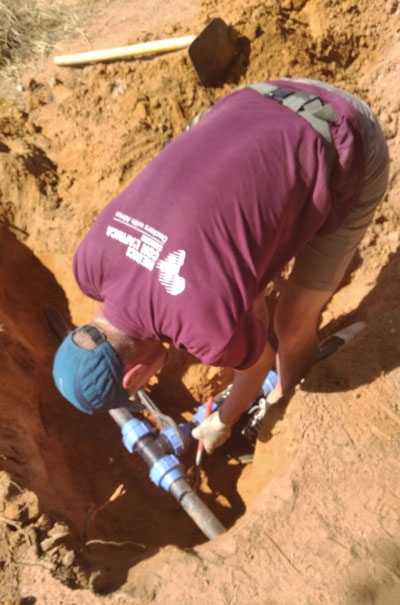
«Mine is not a desk job. Even in Angola I was on the move to study furos, which are “traditional” wells, and cachimbas, which are wells with a large diameter but shallow depth: I visited at least 50 of them to understand their condition, whether there was a need for extraordinary maintenance and rehabilitation. What is the difference? In furos you have electric submersible pumps, powered by solar panels, while in cachimbas the water extraction system is the classic bucket with a rope lowered to be filled.

Each day started at 8 a.m. I carried out the inspections always together with the local Cuamm engineer and my colleague Antonella, head of the project “Reducing nutritional vulnerability in Cahama and Ombadja Municipalities through community surveillance and increased access to safe water sources” on maternal and child health promotion and nutrition. The intervention, supported by Camões I.P. under the FRESAN Programme, is implemented by CUAMM in cooperation with the local authorities. In the first step, we made contact with local authorities, provincial or municipal administrators, or traditional authorities such as soba to set priorities. Then, we travelled around the mato, the bush, to visit dislocated health centers – on “roads not roads”, as I say, often interrupted by fords or unthinkable obstacles, such as potholes, landslides – to see if they could fit into our nutrition programs and, at the same time, to check the level of drinking water supply.

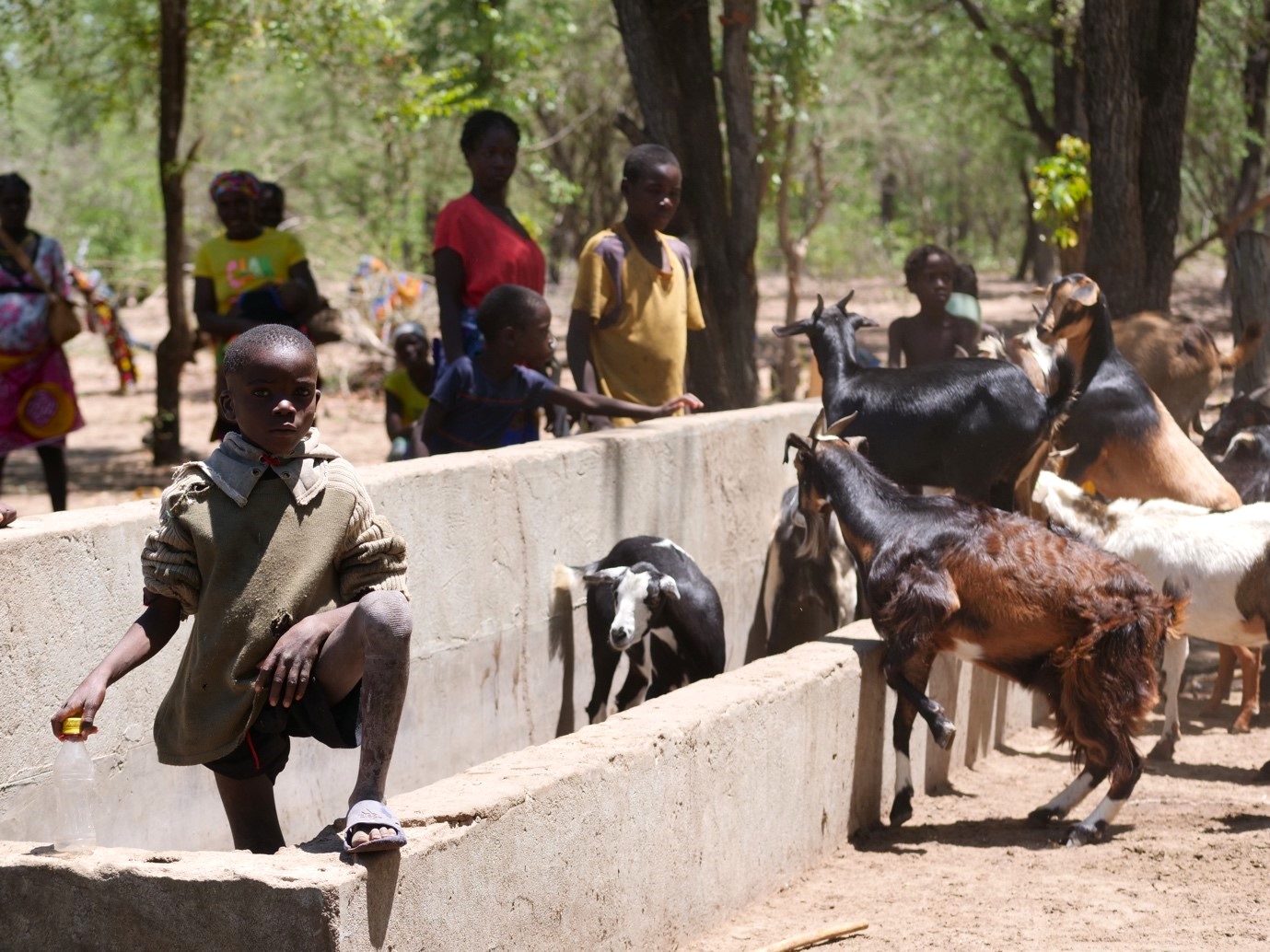
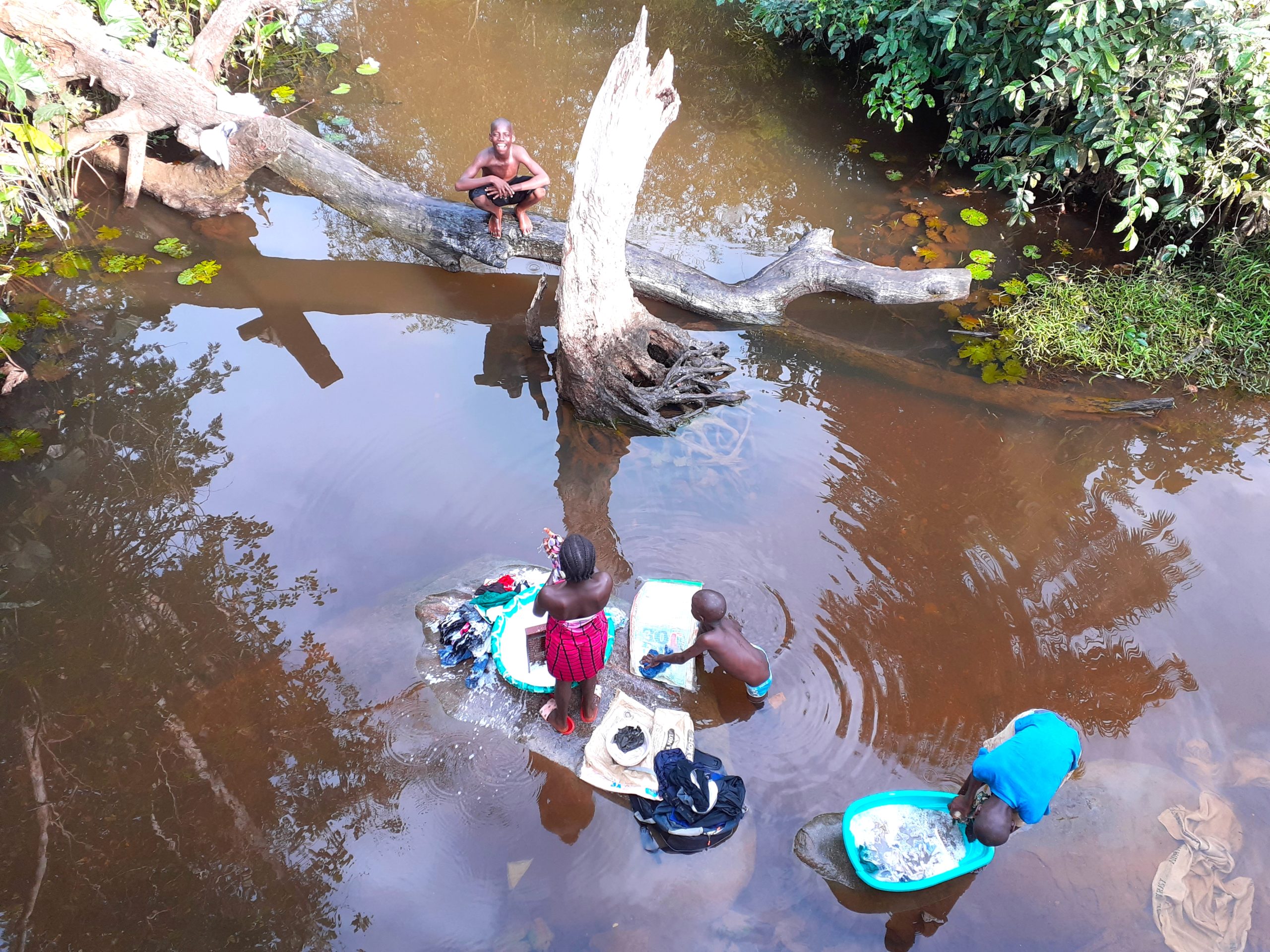
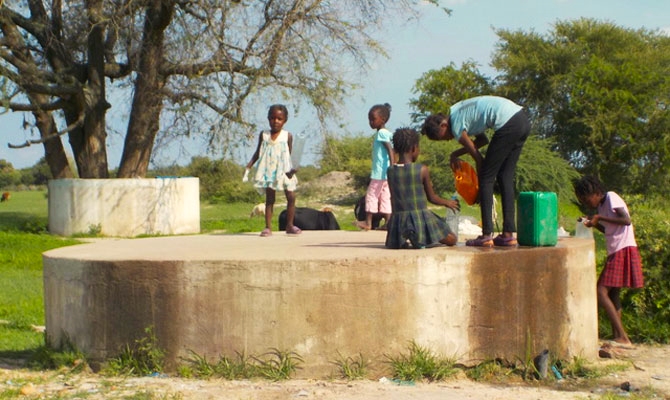
Now the southern province of Cunene suffers from a chronic dry situation, with rainfall ranging from 300 to a maximum of 450 millimeters of water per year, well below the threshold that is considered the limit for considering the area dry. There is a real quantitative and qualitative deficit in access to the primary water commodity for excellence. Most of the population takes water from chimpacas, rectangular basins (60×100) with a depth in the center between 3 and 5 meters, which are filled with rainwater. Since they are not protected basins, animals can access them, to the detriment of water quality with consequences for people’s health.

Orlanda, a 30-year-old Cuamm worker, showed me her home. She has five children and also houses some orphans, children of her brothers and sisters, forming a family of ten. In her hand Orlanda held packets; she explained to me that she uses them to purify the water collected from the watersheds in the area. This is not always enough to make it safe.

When I return from the mission, once again, I feel changed. I am surprised to be amazed, every time. By now, I live my fifth life. The thing I will always carry in my heart is the will to live that I found in this land! I think we must continue to walk with Africa, to help those who need to be helped. I hope that this need may cease sooner or later. But in some cases, it’s like when we’re looking at a chronically ill person: we have to keep treating them, for life».


This news item has been produced with the financial support of the European Union. The contents are the sole responsibility of Doctors with Africa Cuamm and do not necessarily reflect the views of the European Union.

THE VALUE OF EVERY HUMAN RESOURCE

“Cuamm has always tried to pay attention to the person, keep in touch with human resources, take care of them and respect them. Seeking, identifying, welcoming and accompanying, this is the specific mission of the Human Resources sector. Professionality and mission-sharing, flexibility and adaptability are required of those in the field, but it’s all in ‘how’ one stands in front of the experience: it’s opening a door through which to let everything in”. Alessandra Gatta, on a mission from the Padua office in Tanzania, tells how the selection, dispatch and accompaniment of doctors, operators, administrators and logisticians works. So many steps, one big goal: mutual exchange and enrichment. A challenging and difficult privilege.

“Human resource management is complex. Generally, a person needs to fill a specific position; therefore, it is the projects department that notifies the human resources department of the profiles needed in the field. Through this notification we start the process of recruiting and screening resumes. We meet the candidates who seem best suited for the open positions, but also those who we think could fill future positions in the projects. The next step of getting to know people takes place either through collective meetings or individual interviews; the process of getting to know them -which must be reciprocal – is complex and delicate because on the one hand it is necessary to catch the salient features of the candidate, at least the most significant ones, so we explore the motivational area through direct or indirect questions, but also the history, professional experiences, difficulties and personal experiences. On the other hand, it is important to familiarize the candidate with Cuamm’s characteristics, mission and approach.

We conduct individual interviews in twos in order to get different points of view and be more objective; those in front of us may be more or less open, wary or eager to tell their stories; the phase of listening and “suspending judgment” is essential so as not to be influenced by personal feelings. Once the individual interview is concluded, we draw up a personal profile, which is followed by a technical evaluation by colleagues in the projects or administration department. We collect evaluations on the person and proceed to give feedback, always, whether positive or negative. In case of positive feedback, we proceed with the proposal of collaboration. The moment the person accepts, the pre-departure procedures are triggered, i.e. the resource is put in contact with colleagues who deal with the bureaucratic and administrative part related to the visa/work permit, contract and everything else. Before departure, we always organize a training, usually on site. This is a crucial phase because we have to give the person all the practical information and try to get them into the Cuamm world: we are building the basis of a long-term relationship. The departing person has the opportunity to talk to colleagues from all sectors to get the big picture and to those who, in particular, follow the project activities of the headquarters where he or she will be placed. The person receives a kit, a backpack, some t-shirts, a pin, a gown if they are health workers: small items, even symbolic, but important because they show that one is entering the Cuamm family.

During this training, Dante Carraro also cares about getting to know future departures, and this is a valuable moment. Once the human resource arrives in the field, he or she will meet with the country manager who will make an introduction related to specific aspects of context and work and then be placed on the relevant team. At this point, we in human resources remain available for whatever support may be needed, periodically contact people and possibly give tools for conflict management and self-care. We also do field missions, during which we meet people and try to create an informal space where the resource person feels free to open up. Often, he or she may have needs that go beyond the work aspect, which are just as important and require attention”.

Alessandra Gatta, HR manager at Doctors with Africa Cuamm

FABIO AND MARICA ON MISSION IN ETHIOPIA

Addis Ababa Airport, Ethiopia, kilometer 0

The wind brings frayed echoes of traditional music, mixed with the twittering of tiny birds. The city of the “new flower,” as it is called in Amharic, wakes up. The Orthodox church is a short walk away and voices in prayer come from there. Our mission is beginning. First stop in the coordinating office, where we meet Riccardo, country manager, Cristina, administrative manager, Ademe, program coordinator. Together we focus on the projects that are ongoing in Tigray and Amhara, funded by the European Union (Echo) and Who. Ours is a planning work, preparatory and functional to everything else.

St. Luke’s Hospital, Wolisso, kilometer 120

Despite a thousand difficulties, St. Luke’s Hospital in Wolisso, southwest of the capital, is a source of pride for Cuamm. Over many years, a reality has been built that still holds up, allows us to be present in a fragile area and to enter with a qualified intervention in the Nicu, the neonatal intensive care unit, where babies live hanging by a thread. That’s the significance of all our reports, papers, documents, and efforts. The hospital recently turned 20 years old… how many patients have been treated here! And even today all the wards are full. Two days ago a woman came in with postpartum hemorrhage, and despite very prompt care, she did not make it. Major cause remains, once again, the delay because of the distance from where mom gave birth to the hospital. Immense spaces of hills and barely passable dirt roads. Against such a backdrop, the waiting house remains the only safeguard to reduce risk. And meanwhile, hospital staff and management continue their daily struggles to ensure accessibility of care amid endless difficulties, such as drug shortages and power going in and out, often malfunctioning medical equipment.

Today we experience Africa helping Africa firsthand. At a workshop with all Cuamm staff, we meet Ethiopian program managers: Tessau, Berhanu and Mary, the only woman, who manage a number of projects in the north of the country. These are local staff in a responsible role, with whom we have been collaborating for some time. The meeting is attended by the full Cuamm staff of 60 people. You can feel the change in the way of doing cooperation, with an Africa supporting Africa: the Ethiopian colleagues are real professionals, with master’s degrees in health sciences, PhDs in public health and expertise that they offer to their country. Our accompanying them is sustainable, because they will soon be walking on their own.

Jijiga, Somali Region, kilometer 600

A flight takes us to southern Ethiopia for a lightning mission. Abdissa, project leader, is waiting for us. We have been operating here since 2020; thanks to the support of the Trevisanato Foundation, we ensured the functioning of the health center by sending staff and mobile clinics. Then, the intervention expanded to two other districts, with support from Aics. The land is very arid, the population is migrant, and there are many refugees from Somalia.

Dharwanaaji, Woreda, kilometer 665

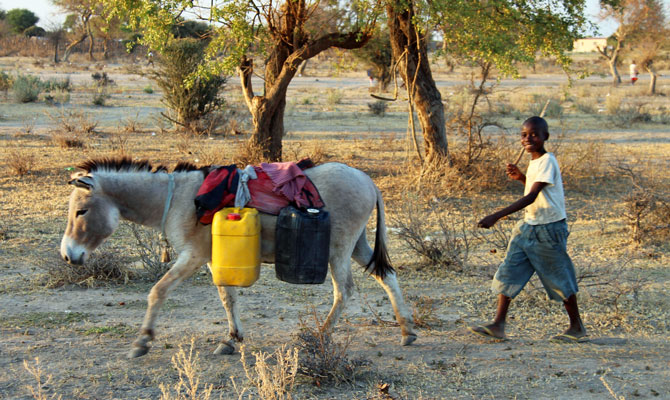
From the capital city of Jijiga, driving 65 kilometers of dirt road, we reach the very health center of Dharwanaaji in the Hawara Woreda, inhabited by 130,000 people. The Woreda has only two health centers and 20 health posts. On the way we intercept herds of grazing camels, cows and sheep that the driver deftly dodges as they cross the road. We glimpse women, covered by Islamic headscarves, walking with heavy jerry cans in their hands. Water is the most precious resource: digging a well can cost 300,000 euros.

Gambella, kilometer 710

We are at the city’s refugee center. The manager points out to us that in addition to the South Sudanese refugees, there are also nomads from other African countries who do not pass through Unhcr registration but are still being assisted. We cannot leave them alone. Later, a moment of serenity: a group of women invite us to participate in the “tea-talk,” the tea ritual, which we sip, hot, accompanied by a handful of “kolo,” a mixture of roasted barley-based grains. These are mothers, who give us a sweet song of thanks for what Cuamm is doing for them and their children.

We move to the general hospital, where we experience the pain. Here the main problem for serious cases, which are transferred even 8 hours away from the region, is the lack of blood. Unfortunately, the Regional Blood Bank has no resources to activate awareness campaigns about the importance of transfusions. With the refugees, the population has grown to 1 million. One of the patients is a small refugee only 10 years old who does not respond to treatment, comatose from meningitis. The doctor decides on a transfer–eight hours of travel on rough roads for a comatose child with seizures. An obstacle course that will cost him his life.

It’s the end of the mission, we return home: the tin roofs scattered between hills reflect the sunlight, as in a kaleidoscope, an expression of our conflicting emotions. We catch sight of the desert plain and it becomes clearer to us how those endless distances are, after all, all connected by little strips of red earth. Which we will not stop walking, with everyone’s help.


Fabio Manenti is a medical surgeon and project manager, Marica Pilon is Ethiopia Project Desk Officer for Doctors with Africa Cuamm.

HYPERTENSION, AN INSIDIOUS CHRONIC DISEASE

World Hypertension Day reminds us how all chronic diseases need treatment, constant and integrated monitoring because they often intervene together with other diseases, such as diabetes. Today, special attention goes not only to primary health care systems that make it possible to monitor them, put patients on treatment and follow them with community-based treatment (as Cuamm does in Beira in Mozambique, Luanda in Angola, or Ethiopia), but also to the many people who are displaced in their own country or refugees abroad. They are the most vulnerable: in moving around they almost always lose their medical records, they cannot take their treatment with them, they have no medical reference, so they find themselves uncovered for a good period of time, both therapeutically and for medical check-ups.

Doctors with Africa Cuamm follows these patients in Africa, where most of the internally displaced people and refugees in other countries are. We find constant crises in northern Mozambique, where there are internally displaced people in Cape Delgado province or in Ethiopia in Gambella province, where South Sudanese people have found refuge. As they leave the communities and the society in which they live, they do not have health referrals, as well as the ability to access adequate health services, to buy medicines or have access to guaranteed medicines on a consistent basis.

Thoughts also go out to the people of Ukraine and Moldova where we are currently operating due to the ongoing crisis. In Ukraine so many people have fled areas of acute conflict to take shelter in calmer areas, where we have structured a system of medical check-ups and provision of essential medicines. In Moldova, many of the Ukrainian refugees are meeting medical teams on the ground with chronic illnesses, including hypertension and diabetes.

Hypertension, like so many chronic diseases, is a growing problem in Africa. Our commitment is to strengthen health systems, in partnership with local authorities, by enhancing services with a view to sustainability and system growth to provide people with adequate treatment throughout their lives.

In Africa, hypertension is also a problem in adulthood. It is noted to be slightly earlier due to malnutrition and is an increasingly common condition. Since it is a chronic situation, following diagnosis it must be followed throughout life and becomes a major challenge for weak systems. That is why prevention is a key element in all Doctors with Africa Cuamm programs, to prevent all its effects. Sometimes it is too late to get treatment especially in weak health systems. Nutrition and physical activity are also challenging practices in settings where there are refugees, no security, no adequate environmental conditions. Some large cities like Luanda in Angola do not allow for healthy living. In addition to this, there remains the problem of early diagnosis: sometimes all it would take is to change the diet in time and the patient could already receive a benefit, even before giving a treatment that they then have to follow for life. Medical screenings are important for this. Unfortunately, in Africa the more acute effects of hypertension, such as strokes, are difficult to treat, so prevention becomes crucial.

Andrea Atzori, international relations manager